Last Updated on November 27, 2025 by Bilal Hasdemir
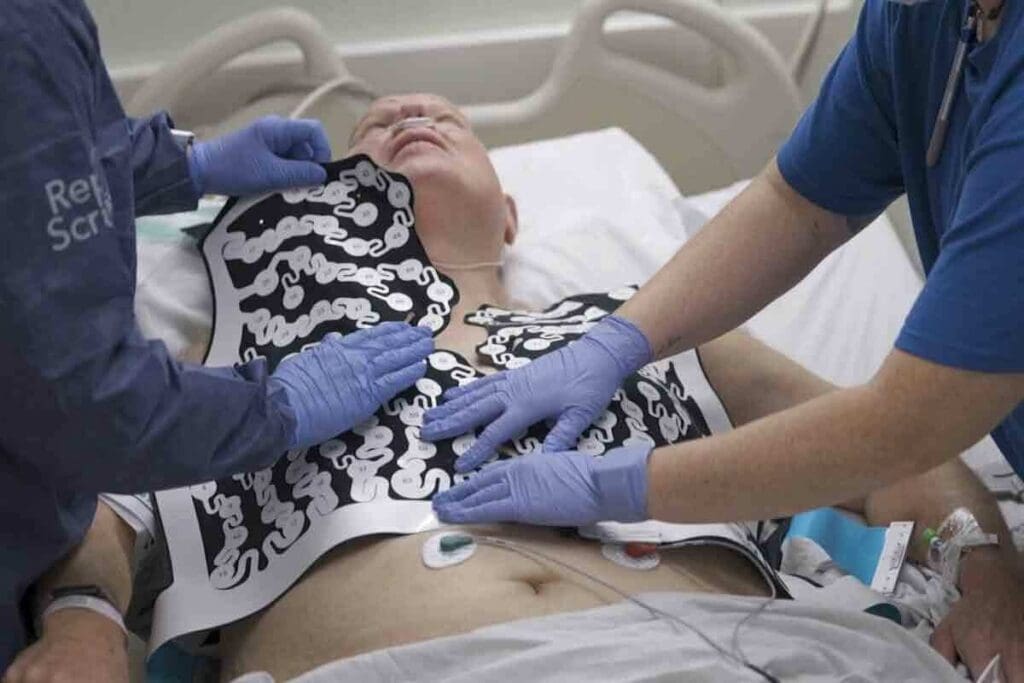
At Liv Hospital, we’re dedicated to top-notch cancer care. Liquid radiation therapy is changing how we fight cancer. It’s more precise and less harsh.
Liquid radiation therapy uses radiopharmaceuticals given orally or through an IV. This new method is making cancer treatment better. It aims for the tumor and cuts down on side effects.
We’re leading the way in this medical breakthrough. We use the latest research and technology to give our patients the best cancer treatments.
Key Takeaways
- Liquid radiation therapy is a groundbreaking approach to cancer treatment.
- It utilizes radiopharmaceuticals for targeted tumor treatment.
- This therapy minimizes side effects compared to traditional radiation therapy.
- Liv Hospital is a leader in adopting innovative cancer treatments.
- Our multidisciplinary approach ensures complete care for cancer patients.
- Liquid radiation therapy offers new hope for patients with specific types of cancer.
What Is Liquid Radiation and How Does It Transform Cancer Treatment

Liquid radiation is changing cancer care with its precision and results. It uses radioactive substances to target cancer. This method aims to harm cancer cells more and healthy cells less.
Defining Radiopharmaceuticals and Systemic Radiation
Radiopharmaceuticals are compounds with radioactive isotopes. These isotopes emit radiation that kills cancer cells. Systemic radiation sends this radiation all over the body to find and destroy cancer cells.
We use radiopharmaceuticals to treat different cancers. They find and kill cancer cells while protecting healthy tissue.
The Evolution of Targeted Cancer Therapies
Targeted cancer therapies have grown a lot, with liquid radiation leading the way. They aim directly at cancer cells, reducing harm to healthy tissues.
The creation of radiopharmaceuticals has been key. They offer a more precise and effective treatment for patients.
Here’s a comparison of traditional radiation therapy and liquid radiation therapy:
| Therapy Type | Delivery Method | Targeting Precision |
| Traditional Radiation | External beam | Moderate |
| Liquid Radiation | Internal (via bloodstream or orally) | High |
The Science Behind Liquid Radiation Therapy

Liquid radiation therapy uses special medicines called radiopharmaceuticals. These medicines target cancer cells, protecting healthy tissue. This method is a big step forward in fighting cancer, giving hope to many patients.
How Radiopharmaceuticals Target Cancer Cells
Radiopharmaceuticals find and stick to cancer cells, bringing radiation right to the tumor. They do this in different ways, like:
- Antibody-based targeting, where medicines are attached to antibodies that find cancer cells
- Peptide-based targeting, using short peptides that bind to cancer cell receptors
- Small-molecule targeting, where medicines are made to bind to specific proteins on cancer cells
This precise targeting means radiopharmaceuticals can hit cancer cells hard while keeping healthy tissue safe.
The Biological Mechanism of Cancer Cell Destruction
Liquid radiation therapy works by using ionizing radiation from radiopharmaceuticals. This radiation harms the DNA of cancer cells, causing them to die. Here’s how it happens:
- Radiopharmaceuticals attach to cancer cells, bringing radiation to the tumor.
- The radiation damages the DNA of cancer cells.
- This damage starts cell death, leading to the cancer cells dying off.
- With fewer cancer cells, the tumor can shrink, improving treatment results.
Experts say, “Radiopharmaceuticals in cancer treatment mark a big change towards more focused and personalized care.” (
This focused approach not only makes treatments more effective but also cuts down on side effects from old cancer treatments.
)
| Mechanism | Description | Effect on Cancer Cells |
| DNA Damage | Ionizing radiation causes DNA breaks | Triggers cell death pathways |
| Apoptosis | Programmed cell death initiated by DNA damage | Reduces cancer cell population |
| Tumor Shrinkage | Result of reduced cancer cell population | Improves treatment outcomes |
In summary, liquid radiation therapy with radiopharmaceuticals is a precise and effective way to fight cancer. By understanding how it works, we can see its promise in bettering cancer treatment.
Oral Radiation Pills: A Revolutionary Delivery Method
Oral radiation pills are a big step forward in cancer treatment. They offer a targeted and less invasive way to fight cancer. These pills, or radiopharmaceuticals, send radiation straight to cancer cells. This helps protect healthy tissue nearby.
Types of Cancer Treated with Radiation Pills
Oral radiation pills help treat many cancers, including hard-to-reach ones. They’re great for neuroendocrine tumors in places like the pancreas, intestines, and lungs. Pills like Lutetium Lu 177-dotatate aim radiation right at the tumor cells.
More research is looking into radiation pills for cancer treatment. They could be used for other cancers, too. This makes oral radiation pills a promising area in cancer research.
Patient Experience and Treatment Protocol
Using oral radiation pills is often more comfortable than traditional radiation therapy. Patients get treated as outpatients, keeping their daily lives mostly unchanged. They just swallow the pills, which then target cancer cells.
It’s key to know what radiation pills are used for. They’re part of a bigger treatment plan. Doctors watch patients closely to adjust doses and handle side effects. This makes sure patients get the best treatment with the least risk.
As the radiation pill for cancer treatment grows, helping patients understand it is vital. Healthcare teams explain the treatment, possible side effects, and what to expect. This support helps patients feel more confident during their treatment.
Intravenous Radiation Treatment: Precision Through the Bloodstream
Intravenous radiation treatment is a new way to fight cancer. It uses special medicines that go straight to the cancer through the blood. This method is good at hitting cancer cells without harming healthy tissues.
The IV Administration Process
Getting intravenous radiation treatment starts with a few steps. First, doctors check if it’s right for the patient based on their cancer and health. Then, the special medicine is given through an IV.
This method is precise, sending radiation only to the cancer cells. It helps protect the healthy tissues around them.
Before the treatment, doctors do tests to see how big the cancer is and the patient’s health. The medicine is given in a place set up for this, like a nuclear medicine department or cancer treatment center.
Cancer Types Responding to Intravenous Radiation
This treatment works well for many cancers, like advanced or spread-out cancers. It’s good for certain neuroendocrine tumors, prostate cancer, and some lymphomas.
| Cancer Type | Response Rate | Common Symptoms |
| Neuroendocrine Tumors | 70-80% | Flushing, diarrhea, wheezing |
| Prostate Cancer | 60-70% | Urinary issues, bone pain |
| Lymphoma | 50-60% | Swollen lymph nodes, fever |
How well intravenous radiation treatment works depends on the cancer and the patient. More research and trials are looking to use this therapy for even more cancers.
Breakthrough Developments in Liquid Radiation for Cancer Care
Liquid radiation therapy is becoming key in fighting cancer. New findings show it’s very promising. This change is big in how we treat cancer, with liquid radiation at the center.
These advances are not just better treatments. They also make life better for patients. As research grows, new radiopharmaceuticals are changing cancer care.
Lutetium Lu 177-dotatate: Transforming Treatment Outcomes
Lutetium Lu 177-dotatate is a new radiopharmaceutical for cancer, mainly for neuroendocrine tumors. It uses a radioactive ligand that targets cancer cells. This delivers precise radiation.
Studies show it improves survival and symptom control. It’s safe and effective, making it a top choice for advanced cancers.
| Cancer Type | Treatment Outcome | Clinical Trial Phase |
| Neuroendocrine Tumors | Improved Survival Rates | III |
| Prostate Cancer | Reduced Tumor Size | II |
| Pancreatic Cancer | Enhanced Symptom Management | II |
Emerging Radiopharmaceuticals in Clinical Trials
There are many new radiopharmaceuticals in trials. They aim to tackle various cancers, even tough ones.
Some promising ones include:
- Alpha-emitting radiopharmaceuticals for aggressive tumors
- Antibody-based radiopharmaceuticals for better targeting
- Nanoparticle-based radiopharmaceuticals for better delivery
These new treatments are expanding our fight against cancer. They bring hope to those with few options. As they move through trials, we expect big leaps in cancer care.
Liquid Radiation Versus Traditional Cancer Treatments
Liquid radiation therapy is a new approach to fighting cancer. It has benefits over traditional treatments. Knowing these advantages is key to improving cancer care.
Advantages Over External Beam Radiation
Liquid radiation therapy is more precise than traditional methods. It targets cancer cells better, protecting healthy tissues. This is great for tumors near important areas or hard to reach.
Key Benefits:
- Less harm to healthy tissues
- Works well for hard-to-reach tumors
- May cause fewer side effects
Let’s compare the two:
| Treatment Aspect | Liquid Radiation Therapy | External Beam Radiation |
| Targeting Precision | Highly targeted to tumor cells | May affect surrounding healthy tissues |
| Tumor Location Flexibility | Effective for hard-to-reach tumors | Limited by tumor location and accessibility |
| Side Effects | Potential for fewer side effects | It can cause significant side effects due to damage to healthy tissues |
Complementary Role with Chemotherapy and Immunotherapy
Liquid radiation therapy works well with other cancer treatments. It can boost the effects of chemotherapy and immunotherapy. For example, radiopharmaceuticals can help target cancer cells better when used with chemotherapy.
This combination offers new hope for cancer treatment. It could lead to better results and a better life for patients.
Radioactive Chemotherapy: Combining Treatment Modalities
Chemotherapy and radiopharmaceuticals are now being used together in cancer treatment. This new method, called radioactive chemotherapy, combines their strengths. It aims to kill more cancer cells with fewer side effects.
The Process of Creating Radioactive Chemotherapy Drugs
Making radioactive chemotherapy drugs is a complex process. It involves adding radioactive isotopes to chemotherapy agents. This ensures the drug targets cancer cells well and keeps its healing properties.
Key steps in creating these drugs include:
- Selecting the right radioactive isotopes
- Attaching the isotopes to chemotherapy agents
- Testing the drug for safety and effectiveness
Enhanced Tumor Destruction with Improved Safety Profiles
Radioactive chemotherapy has many benefits over old treatments. It sends radiation straight to tumors, reducing harm to healthy tissues.
The benefits of radioactive chemotherapy include:
- It’s more effective against some cancers
- It causes fewer side effects
- It can fight cancers that don’t respond to usual treatments
As research keeps improving, we’ll see better and safer treatments for cancer patients.
Managing Side Effects and Safety Considerations
Liquid radiation therapy offers many benefits, but it’s important to talk about side effects and safety. Like other cancer treatments, it can have side effects. These need to be managed well to help patients get the best results.
Common Side Effects and Their Management
Liquid radiation therapy can cause fatigue, nausea, and radiation exposure to others. It’s key to manage these side effects to keep patients’ quality of life high during treatment.
Some common side effects include:
- Fatigue: Patients often feel tired for a few days to several weeks after treatment.
- Nausea and Vomiting: These can be managed with anti-nausea medications prescribed by healthcare providers.
- Hair Loss: Though less common than with some other cancer treatments, hair loss can occur in some cases.
To manage these side effects, patients are advised to:
- Rest adequately and maintain a balanced diet to combat fatigue.
- Take anti-nausea medication as directed by their healthcare provider.
- Use gentle hair care products if hair loss occurs.
Safety Protocols for Patients, Caregivers, and Healthcare Providers
Safety protocols are key to reducing radiation exposure to others. Patients getting liquid radiation therapy must follow certain guidelines. This ensures their safety and the safety of those around them.
Key safety protocols include:
- Follow the instructions provided by healthcare professionals regarding contact with others.
- Using proper hygiene practices to avoid contaminating others with radioactive material.
- Disposing of bodily fluids and waste according to the guidelines given by the treatment team.
Caregivers and family members should also know about safety measures. This helps reduce their exposure. They should:
- Maintain a safe distance from the patient for a period recommended by healthcare providers.
- Understand how to handle situations where the patient may vomit or have other bodily discharges.
Future Frontiers: Research in Liquid Radiation Treatment
The future of cancer care is looking bright thanks to liquid radiation treatment. This method is making waves in the medical world. It’s showing promise for treating different types of cancer.
Emerging Applications for Lung, Bladder, and Digestive Tract Cancers
Liquid radiation therapy is being tested for lung, bladder, and digestive tract cancers. These cancers are tough to treat because of their location. Radiopharmaceuticals are being made to hit cancer cells hard while sparing healthy tissue.
- Lung cancer: Scientists are looking into liquid radiation for small-cell lung cancer. This type is aggressive and hard to treat.
- Bladder cancer: Liquid radiation therapy might be a better option for bladder cancer. It could reduce damage to the bladder and nearby tissues.
- Digestive tract cancers: Early studies suggest liquid radiation could work for digestive tract cancers. This includes pancreatic and colorectal cancers.
Next-Generation Radiopharmaceuticals in Development
New radiopharmaceuticals are being developed for liquid radiation therapy. These next-generation agents aim to be more precise, effective, and safe. Some key advancements include:
- Improved targeting: New radiopharmaceuticals are being made to stick to cancer cells better. This reduces harm to healthy tissues.
- More therapeutic payload: Researchers are working to increase the radiation dose for cancer cells. This aims to lower exposure to the rest of the body.
- Combination therapies: Liquid radiation therapy is being tested with other treatments. This includes immunotherapy and chemotherapy to boost its effectiveness.
As we move forward in liquid radiation therapy, we’re hopeful about better cancer treatment options. Ongoing research and trials are key to unlocking its full promise.
Conclusion: The Transformative Impact of Liquid Radiation on Cancer Care
Liquid radiation therapy is changing cancer treatment in big ways. It offers a precise and effective way to fight cancer. 177Lu (Lutathera or lutetium Lu 177 is used in systemic radionuclide therapy (SRT) for neuroendocrine tumors (NETs). This gives new hope to patients with NETs that can’t be removed, have spread, or are advanced.
This new therapy is making a big difference in cancer care. It helps patients live longer, feel better, and have fewer side effects. Liquid radiation targets cancer cells well, protecting healthy tissues nearby. This makes life better for those fighting cancer.
As we keep improving liquid radiation therapy, cancer care is changing fast. It’s showing promise for treating many cancers, like those in the stomach, lungs, and pancreas. Liquid radiation therapy is set to have a big impact on cancer treatment in the future.
FAQ
What is liquid radiation therapy?
Liquid radiation therapy, also known as radiopharmaceutical therapy, is a cancer treatment. It uses radioactive substances in a liquid form. This targets and destroys cancer cells.
How does liquid radiation therapy work?
It uses radiopharmaceuticals that target cancer cells. These substances deliver a high dose of radiation to the tumor. This minimizes damage to healthy tissues nearby.
What are the benefits of oral radiation pills?
Oral radiation pills are a convenient and non-invasive treatment. They allow patients to treat themselves at home. This reduces the need for hospital visits.
What types of cancer are treated with intravenous radiation?
Intravenous radiation treats various cancers. This includes certain lymphomas, leukemias, and neuroendocrine tumors.
How is Lutetium Lu 177-dotatate used in cancer treatment?
Lutetium Lu 177-dotatate treats certain neuroendocrine tumors. It delivers targeted radiation to tumor cells. This improves treatment outcomes.
What are the common side effects of liquid radiation therapy?
Common side effects include fatigue, nausea, and changes in blood counts. These are managed with supportive care and medication.
How does liquid radiation therapy compare to traditional cancer treatments?
Liquid radiation therapy is targeted and potentially more effective. It has fewer side effects. This improves the quality of life for some patients.
What is the role of radioactive chemotherapy in cancer treatment?
Radioactive chemotherapy combines chemotherapy and radiation therapy. It enhances tumor destruction. It also improves safety profiles for certain cancers.
Are there any new developments in liquid radiation therapy?
Yes, researchers are developing new radiopharmaceuticals. They are also improving treatment protocols. This expands liquid radiation therapy to more cancers.
What safety protocols are in place for patients and caregivers?
Patients and caregivers follow specific safety guidelines. These ensure safe handling of bodily fluids and waste. They also minimize radiation exposure.
Reference:
PubMed Central. (2012). Cancer and radiation therapy: Current advances and future directions.