Last Updated on September 19, 2025 by Hozen
Did you know that adult tissues contain a reservoir of unspecialized cells? These cells can self-renew and turn into different cell types. This fact changes our understanding of stem cells, showing they’re not just for embryos.
Adult stem cells are found in most adult tissues. They help repair and grow tissues. Learning about what adult stem cells are and how they work can help us see their healing power.
Key Takeaways
- Adult tissues contain unspecialized cells capable of self-renewal and differentiation.
- These cells, known as adult stem cells, play a critical role in tissue repair.
- Understanding adult stem cells can provide insights into their therapeutic applications.
- Adult stem cells are found in most adult tissues.
- The presence of adult stem cells challenges the notion that stem cells are exclusive to embryonic development.
Understanding Stem Cells: The Building Blocks of Life
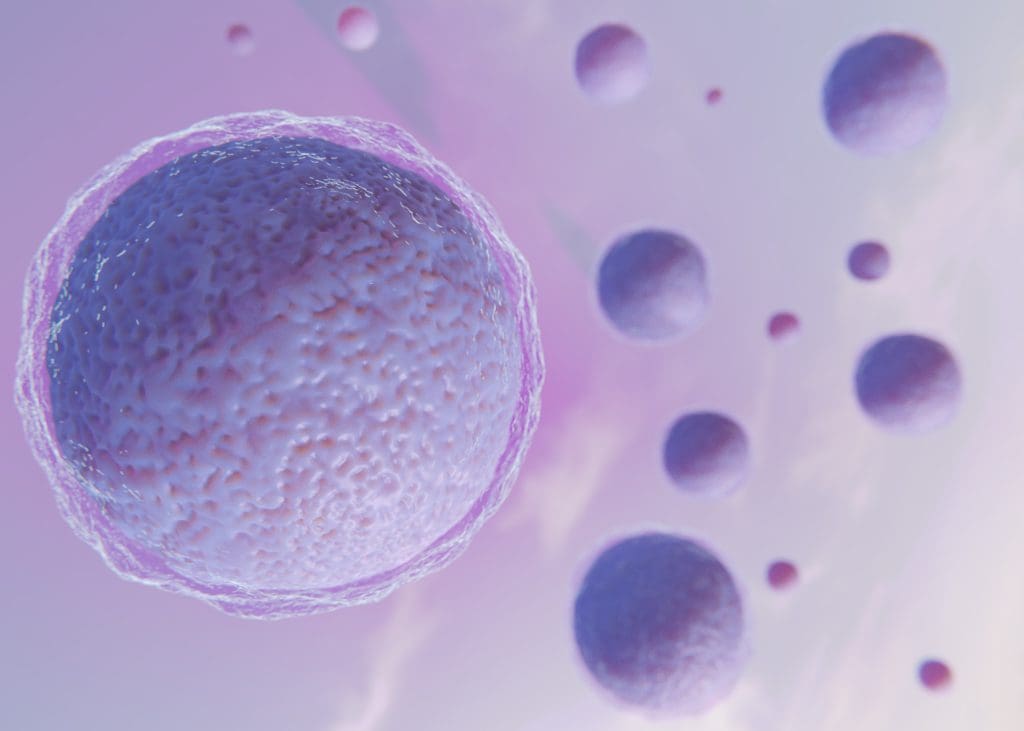
The human body needs stem cells, called ‘mother cells,’ to heal and grow. These cells can turn into many types of cells in the body. This makes them key for fixing and keeping tissues healthy.
What Makes Stem Cells Special
Stem cells are special because they can renew themselves and change into different cell types. This ability is vital for growth and keeping the body healthy.
Self-renewal means stem cells can make more of themselves. Differentiation lets them turn into specific cells like nerve or muscle cells. This is how they help replace old or damaged cells.
The Unique Properties of Stem Cells
Stem cells are very important for medical research and treatments. They can change into many cell types. This is why they’re so promising for fixing damaged tissues.
Here are some key properties of stem cells:
- Plasticity: They can turn into many cell types.
- Self-renewal: They can keep their numbers up through division.
- Long-term viability: They can stay alive for a long time.
| Cell Type | Self-Renewal | Differentiation |
| Stem Cells | Yes | Many cell types |
| Differentiated Cells | No | One cell type |
Types of Stem Cells and Their Potency
Stem cells are divided into four main types: totipotent, pluripotent, multipotent, and unipotent. Each type can turn into different cell types. This helps us understand how stem cells can be used in medicine.
Totipotent and Pluripotent Stem Cells
Totipotent stem cells can become any cell in the body. This includes cells in the embryo and those that support it. Totipotency is seen in the very early stages of an embryo.
Pluripotent stem cells can become most cell types in the body. But they can’t form the placenta or other tissues needed for an embryo.
A leading researcher said,
“Pluripotent stem cells are a powerful tool for understanding human development and for developing new therapies for a wide range of diseases.”
This shows how important pluripotent stem cells are for medical research and treatments.
Multipotent and Unipotent Stem Cells
Multipotent stem cells can turn into several cell types but are limited to a specific group. For example, blood stem cells can make all blood cells but not nerve or muscle cells. Unipotent stem cells, or progenitor cells, can only turn into one cell type. They help keep tissues healthy and repair them.
Induced Pluripotent Stem Cells
Induced pluripotent stem cells (iPSCs) are made from adult cells. They can turn into almost any cell type. The discovery of iPSCs has changed stem cell biology. It opens up new ways for personalized medicine and regenerative therapies.
Creating iPSCs from a patient’s own cells means we can make patient-specific stem cell lines. These can be used for drug testing, studying diseases, and for treatments that use the patient’s own cells.
Adult Stem Cells: Definition and Characteristics
Adult stem cells are key in regenerative medicine. They help in fixing tissues and are found in many parts of our body. These cells keep our tissues healthy and help them grow back when needed.
Differences from Embryonic Stem Cells
Adult stem cells are different from embryonic stem cells. Embryonic stem cells can become any cell type, but adult stem cells can only become a few types. These types are related to where the stem cell is found in the body.
A leading researcher says, “Adult stem cells are better because they don’t raise the same ethical issues as embryonic stem cells. This makes them a good choice for medical treatments.” This shows why adult stem cells are important in medicine.
Limitations and Advantages
Adult stem cells can’t change into as many cell types as embryonic stem cells. But, they have big advantages. They are less likely to cause ethical problems and can be used in autologous transplantation. This means using a patient’s own cells, which lowers the chance of their body rejecting the treatment.
- Advantages:
- Reduced ethical concerns
- Potential for autologous transplantation
- Less risk of immune rejection
- Limitations:
- Restricted differentiation ability
- Limited availability in certain tissues
In summary, adult stem cells are very useful in regenerative medicine. They offer a good balance between being helpful and not causing ethical issues. Their special qualities make them great for many medical uses. Scientists are always finding new ways to use them.
Where Are Stem Cells Found in Adults?
Adult stem cells are found in many places in our bodies. They help keep tissues healthy, fix damaged areas, and support our overall health.
Bone Marrow: The Primary Source
Bone marrow is a key place for adult stem cells. It has mesenchymal stem cells (MSCs) and hematopoietic stem cells (HSCs). MSCs can turn into different cell types, like bone and fat cells. HSCs make all blood cells.
Adipose Tissue: Fat as a Stem Cell Source
Fat tissue, or adipose, is also full of stem cells. These are called adipose-derived stem cells (ASCs). Like MSCs, ASCs can help fix and grow tissues.
Blood, Skin, and Neural Tissue
Stem cells are in the blood, skin, and brain too. Peripheral blood stem cells move from bone marrow to blood. Skin stem cells help it renew itself. Neural stem cells fix the nervous system.
Dental Pulp and Other Sources
Dental pulp, inside teeth, has stem cells called dental pulp stem cells (DPSCs). These cells can become different types of cells. They might help fix teeth and bones. Other places like the liver, gut, and muscle also have stem cells. They help our bodies heal and stay healthy.
The Role of Stem Cells in Adult Body Maintenance
Stem cells play a key role in keeping adults healthy. They help maintain and repair tissues. This is essential for the body’s overall health and function.
Tissue Regeneration and Repair
Stem cells are vital for fixing damaged tissues. Stem cells can turn into different cell types. This helps replace or repair damaged cells.
When tissues get hurt, stem cells spring into action. They grow and change into the right cells to fix the damage.
The repair process involves stem cells, growth factors, and the matrix around cells. Understanding this process is crucial for discovering innovative methods to heal tissues.
Homeostasis and Cell Replacement
Stem cells also help keep tissues balanced. They replace old or damaged cells with new ones. This keeps tissues working well over time.
This is very important in tissues that need to be replaced often, like the skin and gut.
| Tissue | Stem Cell Function | Turnover Rate |
| Skin | Replaces damaged epithelial cells | High |
| Gut | Replenishes epithelial lining | High |
| Bone Marrow | Produces blood cells | Continuous |
Stem cells are very important for adult health. Studying how they work could lead to new treatments for many diseases.
Methods of Harvesting Stem Cells from Adults
There are many ways to get stem cells from adults. Each method is chosen based on the type of stem cells needed, the patient’s health, and the treatment goals. This shows the variety of stem cell sources and uses.
Bone Marrow Aspiration Procedure
Bone marrow aspiration is a common way to get stem cells. It’s often used for orthopedic and hematological treatments. The procedure takes bone marrow from the pelvis or sternum under local anesthesia.
The process starts with the patient in a position that makes it easy to access the site. The area is cleaned and prepared. Then, local anesthesia is given to reduce pain.
A needle is inserted into the bone marrow cavity. A syringe is used to take out the marrow.
Peripheral Blood Stem Cell Collection
Peripheral blood stem cell collection is key for patients needing hematopoietic stem cells. It involves moving stem cells from the bone marrow into the blood. This makes it easier to collect them.
Growth factors are used to get the stem cells into the blood. Once they’re in the blood, they’re collected using apheresis. This process separates the stem cells from other blood parts.
Liposuction for Adipose-Derived Stem Cells
Liposuction is used to get adipose-derived stem cells. These cells are important for regenerative medicine and cosmetic treatments. The process removes fat from specific body areas.
The fat is then processed to get the stem cells. These cells can be used right away or grown more in a lab. This method is less invasive than traditional biopsies and can give a lot of stem cells.
Minimally Invasive Collection Methods
Minimally invasive methods are becoming more popular for stem cell harvesting. They are less risky and have quicker recovery times. Techniques like needle biopsies and small incisions are used to reduce tissue damage.
These methods are great for patients who need to have stem cells taken out more than once. They are also good for those who can’t handle more invasive procedures.
| Harvesting Method | Stem Cell Type | Application |
| Bone Marrow Aspiration | Hematopoietic Stem Cells | Orthopedic and Hematological Treatments |
| Peripheral Blood Stem Cell Collection | Hematopoietic Stem Cells | Hematological Treatments and Transplantation |
| Liposuction | Adipose-Derived Stem Cells | Regenerative Medicine and Cosmetic Procedures |
| Minimally Invasive Methods | Various | Regenerative Medicine and Tissue Repair |
Autologous vs. Allogeneic Stem Cells
Stem cell therapy requires a big decision: using your own stem cells or getting them from donors. This choice is key in picking the right stem cells for treatments.
Using Your Own Stem Cells: Benefits and Limitations
Autologous stem cells come from you. The main plus is no risk of your body rejecting them because they’re genetically the same. This also lowers the chance of serious side effects like graft-versus-host disease (GVHD). But, getting enough good-quality stem cells can be tough, mainly for older people or those with health issues.
Benefits of Autologous Stem Cells:
- No risk of immune rejection
- Reduced risk of GVHD
- Personalized treatment approach
Limitations include issues with cell quality and availability.
Donor Stem Cells: Compatibility and Considerations
Allogeneic stem cells come from donors. They’re used when your own cells aren’t good enough or available. The big thing to think about is making sure the donor’s cells match yours to avoid immune problems.
| Characteristics | Autologous Stem Cells | Allogeneic Stem Cells |
| Source | Patient themselves | Donors |
| Immune Rejection Risk | Low | Higher; depends on compatibility |
| GVHD Risk | Low | Higher |
| Availability | Limited by patient’s health and age | More readily available; depends on donor pool |
Choosing between autologous or allogeneic stem cells depends on many things. These include your health, the availability of donors, and what your treatment needs.
Processing and Culturing Adult Stem Cells
The journey of adult stem cells from harvesting to use is complex. It involves advanced processing and culturing techniques. “Stem cells hold the key to regenerative medicine,” experts say, stressing the need for proper methods.
Isolation and Purification Techniques
The first step is isolating stem cells from the tissue. This is done through enzymatic digestion, which breaks down the tissue. Then, purification is key to get a healthy cell population.
Density gradient centrifugation and fluorescence-activated cell sorting (FACS) are used for purification. These methods isolate cells based on their characteristics, like surface markers.
Expansion and Differentiation Methods
After purification, stem cells are expanded for therapeutic use. They are grown in a nutrient-rich medium with growth factors. This helps them multiply.
Controlling cell differentiation is vital for their use. Researchers use specific growth factors and conditions to guide cells to the right type.
“The ability to control the differentiation of stem cells into specific cell types is a cornerstone of regenerative medicine,” said a leading researcher in the field.
Quality Control and Storage
Quality control is essential for stem cells. This includes checking their viability, purity, and function. Cell counting, viability assays, and genetic analysis are used for this.
Storing stem cells properly is also important. Cryopreservation, or freezing in liquid nitrogen, is a common method for long-term storage.
In conclusion, processing and culturing adult stem cells is a complex process. Ensuring their quality and viability is key for their use in regenerative medicine.
Medical Applications of Adult Stem Cells
Adult stem cells are used in many medical ways. They can turn into different cell types. This makes them key for fixing damaged tissues.
Current FDA-Approved Treatments
The FDA has okayed some treatments with adult stem cells. These treatments help with various health issues. They use stem cells’ power to heal.
- Hematopoietic stem cell transplantation for blood-related disorders
- Stem cell therapies for certain types of corneal damage
- Autologous stem cell transplants for specific cardiac conditions
| Condition | Treatment | Status |
| Blood-related disorders | Hematopoietic stem cell transplantation | FDA-approved |
| Corneal damage | Stem cell therapy | FDA-approved |
| Cardiac conditions | Autologous stem cell transplant | FDA-approved |
Experimental and Emerging Therapies
Researchers are looking into new uses for adult stem cells. These new treatments could help with many health problems. They aim to fix damaged tissues and organs.
Emerging areas of research include:
- Treatment of neurodegenerative diseases such as Parkinson’s and Alzheimer’s
- Regenerative therapies for damaged heart tissue
- Stem cell-based treatments for orthopedic injuries
The future of adult stem cell therapy is bright. Scientists are working hard to find more uses. They want to help even more people with different health issues.
Challenges and Limitations in Adult Stem Cell Use
Adult stem cell research faces many technical, biological, and regulatory challenges. These obstacles must be overcome to fully use their healing power.
Technical Challenges in Harvesting and Expansion
One big challenge is getting and growing adult stem cells efficiently. It’s hard to pull stem cells from adult tissues. For example, bone marrow aspiration is invasive and may not give enough cells for treatment.
Key technical challenges include:
- Limited cell yield from harvesting procedures
- Difficulty in expanding cells in vitro without losing their stem cell properties
- Maintaining cell viability and functionality during processing and storage
Biological Limitations of Adult Stem Cells
Adult stem cells have their own biological limits. They can’t turn into as many cell types as embryonic stem cells can. This makes them less versatile for treatments.
“The restricted differentiation of adult stem cells is a big problem for regenerative medicine.”
Also, adult stem cells might not grow or change into new cells as well as embryonic ones. This can make it harder for them to fix or replace damaged tissues.
Regulatory and Ethical Considerations
Using adult stem cells also raises regulatory and ethical issues. While they avoid some of the ethical debates of embryonic stem cells, they are closely watched by rules. It’s important to follow these rules for cell handling, storage, and use.
Regulatory considerations include:
- Following Good Manufacturing Practice (GMP) guidelines for cell processing
- Getting informed consent from donors or patients
- Ensuring the safety and effectiveness of stem cell treatments through clinical trials
It’s key to tackle these challenges to move adult stem cell research and therapy forward. By solving these problems, scientists and doctors can make the most of adult stem cells for patient care.
Conclusion
Stem cells play a key role in our bodies. They help advance medical research and create new treatments. Adult stem cells are getting a lot of attention because of their role in regenerative medicine.
Stem cells can turn into different cell types. This makes them great for fixing damaged tissues. Adult stem cells, found in places like bone marrow and fat, are promising for treating ourselves.
Research on stem cells is ongoing. It’s helping us understand more about these cells and their uses in medicine. As we learn more about adult stem cells, we’re finding new ways to help patients.
Looking into adult stem cells helps us see their importance. They help keep our tissues healthy and support healing. This knowledge opens up new possibilities for treatments and therapies.
FAQ
What are adult stem cells?
Adult stem cells are special cells in grown-ups. They can turn into different types of cells. This helps fix and grow tissues.
Where are stem cells located in adults?
You can find stem cells in many places in adults. This includes bone marrow, fat, blood, skin, brain tissue, and dental pulp.
How are stem cells harvested from adults?
There are several ways to get stem cells from adults. Methods include taking bone marrow, collecting blood, and using liposuction. These are all done in a way that’s not too invasive.
What is the difference between autologous and allogeneic stem cells?
Autologous stem cells come from the person themselves. Allogeneic stem cells come from someone else. Using your own cells means less chance of rejection. But, donor cells can be used when your own aren’t available.
What are the medical applications of adult stem cells?
Adult stem cells are used in medicine in many ways. They are approved by the FDA for some diseases. They are also being tested for other conditions, like regrowing tissues.
What are the challenges associated with adult stem cell use?
Using adult stem cells can be tricky. It’s hard to get and grow them. There are also rules and ethics to follow.
Can adult stem cells be used for tissue regeneration and repair?
Yes, adult stem cells are key in keeping tissues healthy. They help grow, fix, and keep tissues balanced.
Are adult stem cells limited in their potency compared to embryonic stem cells?
Yes, adult stem cells can’t change into as many types of cells as embryonic stem cells. Adult stem cells are more limited in what they can become.
Can stem cells be obtained from other sources beside adults?
Yes, stem cells can also come from embryos or be made to act like them. This is through a process called induced pluripotent stem cells.