Last Updated on November 27, 2025 by Bilal Hasdemir
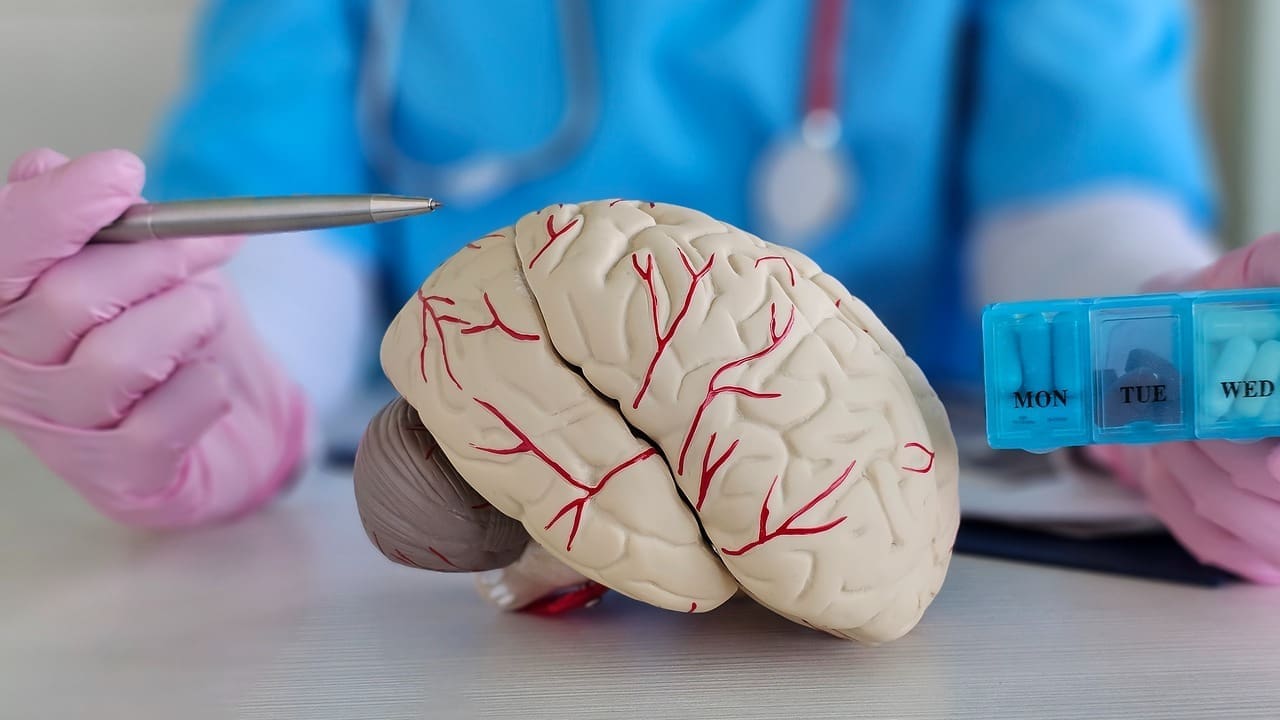
Getting a brain aneurysm diagnosis can be scary. But knowing about the surgery options can help. At Liv Hospital we use surgical clipping and endovascular coiling to fix aneurysms. This stops them from bursting or bleeding again.
Our team is all about top-notch care for aneurysms. We use the latest tech and focus on the patient. This way, we aim for the best results. We’re here to stop serious bleeding and give you the care you need every step of the way.
Key Takeaways
- Advanced surgical techniques are available for treating brain aneurysms.
- Surgical clipping and endovascular coiling are common methods used.
- A patient-centered approach is key for effective treatment.
- Expert medical care is vital for avoiding problems.
- Liv Hospital is dedicated to giving world-class care for aneurysm patients.
Understanding Brain Aneurysms
We know how vital it is to grasp brain aneurysms to offer top-notch care. A brain aneurysm is a bulge in a brain blood vessel. It can burst, causing serious issues.
What Is a Brain Aneurysm?
A brain aneurysm is a weak spot on an artery wall in the brain. It has ballooned out and filled with blood. The aneurysm can press on nearby brain tissue and nerves, causing symptoms. If it ruptures, it can lead to bleeding in the space surrounding the brain, known as a subarachnoid hemorrhage.
Common Causes and Risk Factors
Several factors can up the risk of getting a brain aneurysm. These include:
- Genetics: Family history of aneurysms can increase the risk.
- High Blood Pressure: Hypertension can weaken blood vessel walls.
- Smoking: Smoking is a significant risk factor for developing an aneurysm.
- Age: Aneurysms are more common in adults between 30 and 60 years old.
Other medical conditions such as heart disease and certain neurological disorders can also play a role in the development of brain aneurysms.
Signs and Symptoms of Cerebral Aneurysms
Brain aneurysms can be without symptoms until they rupture. When symptoms do show up, they might include:
- Severe headache, often described as “the worst headache” ever experienced
- Nausea and vomiting
- Confusion or altered mental state
- Seizures
Spotting these symptoms early is key for timely medical help. If an aneurysm ruptures, quick medical care is needed to avoid more problems.
Diagnosis and Evaluation Process
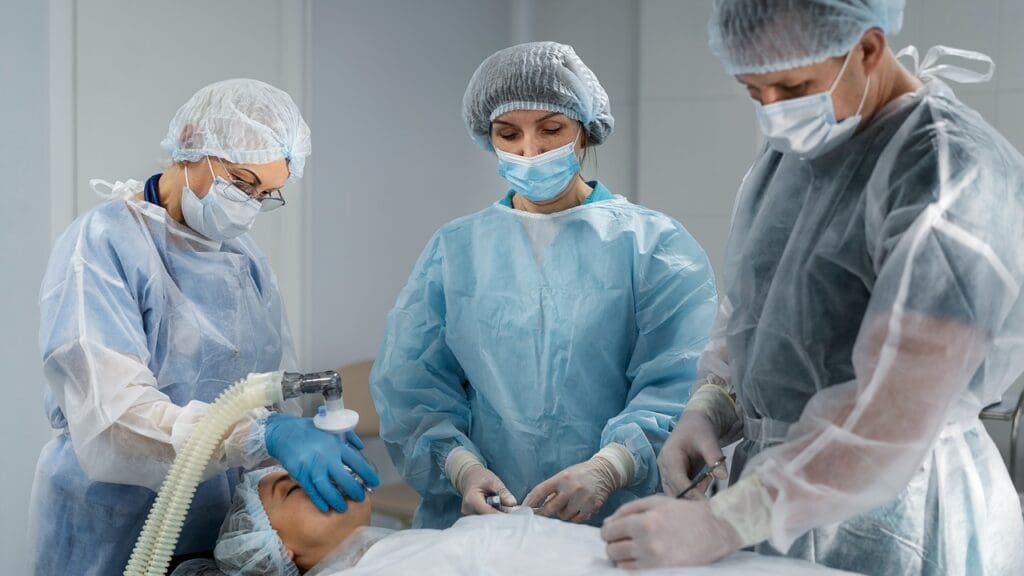
Getting an accurate diagnosis is key to treating brain aneurysms well. We use top-notch diagnostic methods to check if an aneurysm exists, how big it is, and where it’s located. This information helps us decide the best treatment.
Advanced Imaging Techniques
Advanced imaging is vital for spotting brain aneurysms. We use Computed Tomography (CT) scans, Magnetic Resonance Imaging (MRI), and Cerebral Angiography to see the aneurysm clearly. A recent article on warning signs of brain tumors stresses the importance of accurate diagnosis.
Doctors say, “Early and accurate diagnosis is key to managing brain aneurysms well.”
Evaluating Aneurysm Size and Location
The size and where an aneurysm is located are very important. They help us figure out how risky it is and what treatment is best. We use imaging to measure the aneurysm and see where it is in relation to other blood vessels and brain parts.
- Aneurysm size: Bigger aneurysms are seen as higher risk.
- Location: Aneurysms in certain spots or near important brain areas can be harder to treat.
Determining Rupture Risk and Treatment Urgency
Figuring out the risk of rupture is complex. We look at the aneurysm’s size, growth rate, and shape, along with the patient’s medical history and other factors. This helps us guess how likely it is to rupture and how quickly it needs to be treated.
“The risk of rupture is a critical consideration in managing brain aneurysms, and we take a detailed approach to assessing this risk.”
By using advanced imaging and carefully looking at the aneurysm and patient factors, we can make accurate diagnoses. Then, we create treatment plans that fit each patient’s unique needs.
When Is Surgery for Aneurysm in Brain Necessary?
Deciding if surgery is needed for a brain aneurysm depends on if it has ruptured. This choice is based on many factors.
Unruptured vs. Ruptured Aneurysms
There’s a big difference between unruptured and ruptured aneurysms. Unruptured aneurysms haven’t bled, while ruptured aneurysms have, causing bleeding in the brain.
Unruptured aneurysms might not need surgery right away. They could be watched closely instead. But ruptured aneurysms need emergency surgery to stop more bleeding and prevent brain damage.
Emergency vs. Elective Procedures
The timing of surgery depends on the aneurysm’s state. Ruptured aneurysms need emergency procedures to keep the patient safe. Unruptured aneurysms might get elective procedures, which are planned ahead.
- Emergency procedures are urgent and need quick action.
- Elective procedures are planned in advance, based on the patient’s health and the doctor’s advice.
Factors Influencing Treatment Decisions
Many things affect the choice to have surgery for a brain aneurysm. These include:
- The size and location of the aneurysm.
- The patient’s overall health and medical history.
- Any symptoms or signs of a possible rupture.
- The risks of the surgery itself.
Doctors say, “Choosing to treat an unruptured aneurysm depends on weighing the risks and benefits of treatment against the chance of rupture.” This shows how complex and personal treatment choices are.
Healthcare providers look at these factors to decide the best treatment for each patient. This ensures the best results.
How Do Doctors Fix Brain Aneurysms?
Doctors use various methods to treat brain aneurysms. These include surgical and endovascular procedures. Understanding these options is the first step towards recovery.
Overview of Surgical Approaches
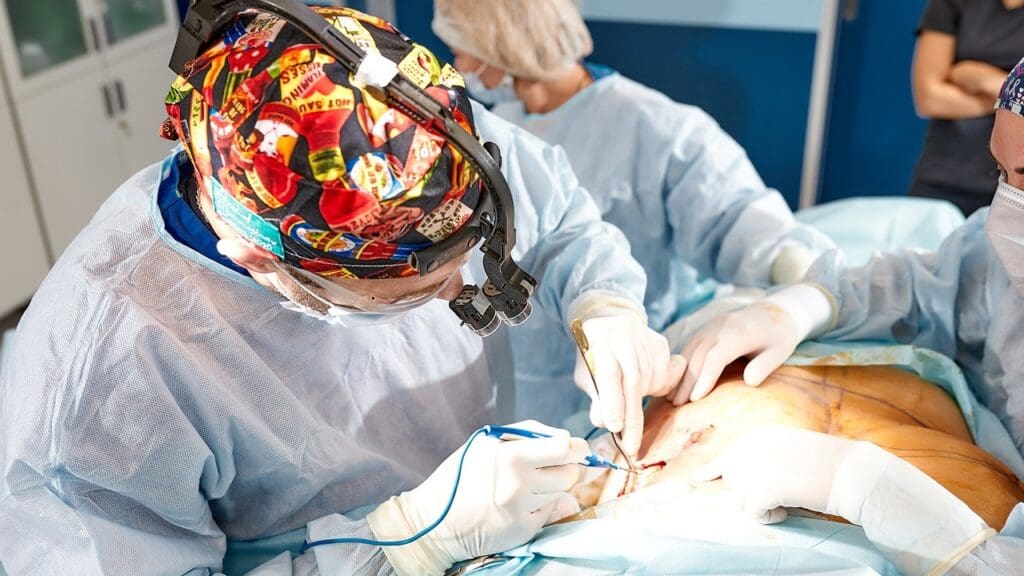
There are two main surgical methods: surgical clipping and endovascular coiling. Surgical clipping is an open surgery where a neurosurgeon clips the aneurysm. This stops further bleeding.
Endovascular coiling is a less invasive method. Tiny coils are inserted through a catheter to fill the aneurysm. This blocks blood flow into it.
A leading neurosurgeon says, “Choosing between clipping and coiling depends on the aneurysm’s size, location, and the patient’s health.”
“The key to successful treatment lies in selecting the most appropriate procedure for each individual case.”
Selecting the Appropriate Procedure
Choosing the right procedure requires a detailed evaluation. We look at the aneurysm’s size, location, and the patient’s overall health. This helps us decide the best treatment plan.
The Medical Team Involved
Treating brain aneurysms needs a team of experts. This includes neurosurgeons, neuroradiologists, neurologists, and intensive care specialists. Together, they ensure each patient gets the best care from start to finish.
Treatment Planning Process
Each treatment plan is tailored to the patient. We use advanced imaging to see the aneurysm and understand its details. Then, we create a personalized plan that might include clipping, coiling, or both.
As medical technology improves, so do our treatment options. This brings new hope to patients around the world.
The Brain Aneurysm Operation: Surgical Clipping
Surgical clipping is a precise method to treat brain aneurysms. It involves clipping the aneurysm neck directly. This technique has been a key part of neurosurgery for many years. It’s very effective in stopping aneurysm rupture or re-rupture.
Preparing for Open Surgery
Before surgery, patients get a detailed check-up. This includes looking at their health and the aneurysm’s details. Advanced imaging studies help figure out the aneurysm’s size, location, and shape.
They also check the patient’s medical history and current health. This helps spot any risks or complications.
“The key to successful aneurysm clipping lies in meticulous preoperative planning and precise intraoperative technique.”
Steps Involved in Surgical Clipping
- Craniotomy: A part of the skull is removed to reach the brain.
- Aneurysm Dissection: The neurosurgeon carefully finds the aneurysm’s neck.
- Clip Application: A clip is placed across the aneurysm neck to stop blood flow.
- Verification: Imaging is used to check the clip’s position and make sure the aneurysm is blocked.
| Advantages | Limitations |
|---|---|
| High success rate in preventing re-rupture | Invasive procedure requiring craniotomy |
| Immediate results | Risk of brain injury or stroke |
| Can be used for a wide range of aneurysm sizes and locations | Requires highly skilled neurosurgeon |
Surgical clipping is a very effective treatment for brain aneurysms. But, it comes with risks. We consider these risks and benefits for each patient. We look at the aneurysm’s details and the patient’s health.
Understanding surgical clipping helps us see the complexity of treating brain aneurysms. It shows how important a skilled medical team is for good results.
Endovascular Coiling: Minimally Invasive Approach
Endovascular coiling is a new way to treat brain aneurysms. It’s less invasive than traditional surgery. This method is popular because it’s effective without open surgery.
Catheterization Process
The process starts with catheterization. A thin, flexible catheter is inserted into an artery in the leg. It’s then guided to the brain aneurysm.
Fluoroscopic guidance helps the doctor see the catheter’s path. Once at the aneurysm, platinum coils are deployed. These coils help clot the aneurysm, sealing it off.
Navigating to the Aneurysm Site
Getting the catheter to the aneurysm is precise. Advanced imaging, like digital subtraction angiography, guides it. This is key to navigating the blood vessels.
Additional Endovascular Techniques
Other techniques might be used, like stents or flow-diverting devices. These help ensure the aneurysm is fully blocked. They also lower the chance of it coming back.
Benefits and Drawbacks of Coiling
Coiling has many benefits. It’s less invasive, has less risk of complications, and treats hard-to-reach aneurysms. But, it might not block the aneurysm fully. Also, long-term imaging is needed.
The table below shows the main points about coiling:
| Benefits | Drawbacks |
|---|---|
| Minimally invasive | Potential for incomplete occlusion |
| Reduced recovery time | Need for long-term follow-up imaging |
| Less risk of complications | Risk of coil migration or compaction |
Understanding endovascular coiling is key for those with brain aneurysms. Knowing its pros and cons helps patients make better choices.
Preparing for Brain Aneurysm Repair
Getting ready for brain aneurysm repair is a big step. We’ll guide you through what to expect. It involves medical checks, learning about the procedure, and making changes for the best results.
Medical Evaluation and Testing
A detailed medical check is key before surgery. Tests will look at your health and the aneurysm. Imaging studies like MRI or CT scans help doctors understand the aneurysm’s size and location.
Your medical history is also reviewed. This includes past surgeries, allergies, and current meds. This info helps plan the safest treatment.
Medication Adjustments
Your meds might be changed before surgery. Some meds, like blood thinners, may be stopped to lower bleeding risks. Always follow your doctor’s advice on meds.
What to Expect Before the Procedure
Before surgery, you’ll go through several steps. These include:
- Pre-operative tests to check your health
- Instructions on fasting or diet before surgery
- Guidance on managing your meds
- Plans for care and support after surgery
Our team will give you clear instructions and support.
Informed Consent and Decision-Making
Informed consent is very important. We make sure you understand the procedure’s benefits, risks, and options. Our team will explain your treatment plan and answer your questions.
Choosing your care is a team effort. You, your family, and our team will work together. We’re here to give you the info and support you need.
Post-Operative Care and Immediate Recovery
After surgery for a brain aneurysm, patients need careful care. This is a key part of their treatment. They must be watched closely as they recover.
Intensive Care Monitoring
Right after surgery, patients go to the ICU. ICU staff watch their vital signs and brain function closely. This helps catch any problems early.
The ICU team uses special tools to check on patients. They look at things like:
- Blood pressure
- Oxygen levels
- Brain pressure
- How well the brain is working
Managing Complications
After surgery, some problems can happen. These include swelling, fluid buildup, and infections. Our team knows how to handle these issues.
We use different ways to deal with these problems. For example:
- Medicines to stop swelling
- Draining fluid from the brain
- Antibiotics to fight infections
Hospital Stay Duration
How long a patient stays in the hospital varies. It depends on the surgery and the patient’s health. Most patients stay 7-14 days.
Early Mobilization and Care
Moving around early is important. It helps prevent problems and speeds up healing. Our team helps patients with a plan to move around safely.
Early movement includes:
- Moving joints
- Walking a little at a time
- Exercises to help breathing
Rehabilitation After Intracranial Aneurysm Repair
Recovering from an intracranial aneurysm repair is a journey. It involves a mix of treatments tailored to each person. This journey is key to getting back strength, independence, and quality of life.
Physical Therapy Approaches
Physical therapy is a big part of getting better. It helps improve how well you move, your strength, and function. We create special plans for each patient. These plans might include exercises for balance, coordination, and more.
Key components of physical therapy may involve:
- Range of motion exercises to maintain flexibility
- Strengthening exercises to improve muscle power
- Gait training to restore walking ability
- Balance and coordination exercises to reduce fall risk
Cognitive Rehabilitation
Cognitive rehab is also important. It helps with memory, attention, and how fast you process information. Our team helps patients find ways to work around brain issues and improve brain function.
Cognitive rehabilitation may include:
- Memory aids and strategies
- Attention and concentration exercises
- Problem-solving and decision-making training
Timeline for Recovery Milestones
How long it takes to recover varies. It depends on the aneurysm’s complexity, the treatment, and the patient’s health. Most people see big improvements in the first few months.
| Recovery Milestone | Typical Timeline |
|---|---|
| Initial Recovery | 1-3 months |
| Significant Improvement | 3-6 months |
| Full Recovery | 6-12 months |
Support Resources for Patients and Families
Rehab isn’t just about getting better physically and mentally. It’s also about emotional and psychological support. We offer counseling, support groups, and educational materials to help.
Our team is dedicated to giving full care and support. We make sure patients and their families have what they need for the best recovery.
Risks and Outcomes of Cerebral Aneurysm Surgery
Cerebral aneurysm surgery is lifesaving but comes with risks. It’s important for patients and families to know these risks. This knowledge helps them understand the treatment process better.
Procedure-Specific Complications
Surgery for cerebral aneurysms can lead to complications. Surgical clipping might cause cerebral vasospasm, stroke, or infection. Endovascular coiling risks include coil migration and incomplete occlusion.
Common Complications:
- Cerebral vasospasm
- Stroke
- Infection
- Coil migration
- Incomplete aneurysm occlusion
Doctors should talk about these risks with patients and their families. This ensures they make informed choices.
Long-Term Success Rates
The success of cerebral aneurysm surgery depends on several factors. These include the aneurysm’s size and location, the patient’s health, and the treatment method. Both clipping and coiling have shown high success rates in preventing rupture.
| Treatment Method | Success Rate | Complication Rate |
|---|---|---|
| Surgical Clipping | 85-90% | 5-10% |
| Endovascular Coiling | 80-85% | 10-15% |
Both methods have high success rates, but complication rates vary.
Follow-up Care and Monitoring
Follow-up care is key for cerebral aneurysm patients. Regular monitoring helps catch issues early. This may include imaging, clinical checks, and treatment plan adjustments.
“Follow-up care is essential to ensure the long-term success of cerebral aneurysm treatment. Regular check-ups and imaging studies help us monitor for any signs of complications or recurrence.” – Neurosurgeon
Quality of Life After Aneurysm Treatment
Life after cerebral aneurysm treatment varies. Many factors affect the outcome, like pre-treatment health and complications. Rehabilitation and support are vital for improving quality of life.
Rehabilitation and support help patients regain independence. A good rehabilitation program includes physical, occupational, and cognitive therapy. It’s tailored to each patient’s needs.
Understanding the risks and outcomes of cerebral aneurysm surgery helps patients make informed decisions. Working closely with a healthcare provider is essential. This ensures a treatment plan that meets each patient’s unique needs.
Conclusion
Effective treatment for brain aneurysms needs a full plan, from finding the problem to caring for it after surgery. We’ve looked at how to fix aneurysms, like clipping and coiling, and why the right choice depends on the patient.
Good care for brain aneurysm patients means a team of doctors working together. They help patients understand the risks and benefits of each treatment. This way, patients can choose the best care for themselves.
Thanks to new medical tech and ways to treat aneurysms, patients have better chances of recovery. It’s key to keep up with follow-up care and watch for any issues. This helps patients live well after treatment.
FAQ
What is a brain aneurysm and how is it treated?
A brain aneurysm is a bulge in a brain blood vessel. It can rupture and cause bleeding. We treat it with surgical clipping or endovascular coiling to stop bleeding.
How do doctors diagnose a brain aneurysm?
Doctors use CT scans, MRI, and angiography to find brain aneurysms. They check the size, location, and risk of rupture.
What are the symptoms of a ruptured brain aneurysm?
Symptoms include sudden severe headache, nausea, vomiting, confusion, and loss of consciousness. Seek immediate medical help if you have these symptoms.
What is the difference between surgical clipping and endovascular coiling?
Surgical clipping is open surgery to place a clip on the aneurysm. Endovascular coiling is a minimally invasive procedure that fills the aneurysm with coils.
How do I prepare for brain aneurysm repair surgery?
To prepare, you’ll have medical tests and adjust medications. You’ll also get instructions on what to expect before and after the surgery.
What is the recovery process like after brain aneurysm surgery?
After surgery, you’ll be in the intensive care unit. Our team will manage any complications. Then, you’ll do physical and cognitive therapy to regain strength and function.
What are the risks and complications of brain aneurysm surgery?
Risks include infection, bleeding, stroke, and cognitive impairment. Our team will discuss these risks and take steps to minimize them.
How successful is brain aneurysm surgery?
The success rate depends on the aneurysm’s size, location, and the patient’s health. Our team has a high success rate in treating brain aneurysms.
What is the follow-up care like after brain aneurysm treatment?
After treatment, you’ll need follow-up care and monitoring. This ensures the aneurysm is treated and manages long-term effects.
Can a brain aneurysm recur after treatment?
While rare, a brain aneurysm can recur. Our team will closely monitor you for any recurrence and take prompt action if needed.
How can I reduce my risk of developing a brain aneurysm?
While some risks are unavoidable, you can lower your risk. Maintain a healthy lifestyle, manage high blood pressure, and avoid smoking.