Last Updated on November 17, 2025 by Ugurkan Demir
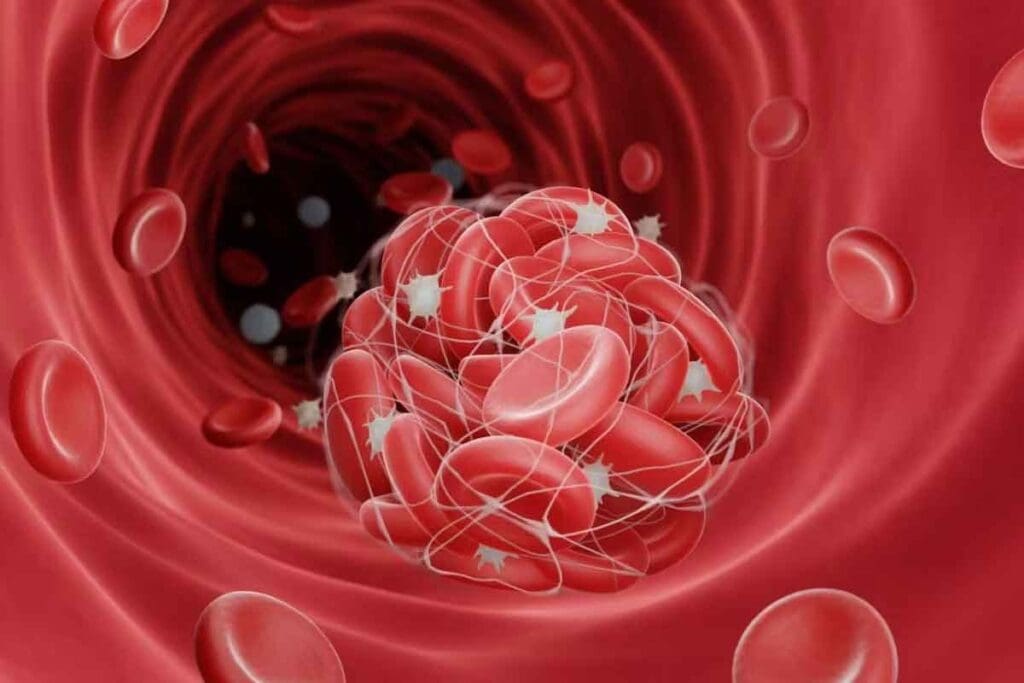
Feeling sudden, unexplained pain in your belly can be scary. It might mean you have a blood clot in the stomach. Though abdominal blood clots are rare, they can cause serious problems if not treated right away.
At LivHospital, we stress how important it is to know the signs and risks of blood clots in the abdomen. Spotting them early is key. These clots can form in veins that drain the intestines, like the superior mesenteric vein. This is called mesenteric venous thrombosis (MVT).
Key Takeaways
- Abdominal blood clots can be life-threatening if not promptly diagnosed and treated.
- Understanding the signs and risks is key for early detection.
- Mesenteric venous thrombosis (MVT) is when clots form in veins draining the intestines.
- Quick medical help is needed to avoid serious health issues.
- LivHospital is dedicated to top-notch healthcare with full international patient support.
Understanding Abdominal Blood Clots

It’s important to understand abdominal blood clots to treat them effectively. These clots form in the blood vessels of the abdomen. They can block blood flow, causing tissue damage or organ problems.
What Is an Abdominal Blood Clot?
An abdominal blood clot is a blockage in the veins or arteries of the abdomen. It can happen for many reasons, like blood stasis, injury to the blood vessel walls, or an imbalance in the blood’s clotting mechanisms. If a clot blocks blood flow, it can cause ischemia or tissue death.
“The presence of an abdominal blood clot is a medical emergency that requires immediate attention,” say doctors. The severity depends on the clot’s location, size, and the organs it affects.
Common Locations of Abdominal Blood Clots
Abdominal blood clots can form in different places. They can be in the mesenteric veins or arteries, the renal veins, or the inferior vena cava. The mesenteric vessels are at high risk because of their complex anatomy and blood stasis.
- Mesenteric veins or arteries
- Renal veins
- Inferior vena cava
Mesenteric Venous Thrombosis (MVT)
Mesenteric Venous Thrombosis (MVT) is a serious condition where a blood clot forms in the veins draining the intestines. It can cause intestinal congestion, ischemia, and gangrene if not treated quickly. Symptoms are often non-specific, making early diagnosis hard.
A leading medical journal notes, “MVT is a rare but potentially life-threatening condition that requires a high index of suspicion for diagnosis.” Treatment usually involves anticoagulation therapy to prevent more clots. Sometimes, thrombolytic therapy or surgery is needed.
The Seriousness of an Abdominal Blood Clot

It’s important to know how serious an abdominal blood clot is. These clots can cause severe problems if not treated quickly.
Potential Life-Threatening Complications
Abdominal blood clots can lead to serious issues. These include:
- Intestinal damage: The clot can block blood to the intestines, causing tissue death.
- Gangrene: Untreated clots can cause gangrene, needing surgery to remove the affected intestine.
- Sepsis: Bacteria from the damaged intestine can spread, causing a severe infection called sepsis.
Mortality Rates and Statistics
The death rates from abdominal blood clots are high, mainly if treatment is late. Studies show mortality rates can be 20% to 50% or more. This depends on the clot’s location, severity, and how quickly and well it’s treated.
Recent stats show quick diagnosis and treatment can lower death rates. Early detection and anticoagulation therapy can improve survival chances and reduce complications.
Why Early Detection Matters
Finding abdominal blood clots early is key to avoiding serious problems and lowering death rates. Spotting symptoms early and getting medical help fast can greatly improve outcomes.
We stress the need to know the risk factors and symptoms of abdominal blood clots. This way, people can get medical help quickly, boosting their recovery chances.
Recognizing the Warning Signs
It’s key to know the signs of abdominal blood clots to avoid serious problems. These clots can show up in different ways. Knowing these signs helps people get medical help fast.
Primary Symptoms of Abdominal Blood Clots
Abdominal blood clots can cause severe pain, nausea, and vomiting. These happen because the clot blocks blood flow to or from the intestines. This can damage tissue.
Severe abdominal pain is a main symptom, feeling sharp or stabbing. This pain can stay or come and go. It might also feel like there’s bloating or discomfort in the belly.
Secondary Symptoms to Watch For
There are also secondary symptoms to look out for. These include:
- Bloody stools or black tarry stools
- Fever
- Abdominal tenderness
- Guarding or rigidity of the abdominal muscles
These signs can mean the condition is getting worse or complications are starting.
Silent Symptoms and Delayed Diagnosis
Some abdominal blood clots don’t show symptoms at first, leading to late diagnosis. This is scary because not seeing symptoms can make people think they’re okay.
Silent symptoms might be mild or come and go. They can be mistaken for other issues. Doctors should think about blood clots, even if there are no clear signs, in people at risk.
Spotting the warning signs early is vital. It helps get the right treatment fast and prevents big problems.
Risk Factors for Developing an Abdominal Blood Clot
Abdominal blood clots can come from medical conditions, lifestyle choices, and genetics. Knowing these risk factors is key to preventing and catching them early.
Medical Conditions That Increase Risk
Some medical conditions raise the risk of getting an abdominal blood clot. These include:
- Cancer: Tumors can block or damage blood vessels, causing clots.
- Recent surgery: Surgery, like abdominal procedures, can lead to blood clots.
- Inflammatory bowel disease: Conditions like Crohn’s and ulcerative colitis increase risk.
Other conditions that may raise the risk include:
| Condition | Description | Risk Level |
| Pancreatitis | Inflammation of the pancreas | High |
| Diverticulitis | Inflammation of the diverticula in the colon | Moderate |
| Sepsis | Life-threatening condition caused by the body’s response to an infection | High |
Lifestyle Factors
Lifestyle choices also affect the risk of abdominal blood clots. These include:
- Smoking: Damages blood vessels and raises clotting risk.
- Obesity: Increases pressure on veins.
- Prolonged immobility: Long periods of sitting or lying down.
Genetic Predispositions
Genetics can also play a part in the risk of abdominal blood clots. People with a family history of blood clots or certain genetic conditions are at higher risk.
- Factor V Leiden: A genetic mutation that affects blood clotting.
- Antithrombin deficiency: A condition that affects the body’s ability to regulate clotting.
Knowing these risk factors helps individuals take steps to prevent them. It also encourages seeking medical help if symptoms appear.
Diagnostic Procedures for Abdominal Blood Clots
To find out if you have an abdominal blood clot, doctors use many tools. These include first checks, imaging tests, and lab tests.
Initial Assessment and Physical Examination
The first step is a detailed medical history and physical check. We look at your symptoms, past health, and risk for blood clots.
Key parts of the first check are:
- Reviewing your medical history
- Evaluating your symptoms
- Checking for risk factors
Imaging Tests
Imaging tests are key in finding abdominal blood clots. They help us see the clot and how it affects nearby tissues.
Common imaging tests are:
| Imaging Test | Description | Advantages |
| CT Scan | Computed Tomography scan providing detailed cross-sectional images | High sensitivity for detecting clots |
| Ultrasound | Non-invasive test using sound waves to visualize blood flow | Quick and non-invasive |
| MRI | Magnetic Resonance Imaging giving detailed images of soft tissues | Excellent for seeing clots and nearby tissues |
Laboratory Tests
Laboratory tests help confirm the diagnosis. They look for signs of clotting and possible causes.
Key lab tests are:
- Blood counts to check for inflammation or infection signs
- Coagulation studies to check clotting factors
- D-dimer test to find clot formation
Treatment Options for Abdominal Blood Clots
Abdominal blood clots need quick and effective treatment. This can include anticoagulation therapy or surgery. The right treatment depends on the clot’s size and location, the patient’s health, and any other conditions.
Anticoagulation Therapy
Anticoagulation therapy is key in treating abdominal blood clots. It uses medicines to stop new clots and prevent existing ones from growing. Anticoagulants don’t dissolve clots but stop them from forming more. Heparin and warfarin are common, with newer options like rivaroxaban and apixaban also used.
Thrombolytic Therapy
Thrombolytic therapy is used to dissolve clots directly. It’s for severe cases where the clot is a big risk. The treatment is given through an IV or directly into the clot. The choice to use it is made with careful thought about bleeding risks.
Surgical Interventions
Surgery is considered when other treatments don’t work. It might include removing the clot through thrombectomy. Surgery’s decision is based on the clot’s severity and the patient’s health.
Supportive Care Measures
Supportive care is also vital for treating abdominal blood clots. It includes managing pain, staying hydrated, and watching for complications. Each patient’s care is customized to their needs, part of the overall treatment plan.
In summary, treating abdominal blood clots involves many approaches. From anticoagulation therapy to supportive care, the right treatment is chosen based on each patient’s unique situation.
When to Seek Immediate Medical Attention
Knowing the emergency signs of abdominal blood clots can save lives. If you see these signs, act fast and get medical help.
Emergency Warning Signs
Certain symptoms mean a serious and possibly deadly situation. Look out for:
- Severe abdominal pain that doesn’t go away
- Vomiting blood or black, tarry stools
- Rapid heart rate and shortness of breath
- Severe leg pain or swelling, which could be a DVT
What to Tell Your Healthcare Provider
When you get to the emergency room, tell your doctor everything. Be ready to:
- Describe your symptoms in detail, including when they started and how bad they are
- List any medicines you’re taking
- Talk about any recent surgeries, hospital stays, or travel
- Share your medical history, including any conditions that raise your risk for blood clots
Clear and detailed information helps doctors make the right diagnosis and treatment plan.
What to Expect in the Emergency Room
When you get to the emergency room, you’ll likely see:
- A healthcare professional will do a physical check and review your medical history
- Imaging tests like ultrasound, CT scan, or MRI to find the blood clot
- Laboratory tests to check for clotting disorders or other related conditions
- Quick treatment to stop the clot from getting bigger or breaking loose
Knowing what to expect can help reduce stress and make sure you get the care you need quickly.
Recovery and Living with Abdominal Blood Clot Complications
Recovering from an abdominal blood clot needs careful post-treatment care. It also requires understanding long-term management strategies. We must consider all aspects of care for patients to thrive.
Post-Treatment Care
After being diagnosed with an abdominal blood clot, the initial treatment phase is key. Post-treatment care includes monitoring anticoagulation therapy and managing side effects. Regular follow-up appointments with healthcare providers are essential to ensure treatment success and address concerns.
Patients are advised to eat healthy, stay hydrated, and do gentle physical activities. These steps help prevent further complications and improve well-being.
Long-term Management
Managing abdominal blood clots long-term involves medication, lifestyle changes, and monitoring. Anticoagulant medications are vital to prevent new clots and the growth of existing ones. Patients must follow their medication regimen and watch for signs of bleeding or complications.
Adopting a healthy lifestyle is also key. This includes maintaining a healthy weight, quitting smoking, and exercising regularly. Dietary adjustments may also be needed to manage clot-causing conditions.
Psychological Impact and Support
Having an abdominal blood clot can be distressing, affecting mental health. Anxiety, depression, and fear of future clots are common. Psychological support is, then, a critical part of care.
Support can come from counseling, support groups, and educational resources. Connecting with others who have gone through similar experiences is very helpful. Healthcare providers can guide on accessing these resources and coping strategies.
Understanding recovery and living with abdominal blood clot complications helps patients and families. With the right care and support, managing the condition and improving quality of life is possible.
Conclusion
It’s vital to know how serious an abdominal blood clot is. This is because it needs quick medical care and the right treatment. We’ve talked about how bad this condition is, its signs, who’s at risk, how doctors diagnose it, and the treatments available.
Knowing about abdominal blood clots is key. By spotting the signs early, people can get help fast. This can stop serious problems from happening. Websites stress how important it is to know about this condition.
To wrap it up, an abdominal blood clot is a serious issue that needs quick action. We’ve covered the main points to help spread the word. By staying informed and taking care of our health, we can all help prevent and manage these clots.
FAQ
What is an abdominal blood clot?
An abdominal blood clot forms in the veins or arteries of the abdomen. It’s very dangerous and needs quick treatment.
What are the common locations of abdominal blood clots?
These clots can happen in different places. They might be in the mesenteric veins, hepatic veins, or portal veins.
What is Mesenteric Venous Thrombosis (MVT)?
MVT is when a blood clot blocks the mesenteric veins. These veins carry blood to the intestines. It can cause a lot of pain and other serious problems.
How serious is an abdominal blood clot?
An abdominal blood clot is very serious. If not treated fast, it can lead to serious problems like bowel damage. It can even be life-threatening.
What are the warning signs of an abdominal blood clot?
Signs include severe pain in the abdomen, nausea, vomiting, and diarrhea. Some people might not show any symptoms at all.
What are the risk factors for developing an abdominal blood clot?
Certain conditions like cancer and inflammatory bowel disease increase the risk. Lifestyle factors like smoking and being overweight also play a part.
How is an abdominal blood clot diagnosed?
Doctors use a physical exam, imaging tests like CT scans, and blood tests. These help figure out if there’s a clot and how serious it is.
What are the treatment options for an abdominal blood clot?
Treatment includes medicines to prevent clotting, surgery, and supportive care. These help manage symptoms and prevent further problems.
When should I seek immediate medical attention for an abdominal blood clot?
If you have severe pain, vomit blood, or have other severe symptoms, get help right away. It could be a sign of a clot.
What can I expect during recovery from an abdominal blood clot?
Recovery involves post-treatment care and managing any underlying conditions. You’ll also get support to deal with the emotional side of the condition.
Can abdominal blood clots be prevented?
Some risks can’t be avoided, but managing health conditions and a healthy lifestyle can help. Knowing the signs is also important.
Are there any long-term complications of abdominal blood clots?
Yes, clots can cause lasting damage like bowel damage and liver problems. They also raise the risk of getting clots again in the future.
Reference
- MedlinePlus — General information on Blood Clots: symptoms, causes, when to seek emergency carehttps://medlineplus.gov/bloodclots.html