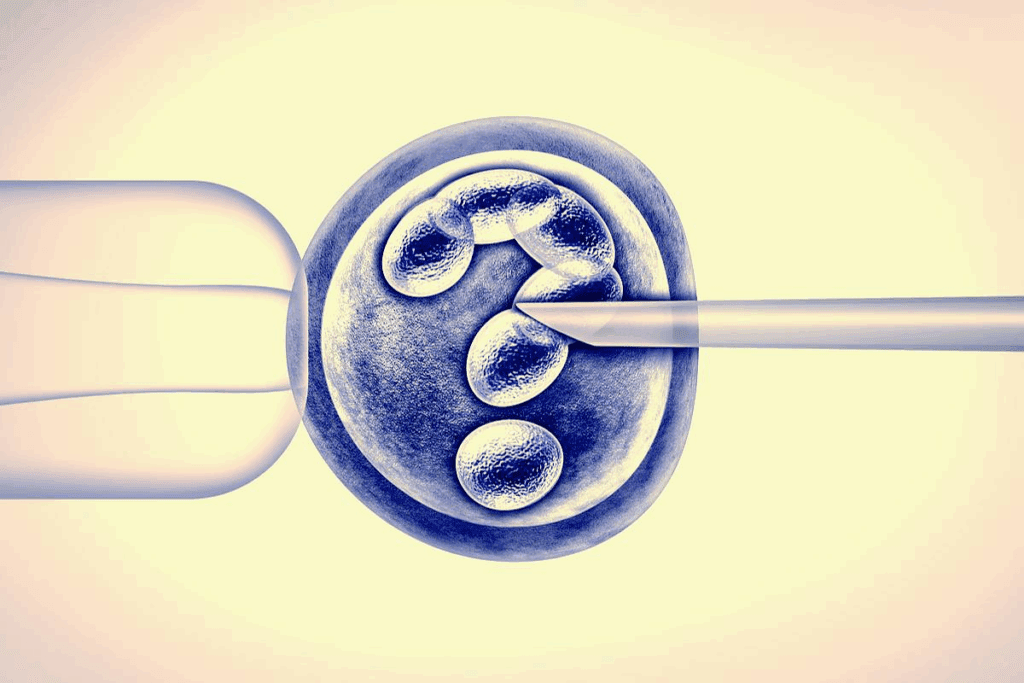
Many patients worry about cramping after embryo transfer during IVF. Studies show that about 45% of patients feel light cramping after the procedure.
At Liv Hospital, we know the two-week wait can be tough. Mild cramping is usually okay, but it’s key to know when to get help. We focus on your health and give you the facts you need for IVF.
Knowing what’s normal and when to get help can ease your mind. We’re here to help you through this, making sure you get the care and support you need.
Understanding the various causes of abdominal pain after ivf transfer and when it’s considered normal.
Key Takeaways
- Cramping after embryo transfer is a common experience for many IVF patients.
- Nearly 45% of patients experience light cramping following the procedure.
- Mild cramping is typically normal, but it’s important to know when to seek medical attention.
- Understanding the causes and characteristics of post-transfer cramping can provide peace of mind.
- Liv Hospital is committed to providing evidence-based information and support throughout the IVF process.
Understanding the Embryo Transfer Process

The embryo transfer process is a key moment in IVF. It moves you from preparation to the hopeful start of pregnancy. We aim to explain this step clearly and prepare you for what’s next.
What Happens During an Embryo Transfer
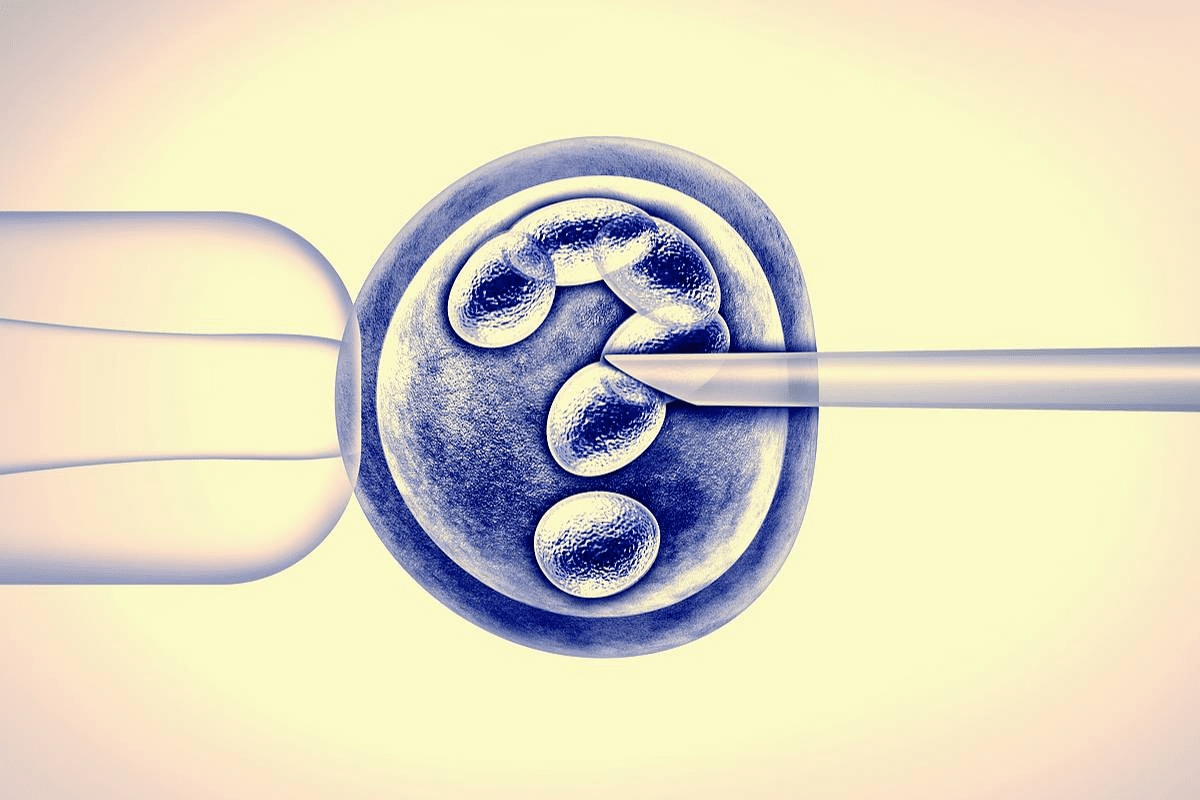
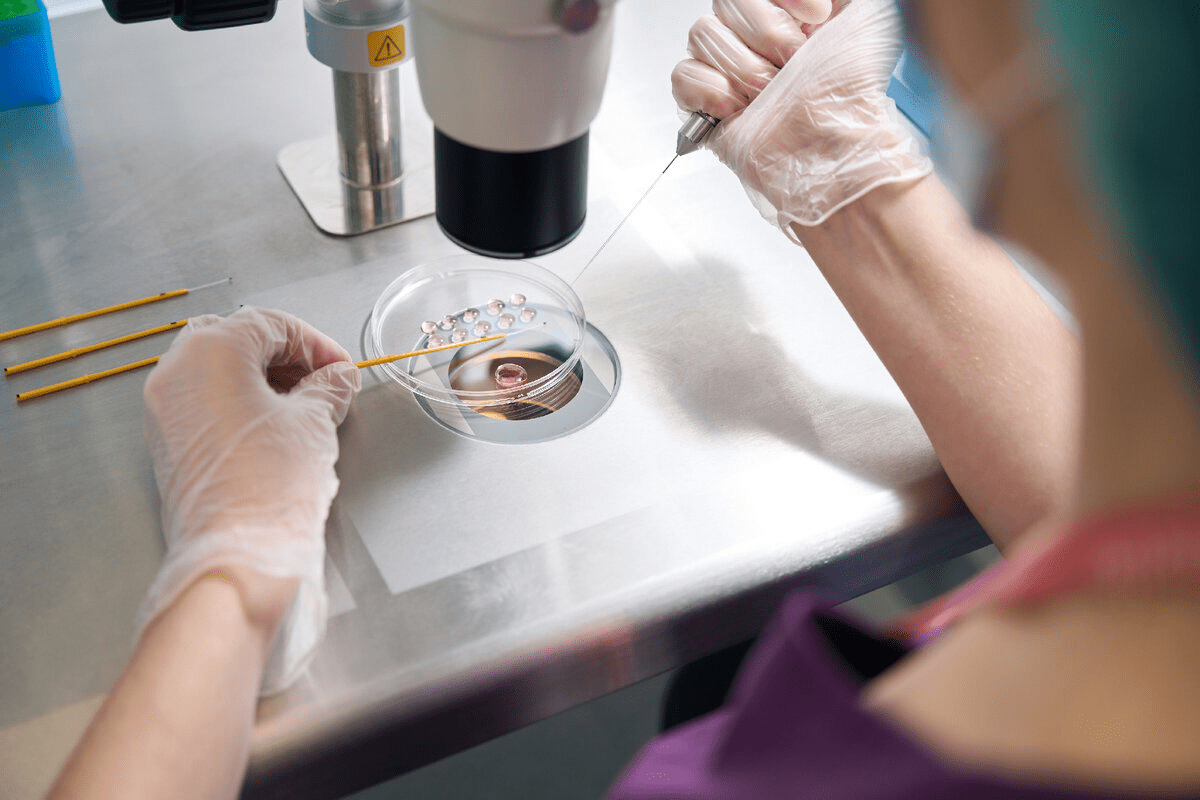
During an embryo transfer, embryos are placed in the uterus using a catheter. This process is usually simple and painless. Some might feel a bit of discomfort.
Key Steps in the Embryo Transfer Process:
- Preparation of the uterus through hormonal treatment to ensure receptivity.
- Selection of the embryos to be transferred based on their quality and viability.
- Insertion of a speculum to visualize the cervix.
- Gentle passage of the catheter through the cervix into the uterine cavity.
- Deposition of the embryos into the uterus.
- Removal of the catheter and verification that it contains no embryos.
The Role of Embryo Transfer in IVF
Embryo transfer is the final step of IVF. It places the selected and cultured embryos in the uterus for implantation. The success of IVF greatly depends on this step, needing precision and the right conditions.
“The embryo transfer is a critical step in IVF treatment, requiring precision and care to maximize the chances of a successful pregnancy.”
Medical Expert, Fertility Specialist
Physical and Emotional Preparation
Getting ready for an embryo transfer means being physically and emotionally prepared. Patients should eat well, drink plenty of water, and follow their fertility specialist’s advice. Emotionally, knowing what to expect and having support can help reduce stress.
| Preparation Aspect | Recommendation |
|---|---|
| Physical | Maintain a healthy diet, stay hydrated, and follow specific instructions from your fertility specialist. |
| Emotional | Seek support from family, friends, or support groups. Understand the procedure and its significance in your IVF journey. |
By understanding the embryo transfer process and preparing well, patients can face this important step in their IVF journey with confidence and hope.
The Prevalence of Cramping After Embryo Transfer

Knowing how common cramping is after embryo transfer can ease worries for IVF patients. Cramping after embryo transfer is a symptom seen and studied in IVF treatments.
Statistical Overview of Post-Transfer Symptoms
About 45% of patients feel light cramping after the embryo transfer. This shows that while it’s not everyone, it’s a common symptom for IVF patients.
How much cramping someone feels can really vary. Things like their health, the IVF treatment details, and how they handle pain can affect it.
When Cramping Typically Occurs
Cramping can happen at different times. Some feel it right after the procedure, while others notice it a few days later.
The timing might be linked to the embryo implanting, hormonal shifts, or the body’s reaction to the transfer.
Variations in Patient Experiences
Every person’s experience with cramping after embryo transfer is different. Some feel mild cramping, while others have it worse.
Knowing this can help patients feel more ready and less worried about their symptoms. We aim to give them the info and support they need for their IVF journey.
Why Abdominal Pain After IVF Transfer Occurs
Abdominal pain after IVF transfer can cause worry for those trying to get pregnant. This pain comes from several reasons, mainly the IVF process and how the body reacts to it.
Hormonal Fluctuations and Uterine Contractions
Hormonal changes are a big reason for this pain. The hormones used in IVF, like progesterone and estrogen, can make the uterus contract. This can lead to cramps or pain in the belly.
These contractions mean the uterus is getting ready for the embryo. But, how much pain you feel can vary a lot.
Physical Impact of Catheter Insertion
The embryo transfer uses a catheter to reach the uterus. This can sometimes irritate the cervix or uterine lining. This irritation can cause cramps or discomfort right after.
This discomfort usually goes away within a few hours to a couple of days.
Embryo Implantation Process
Abdominal pain can also happen during embryo implantation. As the embryo starts to attach to the uterine lining, some people feel mild cramps or discomfort. This is often a dull ache or feeling of pressure in the lower belly.
This usually happens 6-10 days after the embryo transfer. The cramps are usually mild and don’t last long.
In summary, abdominal pain after IVF transfer can be caused by hormonal changes, the catheter insertion, and embryo implantation. Knowing these reasons can help patients deal with their pain better and understand what to expect during their fertility treatment.
Characteristics of Normal Post-Transfer Cramping
It’s important for patients going through IVF to know about normal post-transfer cramping. This cramping can differ from person to person. Yet, there are common traits that many share.
Intensity and Duration
Normal post-transfer cramping is usually mild to moderate. It feels similar to menstrual cramps. It can last a few days after the transfer.
Here’s what you might experience:
- Mild cramping that comes and goes
- Cramping that is similar to or slightly more intense than menstrual cramps
- Discomfort that may be constant or intermittent
Location and Sensation
Normal post-transfer cramping is felt in the lower abdomen, like menstrual cramps. Some might also feel pressure or discomfort in the pelvic area.
The sensation can be described as:
- A dull ache in the lower abdomen
- Sharp, intermittent pains
- A feeling of heaviness or pressure in the pelvic region
Differentiating from Menstrual Cramps
While similar to menstrual cramps, post-transfer cramping has some differences. It can come with symptoms like spotting or bloating due to IVF.
| Characteristics | Normal Post-Transfer Cramping | Menstrual Cramps |
|---|---|---|
| Intensity | Mild to moderate | Can range from mild to severe |
| Duration | Typically subsides within a few days | Lasts until the end of menstruation |
| Location | Lower abdomen, pelvic area | Lower abdomen, back, and thighs |
Knowing these differences helps patients tell normal cramping from more serious symptoms that need medical help.
Timeline of Cramping After Embryo Transfer
Knowing when cramping happens after an embryo transfer is key. It helps manage hopes and worries during IVF. Cramping can start at different times, and knowing when can ease fears and get women ready for the wait.
Day of Transfer
On the day of the transfer, some women might feel a bit of cramping. This is because of the catheter used during the procedure. The cramping is usually mild and goes away quickly after the procedure ends.
Days 1-3 After Transfer
In the first days after the transfer, some women feel cramps like menstrual cramps. This is normal due to hormonal changes and the embryo in the uterus.
During these days, the embryo starts to settle into the uterine lining. The cramps might mean the uterus is getting ready for the embryo.
Days 4-10 After Transfer (Implantation Period)
Days 4 to 10 are key as implantation usually happens then. Cramping during this time might mean implantation is happening. But not all women feel it. The cramping’s intensity and how often it happens can differ a lot.
To wrap it up, cramping can happen on the transfer day, in the first days, and during implantation. Knowing this timeline helps women get ready for symptoms and lowers anxiety about IVF.
The Impact of IVF Medications on Cramping
IVF medications are key to fertility success but can cause cramping after embryo transfer. It’s vital to grasp how these drugs affect our bodies during IVF.
Progesterone Supplementation Effects
Progesterone is a common IVF treatment to help the embryo implant and keep pregnancy. But, it can relax the uterus, leading to cramping in some women. It’s important to know if the cramping is normal or a sign of a problem.
Estrogen Medication and Uterine Sensitivity
Estrogen is also a key part of IVF, helping the uterine lining grow. Though usually safe, it can make the uterus more sensitive, causing cramping. The effect of estrogen on cramping varies from person to person.
Managing Medication-Related Discomfort
Dealing with IVF medication discomfort needs a few steps. Talk to your fertility doctor about any cramping or pain. They can suggest changes to your meds or offer other advice. Changing medication or using relaxation techniques and over-the-counter pain relief can help.
Knowing how IVF meds affect cramping helps us handle fertility treatment better. It lets us make informed choices about our care.
When Cramping May Indicate a Problem
Cramping after embryo transfer isn’t always the same. Some cases need immediate medical help. Mild cramping is usually okay, but there are warning signs to watch for.
Warning Signs That Require Medical Attention
Severe pain, heavy bleeding, or fever mean something might be wrong. It’s important to watch your symptoms closely. If you see:
- Severe abdominal pain that doesn’t subside
- Heavy vaginal bleeding or clots
- Fever above 100.4°F (38°C)
- Severe nausea or vomiting
- Dizziness or fainting
These signs could mean problems like OHSS, infection, or other issues. You should get medical help right away.
Distinguishing Between Normal Cramping and Severe Pain
Normal cramping is usually mild to moderate, like menstrual cramps. But severe pain is different. It’s sharp, doesn’t go away, and might come with other bad signs.
It’s key to know that some pain is okay, but severe pain that stops you from doing things is not. If you have severe pain or other warning signs, tell your doctor.
| Symptom | Normal Cramping | Severe Pain |
|---|---|---|
| Intensity | Mild to moderate | Sharp, severe |
| Duration | Intermittent | Persistent |
| Associated Symptoms | None or mild spotting | Heavy bleeding, fever, nausea |
When to Contact Your Fertility Specialist
If you see any warning signs, call your fertility specialist right away. It’s always better to be safe when it comes to your health and IVF success. They can help over the phone or ask you to come in for a check-up.
Remember, acting fast can help manage problems and improve your chances of success.
One patient said, “I was told to call my clinic if I had severe pain or heavy bleeding. It was reassuring to know help was just a call away.”
“The key to a successful IVF cycle is not just the technical skill of the clinic, but also the patient’s ability to recognize and respond to their body’s signals.”
— Medical Expert, Fertility Specialist
Knowing the warning signs and when to seek help can make the post-embryo transfer period easier. You can feel more confident and at peace.
Managing Cramping After Embryo Transfer
Cramping after embryo transfer can be scary, but there are ways to feel better. We’ll look at doctor-approved ways to feel comfortable, rest and activity tips, and the need for emotional care during the wait.
Doctor-Approved Comfort Measures
Here are some comfort tips from doctors to ease cramping after embryo transfer:
- Drink lots of water to stay hydrated
- Use a warm heating pad on your lower belly
- Try gentle stretches or yoga
- Take a warm bath to relax your muscles
These tips can help you feel better and relax. Always talk to your fertility doctor before trying new comfort measures.
Rest and Activity Recommendations
It’s important to find the right balance between rest and activity after embryo transfer. You shouldn’t do too much, but lying in bed all day isn’t good either. Here’s what to do:
- Take short walks to keep your blood flowing
- Do light household chores
- Avoid heavy lifting or bending
- Make sure to rest and sleep well
Finding this balance can help with cramping and keep you feeling good while you wait.
Emotional Self-Care During the Waiting Period
The wait after embryo transfer can be tough on your emotions. Taking care of your emotional health is key to managing stress and anxiety. Here are some ideas:
- Try meditation or mindfulness
- Write down your thoughts and feelings
- Reach out to friends, family, or support groups
- Do things that make you happy
By focusing on emotional self-care, you can handle the emotional ups and downs of IVF better and feel less stressed.
Cramping in Fresh vs. Frozen Embryo Transfers
Cramping after embryo transfer is common, but it can differ based on the type of transfer. We’ll look at how fresh and frozen embryo transfers affect patients differently.
Differences in Symptom Experiences
People getting fresh embryo transfers often feel cramps in a unique way. Fresh transfers happen right after egg retrieval, leading to big hormonal changes. On the other hand, frozen embryo transfers happen in a separate cycle, which might be less stressful on the body.
Studies show that cramping can be more or less intense depending on the type of transfer. For example, frozen transfers might cause less severe cramps because the uterine lining is prepared more gently.
Hormonal Variations Between Transfer Types
Hormones play a big role in how cramping feels. Hormonal changes, like estrogen and progesterone levels, affect uterine contractions and cramping. Fresh transfers have more intense hormonal stimulation, which can lead to stronger cramps.
Frozen transfers, with their gradual hormone increase, might cause milder cramps. This is because it’s more like a natural cycle.
Recovery Expectations for Each Procedure
Knowing what to expect during recovery can help patients feel better. Cramping is common in both, but the recovery and symptom intensity can differ.
Recovery from fresh transfers might take longer because of the stimulation and the transfer itself. Frozen transfers, on the other hand, are often smoother, with less discomfort.
By understanding these differences, we can guide our patients better. This helps them know what to expect and how to handle their symptoms.
The Absence of Cramping: Is It Concerning?
Not everyone feels cramping after embryo transfer. This can make some people worried. They might think it means something is wrong with the IVF process.
Understanding Why Some Patients Experience No Symptoms
There are many reasons why some people don’t feel cramping after embryo transfer. How sensitive you are to the procedure can be a big factor. Also, hormonal changes during IVF can differ from person to person, affecting symptoms.
The absence of cramping doesn’t mean the cycle failed. Many things can affect the success of an embryo transfer. Cramping is just one symptom that not everyone feels.
Success Rates With and Without Cramping
Studies show that cramping doesn’t directly affect the success of an embryo transfer. Both those who feel cramping and those who don’t can have successful IVF outcomes.
| Symptom Experience | Success Rate |
|---|---|
| Cramping | 40-50% |
| No Cramping | 30-40% |
Success rates can change based on many things. These include age, embryo quality, and uterine health.
Managing Anxiety About Lack of Symptoms
If you’re worried about not feeling symptoms, there are ways to cope. Learning about the IVF process and knowing symptoms can vary can help. Also, using relaxation techniques like deep breathing or yoga can ease anxiety.
Talking openly with your fertility specialist is also helpful. They can offer specific advice and reassurance based on your situation.
Conclusion
As we wrap up our talk on cramping after embryo transfer, it’s clear that knowing about it is key for a good IVF experience. We’ve looked at why cramping happens, like hormonal changes and the embryo settling in. These are all part of the process.
Knowing what normal cramping feels like can ease worries. We’ve also talked about when cramping might mean there’s a problem. It’s important to listen to your fertility doctor’s advice.
In short, while cramping after embryo transfer can be scary, it’s usually a normal part of IVF. By staying informed and talking openly with your healthcare team, you can move through this journey with confidence.
FAQ
Is cramping after embryo transfer a normal experience?
Yes, mild cramping after embryo transfer is common. It’s a normal part of IVF. But, knowing when to seek help is key.
What causes abdominal pain after IVF transfer?
Hormonal changes, the insertion of the catheter, and implantation can cause pain. Knowing these causes can help manage your expectations.
How long does cramping last after embryo transfer?
Cramping can start on the day of transfer and last a few days. It can also happen during implantation (days 4-10). The length and intensity vary.
What are the characteristics of normal post-transfer cramping?
Normal cramping is mild, like menstrual cramps. It can feel different in location and intensity. Knowing the difference between normal and severe cramping is important.
Can IVF medications impact cramping?
Yes, IVF meds like progesterone and estrogen can make the uterus more sensitive. This can lead to cramping. Managing this discomfort is important.
When should I seek medical attention for cramping after embryo transfer?
Seek help for severe pain, heavy bleeding, or fever. These signs may mean you need medical help.
How can I manage cramping after embryo transfer?
Use doctor-approved comfort measures, rest, and follow activity advice. Emotional care during the wait is also key to reduce anxiety.
Is there a difference in cramping between fresh and frozen embryo transfers?
Yes, symptoms and recovery can differ between fresh and frozen transfers. Knowing these differences helps manage expectations.
Is it concerning if I don’t experience cramping after embryo transfer?
Not necessarily. Some don’t cramp, and it’s not always a worry. Success rates vary, and managing anxiety is important.
What should I do if I’m experiencing no symptoms after embryo transfer?
Manage anxiety by focusing on facts and following your doctor’s advice. Stay informed and supportive throughout IVF.
Can light cramping after embryo transfer be a sign of implantation?
Light cramping might mean implantation, but it’s not the only reason. Understanding your body’s response helps.
How can I differentiate between normal cramping and severe pain after embryo transfer?
Severe pain, heavy bleeding, or fever are red flags. If unsure, always check with your fertility specialist.
References
National Center for Biotechnology Information. Cramping After Embryo Transfer: Prevalence and Patient Concerns. Retrieved from https://pmc.ncbi.nlm.nih.gov/articles/PMC10402453/
National Center for Biotechnology Information. Cramping After Embryo Transfer: Incidence and Patient Concerns. Retrieved from https://pubmed.ncbi.nlm.nih.gov/26916559/