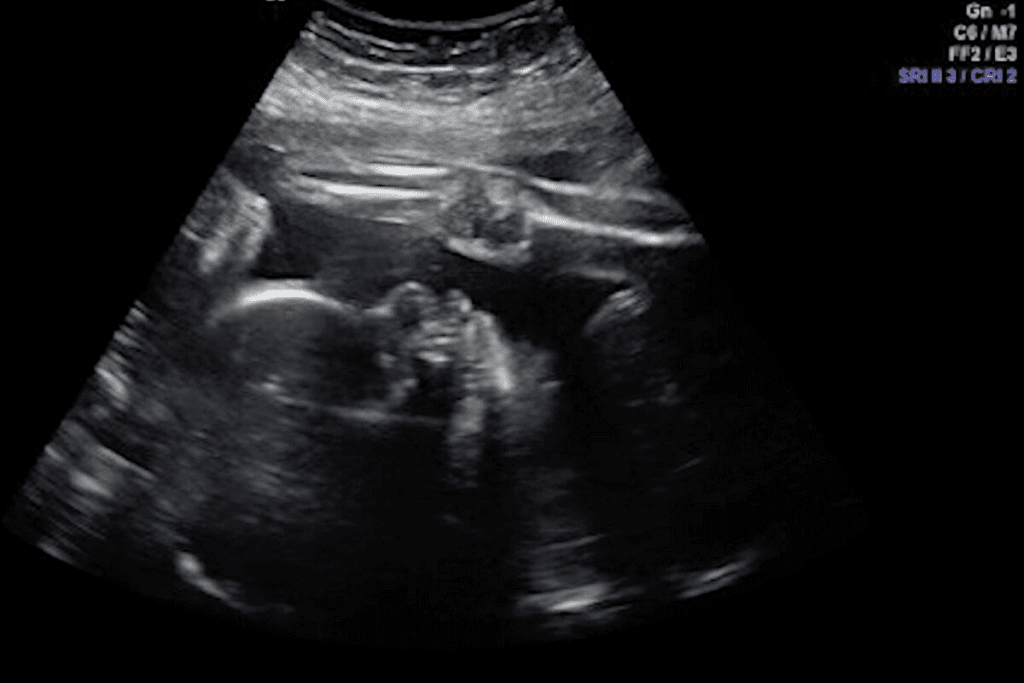
Expectant mothers often worry about ultrasound scans in early pregnancy. They fear they might cause miscarriage or bleeding. But, extensive medical research shows ultrasound scans are safe and don’t harm the baby.Addresses the safety of an abdominal scan at 8 weeks regarding miscarriage or bleeding risk. Ultrasounds are safe for an abdominal scan at 8 weeks.
At Liv Hospital, we focus on top-notch, evidence-based care. We use advanced ultrasound tech and care for our patients. Medical Expert, an Obstetrician at Cedars-Sinai Medical Group, says ultrasounds at 6 to 8 weeks are safe. They don’t lead to pregnancy loss.
An 8-week ultrasound is key for checking the baby’s health and due date. We’ll talk about how safe and important these early scans are. We want to reassure expectant mothers.
Key Takeaways
- Ultrasound scans during early pregnancy are safe and do not cause miscarriage or bleeding.
- An 8-week ultrasound is a critical scan for determining the due date and assessing pregnancy viability.
- Advanced ultrasound technology and compassionate care are priorities at Liv Hospital.
- Extensive medical research supports the safety of ultrasound scans.
- Medical experts, like Medical Expert, endorse the safety of early ultrasounds.
Understanding Early Pregnancy Ultrasounds

Ultrasounds are key for expectant parents to understand early pregnancy. They help doctors check on the baby’s growth and spot any problems early.
Types of Ultrasounds in Early Pregnancy
There are two main types of ultrasounds in early pregnancy: transvaginal and abdominal. Transvaginal ultrasounds use a probe in the vagina for clear early images. Abdominal ultrasounds use a transducer on the belly to see the fetus.
Medical Expert.
Why Ultrasounds Are Performed at 6-8 Weeks
Ultrasounds at 6 to 8 weeks confirm pregnancy and check the baby’s heartbeat. They’re key for spotting issues early. This scan helps plan the best care for you.
What to Expect During an Early Ultrasound
Early ultrasounds are quick and painless. For transvaginal, a covered probe is used gently. For abdominal, gel and a transducer are used on the belly. The images show how the baby is growing.
The Science Behind Ultrasound Safety
Ultrasound technology is key in prenatal care, but is it safe? We explore the science behind ultrasound safety to offer clarity and reassurance.
How Ultrasound Technology Works
Ultrasound technology uses high-frequency sound waves to create images of the fetus during pregnancy. This is done through a device called a transducer, which sends and receives sound waves. The process is non-invasive and doesn’t use ionizing radiation, making it safe for monitoring fetal development.
The safety of ultrasounds is largely due to the low intensity of the sound waves used. Unlike other imaging techniques that use radiation, ultrasounds are safer for pregnant women.
Safety Studies on Prenatal Ultrasounds
Many studies have looked into the safety of prenatal ultrasounds. A large amount of research shows that ultrasounds are safe when used correctly. For example, a study in the Journal of Ultrasound in Medicine found no harmful effects from ultrasound exposure during pregnancy.
“The available evidence suggests that diagnostic ultrasound is safe when used appropriately.” – American College of Obstetricians and Gynecologists
Medical Consensus on Ultrasound Safety
The medical community agrees that ultrasounds are safe during pregnancy. Major obstetric organizations, like the American College of Obstetricians and Gynecologists (ACOG), support their use. The consensus is based on extensive research and the long history of safe use.
While ultrasounds are considered safe, it’s important to follow medical guidelines and use them only when necessary. This approach ensures the benefits of ultrasound technology are maximized while minimizing risks.
Abdominal Scan at 8 Weeks: Procedure and Purpose
At 8 weeks pregnant, an abdominal ultrasound is a common procedure. It gives valuable insights into the health and development of the pregnancy. This non-invasive tool lets healthcare providers check on fetal growth and confirm pregnancy viability. It also helps detect early issues.
What Can Be Seen on an 8-Week Abdominal Ultrasound
During an 8-week abdominal ultrasound, several key aspects of fetal development can be observed. These include:
- Fetal Heartbeat: Detection of a fetal heartbeat is a key sign of pregnancy viability.
- Fetal Size and Growth: Measurements can be taken to check if the fetus is growing normally.
- Gestational Sac and Placenta: The presence, size, and location of the gestational sac and placenta can be evaluated.
Limitations of Abdominal Scans in Early Pregnancy
While abdominal ultrasounds are valuable, they have limitations, mainly in early pregnancy. These include:
- Difficulty in getting clear images due to body type or abdominal scarring.
- Limited ability to detect certain fetal anomalies at an early stage.
When Doctors Recommend Abdominal vs. Transvaginal Scans
The choice between an abdominal and transvaginal ultrasound depends on several factors. These include the stage of pregnancy, the patient’s body type, and specific medical concerns. Generally, transvaginal ultrasounds are preferred in early pregnancy for their clarity and detail. But abdominal ultrasounds become more common as the pregnancy progresses.
It’s essential to follow your healthcare provider’s recommendations regarding the type of ultrasound. This ensures the best possible care for your pregnancy.
Transvaginal Ultrasounds: Safety and Concerns
Transvaginal ultrasounds are common in early pregnancy. They give important info on the baby’s health without risk. We’ll look into how they work, their safety, and why they’re often used before 10 weeks.
How Transvaginal Ultrasounds Are Performed
A special probe is put into the vagina for these ultrasounds. It shows images of the reproductive organs and the growing fetus. A trained healthcare pro does this.
The probe is covered and lubricated for comfort and safety. The images help check on the baby’s growth and health.
Discomfort vs. Danger: Understanding the Difference
Some women might feel a bit uncomfortable during the ultrasound. But, it’s safe and not dangerous. The main thing is knowing that a little discomfort is normal, but serious problems are very rare.
It’s important to tell your healthcare provider if you’re feeling any discomfort during the ultrasound.
Why Transvaginal Ultrasounds Are Often Preferred Before 10 Weeks
These ultrasounds are chosen early because they give clearer images. The probe is close to the reproductive organs, making the images better. This is key for seeing how the fetus is doing and spotting any problems early.
Aspect | Transvaginal Ultrasound | Abdominal Ultrasound |
Probe Location | Inserted into the vagina | Placed on the abdomen |
Image Clarity in Early Pregnancy | High resolution | May be less clear before 10 weeks |
Discomfort Level | Mild discomfort possible | Generally comfortable |
Spotting After Ultrasound: Causes and Explanations
Women often spot after an ultrasound in early pregnancy. This can be scary, but knowing why it happens and when to see a doctor can help.
Why Some Women Experience Spotting After Internal Ultrasounds
Spotting after a transvaginal ultrasound might happen because of the cervix and vaginal walls being touched. This can move blood or clots, causing spotting.
Key factors that may contribute to spotting after an ultrasound include:
- The sensitivity of the cervix during early pregnancy
- The presence of existing bleeding or spotting before the ultrasound
- The technique used during the ultrasound procedure
Distinguishing Between Normal Spotting and Concerning Bleeding
Spotting after an ultrasound can be normal, but it’s important to tell the difference from bleeding that’s a concern. Normal spotting is light, might be brown or pink, and doesn’t last long.
Concerning bleeding, on the other hand, may be characterized by:
- Heavy bleeding, similar to or heavier than a menstrual period
- Bright red color
- Severe abdominal pain or cramping
- Passage of clots
When to Contact Your Doctor About Post-Ultrasound Bleeding
If you spot heavily, have severe pain, fever, dizziness, or fainting after an ultrasound, call your doctor.
Your doctor can check your symptoms and tell you what to do next. It’s always safer to be cautious with bleeding during pregnancy.
In summary, spotting after an ultrasound can be worrying, but knowing why it happens and when to get help can ease your mind. Always talk to your healthcare provider if you’re worried about bleeding or spotting during pregnancy.
Detecting Heartbeat: Timing and Technology
Knowing when a fetal heartbeat can be seen is key for parents-to-be. It shows the pregnancy is moving forward. It’s a big moment that shows the baby is doing well.
When Can Ultrasound First Detect a Heartbeat?
Ultrasound can spot a heartbeat at about 6 weeks. The embryo’s heart is just starting to beat. Transvaginal ultrasounds are better at finding it early than others.
Studies say transvaginal ultrasounds find heartbeats at 6 weeks often. A study in the Journal of Ultrasound in Medicine says, “You can see the heartbeat as early as 5 or 6 weeks with good equipment.”
“The detection of embryonic cardiac activity with transvaginal sonography is possible as early as 5 weeks and 6 weeks with high-resolution equipment.”Journal of Ultrasound in Medicine
Factors That Affect Early Heartbeat Detection
Many things can change how early you can see a heartbeat. These include:
- The quality of the ultrasound equipment
- The skill and experience of the sonographer
- The position of the fetus
- The type of ultrasound performed (transvaginal vs. abdominal)
The timing of the ultrasound is also important. Too early, and you might miss it. Waiting until 8 weeks usually gives a clearer view.
Gestational Age | Detection Method | Heartbeat Detection Rate |
6 weeks | Transvaginal Ultrasound | High |
8 weeks | Abdominal Ultrasound | Very High |
What It Means If No Heartbeat Is Detected at 6-8 Weeks
If no heartbeat is seen at 6-8 weeks, it can worry parents. But, not seeing it doesn’t always mean there’s a problem. Pregnancy dates or the baby’s position can affect it.
If no heartbeat is found, more tests are usually needed. This might be another ultrasound later. Waiting can be hard for parents.
We know the wait for a heartbeat can be tough. But, new ultrasound tech is getting better. It gives us more info about the baby’s health and growth.
Miscarriage Risk Statistics After Heartbeat Detection
Understanding the risk of miscarriage after a heartbeat is detected is a big worry for expectant parents. When a fetal heartbeat is found, it’s a key moment in pregnancy. Parents-to-be often want to know if their baby is healthy and will be okay.
Studies show that the chance of miscarriage goes down a lot after a heartbeat is seen. This news can give parents hope. But, it’s key to know what these numbers really mean for each pregnancy.
Miscarriage Risk at 6 Weeks With Detected Heartbeat
At 6 weeks, finding a fetal heartbeat lowers the risk of miscarriage a lot. Research says that after a heartbeat is found at 6 weeks, the miscarriage rate is between 10% and a bit over 15% for women under 35. Women over 35 might face a slightly higher risk because of age.
Miscarriage Risk at 8 Weeks With Detected Heartbeat
By 8 weeks, the risk of miscarriage goes down even more if a heartbeat is detected. Studies show that at 8 weeks with a heartbeat, the miscarriage rate is about 4-6%. This good news means the pregnancy is likely to be more stable.
How These Statistics Should Be Interpreted
It’s important to understand these numbers in the context of each person’s situation. Things like the mother’s age, health, and any medical conditions can change the risk of miscarriage. While these numbers give a general idea, they shouldn’t predict what will happen to each person.
Expectant parents should talk to their healthcare provider about their own situation. The doctor can give advice and support based on what’s unique to them.
Common Misconceptions About Ultrasounds and Pregnancy Loss
Many people think ultrasounds can cause miscarriage, but studies show no link. This worry is common among expectant parents. Yet, research proves ultrasounds are safe.
It’s important to know that just because two things happen together, it doesn’t mean one causes the other. This is true for ultrasounds and miscarriages. Their timing might seem connected, but it’s just a coincidence.
Debunking Myths About Ultrasounds Causing Miscarriage
There’s no proof that ultrasounds lead to miscarriage. Ultrasound technology uses sound waves to create images of the fetus. These sound waves are not harmful to the developing embryo.
A study in the Journal of Ultrasound in Medicine found no link between ultrasound and miscarriage risk. The American College of Obstetricians and Gynecologists (ACOG) also confirms ultrasounds are safe during pregnancy.
“The use of diagnostic ultrasound during pregnancy has been extensively studied, and there is no evidence to suggest that it causes harm to the fetus or increases the risk of miscarriage.”
Understanding Correlation vs. Causation in Pregnancy Loss
Women often have ultrasounds before a miscarriage. But, this doesn’t mean the ultrasound caused the miscarriage. The majority of miscarriages happen due to chromosomal issues or other factors, not ultrasound.
Here are some key points:
- Miscarriages often happen for reasons beyond medical control.
- Ultrasounds are done when there are pregnancy concerns, which can confuse things.
- Even after adjusting for these factors, studies show no link between ultrasounds and miscarriage.
Why Timing of Ultrasounds and Miscarriages May Seem Related
Ultrasounds and miscarriages sometimes seem connected in timing. But, ultrasounds are often done when miscarriages are more likely. This is because of the high risk at certain times in pregnancy.
At 6-8 weeks, many pregnancies are closely watched because of the high miscarriage risk. If a miscarriage is going to happen, it usually does around this time, not because of the ultrasound.
By clearing up these myths, we can reassure expectant parents. Ultrasounds are a safe and valuable tool in prenatal care.
Special Considerations for High-Risk Pregnancies
Managing high-risk pregnancies often means more ultrasounds. This is to keep both mom and baby safe. High-risk pregnancies can be due to health issues, carrying twins, or pregnancy complications.
When More Frequent Ultrasounds Are Recommended
Women with high-risk pregnancies might need more ultrasounds. These scans help watch how the baby is growing and spot any problems early. They can find issues like growth issues or placenta problems.
A study in the Journal of Ultrasound in Medicine found ultrasounds help in high-risk pregnancies. 1 They help catch complications early, which is key for conditions that don’t show symptoms until later.
Condition | Typical Ultrasound Frequency | Purpose |
Multiple Pregnancy | Every 2-4 weeks | Monitor fetal growth and detect possible complications early. |
Pre-existing Medical Conditions | As needed, based on condition | Manage condition and watch over fetal well-being. |
Previous Pregnancy Complications | More frequently, starting early | Spot early signs of issues based on past experiences. |
Safety of Multiple Ultrasounds in Early Pregnancy
There’s ongoing research on the safety of many ultrasounds in early pregnancy. Doctors agree that, when done right, ultrasounds are safe. The American College of Obstetricians and Gynecologists (ACOG) says they’re safe when done by experts with the right equipment. 2
But, it’s also key to not overdo it. We suggest following your healthcare provider’s advice on how often and what type of ultrasounds to get.
“The use of ultrasound should be guided by clinical judgment, and exams should be performed only when there is a valid medical reason.” – World Health Organization
Balancing Monitoring Needs With Minimal Intervention
It’s important to find the right balance in managing high-risk pregnancies. While ultrasounds are helpful, they should be used wisely to avoid too many interventions.
Ultrasounds are key in managing high-risk pregnancies. By knowing when more scans are needed and making sure they’re safe, we can help improve outcomes for both mom and baby.
What Your Doctor Wants You to Know About Early Ultrasounds
Expectant parents often have questions before their first ultrasound. Healthcare providers want to share important information to make this experience better. Knowing these details can ease worries and enhance the value of this important test.
Medical Guidelines for Early Pregnancy Ultrasounds
Guidelines suggest ultrasounds at certain times to check on the baby’s growth and health. The first ultrasound usually happens between the 6th and 8th weeks. It helps confirm the pregnancy, figure out how far along you are, and check for a heartbeat.
Following these guidelines is key to catching any problems early. Your doctor will plan your ultrasounds based on your needs and health history.
Questions to Ask Before Your Ultrasound
Getting ready for an ultrasound is more than just showing up. Here are some questions to ask your doctor:
- What is the purpose of this ultrasound?
- How should I prepare for the ultrasound?
- What can you see during an ultrasound at this stage of pregnancy?
- Are there any specific risks or complications that the ultrasound is checking for?
- How will the results of the ultrasound be communicated to me?
Emotional Preparation for Early Ultrasounds
Getting emotionally ready for an ultrasound is as important as the medical side. You might feel excited, anxious, or a mix of both. Here are some tips to help you prepare emotionally:
Preparation Tip | Description |
Bring a Support Person | Having someone you trust with you during the ultrasound can provide emotional support. |
Understand the Limitations | Knowing what an ultrasound can and cannot detect can help manage expectations. |
Stay Informed | Asking your healthcare provider about the process and what to expect can reduce anxiety. |
Being informed and prepared can make your early ultrasounds more beneficial. It helps you navigate the early stages of pregnancy with more confidence and less worry.
Conclusion
As we wrap up our look at ultrasound safety and miscarriage risk, it’s clear that ultrasounds are safe in early pregnancy. We’ve looked at how ultrasound technology works, the different types of ultrasounds, and the miscarriage risks after a heartbeat is seen.
Our summary shows that ultrasounds are key in pregnancy care. They give parents-to-be peace of mind and insights into their baby’s growth. The risk of miscarriage drops a lot after a heartbeat is detected, mainly at 6-8 weeks.
Every pregnancy is different, but knowing about ultrasound safety can ease worries. It helps in making informed choices. We stress the need to follow medical advice and healthcare provider’s guidance for the best results.
FAQ
Can an 8-week ultrasound cause miscarriage or bleeding?
Studies show that ultrasounds at 6 to 8 weeks are safe. They don’t cause pregnancy loss. But, some women might spot after an ultrasound.
What is the purpose of an 8-week ultrasound?
An 8-week ultrasound checks the due date and if the pregnancy is viable.
What are the types of ultrasounds used in early pregnancy?
There are two main types: transvaginal and abdominal ultrasounds. Transvaginal ones are clearer and more detailed in early pregnancy.
Why do some women experience spotting after an internal ultrasound?
Spotting after an internal ultrasound can be from the procedure or other conditions. It’s important to know if it’s normal or not.
When can an ultrasound detect a fetal heartbeat?
A fetal heartbeat can usually be seen between 6 to 7 weeks with ultrasound.
What is the miscarriage risk after detecting a heartbeat at 8 weeks?
After seeing a heartbeat at 8 weeks, the risk of miscarriage drops. But, some risks are always there.
Are more frequent ultrasounds safe in high-risk pregnancies?
More ultrasounds in early pregnancy are safe if needed. They help monitor the pregnancy and are worth the risk.
How should I prepare emotionally for an early ultrasound?
Knowing what to expect and asking questions can ease anxiety. It helps prepare you emotionally for the ultrasound.
Can internal ultrasounds cause miscarriage?
There’s no proof that internal ultrasounds cause miscarriage. They are safe when done by experts.
What are the medical guidelines for early pregnancy ultrasounds?
Guidelines suggest ultrasounds at certain ages to check on the fetus. This helps find any issues early.
What should I do if I experience bleeding after a sonogram?
If you bleed after a sonogram, call your doctor. They’ll check if it’s normal or if you need to see them.
How do I interpret miscarriage risk statistics after a detected heartbeat?
Seeing a heartbeat lowers miscarriage risk. But, every pregnancy is different. Talk to your doctor about your specific risks.
References
National Center for Biotechnology Information. Early Pregnancy Ultrasound: Safety and Miscarriage Risks. Retrieved from https://pmc.ncbi.nlm.nih.gov/articles/PMC11545858/