Last Updated on November 25, 2025 by Ugurkan Demir
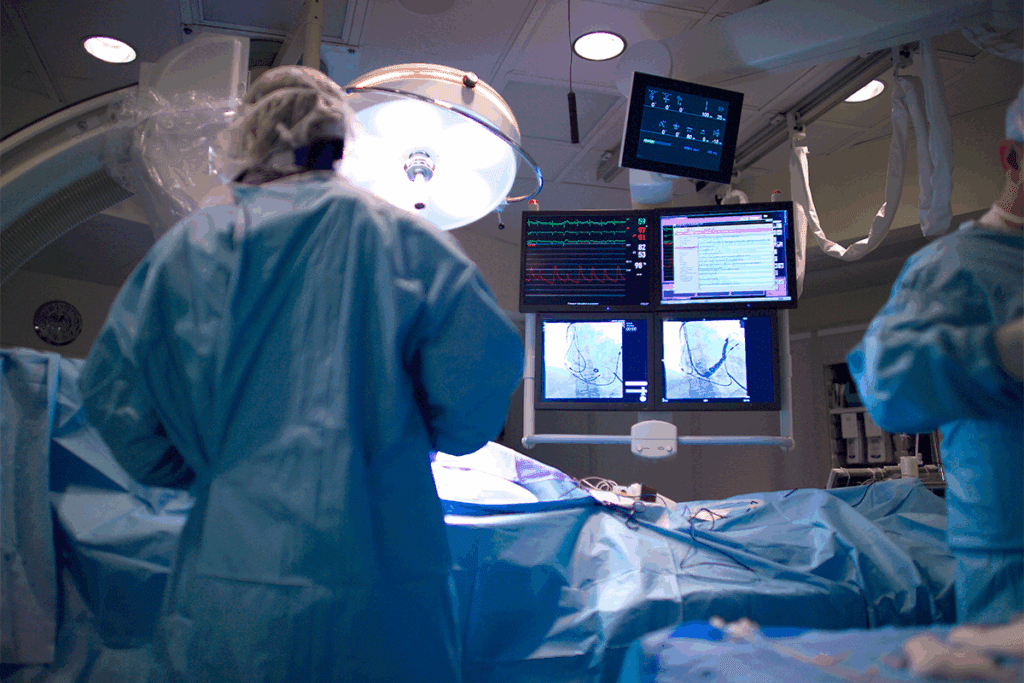
Getting ready for atrial flutter ablation is key to a healthy heart rhythm. At Liv Hospital, we focus on patient care and use the latest treatments for heart rhythm problems.Learn how to prepare for ablation flutter procedure with a clear, step-by-step guide to ensure safe and effective treatment.
Our team will help you prepare for the catheter ablation for atrial flutter procedure. This method uses a catheter to stop bad electrical signals in the heart.
Knowing how to prepare helps you get the best results. We’ll explain the tests, medications, and other important steps. This ensures your safety and the success of the atrial flutter ablation procedure.
Key Takeaways
- Pre-procedural tests are necessary to ensure a safe and successful procedure.
- Medication instructions must be followed carefully to minimize risks.
- Understanding anticoagulation therapy guidelines is critical to prevent stroke.
- Patients must fast from midnight before the procedure.
- Our team will guide you through each step of the preparation process.
Understanding Atrial Flutter and the Need for Ablation
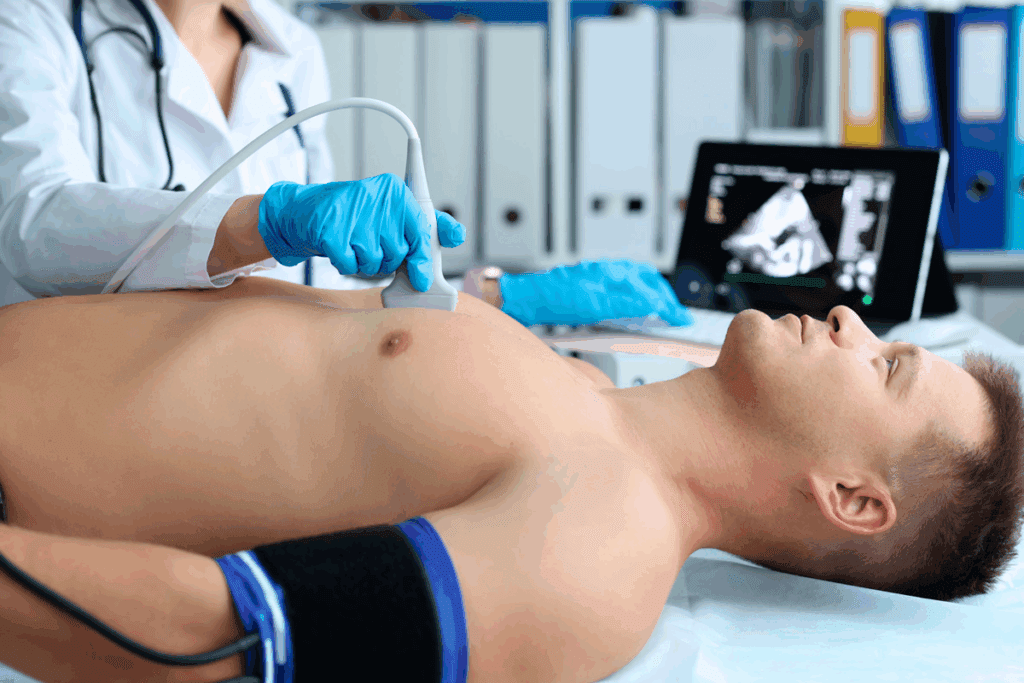
Atrial flutter is a common heart rhythm problem. It happens when the heart’s upper chambers beat too fast. This can make people feel uncomfortable and may lead to serious health problems if not treated.
What is Atrial Flutter?
Atrial flutter makes the heart beat too quickly, between 240 to 340 beats per minute. It’s caused by an abnormal electrical circuit in the right atrium. This circuit makes the atrium contract fast, causing symptoms like palpitations, shortness of breath, and fatigue.
Common Symptoms and Complications
The symptoms of atrial flutter can differ from person to person. They often include:
- Palpitations or a feeling of rapid heartbeat
- Shortness of breath
- Light-headedness or dizziness
- Fatigue or feeling weak
- Chest discomfort or pain
If atrial flutter is not treated, it can cause serious problems like heart failure or stroke. It’s important to see a doctor if symptoms get worse or don’t go away.
When Medication and Cardioversion Fail
At first, doctors might use medication or cardioversion to treat atrial flutter. These methods use electrical shocks to fix the heart rhythm. But sometimes, these treatments don’t work well, or the problem comes back.
Why Ablation Becomes Necessary
When other treatments don’t work, catheter ablation is needed. This procedure uses a catheter to find and destroy the bad electrical pathway in the heart. This pathway is usually in the cavotricuspid isthmus of the right atrium. By removing this pathway, the heart can beat normally again.
It’s important for patients to understand atrial flutter, its symptoms, and treatment options. Making informed choices about their care is the first step to improving their heart health and quality of life.
The Science Behind Ablation Flutter Procedures

Ablation flutter procedures target abnormal heart circuits. They use a precise method to treat atrial flutter. This treatment has changed how we manage this heart rhythm problem.
How Catheter Ablation Works
Catheter ablation is a small procedure that fixes heart problems. It uses energy to destroy bad heart paths. This method is very good at treating atrial flutter, helping patients feel better and live better lives.
A catheter is used to reach the heart. It sends energy to the problem area. The goal is to block the bad circuit, fixing the heart’s rhythm.
The Right Atrium: Primary Location for Ablation
The main spot for treating atrial flutter is the right atrium. The cavotricuspid isthmus is key here. It’s often part of the problem circuit.
The Cavotricuspid Isthmus: Critical for Arrhythmia Circuit
The cavotricuspid isthmus is very important in atrial flutter circuits. Ablation here can stop the bad circuit. This prevents atrial flutter from coming back.
Success Rates and Long-term Effectiveness
Research shows catheter ablation works well for atrial flutter. It has a 90-95 percent success rate. This makes it a top choice for treating this condition.
| Procedure Aspect | Description | Success Rate |
| Catheter Ablation | Minimally invasive procedure using energy to destroy abnormal electrical pathways | 90-95% |
| Primary Location | Right atrium, specially the cavotricuspid isthmus | N/A |
| Wait Time Post-Ablation | 30 minutes to ensure ablated tissue does not recover | N/A |
Knowing how ablation flutter works helps patients understand its benefits. It fixes the heart’s rhythm by blocking the bad circuit. This makes it a very effective treatment.
Initial Consultation: What to Expect
Starting with an initial consultation is key to understanding atrial flutter ablation. Here, you’ll have a detailed talk about the procedure. It’s important to check if you’re a good candidate and to answer any questions you might have.
Questions Your Doctor Will Ask
Your doctor will ask many questions during the consultation. They want to know about your medical history, including any heart issues or surgeries you’ve had. This helps them plan the best atrial flutter ablation surgery for you and reduce risks.
Medical History Review
Reviewing your medical history is a must. Your doctor will look at your past health records. They’re checking for anything that might affect the success of the catheter ablation atrial flutter procedure.
Discussion of Procedure Benefits and Risks
Your doctor will talk about the good and bad sides of ablation of atrial flutter. They want you to know what to expect. This includes possible complications and how they’ll be handled, helping you decide if the atrial ablation for atrial flutter is right for you.
Setting Realistic Expectations
It’s important to set realistic expectations. Your doctor will tell you what the procedure might achieve. They’ll talk about symptom relief and how it could improve your life. This helps you understand what to expect and the need for follow-up care.
To sum up the initial consultation, here’s a quick overview:
| Aspect | Description | Importance |
| Medical History | Review of past medical conditions and treatments | High |
| Procedure Benefits | Discussion of the procedure’s advantages | High |
| Procedure Risks | Explanation of possible complications and how they’ll be managed | High |
| Expectations | Outlining what to expect and post-procedure care | High |
After the initial consultation, you’ll have a better idea of what to expect from the atrial flutter ablation surgery. It’s important to follow your healthcare team’s instructions carefully to prepare for the procedure.
By the end of the consultation, you’ll need to follow medication instructions given by your electrophysiologist. When the procedure day arrives, nurses will guide you to the EP lab. There, you’ll lie on a special X-ray table.
Pre-Procedure Medical Tests and Evaluations
Before atrial flutter ablation, you’ll need to go through several medical tests. These tests check your health and how well your heart works. They help your doctor plan the best way to do the procedure and find any possible risks.
Essential Blood Work
Your doctor will do blood tests to look for any health issues that might affect the procedure or your recovery. These tests might include a complete blood count (CBC), blood chemistry tests, and checks for bleeding disorders.
Cardiac Imaging Tests
Cardiac imaging tests, like echocardiograms or cardiac MRI, are used to see how your heart works. These tests help your doctor understand your heart’s structure and find any problems that could affect the ablation.
Electrocardiogram (ECG) Assessment
An electrocardiogram (ECG) is a key test that shows how your heart’s electrical activity works. It helps your doctor see your heart rhythm and find any patterns that are important for the ablation.
Additional Tests Your Doctor May Order
Based on your medical history and condition, your doctor might order more tests. These could include a transesophageal echocardiogram (TEE) or a stress test. These tests give more detailed information about your heart health and help your doctor customize the ablation procedure for you.
| Test | Purpose | What to Expect |
| Complete Blood Count (CBC) | Assess overall health and detect infections | A blood sample will be taken from a vein in your arm. |
| Echocardiogram | Evaluate heart structure and function | A technician will apply a gel to your chest and use a probe to capture images of your heart. |
| Electrocardiogram (ECG) | Measure heart’s electrical activity | Electrodes will be placed on your chest, arms, and legs to record your heart’s electrical signals. |
Medication Management Before Ablation
Getting ready for your atrial flutter ablation means knowing how to handle your meds. It’s key for a good procedure and recovery. We’ll show you how to take the right meds at the right time.
Anticoagulation Therapy Guidelines
If you’re on blood thinners, following certain rules is very important. We’ll tell you how to manage your meds before and after the procedure. Remember, not taking your meds as directed can raise your stroke risk.
Important Instructions: You might need to skip some doses of your blood thinner before the procedure. Always check with your EP coordinator about this. Don’t stop your blood thinner for longer than you’re told.
Medications to Continue Taking
Some meds are important to keep taking as your doctor says. These help manage health issues. We’ll give you a list of meds to keep up with and any changes in dosage.
Medications to Temporarily Stop
Some meds might need to be stopped before the procedure. We’ll tell you which ones and when to start them again. It’s important to follow these directions to avoid problems.
Creating a Medication Schedule
It’s a good idea to make a medication schedule. This will show you which meds to take, when, and any dosage changes. Here’s an example:
| Medication | Dosage | Frequency | Duration |
| Anticoagulant | 20mg | Once daily | Until instructed to stop |
| Beta Blocker | 50mg | Twice daily | Continue as directed |
| Aspirin | 81mg | Once daily | Until instructed to stop |
By managing your meds well and following our advice, you can lower the risk of problems. This will help make your atrial flutter ablation successful. If you have any questions or worries, talk to your healthcare team.
Preparing Your Home for Post-Procedure Recovery
Getting your home ready for recovery after catheter ablation of atrial flutter is key. A well-prepared home can make your healing process easier. It helps reduce stress and discomfort, letting you focus on getting better.
Setting Up a Comfortable Recovery Space
Creating a cozy recovery area is important for rest. Make a quiet, comfy spot where you can relax without interruptions. Make sure it’s easy to get to and has everything you need nearby, like water, meds, and a phone.
Arranging for Transportation and Assistance
After the atrial flutter ablation procedure, you’ll need a ride home. You won’t be able to drive. Ask a family member or friend to be with you for the first 24 hours to help with daily tasks and support.
Stocking Necessary Supplies
Having the right supplies can help you avoid extra effort during recovery. Make sure you have enough of your prescribed meds and essentials like food and water. Prepare meals in advance that are easy to heat up.
Planning for Limited Activity
Plan to do less during your recovery. Avoid heavy lifting, bending, or hard activities for 48 hours after the procedure. Don’t lift more than 2.3 kilograms (5 pounds) during this time. Carefully plan your activities and prioritize rest for a good recovery from flutter ablation.
By getting your home ready and having support, you can focus on recovering well after your ablation for aflutter procedure.
The Day Before Your Atrial Flutter Ablation
With your atrial flutter ablation procedure just a day away, it’s essential to follow specific guidelines to ensure a smooth and successful process.
Dietary Restrictions and Fasting Requirements
It’s important to stick to the dietary restrictions and fasting your doctor has told you. Typically, you should not eat anything at least 6 hours before your procedure. You might be allowed to drink clear fluids up to 2 hours before, but always check with your healthcare provider.
- Clear fluids may include water, clear broth, or electrolyte-rich beverages like sports drinks.
- Avoid heavy meals, fatty foods, and caffeinated beverages on the day before your procedure.
Final Medication Instructions
Review your medication list with your doctor to understand which medications to continue, stop, or adjust before the procedure. It’s essential to follow these instructions carefully to minimize risks. Your doctor will provide specific guidance on anticoagulation therapy and other medications.
- Take your prescribed medications as directed by your doctor, unless instructed to stop.
- Inform your doctor about any over-the-counter medications, supplements, or herbal remedies you’re taking.
What to Pack for the Hospital
Packing the right items for your hospital visit can help reduce stress and ensure you’re comfortable. Essential items include:
- Comfortable clothing and a change of clothes
- Insurance cards and identification
- Any required documents or medical records
- Personal care items like glasses, hearing aids, or dentures
Getting a Good Night’s Sleep
Getting adequate rest is vital for your physical and mental preparation. Try to get a good night’s sleep by maintaining a comfortable environment and following a relaxing bedtime routine. Avoid stimulating activities or electronics before bedtime to promote better sleep.
Arrival at the Hospital: Procedure Day Protocol
The day of your atrial flutter ablation procedure has arrived. We’re here to guide you through what to expect at the hospital. Knowing the steps involved can help ease any anxiety you may have.
Check-in Process and Paperwork
When you arrive, please check-in at the designated area. Our staff will help you with the necessary paperwork, like consent forms. Make sure to arrive early to complete these tasks without feeling rushed.
Pre-Procedure Preparations
After checking in, you’ll be taken to a room for vital sign checks. These include blood pressure, heart rate, and temperature. An IV line will be inserted for medications during the procedure. Our team will make sure you’re comfortable and ready for the ablation for atrial flutter.
Meeting Your Medical Team
Before starting, you’ll meet the medical team. This includes the electrophysiologist and nurses. They will explain the procedure, answer your questions, and address any concerns. This is a great time to ask about the flutter ablation procedure and what to expect.
Final Questions Before the Procedure
We know you might have more questions or concerns before your atrial flutter ablation. Our team is ready to answer them, ensuring you’re informed and comfortable. We aim to make your experience as smooth and stress-free as possible.
Understanding the procedure day protocol helps you prepare for your catheter ablation for atrial flutter. We’re here to support you every step of the way. We want to ensure a successful procedure and a smooth recovery for you.
What Happens During the Atrial Flutter Ablation Procedure
The atrial flutter ablation procedure is a detailed treatment to fix the heart’s rhythm. Knowing the steps can make patients feel more ready and confident.
Anesthesia Administration
Anesthesia is given to make sure patients are comfortable. It helps reduce pain, making it easier for the team to do the ablation.
The type of anesthesia can change, but it’s usually conscious sedation or local anesthesia. This keeps patients calm and comfortable during the treatment.
Catheter Insertion and Mapping
After the anesthesia kicks in, catheters are inserted through a vein in the groin. These catheters are guided to the heart using X-ray and/or a mapping system.
The catheters map the heart’s electrical activity. This is key to finding and treating the arrhythmia’s cause.
The Ablation Process
The ablation starts with the catheters in place. Energy is sent to the problem areas to destroy the bad electrical pathways.
“The goal of ablation is to create scar tissue in the heart that will block the abnormal electrical signals causing arrhythmia,” says a leading cardiologist.
The energy is controlled carefully to avoid harming healthy tissue. This ensures safety and precision.
Duration and Completion
The procedure can take a few hours. The exact time depends on the arrhythmia’s complexity and the patient’s condition.
| Procedure Step | Typical Duration | Description |
| Anesthesia Administration | 15-30 minutes | Administering anesthesia to ensure patient comfort |
| Catheter Insertion and Mapping | 1-2 hours | Inserting catheters and creating a detailed map of the heart’s electrical activity |
| Ablation Process | 1-2 hours | Delivering energy to destroy abnormal electrical pathways |
| Total Procedure Time | 3-4 hours | Overall duration of the atrial flutter ablation procedure |
Understanding the atrial flutter ablation procedure helps patients see its complexity and precision. Our team is committed to providing top care and support.
Conclusion: Recovery, Follow-up Care, and Long-Term Outlook
After atrial flutter ablation surgery, patients start a key recovery phase. They need close monitoring and follow-up care. First, they go to a recovery area where their health is watched closely.
They get instructions for home recovery. This includes managing medications, following activity rules, and keeping doctor’s appointments.
Cardiac ablation for atrial flutter is very effective. By sticking to the recovery plan, patients can get the best results and avoid problems. The outlook for patients is usually good, with many seeing big improvements in their health and life quality.
Knowing the recovery process and going to follow-up appointments at a trusted atrial flutter ablation location helps. It makes the journey easier and more confident for patients.
FAQ
What is atrial flutter ablation?
Atrial flutter ablation is a procedure to treat a heart rhythm problem. It involves destroying abnormal electrical pathways in the heart. This is done to stop rapid heart rates.
What is the primary location for atrial flutter ablation?
The main spot for this procedure is the right atrium. More precisely, it’s the cavotricuspid isthmus. This area is key for the arrhythmia circuit.
How effective is catheter ablation for atrial flutter?
This procedure is very effective. It has a success rate of 90-95 percent. It’s often the first choice when other treatments fail.
What tests are required before undergoing atrial flutter ablation?
Before the procedure, patients need to undergo several tests. These include blood work, echocardiograms, and an electrocardiogram (ECG). These tests help prepare them for the procedure.
How should I manage my medications before atrial flutter ablation?
Patients on blood thinners need to follow specific guidelines. They should keep taking some medications but stop others as directed.
What are the dietary restrictions before atrial flutter ablation?
Patients usually need to fast before the procedure. This ensures they are ready for it.
What happens during the atrial flutter ablation procedure?
During the procedure, patients get anesthesia. Catheters are then inserted through a vein in the groin. These catheters map the heart’s electrical activity and destroy the abnormal pathways.
What is the recovery process like after atrial flutter ablation?
After the procedure, patients are monitored in a recovery area. They receive instructions for home recovery. This includes medication, activity limits, and follow-up appointments.
What are the long-term outcomes of atrial flutter ablation?
The long-term results are usually good. Many patients see big improvements in their symptoms and quality of life.
How can I prepare my home for post-procedure recovery?
Set up a comfy recovery space at home. Arrange for transport and help. Stock up on supplies and plan for rest to ensure a smooth recovery.
What should I expect during the initial consultation for atrial flutter ablation?
At the first meeting, you’ll talk a lot with your doctor. You’ll discuss your medical history, the procedure’s benefits and risks, and any questions you have.
References:
National Center for Biotechnology Information. (2025). How to Prepare for Atrial Flutter Ablation StepbyStep. Retrieved from https://www.ncbi.nlm.nih.gov/books/NBK594279/).