Last Updated on November 14, 2025 by
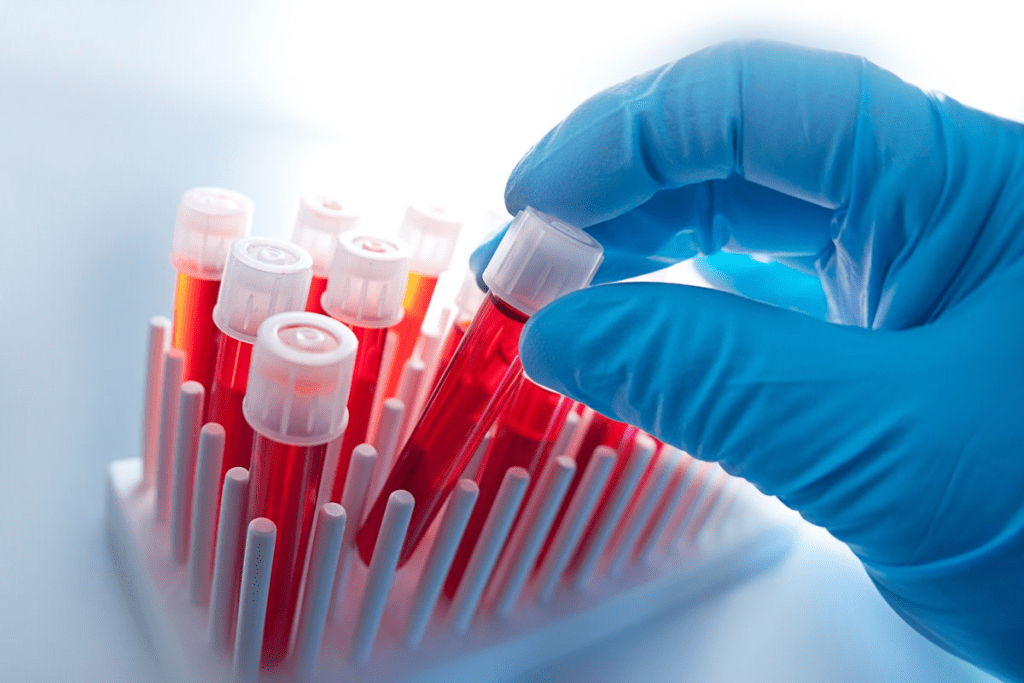
Abnormal hematology means changes in blood parameters like red and white blood cell counts. It also includes changes in hemoglobin, hematocrit, and platelet levels. These changes can show health problems. At LIV Hospital, we focus on understanding these changes to help diagnose and manage conditions.What does abnormal hematology mean, particularly a low white blood cell count? Learn about causes, symptoms, and implications for your health.
Studies show that many patients with certain conditions have abnormal blood tests. For example, 26.3% of people with hypothyroidism have anemia. Also, 15.7% have leucopenia, and 9% have thrombocytopenia. These numbers highlight the need for detailed care and multidisciplinary approaches to tackle these complex health issues.
Key Takeaways
- Abnormal hematology includes different blood parameter changes.
- These changes can point to health issues like anemia or leukemia.
- It’s important to understand abnormal hematology for good diagnosis and treatment.
- Comprehensive care and team efforts are key to dealing with these health problems.
- LIV Hospital aims to provide top-notch medical care and focus on patients.
Understanding Abnormal Hematology
Understanding abnormal hematology is key to diagnosing and managing blood-related conditions. These conditions affect the blood’s ability to transport oxygen, fight infections, and help with healing. It’s important for overall health.
Definition and Scope of Hematological Abnormalities
Hematological abnormalities are changes in blood parameters. This includes red and white blood cell counts, hemoglobin, hematocrit, and platelet levels. These changes can signal health issues like anemia, infection, or clotting disorders.
Key aspects of hematological abnormalities include:
- Alterations in red blood cell count, which can lead to conditions such as anemia or polycythemia.
- Changes in white blood cell count indicate possible infections or immune system disorders.
- Variations in platelet count affect blood clotting and potentially lead to bleeding or thrombotic disorders.
Key Blood Parameters and Their Significance
Key blood parameters are vital for diagnosing and managing blood disorders. These include hemoglobin, hematocrit, red blood cell count, white blood cell count, and platelet count. Each parameter gives important information about the blood’s composition and function.
For instance:
- Hemoglobin and hematocrit levels are critical for diagnosing anemia and assessing its severity.
- Red blood cell count helps identify conditions such as anemia or polycythemia.
- White blood cell count is essential for detecting infections or immune system disorders.
Common Diagnostic Tests in Hematology
Diagnostic tests are essential for understanding and managing hematological abnormalities. A complete blood count (CBC) is a common test. It provides information on circulating blood cell size and quantity.
Common diagnostic tests include:
- Complete Blood Count (CBC): Provides an overview of blood cell counts and parameters.
- Blood Differential Test: Helps in identifying different types of white blood cells.
- Peripheral Blood Smear: Allows for the examination of blood cells under a microscope.
These tests are vital for diagnosing and managing blood disorders. They help healthcare providers develop targeted treatment plans.
Red Blood Cell Abnormalities: Causes and Implications
Red blood cell abnormalities can really affect a person’s health. They can lead to anemia and polycythemia. These issues make it hard for the body to carry oxygen, causing many health problems.
Low Red Blood Cell Count: Types of Anemia
Anemia is when you have fewer red blood cells or less hemoglobin. There are different kinds of anemia, like:
- Iron-deficiency anemia: This happens when you don’t have enough iron.
- Sickle cell anemia: It’s a genetic disorder that affects hemoglobin.
- Vitamin deficiency anemia: This is caused by not having enough vitamins, like B12.
Symptoms of anemia include feeling tired, weak, and short of breath. Knowing the cause is key to treating it right.
High Red Blood Cell Count: Polycythemia
Polycythemia is when you have too many red blood cells. This can raise your risk of blood clots and heart disease. It can be caused by:
- Primary polycythemia: This is often due to genetic changes.
- Secondary polycythemia: It’s caused by long-term lack of oxygen or other factors.
Normal Hemoglobin Ranges
Hemoglobin levels differ by gender. Men usually have 13-18 g/dL, while women have 12-16 g/dL. Keeping hemoglobin in these ranges is important for health.
Understanding anemia and polycythemia helps doctors give better care. They can then treat patients more effectively.
Low White Blood Cell Count: Risks and Associated Conditions
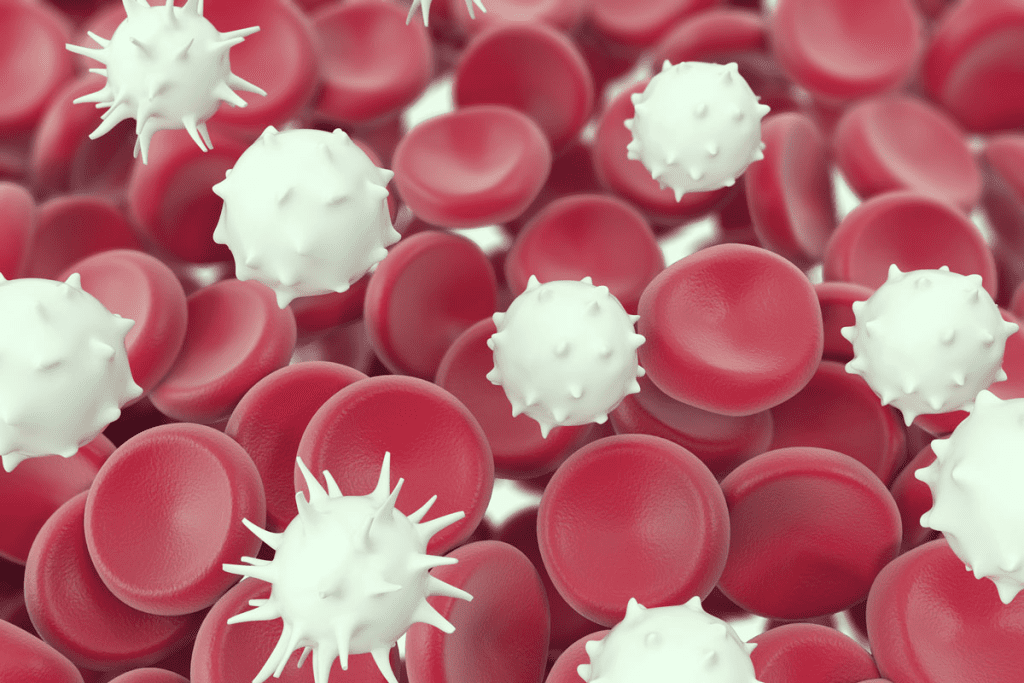
It’s important to know the risks and conditions linked to low white blood cell count. Leucopenia, or low white blood cell count, raises the risk of infections and other problems.
Causes of Low White Blood Cell Count
Many things can cause a low white blood cell count. These include bone marrow disorders, autoimmune diseases, and some medicines. Hypothyroidism, when the thyroid doesn’t make enough hormones, is also a cause.
Studies show that 15.7% of hypothyroid patients have leucopenia. This highlights the need to watch white blood cell counts in these patients. “The link between hypothyroidism and leucopenia shows how different body systems interact,” say doctors.
“The presence of leucopenia in hypothyroid patients requires a detailed treatment plan for both conditions.”
Medical Expert
Leucopenia in Hypothyroid Patients
Leucopenia is a big worry for hypothyroid patients. They are more likely to get infections because their immune systems are weak.
- It’s key to keep an eye on white blood cell counts.
- Treatment plans might need to change to handle both hypothyroidism and leucopenia.
- Teaching patients to spot early signs of infection is vital.
What is a Dangerous White Blood Cell Count?
A dangerous white blood cell count depends on a person’s health and other factors. Usually, a count under 4,000 cells per microliter is low and might mean leucopenia.
Treatment Approaches for Low WBC
Treatment for low white blood cell count aims to fix the root cause. This might include:
- Changing medicines that affect the bone marrow.
- Treating conditions like hypothyroidism.
- In some cases, giving medicines helps make more white blood cells.
We stress the need for a treatment plan that fits each patient. Knowing the causes and risks of low white blood cell count helps doctors find the best ways to treat leucopenia and help patients get better.
High White Blood Cell Count and Inflammatory Responses
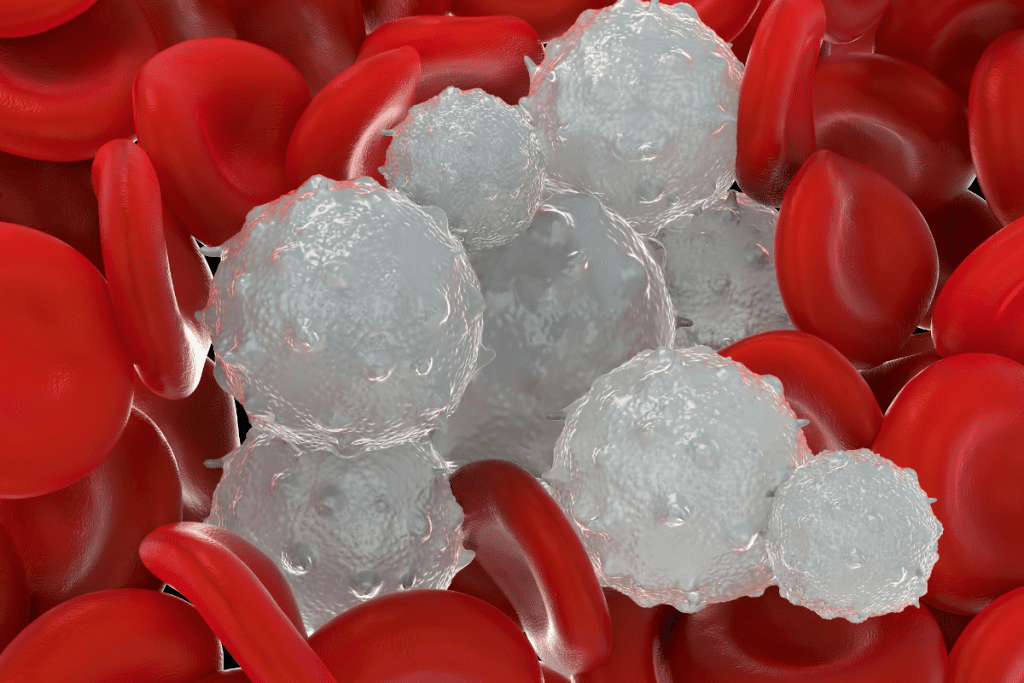
Leukocytosis, or a high white blood cell count, needs more study. We will look into what causes it and why it matters in medical diagnosis.
Understanding WBC High Readings
A high white blood cell count often means the body is fighting off an infection or inflammation. “The body’s immune response is complex, and a high WBC count can signal a range of underlying conditions, from benign to severe,” say doctors. We will dive into the reasons behind leukocytosis, like infections, and the dangers they pose.
Normal White Blood Cell Count Across Different Demographics
Normal white blood cell counts change based on age, sex, and ethnicity. Knowing these differences is key to a correct diagnosis. For example, normal WBC ranges are usually between 4,500 and 11,000 cells per microliter, but they can vary in different groups.
When High WBC Indicates Serious Conditions
A high white blood cell count can sometimes point to serious issues, like leukemia. We will talk about when a high WBC count means you need more tests and what it means for your care.
Key Points to Consider:
- Leukocytosis can result from infection, inflammation, or other health issues.
- Normal WBC counts vary across different demographics.
- A high WBC count can indicate serious conditions, requiring prompt medical evaluation.
Understanding high white blood cell counts helps doctors give better diagnoses and treatments. It’s important to look at the whole picture when checking WBC counts.
Platelet and Clotting Abnormalities
Abnormalities in platelet count and clotting can cause serious health problems. Platelets are key to blood clotting. Any change in their count can signal health issues.
Thrombocytes Low Count: Thrombocytopenia
Thrombocytopenia means having too few platelets, which raises the risk of bleeding. It’s seen in about 9% of people with hypothyroidism. Causes include less platelet production, more platelet destruction, or the spleen holding onto them.
Causes and Symptoms:
- Less platelet production from bone marrow problems
- More platelet destruction from immune system issues
- The spleen holds onto them due to its size
- Symptoms include easy bruising, prolonged bleeding, and petechiae
Elevated Platelet Counts and Associated Risks
Having too many platelets, or thrombocytosis, can be a sign of an issue or a disorder. It raises the risk of blood clots, which can harm the heart and blood vessels.
Risks and Complications:
- Higher risk of blood clots and heart problems
- Possible sign of certain blood disorders
- Risk of bleeding in rare cases
Cytopenias and Increased Cancer Risk
Cytopenias, like thrombocytopenia, can mean a higher chance of cancer, mainly blood cancers. It’s important to find the cause to check for cancer.
Diagnostic Approaches:
- Bone marrow biopsy to check the marrow for cancer
- Blood tests for complete blood count and smear
- Imaging to find causes or related issues
Conclusion: Modern Approaches to Hematological Disorders
Modern hematological analyzers have changed how we diagnose and manage blood disorders. At LIV Hospital, we use the latest technology and protocols. This helps us treat complex blood issues more effectively.
Tools like those found in JLPM research give us deep insights into diseases. We focus on treating each patient with a plan that fits their needs. This ensures they get the best care possible.
We aim to improve patient outcomes and quality of life through modern methods. Our goal is to offer top-notch healthcare that puts patients first. This makes us a reliable choice for those seeking advanced care for blood disorders.
FAQ’s
What is abnormal hematology?
Abnormal hematology means blood counts are off. This includes red and white blood cells, hemoglobin, hematocrit, and platelets. It can show health problems.
What are the common diagnostic tests used in hematology?
Tests like Complete Blood Count (CBC) and blood differential are used. Also, a peripheral blood smear is key for diagnosing blood disorders.
What is a low red blood cell count, and what are its implications?
A low red blood cell count, or anemia, leads to fatigue and weakness. It can also mean iron-deficiency anemia or sickle cell anemia.
What is a high white blood cell count, and what does it indicate?
A high white blood cell count, or leukocytosis, shows infection or inflammation. It can be from bacterial or viral infections.
What is a normal white blood cell count?
Normal white blood cell counts vary by age and gender. They help doctors diagnose and manage health issues related to white blood cells.
What is thrombocytopenia, and what are its implications?
Thrombocytopenia means low platelet count. It raises the risk of bleeding and bruising. It can be linked to hypothyroidism.
What is polycythemia, and what are its implications?
Polycythemia is a high red blood cell count. It increases blood clotting and heart disease risks. It’s caused by health issues.
How is a low white blood cell count treated?
Treatment for low white blood cell count includes meds and lifestyle changes. They aim to fix the cause and manage symptoms.
What is a dangerous white blood cell count?
A dangerous white blood cell count is outside the normal range. It signals a serious health issue and needs quick medical help.
What are the risks associated with elevated platelet counts?
High platelet counts raise blood clot and heart disease risks. They can be linked to health problems.
References
- AlKhateeb, E., Hamdan, Z., Al Khateeb, S., & Albanna, A. (2014). Effect of thyroid dysfunctions on blood cell count and red blood cell indices. BMC Research Notes. Retrieved from the PMC repository. https://pmc.ncbi.nlm.nih.gov/articles/PMC3915449/
- Lingas, E. C., et al. (2023). Hematological abnormalities in cirrhosis: A narrative review. World Journal of Gastroenterology, 29(29), 4216“4230. https://www.ncbi.nlm.nih.gov/pmc/articles/PMC10277171/
- Sardar, R., et al. (2021). Hematological abnormalities in COVID-19: A narrative review. Journal of Hematology & Oncology. Retrieved from the PMC repository. https://www.ncbi.nlm.nih.gov/pmc/articles/PMC8045618/
- Frontiers in Immunology. (2022). Platelet abnormalities in autoimmune thyroid diseases. Frontiers in Immunology. https://www.frontiersin.org/articles/10.3389/fimmu.2022.1089469/full