Last Updated on November 20, 2025 by Hozen
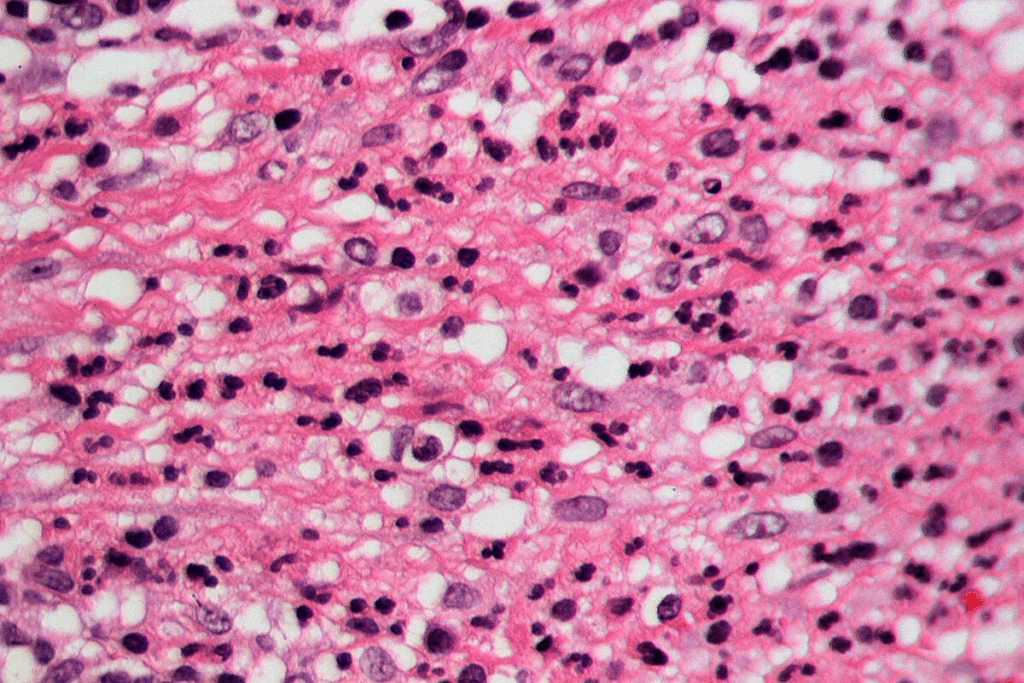
Peritonsillar abscess is a serious infection. It happens when bacteria build up around the tonsils. This can cause a lot of pain and serious problems if not treated fast.
What is an abscess on tonsil Peritonsillar Abscess or Quinsy and what are the urgent medical procedures used to treat it?
In this article, we’ll talk about what peritonsillar abscess is, why it happens, its symptoms, and how to treat it. Knowing about peritonsillar abscess is important for those at risk and for doctors who treat it. We’ll cover the basics, how it’s diagnosed, and the different ways to treat it.
Understanding Peritonsillar Abscess
Peritonsillar abscess is a serious condition. It happens when an infection from the tonsils spreads to nearby tissues. This results in a pus-filled abscess beside the tonsils.
Causes and Risk Factors
The main cause is a bacterial infection, often from Group A beta-hemolytic streptococcus (GABHS). Other factors include a history of tonsillitis, poor oral hygiene, and a weak immune system.
Symptoms
The symptoms of peritonsillar abscess include:
* Severe throat pain
* Difficulty swallowing
* Fever
* Swollen lymph nodes
Diagnosis and Treatment
To diagnose, doctors use a physical exam, medical history, and imaging like CT or MRI scans. Treatment includes antibiotics to fight the infection. Sometimes, surgery to drain the abscess is needed.
Complications
If not treated, peritonsillar abscess can cause serious problems. These include:
* Infection spreading to other parts of the body
* Respiratory issues
* Higher risk of sepsis
Prevention
To prevent peritonsillar abscess, keep your mouth clean and healthy. Practice good hygiene and see a doctor if symptoms don’t go away.
Knowing about peritonsillar abscess helps prevent it. It also tells you what to do if you start showing symptoms.
Causes of Peritonsillar Abscess

It’s important to know what causes peritonsillar abscess to treat and prevent it. This serious condition usually comes from bacterial infections in the tonsils.
Bacterial Infections and Common Pathogens
Bacterial infections are the main cause of peritonsillar abscess. Group A beta-hemolytic streptococcus is the most common bacteria. Other bacteria like Staphylococcus aureus and anaerobic bacteria can also cause it. These bacteria infect the tonsils and the area around them, leading to an abscess.
Progression from Tonsillitis to Abscess
Tonsillitis often leads to peritonsillar abscess. If tonsillitis isn’t treated well, the infection can spread. This can cause more severe symptoms like pain and trouble swallowing.
Risk Factors for Development
Some factors make it more likely to get a peritonsillar abscess. These include:
- History of recurrent tonsillitis
- Smoking
- Dental infections or poor oral hygiene
- Previous peritonsillar abscess
Knowing these risk factors helps prevent peritonsillar abscess. Healthcare providers can then give better treatment and advice.
Recognizing an Abscess on Tonsil: Signs and Symptoms

It’s important to know the signs of an abscess on the tonsil for quick treatment. A peritonsillar abscess can be very painful and even dangerous if not treated fast.
Early Warning Signs
The first signs of a peritonsillar abscess include severe throat pain, trouble swallowing, and fever. These symptoms can appear quickly, often in just a few days.
Severe throat pain is usually the first sign. It makes swallowing even saliva hard. This pain can be so bad it leads to dehydration if not treated.
Characteristic “Hot Potato Voice”
A “hot potato voice” or muffled voice is a key sign of a peritonsillar abscess. The swelling and blockage caused by the abscess affect how clearly you can speak.
Pain Patterns and Radiation to the Ear
The pain from a peritonsillar abscess can spread to the ear. This happens because the nerves in the throat and ear are connected.
People often feel pain when swallowing. This pain can be so bad it makes it hard to eat or drink, leading to dehydration.
Fever and Systemic Symptoms
Fever is a common symptom of a peritonsillar abscess. The body’s fight against the infection can cause high temperatures, chills, and feeling generally unwell.
In serious cases, the infection can spread, causing more symptoms. It’s important to see a doctor if symptoms get worse or if breathing is hard.
Diagnosing a Peritonsillar Abscess
To diagnose a peritonsillar abscess, we use a few key steps. These include a physical exam, looking at the patient’s history, and sometimes, imaging or lab tests. This process is vital for getting the right diagnosis and starting the right treatment.
Physical Examination Findings
The physical exam is a big part of diagnosing a peritonsillar abscess. We look for swelling and redness around the tonsil. This can make it hard to swallow and very uncomfortable.
Key physical exam signs include:
- Swollen and red tonsil
- Swelling and bulging around the tonsil
- Uvula deviates to the opposite side
- Hard time opening the mouth (trismus)
Imaging Studies
At times, we use imaging to confirm the diagnosis or see how big the abscess is. We might use ultrasound or CT scans. These tools help us understand the abscess’s size and location, which helps us decide how to treat it.
Laboratory Tests and Culture Results
We also do lab tests like blood work and cultures of the abscess. These tests tell us if there’s an infection and what’s causing it. This helps us choose the right antibiotics for treatment.
| Laboratory Test | Purpose | Expected Findings |
| Complete Blood Count (CBC) | Check for infection signs | High white blood cell count |
| Culture of Abscess Material | Find out what’s causing the infection | Find bacteria like Streptococcus or Staphylococcus |
Differential Diagnosis
We also think about other conditions that might look like a peritonsillar abscess. This includes tonsillitis or other infections in the neck. We rule out these possibilities with exams and tests to make sure we have the right diagnosis.
By combining physical exams, imaging, lab tests, and considering other possible conditions, we can accurately diagnose a peritonsillar abscess. Then, we can create a treatment plan that works well.
Treatment Options for Peritonsillar Abscess
## Treatment Options for Peritonsillar Abscess
Several ways can treat peritonsillar abscess. The main goal is to ease symptoms and avoid serious problems.
### Initial Management
Managing pain is key. You can try over-the-counter pain relievers like acetaminophen or ibuprofen.
### Antibiotic Therapy
Antibiotics are a main treatment. The right antibiotic depends on the bacteria causing the abscess.
### Needle Aspiration and Incision and Drainage
Sometimes, more serious steps are needed. Needle aspiration or incision and drainage (I&D) might be done to drain the abscess.
### Considerations for Treatment
It’s important to watch closely for any signs of trouble. Regular check-ups help make sure the infection is gone.
Knowing the treatment options helps doctors give good care and reduce symptoms.
Posterior Tonsillar Pillar Involvement and Special Considerations
Peritonsillar abscesses in the back part of the throat are a bit different. They happen in about 28 percent of cases. We’ll look at how to handle these abscesses, including finding them, the challenges, and how to treat them.
Identifying Posterior Abscesses
Finding a posterior peritonsillar abscess can be tough. It’s located in the back and can cause a lot of pain. Symptoms include severe throat pain, trouble swallowing, and a voice that sounds like you’re holding a hot potato.
Challenges in Diagnosis and Treatment
Diagnosing a posterior peritonsillar abscess is hard because it’s deep. Doctors might use CT scans to see it clearly. Treating it can also be tricky, sometimes needing special drainage methods.
Management Differences for Posterior Location
Dealing with a posterior peritonsillar abscess needs extra care. Antibiotics are key, and the doctor might pick a specific one based on the bacteria.
| Aspect | Anterior Abscess | Posterior Abscess |
| Visibility on Examination | Often visible | May be less visible |
| Diagnostic Challenges | Generally straightforward | May require imaging |
| Treatment Approach | Standard drainage techniques | May require specialized drainage |
In summary, dealing with a peritonsillar abscess in the back of the throat is complex. It needs a careful and detailed approach. Knowing these special needs is vital for doctors to give the best care.
Potential Complications and Recurrence
Peritonsillar abscess can lead to serious complications if not properly treated. These include airway obstruction, sepsis, and abscess rupture. The risk of recurrence is higher in individuals with a history of peritonsillar abscess.
Tonsillectomy is often recommended to prevent future episodes. This surgical procedure involves removing the tonsils. It reduces the risk of complications.
When to Seek Medical Attention
It’s important to know when to get medical help. This can help treat problems early and avoid bigger issues. If you notice any of these symptoms, get help fast.
- Severe throat pain or trouble swallowing
- High fever or feeling cold
- Having trouble breathing or feeling short of breath
- Swollen or sore lymph nodes in the neck
- Pus or discharge from the tonsils
If you see any of these signs, don’t wait. Getting medical help early can make a big difference. It can help you feel better faster and avoid serious problems.
Conclusion
Understanding the symptoms and causes of a peritonsillar abscess is key to managing this condition. Early detection and treatment are vital to prevent complications and ensure a speedy recovery. By recognizing the signs of a peritonsillar abscess, such as severe pain, difficulty swallowing, and fever, individuals can seek medical attention promptly.
Medical professionals play a critical role in diagnosing and treating peritonsillar abscesses. They may perform a physical examination, take a medical history, and conduct imaging tests to confirm the diagnosis. Treatment options include antibiotics, pain management, and in some cases, surgical drainage to remove the abscess.
Preventing peritonsillar abscesses is also important. Maintaining good oral hygiene, avoiding smoking, and managing stress can help reduce the risk of developing this condition. By staying informed and taking proactive steps, individuals can protect their health and prevent the discomfort and complications associated with peritonsillar abscesses.
FAQ
What is a peritonsillar abscess?
A peritonsillar abscess is a serious infection. It happens when an abscess forms beside the tonsils. This can cause severe pain and swelling in the throat.
What are the symptoms of peritonsillar abscess?
Symptoms include severe throat pain and trouble swallowing. You might also have a fever, swollen lymph nodes, and a “hot potato” voice.
How is peritonsillar abscess diagnosed?
Diagnosis involves a physical examination. A healthcare provider looks for swelling and redness in the throat. They might also do imaging tests or take a sample for culture.
What is the treatment for peritonsillar abscess?
Treatment usually includes antibiotics to fight the infection. Sometimes, a procedure to drain the abscess is needed. Managing pain is also important.
Can peritonsillar abscess recur?
Yes, peritonsillar abscess can come back. This is more likely if the cause is not treated or if the infection is not fully cleared. Certain risk factors increase the chance of recurrence.
:How can I prevent peritonsillar abscess?
To prevent it, practice good oral hygiene and avoid smoking. Seek medical help right away if you have symptoms of tonsillitis.
When should I seek medical attention for peritonsillar abscess?
Seek medical help for severe throat pain, trouble swallowing, or a high fever. If your sore throat lasts over 48 hours, or if you have a lump in your throat or trouble breathing, get help.
Are there any complications associated with peritonsillar abscess?
Yes, complications include airway obstruction, sepsis, and infection spreading to other parts of the body. Quick treatment is key to avoid these issues.
References
National Center for Biotechnology Information. (2025). What Is a Peritonsillar Abscess and How Do.