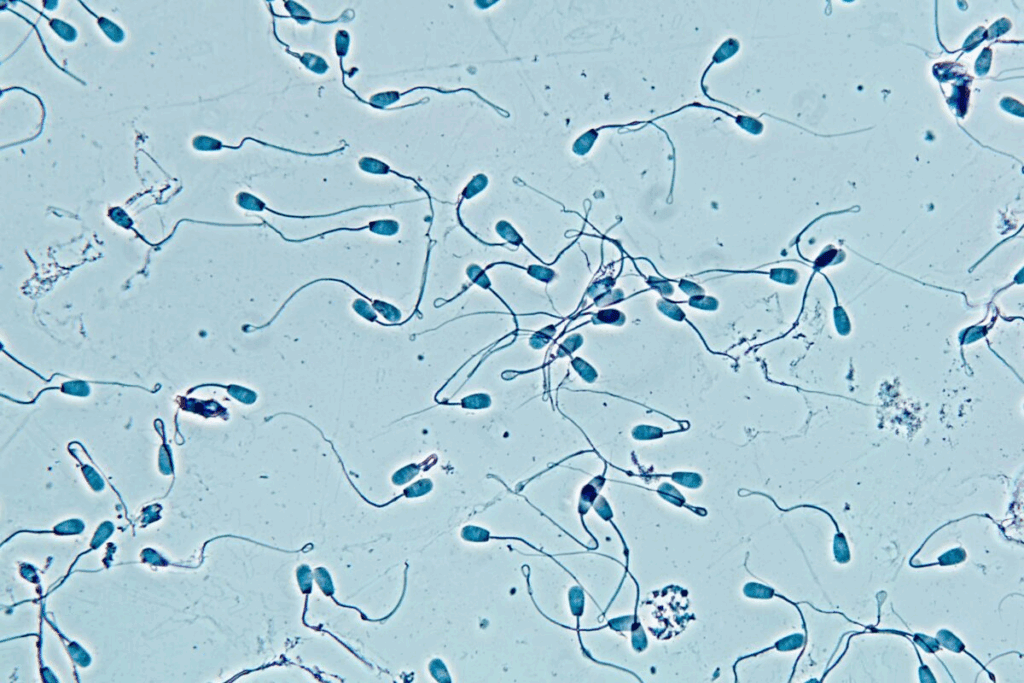
Azoospermia is a condition where there are no sperm in the ejaculate. It’s the most severe form of male infertility. Getting this news can be tough, but you’re not alone. About 1% of men face this issue, making it a big part of male infertility.
Learning about azoospermia is the first step to finding treatments. We offer caring and expert help. Thanks to new medical discoveries, there are now more ways to become parents.
Key Takeaways
- Azoospermia is defined as the complete absence of sperm in the ejaculate.
- It affects approximately 1% of the male population.
- Azoospermia is a significant cause of male infertility.
- There are different types of azoospermia, including non-obstructive azoospermia.
- Modern medical advances offer various treatment options for azoospermia.
- Compassionate care and expert guidance are key in addressing azoospermia.
Understanding Azoospermia: Definition and Overview
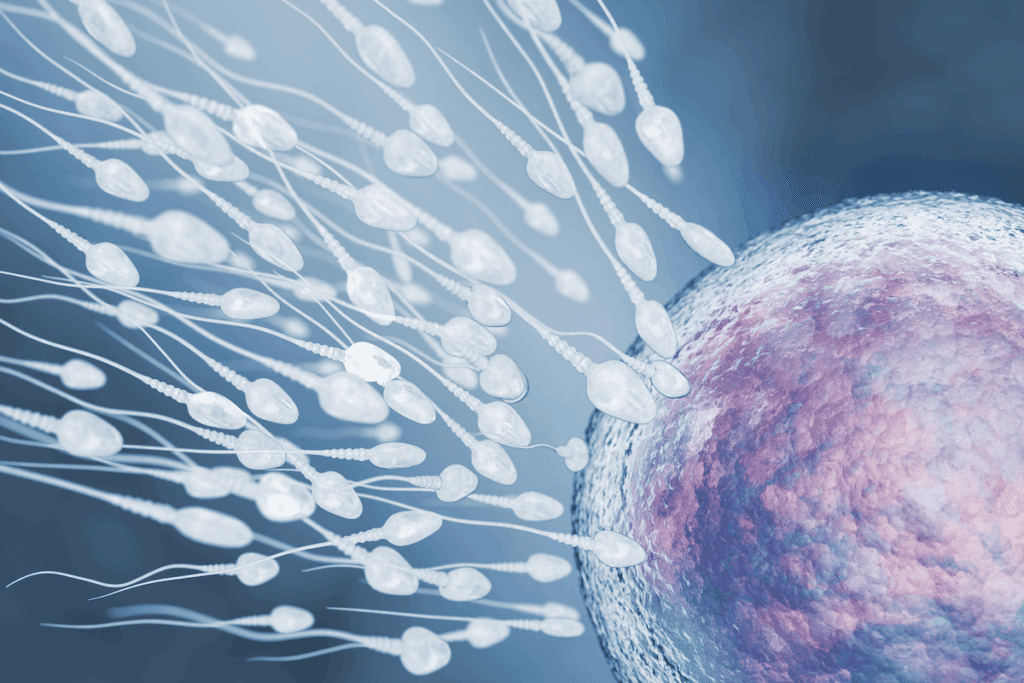
Azoospermia is when there are no sperm in the semen. It’s a big problem for men who want to have kids. Knowing about azoospermia helps doctors find and treat it.
To diagnose azoospermia, doctors check the semen under a microscope. They do this with two separate samples. This careful check makes sure they get it right.
Medical Definition of Azoospermia
Azoospermia means no sperm in the semen. It can happen for many reasons, like sperm production problems or blockages in the reproductive tract. These issues show how complex male fertility can be.
| Cause | Description | Impact on Fertility |
|---|---|---|
| Sperm Production Issues | Problems with spermatogenesis, hormonal imbalances | Reduced or absent sperm count |
| Blockages in the Reproductive Tract | Congenital or acquired obstructions | Prevents sperm from being ejaculated |
Prevalence and Statistical Significance
About 1% of all men have azoospermia, and up to 15% of men with fertility issues. Knowing these numbers helps doctors plan treatments.
Research shows azoospermia can be caused by different things. There are obstructive and nonobstructive types. Each type affects treatment and chances of having kids differently.
Understanding azoospermia helps doctors diagnose and treat it better. This can lead to better chances of having children for those affected.
The Absence of Sperm in the Semen: Clinical

Azoospermia is a condition where there are no sperm in the semen. It’s different from other fertility problems and affects reproductive health a lot. It needs careful diagnosis and management.
Differentiating Azoospermia from Other Fertility Issues
Azoospermia is divided into three main types: obstructive, nonobstructive, and pretesticular. To tell it apart from other fertility problems, we do semen analysis, hormonal tests, and sometimes genetic tests.
Men with azoospermia often feel emotional and unsure about treatment. Knowing the cause is key to finding the right treatment.
| Type of Azoospermia | Causes | Treatment Options |
|---|---|---|
| Obstructive Azoospermia | Congenital or acquired blockages in the reproductive tract | Surgical intervention to correct the blockage |
| Nonobstructive Azoospermia | Testicular failure or hormonal imbalances | Hormonal treatments or assisted reproductive technologies |
| Pretesticular Azoospermia | Hormonal disorders or issues with hormone regulation | Hormonal therapy to address imbalances |
Impact on Male Reproductive Health
Azoospermia affects male reproductive health a lot. It impacts fertility and overall well-being. Men with azoospermia may feel emotionally distressed and it can affect their mental health and relationships.
Emotional and Psychological Support is very important for men with azoospermia. We focus on caring for both the physical and emotional sides of the condition.
Understanding azoospermia’s clinical significance helps us support men better. We provide thorough evaluations and personalized care to meet each man’s needs.
Types of Azoospermia
Azoospermia is a condition where men don’t have sperm in their semen. It’s divided into three main types: obstructive, nonobstructive, and pretesticular azoospermia. Each type has its own causes and affects fertility differently.
Obstructive Azoospermia
Obstructive azoospermia happens when a blockage stops sperm from being ejaculated. It’s the cause in about 40% of cases. This blockage can be due to birth defects, infections, or past surgeries.
Nonobstructive Azoospermia
Nonobstructive azoospermia is when there’s no sperm production. It’s the cause in about 60% of cases. It can be due to genetic issues, environmental factors, or hormonal imbalances.
Here’s a summary of the differences between obstructive and nonobstructive azoospermia:
| Characteristics | Obstructive Azoospermia | Nonobstructive Azoospermia |
|---|---|---|
| Cause | Physical blockage | No sperm production |
| Percentage of Cases | 40% | 60% |
| Testicular Function | Normal | Impaired |
Pretesticular Azoospermia
Pretesticular azoospermia affects the hormonal signals needed for sperm production. It can be due to hormonal imbalances or disorders affecting the hypothalamic-pituitary-gonadal axis.
Knowing the different types of azoospermia helps us diagnose and treat infertility in men better. Each type needs a specific treatment, from surgery to hormonal therapy.
Causes of Obstructive Azoospermia
Obstructive azoospermia happens when a blockage stops sperm from reaching the semen. This condition means there are no sperm in the semen because of a blockage in the male reproductive tract. We will look at the different reasons for this blockage, which can be present at birth or develop later.
Congenital Causes
Congenital causes of obstructive azoospermia are problems present at birth that affect the reproductive system. A common congenital issue is congenital bilateral absence of the vas deferens (CBAVD). This is often linked to cystic fibrosis. In this case, the tubes that carry sperm (vas deferens) are missing or blocked, stopping sperm from being ejaculated.
Other congenital problems, like epididymal obstruction or ejaculatory duct obstruction, can also cause obstructive azoospermia. These issues might not be found until someone has trouble getting pregnant later in life.
Acquired Causes
Acquired causes of obstructive azoospermia happen after birth due to different reasons. The most common cause is a previous vasectomy, a surgery for male sterilization. Even though vasectomy is meant to be permanent, some men might want to have children later. They find out they have azoospermia because of the blockage.
Other acquired causes include infections, like epididymitis or orchitis, which can cause scarring and blockages. Trauma to the groin or reproductive organs can also lead to obstructive azoospermia. Plus, surgical complications from procedures like hernia repair or vasectomy reversal can cause blockages too.
Knowing why obstructive azoospermia happens is key to finding the right treatment. While some causes might not be fixable, others can be treated with surgery or other medical methods. We will keep exploring treatment options in later sections.
Causes of Nonobstructive Azoospermia
Nonobstructive azoospermia is when there are no sperm in the seminal fluid. It’s a big issue for many men around the world. “The absence of sperm in the semen is a significant factor in male infertility,” say fertility experts. We’ll look at why this happens, mainly because of problems with sperm making.
Genetic Factors
Genetics are a big part of nonobstructive azoospermia. For example, Y-chromosome microdeletions can cause sperm problems. Y-chromosome microdeletions happen when a part of the Y chromosome is missing. This can mess with genes needed for sperm.
Testicular Factors
Testicular issues are also key in nonobstructive azoospermia. Problems like testicular failure or damage can really hurt sperm making. Testicular biopsy helps check how well the testicles work and if sperm are being made.
Environmental and Lifestyle Factors
Environmental and lifestyle factors also play a part. Things like toxins, some medicines, smoking, and too much alcohol can harm sperm. Keeping a healthy lifestyle is very important for good reproductive health.
Hormonal Imbalances and Pretesticular Azoospermia
Understanding hormones is key to treating azoospermia. Hormonal issues can stop testicles from making sperm, causing pretesticular azoospermia.
The Role of Hormones in Sperm Production
Testosterone is vital for making sperm. The hypothalamic-pituitary-gonadal axis controls sex hormones. Any problem here can stop sperm production.
Key hormones involved in sperm production include:
- Testosterone: Essential for the development and maturation of sperm cells.
- FSH: Stimulates the Sertoli cells in the testes to support spermatogenesis.
- Luteinizing hormone (LH): Regulates the production of testosterone by the Leydig cells.
Common Hormonal Disorders Affecting Fertility
Many hormonal issues can hurt fertility. These include:
- Hypogonadotropic Hypogonadism: Low GnRH or FSH/LH levels mean less testosterone and sperm.
- Hyperprolactinemia: Too much prolactin messes with GnRH, affecting LH and FSH. This harms testosterone and sperm.
- Thyroid Disorders: Thyroid problems can mess with sex hormones and sperm quality.
Fixing these hormonal issues is vital for men with pretesticular azoospermia.
Knowing how hormonal imbalances cause azoospermia helps doctors treat it. This gives hope to those with this condition.
Diagnosing Azoospermia
Diagnosing azoospermia, a condition where there are no sperm in the semen, is complex. It involves several steps to find the cause and the right treatment. This process is essential for those facing fertility issues.
Semen Analysis and Confirmation
The first step is a semen analysis. This test confirms if there are no sperm in the semen. We carefully examine the semen sample for accurate results. If azoospermia is confirmed, a second test is done to check for any mistakes.
Semen analysis looks at the semen’s volume, pH, and other fluids. The lack of sperm is a clear sign of azoospermia.
Physical Examination
A physical exam is also key in diagnosing azoospermia. We do a detailed physical check to find any issues that might cause the condition. This includes checking the testes for size and any abnormalities.
A physical examination can show signs of hormonal imbalances or infections. These can be linked to azoospermia.
Hormonal Testing
Hormonal testing is vital in diagnosing azoospermia. Hormones are important for sperm production, and imbalances can cause the condition. We test hormone levels, like testosterone and FSH, to see their effect on sperm.
Hormonal imbalances can greatly affect fertility. Finding these imbalances helps us choose the right treatment.
Genetic Testing
Genetic testing is also important in diagnosing azoospermia. We do genetic tests to find any genetic issues that might be causing the condition. This includes looking for chromosomal and genetic mutations that affect sperm production.
Genetic testing gives us insights into the causes of azoospermia. This helps us create an effective treatment plan.
Advanced Diagnostic Techniques
Advanced diagnostic techniques are key in finding the cause of azoospermia. They give doctors the insights they need to create good treatment plans.
Testicular Biopsy
A testicular biopsy is a big help in diagnosing azoospermia. It takes a small piece of testicular tissue for examination. This helps tell if the problem is with blockages or not.
The biopsy results can show:
- If sperm is being made
- The quality of the sperm
- If there are blockages or issues with sperm delivery
Imaging Studies
Imaging studies are also very important. Ultrasound and MRI help find any problems in the reproductive system.
Imaging studies can:
- Find blockages or problems
- Check the epididymis or vas deferens
- Look at the seminal vesicles and prostate gland
Vasography
Vasography is a special imaging method. It uses a contrast agent in the vas deferens to see if it’s open. It’s great for finding blockages.
Vasography can:
- Show if there’s a blockage in the vas deferens
- Find where and how big the blockage is
- Help plan surgery to fix the blockage
Using these advanced techniques, doctors can understand azoospermia better. This leads to better treatments for patients.
Treatment Options for Azoospermia
Men with azoospermia have many treatment options. These include surgery and assisted reproductive technologies. The right treatment depends on the cause of azoospermia.
Surgical Interventions
Surgery is often used for obstructive azoospermia or after vasectomy. Testicular Sperm Extraction (TESE) takes sperm directly from the testicles. This is great for men with obstructive azoospermia, as it helps in In Vitro Fertilization (IVF) or Intracytoplasmic Sperm Injection (ICSI).
Other surgeries like vasectomy reversal and vasoepididymostomy try to fix the blockage. Success depends on how long the blockage lasted and the woman’s age.
Hormonal Treatments
Hormonal treatments work for nonobstructive or pretesticular azoospermia. They aim to fix hormonal imbalances. Hormone replacement therapy or medications can boost sperm production.
It’s key to test hormones to find imbalances and adjust treatments. Results vary, so monitoring is important to adjust plans as needed.
Assisted Reproductive Technologies
Assisted Reproductive Technologies (ART) like IVF and ICSI offer hope. Sperm from TESE or other surgeries can be used for ICSI. This involves injecting a single sperm into an egg.
ART success depends on the woman’s age, sperm quality, and the technique used. Counseling and support are vital for the emotional journey of treatment.
In summary, treating azoospermia is tailored to each person. Options include surgery, hormonal treatments, and ART. A detailed evaluation is needed to find the best treatment.
Recent Advances in Azoospermia Research and Management
Azoospermia, where there’s no sperm in the seminal fluid, is getting a lot of research attention. New studies aim to improve how we diagnose and treat this complex fertility issue.
Breakthrough Studies
One big breakthrough is better surgical methods for finding sperm. Microdissection Testicular Sperm Extraction (TESE) is now a top choice for men with non-obstructive azoospermia. A study in the Journal of Urology shows it works better than older methods.
“The introduction of microdissection TESE has revolutionized the management of non-obstructive azoospermia, giving new hope to men who were once thought to be irreversibly infertile.”
– Medical Expert, Journal of Urology
Research is also looking into the genetic and molecular causes of azoospermia. This has led to finding genetic markers. These discoveries could help create better tests and treatments.
Emerging Treatment Approaches
New treatments for azoospermia include In Vitro Fertilization (IVF) and Intracytoplasmic Sperm Injection (ICSI). These methods have greatly increased the chances of successful pregnancies for couples with azoospermia.
| Treatment Approach | Description | Success Rate |
|---|---|---|
| Microdissection TESE | Surgical sperm retrieval technique | 45-60% |
| IVF with ICSI | Assisted reproductive technology | 40-50% |
| Hormonal Therapy | Treatment to stimulate sperm production | 20-30% |
Hormonal therapies are also being tested to help men with hypogonadotropic hypogonadism. This condition can lead to azoospermia.
Future Directions in Fertility Preservation
Future research aims to find new biomarkers for diagnosing azoospermia and predicting treatment success. Gene therapy and regenerative medicine could also help restore fertility in men with azoospermia.
As research keeps improving, we’ll see more effective treatments for azoospermia. It’s important for healthcare providers to stay up-to-date with these advancements to offer the best care for those affected.
Conclusion
Azoospermia is a condition where there are no sperm in the semen. It’s a big challenge for both individuals and healthcare providers. Knowing what azoospermia is and its different types is key to finding good treatments.
We’ve looked at the different kinds of azoospermia, like obstructive and nonobstructive. We’ve also talked about what causes it. New ways to diagnose, like testicular biopsy and hormonal tests, help us understand and treat it better.
Even when there’s no sperm, new methods like micro-TESE can find tiny sperm. This makes it possible to have fertility treatments. As we learn more about azoospermia, we’re dedicated to helping those affected by it.
By keeping up with the latest in azoospermia research and care, we offer hope and solutions. This helps improve the reproductive health and well-being of those facing this condition.
FAQ
What is azoospermia?
Azoospermia is when a man has no sperm in his semen. It affects about 1% of men.
What are the types of azoospermia?
There are three main types. Obstructive azoospermia happens when sperm can’t get out. Nonobstructive azoospermia is when sperm can’t be made. Pretesticular azoospermia is when problems before the testes affect sperm production.
What causes obstructive azoospermia?
It’s caused by blockages. This can be from a vasectomy, injury, or infection.
What are the causes of nonobstructive azoospermia?
It’s due to genetic, testicular, and environmental issues. Hormonal imbalances, testicular damage, or toxins can cause it.
How is azoospermia diagnosed?
Doctors use semen analysis, physical exams, and tests for hormones and genetics. This helps find the cause.
What are the treatment options for azoospermia?
Treatments include surgery, hormone therapy, and assisted reproductive technologies like IVF and ICSI. These help with fertility.
Can azoospermia be treated?
Yes, it can be treated. The right treatment depends on the cause and the person’s health.
What is the role of hormonal imbalances in azoospermia?
Hormonal issues, like low testosterone, can stop sperm production. This leads to azoospermia.
How does pretesticular azoospermia occur?
It happens due to hormonal problems. These problems affect the testes’ ability to make sperm. It’s often related to the hypothalamic-pituitary-gonadal axis.
What advanced diagnostic techniques are used to evaluate azoospermia?
Techniques like testicular biopsy and imaging studies help diagnose and manage azoospermia.
What are the recent advances in azoospermia research and management?
New studies and treatments offer hope. They help in fertility preservation for those with azoospermia.
References
National Center for Biotechnology Information. Azoospermia: Diagnosis and Implications for Male Infertility. Retrieved from https://www.ncbi.nlm.nih.gov/pmc/articles/PMC3583160/