Last Updated on November 4, 2025 by mcelik
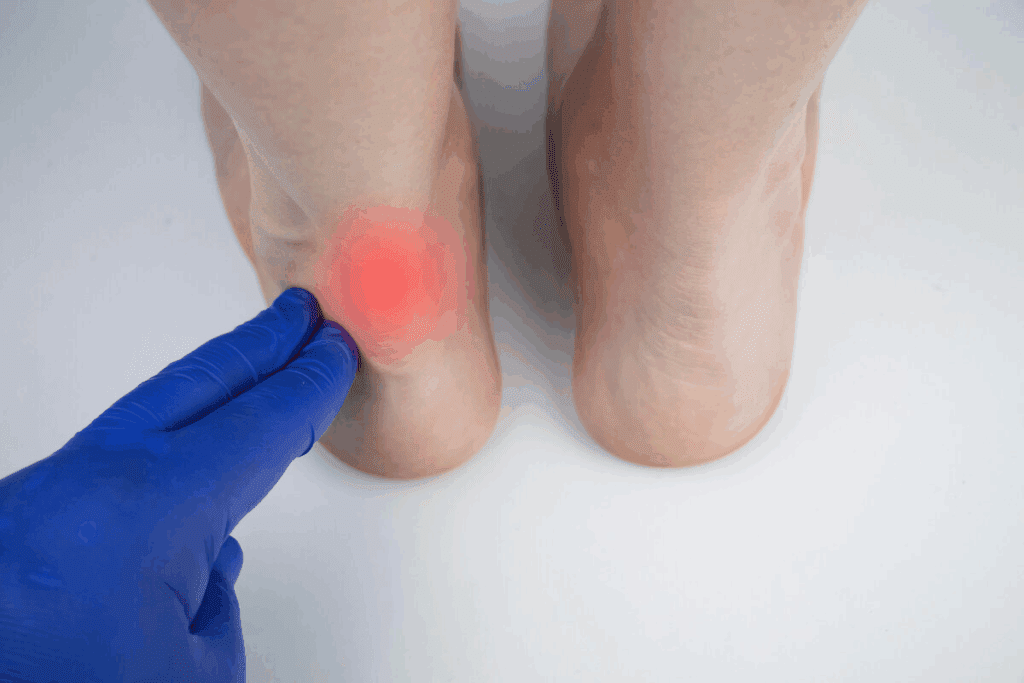
Achilles tendonitis is a common problem that affects millions. It causes a lot of pain and discomfort. It’s often seen in athletes and people who strain their tendons a lot. This condition can really hurt your daily life and how well you feel overall.
It’s important to know if Achilles tendonitis can heal by itself. Some cases might get better with little help, but others need more treatment. Understanding Achilles tendonitis self-healing depends on how bad the condition is and what treatments are used.
Key Takeaways
- The severity of Achilles tendonitis plays a significant role in determining its self-healing ability.
- For mild cases, just a little help might be enough.
- But, more serious cases often need a detailed treatment plan.
- Knowing about the condition helps manage it better.
- How long it takes to recover can change a lot based on the treatment.
Understanding Achilles Tendonitis
Understanding Achilles tendonitis is key to managing and recovering from it. This condition affects the Achilles tendon, causing pain, swelling, and reduced function.
What is the Achilles tendon?
The Achilles tendon is the largest tendon in the human body. It connects the calf muscles to the heel bone. It’s vital for walking, running, and jumping. A web source notes, “The Achilles tendon is large, thick, and powerful, but an injury can set you back several months.”
Common causes of Achilles tendonitis
Achilles tendonitis often results from repetitive strain on the tendon. This leads to inflammation and pain. Causes include overuse, poor training, inadequate footwear, and biomechanical issues.
- Overuse or repetitive strain
- Poor training habits or sudden changes in exercise intensity
- Inadequate footwear or equipment
- Biomechanical issues such as overpronation or flat feet
Acute vs. chronic tendonitis
Achilles tendonitis can be acute or chronic. Acute tendonitis starts suddenly and lasts a short time, often from a specific injury. Chronic tendonitis develops over time due to repetitive strain or poor recovery.
| Characteristics | Acute Tendonitis | Chronic Tendonitis |
| Onset | Sudden | Gradual |
| Duration | Short-term | Long-term |
| Causes | Specific incident or injury | Repetitive strain or inadequate recovery |
Symptoms and diagnosis
Symptoms of Achilles tendonitis include pain, swelling, and stiffness. Diagnosis involves a physical exam, medical history, and imaging tests like ultrasound or MRI.
Common symptoms:
- Pain or stiffness in the Achilles tendon
- Swelling or thickening of the tendon
- Reduced ankle mobility
The Natural Healing Process of Tendons
Tendons can fix themselves, which is key to beating Achilles tendonitis. This healing journey goes through many stages. It’s shaped by different biological factors.
How Tendons Repair Themselves
Fixing tendons is a detailed job. It needs the teamwork of cells like tenocytes, fibroblasts, and inflammatory cells. When a tendon gets hurt, the body sends more blood to the spot. This brings the cells and nutrients needed for fixing.
“The healing process of tendons is a highly regulated process involving multiple cell types and growth factors.” –
The Three Phases of Tendon Healing
The healing journey has three main parts: inflammation, repair, and remodeling. These stages blend together but are important for healing.
- Inflammation: This first stage brings more blood and inflammatory cells. They clean up the area and get it ready for healing.
- Repair: Next, the body starts making new tendon tissue with collagen fibers.
- Remodeling: In the last stage, the new collagen fibers are rearranged. This makes the tendon stronger and more functional.
Biological Factors That Support Recovery
Many biological factors help tendons heal. These include:
| Biological Factor | Description |
| Growth Factors | Proteins that help cells grow and change for tendon repair. |
| Cytokines | Molecules that help cells talk to each other, speeding up healing. |
| Collagen | A key part of tendon tissue, giving it strength and shape. |
Knowing about these factors and how tendons heal can help with Achilles tendonitis recovery. By supporting these natural processes, people can improve their healing chances.
Can Achilles Tendonitis Self-Healing Occur?
It’s important to know if Achilles tendonitis can heal on its own. This condition causes pain and inflammation in the tendon. Many people wonder if it can heal without medical help.
Success Rates for Mild Cases
Mild cases of Achilles tendonitis might heal with rest and care. Studies show that some people get better with less activity and home care.
Factors influencing self-healing in mild cases include:
- Adequate rest and avoiding activities that make it worse
- Wearing the right shoes and using orthotics
- Doing exercises to stretch and strengthen
Moderate Tendonitis Recovery Without Intervention
Recovering from moderate Achilles tendonitis without help is not always certain. Some people might get better with care, but others might need professional help.
Conservative management is key in moderate cases. It includes rest, physical therapy, and sometimes orthotics to support the tendon.
When Self-Healing Is Unlikely
Severe Achilles tendonitis is unlikely to heal on its own. Big tendon damage or long-term inflammation often need medical help to heal properly.
Research on Natural Recovery Outcomes
Research has shown how well tendonitis can heal with care. Studies have compared treatments to see when self-healing works and when medical help is needed.
| Treatment Approach | Success Rate | Recovery Time |
| Conservative Management | 60-80% | 6-12 weeks |
| Physical Therapy | 70-90% | 8-16 weeks |
| Medical Intervention | 80-95% | 12-24 weeks |
Factors That Influence Healing Time
Knowing what affects healing time is key to treating Achilles tendonitis well. The recovery can be influenced by many things, like who you are, your environment, and your lifestyle.
Age and Overall Health
Age is a big factor in healing Achilles tendonitis. Older people heal slower because their tendons are less flexible and their cells don’t grow back as fast. If you have health issues like diabetes or rheumatoid arthritis, it can also slow down healing.
Severity of Inflammation

The severity of inflammation when you start treatment matters a lot. If the inflammation is bad, you’ll need more rest and rehab. Knowing how bad it is helps you plan your treatment better.
Duration of Symptoms Before Treatment
How long you have symptoms before you get treated is very important. Treating it early means you’ll heal faster. Waiting too long can make it take longer and might even lead to chronic tendonitis.
Activity Level and Biomechanics
Your activity level and how your body moves also affect healing. Doing high-impact activities can make it worse, but moving right can help. Changing how active you are and fixing how your body moves is key to getting better.
By knowing and dealing with these factors, you can manage your Achilles tendonitis better. This might help you heal faster. It’s important to think about these things when you’re making a treatment plan.
- Age and overall health status
- Severity of initial inflammation
- Timeliness of treatment initiation
- Activity level and biomechanical alignment
Each of these factors affects how long it takes to recover from Achilles tendonitis. They should all be considered when you’re managing your condition.
The RICE Protocol for Achilles Tendonitis
For those with Achilles tendonitis, knowing the RICE protocol is key. RICE stands for Rest, Ice, Compression, and Elevation. It’s a top choice for treating acute Achilles tendonitis.
Rest: Minimizing Further Irritation
Rest is the first step in RICE. It means avoiding activities that make the tendon worse, like running or jumping. This lets the tendon start healing.
How much rest is necessary? The rest needed depends on how bad the tendonitis is. Usually, you should skip high-impact activities for a few days to weeks. Low-impact activities like swimming or cycling can help keep you active without hurting the tendon.
Ice Therapy: Reducing Pain and Inflammation
Ice therapy is also vital in RICE. It reduces pain and swelling by narrowing blood vessels and numbing the area.
Techniques and frequency: Use an ice pack or a frozen bag wrapped in cloth to avoid skin contact. Apply ice for 15-20 minutes, 3-4 times a day, after activities or at night.
Compression Methods for Reducing Swelling
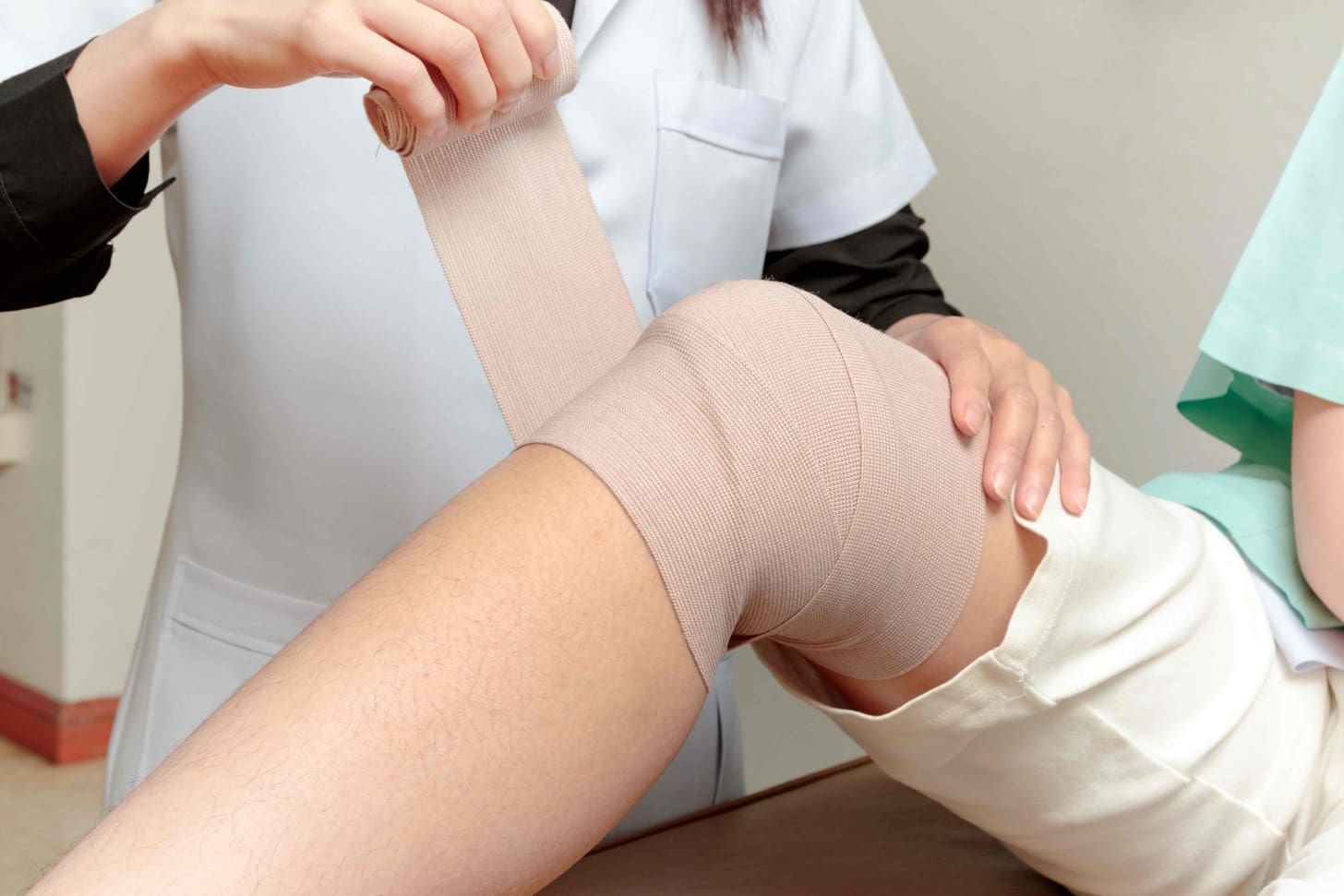
Compression helps by shrinking the swollen area. You can use compression bandages or sleeves for this.
Effective compression techniques: The compression should be snug but not too tight. Learning to wrap the bandage right is key to getting the right effect without causing more harm.
Elevation Strategies for Optimal Healing
Elevation means raising the leg above the heart to lessen swelling. This reduces blood flow and inflammation.
Strategies for elevation: Use a pillow to prop up the leg when sitting or lying down. Elevating the leg as much as possible, early on, is best.
| RICE Component | Purpose | Application |
| Rest | Minimize further irritation | Avoid high-impact activities |
| Ice Therapy | Reduce pain and inflammation | Apply ice for 15-20 minutes, 3-4 times a day |
| Compression | Reduce swelling | Use compression bandages or sleeves |
| Elevation | Reduce swelling and promote healing | Elevate the leg above heart level |
Over-the-Counter Pain Management
Over-the-counter pain relief is often the first choice for Achilles tendonitis. It’s key to manage pain well to keep moving and help healing. There are many OTC meds and creams that can ease pain and swelling.
NSAIDs: Benefits and Limitations
Nonsteroidal anti-inflammatory drugs (NSAIDs) are a top pick for Achilles tendonitis pain. NSAIDs like ibuprofen and naproxen cut down inflammation and pain. But, knowing their downsides and possible side effects is important, like stomach problems with long-term use.
Topical Anti-Inflammatory Options
Topical treatments, like creams and patches, are another way to ease pain. They’re applied right to the sore spot, giving targeted relief. Topical NSAIDs and capsaicin creams are favorites because they have fewer side effects than pills.
Natural Pain Relief Alternatives
If you’re looking for something different, natural options are out there. Turmeric and ginger can help with pain because they fight inflammation. Also, arnica gel and comfrey cream are popular for their pain-relieving properties.
When to Avoid Pain Medications
While OTC meds can help, there are times to be careful or avoid them. People with kidney issues or stomach problems should talk to a doctor before taking NSAIDs. If pain doesn’t get better or gets worse, seeing a doctor is important to check for serious problems like a tendon tear.
Effective Stretching for Achilles Tendonitis Recovery
Stretching is key when you’re getting better from Achilles tendonitis. It helps ease pain, boosts flexibility, and makes the tendon stronger. This makes it a big part of getting better.
Gentle Early-Stage Stretches
At first, start with easy stretches that don’t make things worse. Static stretches are good, where you hold a stretch for a bit. For example, the wall stretch is simple yet effective. Stand with your feet apart and lean forward to stretch your calf and Achilles tendon.
Progressive Calf and Achilles Stretching
As you get better, you can do more dynamic stretches. Calf raises and eccentric heel drops target the calf and Achilles. Do these with a healthcare pro to make sure you’re doing them right.
Timing and Frequency Recommendations
When and how often you stretch matters a lot. Stretch after warming up or at the end of the day. Aim for 2-3 times a day to keep things flexible and help healing.
| Exercise | Frequency | Duration |
| Wall Stretch | 3 times a day | 30 seconds |
| Calf Raises | 2 times a day | 3 sets of 15 |
| Eccentric Heel Drops | 3 times a week | 3 sets of 10 |
Avoiding Harmful Stretching Techniques
Stretching is good, but some methods can hurt. Avoid bouncing or jerking movements because they stress the tendon too much. Stop any stretch that hurts, as pain means you might be doing harm.
Adding gentle and progressive stretches to your routine can help heal faster and lower injury risk. Always talk to a healthcare pro before starting any new exercise.
Strengthening Exercises That Promote Healing
A good rehab plan for Achilles tendonitis includes special exercises. These exercises help the tendon heal and prevent future problems. It’s key to strengthen the muscles around the tendon to support its recovery and improve ankle function.
Isometric Exercises for Acute Phases
In the early stages of Achilles tendonitis, isometric exercises are best. These exercises make the muscles work without moving the joint. For example, you can do isometric calf contractions by standing with your feet apart and squeezing your calf muscles without moving your heels.
Eccentric Heel Drops
Eccentric heel drops are great for strengthening the Achilles tendon. Stand on the edge of a step with your heels hanging off, then slowly lower your heels down. This exercise strengthens the tendon and the muscles around it, helping it heal.
Strengthening Exercises
Other exercises like calf raises, toe curls, and heel raises can also be part of your rehab. It’s important to start these exercises with a healthcare professional to learn the right way and avoid making things worse.
Progressive Loading Techniques
Progressive loading means making your exercises harder over time. You can do this by doing more reps, adding weight, or changing the exercise’s angle. This keeps challenging the tendon and helps it get stronger.
Building a Complete Rehabilitation Program
A full rehab plan for Achilles tendonitis should include strengthening, flexibility exercises, and progressive loading. It’s also important to fix any biomechanical problems that might be causing the issue. A well-planned program helps you fully recover and lowers the chance of getting hurt again.
| Exercise Type | Description | Benefits |
| Isometric Exercises | Contracting muscles without moving the joint | Reduces pain and inflammation |
| Eccentric Heel Drops | Slowly lowering heels beyond the step edge | Strengthens Achilles tendon |
| Calf Raises | Raising heels off the ground | Strengthens calf muscles |
Supportive Devices and Self-Treatment Tools
Using supportive devices and self-treatment tools can really help with Achilles tendonitis recovery. These tools can ease symptoms, help the tendon heal, and stop further injury.
Night Splints and Their Effectiveness
Night splints stretch the calf and Achilles tendon while you sleep. They are great for those with bad morning pain or stiffness. They keep the tendon stretched, helping it heal and get more flexible.
- Reduce morning pain and stiffness
- Improve flexibility
- Aid in the healing process
Heel Lifts and Orthotic Supports
Heel lifts and orthotic supports lessen stress on the Achilles tendon. Heel lifts help by making the tendon shorter when you walk. This reduces strain.
Orthotic supports give extra arch support and fix biomechanical problems. Custom orthotics are best for those with unique foot issues.
Compression Sleeves and Socks
Compression sleeves and socks support and reduce swelling. They apply graduated compression to improve blood flow and lower inflammation.
- Provide support to the affected area
- Reduce swelling
- Improve blood flow
Proper Footwear Selection
Picking the right shoes is key in managing and preventing Achilles tendonitis. Look for shoes with a soft heel counter and good cushioning to ease tendon stress.
When choosing shoes, look for:
- Adequate arch support
- Cushioning in the heel and toe
- A comfortable, roomy toe box
Adding these supportive devices and self-treatment tools to your recovery plan can greatly improve healing. It also lowers the chance of more injury.
Warning Signs That Self-Treatment Isn’t Working
Knowing when self-treatment isn’t enough is vital for managing Achilles tendonitis. At first, rest, ice, compression, and elevation (RICE) can help. But, there are important signs that show when these methods aren’t enough.
Persistent or Worsening Pain
If pain doesn’t get better or gets worse, it’s a warning sign. Even if you rest and change your activities, not seeing improvement means you need to see a doctor.
Signs of Tendon Rupture
A sudden, sharp pain in the Achilles tendon area might mean a rupture. This is a serious issue that needs quick medical help. Look out for a snapping or popping sound, a lot of swelling, and trouble walking.
Chronic Symptoms Beyond 3 Months
If Achilles tendonitis symptoms last more than three months, it’s chronic. Chronic tendonitis can cause lasting damage. It might need more serious treatment.
When to Seek Medical Intervention
Knowing when to get medical help is key. If you see any of these warning signs, see a doctor. They can check you out and suggest the right treatment. This could be physical therapy, medicine, or even surgery.
Key Takeaways:
- Watch your symptoms closely during self-treatment.
- Get medical help if pain doesn’t get better or gets worse.
- Look out for signs of tendon rupture.
- See a professional if symptoms last over three months.
Professional Treatment Options
When simple treatments don’t work, professional help is needed for Achilles tendonitis. These treatments aim to ease pain, help the tendon heal, and get it working right again.
Physical Therapy Approaches
Physical therapy is key in treating Achilles tendonitis. A physical therapist creates a special exercise plan. This plan includes stretching and strengthening exercises made just for you.
These exercises make the tendon more flexible, lessen pain, and help it handle stress better.
Eccentric exercises are also helpful. They make the tendon longer under load. Studies show they help the tendon heal and reduce symptoms.
Extracorporeal Shockwave Therapy
Extracorporeal shockwave therapy (ESWT) is a non-invasive method. It uses high-energy shockwaves to help the tendon heal. It’s often suggested for those who haven’t seen results from other treatments.
It’s thought to help by boosting blood flow, cutting down inflammation, and breaking up scar tissue.
Platelet-rich Plasma Injections
Platelet-rich plasma (PRP) injections use a solution made from your own blood. This solution is full of growth factors that help the tendon heal.
Research is ongoing, but some studies suggest PRP injections can help lessen symptoms and improve function.
When Surgery Might Be Necessary
In serious cases of Achilles tendonitis, or when other treatments don’t work, surgery might be needed. Surgery can include removing damaged tissue, repairing the tendon, or other procedures to fix the tendon’s function.
| Treatment Option | Description | Benefits |
| Physical Therapy | Personalized exercise program | Improves flexibility, reduces pain |
| ESWT | Non-invasive shockwave therapy | Stimulates healing, reduces inflammation |
| PRP Injections | Injecting platelet-rich plasma | Promotes tendon healing |
| Surgery | Repair or removal of damaged tissue | Restores tendon function in severe cases |
Preventing Recurrence After Recovery
To keep the Achilles tendon healthy after recovery, you need to do regular exercises and adjust your training. It’s also important to fix any biomechanical problems. A good prevention plan helps avoid Achilles tendonitis coming back.
Maintenance Exercises for Tendon Health
Keeping the Achilles tendon strong is key. Eccentric heel drops and calf raises are top exercises for this. They strengthen the tendon and the muscles around it.
- Eccentric heel drops: Stand on the edge of a stair with your heels hanging off. Slowly lower your heels until they are below the level of the stair, then return to the starting position.
- Calf raises: Stand on a flat surface and raise up onto your tiptoes, then lower back down.
Do these exercises 2-3 times a week. This keeps the tendon strong and flexible.
Training Modifications to Reduce Stress
Changing your training is important to protect the Achilles tendon. Start by gradually increasing exercise intensity. Try low-impact activities like cycling or swimming. Make sure to take enough rest and recovery time.
- Gradually increase running or jumping distances to avoid sudden spikes in activity.
- Incorporate low-impact exercises to reduce repetitive strain on the tendon.
- Allow for adequate recovery time between intense training sessions.
Addressing Biomechanical Issues
Biomechanical problems, like overpronation or supination, can harm the Achilles tendon. Orthotics and proper footwear can help fix these issues.
Orthotics or shoe inserts can balance your biomechanics. Wearing supportive and cushioned shoes is also key.
Long-term Management Strategies
Managing Achilles tendon health long-term means using all the strategies we’ve talked about. It’s also important to regularly check the tendon’s health and change activities as needed.
“Prevention is better than cure.” Regular maintenance and monitoring can significantly reduce the risk of Achilles tendonitis recurrence.
By following these long-term strategies, you can lower the chance of Achilles tendonitis coming back. This helps keep your tendon in top shape.
Conclusion
Achilles tendonitis is a common issue that causes pain and discomfort. It’s important to know how it can heal itself and how to recover effectively. This knowledge helps manage the condition and prevent it from coming back.
The healing of Achilles tendonitis depends on several things. These include how severe the condition is, your age, and your overall health. Using the RICE protocol, stretching, and strengthening exercises can help a lot in the healing process.
Managing Achilles tendonitis well involves several steps. These include taking care of yourself, choosing the right shoes, and using supportive devices. It’s also key to modify activities to lessen stress on the tendon. Knowing when to seek medical help is also important.
Understanding Achilles tendonitis is the first step towards recovery and prevention. By using recovery tips and management strategies every day, you can reduce symptoms and keep your tendons healthy for the long term.
FAQ
What is Achilles tendonitis, and how does it occur?
Achilles tendonitis is a condition that causes pain in the Achilles tendon. It happens from too much strain or sudden injury. This is often due to overuse or bad movement.
Can Achilles tendonitis heal on its own?
Mild cases might heal with rest and simple treatment. But, severe cases might need doctor help.
What is the RICE protocol, and how does it help with Achilles tendonitis?
The RICE protocol is a treatment plan. It stands for rest, ice, compression, and elevation. It helps lessen pain and swelling, aiding in healing.
What are some effective stretching exercises for Achilles tendonitis recovery?
Start with gentle stretches early on. Then, move to more challenging calf and Achilles stretches. Avoid stretches that hurt. Follow the right timing and do them often.
How can strengthening exercises promote healing in Achilles tendonitis?
Use isometric exercises at first. Then, try eccentric heel drops and increase the load slowly. These exercises strengthen the tendon and help it heal.
What are some supportive devices and self-treatment tools that can aid in recovery?
Use night splints and heel lifts for support. Orthotics, compression sleeves, and the right shoes can also help. They ease symptoms and support the tendon.
How long does it take for Achilles tendonitis to heal?
Healing time varies. It depends on how bad the condition is, your age, health, and how active you are. Knowing these factors helps manage your expectations.
What are the warning signs that self-treatment isn’t working?
Look out for pain that doesn’t go away or gets worse. Signs of a tendon rupture, chronic pain lasting over 3 months, and severe symptoms are red flags. These mean you need medical help.
What professional treatment options are available for Achilles tendonitis?
There are many treatments. Physical therapy, shockwave therapy, platelet-rich plasma injections, and surgery are options. The right one depends on how severe your condition is.
How can recurrence of Achilles tendonitis be prevented after recovery?
Keep your tendons healthy with exercises. Modify your training to avoid too much stress. Fix any biomechanical issues and use long-term management strategies to prevent it from coming back.
What are some natural pain relief alternatives for Achilles tendonitis?
Try topical anti-inflammatory creams or gels. Look into natural pain relief options. Avoid pain meds unless absolutely necessary to manage pain.
Can physical therapy help with Achilles tendonitis recovery?
Yes, physical therapy is very helpful. It includes exercises to strengthen and stretch the tendon. This helps in recovery and keeps the tendon healthy long-term.
References
- Grävare Silbernagel, K., Brorsson, A., & Lundberg, M. (2011). The majority of patients with Achilles tendinopathy recover fully when treated with exercise alone. The American Journal of Sports Medicine, 39(3), 546-553. https://journals.sagepub.com/doi/10.1177/0363546510384789