Last Updated on November 18, 2025 by Ugurkan Demir
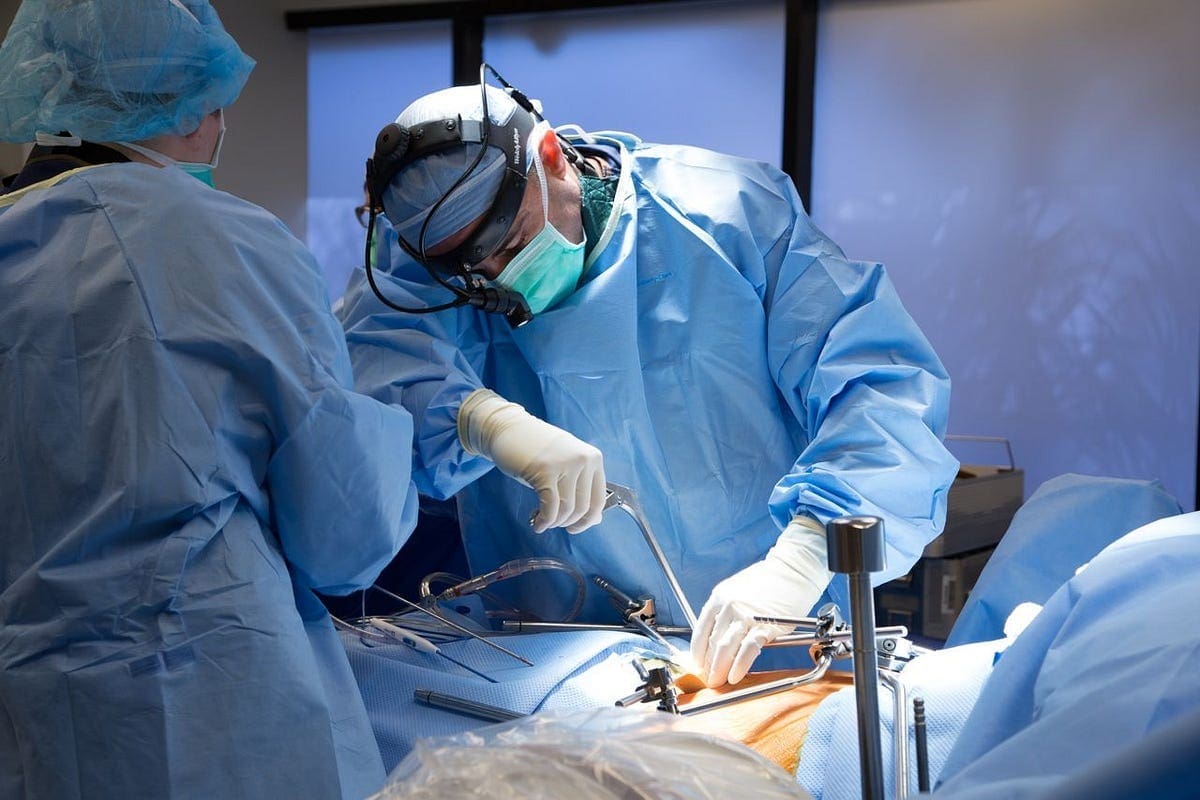
Going through ACL surgery can feel overwhelming. Knowing the recovery timeline helps set realistic goals. At Liv Hospital, we offer top-notch healthcare and support for patients from abroad.
The path to getting better includes several steps. First, you’ll manage pain and swelling. Then, you’ll work on moving better, getting stronger, and slowly returning to activities. Our team is here to guide you every step of the way, aiming for the best results.
The recovery time usually lasts from 6 months to a year. This depends on your health and how well you follow your rehab plan. We use a patient-centered and science-backed method to help you through the ACL recovery stages.
Key Takeaways
- ACL surgery recovery involves multiple stages, including pain control, regaining range of motion, and strength building.
- The recovery timeline typically ranges from 6 months to a year.
- Adherence to rehabilitation protocols is key for the best recovery.
- Liv Hospital offers full support for international patients during recovery.
- We focus on patient care and use evidence to ensure great results.
Understanding ACL Injuries and Surgical Intervention
It’s important to know about the ACL and its role in the knee. The ACL, or anterior cruciate ligament, helps keep the knee stable. An ACL injury can affect how the knee works.
What is the ACL and Common Injury Mechanisms
The ACL is a key ligament in the knee. It helps control the knee’s back-and-forth movement. ACL injuries are common in athletes and those who play sports that involve quick stops or changes in direction.
Common ways ACL injuries happen include:
- Sudden stops
- Changes in direction
- Direct contact
- Landing wrong from a jump
These actions can stretch or tear the ACL. This can cause pain and make the knee unstable, sometimes needing surgery.
Types of ACL Reconstruction Techniques
ACL reconstruction is a surgery to fix the knee. It replaces the torn ACL with a graft. There are a few ways to do this, including:
- Single-bundle reconstruction: This method focuses on the anteromedial bundle of the ACL.
- Double-bundle reconstruction: This aims to fix both the anteromedial and posterolateral bundles for better stability.
Each method has its own benefits and when to use them depends on the patient’s needs and the surgeon’s choice.
Graft Options and Selection Factors
Choosing the right graft is key in ACL reconstruction. Common grafts include:
| Graft Type | Description | Advantages | Disadvantages |
|---|---|---|---|
| Autograft | Tissue from the patient’s own body (e.g., patellar tendon, hamstring) | No disease risk, heals faster | Can harm the donor site, limited supply |
| Allograft | Tissue from a cadaver | No donor site harm, many sizes available | Risk of disease, heals slower |
| Synthetic Graft | Artificial material used as a graft | No donor site harm, easy to get | Higher failure risk, less used now |
The right graft depends on the patient’s age, activity level, and other factors. The surgeon’s experience also plays a big role.
Torn ACL Recovery Time with Surgery: A Detailed Guide
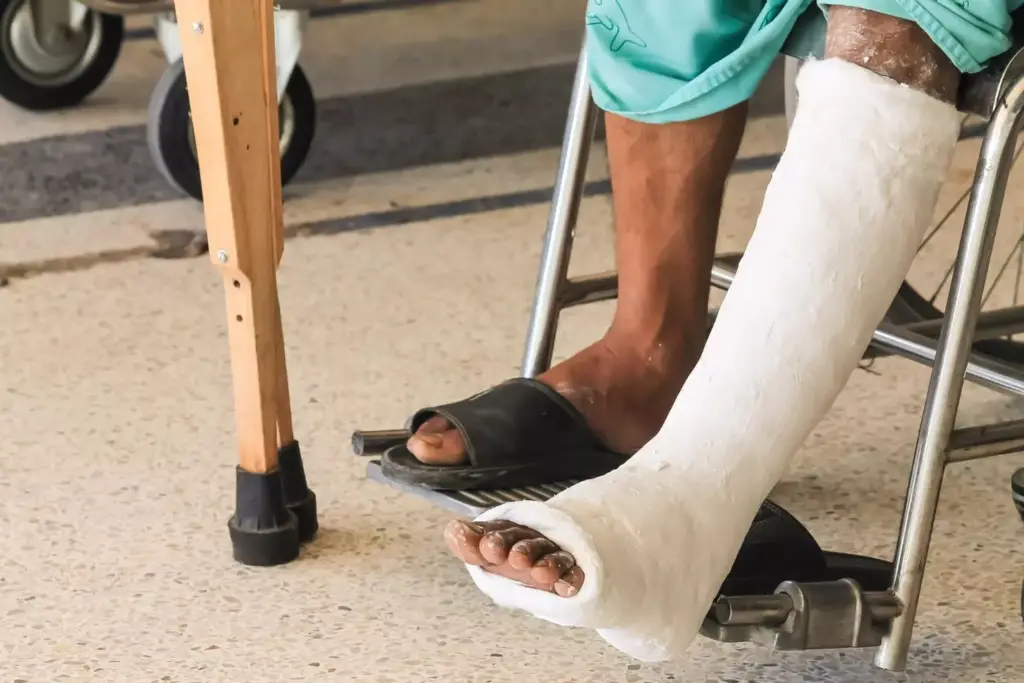
Recovering from ACL surgery usually takes 6 to 12 months. This long time lets the graft heal and for strength to return. It also helps patients get back to their usual activities.
Knowing the different stages and what affects recovery is key. It’s important for a good outcome.
Average Recovery Duration
The average time for ACL surgery recovery is 6 to 12 months. This time is divided into several phases. Each phase has its own goals and milestones.
- Initial recovery phase (0-2 weeks): Focus onpain management and initial mobility.
- Early rehabilitation phase (2-6 weeks): Gradually increase range of motion and strength.
- Intermediate recovery phase (2-3 months): Progress to more strenuous exercises and functional training.
Factors Influencing Recovery Speed
Several factors can affect how fast you recover after ACL surgery. These include:
| Factor | Description | Impact on Recovery |
|---|---|---|
| Age | Younger individuals tend to recover faster. | Higher recovery speed |
| Pre-surgery condition | Patients with better pre-surgery strength and mobility. | Faster recovery |
| Rehabilitation adherence | Strict adherence to rehabilitation protocols. | Improved recovery outcomes |
| Graft type | Type of graft used for ACL reconstruction. | Varies; some grafts may have faster integration |
Setting Realistic Expectations
It’s important for patients to have realistic expectations about their recovery. Knowing it takes time can help manage frustration. It keeps patients committed to their rehabilitation program.
Pre-Surgery Preparation and Planning
The journey to recovery from ACL surgery starts before the surgery. Proper preparation is key for a smooth recovery. We’ll guide you through the steps to take before surgery to prepare for the rehabilitation process.
Prehabilitation Exercises and Their Benefits
Prehabilitation, or “prehab,” includes exercises and physical therapy before surgery. Prehab can improve strength, flexibility, and range of motion. This makes recovery easier and may lower the risk of complications.
- Strengthening exercises for the leg muscles
- Flexibility and mobility exercises to maintain or improve range of motion
- Balance and proprioception training to enhance neuromuscular control
Engaging in prehab can shorten recovery time and help you get back to normal activities faster. It’s wise to talk to a physical therapist to create a prehab program that fits your needs.
Home Modifications for Post-Surgery Comfort
Adjusting your home can greatly improve comfort and safety during recovery. Simple changes include:
- Clearing clutter and rearranging furniture to create clear pathways
- Installing handrails or non-slip mats in strategic areas
- Preparing a recovery station with essentials like pillows, blankets, and entertainment within easy reach
These changes can reduce the risk of falls and make moving around your home easier while you’re recovering.
Mental Preparation Strategies
Mental preparation for ACL surgery is as important as physical preparation. Mental readiness can significantly impact your recovery experience. Strategies include:
- Setting realistic expectations about the recovery process
- Practicing relaxation techniques such as deep breathing or meditation
- Staying positive and focusing on the end goal of returning to your normal activities
Combining physical prehabilitation with mental preparation can help you approach your ACL surgery with confidence. This sets you up for a successful recovery.
Initial Recovery Phase: First Two Weeks Post-Surgery
The first two weeks after ACL surgery are key for a good recovery. Patients must manage pain, reduce swelling, and start gentle exercises.
Pain Management and Swelling Control
Managing pain well is very important in the first two weeks. Follow your doctor’s pain plan, which might include medicines and ice therapy.
- Use ice packs to reduce swelling and ease pain.
- Elevate your leg above the level of your heart to minimize swelling.
- Adhere to the prescribed medication regimen.
Wound Care and Infection Prevention
Good wound care is key to avoid infection and proper healing. Keep the wound dry and follow your doctor’s dressing change instructions.
- Monitor the wound for signs of infection, such as redness, swelling, or discharge.
- Change dressings as directed by your healthcare provider.
- Keep the wound dry until it’s fully healed.
Initial Mobility Exercises and Restrictions
Starting with gentle exercises is important to keep your range of motion. But, it’s also key to follow the restrictions to protect the graft.
| Exercise | Frequency | Restrictions |
|---|---|---|
| Straight leg raises | 3 sets of 10 reps | Avoid bending or twisting |
| Heel slides | 3 sets of 10 reps | Do not force beyond comfort |
| Ankle pumps | 3 sets of 10 reps | Perform while seated or lying down |
By managing pain, caring for the wound, and doing the right exercises, patients can get through the first two weeks well. This sets the stage for a successful recovery.
Early Rehabilitation Phase: Weeks 2-6
Weeks 2-6 after ACL surgery are key. Patients work on getting their range of motion back and start doing partial weight-bearing exercises. They start to feel better and see big improvements in their knee.
Range of Motion Restoration Techniques
Getting the knee to move again is a big focus. Patients do gentle exercises to help with bending and straightening. They might use:
- Passive range of motion exercises, where a physical therapist or device helps move the knee.
- Active range of motion exercises, where the patient moves the knee with their own strength.
Progression to Partial Weight-Bearing
When knee pain and swelling go down, patients start doing partial weight-bearing exercises. They slowly put more weight on the affected leg, with a physical therapist’s help. The goal is to walk normally and get stronger.
Key Milestone: Walking Without Assistance (4-6 Weeks)
Walking without help is a big achievement. Most patients can do this by 4-6 weeks after surgery. This is thanks to regular physical therapy and following the rehab plan.
It’s important for patients to keep up with their exercises and go to physical therapy. Focusing on range of motion and weight-bearing helps them do well in the next parts of their ACL surgery rehab timeline.
Intermediate Recovery: Months 2-3
The recovery phase from months 2-3 after ACL surgery is key. It’s when strength and graft healing really take off. Patients start to see big improvements in their knee’s function and how well they can move.
Progressive Strength Building Protocol
Building strength is a big focus during this time. We suggest a workout plan that gets harder as you go. Important exercises include:
- Straight leg raises with weights
- Quad sets with resistance bands
- Hamstring curls with light dumbbells
Sample Strength Training Protocol:
| Exercise | Sets | Reps | Frequency |
|---|---|---|---|
| Straight Leg Raises | 3 | 12-15 | 3 times a week |
| Quad Sets | 3 | 12-15 | 3 times a week |
| Hamstring Curls | 3 | 12-15 | 3 times a week |
Graft Healing Process and Protection
The graft healing is a big part of ACL recovery. In months 2-3, the graft starts to bond with the bone and tissue. It’s important to keep the graft safe by avoiding too much stress or injury to the knee.
Protective measures include:
- Avoiding deep knee bends
- Limiting pivoting movements
- Using supportive braces during activities
Balance and Proprioception Training
Training for balance and proprioception is also key. These exercises help make the knee more stable and improve how well you can function.
Examples of balance exercises include:
- Single-leg stands
- Heel-to-toe walks
- Balance board training
Adding these exercises to your routine can boost your knee’s sense of balance. It also lowers the chance of getting hurt again.
Advanced Rehabilitation: Months 3-6
Patients in the advanced rehabilitation phase, from months 3 to 6 after ACL surgery, see big changes. They work on getting stronger, more flexible, and moving better.
Introduction to Dynamic Exercises
In this stage, patients start dynamic exercises to test their knee’s strength and stability. They do:
- Squats and lunges with resistance bands
- Agility drills like cone drills or ladder drills
- Plyometric exercises like jump squats or box jumps
These exercises help improve knee function and get ready for harder activities.
Functional Movement Patterns Restoration
It’s key to bring back functional movement patterns for daily life and sports. This means:
- Practicing gait training to walk normally
- Doing balance exercises on different surfaces
- Trying out activities like stepping, turning, and pivoting
Cross-Training Options for Cardiovascular Fitness
Cross-training keeps the heart fit without harming the knee too much. You can try:
- Swimming or water aerobics
- Cycling on a stationary bike
- Using an elliptical trainer
These keep the heart healthy while the knee heals.
With these exercises and training, patients can recover well and get back to their usual activities with confidence.
Return to Sport Preparation: Months 6-9
Between 6 to 9 months after ACL surgery, athletes start getting ready to play sports again. This time is key. It’s when they learn how to safely and effectively get back into sports.
Sport-Specific Training Introduction
Sport-specific training starts. It’s designed to match the athlete’s sport. This training is tailored to the individual’s needs and sport requirements, focusing on improving performance and avoiding injuries.
- Drills that mimic the sport’s specific movements
- Progressive overload to build strength and endurance
- Technique refinement to optimize performance
Plyometric and Agility Progression
Plyometric exercises, like jump squats and box jumps, are added. They boost power. Agility drills, such as shuttle runs and cone drills, improve quickness and reaction time. These exercises are progressed gradually to challenge the athlete and prepare them for their sport.
Psychological Readiness Assessment
Checking if an athlete is mentally ready is just as important as their physical readiness. Factors such as confidence, fear, and motivation are evaluated to make sure the athlete is mentally ready to return to their sport.
- Confidence assessment through performance in drills and exercises
- Fear evaluation through self-reporting and observation
- Motivation assessment through goal setting and commitment
By focusing on these aspects, athletes can be better prepared for a successful return to their sport. This reduces the risk of re-injury and boosts their overall performance.
Full Recovery and Return to Competition: Months 9-12+
The path to full recovery after ACL surgery usually takes 9 to 12 months or more. This time is key for athletes who want to get back to their sports at top level.
Return-to-Play Testing Criteria
Before athletes can compete again, they must pass certain tests. These tests check strength, agility, and how well they move. They make sure the knee is ready for sports.
- Strength and power assessments
- Agility and speed drills
- Functional movement analysis
Key Criteria: Athletes need to show symmetry in strength and function between legs. They also must have no pain or discomfort during the tests.
Gradual Competitive Activity Reintegration
Getting back into sports should be done slowly. Start with low-intensity training and then add more intensity and complex drills.
“A well-structured rehabilitation program is key for a successful return to competition.”
The process includes:
- Starting with low-intensity training
- Increasing intensity and complexity
- Practicing game-like scenarios
Monitoring and Adjusting Training Load
It’s important to watch how much training is done to avoid injury and ensure the best performance. Coaches and physical therapists work together to change the training plan as needed.
Things to think about include:
- How much and how intense the training is
- How the athlete feels about fatigue and discomfort
- How well they’re doing in their performance
By managing these factors well, athletes can successfully return to competition. They can stay at their best while reducing the chance of getting hurt again.
Complications, Setbacks, and Troubleshooting
Complications after ACL surgery are rare but can happen. It’s key to spot warning signs early. ACL reconstruction is usually successful, but knowing about possible problems helps with recovery.
Recognizing Warning Signs During Recovery
Watching how your body reacts to surgery and rehab is important. Look out for these warning signs:
- Increased pain or swelling that doesn’t get better with meds or rest.
- Redness or warmth around the surgery area, which might mean infection.
- Instability or feeling like your knee is unstable.
- Fever or chills, which could be infection signs.
Common Setbacks and Management Strategies
Setbacks in ACL recovery can be tough, but you can handle them. Common issues include:
- Graft failure, which might need more surgery.
- Stiffness or losing range of motion, which physical therapy can help with.
- Pain flare-ups, which might mean changing your pain management plan.
Handling these setbacks often means changing physical therapy, adjusting meds, or sometimes more medical help.
When to Consult Your Surgeon or Physical Therapist
It’s important to know when to ask for help. If you see any warning signs or worry about your recovery, reach out to your healthcare team. They can guide you, tweak your treatment, and offer reassurance.
In summary, while complications and setbacks can happen after ACL surgery, staying informed and alert can greatly improve your recovery. By spotting warning signs early and tackling common problems, you can work with your healthcare team for the best results.
Conclusion: Life After ACL Reconstruction
Recovering from ACL surgery is as important as the surgery itself. Following a structured rehab plan and using effective tips can lead to a successful recovery. This helps avoid future injuries.
We support our patients every step of the way. We guide them on the best rehab practices. This helps regain strength and mobility and lowers the risk of future injuries.
Life after ACL surgery can be rewarding. Many patients return to their usual activities and sports. By sticking to a good rehab plan and making lifestyle changes, people can live a healthy, active life. Our team is here to help, ensuring the best results and a smooth return to daily life.
FAQ
What is the average recovery time for ACL surgery?
ACL surgery recovery time is usually 6 to 12 months. This depends on your health, injury extent, and rehab success.
What are the different types of ACL reconstruction techniques?
ACL reconstruction uses autografts (from you) or allografts (from a donor). Your age, activity level, and surgeon’s choice decide the method.
How can I prepare my home for post-ACL surgery recovery?
Make your home recovery-ready by clearing clutter and installing handrails. Create a comfy recovery area. Stock up on ice packs and comfy clothes.
What are the benefits of prehabilitation exercises before ACL surgery?
Prehab exercises boost strength, flexibility, and movement. They reduce pain and swelling, improving recovery outcomes.
How long does it take to regain range of motion after ACL surgery?
It takes weeks to regain range of motion after ACL surgery. Most reach full range in 6 to 8 weeks. Recovery time varies based on injury and rehab.
What are the key milestones during ACL surgery recovery?
Key milestones include regaining range of motion and walking without help. You’ll progress to strength training and agility drills later.
How can I manage pain and swelling after ACL surgery?
Manage pain and swelling with medication, ice, compression, and elevation. Deep breathing and relaxation can also help.
When can I return to sports after ACL surgery?
Return to sports timing varies based on sport type, injury extent, and rehab success. Expect 6 to 12 months post-surgery.
What are the criteria for return-to-play testing after ACL surgery?
Return-to-play testing checks strength, agility, and movement. You must show adequate strength and ability to perform sport-specific movements safely.
How can I prevent complications and setbacks during ACL surgery recovery?
Follow your rehab plan carefully and attend all follow-up appointments. Report any concerns or symptoms promptly to avoid complications.
What are the signs of complications or setbacks during ACL surgery recovery?
Watch for increased pain, swelling, instability, or decreased range of motion. Seek medical help if you notice these signs.
References
- Mass General Brigham. ACL Reconstruction Surgery & Recovery. https://www.massgeneralbrigham.org/en/patient-care/services-and-specialties/sports-medicine/conditions/knee/acl-injuries/acl-reconstruction-surgery