
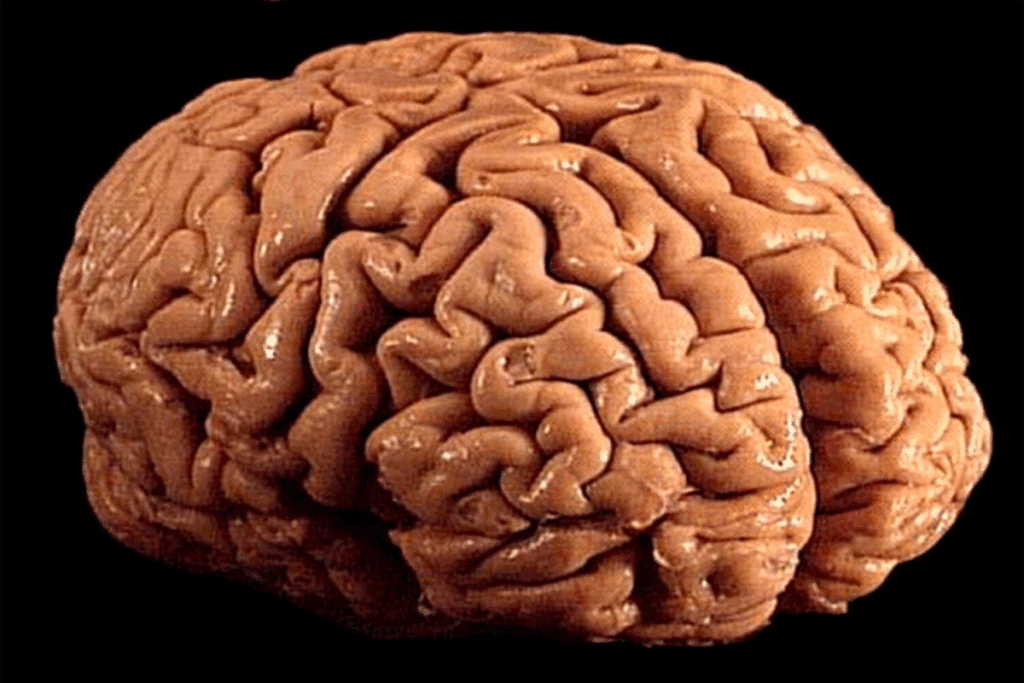
Did you know that problems with adenoids can really affect a child’s brain and thinking skills? When adenoids get infected or grow too big, they can cause more than just ear, nose, and throat issues. The adenoids brain connection is via sleep. specific sleep oxygen facts. Learn how fixing apnea helps brain development and IQ.
We look into how adenoids and brain function are connected. This shows how adenoid problems can affect a child’s thinking and learning. Knowing about the adenoids brain connection helps parents and doctors make better choices for kids’ health and growth.
Key Takeaways
- Adenoid issues can impact cognitive development in children.
- Enlarged or infected adenoids can lead to various health problems.
- Understanding the adenoids brain development impact is vital for healthcare decisions.
- Adenoid enlargement can have significant effects on overall brain health.
- Proper adenoid care is essential for maintaining good health and development.
Understanding Adenoids and Their Function

It’s important to know about adenoids to understand their health impact. Adenoids are part of the lymphatic system. They help fight off infections in our body.
What Are Adenoids?
Adenoids are a single clump of lymphatic tissue in the nasopharyngeal space. They start to grow in the 16th week of pregnancy. Adenoids are very important in early childhood for the immune system’s development.
These tissues catch pathogens like bacteria and viruses. They also help make antibodies to fight off infections. Adenoids are most active in young children. They start to shrink by age 5-7 and almost disappear by the teenage years.
Role of Adenoids in the Immune System
Adenoids have a big role in the immune system. They help make antibodies and activate immune cells. Adenoids protect against respiratory and gastrointestinal infections by trapping pathogens and starting an immune response.
Adenoids are also part of the Waldeyer’s ring, along with tonsils and other throat tissues. This circle is key in defending against pathogens. Knowing how adenoids work in the immune system helps us see their role in health. This includes their effect on adenoids cognitive function and adenoids brain oxygen supply.
The Connection Between Adenoids and Overall Health

Adenoid health is key to our overall health. It affects our breathing and sleep. When adenoids get too big or get infected, it can cause many health problems.
“Enlarged adenoids can cause obstructed nasal breathing, chronic mouth breathing, and sleep disorders,” which in turn can affect our brain function and development (Source: Third web source). This shows how closely adenoid health is tied to our overall health.
Link Between Adenoids and Respiratory Issues
Adenoids sit at the back of the nasal cavity. When they grow too big, they block the nose. This can lead to chronic mouth breathing, causing many respiratory problems.
Also, big adenoids can make it hard to breathe through the nose. This can mean not enough oxygen, which can harm our health and brain.
Adenoids and Sleep Disorders
Adenoids and sleep problems are closely linked. Big adenoids can cause sleep apnea and other breathing issues during sleep. They can block the airway, causing pauses in breathing.
“Sleep disorders related to adenoid problems can have significant implications for cognitive function and overall health.”
It’s important to tackle adenoid issues to avoid long-term health problems. Understanding the connection between adenoids and health helps us see why keeping adenoids healthy is so vital.
Anatomy of the Adenoids
Knowing how adenoids work is key to treating problems related to them. They are part of the lymphoid system, which helps our immune system fight off diseases.
We will look into the details of adenoid anatomy. This includes where they are and how they are structured. We will also compare them to tonsils to show their unique features.
Location and Structure of Adenoids
Adenoids sit in the nasopharyngeal space, behind the nasal cavity. This spot helps them catch pathogens that come in through the nose. It aids in the body’s defense against infections.
The adenoids are made of lymphoid tissue and are full of lymphocytes. These cells are important for fighting off infections. Their design helps pathogens meet immune cells, boosting the body’s defense.
Differences Between Adenoids and Tonsils
Adenoids and tonsils both help the immune system, but they are different. Tonsils, found on either side of the throat, have a different structure than adenoids. Unlike adenoids, palatine tonsils have deep crypts that can trap bacteria, causing infections.
The main difference is their location and the type of crypts they have. Adenoids are in the nasopharynx with shallow crypts. Tonsils are in the oropharynx with deeper crypts. Knowing these differences is important for diagnosing and treating issues with these tissues.
The Impact of Enlarged Adenoids
Enlarged adenoids are more than a minor problem. They can block breathing, mess with sleep, and even affect how well a child learns. It’s a serious issue that needs attention.
Symptoms of Enlarged Adenoids
The signs of big adenoids can vary. But common ones include:
- Nasal congestion and trouble breathing through the nose
- Recurring ear infections because of Eustachian tube problems
- Poor sleep quality, which can lead to sleep apnea
- Changes in voice, like a nasal tone
- Frequent sinus infections
These symptoms can really hurt a child’s quality of life. Getting a diagnosis and treatment early is key.
Consequences of Untreated Adenoid Hypertrophy
Ignoring big adenoids can cause bigger health problems. These include:
- Respiratory Problems: Long-term nasal blockage can lead to mouth breathing. This might make asthma worse.
- Sleep Disorders: Sleep apnea and other sleep issues can deeply affect health. They can mess with thinking and mood.
- Cognitive and Developmental Issues: Bad sleep and less oxygen can hurt focus, memory, and learning.
It’s vital to tackle adenoid growth early to avoid these serious problems. If symptoms last, see a doctor right away.
Adenoids and Cognitive Functions
Adenoids and cognitive functions are linked through their impact on breathing and sleep. Adenoids help fight off infections, mainly in kids. But when they grow too big, they can block airways and mess up sleep.
How Respiratory Health Influences Brain Development
Our brains need enough oxygen to grow and work well. Big adenoids can block airways, cutting down oxygen in the blood. This can slow down brain growth in kids, affecting their memory and learning.
Oxygen supply to the brain is key for thinking clearly. Kids with big adenoids and tonsils might not get enough oxygen while they sleep. This can hurt their brain’s ability to learn and remember.
Impact of Hypoxemia on Cognitive Functions | Short-term Effects | Long-term Effects |
Cognitive Development | Impaired attention and memory | Reduced learning abilities |
Sleep Quality | Daytime sleepiness | Chronic sleep deprivation |
Brain Development | Delayed development in children | Permanent cognitive impairments |
The Role of Sleep in Cognitive Processing
Sleep is vital for our brains to process and remember things. Big adenoids can cause sleep problems like sleep apnea. This can make it hard to focus, remember things, and make decisions.
We know sleep is key for brain health. Our brains sort out memories when we sleep. Without good sleep, kids with adenoid problems might struggle in school. They might feel tired and grumpy during the day too.
- Sleep disorders can lead to impaired cognitive function.
- Adenoid-related sleep disorders can be treated with appropriate medical interventions.
- Early diagnosis and treatment can significantly improve cognitive outcomes.
Research on Adenoids and Brain Health
Research has found a link between adenoids and brain function. This shows that adenoids are key to brain health. It’s important to keep adenoids healthy for our mental well-being.
Current Studies Exploring Adenoid Impact on Brain
Studies show that big adenoids can hurt a child’s mood. This is why we need to treat adenoid problems early to avoid long-term issues. Scientists are studying how adenoids affect our brains.
Adenoids can disrupt sleep, leading to problems with thinking and behavior in kids. Sleep disorders caused by big adenoids can harm a child’s brain. But, treating these sleep issues can greatly improve a child’s life.
Study | Key Findings | Implications |
Study on Adenotonsillar Hypertrophy | Confirmed negative emotional effects of obstructive sleep disordered breathing in children. | Importance of early intervention for adenoid-related issues. |
Research on Adenoid Hypertrophy and Sleep | Linked adenoid hypertrophy to sleep disorders and cognitive impairments. | Treating adenoid-related sleep disorders can improve cognitive function. |
Key Findings on Adenoids and Mental Health
Adenoids and mental health are closely linked. Kids with big adenoids are more likely to feel anxious or depressed. Treating adenoid problems can help prevent these feelings.
Removing adenoids through surgery can greatly improve a child’s mental health. This shows we need to treat adenoid problems seriously.
As we learn more about adenoids and brain health, it’s clear that healthy adenoids are vital. Doctors and parents must work together to spot and treat adenoid issues early.
Treatment Options for Problematic Adenoids
There are many ways to treat problematic adenoids. These include medical treatments and surgery. The right choice depends on how bad the symptoms are and the patient’s health.
Medical Management Approaches
For many, like children, the first step is medical treatment. This might include antibiotics for infections, nasal sprays to shrink swelling, and steroids to reduce inflammation. Medical treatment can really help improve how you feel and live.
At times, just watching and waiting is advised. This is true if the adenoids aren’t too big and symptoms aren’t too bad. It’s important to keep seeing a doctor to check on your condition and change treatment plans if needed.
Surgical Interventions: Adenoidectomy
If medical treatments don’t work or if adenoids are very big, surgery might be needed. Adenoidectomy is often done for blockages or ear problems. This surgery is usually done under general anesthesia and can be done alone or with tonsil removal.
Deciding on surgery should be a careful choice. Talking to an ENT specialist about the benefits and risks is key to making a good decision.
Many people find surgery helps a lot, like those with frequent infections or very big adenoids. But, like any surgery, there are risks and things that could go wrong.
Adenoidectomy and Its Effects
Understanding the outcomes of adenoidectomy is key for patients and doctors. Adenoidectomy removes the adenoids, a common procedure for enlarged or infected adenoids.
Post-Surgery Recovery and Health Improvement
After adenoidectomy, patients might feel a sore throat. But this pain is short-lived, and health benefits are often seen. Studies show adenoidectomy can greatly reduce sleep and breathing problems caused by big adenoids.
Children who get adenotonsillectomy (removing adenoids and tonsils) see big life quality boosts. This is mainly because their airways are no longer blocked by big adenoids and tonsils.
Health Aspect | Pre-Adenoidectomy | Post-Adenoidectomy |
Sleep Quality | Poor due to obstruction | Improved with reduced sleep disruptions |
Respiratory Issues | Frequent infections or breathing difficulties | Reduced frequency of infections and breathing issues |
Cognitive Function | Potential cognitive impairments due to sleep disturbances | Improved cognitive function with better sleep quality |
Long-Term Cognitive Outcomes After Surgery
Long-term effects of adenoidectomy on thinking are important. Studies show it can help with sleep and breathing, boosting thinking skills in kids.
Long-term studies are essential to fully understand the cognitive benefits of adenoidectomy. But, current research shows it can improve focus, memory, and thinking by ensuring better sleep and reducing sleep disorders.
- Improved attention and concentration
- Better memory retention and recall
- Enhanced overall cognitive function
By looking at adenoidectomy’s effects, both short-term and long-term, patients and doctors can make better choices about this surgery.
The Role of Pediatricians in Adenoid Care
Pediatricians play a key role in caring for children’s adenoids. They are not just doctors but also teachers for parents. They help navigate the complex world of adenoid issues in kids.
Importance of Regular Check-ups
Regular visits to the pediatrician are essential. They help keep an eye on a child’s adenoids. Pediatricians can spot problems early, like enlargement or infection, and act fast.
These visits are also a chance for parents to share their worries. They can get advice on how to keep their child’s adenoids healthy. Being proactive helps prevent bigger problems.
Educating Parents on Signs and Symptoms
Pediatricians teach parents about adenoid signs and symptoms. Knowing these helps parents catch issues early. Signs include persistent nasal congestion, breathing difficulties, and recurrent ear infections.
By educating parents, pediatricians help them be involved in their child’s care. This teamwork ensures kids get the best care for their adenoids.
The Future of Adenoid Research
Research on adenoids is set to uncover new insights into their role in brain health. Studies are looking into how adenoid health affects breathing and brain development.
Emerging Theories on Adenoids and Brain Links
Recent studies show a strong link between adenoid health and brain function. Theories suggest adenoids are key to cognitive development, mainly in children. Researchers are studying how adenoid issues might affect brain development and behavior.
One theory is that adenoids’ immune role impacts brain health. Scientists aim to find new treatments for brain and behavior disorders linked to adenoids.
“The connection between adenoids and brain health is an area of growing interest. As we continue to explore this link, we may uncover new strategies for improving cognitive function and overall well-being.”
An ENT Specialist
Potential for New Treatments and Interventions
The future of adenoid research is promising for new treatments. As we learn more about the adenoid-brain link, new therapies will emerge.
Some areas to focus on include:
- Targeted therapies to reduce adenoid hypertrophy and its impact on cognitive function
- Novel surgical techniques to improve outcomes for adenoidectomy patients
- Personalized medicine approaches to address individual differences in adenoid response
Potential Treatment | Description | Potential Benefits |
Targeted Therapies | Medications or treatments designed to reduce adenoid hypertrophy | Improved cognitive function, reduced respiratory issues |
Novel Surgical Techniques | Advanced surgical methods for adenoidectomy | Less invasive, quicker recovery, improved outcomes |
Personalized Medicine | Tailored treatment approaches based on individual patient profiles | More effective treatment, reduced risk of complications |
Exploring these theories and treatments could usher in a new era in adenoid research. This could lead to better management and treatment of adenoid issues, improving lives worldwide.
Expert Opinions on Adenoids and Brain Health
Experts share their thoughts on how adenoids affect brain health. They point out the importance of managing adenoids, which is key for our health, mainly in kids.
Interviews with Ear, Nose, and Throat Specialists
We talked to several ENT specialists about adenoids and brain health. A renowned ENT specialist, said, “Adenoids and brain function are linked. Big adenoids can mess with sleep, hurting brain growth in kids.”
A doctor stressed the need for a team effort in treating adenoid problems. “We must look at the whole picture, not just the adenoids. We need to think about how they affect breathing and thinking.”
ENT Specialist | Key Points |
Parental Perspectives on Treating Adenoid Issues
Parents share their experiences with adenoid treatments. Mrs. Emily Johnson said, “We were worried about surgery but decided it was best. Our son’s sleep and behavior got better quickly after.”
Mr. Michael Davis talked about the need for aftercare. “Following the doctor’s advice helped a lot. Our child’s breathing problems got much better.”
- Parents stress the value of getting expert advice before treatment.
- Many report big improvements in sleep and behavior after adenoid surgery.
- It’s important to stick to the doctor’s aftercare plan.
Conclusion: The Importance of Adenoid Health
Understanding how adenoids affect brain health is key to staying well. Studies show that healthy adenoids are important for our brains to work right.
Key Takeaways
We’ve looked at how adenoids tie into our health, including breathing and sleep. If adenoids get too big, it can cause big health problems if not treated.
It’s important to keep an eye on adenoid health, mainly in kids. It can influence how their brains grow and process information. Regular visits to doctors can spot problems early.
Final Considerations
In short, keeping adenoids healthy is vital for our brain and overall health. Knowing the signs of adenoid issues and getting help when needed helps protect our health.
We also stress the need for more research on adenoids and the brain. This research could lead to better treatments and care for our health.
FAQ
What is the connection between adenoids and brain development?
Adenoids can affect brain development by impacting breathing and sleep. Large adenoids can cause breathing problems and sleep issues. These can harm brain function and health.
How do adenoids affect cognitive function?
Adenoids can harm cognitive function by affecting sleep and breathing. Poor sleep and breathing issues can cause problems with attention, memory, and learning.
What are the symptoms of enlarged adenoids?
Symptoms include trouble breathing through the nose, frequent ear infections, and sleep issues. These can lead to cognitive and behavioral problems if not treated.
How do adenoids impact sleep quality?
Large adenoids can block the airway, causing sleep disorders like sleep apnea. Poor sleep can harm cognitive function, mood, and brain health.
What is the role of adenoids in the immune system?
Adenoids help trap pathogens and produce antibodies. But, when they grow too big or get infected, they can cause health problems.
What are the treatment options for problematic adenoids?
Treatments include antibiotics for infections and surgery like adenoidectomy for severe cases. These can improve breathing, reduce infections, and enhance sleep quality.
What is adenoidectomy, and what are its effects?
Adenoidectomy is a surgery to remove adenoids. It can improve breathing, reduce infections, and enhance sleep quality. This leads to better cognitive outcomes and overall health.
How do pediatricians contribute to adenoid care?
Pediatricians are key in adenoid care. They monitor health, recognize problems, and educate parents on when to seek medical help.
What are the potentially long-term cognitive outcomes after adenoidectomy?
Many see cognitive function improvements after adenoidectomy. Better sleep and reduced infections lead to enhanced cognitive development and performance.
Are there any emerging theories on the connection between adenoids and brain health?
New research explores adenoids’ link to brain health. It looks at how adenoid-related sleep disorders affect cognitive development and mental health. New treatments and interventions are being studied.
How do adenoids impact brain oxygen supply?
Large adenoids can block the airway, reducing brain oxygen. This can harm cognitive function and overall brain health.
Can adenoid problems affect attention and learning abilities?
Yes, adenoid problems can cause sleep and breathing issues. These can affect attention and learning abilities. Treating adenoid issues can improve these cognitive functions.