
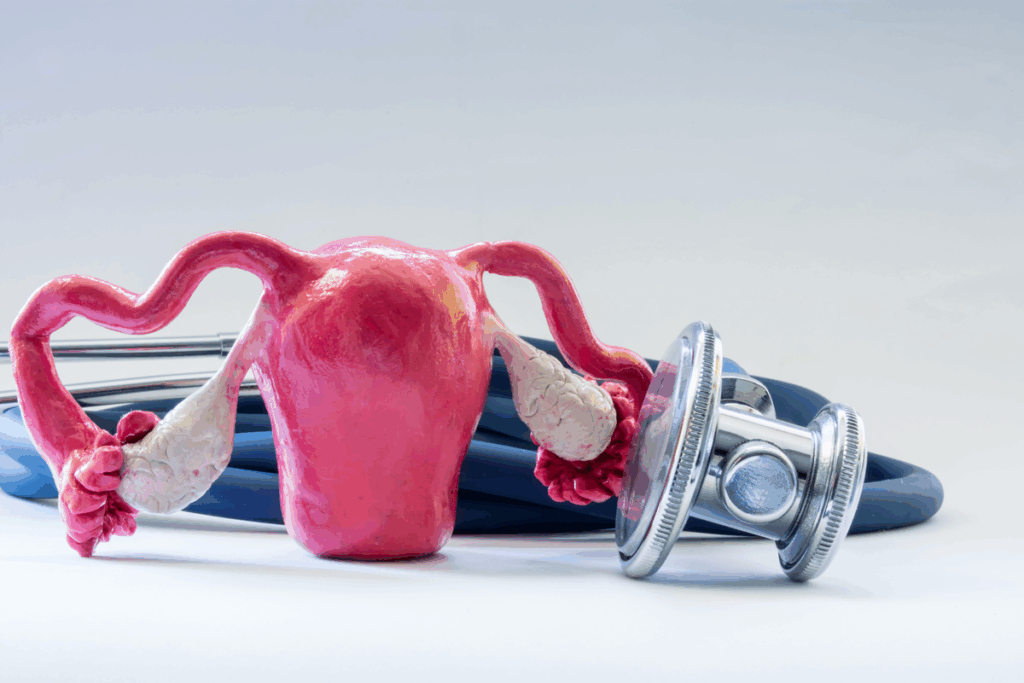
Adenomyosis is a condition where tissue that lines the uterus grows into its muscle wall. This makes the uterus thicken and grow. It can cause debilitating pelvic pain and heavy bleeding, greatly affecting a woman’s life adenomyosis meaning.
During a menstrual cycle, this tissue thickens, breaks down, and bleeds. This makes the uterus grow. At Liv Hospital, we focus on accurate diagnosis and care for women with this condition.
It’s important to understand how adenomyosis works to treat it well. We’ll look at how doctors diagnose it, including clinical checks and imaging.
Key Takeaways
- Accurate diagnosis of adenomyosis is key for good treatment.
- Adenomyosis can cause big symptoms, like pelvic pain and heavy bleeding.
- Knowing how the condition works is vital for good care.
- Doctors use clinical checks and imaging to diagnose it.
- Good care is needed to improve a woman’s quality of life.
Adenomyosis Meaning: Definition and Overview

Adenomyosis is a gynecological condition where endometrial tissue grows into the uterine wall. It often hits women between 35 and 50 years old. But, it can also affect younger women. Hormones, like estrogen, play a big role in its growth.
To grasp adenomyosis, we need to dive into its causes and effects on the uterus. The invasion of endometrial tissue into the uterine muscle makes the uterus bigger and more sensitive. This leads to symptoms like heavy bleeding and pain.
The Pathophysiology of Adenomyosis
The exact reason for adenomyosis is not fully understood. But, hormones, mainly estrogen, are thought to be key. Estrogen helps the endometrium grow, and its changes during the menstrual cycle might trigger adenomyosis. Other factors could include past uterine surgeries, childbirth, and unusual uterine shapes.
Adenomyosis happens when endometrial tissue grows into the myometrium, the muscle layer of the uterus. This disrupts the uterine wall’s structure, making the uterus bigger and more painful. It can cause heavy bleeding and pelvic pain.
How Adenomyosis Affects Uterine Structure
Adenomyosis changes the uterus by growing endometrial tissue into the myometrium. This makes the uterus bigger and can create lesions in the uterine wall. These changes can mess with the uterus’s function, causing symptoms like heavy bleeding and pain during menstruation.
The changes in the uterus due to adenomyosis can be significant. Sometimes, treatments like hormonal therapy or adenomyosis hysterectomy or adenomyosis and hysterectomy are needed. Knowing how much the uterus is affected helps doctors choose the right treatment.
Aspect | Normal Uterus | Uterus with Adenomyosis |
Size | Normal | Enlarged |
Tissue Structure | Endometrium confined to the inner layer | Endometrial tissue invades the myometrium |
Symptoms | Minimal to none | Heavy bleeding, pelvic pain, etc. |
In summary, adenomyosis greatly affects the uterus, causing symptoms and sometimes needing medical help. Knowing how it works and affects the uterus is key to managing it well.
Prevalence and Risk Factors

Adenomyosis is found in 5% to 70% of women, depending on how it’s diagnosed. This big range shows how hard it is to spot the condition. It also points to the need for better ways to diagnose it.
Age and Demographic Patterns
Most women get diagnosed with adenomyosis in their 40s and 50s. This might be because of the big hormonal changes during perimenopause and menopause. Symptoms often get worse during perimenopause, when hormone levels swing a lot.
It’s not as common in younger women, but it can happen at any age. Even after menopause, some women keep getting symptoms of adenomyosis.
Common Risk Factors for Developing Adenomyosis
Some things increase the chance of getting adenomyosis. These include having had uterine surgery, giving birth, and being middle-aged. Women who’ve had cesarean sections or other uterine surgeries are more likely to get it. Also, women who’ve had kids, and those with many children, face a higher risk.
Risk Factor | Description | Impact on Adenomyosis Risk |
Prior Uterine Surgery | Surgical interventions involving the uterus | Increased risk due to tissue disruption |
Childbirth | History of one or more childbirths | Higher risk, specially with multiple pregnancies |
Middle Age | Women in their 40s and 50s | Peak age for adenomyosis diagnosis |
Knowing these risk factors helps doctors spot women who might get adenomyosis. This way, they can give them the right care. By understanding what causes adenomyosis, we can help women feel better and manage their condition better.
Signs and Symptoms of Adenomyosis
Knowing the signs and symptoms of adenomyosis is key for early treatment. This condition makes tissue like the uterus lining grow outside the uterus. It causes symptoms that can really affect a woman’s life.
Common Physical Symptoms
The symptoms of adenomyosis can be very hard to deal with. Some common ones are:
- Painful menstrual cramps: Severe cramps during your period are a big sign.
- Heavy or prolonged menstrual bleeding: Women with adenomyosis often have heavy bleeding. This can cause anemia and other problems.
- Chronic pelvic pain: Women often feel pain in their pelvis all the time.
These symptoms can really mess with your daily life. They can affect your work and personal relationships. As one patient said,
“The pain was so severe that it would sometimes leave me bedridden for days, unable to function normally.”
Impact on Menstrual Cycles
Adenomyosis can really mess with your menstrual cycles. It can lead to:
- Irregular periods: Your cycle might change in length and frequency.
- Increased menstrual flow: You might bleed a lot and have clots.
- Painful intercourse: You might find sex painful because of adenomyosis.
When to Seek Medical Attention
If you have:
- Severe menstrual cramps that mess with your daily life.
- Heavy or prolonged bleeding that doesn’t get better.
- Chronic pelvic pain that won’t go away.
Seeing a doctor early can really help. They can help you find the best treatment. This might include medicine or surgery, like adenomyosis and hysterectomy in bad cases.
The Relationship Between Adenomyosis and Other Conditions
Adenomyosis often shows up with other conditions like endometriosis and uterine fibroids. Knowing about these connections is key for the right diagnosis and treatment. We’ll look at how adenomyosis and endometriosis differ, and how they can both be present with uterine fibroids.
Adenomyosis and Endometriosis: Key Differences
Adenomyosis and endometriosis both involve endometrial tissue outside the uterus. But they differ in where this tissue grows and how it affects the body. This difference is important for figuring out what’s wrong and how to treat it.
Research shows that about 18% of people with adenomyosis also have endometriosis. When these conditions are together, symptoms can get worse. Getting an accurate diagnosis is essential for a good treatment plan that tackles both issues.
Adenomyosis and Uterine Fibroids: Concurrent Conditions
Uterine fibroids often appear alongside adenomyosis. Around 47.6% of adenomyosis cases also have uterine fibroids. When both are present, symptoms and treatment choices can get more complicated. It’s important for doctors to understand how these conditions work together to provide the best care.
Having both adenomyosis and uterine fibroids can make symptoms worse, like heavy bleeding and pelvic pain. Treatment plans need to handle both conditions well, possibly using a mix of medicine and surgery.
By understanding the links between adenomyosis and other uterine issues, doctors can create better treatment plans. This not only helps manage symptoms but also improves life quality for those dealing with these conditions.
Diagnostic Methods for Adenomyosis
Diagnosing adenomyosis is tricky and needs a detailed look. It involves clinical checks, imaging, and sometimes, looking at tissue after surgery.
Clinical Evaluation and Physical Examination
The first step is a thorough check-up and physical exam. Doctors look for symptoms and check the uterus for size and tenderness. A detailed medical history helps spot signs of adenomyosis.
Can Adenomyosis Be Seen on Ultrasound?
Ultrasound is often used to check for adenomyosis. It can’t always confirm it, but some signs suggest it. These include a big uterus, mixed myometrium, and cysts in the myometrium. Transvaginal ultrasound is better for seeing the uterus up close. But, finding adenomyosis on ultrasound depends on the doctor’s skill and the equipment.
Doctors might start with ultrasound because it’s easy and common. But sometimes, more tests are needed to be sure or to rule out other issues.
MRI and Other Advanced Imaging Techniques
Magnetic Resonance Imaging (MRI) is also helpful for diagnosing adenomyosis. It shows the uterus in detail, helping spot adenomyosis by looking at the junctional zone. An thickened junctional zone is a key sign on MRI. MRI is best when ultrasound isn’t clear or when planning surgery.
Histological Diagnosis
Adenomyosis is sometimes confirmed after a hysterectomy by looking at tissue under a microscope. This shows endometrial glands and stroma in the myometrium, which is adenomyosis. This method is used when other treatments fail and surgery is considered.
Diagnosing adenomyosis needs a mix of clinical checks, imaging, and sometimes, tissue examination. These methods help doctors accurately diagnose adenomyosis and plan the best treatment.
Medical Treatment Options for Adenomyosis
Managing adenomyosis often starts with medical treatments. These aim to ease symptoms and balance hormones. We’ll look at the different medical ways to handle adenomyosis symptoms.
Over-the-Counter Pain Management
For many, over-the-counter (OTC) pain relief is the first step against adenomyosis symptoms. Nonsteroidal anti-inflammatory drugs (NSAIDs) like ibuprofen are used to ease menstrual cramps and heavy bleeding.
- Ibuprofen: Helps reduce pain and inflammation
- Naproxen: Another NSAID option that can be effective for menstrual pain
- Aspirin: Though less commonly used for menstrual cramps, it can help with pain relief
Hormonal Medications
Hormonal treatments are key in managing adenomyosis symptoms. These medications regulate hormonal influences on the uterus. This can reduce heavy bleeding and pain.
- Gonadotropin-releasing hormone (GnRH) agonists: Can help reduce the size of the uterus and alleviate symptoms
- Progesterone-only treatments: May be used to thin the uterine lining and reduce bleeding
Adenomyosis and Birth Control: Effectiveness and Options
Birth control methods are also effective for managing adenomyosis symptoms. Hormonal contraceptives can help regulate menstrual cycles and reduce heavy bleeding.
- Hormonal IUDs: Intrauterine devices that release hormones locally to reduce bleeding
- Oral contraceptives: Can help regulate menstrual cycles and reduce symptoms
- Contraceptive patches and rings: Other hormonal options that may be effective for managing adenomyosis symptoms
By exploring these medical treatment options, women with adenomyosis can find relief. It’s important to talk to a healthcare provider to find the best treatment plan.
Surgical Interventions for Adenomyosis
For women with severe adenomyosis symptoms, surgery might be needed when other treatments don’t work. Surgery is considered when symptoms greatly affect daily life and other treatments have failed.
Endometrial Ablation for Adenomyosis: Process and Outcomes
Endometrial ablation is a procedure that aims to stop heavy bleeding by destroying the uterus lining. It’s mainly used for heavy menstrual bleeding but can also help with adenomyosis.
The procedure uses heat, cold, or electrical energy to destroy the endometrial tissue. Results can vary. Some women see a big drop in bleeding, while others might not feel as much relief from pain.
Key considerations for endometrial ablation include:
- Potential for reduced menstrual bleeding
- Less invasive compared to major surgery
- Variable success rates for pain relief
Uterine Artery Embolization
Uterine artery embolization (UAE) cuts off blood to the adenomyotic tissue, causing it to shrink. This is done by injecting material into the uterine arteries.
UAE can help reduce heavy bleeding and pain. But, it’s important to talk to a healthcare provider about the risks and benefits. UAE might affect fertility and isn’t right for everyone.
Benefits of UAE may include:
- Reduced symptoms without major surgery
- Potential for preserving fertility, depending on individual circumstances
- Minimally invasive procedure
Hysterectomy for Adenomyosis: When Is It Necessary?
Hysterectomy, or removing the uterus, is a definitive treatment for adenomyosis. It’s often recommended for women with severe symptoms who haven’t responded to other treatments and don’t want to have children in the future.
Deciding on hysterectomy should be a careful choice. It’s important to talk to a healthcare provider about your health, symptoms, and what you want.
Important factors to consider when deciding on hysterectomy:
- Severity of symptoms and impact on quality of life
- Previous treatments tried and their outcomes
- Fertility desires and alternatives
Does Adenomyosis Go Away? The Natural Course of the Condition
It’s important to know if adenomyosis can go away on its own. This condition causes heavy bleeding and pain because of endometrial tissue in the uterine wall. The way it progresses varies from woman to woman, mainly due to hormonal changes.
Adenomyosis During Perimenopause
Perimenopause is a time of big hormonal shifts. These changes can make adenomyosis symptoms worse for some women. Others might see a slight improvement. It’s key to watch symptoms closely during this time to better manage the condition.
Adenomyosis After Menopause
After menopause, adenomyosis often gets better. Lower estrogen levels slow down the growth of endometrial tissue. Symptoms tend to lessen as hormone levels drop. This is a big relief for many women, as heavy bleeding and pain decrease.
Adenomyosis After Pregnancy
Pregnancy can affect adenomyosis differently for each woman. Some see symptom improvement due to hormonal changes and the pause in menstruation. But, symptoms usually come back after pregnancy, and sometimes they’re worse than before.
In summary, adenomyosis’ natural path is shaped by big life events like perimenopause, menopause, and pregnancy. Knowing these impacts helps women and doctors manage the condition better.
Living With Adenomyosis: Management Strategies
Living with adenomyosis can be tough, but the right strategies can help. This condition, with extra uterine tissue, causes pain and disrupts daily life. A holistic approach, including medical treatments, lifestyle changes, and emotional support, is key.
Pain Management Techniques
Pain is a big symptom of adenomyosis. Over-the-counter pain relievers are often the first step. Sometimes, stronger meds are needed. Acupuncture and yoga can also help reduce pain.
A study showed yoga can cut down adenomyosis symptoms, including pain.
“Yoga not only helps in managing physical symptoms but also provides emotional and psychological benefits,” said a leading researcher.
Lifestyle Modifications and Dietary Considerations
Changing your lifestyle can help with adenomyosis symptoms. Dietary adjustments are important. Eating fruits, vegetables, and whole grains can reduce inflammation. Drinking water and keeping a healthy weight are also key.
- Avoid processed foods and sugars
- Increase intake of omega-3 fatty acids
- Stay hydrated by drinking plenty of water
Emotional and Psychological Support
Adenomyosis can affect mental health. Emotional and psychological support is essential. Counseling and support groups offer a place to share and learn from others.
“Connecting with others who understand what you’re going through can be incredibly empowering,” notes a support group leader.
Stress-reducing activities like meditation and deep breathing can also help manage stress and anxiety.
Conclusion: Taking Control of Your Adenomyosis Journey
Understanding adenomyosis is key to managing it well. Knowing the adenomyosis meaning helps women deal with their diagnosis and treatment choices.
Getting a correct diagnosis is the first step in managing adenomyosis. This allows women to look into different treatments. Options include medical and surgical methods, like hysterectomy adenomyosis treatment.
We’ve covered many aspects of adenomyosis. This includes how common it is, its risk factors, and how to diagnose and treat it. By learning about these, women can manage their condition better. They can also reduce symptoms and improve their life quality.
Managing adenomyosis well needs a complete approach. This includes medical treatments, making lifestyle changes, and getting emotional support. By doing this, women can lessen heavy bleeding, control pain, and feel better overall.
FAQ
What is adenomyosis and how does it affect the uterus?
Adenomyosis is when the lining of the uterus grows into its walls. This causes changes and pain for women.
Can adenomyosis be seen on ultrasound?
Yes, ultrasound can show adenomyosis. But, it depends on the skill of the person doing the scan and the equipment used.
What are the common symptoms of adenomyosis?
Symptoms include painful cramps, heavy bleeding, and ongoing pelvic pain.
How is adenomyosis diagnosed?
Doctors use a mix of clinical checks, ultrasound, MRI, and tissue tests to diagnose adenomyosis.
What is the difference between adenomyosis and endometriosis?
Adenomyosis is when uterine lining grows into the walls. Endometriosis is when it grows outside the uterus.
Can adenomyosis be treated with hormonal medications?
Yes, hormonal treatments like birth control pills can help. They reduce bleeding and cramps.
When is hysterectomy necessary for adenomyosis?
Hysterectomy might be needed for severe cases. It’s for women who haven’t found relief with other treatments.
Does adenomyosis go away after menopause?
Symptoms often lessen after menopause because of lower estrogen. But, some women may not see a big change.
Can adenomyosis be managed with lifestyle modifications?
Yes, changes like diet, stress management, and exercise can help manage symptoms.
What is the role of estrogen in adenomyosis?
Estrogen is key in adenomyosis growth. Hormonal treatments aim to lower estrogen to ease symptoms.
Can adenomyosis occur after pregnancy?
Yes, it can happen or get worse after pregnancy. Hormonal and uterine changes during pregnancy might be reasons.
Is endometrial ablation effective for treating adenomyosis?
Endometrial ablation can cut down on heavy bleeding. But, it’s not always effective for other symptoms.
References
National Center for Biotechnology Information. Evidence-Based Medical Guidance. Retrieved from https://www.ncbi.nlm.nih.gov/books/NBK539868/



 Departments
 Related Videos
 Our Doctors
 News
News