Last Updated on November 26, 2025 by Bilal Hasdemir
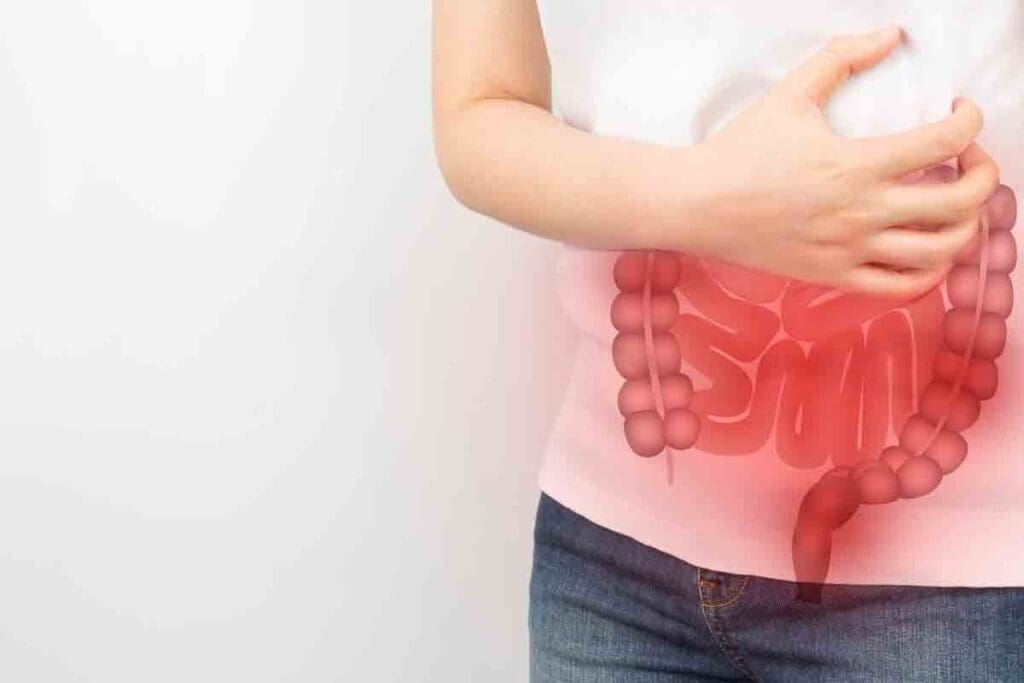
Bands of scar tissue, known as adhesions, can form inside the abdomen and connect loops of the intestine or attach them to nearby organs. These adhesions in bowel often develop after abdominal surgery or inflammation, creating irregular bands of tissue.
In many cases, adhesions in bowel can cause severe abdominal pain or even lead to a life-threatening bowel obstruction. Understanding why these adhesions form and what complications they can cause is essential for both prevention and effective management.
Key Takeaways
- Adhesions are bands of scar tissue that can form between the intestine and other abdominal organs.
- Abdominal surgery is a primary cause of adhesions.
- Adhesions can lead to bowel obstruction, a potentially life-threatening condition.
- Effective prevention and management of adhesive disease requires understanding its causes and consequences.
- Patients recovering from abdominal surgery are at risk of developing adhesions.
Understanding Bowel Adhesions: Definition and Overview
It’s important to know about bowel adhesions to understand their effect on digestion. These are abnormal bands of fibrotic tissue. They form between loops of the intestine or between the intestine and other organs in the abdomen.
What Are Bowel Adhesions?
Bowel adhesions are scar tissue that forms after surgery, infection, or trauma. They can be thin and filmy or thick and dense. This affects how well the intestine works.
Having bowel adhesions can cause problems like bowel obstruction, chronic pain, and infertility. While many people with adhesions don’t show symptoms, others face severe issues.
Prevalence and Impact on Digestive Health
Bowel adhesions often happen after surgeries in the abdomen or pelvis. Research shows that many patients develop adhesions after such surgeries. But not all will show symptoms.
Adhesions can seriously affect digestion. They can cause partial or complete bowel obstruction. This leads to symptoms like abdominal pain, nausea, vomiting, and constipation. The severity of these symptoms varies.
Knowing about bowel adhesions is key to prevention and management. Doctors must understand the risks. They should take steps to reduce adhesion formation during surgeries.
The Anatomy of the Intestinal System
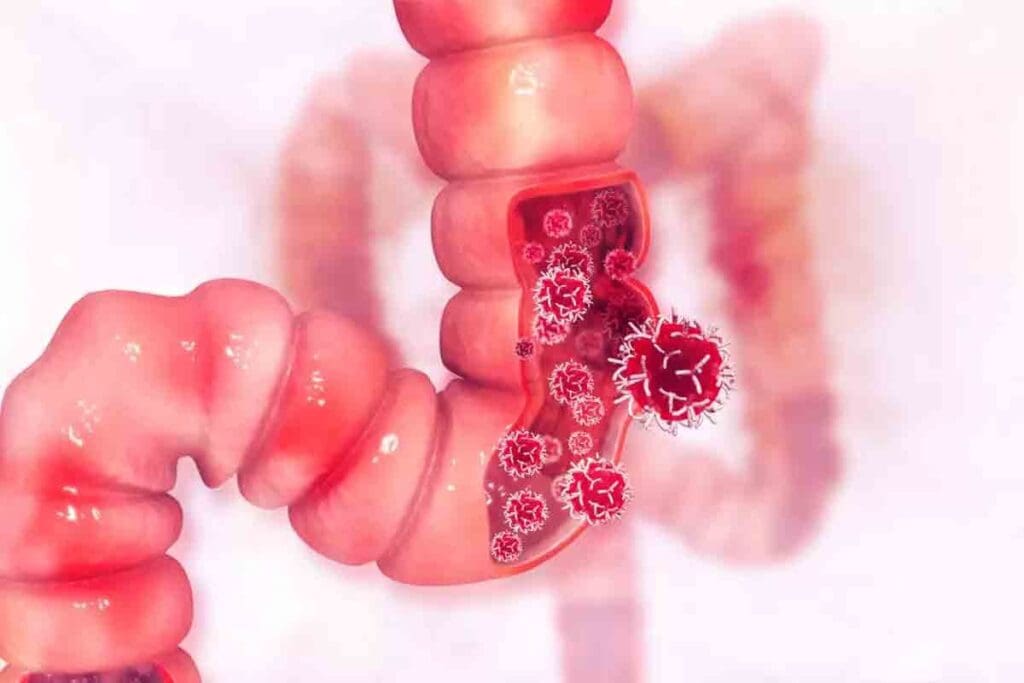
It’s important to know how the intestinal system works to understand adhesions. The system includes the small and large intestines. These organs are key to digestion and health.
Normal Bowel Structure and Function
The small intestine is a long, thin tube. It’s made up of the duodenum, jejunum, and ileum. It absorbs most of our nutrients.
The walls of the small intestine have finger-like projections called villi. These increase the surface area for absorption. The small intestine’s muscles move food through the system, a process called peristalsis.
The large intestine, or colon, includes the cecum, colon, and rectum. It absorbs water, stores feces, and ferments undigested carbs. The colon’s muscles also move food, but slower than the small intestine.
How Adhesions Disrupt Normal Intestinal Movement
Adhesions can harm the intestinal system. They can kink, twist, or pull the intestines out of place, causing obstruction. This can lead to severe pain, vomiting, and constipation.
The normal movement of the intestines is blocked by adhesions. This causes food, fluids, and gases to build up. This makes the condition worse.
| Location of Adhesion | Effect on Intestinal Movement | Potential Complications |
| Small Intestine | Adhesions can cause kinking or twisting, leading to obstruction. | Bowel obstruction, ischemia, necrosis |
| Colonic and Sigmoid | Adhesions can pull the colon out of its normal position, affecting its function. | Constipation, bowel obstruction, chronic pain |
| Pelvic Region | Adhesions can involve the sigmoid colon and other pelvic structures, causing complex symptoms. | Chronic pelvic pain, bowel obstruction, urinary symptoms |
In conclusion, knowing how adhesions affect the intestines is key to treating adhesive bowel obstruction. Understanding the relationship between adhesions, intestinal anatomy, and function is essential for managing this condition.
Primary Causes of Adhesions in Bowel
It’s important to know why bowel adhesions happen. These are abnormal bands of tissue that can form between parts of the intestine or between the intestine and other organs or the abdominal wall. They can cause serious problems, like bowel obstruction.
Abdominal and Pelvic Surgeries
Most bowel adhesions come from abdominal surgery. Both open and laparoscopic surgeries can cause adhesions because of the healing process. Surgical trauma to the peritoneal surface can start an inflammatory response, leading to adhesions. The risk of adhesions is high after these surgeries, which worries both surgeons and patients.
Inflammatory Conditions
Inflammatory conditions in the abdominal cavity can also cause adhesions. For example, peritonitis, an inflammation of the peritoneum often due to infection, can lead to adhesions as the body tries to heal. Other inflammatory bowel diseases like Crohn’s disease can also cause adhesions.
Infections and Abdominal Trauma
Infections in the abdominal cavity, like those from a perforated intestine, can cause a lot of inflammation and adhesions. Abdominal trauma, whether from injury or surgery, can also lead to adhesions. The body’s response to trauma includes inflammation and healing, which can sometimes result in adhesions.
Congenital Adhesions
Congenital adhesions are rare and present at birth. They result from abnormalities in fetal development. While less common than adhesions caused by surgery or inflammation, they can also cause serious problems, like bowel obstruction.
The main reasons for bowel adhesions are complex. They involve surgery, inflammation, infections, and trauma. Knowing these causes is key to preventing adhesions and managing their effects.
The Pathophysiology of Adhesion Formation
It’s important to know how adhesions form to understand bowel obstructions. Adhesions are fibrous bands that can link organs or an organ to the abdominal wall. They can cause problems like bowel obstruction.
The Healing Process Gone Awry
Adhesions form when the body tries to heal from injury. This can be from surgery, trauma, or inflammation. The healing process involves many cells and substances. But sometimes, it goes wrong and adhesions form.
Molecular Mechanisms of Adhesion Development
Adhesions develop through complex molecular actions. Research shows that cytokines and growth factors play a big role. These substances cause inflammation and help create scar tissue in the colon.
The main players in adhesion formation are:
- TGF-β (Transforming Growth Factor-beta): It helps turn fibroblasts into myofibroblasts, important function in making the extracellular matrix.
- VEGF (Vascular Endothelial Growth Factor): It boosts angiogenesis, helping the adhesion get blood vessels.
- IL-1 and TNF-α (Interleukin-1 and Tumor Necrosis Factor-alpha): These cytokines start the inflammation.
Risk Factors That Increase Adhesion Formation
Some factors make it more likely for adhesions to form. These include:
| Risk Factor | Description |
| Abdominal Surgery | Surgery in the abdominal area increases the risk of adhesions. |
| Inflammatory Conditions | Conditions like peritonitis or inflammatory bowel disease can cause adhesions. |
| Trauma | Abdominal trauma can start the adhesion formation process. |
Knowing these risk factors and how adhesions form is key. It helps in finding ways to prevent or reduce scar tissue and bowel obstruction.
Types of Bowel Adhesions by Location
It’s key to know about bowel adhesions by location for good care. These adhesions can happen in different parts of the gut. Each spot has its own health risks.
Small Intestine Adhesions
Adhesions in the small intestine often cause blockages. They can happen after certain surgeries. The small intestine’s narrow space makes it easy for adhesions to block it.
Symptoms include stomach pain, nausea, vomiting, and constipation. If not treated, these adhesions can cause serious problems like bowel ischemia.
Colonic and Sigmoid Adhesions
Adhesions in the colon, like the sigmoid colon, can come from surgeries or conditions like diverticulitis. These can block part or all of the colon.
The clinical presentation includes bloating, pain, and bowel habit changes. Doctors use CT scans or barium enemas to diagnose these adhesions.
Pelvic Adhesions Affecting the Bowel
Pelvic adhesions can affect the bowel, like the sigmoid colon and rectum. They often come from surgeries, endometriosis, or pelvic inflammatory disease. These adhesions can lead to blockages, pain, and other issues.
Dealing with pelvic adhesions needs a team effort. This includes surgery, pain management, and sometimes help with fertility problems.
From Adhesions to Obstruction: The Progression
The journey from adhesions to bowel obstruction is complex. It involves mechanical blockages and changes in how the intestines move. Adhesions can cause the intestines to kink, twist, or pull. This can block the intestinal lumen partially or completely.
Partial vs. Complete Bowel Obstruction
Bowel obstruction can be partial or complete. Partial bowel obstruction means the blockage is not full. This allows some content to pass through. On the other hand, complete bowel obstruction blocks everything, stopping all passage.
The symptoms differ between partial and complete obstructions. Partial obstructions may have symptoms that come and go. Complete obstructions have more severe and sudden symptoms.
Mechanical Factors in Adhesional Obstruction
Mechanical factors are key in adhesional bowel obstruction. Adhesions can cause:
- Kinking or angulation of the intestine
- Twisting or volvulus of the intestine
- Compression or external pressure on the intestine
These factors can reduce blood flow to the intestine. This can lead to ischemia and make the obstruction worse.
“The formation of adhesions and their ability to cause bowel obstruction is a big worry in abdominal surgery. It shows the importance of careful surgery and post-operative care.”
The Role of Intestinal Motility Changes
Changes in intestinal motility also play a part. These changes can cause a buildup of contents before the blockage. This makes the problem worse.
It’s important to understand how mechanical factors and motility changes work together. This helps in diagnosing and treating adhesional bowel obstruction.
Clinical Presentation of Adhesive Bowel Obstruction
It’s important to know how adhesive bowel obstruction presents. This condition happens when adhesions block the bowel. Symptoms can differ a lot from person to person.
Common Symptoms and Warning Signs
Symptoms include severe abdominal pain, vomiting, bloating, and constipation. Doctors say symptoms can start suddenly or slowly. Severe abdominal pain is often the most distressing symptom, described as colicky and intermittent, but can be constant in some cases.
Patients may also feel nauseous and vomit, which can be bilious if the blockage is in the distal small bowel or colon. Bloating and abdominal distension happen due to gas and fluid buildup in the blocked bowel segment.
Acute vs. Chronic Manifestations
Adhesive bowel obstruction can happen suddenly or over time. Acute cases have sudden symptoms that need quick medical help. Chronic cases have recurring partial blockages with symptoms that can be less obvious and change a lot.
Chronic or intermittent obstruction makes diagnosis harder because symptoms can go away and come back. Even partial blockages can turn into complete ones, so it’s important to watch closely and act fast.
When to Seek Medical Attention
If you think you might have adhesive bowel obstruction, get medical help right away. Warning signs that need immediate check-up include severe abdominal pain, persistent vomiting, fever, and signs.
- Severe or worsening abdominal pain
- Vomiting, especially if bilious
- Abdominal tenderness or guarding
- Fever or signs of infection
- Constipation or obstipation
Seeing a doctor early can really help. It can lower the chance of serious problems and make treatment more likely to work.
Diagnostic Approaches for Bowel Adhesions
To find bowel adhesions, doctors use many methods. Finding adhesions in the bowel is hard. It takes several tests to see if they are there and how bad they are.
Imaging Techniques
Imaging is key in finding bowel adhesions. Doctors often use:
- Plain abdominal radiographs
- Computed Tomography (CT) scans
- Ultrasound
- Magnetic Resonance Imaging (MRI)
These tools help spot signs of blockages in the bowel. Signs like big loops of bowel and air-fluid levels suggest adhesions.
Laboratory Tests
Labs help confirm bowel adhesions and rule out other issues. Tests include:
- Complete Blood Count (CBC)
- Blood chemistry tests
- Liver function tests
These tests check the patient’s health. They help find any other problems.
Differential Diagnosis Considerations
It’s important to think of other possible causes when diagnosing bowel adhesions. Symptoms can look like other conditions. Doctors must consider:
- Inflammatory bowel disease
- Bowel tumors
- Hernias
Looking at all possible causes helps make sure the diagnosis is right. This leads to the best treatment plan.
Treatment Options for Adhesional Bowel Obstruction
Managing adhesional bowel obstruction requires understanding different treatments. The right treatment depends on the obstruction’s severity, the patient’s health, and any complications.
Conservative Management Approaches
For mild obstructions or stable patients, starting with conservative management is common. This might include bowel rest and nasogastric suction to manage vomiting and swelling. It’s also important to replace lost fluids and electrolytes through fluid resuscitation. Sometimes, total parenteral nutrition (TPN) is needed to feed the patient.
Surgical Interventions
If conservative methods don’t work, surgery is considered. Surgery aims to remove adhesions or affected bowel parts. Laparoscopic surgery is a less invasive option with smaller cuts and quicker healing. But open surgery might be needed for complex cases or when laparoscopy isn’t possible.
Emerging Therapies and Innovations
New research is exploring treatments for adhesional bowel obstruction. Anti-adhesion barriers are being tested to prevent new adhesions during surgery. Also, pharmacological agents are being developed to reduce adhesion formation. Advances in minimally invasive surgical techniques are also expected to help patients.
Complications and Long-term Consequences
Adhesions on the bowels can lead to serious problems, like recurrent bowel obstruction. These adhesions can cause changes in the bowel that affect digestion and overall health.
Recurrent Bowel Obstruction
Recurrent bowel obstruction is a big worry with bowel adhesions. Adhesions can twist or kink the intestine, causing blockages. This is a concern for those who have had bowel obstruction before.
| Risk Factors | Description | Impact on Recurrent Obstruction |
| Previous abdominal surgery | Increases the likelihood of adhesion formation | High |
| History of bowel obstruction | Previous episodes may indicate a higher risk of recurrence | Moderate to High |
| Presence of multiple adhesions | Complex adhesions may increase the risk of obstruction | High |
Chronic Pain Syndromes
Bowel adhesions can also cause chronic pain. The adhesions can irritate nerves or disrupt bowel movement. Dealing with this pain can be tough and often needs a team effort.
Impact on Quality of Life
Complications from bowel adhesions, like chronic pain and obstruction, can really affect a person’s life. They may need to change their diet and worry about future problems. This can make life harder.
Effective management of bowel adhesions needs a full plan. It should tackle both immediate and long-term issues. Knowing the risks helps doctors give better care.
Conclusion: Living with and Managing Bowel Adhesions
Living with bowel adhesions means you need to manage symptoms and prevent problems. It’s important to know what bowel adhesions are and how they cause bowel obstruction. This knowledge helps in managing the condition effectively.
Managing bowel adhesions involves making lifestyle changes and getting medical help. Eating a high-fiber diet can help prevent bowel obstruction. It’s also key to see your healthcare provider regularly to keep an eye on your condition.
If bowel adhesions cause severe symptoms or problems, surgery might be needed. New treatments and surgical methods are being developed. These could help manage bowel obstruction better.
Being proactive in managing bowel adhesions can lower the risk of serious issues. It’s vital to work with your healthcare team to create a plan that suits you. This way, you can improve your life quality.
FAQ
What are bowel adhesions?
Bowel adhesions are abnormal bands of scar tissue. They can form between the intestine and other organs in the abdomen. Or between different parts of the intestine.
What causes adhesions in the bowel?
Abdominal and pelvic surgeries are the main causes. Inflammatory conditions, infections, and trauma also play a role. Rarely, adhesions can be present at birth.
How do adhesions lead to bowel obstruction?
Adhesions can cause the intestines to kink, twist, or pull. This can block the flow of food, leading to obstruction.
What are the symptoms of adhesive bowel obstruction?
Symptoms include abdominal pain, nausea, vomiting, constipation, and bloating. The severity and how symptoms show can vary.
How is adhesive bowel obstruction diagnosed?
Imaging, like X-rays, CT scans, or ultrasound, is used. Lab tests also check for signs of obstruction or infection.
What are the treatment options for adhesional bowel obstruction?
Treatment can be non-surgical, like bowel rest and hydration. Surgery may be needed to relieve the blockage. New treatments are also being explored.
Can bowel adhesions be prevented?
Some risks can’t be avoided, but steps like minimizing tissue trauma in surgery help. Using anti-adhesive barriers may also reduce adhesion formation.
What are the long-term consequences of bowel adhesions?
Long-term effects include recurrent obstruction and chronic pain. These can greatly affect a person’s quality of life.
How can bowel adhesions be managed?
Management involves lifestyle changes, medical care, and sometimes surgery. Working with a healthcare provider to create a personalized plan is key.
Are there any new treatments for bowel adhesions?
Yes, new treatments and innovations are being researched. This includes new surgical methods and anti-adhesive treatments.
What is the difference between small intestine adhesions and colonic adhesions?
Small intestine adhesions happen in the small intestine. Colonic adhesions occur in the colon. Both can cause obstruction, but symptoms and location differ.
Can adhesions cause chronic pain?
Yes, adhesions can lead to chronic pain syndromes. This can significantly affect a person’s quality of life.