Last Updated on November 26, 2025 by Bilal Hasdemir

Cancer is a major cause of death worldwide, with millions diagnosed every year. Adjuvant therapy is key in cancer treatment, helping to increase survival rates.
Adjuvant chemotherapy follows surgery or radiation to eliminate residual cancer cells and reduce recurrence risk. Different cancer treatment drugs are used, based on the cancer type and stage.
For example, breast cancer chemo drugs and colon cancer chemo drugs target cancer in these areas. Knowing how these chemotherapy medications work is important for managing cancer well.
Key Takeaways
- Cancer diagnosis rates remain high globally.
- Adjuvant chemotherapy is key for lowering cancer recurrence.
- Different cancers need specific chemotherapy drugs.
- Understanding adjuvant therapy drugs is vital for effective cancer treatment.
- Breast and colon cancer have specific chemo drugs.
The Role and Purpose of Adjuvant Chemotherapy
Adjuvant chemotherapy is a key part of cancer treatment. It aims to kill any cancer cells left after surgery or radiation. This helps lower the chance of cancer coming back and improves patient outcomes.
Definition and Goals of Post-Surgical Treatment
Adjuvant chemotherapy uses chemotherapy medications after the main treatment. It’s to lower the risk of cancer coming back. The goal is to get rid of any cancer cells that tests can’t find.
The main aims of adjuvant chemotherapy are to prevent cancer from coming back, improve survival rates, and better the quality of life for patients.
Difference Between Adjuvant, Neoadjuvant, and Palliative Approaches
It’s important to know the different ways chemotherapy is used in cancer treatment. Adjuvant chemotherapy is given after the main treatment to stop cancer from coming back. Neoadjuvant chemotherapy is used before to make tumors smaller and easier to remove. Palliative chemotherapy is for patients with advanced cancer to ease symptoms and improve life quality.
| Chemotherapy Approach | Timing | Primary Goal |
| Adjuvant | After primary treatment | Prevent cancer recurrence |
| Neoadjuvant | Before primary treatment | Shrink tumors for easier removal |
| Palliative | Any stage of advanced cancer | Relieve symptoms and improve quality of life |
When Adjuvant Chemotherapy is Recommended
Adjuvant chemotherapy is suggested for patients who have had surgery for cancer and are at risk of it coming back. The choice to use it depends on the cancer type and stage, the patient’s health, and genetic markers.
Common Adjuvant Chemotherapy Drugs and Their Mechanisms
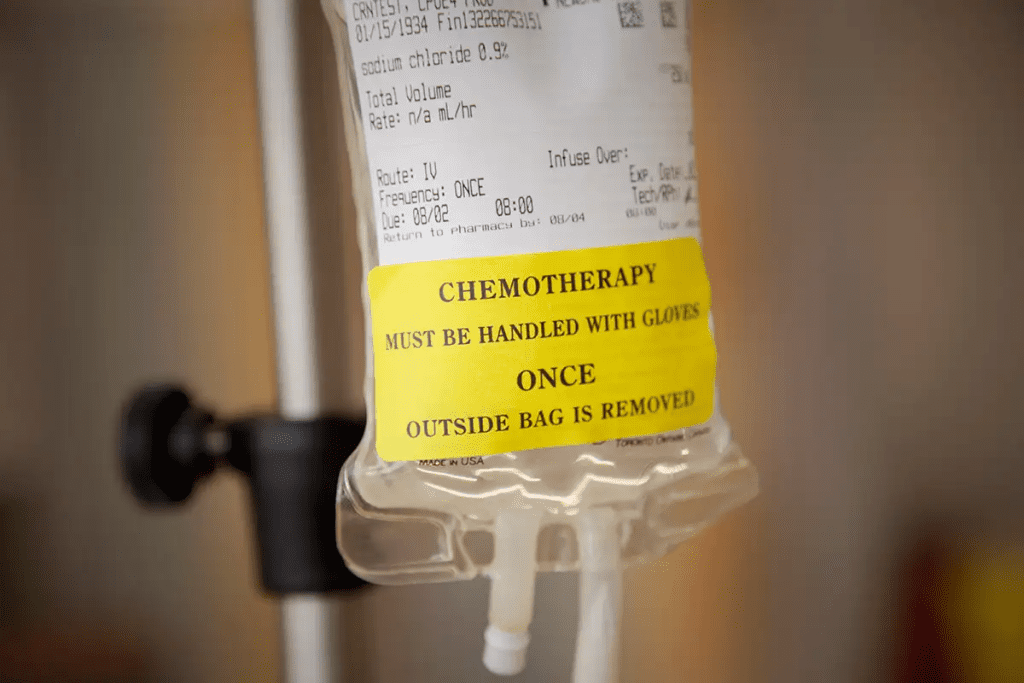
Adjuvant chemotherapy uses a mix of drugs to fight cancer. These drugs are picked based on how they work, the cancer type, and the patient’s health.
Alkylating Agents
Alkylating agents add an alkyl group to cancer cells’ DNA. This stops them from copying themselves and kills the cells. Cyclophosphamide and Ifosfamide are often used in these treatments.
Antimetabolites
Antimetabolites slow down cancer cell growth by blocking DNA making. 5-Fluorouracil, Methotrexate, and Gemcitabine are used in adjuvant treatments.
Anthracyclines
Anthracyclines, like Doxorubicin and Epirubicin, fight many cancers. They mess with DNA and RNA, making and damaging cell membranes with free radicals.
Taxanes
Taxanes, such as Paclitaxel and Docetaxel, stop cell division by messing with microtubules. This leads to cancer cell death.
The table below lists common adjuvant chemotherapy drugs, their classes, and how they work:
| Drug Class | Examples | Mechanism of Action |
| Alkylating Agents | Cyclophosphamide, Ifosfamide | Add an alkyl group to DNA, interfering with replication |
| Antimetabolites | 5-Fluorouracil, Methotrexate, Gemcitabine | Inhibit DNA synthesis |
| Anthracyclines | Doxorubicin, Epirubicin | Intercalate DNA, inhibit DNA/RNA synthesis, generate free radicals |
| Taxanes | Paclitaxel, Docetaxel | Inhibit microtubule function, induce apoptosis |
Knowing how these drugs work is key to making effective treatments for each patient.
Breast Cancer Adjuvant Chemotherapy Drugs
Adjuvant chemotherapy is key in treating breast cancer. It lowers the chance of cancer coming back and boosts survival chances. The right treatment plan depends on the cancer’s stage, type, and the patient’s health.
AC-T Regimen (Adriamycin/Cyclophosphamide followed by Taxane)
The AC-T regimen is a common treatment for breast cancer. It uses Adriamycin (doxorubicin) and cyclophosphamide first, then a taxane like paclitaxel or docetaxel. Studies show it helps prevent cancer from coming back in early-stage cases.
TC Protocol (Taxotere/Cyclophosphamide)
The TC protocol is another treatment for breast cancer. It mixes docetaxel (Taxotere) and cyclophosphamide. It’s chosen for its good side effect balance and effectiveness in stopping cancer from coming back.
Dose-Dense Regimens and Their Benefits
Dose-dense regimens give chemotherapy more often, like every two weeks. This method has been shown to help some patients by keeping treatments closer together. It might stop tumors from growing back.
HER2-Targeted Adjuvant Therapies (Trastuzumab, Pertuzumab)
For HER2-positive breast cancer, HER2-targeted therapies like trastuzumab and pertuzumab have changed treatment. These drugs target the HER2 protein in HER2-positive cancers. Adding trastuzumab to chemotherapy has greatly improved survival rates for these patients.
Using pertuzumab with trastuzumab and chemotherapy has also boosted results for HER2-positive breast cancer patients. This two-pronged attack on HER2 has become a standard treatment for many with node-positive or high-risk node-negative disease.
Colorectal and Rectal Cancer Adjuvant Chemotherapy Drugs
Effective adjuvant chemotherapy regimens are key to better outcomes for patients with colorectal and rectal cancer. This treatment is given after the main therapy, like surgery. It aims to lower the chance of cancer coming back by getting rid of any leftover cancer cells.
FOLFOX Regimen
The FOLFOX regimen combines 5-Fluorouracil (5-FU), Leucovorin, and Oxaliplatin. It’s a common adjuvant chemotherapy for colorectal cancer. Studies show it greatly improves survival rates and time without disease in stage III colon cancer patients.
CAPOX/XELOX Protocol
The CAPOX/XELOX protocol uses Capecitabine and Oxaliplatin. It’s an oral chemotherapy option. It’s easy for patients to take and works as well as FOLFOX for some patients.
Single-Agent Capecitabine for Lower-Risk Patients
For those with lower-risk disease, single-agent Capecitabine is often suggested. This option is less harsh. It’s good for patients who can’t handle stronger chemotherapy.
Differences in Colon vs. Rectal Cancer Adjuvant Approaches
Though adjuvant chemotherapy is similar for colon and rectal cancer, there are differences. Rectal cancer often combines radiation with chemotherapy. Colon cancer treatment might focus more on chemotherapy alone.
| Regimen | Drugs | Typical Use |
| FOLFOX | 5-FU, Leucovorin, Oxaliplatin | Stage III Colon Cancer |
| CAPOX/XELOX | Capecitabine, Oxaliplatin | Stage III Colon Cancer, Alternative to FOLFOX |
| Single-Agent Capecitabine | Capecitabine | Lower-Risk Patients |
Lung Cancer Adjuvant Chemotherapy Drugs
Lung cancer patients often get better with adjuvant chemotherapy after surgery. This treatment is key for early-stage lung cancer.
Cisplatin-Vinorelbine Combination
The cisplatin–vinorelbine combo is a top choice for lung cancer adjuvant chemotherapy. Cisplatin damages cancer cells’ DNA, stopping them from growing. Vinorelbine messes with cancer cells’ structure, causing them to die. Research shows this mix can help patients live longer and lower the chance of cancer coming back.
Carboplatin-Paclitaxel Alternative
For those who can’t handle cisplatin, carboplatin–paclitaxel is a good option. Carboplatin has fewer side effects than cisplatin. Paclitaxel stops cells from dividing, leading to cell death. This combo is effective and easier to handle.
Adjuvant Immunotherapy with Checkpoint Inhibitors
Immunotherapy has changed lung cancer treatment. Checkpoint inhibitors like pembrolizumab and nivolumab boost the immune system against cancer. They block pathways that stop T-cells from attacking cancer. Early studies suggest immunotherapy can improve survival rates.
Duration and Scheduling Considerations
How long and when adjuvant chemotherapy is given varies. It depends on the treatment, patient’s health, and cancer stage. Factors influencing treatment duration include the patient’s overall health, the stage of cancer, and how well the patient tolerates the chemotherapy. Finding the best schedule is key to getting the most benefit while reducing side effects.
Ovarian Cancer Adjuvant Chemotherapy Drugs
Adjuvant chemotherapy is key in fighting ovarian cancer. It helps patients live longer. Ovarian cancer is often found late, so good treatment is vital to stop it coming back.
Standard Carboplatin-Paclitaxel Protocol
The usual treatment for ovarian cancer is carboplatin and paclitaxel together. This combo has been proven to help patients live longer. It kills cancer cells left after surgery.
Intraperitoneal Chemotherapy Approaches
Intraperitoneal chemotherapy puts drugs right into the belly. It’s great for ovarian cancer because it hits cancer cells hard. Research shows it can help some patients live longer.
PARP Inhibitors as Maintenance Therapy
PARP inhibitors are a big step forward in treating ovarian cancer. They’re best for those with BRCA1/2 mutations. These drugs stop cancer cells from fixing DNA damage. They help patients live longer without the cancer growing.
Dose-Dense Weekly Paclitaxel Regimens
Dose-dense weekly paclitaxel is another way to fight ovarian cancer. It gives paclitaxel more often than usual. Studies suggest it can help some patients live longer, but it might also cause more side effects.
In summary, treating ovarian cancer with adjuvant chemotherapy includes many options. These include the standard carboplatin-paclitaxel, intraperitoneal chemotherapy, PARP inhibitors, and dose-dense paclitaxel. Each method has its own benefits and is chosen based on the patient’s needs and the cancer’s type.
Pancreatic Cancer Adjuvant Chemotherapy Drugs
Adjuvant chemotherapy is key in treating pancreatic cancer. It helps improve patient outcomes. Choosing the right drugs depends on the cancer stage, patient health, and genetic mutations.
Modified FOLFIRINOX
The modified FOLFIRINOX regimen includes 5-FU, leucovorin, irinotecan, and oxaliplatin. It has shown great promise in boosting survival rates for pancreatic cancer patients. It works best for those with good health.
“The FOLFIRINOX regimen has become a standard of care for many pancreatic cancer patients, improving survival,” recent guidelines say.
Gemcitabine with or without Capecitabine
Gemcitabine, often paired with capecitabine, is a common treatment for pancreatic cancer. This combo has shown to increase survival in some patients.
- Gemcitabine alone is used for those who can’t handle combo therapy.
- Adding capecitabine to gemcitabine has been linked to better survival in studies.
S-1 Based Regimens in Asian Populations
S-1, an oral drug, is widely used in Asian patients with pancreatic cancer. It’s known for its effectiveness and safety, making it a good choice.
Treatment Duration and Monitoring
Adjuvant chemotherapy for pancreatic cancer lasts 3 to 6 months. Regular checks through imaging and tumor markers are vital. They help see how well the treatment is working and catch any signs of cancer coming back early.
Gastric Cancer Adjuvant Chemotherapy Drugs
The treatment for gastric cancer has improved with new adjuvant chemotherapy. This treatment aims to kill any cancer cells left after surgery. It also helps lower the chance of cancer coming back.
FLOT Regimen (5-FU, Leucovorin, Oxaliplatin, Docetaxel)
The FLOT regimen is a new and promising treatment for gastric cancer. It combines 5-FU, leucovorin, oxaliplatin, and docetaxel. Studies show it greatly improves survival and time without cancer coming back.
This regimen is special because it uses a strong mix of drugs. This mix has been linked to better results for patients.
S-1 Based Therapy in Eastern Populations
In Eastern countries, S-1 is a key part of gastric cancer treatment. S-1 is an oral drug that works well and is easy to take. It’s a good choice because it’s taken by mouth, not injected.
The ACTS-GC trial found S-1 helps patients live longer. This supports its use in treating stage II/III gastric cancer.
Capecitabine-Oxaliplatin Combinations
Capecitabine and oxaliplatin (CAPOX or XELOX) are also used in gastric cancer treatment. This mix improves survival and time without cancer. Capecitabine is easy to take by mouth, and oxaliplatin adds a strong element to the treatment.
Regional Differences in Treatment Approaches
Treatment for gastric cancer varies by region. In Western countries, the FLOT regimen is becoming more popular. In Eastern countries, S-1 is the main choice. These differences depend on patient needs, tumor types, and local studies.
Choosing the right treatment for gastric cancer depends on many factors. These include the cancer stage, patient health, and what treatments are common in the area. Research and trials are ongoing to find the best treatments for gastric cancer.
Gynecological Cancers Adjuvant Chemotherapy Drugs
Gynecological cancers include cervical, endometrial, uterine sarcoma, and vulvar cancer. Each type needs a specific treatment plan. Adjuvant chemotherapy is a key part of this plan.
Cervical Cancer: Cisplatin with Radiation
Cisplatin is often used in cervical cancer treatment. It makes radiation therapy work better. This combo helps patients with high-risk cervical cancer.
Endometrial Cancer: Carboplatin-Paclitaxel Protocol
Carboplatin and paclitaxel are used for endometrial cancer. This combo helps lower the chance of cancer coming back. It’s good for patients with high-risk endometrial cancer.
Uterine Sarcoma: Gemcitabine-Docetaxel Combination
Uterine sarcoma is rare and aggressive. Gemcitabine and docetaxel are used together as chemotherapy. This combo helps improve survival chances.
Vulvar Cancer: Cisplatin-Based Approaches
Vulvar cancer treatment may include cisplatin. It’s often used with radiation therapy. Cisplatin makes treatment more effective for vulvar cancer.
Choosing the right chemotherapy for gynecological cancers is complex. It depends on the cancer type, stage, and the patient’s health.
| Cancer Type | Common Adjuvant Chemotherapy Drugs | Treatment Approach |
| Cervical Cancer | Cisplatin | Cisplatin with Radiation |
| Endometrial Cancer | Carboplatin, Paclitaxel | Carboplatin-Paclitaxel Protocol |
| Uterine Sarcoma | Gemcitabine, Docetaxel | Gemcitabine-Docetaxel Combination |
| Vulvar Cancer | Cisplatin | Cisplatin-Based Approaches with Radiation |
Head and Neck Cancer Adjuvant Chemotherapy Drugs
Adjuvant chemotherapy drugs are key in fighting head and neck cancer. They help get rid of any cancer cells left after surgery or radiation. This lowers the chance of cancer coming back.
High-Risk Features Requiring Adjuvant Treatment
Some patients need adjuvant chemotherapy because of high-risk features. These include positive or close surgical margins, nodal extension outside the capsule, and advanced tumor stages. These signs mean there’s a higher chance of cancer coming back, making adjuvant treatment very important.
- Positive or close surgical margins
- Extracapsular nodal extension
- Advanced tumor stage
Cisplatin as Concurrent Radiosensitizer
Cisplatin is a common chemotherapy drug for head and neck cancer. It’s given with radiation therapy to make it work better. This combo helps control cancer better and can improve survival chances.
Cetuximab for Cisplatin-Ineligible Patients
For those who can’t take cisplatin, cetuximab is an option. It’s an EGFR inhibitor used with radiation therapy. It’s a good choice for those who can’t handle cisplatin.
Novel Immunotherapy Approaches
New immunotherapy drugs are changing how we treat head and neck cancer. Drugs like pembrolizumab and nivolumab are being tested in trials. They help the body fight cancer cells better.
- Pembrolizumab
- Nivolumab
Adding these new therapies to treatment plans might bring hope to patients. It could lead to better survival rates and quality of life.
Bladder and Brain Tumor Adjuvant Chemotherapy Drugs
For those with bladder or brain tumors, adjuvant chemotherapy is key. It aims to kill any cancer cells left after surgery. This helps lower the chance of cancer coming back.
Bladder Cancer: Gemcitabine-Cisplatin and MVAC Regimens
Adjuvant chemotherapy is used to stop bladder cancer from coming back. The gemcitabine-cisplatin combo is a common choice. It uses two drugs to attack bladder cancer cells. MVAC is another option, with drugs like methotrexate and cisplatin.
Gemcitabine-Cisplatin Regimen: This mix is good at stopping bladder cancer cells from making DNA. It helps kill these cells.
MVAC Regimen: MVAC is more intense but works well for advanced bladder cancer. It has a high success rate.
| Regimen | Drugs | Usage |
| Gemcitabine-Cisplatin | Gemcitabine, Cisplatin | Commonly used for bladder cancer |
| MVAC | Methotrexate, Vinblastine, Doxorubicin, Cisplatin | Used for advanced bladder cancer |
Glioblastoma: Temozolomide with Radiation
Glioblastoma, a brain tumor, is treated with temozolomide and radiation. Temozolomide damages cancer cells’ DNA. This stops them from growing.
Temozolomide’s Role: As a pill, temozolomide is given with radiation. It makes the treatment better against glioblastoma cells.
Medulloblastoma: Cisplatin-Based Protocols
Medulloblastoma, a brain tumor in kids, is treated with cisplatin. This might include cisplatin with other drugs.
Cisplatin’s Efficacy: Cisplatin works by linking DNA in cancer cells. This stops them from dividing and kills them.
Treatment Intensity Based on Risk Stratification
The strength of adjuvant chemotherapy depends on the risk. Those with higher-risk tumors get stronger treatments.
Knowing about these chemotherapy plans is important. It helps patients and doctors make the best treatment choices.
Future Directions in Adjuvant Chemotherapy Drugs
New treatments and personalized medicine are changing adjuvant chemotherapy. These changes aim to improve treatment results and lessen side effects.
Immunotherapy Integration in Adjuvant Settings
Adjuvant immunotherapy is a new way to stop cancer from coming back. Checkpoint inhibitors help the immune system fight cancer cells better. Trials are testing this approach in lung, breast, and melanoma cancers.
Targeted Therapies Based on Molecular Profiling
Molecular profiling lets us make treatments that match a tumor’s genetic makeup. This makes treatments more precise, which can lead to better results and fewer side effects. Scientists are working to find new targets and treatments.
Liquid Biopsy for Treatment Monitoring
Liquid biopsy is a blood test that checks for cancer DNA. It’s a way to see how well treatment is working and if cancer might come back. This helps doctors adjust treatments as needed.
De-escalation Strategies for Low-Risk Patients
Doctors are looking to give less treatment to patients at low risk of cancer coming back. This could make treatments safer and improve life quality. They’re searching for ways to tell who needs less treatment.
These new methods could change how we treat cancer. They promise more tailored and effective care for patients.
Conclusion
Adjuvant chemotherapy drugs are key in cancer treatment. They help get rid of any cancer cells left after surgery or radiation. These drugs are used for many types of cancer, like breast, colorectal, lung, and ovarian.
The right chemotherapy plan depends on several things. This includes the cancer type and stage, the patient’s health, and the tumor’s characteristics. Common drugs include alkylating agents, antimetabolites, anthracyclines, and taxanes. They are often used together.
Every patient is different, so personalized treatment is important. Research is ongoing to improve adjuvant chemotherapy. This includes studying immunotherapy, targeted therapies, and liquid biopsy for monitoring treatment.
Knowing how adjuvant chemotherapy works can help both patients and doctors. It aids in making better treatment choices for cancer.
FAQ
What is adjuvant chemotherapy, and how does it differ from other types of chemotherapy?
Adjuvant chemotherapy is a treatment given after surgery to lower cancer return risk. It’s different from neoadjuvant, given before surgery, and palliative, for symptom relief.
What are the most common adjuvant chemotherapy drugs used across different cancer types?
Common drugs include anthracyclines, taxanes, antimetabolites, and platinum-based drugs. These are used in various cancers.
How are adjuvant chemotherapy regimens determined for breast cancer patients?
Regimens for breast cancer depend on tumor size, grade, hormone receptor status, and lymph node involvement. Common ones are AC-T and TC.
What is the role of HER2-targeted therapies in breast cancer adjuvant chemotherapy?
HER2-targeted therapies like trastuzumab target the HER2 protein in HER2-positive breast cancer. They improve outcomes.
What are the standard adjuvant chemotherapy regimens for colorectal cancer?
For colorectal cancer, FOLFOX and CAPOX/XELOX are standard treatments.
How does adjuvant chemotherapy differ for rectal cancer compared to colon cancer?
Rectal cancer often gets radiation and chemotherapy together. Colon cancer usually gets chemotherapy alone.
What are the emerging trends in adjuvant chemotherapy for lung cancer?
Lung cancer treatment is moving towards immunotherapy and targeted therapies based on molecular profiles.
What is the standard adjuvant chemotherapy regimen for ovarian cancer?
Ovarian cancer treatment includes carboplatin-paclitaxel. Some also get intraperitoneal chemotherapy or PARP inhibitors.
What are the adjuvant chemotherapy options for pancreatic cancer?
Options include modified FOLFIRINOX and gemcitabine-based treatments. S-1 based regimens are used in some Asian populations.
How is adjuvant chemotherapy used in the treatment of gastric cancer?
Gastric cancer treatment may use FLOT or S-1 based therapy. Treatment approaches vary by region.
What are the adjuvant chemotherapy regimens used for gynecological cancers?
Regimens vary by cancer type. Cisplatin is used for cervical cancer, and carboplatin-paclitaxel for endometrial cancer. Gemcitabine-docetaxel is used for uterine sarcoma.
What is the role of adjuvant chemotherapy in head and neck cancer?
Adjuvant chemotherapy improves outcomes in high-risk head and neck cancer patients. Cisplatin is often used with radiation, or cetuximab for those not eligible for cisplatin.
How is adjuvant chemotherapy used in the treatment of bladder and brain tumors?
Bladder cancer treatment may include gemcitabine-cisplatin or MVAC regimens. Glioblastoma treatment involves temozolomide with radiation. Medulloblastoma treatment uses cisplatin-based protocols.
What are the future directions in adjuvant chemotherapy?
Future directions include integrating immunotherapy and targeted therapies. Liquid biopsy for monitoring and de-escalation strategies for low-risk patients are also being explored.
References
- Chan, E. K. H., & colleagues. (2019). Making sense of adjuvant chemotherapy in colorectal cancer: a review of current recommendations and controversies. Journal of Gastrointestinal Oncology. https://jgo.amegroups.org/article/view/29527/html