Last Updated on November 26, 2025 by Bilal Hasdemir

Cancer treatment has grown more complex, with many chemotherapy options. A common question is if adjuvant chemotherapy is the same as preventive chemotherapy. Though both are linked to cancer treatment, they mean different things.
Adjuvant chemotherapy is used after the main treatment to lower cancer coming back. Preventive chemotherapy is not a standard term in oncology and is rarely used in clinical practice. It might mean chemotherapy for those at high risk of getting cancer.
It’s key for patients and doctors to know the difference. This helps in making better choices about cancer treatment.
Key Takeaways
- Adjuvant chemotherapy is given after primary treatment to reduce cancer recurrence risk.
- Preventive chemotherapy is not a standard term in cancer treatment.
- Chemotherapy options vary depending on the type and stage of cancer.
- Understanding the differences between chemotherapy types is key for informed decisions.
- Cancer treatment should be personalized and guided by healthcare professionals.
Understanding Cancer Treatment Terminology
To understand cancer treatment, it’s key to know the basic terms used by doctors. Cancer treatment has many medical words that can confuse patients and their families.
Medical Terminology in Oncology
Oncology uses many terms to talk about cancer types, stages, and treatments. Knowing these terms helps patients make good choices about their care. Adjuvant therapy is extra treatment after the main treatment to prevent cancer from coming back.
Oncology has its own special words for chemotherapy, radiation, and surgery. Knowing these terms helps patients understand their treatment and talk better with their doctors.
The Importance of Precise Treatment Classification
It’s very important to classify cancer treatments correctly. Treatment classification sorts treatments by their goal, like curing, relieving symptoms, or preventing recurrence. This helps make treatment plans that fit each patient’s needs.
| Treatment Type | Purpose | Examples |
| Curative | Aim to cure cancer | Surgery, Chemotherapy, Radiation Therapy |
| Palliative | Relieve symptoms | Pain management, Symptom control |
| Adjuvant | Reduce risk of recurrence | Chemotherapy, Hormone therapy |
Knowing the differences in treatment types helps patients and families make better choices. It shows how important it is for doctors and patients to talk clearly.
Defining Adjuvant Therapy: Core Concepts
The term ‘adjuvant therapy’ is often used in oncology but not always understood. It means extra treatment after the main treatment to prevent cancer from coming back.
What Does “Adjuvant” Mean in Medicine?
In medicine, ‘adjuvant’ means a treatment added to the main one. It comes from the Latin ‘adjuvare,’ meaning ‘to help.’ In cancer treatment, it helps the main treatment by getting rid of any leftover cancer cells.
Historical Development of Adjuvant Treatments
Adjuvant therapy has changed a lot over time. At first, it was just treatments after surgery to lower cancer return risk. Now, it includes chemotherapy, radiation, and hormone therapy, used with main treatments.
As we learn more about cancer, adjuvant therapies have become more advanced. This is thanks to cancer research and understanding tumor biology.
Adjuvant Therapy Definition in Modern Oncology
In today’s oncology, adjuvant therapy is treatments after the main one to prevent cancer return. It can be chemotherapy, radiation, hormone therapy, or targeted therapy. The choice depends on the cancer type, stage, and patient’s health.
Adjuvant therapy is key in cancer treatment. It gets rid of tiny cancer cells left after the main treatment. Knowing about adjuvant therapy helps patients and doctors make better treatment choices.
The Purpose of Adjuvant Chemotherapy
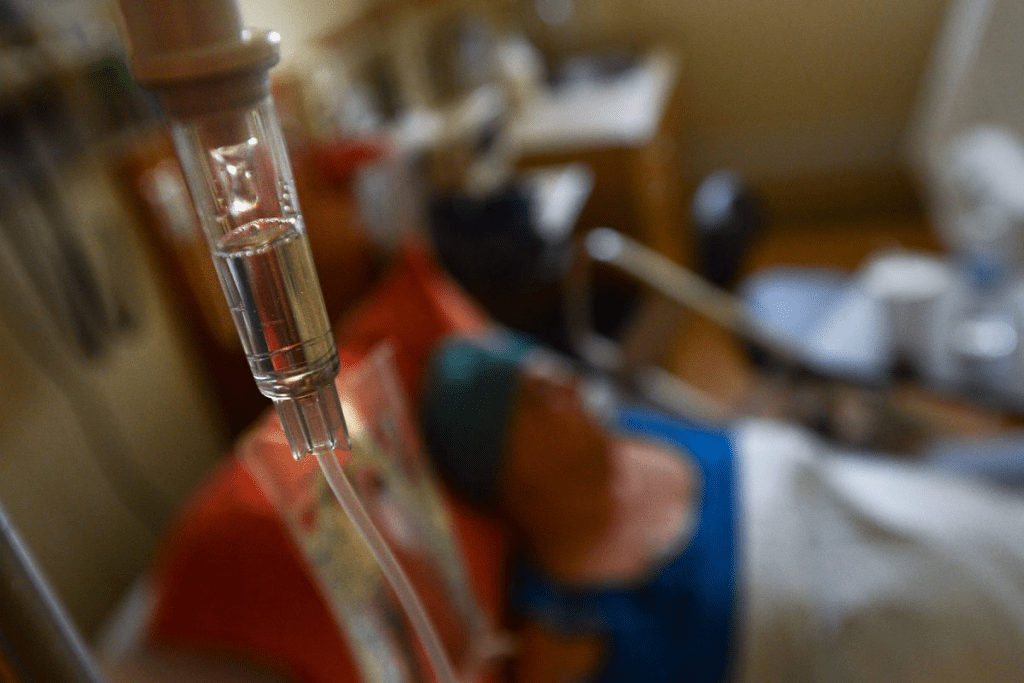
The main goal of adjuvant chemotherapy is to get rid of tiny cancer cells left after main treatments like surgery or radiation. This extra treatment is key to lowering cancer coming back and boosting survival chances for cancer patients.
Eliminating Microscopic Cancer Cells
Adjuvant chemotherapy aims to find and kill tiny cancer cells missed by main treatments. These hidden cells can cause cancer to come back. By getting rid of them, adjuvant chemotherapy greatly lowers the chance of cancer returning.
Reducing Risk of Cancer Recurrence
One main goal of adjuvant chemotherapy is to cut down the chance of cancer coming back. Research shows it can greatly lower the risk of recurrence in cancers like breast, colon, and lung.
| Cancer Type | Adjuvant Chemotherapy Regimen | Recurrence Reduction Rate |
| Breast Cancer | Anthracycline-based regimen | 30-40% |
| Colon Cancer | FOLFOX or FLOX | 20-30% |
| Lung Cancer | Platinum-based chemotherapy | 15-25% |
Improving Overall Survival Rates
By cutting down the risk of cancer coming back, adjuvant chemotherapy helps patients live longer. It has been proven to boost survival in many cancer types. This makes it a critical part of cancer treatment.
In summary, adjuvant chemotherapy has many roles. It aims to get rid of tiny cancer cells, lower the risk of cancer coming back, and improve survival rates. Its importance in cancer treatment is clear, and research keeps finding new ways to make it better.
What is Preventative Chemotherapy?
Preventive chemotherapy is a way to fight cancer before it starts. It’s for people who are more likely to get certain cancers because of their genes, environment, or lifestyle.
Definition and Fundamental Principles
Preventive chemotherapy gives special drugs to people at high risk of cancer. It aims to stop cancer by targeting cells that might turn into cancer.
This method is based on the idea that catching cancer early can greatly lower its chances. It’s very helpful for people with a family history of cancer or those exposed to harmful substances.
Prophylactic Approaches in Cancer Care
Prophylactic cancer care means taking steps to stop cancer from happening. Chemotherapy used this way is often called preventive chemotherapy. But it can also mean stopping cancer from coming back in those who’ve already had it.
| Approach | Description | Target Population |
| Preventive Chemotherapy | Use of chemotherapy to prevent cancer in high-risk individuals | Individuals with genetic predispositions or high-risk factors |
| Prophylactic Chemotherapy | Use of chemotherapy to prevent cancer spread or recurrence | Patients with a history of cancer |
Preventative vs. Prophylactic Terminology
Preventative and prophylactic chemotherapy are often mixed up, but they’re not exactly the same. Preventative chemotherapy is about stopping cancer before it starts in people who haven’t been diagnosed. Prophylactic chemotherapy is about preventing cancer in high-risk people and stopping it from coming back in those who’ve had it.
“The distinction between preventative and prophylactic chemotherapy lies in their application and objectives, with preventative focusing on averting cancer in high-risk populations and prophylactic encompassing a broader scope including prevention of recurrence.”
It’s important to know the difference between these terms. This helps doctors and patients talk clearly about cancer prevention. As we learn more about preventing cancer, using the right words will help make better treatment plans.
Key Differences Between Adjuvant and Preventative Chemotherapy
Adjuvant and preventative chemotherapy differ in many ways. These include timing, who gets the treatment, and what it aims to achieve. Knowing these differences is key to treating cancer effectively.
Timing of Administration

Adjuvant chemotherapy is given after primary treatment, like surgery. It aims to kill any cancer cells left behind. Preventative chemotherapy, on the other hand, is for people at high risk of getting cancer. It’s given before any signs of cancer appear.
The timing of when chemotherapy is given matters a lot. It depends on the type of cancer, its stage, and the patient’s risk factors. For example, adjuvant chemotherapy for breast cancer often starts a few weeks after surgery.
Target Patient Populations
Adjuvant chemotherapy is for people who have already been diagnosed with cancer. They have had their first treatment. Preventative chemotherapy, though, is for those at a high risk of getting cancer. This includes people with a family history of cancer or certain genetic markers.
- Adjuvant chemotherapy is for patients with existing cancer.
- Preventative chemotherapy is for individuals at high risk of cancer.
Treatment Goals and Expected Outcomes
The main goal of adjuvant chemotherapy is to lower the chance of cancer coming back. It tries to kill any tiny cancer cells left after the first treatment. Preventative chemotherapy, on the other hand, aims to stop cancer from happening in the first place.
The results of these treatments are different. Adjuvant chemotherapy aims to increase survival rates and lower the chance of cancer coming back. Preventative chemotherapy tries to lower the number of new cancer cases in people at high risk.
| Characteristics | Adjuvant Chemotherapy | Preventative Chemotherapy |
| Timing | After primary treatment | Before cancer evidence |
| Target Population | Patients with diagnosed cancer | Individuals at high risk |
| Treatment Goal | Reduce cancer recurrence | Prevent cancer development |
When is Adjuvant Therapy Recommended?
Adjuvant therapy is used after primary treatment to lower cancer return risk. It includes chemotherapy, radiation, or hormone therapy. This treatment is given for different cancer types.
Cancer Types Commonly Treated with Adjuvant Therapy
Many cancers, like breast cancer, colon cancer, and lung cancer, use adjuvant therapy. For breast cancer, chemotherapy is used to kill leftover cancer cells. This helps prevent cancer from coming back.
The type and stage of cancer decide if adjuvant therapy is needed. For early-stage breast cancer, therapy depends on tumor size, grade, and hormone receptor status.
Risk Assessment and Patient Selection Criteria
Choosing who gets adjuvant therapy starts with risk assessment. The cancer’s stage, grade, and biological traits are key. Also, the patient’s health and wishes are considered.
- Cancer stage and grade
- Biological characteristics of the tumor
- Patient’s overall health and preferences
The Adjuvant Setting in Clinical Practice
Doctors decide on adjuvant therapy in a team effort. They follow guidelines from groups like the National Cancer Network (NCCN) and the American Society of Clinical Oncology (ASCO). They also think about the patient’s situation.
Adjuvant therapy is key in cancer treatment. It aims to lower recurrence risk. It’s chosen based on cancer type, risk, and patient preferences.
Common Drugs Used in Adjuvant Chemotherapy
Adjuvant chemotherapy drugs are key in cancer treatment. They help kill any cancer cells left after surgery. This lowers the chance of cancer coming back.
Breast Cancer Adjuvant Protocols
In breast cancer, doctors use a mix of drugs. These include anthracyclines, taxanes, and cyclophosphamide. The choice depends on the cancer’s stage and other factors.
Colorectal Cancer Adjuvant Regimens
For colorectal cancer, doctors often use drugs like 5-fluorouracil or capecitabine. They might add oxaliplatin to the mix. The treatment plan changes based on the cancer’s stage and the patient’s health.
Lung Cancer Adjuvant Treatment Options
In lung cancer, drugs like cisplatin or carboplatin are used. They might be paired with vinorelbine or pemetrexed. The choice depends on the lung cancer type and stage.
Other Cancer-Specific Adjuvant Approaches
For other cancers, treatment plans are made just for that cancer. For example, ovarian cancer might get carboplatin and paclitaxel. Gastric cancer might get a mix of drugs including epirubicin, cisplatin, and 5-FU.
| Cancer Type | Common Adjuvant Chemotherapy Drugs |
| Breast Cancer | Doxorubicin, Paclitaxel, Cyclophosphamide |
| Colorectal Cancer | 5-Fluorouracil, Capecitabine, Oxaliplatin |
| Lung Cancer | Cisplatin, Carboplatin, Vinorelbine, Pemetrexed |
| Ovarian Cancer | Carboplatin, Paclitaxel |
| Gastric Cancer | Epirubicin, Cisplatin, 5-Fluorouracil |
Adjuvant chemotherapy drugs are getting better, thanks to research. Knowing which drugs are used for different cancers helps patients and doctors make better choices.
The Adjuvant Treatment Timeline and Protocol
It’s key for patients and doctors to know about adjuvant treatment. This therapy comes after the main treatment, like surgery. It helps get rid of any cancer cells left behind and lowers the chance of cancer coming back.
Typical Treatment Schedules After Surgery
The timing of adjuvant treatment depends on the cancer type, surgery extent, and patient health. Usually, chemotherapy starts a few weeks after surgery. This lets the patient heal first. The treatment can last from a few months to over a year, based on the plan.
- Short-term protocols: Some treatments last 3 to 6 months.
- Long-term protocols: Others can go beyond 6 months, sometimes up to a year or more.
Integration with Radiation and Other Therapies
Adjuvant treatment often goes hand-in-hand with other therapies, like radiation. The order and timing depend on the cancer type and stage.
For example: Sometimes, radiation comes after surgery and before chemotherapy. Other times, chemotherapy and radiation are given at the same time.
Monitoring During Adjuvant Treatment
While on adjuvant treatment, patients are watched for side effects, how well the treatment is working, and any signs of cancer coming back. Regular check-ups with healthcare providers are vital for adjusting the treatment plan if needed.
- Regular blood tests to check blood cell counts and overall health.
- Imaging tests, like CT scans or MRI, to see how well the treatment is working.
- Physical exams to look for any signs of recurrence or side effects.
Good adjuvant treatment needs a well-coordinated care team and a clear plan. Knowing what to expect helps patients navigate their treatment better and get the best results.
Preventative Chemotherapy Applications
Preventative chemotherapy is key in stopping cancer before it starts. It uses drugs to keep cancer away from people at high risk. This is very important for those who are likely to get cancer.
High-Risk Population Identification
Finding out who is at high risk of cancer is the first step. Doctors look at family history, genetic changes, and lifestyle. These help figure out a person’s risk level.
For example, people with a family history of breast cancer, like those with BRCA1 and BRCA2 genes, are at high risk. They might need preventative chemotherapy. Also, those with a family history of colorectal cancer could benefit from preventive steps.
Genetic Predisposition Scenarios
Genetics play a big role in some cancers. People with certain genes are more likely to get cancer. Preventative chemotherapy can help them.
Here’s a table showing some genetic mutations and the cancers they increase the risk of:
| Genetic Mutation | Associated Cancer Risk |
| BRCA1 | Breast, Ovarian |
| BRCA2 | Breast, Prostate, Pancreatic |
| MLH1, MSH2 | Colorectal |
Preventative Approaches for Specific Cancers
Preventative chemotherapy works differently for each cancer type. For breast cancer, drugs like SERMs or aromatase inhibitors might be used.
Preventive Chemotherapy for Breast Cancer: Research shows that SERMs like tamoxifen can cut breast cancer risk by up to 50% in high-risk women.
In summary, preventative chemotherapy is a powerful tool against cancer. It helps by identifying and protecting high-risk groups. This way, we can lower cancer rates and help patients more.
Side Effects and Quality of Life Considerations
It’s important to know how adjuvant chemotherapy affects a patient’s quality of life. This treatment aims to get rid of any remaining cancer cells. But, it can also cause side effects that affect daily life and overall health.
Common Side Effects of Adjuvant Chemotherapy
Adjuvant chemotherapy can lead to several side effects, some of which are severe. Common side effects include fatigue, nausea, hair loss, and an increased risk of infections. These happen because chemotherapy targets cells that grow fast, including some healthy ones.
The severity and type of side effects can differ from person to person. This depends on the chemotherapy used, the dose, and the patient’s health.
Managing Side Effects During Treatment
Managing side effects is key to keeping patients’ quality of life during treatment. Strategies include using medication for nausea, making lifestyle changes for fatigue, and using scalp cooling for hair loss. Patients should also eat well and drink plenty of water.
It’s important for healthcare providers to regularly check on patients. This helps address any side effects quickly and adjust treatment plans if needed.
Long-term Health Considerations
Adjuvant chemotherapy aims to lower the risk of cancer coming back. But, it’s also important to think about its long-term effects. Potential long-term effects include heart damage, secondary cancers, and cognitive changes. The risk of these effects depends on the chemotherapy used and how long treatment lasts.
It’s vital to have long-term follow-up care. This helps monitor and manage any side effects that may show up later.
Comparing Side Effect Profiles: Adjuvant vs. Preventative
Adjuvant and preventative chemotherapy have different side effect profiles. Adjuvant chemotherapy is for patients with a history of cancer to prevent recurrence, while preventative chemotherapy is for those at high risk of getting cancer. Even though the side effects can be similar, the context and patient experience are different.
Understanding these differences is key for making informed treatment decisions. It also helps manage patient expectations.
Future Directions in Adjuvant and Preventative Cancer Treatments
New paths in cancer treatment are opening up, bringing hope for better care. The study of cancer is growing, thanks to new discoveries and treatments.
Emerging Targeted Therapies
Targeted therapies are changing how we fight cancer. They focus on cancer’s specific growth points. This makes treatments more precise and can reduce side effects.
Some new therapies include:
- Monoclonal antibodies that target cancer cells
- Tyrosine kinase inhibitors that stop cancer growth signals
- PARP inhibitors for cancers with BRCA mutations
“The development of targeted therapies represents a significant shift towards personalized cancer treatment, bringing new hope for patients with specific genetic profiles.”
Personalized Medicine Approaches
Personalized medicine is making cancer care more tailored. It uses genetic tests to find the right treatments for each patient. This approach targets cancer’s unique traits.
| Treatment Aspect | Traditional Approach | Personalized Medicine Approach |
| Treatment Selection | Based on cancer type and stage | Based on genetic profile and biomarkers |
| Therapy Targeting | Non-specific, affecting both cancer and healthy cells | Specific to cancer cells, minimizing damage to healthy cells |
Ongoing Clinical Trials and Research
Clinical trials are key to improving cancer treatments. They test new therapies, like targeted and immunotherapies, in different cancers.
Research focuses on:
- Combining treatments for better results
- Immunotherapies to boost the immune system
- Cancer vaccines to prevent recurrence
Reducing Treatment Intensity While Maintaining Efficacy
Researchers aim to make treatments less intense but just as effective. They look for the lowest effective doses and ways to lessen side effects.
They’re working on:
- De-escalation trials to reduce treatment in some patients
- Less toxic therapies that work well
- Custom treatment plans based on how patients respond
By understanding cancer better and using new technologies, we’re on the path to better treatments. This will improve patient outcomes and quality of life.
Conclusion
It’s important to know the difference between adjuvant therapy and preventive chemotherapy in cancer treatment. Adjuvant therapy is used after the main treatment to kill any cancer cells left behind. This helps lower the chance of cancer coming back and improves survival rates.
On the other hand, preventive chemotherapy is for people at high risk of getting cancer. It’s a way to stop cancer before it starts.
The use of adjuvant therapy and preventive chemotherapy depends on the type of cancer, the patient’s risk, and the treatment goals. As research goes on, new targeted therapies and personalized medicine are being developed. These could make treatments even better.
Clinical trials and research are always working to make these treatments more effective. They aim to keep treatments strong but less intense. This way, doctors can create treatment plans that really work for each patient. It’s all about improving cancer care and helping patients through adjuvant therapy and preventive chemotherapy.
FAQ
What is the difference between adjuvant and preventive chemotherapy?
Adjuvant chemotherapy is given after primary treatment, like surgery, to lower cancer return risk. Preventive chemotherapy is for those at high risk to stop cancer before it starts.
What does “adjuvant” mean in medicine?
In medicine, “adjuvant” means a treatment added to the main one to make it work better or stop cancer from coming back.
What is adjuvant therapy used for?
Adjuvant therapy aims to kill tiny cancer cells, lower recurrence risk, and boost survival chances.
What is preventive chemotherapy?
Preventive chemotherapy is a way to stop cancer in people at high risk of getting it.
When is adjuvant therapy recommended?
Doctors suggest adjuvant therapy for patients with cancers like breast, colorectal, or lung, who are at high risk of coming back.
What are the common side effects of adjuvant chemotherapy?
Side effects of adjuvant chemotherapy include nausea, tiredness, hair loss, and a higher chance of getting infections.
How is adjuvant chemotherapy administered?
Adjuvant chemotherapy is given after surgery. The treatment plan and details change based on the cancer type and patient needs.
What is the goal of preventive chemotherapy?
Preventive chemotherapy aims to stop cancer from starting in people at high risk.
How does adjuvant chemotherapy differ from preventive chemotherapy?
Adjuvant chemotherapy is given after treatment to lower recurrence risk. Preventive chemotherapy is for stopping cancer in high-risk people before it starts.
What are the benefits of adjuvant chemotherapy?
Adjuvant chemotherapy’s benefits include lowering recurrence risk and improving survival rates.
What are the risks associated with adjuvant chemotherapy?
Risks of adjuvant chemotherapy include side effects like nausea, tiredness, and hair loss, and long-term health issues.
How is preventive chemotherapy used in clinical practice?
In practice, preventive chemotherapy stops cancer in high-risk people, like those with genetic cancer risk.
What are the emerging trends in adjuvant and preventive cancer treatments?
New trends include targeted therapies, personalized medicine, and ongoing clinical trials in cancer treatments.
How can patients manage side effects during adjuvant chemotherapy?
Patients can manage side effects by working with their healthcare team, staying healthy, and using symptom relief meds.
Reference
- Burstein, H. J., et al. (2019). Adjuvant chemotherapy for early-stage breast cancer: ASCO Clinical Practice Guideline update. Journal of Clinical Oncology, 37(22), 1997“2018. https://pubmed.ncbi.nlm.nih.gov/31185750/