In vitro fertilization (IVF) has changed the world of infertility, giving hope to millions. The first successful IVF birth was in 1978. Ever after, the technology has grown, making it more successful and available.A balanced look at the key advantages and disadvantages of ivf for prospective parents.
Now, IVF is behind 1.6% of all live births in the US and 4.5% in Europe. In 2023, over 95,000 babies were born through IVF in the US. Let’s look at the 7 key IVF benefits and drawbacks. This will help future parents understand this important fertility treatment.
Key Takeaways
- IVF has transformed fertility treatment, starting in 1978.
- More than 8 million children have been born thanks to IVF worldwide.
- In the US, IVF is behind 1.6% of all live births.
- The technology has greatly improved over the years.
- Knowing the IVF benefits and drawbacks is vital for those considering it.
What Is In Vitro Fertilization (IVF)?

IVF, or in vitro fertilization, is a complex fertility treatment. It has changed lives for many who struggle with infertility. It involves fertilizing an egg with sperm outside the body, in a lab. This method has been a game-changer in fertility treatment, starting with the first IVF baby in 1978.
IVF is important because it helps those who have tried other treatments without success. Knowing about IVF’s process and history is key. It helps us understand both its benefits and drawbacks.
The IVF Process Explained
The IVF process has several steps:
- Ovarian stimulation: Medications stimulate the ovaries to produce many eggs.
- Egg retrieval: Eggs are taken out through a minor surgery.
- Fertilization: Eggs are fertilized with sperm in the lab.
- Embryo culture: The fertilized eggs grow for 3-5 days.
- Embryo transfer: One or more embryos are placed in the uterus.
Knowing these steps is important for those thinking about IVF. It helps set expectations and prepare for the journey.
Fertility experts say, “The IVF process needs careful planning, patience, and understanding of the treatment.” This detailed approach helps manage the complexities of IVF.
History and Development of IVF
IVF technology has grown a lot from the first birth in 1978. Advances have led to better success rates and solutions for fertility issues.
Year | Significant Development |
1978 | First IVF baby born |
1980s | Introduction of GnRH agonists to improve IVF outcomes |
1990s | Advancements in ICSI (Intracytoplasmic Sperm Injection) |
2000s | Pre-implantation genetic testing (PGT) becomes more prevalent |
IVF has seen many milestones, making treatments more effective and accessible. Understanding its history and development is important. It gives context to its current use and future possibilities.
Knowing about IVF’s process and history helps us appreciate its complexity and progress. This knowledge is key for making informed decisions about IVF. It shows how IVF can address specific fertility challenges.
Current Statistics and Success Rates of IVF

Understanding IVF’s current stats and success rates is key for those thinking about it. It’s a major part of assisted reproductive technology, giving hope to many facing fertility issues.
Global and U.S. IVF Usage
IVF usage has grown worldwide. Over 2.5 million cycles are done each year. In the U.S., more than 95,000 babies were born through IVF in 2023. This shows IVF’s growing role in fertility treatments.
The rise in IVF use is due to its success in solving fertility problems. Looking at the arguments for and against IVF, we see its evolving role in fertility treatments.
Success Rate Improvements Over Time
IVF success rates have improved a lot over the years. This is thanks to better technology and techniques. The live birth rate per cycle has gone up a lot.
Today, women under 35 have a 50% success rate. Some clinics even report higher rates. These improvements come from better embryo selection, lab conditions, and hormonal treatments.
Age-Related Success Factors
Age is a big factor in IVF success. Success rates drop after 35. For women over 40, the rates are much lower.
- Women under 35: Higher success rates, typically around 50% per cycle.
- Women between 35-40: Success rates begin to decline, averaging around 30-40% per cycle.
- Women over 40: Significantly lower success rates, often below 10% per cycle.
Knowing these age-related success factors is important. It helps weigh the disadvantages of in vitro fertilization against its benefits. While IVF offers hope, success depends on age and health.
As we look at the disadvantage of IVF and its effects, current stats and success rates are very helpful. They give insights for those thinking about this fertility treatment.
Understanding the Advantages and Disadvantages of IVF
Choosing IVF is a big decision. It’s important to know its good and bad sides. IVF helps people with fertility problems like blocked tubes and issues with sperm.
Factors to Consider Before Choosing IVF
There are many things to think about before going for IVF. These include the physical and emotional challenges, the cost, and the risks.
- Physical and Emotional Demands: IVF treatments can have side effects. The whole process can also be very emotional.
- Financial Implications: IVF can be expensive. Insurance might not cover all the costs.
- Potential Risks: It’s important to know about risks like having twins and ovarian hyperstimulation syndrome.
Who Should Consider IVF Treatment
IVF is good for people with certain fertility problems. These include:
- Blocked Fallopian Tubes: IVF can get around this problem by fertilizing the egg directly.
- Male Factor Infertility: ICSI can help with sperm issues.
- Endometriosis: IVF can be a good solution for those with endometriosis.
Couples should think carefully before choosing IVF. Talking to a healthcare provider about the pros and cons is key to making a good choice.
Advantage 1: Effective When Other Fertility Treatments Fail
IVF is a ray of hope for couples who’ve tried other fertility treatments without success. It’s a solution for those with complex fertility problems, with high success rates. Fertility treatments can be tough emotionally and physically. That’s why IVF is often the top choice.
Success Rates for Complex Fertility Issues
One big positive of IVF is its success with complex fertility problems. Research shows IVF beats other treatments in success rates. This is true for issues like:
- Tubal damage or blockage
- Endometriosis
- Low sperm count or poor sperm quality
- Unexplained infertility
IVF tackles these issues head-on. It bypasses some fertility problems, boosting the chance of getting pregnant.
Technological Advancements Improving Outcomes
IVF has made huge strides in technology, leading to better success rates. Some key advancements include:
- Pre-implantation Genetic Testing (PGT): Checks embryos for genetic issues before transfer.
- Improved Culture Media: Helps embryos grow and survive better.
- Vitrification Techniques: Boosts the survival of frozen embryos.
These pros of in vitro fertilization show how IVF tech keeps getting better. It makes IVF a more reliable choice for those seeking fertility help.
Understanding IVF’s benefits and the tech behind it helps us see its value. It’s a key tool for those aiming to start a family.
Advantage 2: Bypassing Specific Medical Conditions
IVF is great because it can get around some medical issues that make it hard to get pregnant. It helps people with these problems to have hope for a family.
IVF is good for women with tubal disease and endometriosis. Tubal disease messes up the fallopian tubes, and endometriosis makes the uterus lining grow outside. Both can stop women from getting pregnant.
Solutions for Tubal Disease and Endometriosis
For women with tubal disease, IVF is a top choice because it doesn’t need healthy tubes. It’s also a good option for women with endometriosis, even if other treatments didn’t work.
- Tubal Disease: IVF is great for women with damaged or blocked tubes.
- Endometriosis: IVF helps by fertilizing eggs outside the body, avoiding the problem areas.
Options for Male Factor Infertility
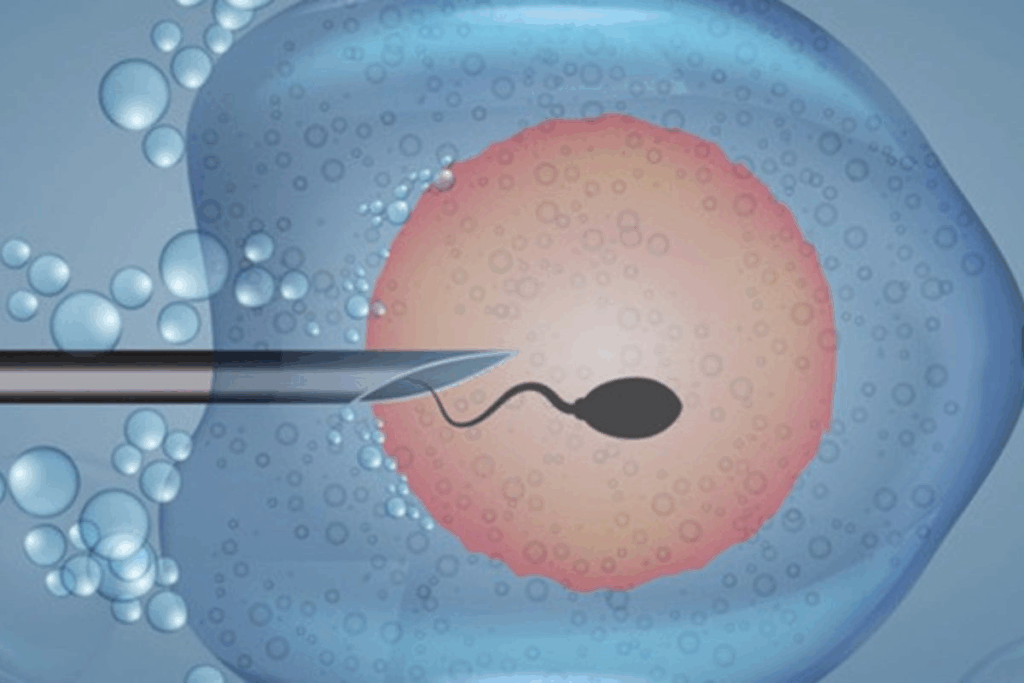
IVF also helps men with low sperm count or poor motility. Techniques like Intracytoplasmic Sperm Injection (ICSI) can help by directly putting a sperm into an egg. This boosts the chances of fertilization.
ICSI has changed how we treat male infertility. It lets men with serious sperm problems have kids.
Addressing Primary Ovarian Insufficiency
Women with Primary Ovarian Insufficiency (POI) can try IVF with donor eggs. POI happens when the ovaries stop working and hormone levels drop early.
With donor eggs, IVF gives women with POI a chance to have a baby. It lets them experience being a mother.
IVF is a big help for people facing fertility problems. It works for tubal disease, endometriosis, male infertility, and POI. IVF offers a wide range of solutions.
Advantage 3: Genetic Testing and Family Planning Benefits
IVF lets patients use genetic testing for better family planning. This technology has changed how we plan families. It makes building a family more informed and personal.
Pre-implantation Genetic Testing (PGT) Advantages
Pre-implantation genetic testing (PGT) helps find genetic disorders in embryos before they’re implanted. This boosts the chance of a successful pregnancy and lowers the risk of genetic issues. PGT is great for those with a family history of genetic disorders or at risk of passing them on.
By checking embryos’ genetic material, we can spot specific genetic conditions. This lets us pick the healthiest embryos for transfer. This greatly improves the chances of a healthy pregnancy and birth.
Reducing Hereditary Disease Risks
PGT is key in lowering hereditary disease risks. It lets us pick embryos without certain genetic disorders. This reduces the chance of passing on inherited conditions to future generations. It’s vital for families with a history of genetic diseases.
PGT in IVF has opened up new ways for family planning. It lets parents make informed choices about their reproductive health. It’s a proactive way to manage genetic risks and give their children a healthy start.
Single Embryo Transfer Options
IVF with genetic testing also means single embryo transfer (SET) is possible. By choosing a single, healthy embryo, we can cut down on the risk of multiple pregnancies. These are risky for both the mother and the babies. SET is safer and keeps a high success rate with PGT.
Being able to transfer a single embryo with confidence, thanks to genetic testing, has changed fertility treatment. It makes achieving a successful pregnancy safer and more controlled.
Disadvantage 1: Physical, Emotional, and Medical Risks
IVF is effective, but it comes with risks. It’s important to know these risks before starting IVF.
Hormonal Treatment Side Effects
Hormonal treatments in IVF can cause side effects. These include mood swings, bloating, and fatigue. The severity of these effects varies by person.
Emotional and Psychological Challenges
IVF can be emotionally tough. It’s stressful and can affect you, your partner, and family. Having support and counseling can help a lot.
Potential Complications and Risks
IVF has medical risks, like ovarian hyperstimulation syndrome (OHSS). There’s also a chance of multiple pregnancies, which can be risky for everyone involved. Knowing these risks helps you decide if IVF is right for you.
Being aware of these risks helps prepare you for IVF. It’s a complex journey, but with the right support, you can get through it.
Disadvantage 2: Financial and Practical Considerations
IVF has many benefits, but it also has big financial and practical downsides. Choosing IVF means thinking about your feelings, money, and practical needs.
One big worry is the cost. IVF can be very expensive. It’s important to know all the costs before deciding.
Cost Analysis of IVF Treatment in the United States
The cost of IVF in the U.S. changes a lot. It depends on the clinic, treatment type, and personal needs. A single IVF cycle usually costs between $12,000 and $15,000. But, costs can go up if you need extra procedures or medicines.
It’s key to understand all the costs of IVF. These include first visits, tests, ultrasounds, medicines, the IVF procedure, and extra services like genetic testing or freezing embryos.
Insurance Coverage Limitations
Insurance coverage is another big thing to think about. Some plans cover fertility treatment, but IVF coverage varies a lot. Many plans don’t cover IVF, so you might have to pay yourself.
It’s important to know what your insurance covers. Check your policy and talk to your insurance to see how much they’ll pay.
Time Commitment and Lifestyle Adjustments
IVF is not just about money; it also takes a lot of time and changes your life. You’ll need to go to the clinic often, get checked regularly, and might have to change your work or daily life.
The emotional side of IVF is also important. It can be stressful, and not knowing if it will work can affect your life. Thinking about this and getting support from doctors or counselors is key.
In short, while IVF has advantages, the financial and practical sides are big. Knowing the costs, insurance, and time needed helps you make better choices about your treatment.
Conclusion: Making an Informed Decision About IVF
In vitro fertilization (IVF) has changed the game for fertility treatments, giving hope to millions. It’s a complex treatment with both good and bad sides. Knowing the benefits, like its success in solving fertility problems, is key to making a choice.
But, there are downsides too. These include physical, emotional, and financial hurdles. By looking at both sides, people can decide if IVF is right for them. It’s important to think about success rates, age, and cost.
IVF can be a game-changer for those facing infertility. We aim to give a full picture of the treatment. This way, people can make smart choices about their fertility. As treatments evolve, we’re here to offer top-notch care and support to all our patients.
FAQ
What is IVF and how does it work?
IVF, or In Vitro Fertilization, is a way to help people have babies. It involves several steps. First, the ovaries are stimulated to produce eggs. Then, eggs are removed and mixed with sperm outside the body. After that, an embryo is transferred into the uterus.
What are the advantages of IVF?
IVF helps with complex fertility issues. It can bypass certain medical conditions. It also offers genetic testing and single embryo transfer options.
What are the disadvantages of IVF?
IVF has physical, emotional, and medical risks. It can cause hormonal side effects and has financial costs. It also requires lifestyle changes and a lot of time.
How successful is IVF?
IVF has seen a big improvement in success rates. Success depends on age, with younger people having better chances.
Who should consider IVF treatment?
Those with complex fertility issues or specific medical conditions should consider IVF. It’s also for those who haven’t succeeded with other treatments.
What is Pre-implantation Genetic Testing (PGT)?
PGT is a genetic test during IVF. It checks for genetic disorders in embryos before transfer. This reduces the risk of hereditary diseases.
How much does IVF cost?
IVF is a big financial investment. Insurance often doesn’t cover it fully. People should think about the costs and lifestyle changes needed.
What are the emotional and psychological challenges of IVF?
IVF can be tough emotionally and psychologically. The hormonal treatments and uncertainty of success can be hard. The risk of multiple failed attempts adds to the stress.
Can IVF be used for family planning?
Yes, IVF helps with family planning. It offers the chance for single embryo transfer. This helps plan families while reducing risks of multiple pregnancies.
What are the risks associated with IVF?
IVF has risks like ovarian hyperstimulation syndrome (OHSS) and multiple pregnancies. There are also risks during egg retrieval and embryo transfer.
References
Government Health Resource. Evidence-Based Medical Guidance. Retrieved from https://www.cdc.gov/art/reports/2019/fertility-clinic.html