Last Updated on November 27, 2025 by Bilal Hasdemir

Atrial fibrillation (AFib) and atrial flutter are heart rhythm disorders. They make the heart beat irregularly or too fast. In a normal heart, electrical signals follow a precise path, ensuring a consistent heartbeat. But in AFib, these signals become chaotic, leading to irregular heartbeats.
It’s important to understand the symptoms of atrial fibrillation and how often AFib occurs. At Liv Hospital, we provide expert care for patients with heart rhythm concerns. We ensure they get the best evaluation and treatment.
Key Takeaways
- Atrial fibrillation is characterized by irregular, often rapid heartbeats.
- Understanding AFib symptoms is vital for early detection and treatment.
- Liv Hospital offers extensive care for heart rhythm disorders.
- AFib can lead to serious complications if left untreated.
- Recognizing the signs of atrial fibrillation can save lives.
Understanding Atrial Fibrillation and Atrial Flutter
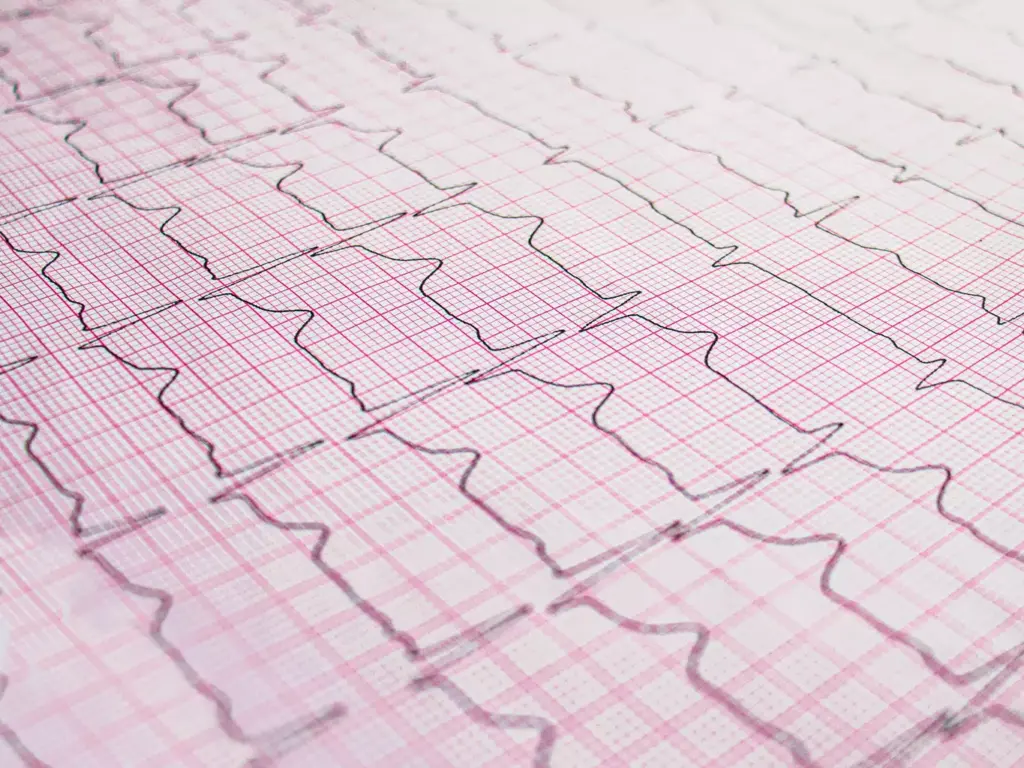
The heart’s electrical system can be disrupted by conditions like atrial fibrillation and atrial flutter. These conditions lead to irregular heart rhythms that affect our well-being. Atrial fibrillation (AFib) and atrial flutter are two conditions that affect the heart’s upper chambers, or atria.
What Is Atrial Fibrillation?
Atrial fibrillation is marked by chaotic electrical signals in the heart’s upper chambers. This causes an irregular and often rapid heart rhythm. Symptoms include palpitations, shortness of breath, and fatigue.
The irregular heartbeat of AFib increases the risk of stroke and other heart problems. It’s important to understand AFib to manage its symptoms and lower the risk of complications.
What Is Atrial Flutter?
Atrial flutter is a type of arrhythmia with a more regular, rapid heartbeat than AFib. It happens when there’s a loop of electrical activity in the right atrium. This leads to a fast but regular heart rate.
Atrial flutter can cause symptoms like palpitations and shortness of breath. But, its regular rhythm sets it apart from AFib’s irregular rhythm.
How These Conditions Affect Your Heart’s Electrical System
Both AFib and atrial flutter disrupt the heart’s electrical system. In a healthy heart, electrical signals follow a predictable path for a regular heartbeat.
In AFib, chaotic electrical signals make the atria quiver instead of beating effectively. This leads to an irregular ventricular response. Atrial flutter, on the other hand, has a more organized electrical loop. This results in a regular but rapid heart rate.
| Characteristics | Atrial Fibrillation (AFib) | Atrial Flutter |
|---|---|---|
| Heart Rhythm | Irregular | Regular |
| Electrical Activity | Chaotic signals | Organized electrical loop |
| Symptoms | Palpitations, shortness of breath, fatigue | Palpitations, shortness of breath, fatigue |
It’s key to understand the differences between AFib and atrial flutter for proper diagnosis and treatment. While both affect the heart’s electrical system, their unique characteristics guide treatment choices.
The 12 Key AFib Flutter Symptoms You Should Know
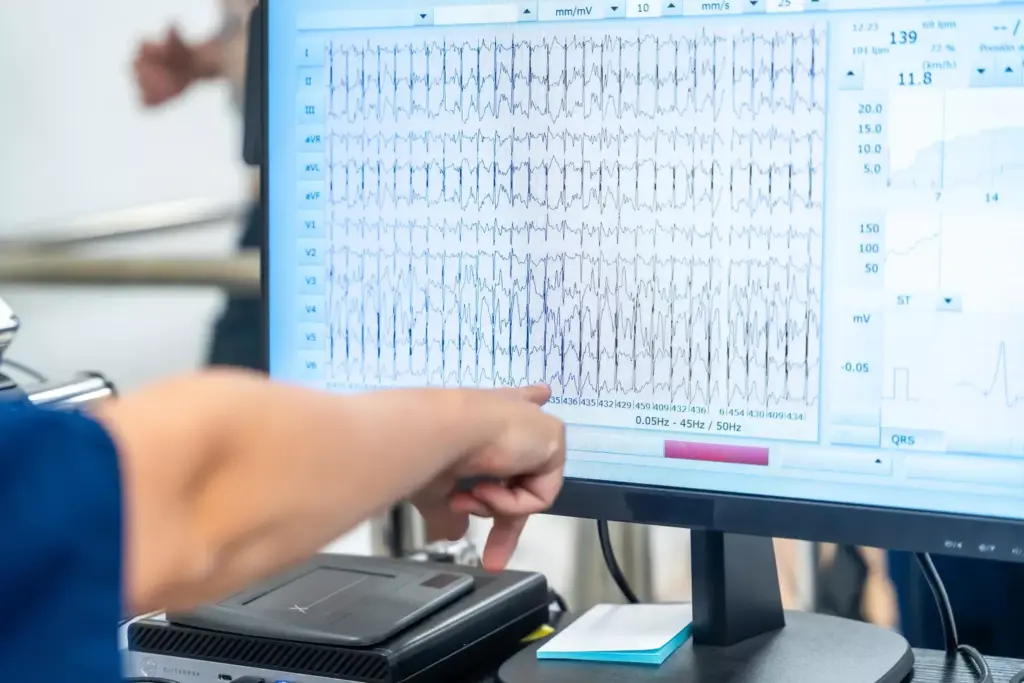
AFib and atrial flutter symptoms can really affect your life. Knowing these symptoms is key to getting help early. This can help manage the condition better.
Heart-Related Symptoms
AFib and atrial flutter often show up as heart symptoms. These include:
- Palpitations: Feeling like your heart is racing or pounding.
- Chest Discomfort: Pain or pressure in the chest, a sign of heart trouble.
- Irregular Pulse: An uneven heartbeat that can worry you.
Energy and Breathing Symptoms
AFib or atrial flutter can also affect your energy and breathing. Symptoms include:
- Fatigue: Feeling very tired or weak, even after resting.
- Shortness of Breath: Trouble breathing or feeling winded, even at rest.
- Reduced Exercise Tolerance: Difficulty with physical activities due to heart issues.
Neurological Symptoms
Neurological symptoms can also occur with AFib or atrial flutter. These include:
- Dizziness or Lightheadedness: Feeling like you might faint or the world is spinning.
- Confusion: Reduced blood flow can cause confusion or trouble concentrating.
Other Common Symptoms
Other symptoms of AFib or atrial flutter include:
- Weakness: Feeling weak or lacking strength.
- Sweating: Unexplained sweating, often with other symptoms.
- Fainting: Severe cases can lead to fainting due to low blood pressure.
Some people might not notice any symptoms at all. Regular health checks can catch AFib or atrial flutter, even if you don’t feel sick.
How Often Does AFib Occur? Understanding Episode Patterns
Knowing how often and how long AFib episodes last is key to managing it. Atrial fibrillation (AFib) can affect people in different ways. The length and frequency of AFib episodes can greatly impact a person’s life and treatment.
Paroxysmal AFib: Occasional Episodes That Resolve Spontaneously
Paroxysmal AFib happens when episodes come and go on their own within seven days. These episodes can be unpredictable and vary in how often they happen. Medical research shows that some people have these episodes rarely, while others have them more often.
Those with paroxysmal AFib need to keep an eye on their condition. Working closely with their doctor is important to manage symptoms and avoid complications.
Persistent AFib: Episodes Lasting Longer Than 7 Days
Persistent AFib is when episodes last more than seven days or need treatment to stop. This type of AFib is harder to manage than paroxysmal AFib because episodes last longer.
People with persistent AFib might need more intense treatment. This could include medication or cardioversion to get a normal heart rhythm back.
Permanent AFib: When Normal Rhythm Cannot Be Restored
Permanent AFib, also known as long-standing persistent AFib, is when a normal heart rhythm can’t be restored or maintained. In this case, AFib is always present. Treatment focuses on controlling symptoms and preventing complications.
Managing permanent AFib often involves a mix of medications, lifestyle changes, and ongoing monitoring. This helps minimize risks associated with the condition.
Typical Duration of AFib Episodes: Minutes to Weeks
AFib episodes can last anywhere from a few minutes to several weeks. Knowing how long episodes usually last can help people manage their condition better.
| Type of AFib | Episode Duration | Typical Management |
|---|---|---|
| Paroxysmal AFib | Less than 7 days | Monitoring, medication for symptom control |
| Persistent AFib | More than 7 days | Medication, cardioversion |
| Permanent AFib | Continuous | Symptom management, risk reduction strategies |
By understanding the different patterns of AFib occurrence, individuals can better navigate their condition. They can work with their healthcare providers to develop an effective management plan.
Recognizing AFib Flutter Symptoms vs. Other Heart Conditions
It’s important to know the difference between AFib symptoms and other heart problems. Atrial fibrillation and atrial flutter can look like other heart issues or even panic attacks. This makes it hard to tell what’s going on.
How AFib Symptoms Differ From Heart Attack Symptoms
AFib and heart attacks are both serious but have different symptoms. Heart attacks usually cause chest pain or discomfort. This pain can feel like pressure or tightness and might spread to your arm, neck, or jaw.
AFib symptoms include palpitations, irregular heartbeat, shortness of breath, and feeling tired. Sometimes, AFib and heart attack symptoms can happen together. If you have chest pain and irregular heartbeat, get help right away.
| Symptom | AFib | Heart Attack |
|---|---|---|
| Chest Pain/Discomfort | Less common | Common |
| Palpitations/Irregular Heartbeat | Common | Less common |
| Shortness of Breath | Common | Common |
| Fatigue | Common | Common |
Distinguishing AFib From Panic Attacks
AFib symptoms can look like panic attacks because of similar symptoms like rapid heartbeat and shortness of breath. But, there are big differences. Panic attacks also include intense fear, sweating, and trembling, which AFib doesn’t.
The heart rate pattern is different too. AFib has an irregular and fast heartbeat. Panic attacks have a different kind of fast heartbeat. Knowing these differences helps in managing the condition.
When Heart Palpitations Are Normal vs. Concerning
Heart palpitations can happen to healthy people, often due to stress or caffeine. But, in AFib, palpitations are a sign of an arrhythmia.
Palpitations that are persistent or come with other symptoms like dizziness or chest pain are concerning. If you have new or severe palpitations, see your doctor.
Risk Factors and Prevalence of Atrial Fibrillation
AFib risk comes from age, medical conditions, and lifestyle. We can’t change some risks, but we can manage others.
Age-Related Risk Increase: Why AFib Affects Older Adults More
AFib is more common with age. After 65, the risk of AFib grows a lot. About 9% of those over 65 have it. This is because the heart wears out, and other heart diseases become more common with age.
Medical Conditions That Raise AFib Risk
Some medical conditions raise AFib risk. These include:
- Hypertension: High blood pressure is a major risk factor for AFib.
- Heart disease: Conditions such as coronary artery disease, heart valve problems, and heart failure increase AFib risk.
- Diabetes: People with diabetes are at higher risk of developing AFib.
- Obesity: Being significantly overweight or obese increases the risk of AFib.
- Sleep apnea: This condition is associated with an increased risk of AFib.
Lifestyle Factors Contributing to AFib Development
Lifestyle choices also affect AFib risk. Excessive alcohol consumption, smoking, and not exercising can increase risk. Changing these habits can lower your risk.
Global and US Prevalence Statistics
AFib is a big health problem worldwide. It affects tens of millions globally. In the US, 2.7 to 6.1 million people have it. This number is expected to double by 2030.
Comparing AFib and Atrial Flutter Symptoms
AFib and atrial flutter share some symptoms but also have key differences. Both are arrhythmias, but they affect the heart in different ways. This affects how they feel to the person experiencing them.
Similarities in Symptom Presentation
AFib and atrial flutter can feel similar. People with either might feel palpitations, shortness of breath, and fatigue. They might also feel a racing or fluttering sensation in their chest.
Key Differences in Heart Rhythm and Symptoms
AFib has a rapid and irregular heart rhythm. Atrial flutter has a regular but rapid heart rate. Knowing this helps doctors figure out what’s wrong and how to treat it.
Some people with atrial flutter might feel worse because their heart rate is more consistent and faster. AFib’s irregular rhythm can bother others, even if their heart rate isn’t as high.
Why Some People Experience Different Symptoms
Why symptoms vary between AFib and atrial flutter? It depends on the person’s heart health, other medical conditions, and the arrhythmia itself. For example, people with heart disease might feel symptoms more strongly.
Transitioning Between AFib and Flutter
Patients can switch between AFib and atrial flutter. This can happen for many reasons, like changes in heart health or medication effects. Understanding these changes is key to managing these conditions well.
Knowing how these conditions interact helps doctors improve treatment and outcomes for patients.
When to Seek Medical Care for AFib Symptoms
Knowing the signs of AFib and when to see a doctor is key to avoiding serious problems. Atrial fibrillation can cause serious health issues if not treated right. We’ll show you the symptoms that need quick or urgent medical help and what to tell your doctor.
Warning Signs That Demand Immediate Emergency Attention
Certain symptoms mean you need to go to the emergency room right away. These include:
- Chest pain or severe shortness of breath
- Severe dizziness or fainting
- Confusion or difficulty speaking
- Severe headache or weakness on one side of the body
If you or someone you know has these symptoms, call emergency services right away. The American Heart Association says quick medical help is very important in these cases.
“Acting F.A.S.T. can save lives. F.A.S.T. stands for Face drooping, Arm weakness, Speech difficulty, and Time to call emergency services.”
Symptoms That Warrant Urgent (Same-Day) Care
Some symptoms need urgent care on the same day, not just emergency care. These include:
| Symptom | Description |
|---|---|
| Palpitations | Irregular or forceful heartbeats |
| Shortness of breath | Difficulty breathing during normal activities |
| Fatigue | Unusual tiredness or lack of energy |
If you’re feeling any of these symptoms, call your healthcare provider for advice on getting same-day care.
What to Tell Your Doctor About Your Symptoms
When you see a doctor for AFib symptoms, tell them everything. Be ready to explain:
- The nature and duration of your symptoms
- Any factors that trigger or relieve your symptoms
- Your medical history, including any previous heart conditions
- Any medications you’re currently taking
Telling your doctor all the details helps them diagnose and treat you better.
The Importance of Not Ignoring Mild Symptoms
Even mild symptoms should not be ignored. Ignoring them can lead to bigger problems. It’s important to tell your healthcare provider about any symptoms, no matter how small they seem. Early treatment can greatly improve your health.
Understanding when to seek medical care for AFib symptoms helps you manage your condition better. This can improve your life quality.
Understanding the Stroke Risk Associated with AFib
AFib patients are at a higher risk of stroke. This is why it’s important to know about prevention. Atrial fibrillation changes the heart’s rhythm, which can lead to blood clots and stroke.
Why AFib Dramatically Increases Stroke Risk
The irregular heartbeat in AFib can cause blood to pool and clot in the heart. If a clot breaks loose, it can travel to the brain, causing a stroke. We will explore this risk in more detail.
Key factors contributing to stroke risk in AFib patients include:
- Irregular heart rhythm
- Blood clot formation
- Previous stroke or transient ischemic attack (TIA)
- Age and other comorbid conditions
Calculating Your Personal Stroke Risk with CHA₂DS₂-VASc Score
The CHA₂DS₂-VASc score helps assess stroke risk in AFib patients. It looks at several factors, like heart failure, high blood pressure, age, diabetes, and more.
Let’s break down the components of the CHA₂DS₂-VASc score:
| Condition | Score |
|---|---|
| Congestive heart failure | 1 |
| Hypertension | 1 |
| Age ≥75 years | 2 |
| Diabetes | 1 |
| Stroke/TIA/thromboembolism | 2 |
| Vascular disease | 1 |
| Age 65-74 years | 1 |
| Sex category (female) | 1 |
Prevention Strategies for AFib Patients
AFib patients can lower their stroke risk by taking certain steps. These include anticoagulation therapy, lifestyle changes, and managing health conditions.
Anticoagulation therapy is key in preventing strokes for AFib patients. Medications like warfarin and others are often used.
Warning Signs of Stroke to Never Ignore
It’s important to know the signs of stroke. Symptoms include sudden weakness, trouble speaking, vision changes, dizziness, or severe headaches.
Act F.A.S.T. to identify stroke symptoms:
- F – Face drooping
- A – Arm weakness
- S – Speech difficulty
- T – Time to call for emergency services
Conclusion: Living Well with Atrial Fibrillation
Atrial fibrillation (AFib) is a serious heart condition. But, with the right care, people can live active lives. We’ve talked about the main symptoms, risk factors, and why getting medical help is key.
Managing AFib means making lifestyle changes and following medical advice. Knowing about the condition and working with doctors helps control it.
Healthy choices are key in managing AFib. Eating well, exercising, and avoiding triggers are important. Taking medicines as directed is also vital to control symptoms and prevent complications.
Personalized care is essential in managing AFib. Tailored treatment plans help patients get better results and enjoy a better life.
By actively managing AFib, people can reduce its impact on their daily lives. This helps them stay well overall.
FAQ
What are the common symptoms of atrial fibrillation (AFib) and atrial flutter?
Symptoms include heart palpitations and shortness of breath. You might also feel tired, dizzy, or have chest discomfort. Some people get confused or have trouble concentrating.
How often does AFib occur, and what are the different types of episodes?
AFib can happen in different ways. It can be occasional, lasting days, or permanent. Episodes can last from minutes to weeks.
What are the risk factors for developing AFib?
Risk factors include getting older and having certain health conditions. Drinking too much alcohol and being overweight also increase your risk.
How do AFib symptoms differ from those of a heart attack or panic attack?
AFib symptoms often include irregular heartbeats. But, symptoms can be similar to heart attacks or panic attacks. If unsure, always seek medical help.
Why does AFib increase the risk of stroke?
AFib can cause blood clots in the heart. These clots can travel to the brain, leading to a stroke.
How can I assess my personal stroke risk with AFib?
Use the CHA₂DS₂-VASc score to assess your stroke risk. It looks at your age, sex, and health history.
What are the warning signs of stroke that I should never ignore?
Look out for sudden weakness, trouble speaking, vision changes, and severe headaches. These are signs of a stroke.
How can I manage AFib and reduce my symptoms?
Manage AFib with lifestyle changes and medical care. Stay healthy, exercise, and manage stress. Your doctor may also recommend medication or procedures.
Can AFib and atrial flutter symptoms be similar, and why do some people experience different symptoms?
Yes, symptoms can be similar. The difference depends on the heart condition and how it affects you.
When should I seek medical care for AFib symptoms?
Seek immediate care for severe symptoms like chest pain or shortness of breath. For milder symptoms, get help the same day.
What should I tell my doctor about my AFib symptoms?
Describe your symptoms in detail. Include when they happen, how long they last, and what triggers or relieves them.
References
- American Heart Association. (n.d.). What are the symptoms of atrial fibrillation (AFib or AF)? Retrieved October 21, 2025, from https://www.heart.org/en/health-topics/atrial-fibrillation/what-are-the-symptoms-of-atrial-fibrillation-afib-or-af www.heart.org+1
- National Health Service (NHS). (n.d.). Atrial fibrillation. Retrieved October 21, 2025, from https://www.nhs.uk/conditions/atrial-fibrillation/ nhs.uk