Last Updated on November 27, 2025 by Ugurkan Demir
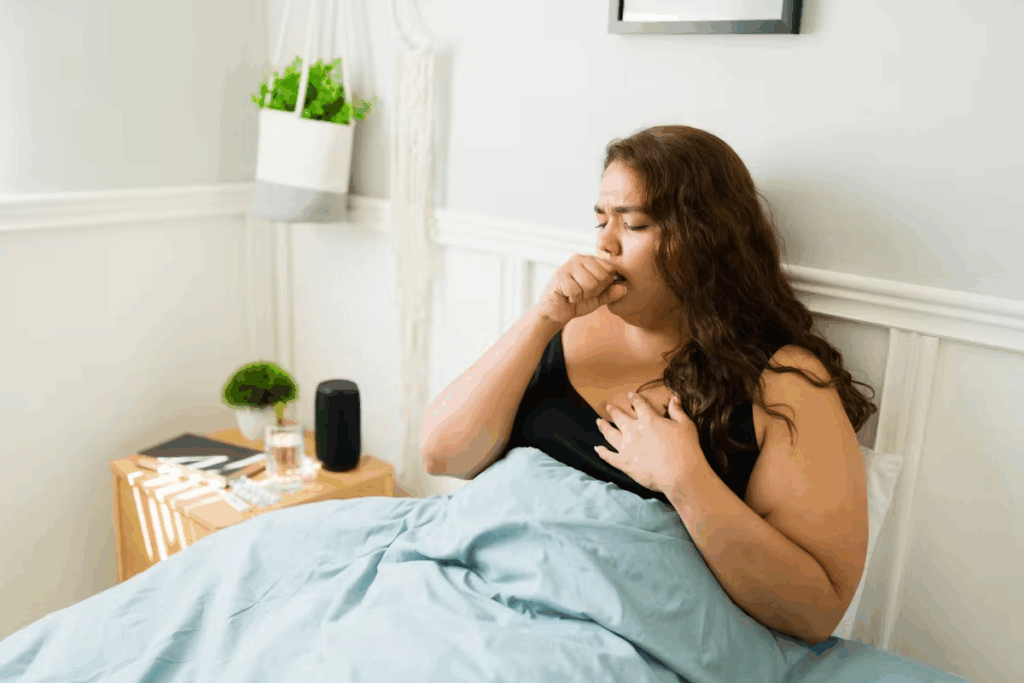
Many people struggle with excessive mucus buildup after eating. This issue can make everyday life and social interactions tough.
At Liv Hospital, we know that dealing with phlegm production after meals needs to find the root cause. Issues like gastroesophageal reflux disease (GERD), food allergies, and reactions to foods like dairy or spicy items are common culprits.
Knowing what causes phlegm is key to feeling better. Making simple changes in your lifestyle can help cut down on mucus and boost your health.
Why do I get after eating phlegm? Learn about the link to acid reflux (LPR), allergies, and dietary triggers.
Key Takeaways
- Post-meal phlegm production can be caused by underlying health issues like GERD or food allergies.
- Identifying trigger foods is key to managing excessive mucus buildup.
- Staying hydrated can help ease discomfort from phlegm.
- Lifestyle changes can reduce the occurrence of excessive phlegm.
- Getting medical advice is vital for effective management and relief.
The Phenomenon of After Eating Phlegm Explained
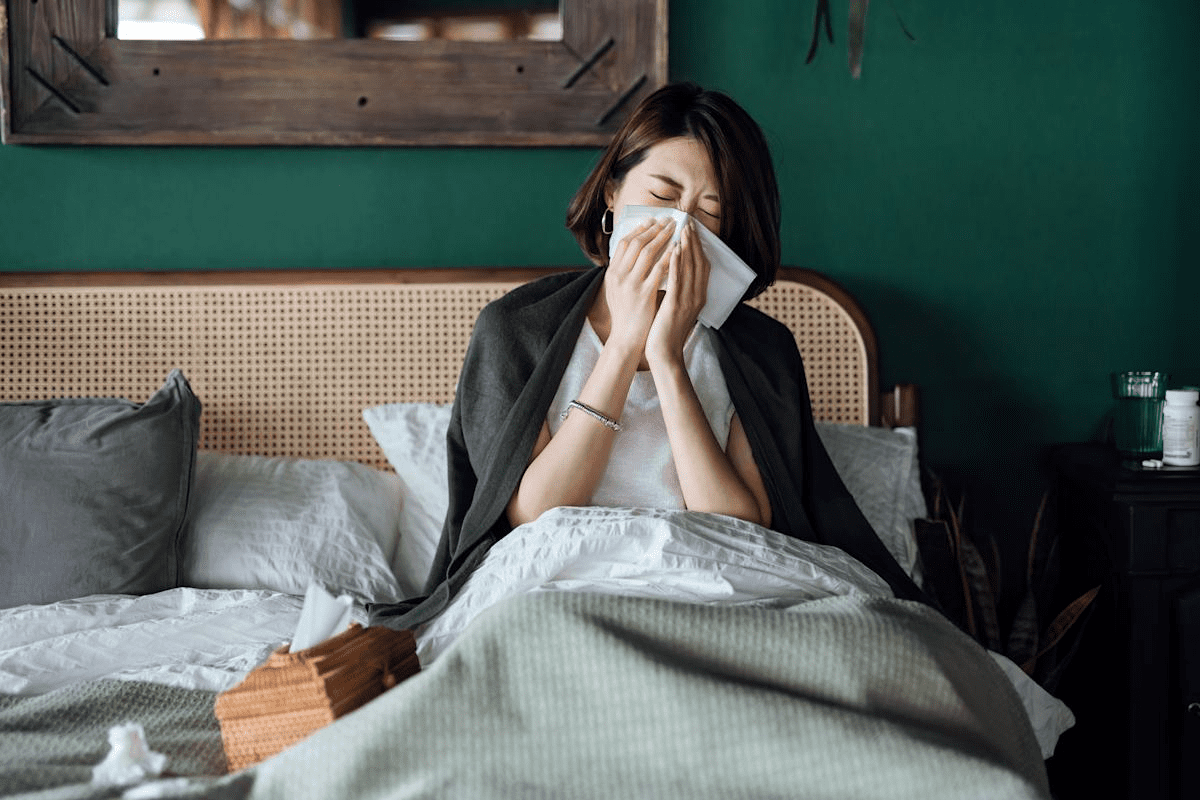
Phlegm after eating is a body response to different factors, like what we eat. Some foods can make our body produce more mucus, which shows up as phlegm.
What Happens in Your Body When You Experience Post-Meal Phlegm
Phlegm after eating means your body is reacting to something. It might be because of foods that upset your stomach or conditions like GERD. The body makes more mucus as a natural defense, which can build up in your throat.
How Common Is This Condition?
Many people get phlegm after eating, but they might not know why. Here’s some data to show how common it is:
Condition | Prevalence | Common Triggers |
Post-meal phlegm | 30% of the population | Dairy products, spicy foods |
GERD-related phlegm | 20% of GERD patients | Stomach acid, certain foods |
Food allergy-induced phlegm | 10% of individuals with food allergies | Specific allergenic foods |
The table shows that post-meal phlegm is quite common. It’s caused by many things. Knowing what triggers it helps manage it better.
The Science Behind Excessive Mucus Production
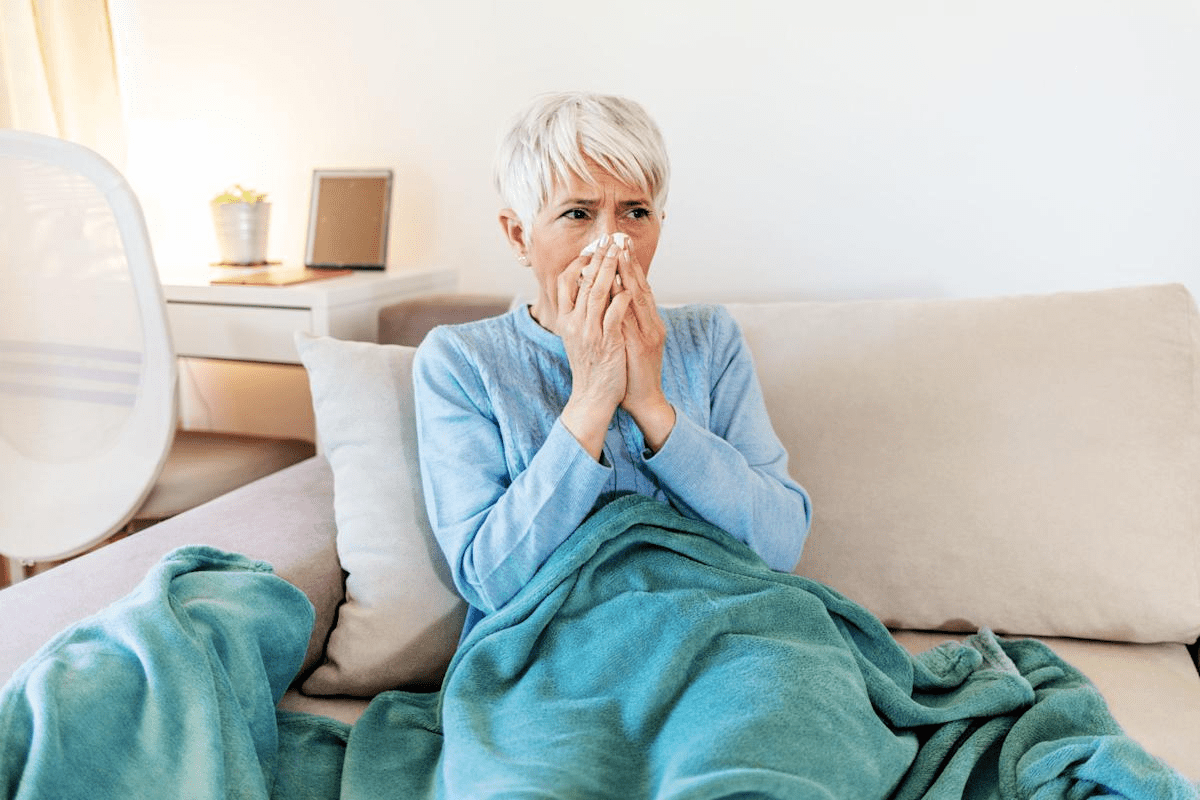
Eating can sometimes make our body produce too much mucus, causing discomfort. This issue isn’t just about the food we eat. It’s also about how our body’s systems work together to create this problem.
How Your Respiratory System Responds to Food
The respiratory system helps keep our airways clear by making mucus. For some, certain foods can make more mucus, which is a bit of a problem. This is more common in people with food sensitivities or allergies.
When we eat, it can upset our digestive tract. This upset can make our respiratory tract produce more mucus. This is a complex interaction between our digestive and respiratory systems.
The Connection Between Digestion and Mucus Formation
Digestion is key in how our body breaks down food, and it affects mucus production. The digestive system’s reaction to certain foods can cause inflammation, leading to more mucus.
Knowing this connection helps us manage too much phlegm after eating. By finding out which foods trigger it and taking care of our digestive health, we can lessen our symptoms.
Gastroesophageal Reflux Disease (GERD) as a Primary Cause
GERD is a main reason for phlegm after eating. It happens when stomach acid goes back up into the esophagus. This irritates the throat and makes the body produce mucus as a defense.
How Stomach Acid Triggers Protective Mucus Response
Stomach acid coming up into the esophagus can irritate the throat. This irritation makes the body produce mucus. The mucus acts as a shield against the acid, showing up as phlegm after eating.
“The reflux of stomach acid into the esophagus is a key factor in the development of phlegm after eating.” Acid can cause inflammation and irritation. This leads to more mucus production.
Identifying GERD-Related Phlegm Symptoms
To figure out if GERD causes phlegm after eating, look for other signs. These include:
- Heartburn
- Difficulty swallowing
- Regurgitation of food
- Coughing or wheezing
Spotting these symptoms can help understand why you get phlegm. It’s a step towards finding the right treatment.
“Understanding the link between GERD and phlegm production is key for managing symptoms effectively.”
By tackling GERD and its symptoms, you can reduce phlegm. This improves your overall well-being.
Food Allergies and Sensitivities That Trigger Phlegm
Eating certain foods can cause allergic reactions or sensitivities. This leads to more mucus production. It’s important to know how food allergies and sensitivities affect phlegm to manage symptoms well.
Common Food Allergens and Their Effects
Food allergies happen when the immune system sees a food as harmful. Common allergens include dairy, nuts, shellfish, and gluten. When someone eats something they’re allergic to, their body releases chemicals. This can cause more mucus.
Table: Common Food Allergens and Symptoms
Food Allergen | Common Symptoms |
Dairy | Congestion, coughing, skin rashes |
Nuts | Hives, swelling, difficulty breathing |
Shellfish | Nausea, abdominal pain, diarrhea |
Gluten | Bloating, abdominal pain, fatigue |
How to Distinguish Between Allergy and Sensitivity Reactions
Food allergies and sensitivities can both cause discomfort. But they are different. Food allergies involve the immune system and can be severe. Sensitivities are usually less severe and don’t always involve the immune system.
“Distinguishing between food allergy and sensitivity is key for proper management. Getting an accurate diagnosis helps make better diet choices and eases symptoms.”
To tell the difference, watch the symptoms and how severe they are. If you think you have an allergy or sensitivity, see a healthcare professional. They can help figure out what’s going on and guide you.
Knowing how food allergies and sensitivities affect phlegm helps manage symptoms. The first step is to find and avoid trigger foods. This can greatly improve your health.
Specific Foods Known to Produce Phlegm After Eating
Some foods can make you produce more phlegm. Knowing which foods cause this can help you manage it. By avoiding these foods, you can reduce phlegm issues.
Dairy Products: Milk, Cheese, and Other Dairy
Dairy products often lead to more phlegm. Milk, cheese, and other dairy items have proteins and fats that thicken mucus. If dairy makes you produce phlegm, try eating less or finding alternatives.
- Milk and cream can increase mucus viscosity.
- Cheese, mainly aged or processed, can worsen symptoms.
- Yogurt, good for the gut, can also cause phlegm in some.
Spicy Foods Containing Capsaicin
Spicy foods, like those with capsaicin, might irritate your mucous membranes. But, they don’t usually cause phlegm. Yet, some people might make more mucus as a reaction. Foods with lots of capsaicin include:
- Chili peppers
- Wasabi
- Horseradish
High-Histamine Foods: Aged Fish and Processed Meats
High-histamine foods can also lead to more mucus. These include:
- Aged fish like tuna and mackerel
- Processed meats such as sausages and bacon
- Fermented foods, which are often high in histamine
If you’re sensitive to histamine, cutting down or avoiding these foods might help with phlegm.
Other Culprits: Chocolate, Caffeine, and Alcohol
Other things can also make phlegm worse. These include:
- Chocolate, which can relax the lower esophageal sphincter and increase mucus.
- Caffeine, in coffee, tea, and some drinks, can irritate the stomach and worsen symptoms.
- Alcohol, in large amounts, can irritate mucous membranes and make phlegm worse.
Knowing these triggers can help you choose better foods to manage your phlegm.
Medical Conditions Associated with Post-Meal Mucus Production
Post-meal mucus production is often linked to several medical conditions. These conditions affect the respiratory and digestive systems. It’s important to understand these conditions to manage symptoms effectively.
Chronic Respiratory Conditions That Worsen After Eating
Chronic respiratory conditions like chronic bronchitis, COPD, and asthma can cause more mucus after eating. These conditions make it hard for the body to clear mucus because of inflammation and irritation in the airways.
Chronic bronchitis causes inflammation in the bronchial tubes, leading to a lot of mucus. COPD is a lung disease that makes breathing hard and causes a lot of mucus. Asthma makes the airways narrow and inflamed, often because of certain foods or allergens.
Digestive Disorders Beyond GERD
Digestive disorders like GERD can also cause mucus after eating. Conditions like dysphagia and other swallowing disorders can lead to food or liquids going into the lungs. This triggers a mucus response to protect the lungs.
Dysphagia makes it hard to swallow, causing food to go into the airway. This leads to more mucus as the body tries to protect the lungs. Other swallowing disorders can also cause food or liquids to go into the respiratory tract, making mucus worse.
By recognizing and understanding these conditions, people can get the right medical care. This can help alleviate symptoms and improve their quality of life.
When to Seek Medical Attention for Persistent Phlegm
It’s important to know when phlegm is a serious health issue that needs a doctor. Sometimes, phlegm after eating can be handled by changing your lifestyle. But, if symptoms don’t go away or are very bad, you should see a doctor.
Warning Signs That Require a Doctor’s Visit
If you notice any of these signs, you should get medical help right away:
- Difficulty breathing: Trouble breathing or feeling short of breath is a big warning sign.
- Chest pain: Chest pain or tightness could mean a serious problem.
- Persistent coughing up phlegm: Always coughing up phlegm after eating means you need to see a doctor.
- Blood in phlegm: Coughing up blood or rust-colored mucus is a serious sign that needs quick medical attention.
Diagnostic Approaches Your Doctor May Use
Your doctor will use different tests to find out why you have persistent phlegm:
Diagnostic Test | Purpose |
Endoscopy | To look at the upper digestive tract for problems or inflammation. |
Allergy testing | To find out if certain foods are causing your phlegm. |
Imaging tests (X-rays, CT scans) | To see the lungs and digestive tract for any structural issues. |
Knowing the warning signs and what doctors do can help you manage your health better. If you keep coughing up phlegm, talk to your doctor to figure out what to do next.
Effective Solutions to Manage After Eating Phlegm
We can manage phlegm after eating by making dietary changes, using medication, and trying natural remedies. This approach helps find the best strategies for each person’s needs.
Dietary Modifications and Elimination Strategies
Diet is key in managing phlegm after eating. Knowing and avoiding trigger foods can help a lot. An elimination diet helps find out which foods cause problems.
To start an elimination diet, remove common triggers like dairy, spicy foods, and high-histamine foods for a few weeks. Then, add them back one at a time to see how your body reacts.
Medication Options for Symptom Relief
For some, diet changes alone may not be enough. In these cases, medication options can offer relief. Antihistamines can cut down mucus, and proton pump inhibitors (PPIs) can help with GERD symptoms.
Always talk to a healthcare professional before starting new medication. They can discuss the benefits and possible side effects with you.
Natural Remedies and Home Treatments
There are also natural remedies to help manage phlegm. Steam inhalation can loosen mucus, making it easier to cough up. Drinking lots of water also helps thin out mucus.
- Drink warm liquids, such as tea or broth, to soothe your throat.
- Use a humidifier to keep the air moist, which helps thin mucus.
- Try throat gargling with salt water to reduce swelling.
Conclusion: Taking Control of Your Digestive and Respiratory Health
Knowing why you produce phlegm after eating is key to better health. By finding out what foods and health issues cause it, you can start to feel better. This helps you manage your digestive and respiratory health.
We’ve looked at why you might make more mucus, like GERD, food allergies, and certain foods. Changing your diet, using medicine, and trying natural remedies can really help. These steps can make you feel much better overall.
Controlling your digestive health is important to avoid breathing problems. By choosing the right foods and getting medical help when needed, you can live better. We urge you to take action to manage phlegm and boost your health.
FAQ
Why do I get phlegm after eating certain foods?
Phlegm after eating might be due to food allergies or sensitivities. It could also be because of conditions like GERD. Some foods can upset your stomach, causing your body to make more mucus.
What are common food triggers for phlegm production?
Foods like dairy, spicy dishes, and high-histamine foods can trigger phlegm. Also, chocolate, caffeine, and alcohol might cause it.
How does GERD contribute to phlegm after eating?
GERD makes stomach acid flow back into the esophagus. This irritates the throat and leads to mucus production, causing phlegm after eating.
Can food allergies cause phlegm after eating?
Yes, food allergies can make your body react. This reaction can lead to more mucus, causing phlegm after eating.
What medical conditions are associated with post-meal mucus production?
Conditions like bronchitis, COPD, and asthma can cause mucus after eating. So can digestive issues like dysphagia.
When should I seek medical attention for persistent phlegm?
See a doctor if you have trouble breathing, chest pain, or keep coughing up phlegm. They might do tests like endoscopy and allergy testing.
How can I manage phlegm after eating?
To manage phlegm, avoid trigger foods and try an elimination diet. You can also use medications like antihistamines. Natural remedies like steam inhalation and staying hydrated can help too.
Can dietary changes help alleviate phlegm after eating?
Yes, changing your diet can help. Avoiding dairy, spicy foods, and high-histamine foods can manage phlegm well.
Are there any natural remedies for managing phlegm after eating?
Yes, natural remedies like steam inhalation and staying hydrated can help with phlegm after eating.
What are the warning signs that require a doctor’s visit for phlegm after eating?
You should see a doctor if you have trouble breathing, chest pain, or keep coughing up phlegm.
How can I identify the underlying cause of my phlegm after eating?
Your doctor might use tests like endoscopy and allergy testing to find out why you have phlegm after eating.
Can coughing up white mucus after eating be a sign of an underlying condition?
Yes, coughing up white mucus can mean you have GERD, food allergies, or chronic respiratory conditions.
Is excessive phlegm after eating a common condition?
Experiencing phlegm after eating is not rare. It’s more common in people with certain conditions or sensitivities.
Can certain medications help alleviate phlegm after eating?
Yes, medications like antihistamines and proton pump inhibitors can help with phlegm after eating.
References
National Center for Biotechnology Information. (2025). Why Do I Get Phlegm After Eating Causes. Retrieved from https://pmc.ncbi.nlm.nih.gov/articles/PMC1447591/