Feeling pain on the left side after an embryo transfer can be both reassuring and unsettling. At Liv Hospital, we know these days are filled with hope and anticipation. Many women going through IVF say they feel mild cramping and twinges. These are often seen as good signs that the embryo is implanting well.
The main reasons for this discomfort are implantation of the embryo into the uterine lining, hormonal changes, Ovarian Hyperstimulation Syndrome (OHSS), and round ligament pain. Knowing what causes these symptoms can help you feel more at ease during the wait.
Analyzing the common causes of after embryo transfer left side pain, including implantation and ovarian discomfort.
Key Takeaways
- Left side pain is a common experience for many women undergoing IVF.
- Pain can be caused by implantation, hormonal changes, OHSS, and round ligament pain.
- Understanding the causes of pain can help alleviate anxiety.
- Mild cramping and twinges are often positive signs of successful implantation.
- Comprehensive education and compassionate support are essential during this period.
The Embryo Transfer Process and Recovery
For those going through IVF, knowing about the embryo transfer process can ease worries. This step in assisted reproductive technology (ART) is key. Understanding it can greatly improve the experience.
What Happens During an Embryo Transfer Procedure
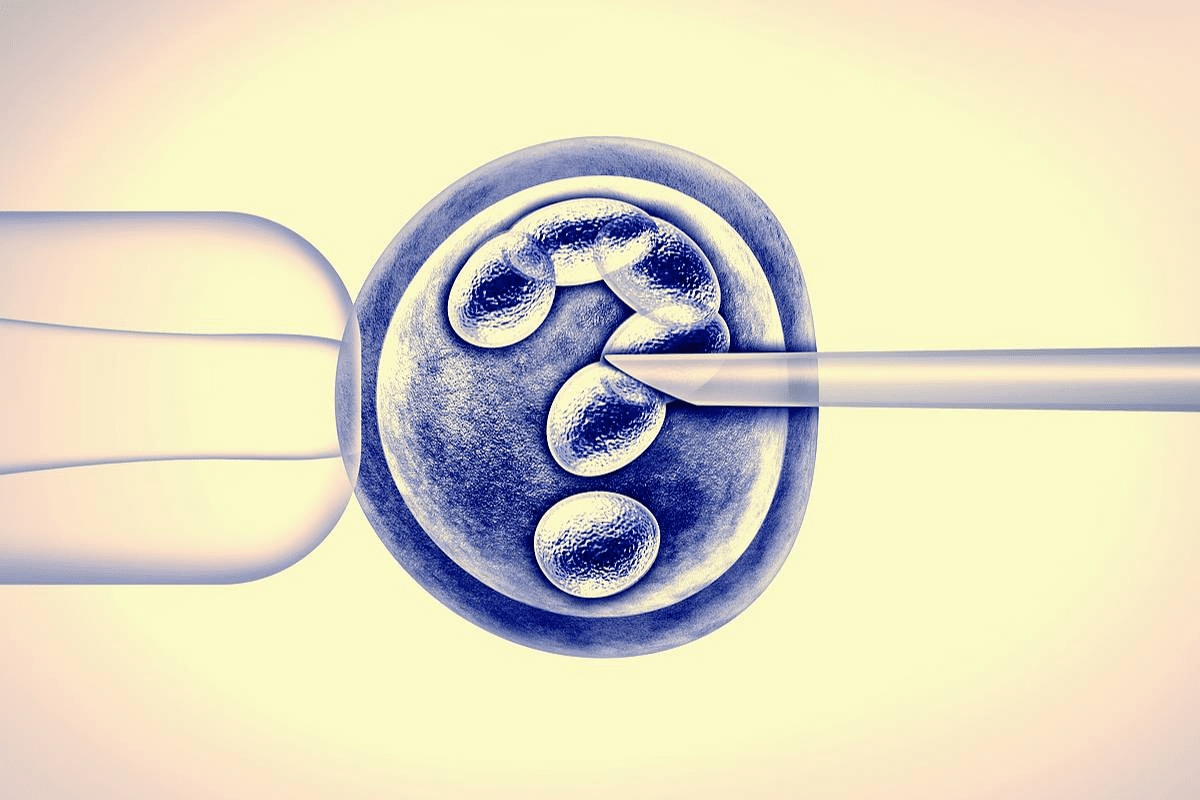
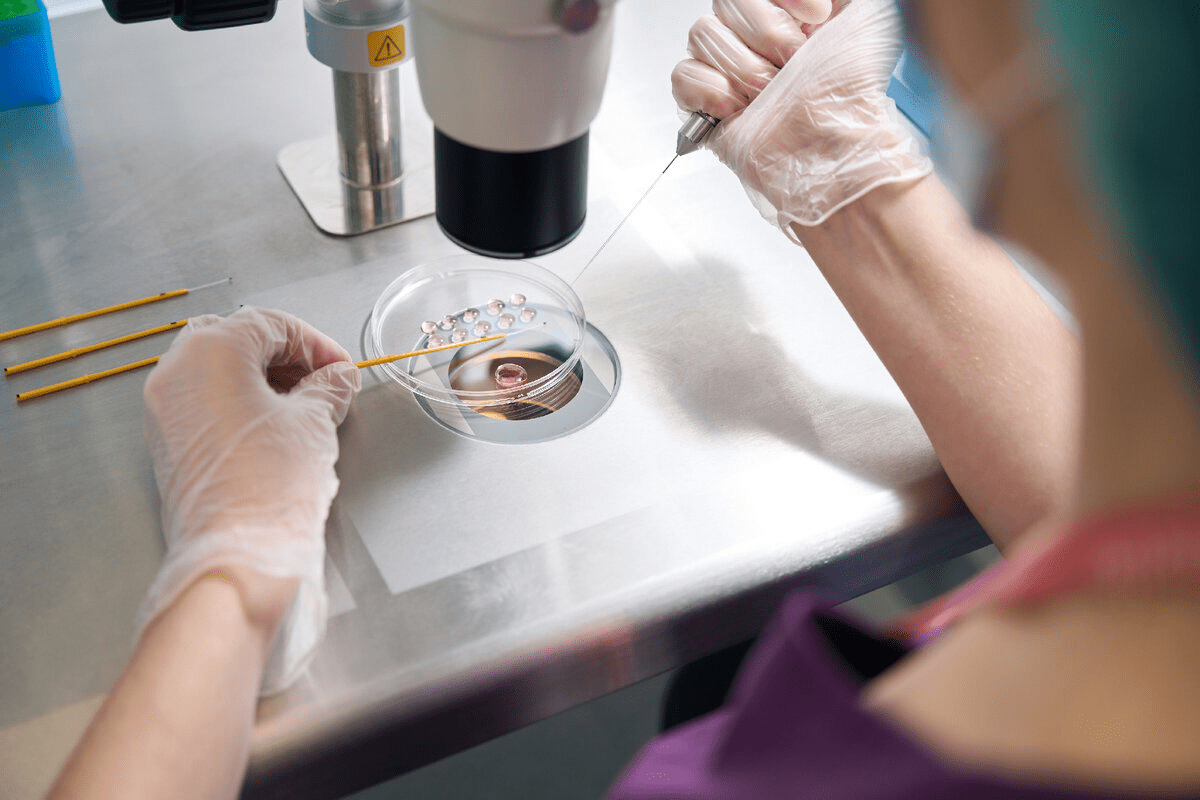
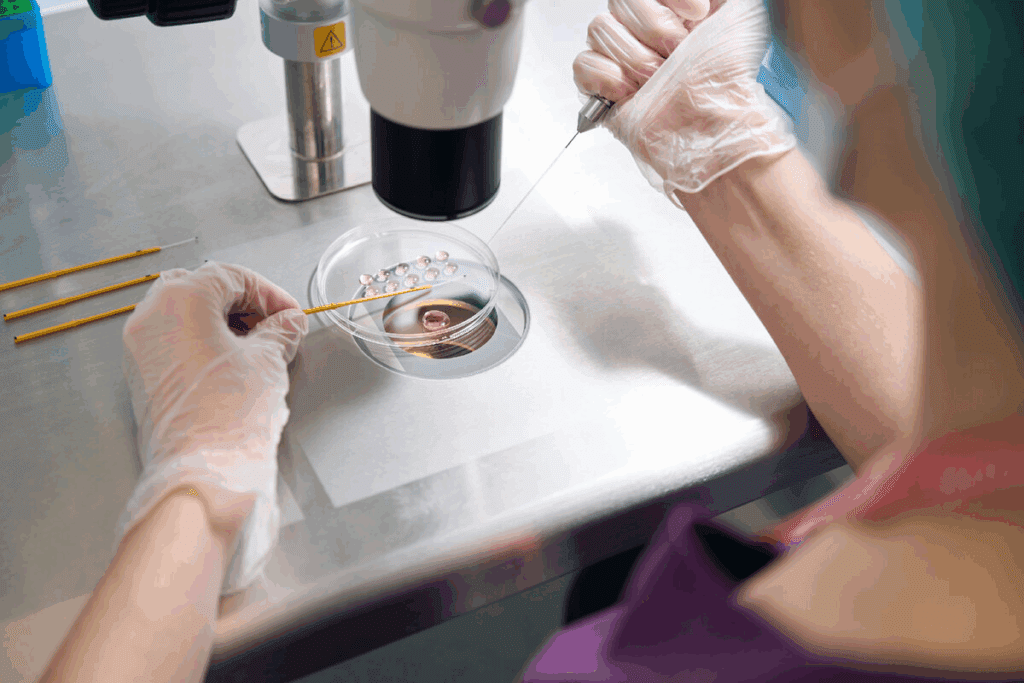
The embryo transfer puts the embryo in the uterus with a catheter. It’s done under ultrasound to make sure it’s right. The whole thing is quick and usually doesn’t hurt, but some might feel a bit uncomfortable.
The patient lies on a table, and the cervix is cleaned. Then, the embryo is put into the uterus through the cervix. This is done without anesthesia, and most can go back to normal activities soon after.
Physical Recovery Expectations
Right after the transfer, people might feel some things, but it’s different for everyone. On day 3 after embryo transfer, some might start to feel a bit of cramping or bloating.
| Day | Common Symptoms |
|---|---|
| 1-2 | Mild cramping, spotting |
| 3-5 | Bloating, mild discomfort |
| 6-8 | Implantation cramping, possible mood swings |
| 8-12 | Continued bloating, possible breast tenderness |
By 8 days after embryo transfer, symptoms might get stronger because of implantation. Remember, everyone’s experience is different. Not everyone will notice symptoms during this time.
Knowing about the embryo transfer and recovery can help during the wait. Even though it’s different for everyone, being informed can offer comfort and reassurance.
After Embryo Transfer Left Side Pain: Common Patterns
Knowing about left side pain after embryo transfer helps manage the wait. This period is filled with hope and physical feelings, like pain on the left side.
Typical Timing: Days 3-12 Post-Transfer
Left side pain can happen at different times after embryo transfer. It usually starts between days 3 to 12. A study found most people felt some discomfort, with the worst around days 6-8.
| Days Post-Transfer | Common Symptoms |
|---|---|
| 3-5 | Mild cramping, slight discomfort |
| 6-8 | Peak discomfort, possible implantation cramping |
| 9-12 | Gradual decrease in discomfort |
Characteristics of Post-Transfer Discomfort
The pain on the left side can feel different for everyone. Some feel sharp pains, while others have dull aches. The pain might stay the same or change, and can be with other symptoms like bloating or spotting.
One patient said, “I felt a sharp pain on my left side around day 7 post-transfer. It was brief but intense.” This shows how unique each person’s experience can be.
In summary, left side pain after embryo transfer is common. It can be due to implantation or hormonal changes. Knowing when and how this pain feels can help ease the wait.
Embryo Implantation as a Primary Cause
The journey of embryo implantation is complex and can cause pain on one side of the body. It’s a key step in IVF success. Knowing about it helps explain left side pain after embryo transfer.
The Biology of Implantation (Days 6-10)
Embryo implantation happens between days 6 and 10 after transfer. The embryo attaches to the uterine lining, causing mild twinges or cramps. Medical Expert, a fertility specialist, says,
“Implantation is a delicate process that can cause women to feel various sensations, ranging from mild cramping to sharp, localized pain.”
The process involves the embryo burrowing into the uterine lining, which has blood vessels and nerve endings. This can stimulate nerves, causing the sensations women feel.
Why Implantation Can Cause Localized Pain
Pain location often relates to implantation site. If the embryo implants on the left side, pain might be more on that side. This localized pain is usually mild but can be sharp.
Several factors contribute to implantation pain:
- The invasion of the embryo into the uterine lining
- Irritation of the uterine nerves
- Changes in blood flow and swelling in the uterine area
While implantation is a common pain cause, it’s not the only one. Knowing about implantation biology helps understand left side pain after embryo transfer.
Exploring left side pain after embryo transfer is important. Pain experiences vary greatly among individuals. What’s normal for one woman might signal something else for another.
Hormonal Influences on Post-Transfer Discomfort
Hormonal treatments are key in IVF. Knowing how they affect post-transfer discomfort is vital for those going through embryo transfer. Hormonal meds help get the uterus ready for implantation and support early pregnancy.
Progesterone Supplementation Effects
Progesterone is a hormone used in IVF to support early pregnancy. It can cause mild cramping or twinging, which some women find uncomfortable.
Progesterone can cause different symptoms, like:
- Bloating and water retention
- Mild cramping or twinging sensations
- Changes in cervical mucus
- Breast tenderness
These symptoms are usually mild and short-lived. But they can add to the discomfort during the two-week wait after embryo transfer.
Estrogen and Other Fertility Medications
Estrogen and other fertility meds are also important in IVF. High estrogen levels can cause various physical sensations.
Some common effects include:
| Medication | Common Effects |
|---|---|
| Estrogen | Bloating, mood swings, breast tenderness |
| Gonadotropins (e.g., FSH, LH) | Ovarian enlargement, pelvic discomfort |
| Progesterone | Mild cramping, bloating, drowsiness |
Knowing about these hormonal effects can help patients prepare for post-transfer sensations. It’s important to talk to a healthcare provider about any concerns or severe symptoms during IVF.
By understanding hormonal treatment effects, patients can better prepare for post-transfer sensations. It’s key to discuss any concerns or severe symptoms with a healthcare provider for proper care and support during IVF.
Ovarian Hyperstimulation Syndrome (OHSS)
OHSS, or Ovarian Hyperstimulation Syndrome, is a condition that can happen to women who get fertility treatment. This syndrome is a possible side effect of IVF, affecting about 3-6% of IVF patients.
Identifying OHSS Symptoms
The symptoms of OHSS can vary and may include severe abdominal pain, bloating, nausea, vomiting, diarrhea, and less urine. In serious cases, OHSS can cause blood clots, kidney failure, and even death.
Women getting IVF should know these symptoms and see a doctor if they happen. Early treatment can greatly improve outcomes.
Prevalence and Risk Factors
OHSS affects about 3-6% of IVF patients. Some factors can raise the risk of OHSS, like younger age, low body mass index (BMI), polycystic ovary syndrome (PCOS), and high doses of gonadotropins during treatment.
Knowing these risk factors helps doctors make treatment plans to lower OHSS risk.
Severity Levels and Treatment Approaches
OHSS can be mild, moderate, or severe. Mild cases might just need watching and some care, like staying hydrated and managing pain. But, moderate to severe OHSS might need more serious treatment, like hospital care to handle serious problems.
Treatment depends on how bad OHSS is. It might include fluid management, pain relief, and watching for serious problems. Sometimes, stopping the IVF cycle is needed to protect the patient’s health.
Round Ligament Pain and Uterine Changes
When an embryo implants, the uterus starts to grow. This growth stretches the ligaments that hold it in place. This stretching can cause pain.
Anatomy of Uterine Ligaments
The uterus is held in place by several ligaments. The round ligaments are key. They run from the uterus to the labia majora. Their job is to support the uterus and keep it in the right spot.
Knowing how these ligaments work helps us understand round ligament pain in early pregnancy. The round ligaments are made of fibrous tissue. They have many nerve endings, making them sensitive to stretching.
How Early Pregnancy Affects Ligaments
In early pregnancy, the uterus starts to grow. This growth stretches the round ligaments, causing pain. The pain can feel sharp or dull and is usually on one side of the lower abdomen.
We have made a table to show how round ligament pain can appear at different times after an embryo transfer:
| Days Post-Transfer | Common Symptoms | Possible Causes |
|---|---|---|
| 3-5 days | Mild cramping, slight discomfort | Initial uterine expansion, hormonal changes |
| 6-10 days | Sharp pains, round ligament pain | Implantation, increased uterine blood flow |
| 11-12 days | Dull aches, persistent discomfort | Continued uterine growth, ligament stretching |
Round ligament pain can be uncomfortable but is usually normal in early pregnancy. But, if the pain is very bad or you have other symptoms, see a doctor.
Day-by-Day Progression of Post-Transfer Symptoms
Understanding symptoms after embryo transfer can ease worries during the wait. The body goes through changes as it responds to the embryo. This period is filled with anticipation and physical sensations.
Days 3-4: Initial Sensations and Changes
Right after embryo transfer, patients might feel mild cramping, spotting, or a full feeling in the pelvic area. These symptoms are usually mild. They come from hormonal changes and the embryo transfer itself.
Some notice changes in cervical mucus or breast tenderness. This is because of the progesterone used in IVF treatments.
Days 6-8: Implantation Period Symptoms
By days 6-8, the embryo should implant in the uterine lining. This time is key and might bring implantation bleeding or mild cramping. Some feel a pinch or twinge, which is thought to be implantation.
Hormonal changes can also cause mood swings, fatigue, and other early pregnancy-like symptoms.
Days 10-12: Later Phase Discomfort
By days 10-12, symptoms can get more noticeable. This is because of rising hCG and continued progesterone. Symptoms include more breast tenderness, increased urination, and emotional sensitivity.
Bloating or discomfort can also happen due to hormonal changes and the growing embryo.
| Days Post-Transfer | Common Symptoms | Hormonal Changes |
|---|---|---|
| 3-4 | Mild cramping, spotting, pelvic fullness | Initial rise in progesterone |
| 6-8 | Implantation bleeding, mild cramping, mood swings | Implantation, increasing hCG |
| 10-12 | Breast tenderness, increased urination, emotional sensitivity | Rising hCG, continued progesterone supplementation |
Additional Causes of Left Side Abdominal Pain
Many things can cause left side abdominal pain after an embryo transfer. Some are not related to the embryo itself. Knowing these causes helps patients deal with the post-transfer period better.
Digestive Issues and Bloating
Hormonal changes during IVF can mess with digestion, leading to bloating and discomfort. Progesterone supplementation can slow down bowel movements, causing constipation and gas. This discomfort might feel worse on one side of the abdomen, depending on your body and how gas or stool is distributed.
Eating smaller, more frequent meals and drinking plenty of water can help. Also, adding fiber-rich foods to your diet can help keep your bowel movements regular.
Residual Effects from Egg Retrieval
The egg retrieval process is usually safe but can have temporary side effects. Ovarian swelling and minor internal bruising are common, lasting several days after the procedure.
Patients might feel a dull ache or sharp pains on one side, where eggs were retrieved. This pain usually goes away within a week or two as the ovaries get back to normal.
Unrelated Medical Conditions to Consider
Not all left side abdominal pain after embryo transfer comes from IVF. Pre-existing conditions like irritable bowel syndrome (IBS), diverticulitis, or ovarian cysts can also cause pain. Hormonal changes from IVF can make these pains worse.
Other conditions, like appendicitis or kidney stones, can also cause abdominal pain. If the pain is severe, lasts a long time, or comes with other symptoms like fever or heavy bleeding, get medical help right away.
Understanding the different reasons for left side abdominal pain after embryo transfer helps patients manage their symptoms. It also tells them when to get further medical help.
When to Seek Medical Attention for Post-Transfer Pain
Some pain after embryo transfer is normal. But, there are warning signs that mean you need to see a doctor right away. It’s key to know the difference between usual feelings and signs that need quick medical help.
Warning Signs That Require Immediate Care
Severe or ongoing pain needs to be told to your doctor fast. Other signs to watch for include:
- Severe abdominal pain or cramping
- Heavy vaginal bleeding
- Severe nausea or vomiting
- High fever (over 101.5°F or 38.6°C)
- Dizziness or fainting
These symptoms might mean serious issues like Ovarian Hyperstimulation Syndrome (OHSS) or other serious problems. If you see any of these signs, call your healthcare provider right away.
Differentiating Between Normal Discomfort and Complications
Normal discomfort after embryo transfer is usually mild. It might feel like cramping, bloating, or a bit of pelvic pain. But, if the pain is really bad, doesn’t go away, or comes with other scary symptoms, it could be a sign of trouble.
Medical Expert, a fertility expert, says,
“Patients should be aware of their body’s response to the embryo transfer and not hesitate to reach out to their healthcare provider if they’re concerned about their symptoms.”
To handle your symptoms well, keep a journal of your pain, bleeding, and other feelings. This can help spot any odd patterns and give your doctor useful info.
Knowing the warning signs and when to get medical help is important. It keeps you safe and helps your embryo transfer succeed.
Conclusion: Managing the Two-Week Wait with Confidence
The two-week wait after embryo transfer can be tough, but we’re here to help. Knowing what might cause left side pain can ease your worries. This knowledge helps you feel more in control.
Try to stay active, drink plenty of water, and eat well. On day 4, some might feel a bit off, while others won’t notice anything. By day 8, symptoms can show up, but they’re usually signs of implantation.
It’s important to stay informed and take action during this time. This way, you can handle your symptoms well and stay hopeful. We aim to support and guide you through this important period.
Follow our advice and keep in touch with your doctor. This will help you have a better chance of success with IVF. And it makes the two-week wait easier to handle.
FAQ
What are the common causes of left side pain after embryo transfer?
Left side pain after embryo transfer can come from several sources. These include embryo implantation, hormonal shifts, ovarian hyperstimulation syndrome (OHSS), round ligament pain, and digestive problems.
Is left side pain after embryo transfer a normal symptom?
Yes, left side pain after embryo transfer is common. It’s often linked to the embryo implanting or hormonal changes. But, it’s important to watch how severe and long-lasting the pain is.
How long after embryo transfer can I expect to feel symptoms?
Symptoms can start anytime between days 3-12 after the transfer. Implantation usually happens around days 6-10.
What is OHSS, and how does it relate to left side pain after embryo transfer?
OHSS is a condition that happens when fertility meds overstimulate the ovaries. It can cause discomfort, including left side pain, and is a risk with IVF.
Can digestive issues cause left side pain after embryo transfer?
Yes, digestive problems like bloating, constipation, or gas can lead to left side pain after embryo transfer. Hormonal changes and fertility meds can make these issues worse.
When should I seek medical attention for post-transfer pain?
Seek medical help right away for severe pain, heavy bleeding, or other concerning symptoms. Also, check in with your healthcare provider if you’re unsure about your symptoms.
Can round ligament pain cause left side discomfort after embryo transfer?
Yes, round ligament pain is common in early pregnancy, including after IVF. As the uterus grows, the ligaments supporting it can cause discomfort, including left side pain.
How can I manage the two-week wait after embryo transfer?
To manage the wait, stay informed, watch your symptoms, and follow your healthcare provider’s advice. A healthy lifestyle, including a balanced diet and stress management, can also help.
Are there any specific symptoms I should watch out for after embryo transfer?
Yes, watch for severe abdominal pain, heavy bleeding, fever, or trouble urinating. These can signal complications. If worried, contact your healthcare provider.
Can left side pain after embryo transfer be a sign of a successful implantation?
Left side pain can be linked to implantation, but it’s not a sure sign of success. Many factors affect IVF success, and only a pregnancy test or ultrasound can confirm implantation.
What are the typical symptoms experienced during days 3-4 after embryo transfer?
Days 3-4 may bring mild cramping, spotting, or breast tenderness. These are due to hormonal changes and the embryo transfer process.
What happens during the implantation period (days 6-8 after embryo transfer)?
During implantation, the embryo attaches to the uterine lining, causing localized pain, including left side discomfort. Some may also experience mild bleeding or spotting.
Are there any unrelated medical conditions that could cause left side pain after embryo transfer?
Yes, conditions like appendicitis, ovarian cysts, or kidney stones can cause left side pain. If you have severe or ongoing pain, see your healthcare provider to rule out other conditions.
References
National Health Service (NHS). Left-Sided Pain After Embryo Transfer: Causes and Patient Experiences. Retrieved from https://www.nhs.uk/conditions/ivf/what-happens/