Last Updated on December 1, 2025 by Bilal Hasdemir
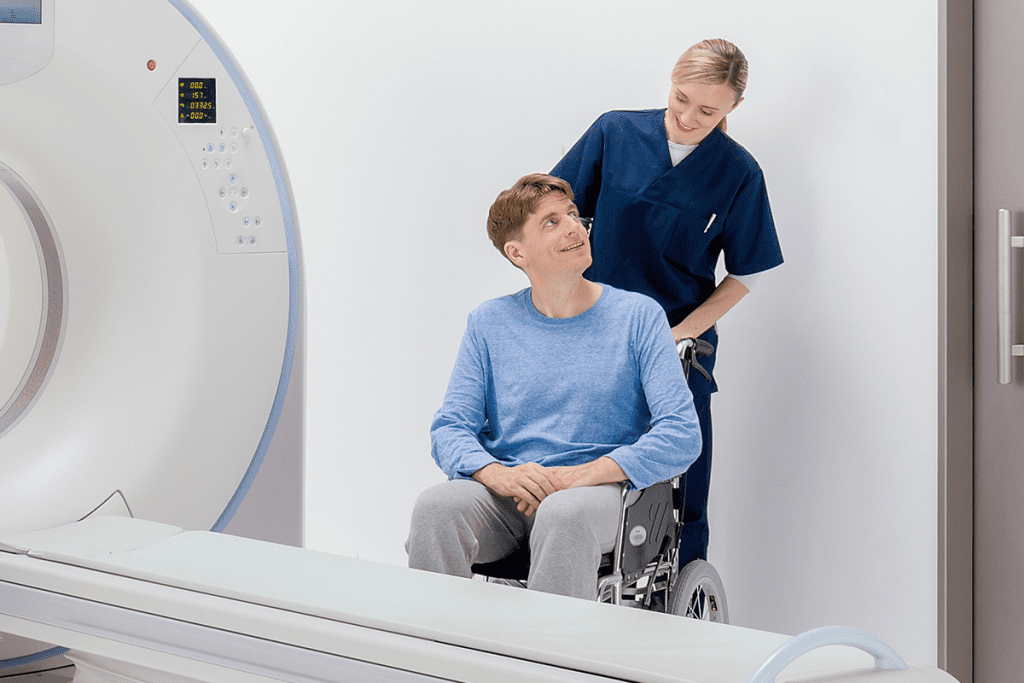
Having a PET scan can be scary for many people. It involves putting a radioactive tracer into your body, which can lead to various physical and emotional reactions. Patients often experience after PET scan feelings such as anxiety or uneasiness while waiting for results. Some might also feel fatigued or dizzy because of the tracer. This article will discuss the usual after PET scan feelings people have and offer advice on dealing with them effectively.
Key Takeaways
- Common emotional reactions after a PET scan
- Physical sensations caused by the radioactive tracer
- Expert tips for managing post-scan anxiety
- Ways to alleviate fatigue and dizziness
- What to expect during the waiting period for scan results
Understanding PET Scans: A Brief Overview
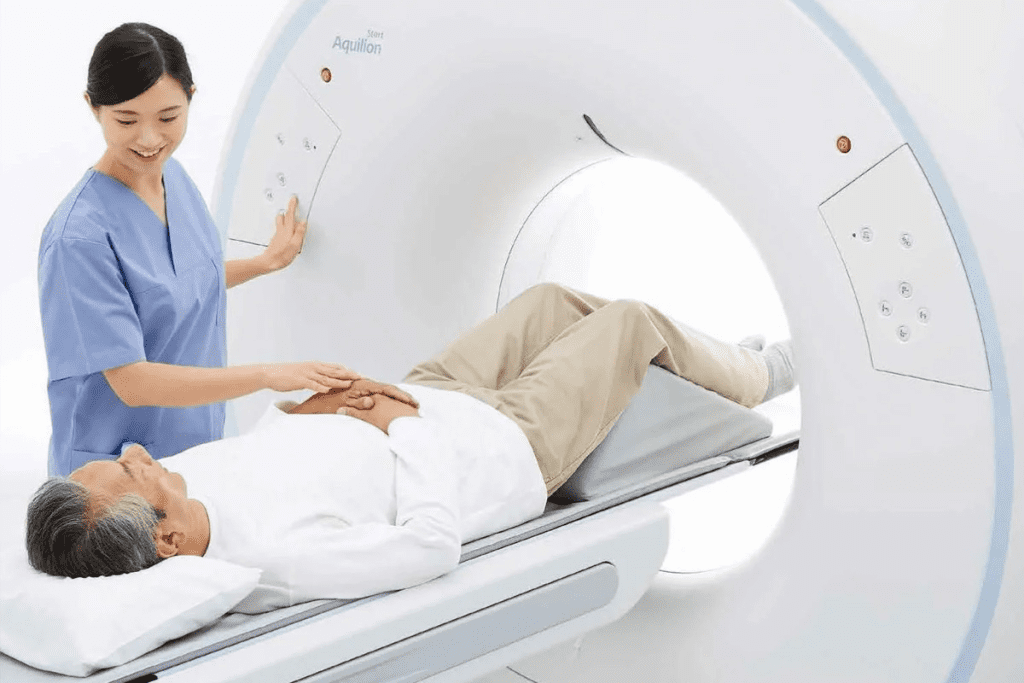
Learning about PET scans is key for those going through this test. A PET scan is a top-notch imaging method. It helps doctors spot and manage health issues.
What is a PET scan and how does it work?
A PET scan, or Positron Emission Tomography scan, is an advanced imaging test that helps visualize metabolic activity within the body.. It shows how the body works inside. A radioactive tracer is injected, which goes to active areas like cancer cells.
The PET scanner picks up signals from this tracer. It makes detailed pictures of the body’s inside. This is key for finding diseases like cancer, brain issues, and heart problems.
The process is simple: after the tracer is given, the patient lies on a table. This table slides into the PET scanner. The scan takes about 30 minutes to an hour.
The radioactive tracer and its function
The radioactive tracer used in PET scans commonly includes fluorine-18 (F-18) labeled molecules, such as FDG (fluorodeoxyglucose), which highlight areas of increased metabolic activity. These tracers show specific body areas or functions.
FDG (fluorodeoxyglucose) is a glucose molecule with a radioactive tag. It goes to cells based on their glucose use. This helps find abnormal glucose use, like in cancer.
- Accumulate in areas of high metabolic activity
- Emit signals that are detectable by the PET scanner
- Provide detailed images of the body’s internal structures
After PET Scan Feelings: Common Physical Sensations
After a PET scan, patients often feel certain physical sensations. These feelings are usually short-lived. Knowing about them can help ease any worries or anxiety you might have.
Immediate Physical Sensations Post-Procedure
Right after a PET scan, some people might feel cold or warm. They might also feel a bit uncomfortable where the injection was given. These feelings are usually mild and don’t last long.
Common immediate effects can also include a metallic taste in the mouth. This happens because of the radioactive tracer used in the scan. This taste is temporary and goes away by itself.
The Warmth Sensation Explained
Some patients feel a warmth or flushing right during or after the PET scan. This is often because of the radioactive tracer injection. The warmth sensation is usually safe and goes away quickly.
| Sensation | Cause | Duration |
| Warmth or Flushing | Radioactive Tracer Injection | Temporary |
| Metallic Taste | Radioactive Tracer | Short-Lived |
| Discomfort at Injection Site | Injection Procedure | Generally Mild and Temporary |
These physical sensations, though they might be unsettling, are common and usually not a worry. If you’re feeling uncomfortable or have questions, it’s smart to talk to your healthcare provider.
Injection Site Reactions After a PET Scan
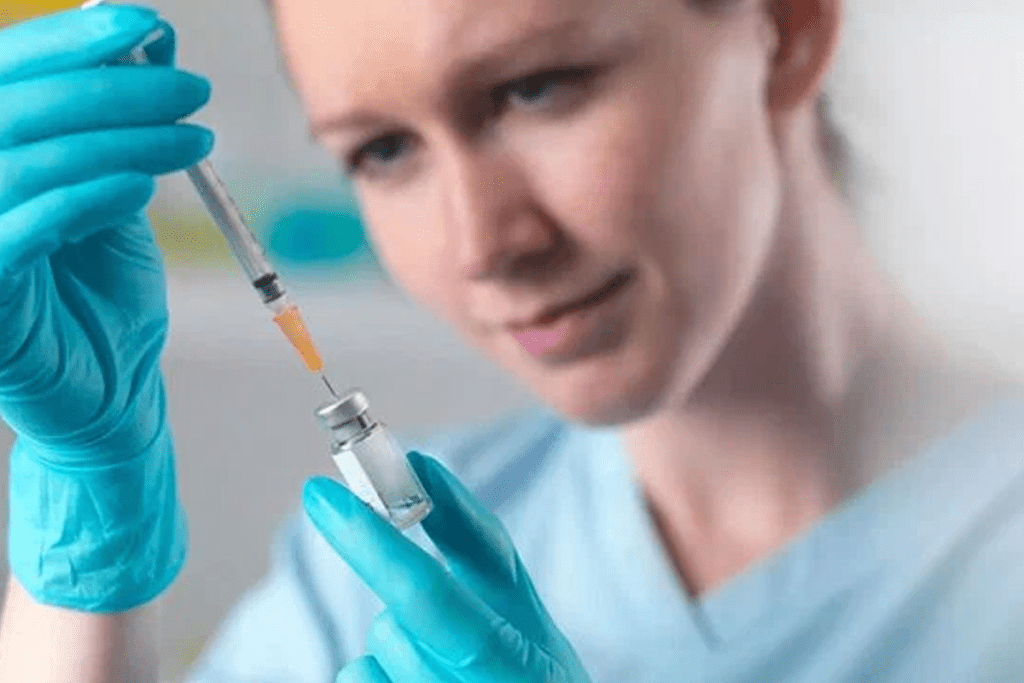
After a PET scan, you might notice reactions at the injection site. This is where the radioactive tracer is injected, usually into a vein in your arm.
Normal Injection Site Sensations
Some sensations at the injection site are normal after a PET scan. You might feel:
- Mild pain or discomfort
- Redness or swelling
- A feeling of coolness or warmth
These feelings are usually mild and go away within a few hours.
When to Be Concerned About Injection Site Pain
But, sometimes you should worry about injection site pain. Look out for:
- Severe pain that doesn’t subside
- Increasing redness or swelling
- Pus or discharge from the injection site
If you see these signs, call your healthcare provider right away.
Following PET scan aftercare tips can help. Keep the area clean, wear loose clothes, and watch for any unusual changes.
Energy Levels and Fatigue Following PET Scans
Many people feel tired after a PET scan. This can happen for a few reasons linked to the scan itself.
Why Tiredness May Occur
A radioactive tracer used in PET scans can make you feel tired. This tracer is key for the scan’s accuracy but can lower your energy. Also, getting ready for the scan, like fasting, might make you feel more tired.
Factors Contributing to Fatigue:
- The radioactive tracer’s effect on the body
- Pre-scan preparation, such as fasting
- Stress or anxiety related to the scan
Duration of Energy Depletion
How long you feel tired after a PET scan varies. Usually, most people’s energy comes back in a day or two.
| Day | Expected Energy Levels |
| Day of Scan | Low to Moderate |
| Day 1 Post-Scan | Moderate |
| Day 2 Post-Scan | Returning to Normal |
Drinking water and resting can help with fatigue. If tiredness lasts, talk to a healthcare provider.
Potential Digestive System Effects
It’s important to know about the digestive system effects after a PET scan. The procedure is usually okay, but some might feel stomach issues.
Nausea and Stomach Discomfort
Nausea can happen after a PET scan, possibly because of the radioactive tracer. Some might feel stomach pain, which can be mild or more serious. Thepet scan nausea riskis low, but it’s good to know it can happen.
Managing Digestive Symptoms
To deal with stomach issues after a PET scan, drink lots of water. Eating small meals often can help with nausea and discomfort. Sometimes, doctors might suggest over-the-counter meds for these symptoms. Knowing how to handlemanaging post-pet scan feelingscan make things easier.
| Symptom | Management Tip |
| Nausea | Stay hydrated, eat small meals |
| Stomach Discomfort | Avoid heavy foods, consider over-the-counter relief |
Most people only feelpet scan mild symptoms, and these usually go away soon after the scan.
Hydration and Elimination of the Tracer
Hydration is key to flushing out the tracer after a PET scan. The tracer used in PET scans is meant to leave the body. Drinking water helps a lot in this process.
How the Body Eliminates the Radioactive Tracer
The body gets rid of the tracer mainly through urine and feces. The tracer is injected and builds up in certain areas. Then, it decays and leaves the body. Good hydration helps get rid of it faster.
| Elimination Method | Description | Role of Hydration |
| Urine | The primary method through which the tracer is eliminated. | High fluid intake increases urine production, aiding in faster elimination. |
| Feces | A secondary method of tracer elimination. | Adequate hydration helps in maintaining regular bowel movements. |
Importance of Fluid Intake After the Scan
Drinking lots of fluids after a PET scan is a must. Staying hydrated helps avoid side effects and supports the body’s natural processes. Drink water or other non-caffeinated drinks to help flush out the tracer.
Medical experts say, “Drinking enough water is a simple yet effective way to help your body recover after a PET scan.” It’s a key part of your aftercare.
Returning to Normal Activities: Timeline and Considerations
Going back to daily life after a PET scan depends on a few things. These include the scan type and your health. Usually, most people can get back to their usual routines soon after.
When You Can Resume Daily Activities
Most patients can start their daily activities immediately after the PET scan. This is unless their doctor tells them differently. The scan is not invasive, and the tracer leaves the body in a few hours.
It’s smart to drink lots of water to help get rid of the tracer. Your doctor might give you specific advice based on your health and the scan type.
Activities to Avoid Immediately After the Scan
While you can do most things right away, there are some things to watch out for. Avoid close contact with pregnant women and young kids for a few hours. The risk is low, but it’s better to be safe.
Also, avoid strenuous activities or exercises that could make you dehydrated. This is true if you’re feeling any odd side effects.
By knowing these tips and listening to your doctor, you can safely get back to your usual activities after a PET scan.
Emotional and Psychological After PET Scan Feelings
After a PET scan, patients often feel a mix of emotions. They might feel anxious or relieved. These feelings can affect their overall well-being just as much as the physical sensations.
Anxiety While Waiting for Results
The wait for PET scan results can be very stressful. It’s like Casey Cattie’s story with her Oura ring, showing the emotional journey patients face. The fear of not knowing what the results will be can be very scary.
To deal with this anxiety, patients can try mindfulness, meditation, or deep breathing. These methods can help reduce stress while waiting for the results.
Managing Emotional Responses
Managing post-PET scan feelings needs a variety of strategies. Joining support groups can help patients share their feelings and connect with others. Counseling or therapy can also offer a safe place to talk about these emotions.
Doing relaxing activities like yoga or reading can also help. It’s important for patients to know their feelings are normal and that help is available.
By understanding the emotional and psychological effects of PET scans, patients can better cope with their feelings after the scan.
Comparing PET Scan Side Effects to Other Imaging Tests
When looking at diagnostic imaging options, it’s important to know about PET scan side effects. This knowledge helps patients and doctors choose the best imaging test for a condition.
PET vs. CT Scan Experiences
PET scans and CT scans are both useful for diagnosing. But they work differently and have different side effects. PET scans use a radioactive tracer injected into the body. CT scans use X-rays to make images.
PET scan side effects usually come from the tracer and the injection. CT scans might cause reactions to contrast agents or radiation.
| Imaging Test | Common Side Effects |
| PET Scan | Injection site reactions, allergic reactions to the tracer |
| CT Scan | Reactions to contrast agents, radiation exposure |
PET vs. MRI Post-Procedure Feelings
MRI scans use strong magnetic fields and radio waves to create detailed images. They don’t use radiation or radioactive tracers like PET scans. So, MRI scans usually have fewer side effects.
After an MRI, some people might feel claustrophobic or uncomfortable from lying down for a long time.
In summary, PET scans, CT scans, and MRI scans all have their own side effects. Knowing these differences helps manage patient care and expectations.
Special Considerations for Cancer Patients
For those with cancer, knowing about PET scans is key. They need to think about how their treatments might affect the scan or its side effects.
How Cancer Treatments May Affect PET Scan Recovery
Cancer treatments like chemo and radiation can change how a PET scan recovery goes. For example, Casey Cattie’s fight with Stage 4 Hodgkin lymphoma shows the need for tailored care. These treatments can weaken the immune system, making side effects from the scan worse.
It’s vital for cancer patients to talk to their doctors about their treatment plans. This way, they can understand any special risks or steps to take.
Additional Support Resources
Cancer patients getting PET scans can find help from many places. Cancer support groups often offer advice and help for dealing with scans.
| Resource | Description |
| Cancer Support Hotlines | Immediate support and guidance for cancer patients |
| Online Forums | Community support and shared experiences |
Diabetic Patients and Post-PET Scan Glucose Levels
Managing diabetes means watching out for many things. This includes how medical tests like PET scans affect blood sugar. If you have diabetes and get a PET scan, you should know how it might change your blood sugar.
Blood Sugar Fluctuations After the Scan
The PET scan uses a radioactive tracer. This can change your blood sugar levels. Diabetic patients might see their sugar levels go up or down because of the scan. It’s key to watch your sugar levels closely after the scan to handle any changes.
- Keep a close eye on your blood glucose readings.
- Be aware of symptoms of hyperglycemia or hypoglycemia.
- Adjust your medication or insulin as advised by your healthcare provider.
Monitoring Recommendations
To keep your blood sugar in check after a PET scan, follow these monitoring recommendations:
- Check your blood glucose levels more frequently than usual for at least 24 hours after the scan.
- Maintain a log of your readings to identify any patterns or significant changes.
- Consult your healthcare provider if you notice any unusual fluctuations or if you experience symptoms of glucose imbalance.
By staying on top of your glucose levels, you can lessen any bad effects the PET scan might have on your diabetes care.
Special Populations: Varied After PET Scan Feelings
The feelings after a PET scan can vary a lot. This is because of things like age, health, and personal traits. Each group might need different things and react in their own ways after a scan.
Elderly patients and recovery considerations
Elderly people might need more help after a PET scan. This is because they could have other health issues and might not bounce back as quickly. It’s important to watch them closely and make sure they drink enough water. They might also need help getting to and from the scan.
Children and adolescents after PET scans
Young people might feel scared or worried before a PET scan. Giving them support and explaining what will happen can help. It’s also key to use low-dose protocols to reduce their exposure to radiation.
Pregnant and nursing women
Pregnant women should know about the risks of PET scans to their babies. Caution is advised when deciding to have a scan. Nursing moms should pump and discard breast milk for a while after the scan to protect their babies.
It’s important to understand these different experiences to give personalized care after a PET scan. Healthcare teams need to know about these differences to help patients recover well.
Claustrophobia and Anxiety: Aftereffects of the Scanning Experience
For many, a PET scan is just a routine test. But for others, it can make them feel claustrophobic and anxious. The tight space of the PET scanner can cause a lot of distress. This distress can stay long after the scan is done.
Lingering Psychological Effects
Having a PET scan can affect your mind in lasting ways. Claustrophobia, or fear of small spaces, is a big problem here. The scanner’s tight space can make people feel anxious or panicked.
These feelings can stick around even after the scan is over. It’s important to notice these feelings and deal with them to stay well.
Techniques for Post-Scan Anxiety Relief
There are ways to ease post-scan anxiety. Deep breathing, muscle relaxation, and meditation can help calm your nerves. They can make you feel more relaxed.
Also, having someone you trust by your side can offer comfort. If you’re feeling anxious for a long time, talking to a doctor can help.
When to Contact Your Doctor After a PET Scan
Knowing what’s normal and what’s not after a PET scan is key. After a PET scan, watch how your body reacts. Look out for any odd symptoms that might need a doctor’s help.
Warning Signs that Require Medical Attention
Most people don’t have bad side effects from a PET scan. But, some signs mean you should call your doctor. These include:
- Severe pain or swelling at the injection site
- Difficulty breathing or shortness of breath
- Rash or itching all over the body
- Fever or chills
- Dizziness or fainting
If you notice any of these, get help fast. Doctors say quick action is key for safety and better outcomes.
Normal vs. Abnormal Symptoms
Telling normal from abnormal symptoms is important. Normal symptoms might be a bit of discomfort or a weird taste. But, if symptoms are serious, they could mean a problem.
“It’s always better to err on the side of caution,” a healthcare expert advises. If you’re not sure, it’s best to talk to your doctor. This way, you can rest easy knowing you’re safe.
In short, knowing the signs and what’s normal after a PET scan helps you take care of your health.
Preparing for Your PET Scan Results
Knowing what to expect with your PET scan results can ease your worries. It’s key to be ready for the info you’ll get and what to do next.
Typical Timeframe for Receiving Results
The time it takes to get PET scan results varies. It depends on the scan type and where it was done. Usually, you’ll get your results a few days to a week later. Your doctor will tell you when to expect them.
Questions to Ask Your Healthcare Provider
When you get your PET scan results, ask important questions. This helps you understand your health and what to do next. Here are some questions to ask:
| Question | Purpose |
| What do my PET scan results indicate? | Understand the diagnosis or findings. |
| What are the next steps in my treatment plan? | Learn about the recommended treatment or further testing. |
| Are there any additional tests or scans required? | Prepare for any further diagnostic procedures. |
| How will my treatment plan be adjusted based on the results? | Understand any changes to your current treatment. |
Being prepared and asking the right questions helps you understand your PET scan results. This way, you can grasp the impact on your health better.
Conclusion: Managing Your Post-PET Scan Experience
Knowing what to expect after a PET scan can greatly reduce anxiety and physical discomfort. Being informed about physical and emotional feelings, and what to do next, helps a lot.
It’s important to watch for reactions at the injection site. Drinking plenty of water helps get rid of the radioactive tracer. Also, be aware of how your stomach might react. And don’t forget to rest when you need to.
Managing after a PET scan is about being ready, aware, and taking care of yourself. Listening to your healthcare team helps you avoid discomfort. This way, you can get through it more easily.
Being ready for what comes after a PET scan and knowing when to talk to your doctor is key. Understanding what to expect and taking steps to help yourself can make recovery smoother. You’ll feel more confident waiting for your results.
FAQ
What are common feelings after a PET scan?
After a PET scan, people might feel tired, anxious, or relieved. Some may also feel warmth or discomfort where the injection was given.
Is it normal to feel tired after a PET scan?
Yes, feeling tired is common after a PET scan. This is because of the radioactive tracer used. It usually goes away within a day or two.
How long does it take for the radioactive tracer to be eliminated from the body?
The body gets rid of the tracer in a few hours to a day. Drinking lots of water helps speed up this process.
Can I resume normal activities immediately after a PET scan?
It’s best to avoid hard activities for the rest of the day after the scan. Most people can go back to their usual activities the next day.
Will I experience nausea or digestive discomfort after a PET scan?
Some people might feel a bit nauseous or have stomach discomfort. But it’s usually mild and short-lived. Drinking water can help with these symptoms.
How can I manage anxiety while waiting for PET scan results?
You can try deep breathing or meditation to calm down. It’s also good to ask your doctor questions and stay informed.
Are there any special considerations for diabetic patients after a PET scan?
Diabetic patients should watch their blood sugar closely after the scan. The scan might affect blood sugar levels. Always follow your doctor’s advice.
Can I breastfeed or nurse after a PET scan?
It’s best to avoid breastfeeding or nursing for a while after the scan. This is because the tracer can pass to the baby. Talk to your doctor about how long to wait.
When should I contact my doctor after a PET scan?
If you have severe symptoms like trouble breathing or chest pain, call for help right away. For milder concerns, reach out to your doctor if you have questions or if symptoms don’t go away.
How long does it take to receive PET scan results?
How long it takes to get results varies. It usually takes a few days to a week, depending on the facility and your situation.
What questions should I ask my healthcare provider about my PET scan results?
Ask your doctor to explain the results in detail. They should talk about any findings, what to do next, and what to expect.
References
- Purandare, N. C., et al. (2014). Post-treatment appearances, pitfalls, and patterns of failure on FDG PET/CT imaging in oncology. Cancer Imaging, 14, Article 10.