Last Updated on November 27, 2025 by Bilal Hasdemir
Millions of people get PET scans each year to check their health. You might wonder How Long Does a PET Scan Take?after pet scan how long are you radioactive and the answer is that most patients remain meaningfully radioactive for about 6 to 12 hours after the injection of the radioactive tracer. This tracer emits radiation that lets doctors see inside your body, but it has a short half-life of about 110 minutes, meaning half of the radioactivity disappears every 110 minutes. Usually, within 24 hours, the radioactivity in your body diminishes to a negligible level as your body eliminates most of the tracer through urine and normal bodily functions. Following your scan, drinking plenty of fluids
Many patients worry about how long radiation stays in their body after a PET scan. Knowing this can make you feel better and understand the scan’s safety.
Key Takeaways
- PET scans involve injecting a small amount of radioactive material.
- The radiation duration in the body is a common concern.
- Understanding radiation duration can alleviate patient anxiety.
- PET scans are used to diagnose and monitor various health conditions.
- The amount of radiation from a PET scan is relatively small.
How Long Do CT Scan Results Take? 4 Key Facts
Positron Emission Tomography, or PET, is a complex imaging method. It uses a radioactive tracer injected into the body. This tracer builds up in areas with high activity, like growing cancer cells.
The Science Behind Positron Emission Tomography
PET scans detect positrons from the tracer. When these positrons meet electrons, they create gamma rays. The PET scanner catches these rays to make detailed images of the body’s inner workings.
Common Uses and Applications of PET Scans
PET scans are key in oncology for cancer diagnosis and tracking. They’re also used in cardiology to check heart health and in neurology for brain issues. The time needed for a PET scan varies, but it’s usually between 30 minutes and several hours. This depends on the scan type and area being examined.
Different Types of PET Scans
There are many PET scan types, each using a specific tracer. Fluorodeoxyglucose (FDG) is the most common. The tracer choice depends on the scan’s purpose and needed info. Knowing how long does a pet scan last helps prepare patients.
The pet scan duration affects patient comfort and the scanning process. PET scans offer vital diagnostic info for treatment planning.
Radioactive Tracers Used in PET Scans
PET scans use radioactive tracers to see how the body works. These tracers send out positrons, which are like the opposite of electrons.
Types of Radiopharmaceuticals
There are many radiopharmaceuticals for PET scans. Each one is made for a specific task. The right one depends on what the scan needs to find out.
How Tracers Function in Your Body
When you get a tracer, it goes to places in your body that are very active. The PET scanner picks up the positrons. This makes clear pictures of what’s inside you.
FDG: The Most Common PET Tracer
FDG (Fluorodeoxyglucose) is the top choice for PET scans. It’s great for finding cancer because cancer cells use more sugar than healthy cells.
The tracer half-life is key in PET scans. It tells us how long the tracer stays active. Knowing about different tracers helps doctors understand PET scan results better.
The PET Scan Procedure: What to Expect
If you’re set for a PET scan, knowing what to expect can ease your worries. A PET scan is a tool that helps doctors understand your health better.
Before the Scan: Preparation Steps
Getting ready is important for a good PET scan. Here are some steps you might need to follow:
- Fasting: You might need to fast before the scan.
- Dress comfortably: Wear loose, comfy clothes.
- Remove jewelry: Take off any metal items.
- Medication: Tell your doctor about your meds.
During the Scan: The Imaging Process
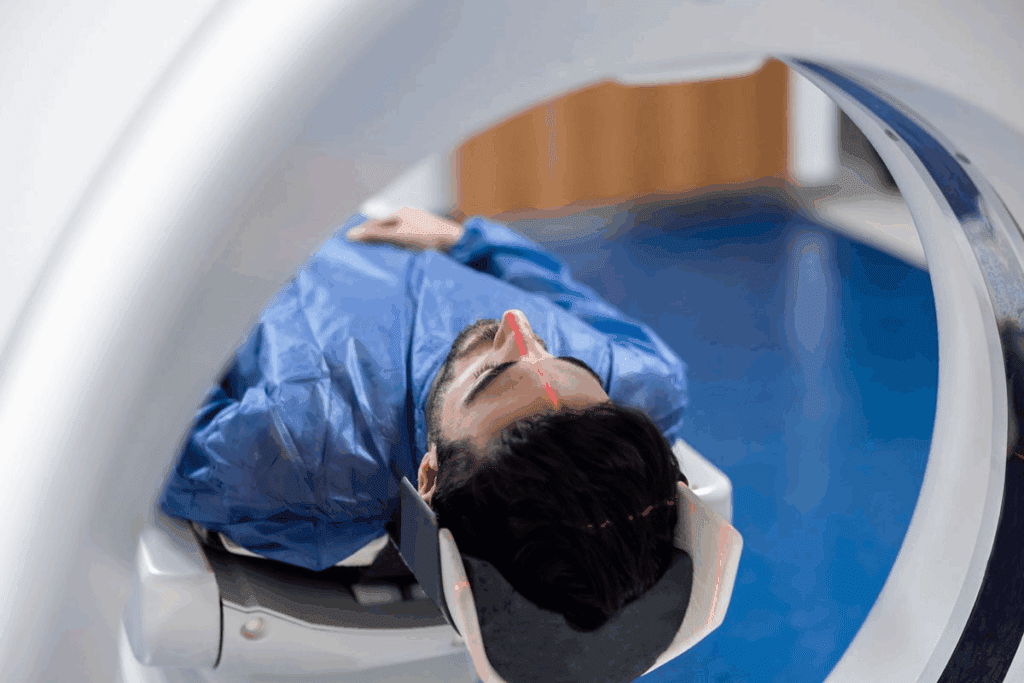
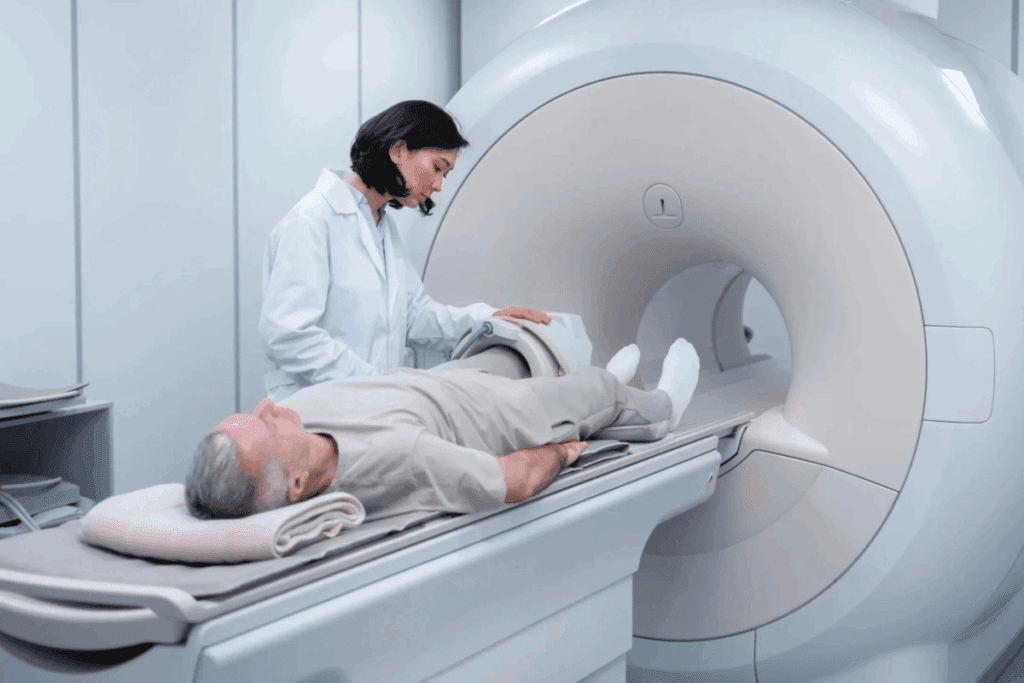
During the PET scan, you’ll lie on a table that moves into a big, doughnut-shaped machine. The scan is painless and usually takes 30 minutes to an hour. The machine will catch the signals from the tracer and make detailed images of your body’s inside parts.
How Long Does a PET Scan Last?
The scanning time can vary, but most PET scans last 30 to 60 minutes. The whole process, including getting ready and the scan, might take a few hours. It’s important to plan ahead and ask your healthcare provider about what to expect on the day of your scan.
Knowing about the PET scan procedure can make it less scary. By understanding what happens before, during, and after, you can get ready for this test.
After Pet Scan How Long Are You Radioactive?
Patients often ask how long they stay radioactive after a PET scan. The time depends on the tracer type, metabolic rate, and health.
Average Radioactivity Duration
The time you stay radioactive varies. PET scan tracers have a short half-life, from minutes to hours.
Factors Affecting Radiation Clearance
Several factors influence how fast radiation leaves your body:
- Metabolic Rate: A faster metabolism means quicker clearance.
- Hydration: Drinking water helps flush out the tracer.
- Overall Health: Kidney or liver issues slow clearance.
Timeline of Radioactivity Reduction
The radioactivity decrease follows this timeline:
- The tracer is most concentrated at first.
- Hours later, it starts to decay and leave the body.
- By 24 hours, most of it is gone.
Following your healthcare provider’s post-scan instructions is key. It ensures safe and effective tracer removal.
The Half-Life of PET Scan Tracers
Half-life is key to understanding PET scan tracers in the body. It’s the time it takes for a radioactive substance to lose half its radioactivity. This is important for knowing how long a PET scan’s effects last and how the body processes the tracer.
Understanding Radioactive Decay
Radioactive decay is when unstable atoms lose energy. In PET scans, this decay lets us see inside the body. The decay rate is measured by the tracer’s half-life. Knowing this helps ensure PET scans are safe and work well.
Common Tracers and Their Half-Lives
Tracers have different half-lives. For example, Fluorodeoxyglucose (FDG) has a half-life of about 110 minutes. Oxygen-15 has a much shorter half-life of 2 minutes. Here’s a table showing half-lives of some common PET tracers:
| Tracer | Half-Life |
| FDG (Fluorodeoxyglucose) | 110 minutes |
| Oxygen-15 | 2 minutes |
| Nitrogen-13 | 10 minutes |
Physical vs. Biological Half-Life
It’s important to know the difference between physical and biological half-lives. The physical half-life is the tracer’s decay rate. The biological half-life is how long the body takes to get rid of it. Both affect how long radiation exposure lasts after a PET scan.
Understanding these concepts helps patients and doctors make better choices about PET scans and care after them.
How Your Body Eliminates Radiation After a PET Scan
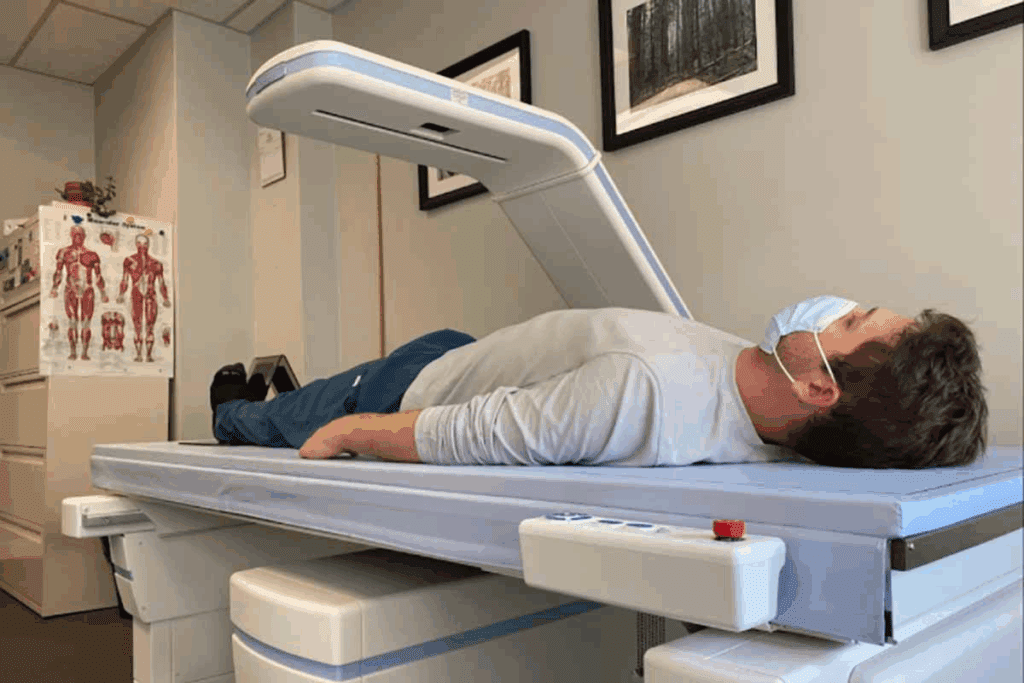
After a PET scan, your body gets rid of radiation through several ways. A radioactive tracer is used in the scan. It goes to different parts of your body. Then, your body naturally gets rid of this tracer, lowering your radiation exposure.
Biological Elimination Pathways
Your body has a few main ways to get rid of the tracer. It mainly goes through renal excretion in your urine, hepatic clearance in your bile, and a bit through sweat and saliva. Your kidneys are key in filtering out the tracer, with most of it ending up in your urine.
The Role of Hydration in Radiation Clearance
Drinking lots of water is key for getting rid of radiation. Water helps flush out the tracer through your urine. It also helps your kidneys work better, making them clear out the tracer faster. Doctors often tell patients to drink a lot of water after a PET scan to help with this.
Organ-Specific Clearance Rates
Each organ clears the tracer at its own pace. Organs that work hard or help with excretion clear it faster. For example, your kidneys and liver are very good at getting rid of the tracer. But other tissues might hold onto it longer.
Knowing how your body gets rid of radiation after a PET scan can ease worries. By staying hydrated and following other advice, you can reduce your radiation exposure.
Radiation Exposure Levels from PET Scans
It’s important for patients to know about the radiation from PET scans. These scans use small amounts of radioactive tracers. They help diagnose and monitor health conditions.
Comparing PET Scan Radiation to Other Sources
PET scans expose patients to about 7 millisieverts (mSv) of radiation. This is compared to other common sources. For example, a chest X-ray is much lower, at about 0.1 mSv.
Cumulative Effects of Multiple Scans
Having multiple PET scans can increase radiation exposure. Healthcare providers must consider the benefits and risks of repeated scans.
Measuring Radiation Exposure: Millisieverts Explained
Radiation exposure is measured in millisieverts (mSv). The table below shows the radiation from different medical procedures.
| Procedure | Radiation Exposure (mSv) |
| Chest X-ray | 0.1 |
| PET Scan | 7 |
| CT Scan (Abdomen) | 10 |
Knowing these comparisons helps patients and healthcare providers make better choices about PET scans.
Precautions After a PET Scan
It’s important to take steps after a PET scan to avoid extra radiation. Patients should know how to protect others and themselves from radiation. This is key for safety.
General Safety Guidelines
After a PET scan, patients should follow some basic safety tips. These include:
- Drinking plenty of fluids to help flush out the radioactive tracer
- Avoiding close contact with pregnant women and young children for a specified period
- Maintaining good hygiene practices, such as washing hands thoroughly after using the restroom
The Nuclear Regulatory Commission says, “Patients who have undergone a PET scan should follow the instructions provided by their healthcare provider to minimize radiation exposure to others.”
Interaction with Vulnerable Populations
It’s vital to keep distance from people who are more vulnerable, like pregnant women, children, and those with weak immune systems. The amount of time to avoid close contact varies. It usually ranges from a few hours to a day, depending on the tracer and individual health.
| Vulnerable Population | Precautionary Measure | Duration |
| Pregnant Women | Avoid close contact | 6-12 hours |
| Children | Minimize close interaction | 6-12 hours |
| Immunocompromised Individuals | Maintain social distancing | 24 hours |
Duration of Precautionary Measures
The time needed for precautions changes based on the PET scan tracer and the patient’s health. Usually, the tracer leaves the body in a few hours to a day. Always check with your healthcare provider for specific advice on how long to take precautions.
By sticking to these guidelines and talking to healthcare experts, patients can reduce radiation risks for others. This helps ensure a safe recovery after a PET scan.
Post-PET Scan Contact with Others
It’s important to know how to safely be around others after a PET scan. This is true for patients and their families. The scan uses radioactive tracers, so we need to take steps to protect others.
Safe Interaction with Family Members
After a PET scan, it’s best to keep a safe distance from family, like pregnant women and kids. The exact time depends on the tracer used. Always follow the advice from your doctor.
Workplace Considerations
Most people can go back to work after a PET scan. But, it’s smart to tell your coworkers about it. You might need to make some changes to avoid being too close to others. Talking to your boss or HR can help figure out what to do.
Public Transportation and Crowded Spaces
Being careful when using public transport or being in crowded places is key. The risk is low, but it’s better to avoid being too close to others. Your healthcare team can give you advice on how to stay safe.
By being careful, we can all stay safe after a PET scan. This makes sure everyone’s well-being is protected.
Diet and Fluid Recommendations After a PET Scan
After a PET scan, it’s key to follow a special diet. This helps your body get rid of the radioactive tracer. Eating well and staying hydrated are important for removing the tracer.
Foods That Help Eliminate Radiation
Some foods can help your body get rid of the tracer faster. These include:
- Fruits and Vegetables: They’re full of antioxidants and fiber, helping detoxify your body.
- Whole Grains: They’re high in fiber, aiding in the elimination process.
- Lean Proteins: Foods like chicken, fish, and tofu keep you healthy.
Hydration Guidelines
Drinking enough water is key to flushing out the tracer. You should:
- Drink at least 8-10 glasses of water a day.
- Eat hydrating foods like watermelon and cucumbers.
- Avoid caffeinated and sugary drinks, as they can dehydrate you.
When to Resume Normal Diet
Stick to the special diet for 24 to 48 hours after the scan. But, the exact time may depend on the tracer and your health. Always check with your doctor for when to go back to your usual diet.
Physical Activities After Your PET Scan
After a PET scan, you might wonder when you can start exercising again. Most people can go back to their usual activities soon after. But, it’s key to follow certain rules for your safety.
Exercise Recommendations
Light activities like walking are okay and can aid in recovery. Yet, it’s best to talk to your doctor before doing anything too hard.
Activities to Avoid
For a little while, stay away from pregnant women and young kids. This is because you’ll be giving off a bit of radiation. Also, skip hard workouts or activities that make you sweat a lot. This helps prevent more radiation from spreading.
Returning to Normal Activity Levels
Usually, people can get back to their normal life in a day or two. But, how long it takes can depend on your health and what your doctor says.
Monitoring for Side Effects After a PET Scan
PET scans are usually safe, but it’s important to watch for side effects after. Patients should know about the possible reactions to the radioactive tracer used.
Common Side Effects
Most people don’t have many side effects from a PET scan. But, some might feel dizziness, nausea, or allergic reactions to the tracer. These are usually mild and don’t last long.
When to Contact Your Healthcare Provider
If you have severe or persistent symptoms, call your healthcare provider right away. Look out for signs like severe allergic reactions, a lot of pain, or trouble breathing.
Distinguishing Between Normal Reactions and Complications
It’s important to know the difference between normal side effects and serious complications. Normal side effects are mild and don’t last long. But, complications can be serious and last longer. If you’re unsure, always talk to your healthcare provider.
Being informed and careful can help you recover well after a PET scan. Watching for side effects and knowing when to get medical help are key parts of taking care of yourself after the scan.
Special Considerations for Different Patient Groups
Diabetic patients, those with kidney or liver disease, and kids need special care for PET scans. Their unique needs ensure safe and effective scans.
Diabetic Patients
Diabetics need extra attention because their condition affects glucose levels, which PET scans use. Managing blood sugar before and after is key.
- Tell your doctor about your diabetes plan.
- Medication or insulin might need adjusting.
- Check blood sugar levels before and after the scan.
Patients with Kidney or Liver Disease
Those with kidney or liver issues must be evaluated carefully. The PET scan’s tracers are processed by these organs. Bad organ function can slow down tracer removal, raising radiation risks.
| Organ Disease | Consideration | Action |
| Kidney Disease | Reduced tracer clearance | Hydration and possible dose change |
| Liver Disease | Altered tracer metabolism | Monitoring and dose adjustment |
Pediatric Patients
Kids getting PET scans need special dosing because of their size and growing bodies. The radiopharmaceutical dose must match the child’s weight and age.
Also, kids might need sedation or anesthesia to stay calm during the scan. Always talk to a pediatric expert about sedation.
Traveling After a PET Scan
Many patients wonder if they can travel safely after a PET scan. The scan itself is usually safe. But, there are things to think about when planning your trip.
Air Travel Considerations
Air travel after a PET scan is usually okay. But, tell the airline staff about your scan. Some airports have detectors for radiation. Telling them can prevent problems at security.
Border Crossing and Security Checkpoints
When you cross borders or go through security, your PET scan’s radiation might show up. It’s important to have a letter from your doctor. This letter should explain your PET scan and the tracer used.
Documentation You May Need
It’s a good idea to carry documents from your doctor. These should include details about your PET scan and the tracer. Also, include the date of the scan. Having this info can help during your travels.
PET/CT Combination Scans: Special Considerations
PET and CT scans together in one scan bring many benefits. They help doctors make more accurate diagnoses and care for patients better. This combo scan gives both functional and anatomical info at the same time.
Combined Radiation Exposure
PET/CT scans give patients more radiation than either scan alone. This is because they get radiation from the PET tracer and the CT scan. The total dose is higher.
Differences in Post-Procedure Precautions
After a PET/CT scan, precautions are mostly the same as for PET scans. They aim to reduce radiation exposure to others. But, the CT part might need stricter precautions in some cases.
Recovery Timeline Comparison
The recovery time for PET/CT scans is similar to PET scans. The CT part doesn’t usually affect how quickly the body recovers. Patients can usually go back to normal activities soon after.
In summary, PET/CT scans are very helpful for diagnosis. But, patients need to know about the extra radiation and follow precautions well.
Conclusion: Managing Your Post-PET Scan Experience
After a PET scan, knowing how to manage your experience is key for a smooth recovery. The radiation from a PET scan stays in your body for a while.
To keep others safe from radiation, follow the guidelines given. This means keeping a distance from people who are more vulnerable. Also, stay hydrated to help get rid of the radioactive tracer.
Being aware of how to clear radiation and taking precautions is important. You can start doing normal things again, eat as advised, and drink plenty of water. Your healthcare provider will guide you.
Following the post-procedure guidelines is essential for a good recovery. This helps avoid side effects and keeps you safe around others.
FAQ
How long does the radiation stay in your body after a PET scan?
The radiation in your body after a PET scan can last a few hours to a few days. This depends on the tracer used and your body’s health, like how well you’re hydrated and your kidney function.
How long are you radioactive after a PET scan?
You’ll be radioactive for a few hours to a few days after a PET scan. The exact time depends on the tracer and how fast your body gets rid of it.
What precautions should I take after a PET scan?
After a PET scan, drink lots of water. Also, avoid being close to pregnant women and kids. Follow any special instructions from your doctor.
Can I interact with others after a PET scan?
Yes, but keep a safe distance from others, like pregnant women and kids, for a few hours to a few days.
Are there any dietary restrictions after a PET scan?
You can go back to your usual diet after a PET scan. Just remember to drink plenty of water.
How long does it take to eliminate the radiation from a PET scan?
How long it takes to get rid of the radiation varies. It depends on the tracer, your kidney health, and how hydrated you are.
Can I exercise after a PET scan?
You can usually start exercising again after a PET scan. But, always listen to what your doctor says.
What are the common side effects of a PET scan?
Side effects are usually mild. You might feel some discomfort at the injection site or have an allergic reaction. If you notice anything strange, call your doctor.
Are PET scans safe?
PET scans are usually safe when done right. But, like any medical test, there are some risks and things to think about.
How long does a PET scan last?
A PET scan can take anywhere from 30 minutes to several hours. It depends on the procedure and the body part being scanned.
What is the half-life of PET scan tracers?
The half-life of PET scan tracers changes with each type. For example, Fluorodeoxyglucose (FDG) has a half-life of about 110 minutes.
Can I travel after a PET scan?
You can usually travel after a PET scan. It’s a good idea to carry papers that explain your recent medical test, though.
Are there any special considerations for diabetic patients undergoing a PET scan?
Diabetic patients should talk to their doctor before a PET scan. They might need to adjust their medicine or fasting plans.
How does hydration affect radiation clearance after a PET scan?
Drinking lots of water helps your body get rid of the PET scan radiation faster.
Reference
- The Promise and Pitfalls of Positron Emission Tomography and Molecular Imaging. (2015). Frontiers in Oncology. https://www.ncbi.nlm.nih.gov/pmc/articles/PMC4337868/