Last Updated on November 27, 2025 by Bilal Hasdemir
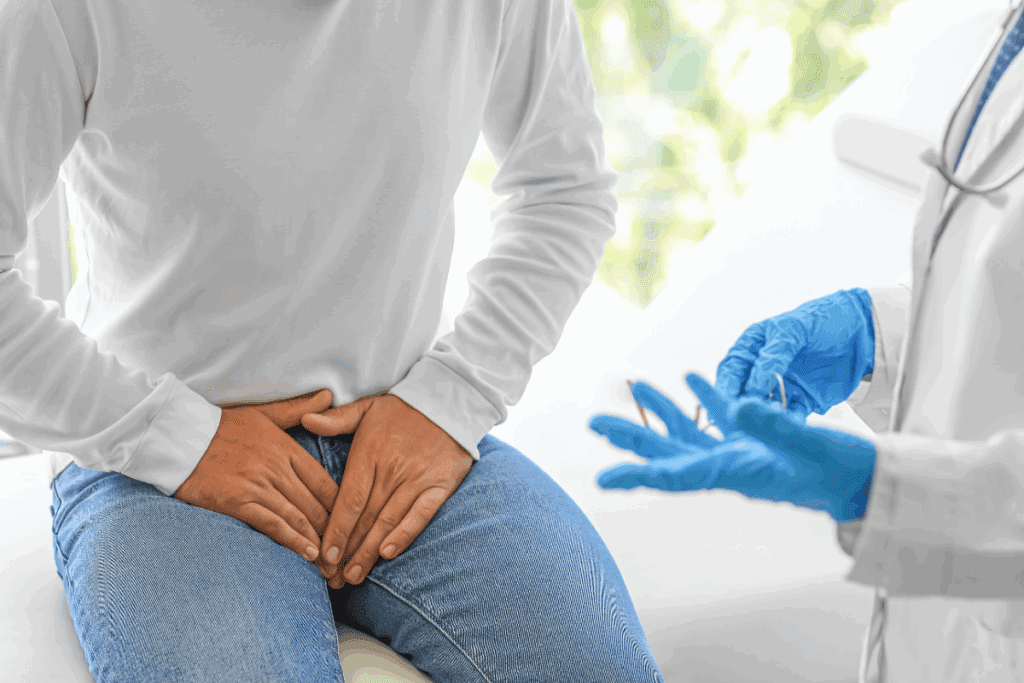
Nearly 1 in 3 men experience incontinence after prostate surgery, making the use of incontinence products a normal part of recovery.
Managing bladder control effectively is key to a smooth healing process. The duration of using diapers or pads can vary depending on individual recovery progress.
Understanding what to expect after prostate surgery bladder control issues can help patients feel more confident and prepared. For most men, this is a temporary phase that improves with time and proper care.
Key Takeaways
- Many men experience incontinence following prostate surgery.
- The use of diapers is a common practice during the recovery period.
- Recovery time and incontinence duration vary among individuals.
- Managing incontinence is key to a smooth recovery.
- Being prepared for the use of incontinence products can ease the recovery journey.
Understanding Urinary Incontinence After Prostate Surgery

It’s important to know why urinary incontinence happens after prostate surgery. This issue affects many patients after such surgeries.
Why Incontinence Occurs Following Prostatectomy
When the prostate gland is removed, it can cause urinary incontinence. This happens because the muscles and nerves around the bladder get damaged. How much damage there is can affect how bad the incontinence is.
Types of Post-Surgical Urinary Incontinence
There are different kinds of urinary incontinence after prostate surgery. These include stress incontinence, urge incontinence, and overflow incontinence. Stress incontinence is the most common. It happens when the muscles that control urine get weak, making it hard to hold urine when you cough or sneeze.
Knowing these types is key to finding the right treatment. Treatments like using a condom catheter can help manage incontinence.
Typical Timeline for Wearing Incontinence Products
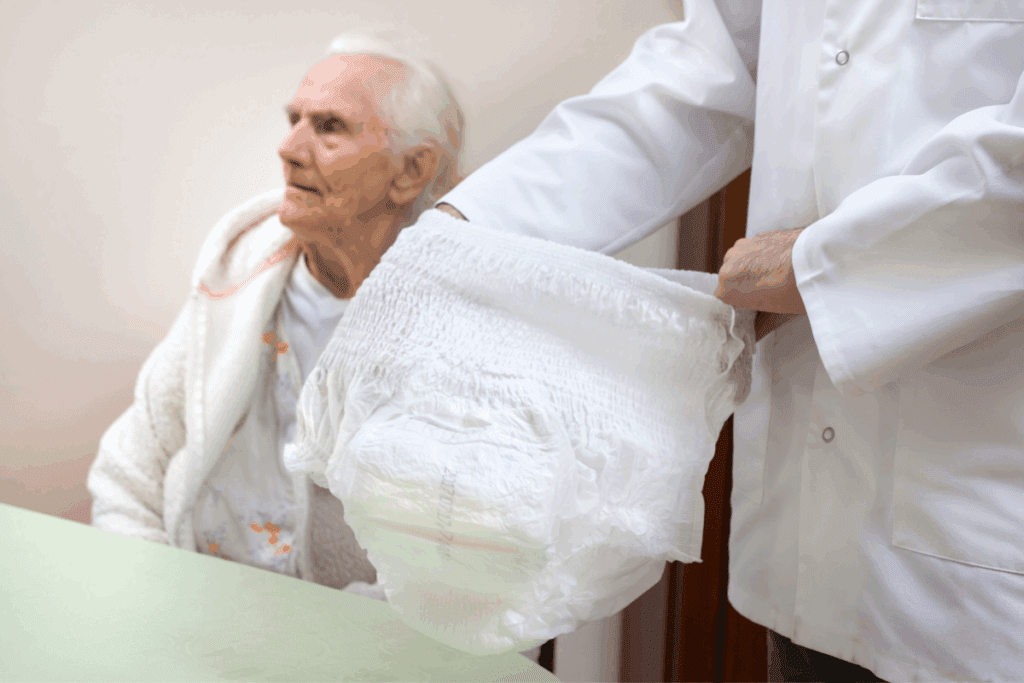
Knowing when you’ll need incontinence products after prostate surgery helps set realistic goals for recovery. How long you’ll need them varies from person to person.
Immediate Post-Surgery Period (0-2 weeks)
In the first couple of weeks after surgery, many men deal with a lot of urinary incontinence. Incontinence products like MoliCare® men’s incontinence pants and nappies help manage leaks.
These items offer comfort and protection, letting patients move around without fear of accidents. They’re key to getting through the early recovery days.
Short-Term Recovery (2-6 weeks)
As recovery moves into the short-term phase, incontinence episodes often lessen. Some men might need to keep using incontinence products, but the type and how often might change.
Male guards and shields are good for some during this time, providing a discreet way to handle incontinence. The right product depends on how active you are and what you prefer.
Long-Term Recovery (3-12 months)
In the long-term recovery phase, most men see big improvements in bladder control. The need for incontinence products usually goes down, but some might keep using them, mainly for intense activities.
For ongoing incontinence, pelvic floor exercises and bladder training can help regain control. It’s important to listen to your healthcare team during this time to manage incontinence well.
Dealing with incontinence after prostate surgery takes time and the right products. Understanding the typical timeline and available options helps you manage your recovery better.
Factors Affecting Bladder Control After Prostate Surgery
Many things affect bladder control after prostate surgery. Knowing these can help both patients and doctors. It helps set realistic goals and find ways to manage incontinence.
Age and Physical Condition
A person’s age and physical health matter a lot. Older people or those with health problems might take longer to get better. Eating well and staying active can help with recovery.
Surgical Technique Used
The surgical method used in prostate surgery is key. Techniques that save more tissue and nerves usually lead to better bladder control. Talking to a doctor about the surgery can give you an idea of what to expect.
Pre-existing Urinary Issues
Those with urinary problems before surgery might find it harder to control their bladder. Issues like incontinence or weak pelvic muscles can make recovery harder. Fixing these problems before surgery can help with recovery plans.
Understanding these factors helps patients deal with bladder control issues after prostate surgery. Using Kegel exercises and bladder training can improve recovery.
Different Types of Incontinence Products
It’s important to know about the various incontinence products out there. This knowledge helps manage incontinence after prostate surgery. With so many options, finding the right one can be tough. But knowing what’s out there can help you pick the best for you.
Adult Diapers and Pull-Ups
Adult diapers and pull-ups are popular choices. They help absorb leaks, keeping you dry and comfortable. MoliCare® offers a range of products, including diapers and underwear. These are made for comfort and to keep you feeling discreet.
- Disposable adult diapers are great for travel or when you’re out at night.
- Pull-ups are good for everyday use because they’re less noticeable under clothes.
- Washable underwear is a green option that can save money over time.
Male Guards and Shields
Male guards and shields are made just for men. They fit inside your regular underwear. They’re good for light to moderate leaks.
Male guards are liked for their comfort and how discreet they are. They let you stay active without worrying about leaks.
Choosing the Right Product for Your Needs
Choosing the right incontinence product depends on a few things. These include how much you leak, your lifestyle, and what you prefer. It’s key to think about these to find a product that works well for you.
- First, figure out how much you leak to know what absorbency you need.
- Think about your lifestyle. If you’re active, you might prefer something like pull-ups or male guards for comfort and discretion.
- Look at the cost and decide if disposable or washable products fit your budget and preferences better.
By understanding the differences in incontinence products and what you need, you can make a smart choice. This helps manage your incontinence well.
Robotic Radical Prostatectomy and Incontinence Outcomes
It’s important to know how robotic radical prostatectomy affects incontinence. This surgery is a big step forward in treating prostate cancer. It might cause fewer problems and help patients recover faster than old surgery methods.
Looking at how robotic surgery compares to old ways is key. Research shows robotic surgery might help keep urinary control better. This is because it’s more precise and less invasive.
Comparison with Traditional Surgical Approaches
Old prostate surgery often leads to more incontinence. But robotic surgery might be better. It’s more careful with the prostate area, which could protect the bladder and nerves.
“The robotic approach has been shown to reduce the risk of incontinence by preserving more of the natural tissue and nerve structures around the prostate.” This is good news for patients. Keeping bladder control is important for their life after surgery.
Recovery Timeline Differences
Recovery times for robotic surgery are often shorter than for open surgery. Patients usually stay in the hospital less and feel less pain. This helps them heal faster.
How fast patients get bladder control back varies. But many start to see improvements in a few months. “A study found that at 12 months post-surgery, the majority of patients who underwent robotic radical prostatectomy had regained satisfactory bladder control.” Yet, results can depend on age, past health, and surgery method.
Patients should stick to their recovery plan and do exercises like Kegels. Getting help from doctors and physical therapists is also important for managing incontinence after surgery.
Managing Daily Life with Post-Prostatectomy Incontinence
Urinary incontinence after prostate surgery can really affect daily life. It can change how you interact with others and how you feel about yourself. Finding ways to manage it is key to taking back control.
Practical Tips for Work and Social Activities
There are ways to lessen the impact of incontinence on your life. Using products like adult diapers or male guards can help. For example, MoliCare® skincare products protect sensitive skin from irritation.
- Choose incontinence products that are discreet and comfortable.
- Plan ahead for social events by knowing the location of restrooms.
- Consider wearing clothing that is easy to remove quickly.
It’s possible to stay active socially with a bit of planning. Talking openly with friends and family about your needs is also helpful.
Traveling with Incontinence Products
Traveling with incontinence doesn’t have to be hard. Here are some tips:
- Pack extra incontinence supplies in your luggage.
- Research restroom facilities at your destination.
- Consider carrying a small bag with essentials like wipes and a change of clothes.
Maintaining Dignity and Confidence
Keeping your dignity and confidence is important when dealing with incontinence. It’s not just about using the right products. It’s also about having a positive attitude and getting support when you need it.
Key strategies include:
- Staying informed about the latest incontinence management techniques.
- Practicing Kegel exercises to strengthen pelvic floor muscles.
- Seeking support from healthcare professionals and support groups.
By using these strategies, you can improve your bladder control and quality of life after prostate surgery.
Kegel Exercises After Prostate Surgery
Prostate surgery can affect bladder control. But Kegel exercises can help you regain control. These exercises strengthen the pelvic floor muscles, which are key to bladder control.
Performing Kegel Exercises Correctly
To do Kegel exercises right, find the right muscles. Start by stopping your urine flow mid-stream. The muscles you use for this are the ones to focus on.
Contract these muscles for a few seconds, then relax. Do this several times a day.
Tip: Make sure to only use the pelvic floor muscles. Avoid tensing your abdomen or buttocks.
Creating an Effective Exercise Routine
Being consistent with Kegel exercises is important. Try to do these exercises in sets throughout the day. For example, aim for three sets of 10 repetitions, three times a day.
As your muscles get stronger, increase the number of repetitions.
| Day | Sets | Repetitions |
| 1-3 | 3 | 10 |
| 4-7 | 3 | 15 |
| 8+ | 3 | 20 |
Tracking Your Progress
Tracking your progress can keep you motivated. Keep a log of your exercises and note any improvements in bladder control. Just mark down the number of repetitions and sets each day or any time you feel more in control.
By adding Kegel exercises to your daily routine and tracking your progress, you can actively work towards better bladder control after prostate surgery.
Additional Bladder Training Techniques
There are more ways to manage incontinence after prostate surgery than just Kegel exercises. These methods can work together with Kegels to improve bladder control and aid in recovery.
Timed Voiding Strategies
Timed voiding means going to the bathroom at set times. It’s great for those who need to go often or urgently. By going at regular times, you can make your bladder hold more and go less often.
To start timed voiding, keep a diary of when you go. This diary will help you find the best starting time. Then, you can slowly increase the time between bathroom visits as your bladder gets stronger.
Fluid Management Approaches
How much and what you drink is key to bladder training. Drinking the right amount helps keep the bladder pressure down and cuts down on leaks. It’s important to drink enough but not too much.
- Limiting caffeine and alcohol, which can irritate the bladder
- Distributing fluid intake evenly throughout the day
- Avoiding fluids close to bedtime to reduce nocturia
Biofeedback Training
Biofeedback uses special equipment to show how well your bladder muscles are working. This helps you learn to control your bladder better. It’s very useful for learning to do Kegel exercises correctly.
Adding these techniques to your recovery plan can help you control your bladder better. This can lead to fewer leaks after prostate surgery.
Medical Interventions for Persistent Incontinence
Medical treatments are key in managing incontinence after prostate surgery. For men with ongoing urinary control issues, there are several options. These can help reduce symptoms and improve life quality.
Medication Options
Certain medicines can help with urinary incontinence. These include:
- Anticholinergics: to reduce bladder spasms
- Beta-3 adrenergic agonists: to relax the bladder muscle
It’s important to talk to a healthcare provider about the right medicine and dosage.
Minimally Invasive Procedures
Some men find relief with minimally invasive procedures. These include:
- Injectable bulking agents: to enhance urethral closure
- Nerve stimulation therapies: to improve bladder control
These options are considered when medicines don’t work or can’t be taken.
Surgical Solutions for Long-Term Issues
When other treatments fail, surgery might be an option. This includes:
| Surgical Option | Description | Potential Benefits |
| Artificial Urinary Sphincter (AUS) | A device implanted to control urine flow | High success rate in achieving continence |
| Male Sling Procedure | A surgical procedure to support the urethra | Effective for mild to moderate incontinence |
Each surgery has its own risks and benefits. A detailed talk with a urologist is needed to choose the best option.
Understanding medical interventions helps men with persistent incontinence after prostate surgery. They can make better choices about their care. This can lead to significant symptom improvement.
Psychological Impact of Post-Prostate Surgery Incontinence
Incontinence after prostate surgery can deeply affect a person’s mind. It can cause feelings of shame, worry, and sadness. These feelings can change how a person lives and feels about themselves.
Coping with Emotional Challenges
Dealing with the emotional side of incontinence needs a broad strategy. It’s helpful to talk about feelings and get support from doctors, family, and friends. Understanding and dealing with these emotions is key to feeling better and living a full life.
Doing things that make you feel good, like meditation or yoga, can help. It’s important to find ways to handle these feelings to regain confidence and freedom.
Support Groups and Resources
Support groups and resources are very important for those dealing with incontinence after prostate surgery. Being part of a support group can make you feel less alone. It lets you share your story and learn from others.
There are many resources out there, like online forums and counseling. Using these can help you find ways to cope and improve your mental health.
By recognizing the emotional effects of incontinence and using the help available, patients can manage their condition better. This can make their recovery journey easier.
Nutrition and Lifestyle Factors Affecting Recovery
Recovering from prostate surgery is more than just healing. It’s about eating right, staying active, and making smart lifestyle choices. The right habits can really help with bladder control and overall health.
Dietary Considerations
Eating a balanced diet is key to healing. Foods full of antioxidants, like fruits and veggies, fight inflammation and help heal. Eating more omega-3 fatty acids from fish, nuts, and seeds is good for your heart and can reduce swelling.
Drinking enough water is also important. It keeps your urinary tract healthy. But don’t drink too much to avoid overloading your bladder during recovery.
| Nutrient | Benefit | Food Sources |
| Antioxidants | Reduce inflammation, promote healing | Fruits, vegetables, nuts |
| Omega-3 Fatty Acids | Support heart health, reduce inflammation | Fish, nuts, seeds |
| Fiber | Support digestive health | Whole grains, fruits, and vegetables |
Physical Activity Guidelines
Light exercise can help by improving blood flow and strengthening bladder muscles. Kegel exercises are great for bladder control. They help you contract and release the muscles that stop urine flow.
- Start with short Kegel sessions and increase them over time.
- Add low-impact activities like walking or swimming to your routine.
- Avoid heavy lifting or high-impact exercises that can harm the pelvic area.
Habits to Avoid During Recovery
Some habits can slow down recovery. It’s best to quit smoking as it can hinder healing and worsen bladder issues. Also, try to limit or avoid caffeine and alcohol, as they can irritate the bladder.
Keeping a healthy weight through diet and exercise can also help with recovery and bladder control.
When to Consult Your Doctor About Ongoing Incontinence
Ongoing incontinence after prostate surgery can be worrying. It’s key to know when to talk to your doctor. They play a big role in helping you manage incontinence and recover well.
Warning Signs of Complications
Some incontinence is normal after prostate surgery. But there are signs that mean you might have a problem. These include:
- Persistent or worsening incontinence over time
- Pain or discomfort while urinating
- Blood in the urine
- Difficulty starting or stopping the flow of urine
- Frequent urinary tract infections
If you see any of these signs, you should talk to your doctor right away. A doctor says, “Be careful with your recovery and don’t wait to contact your healthcare provider if something seems off.”
“The key to managing post-prostatectomy incontinence lies in understanding the underlying causes and addressing them promptly.”
Questions to Ask at Follow-up Appointments
Follow-up appointments are a great time to talk about your recovery and any worries. You might want to ask your doctor:
- What are the most effective strategies for managing my incontinence?
- Are there any additional treatments or therapies that could help improve my bladder control?
- How can I tell if my symptoms are normal or if I need to worry?
- Are there any lifestyle changes that I can make to support my recovery?
Being proactive and informed helps you work well with your healthcare team. Together, you can manage incontinence and improve your life after prostate surgery.
Success Stories: Regaining Bladder Control After Prostatectomy
Many men face the challenge of regaining bladder control after prostate surgery. The journey to full continence is different for everyone. Yet, many have shared their success stories, giving hope to others.
Timeline of Improvement in Real Patients
The time it takes to regain bladder control varies. But many men start to see improvements within a few months. Some report big changes in bladder control around 3 to 6 months after surgery.
A study showed real patients’ progress:
- 20% of patients saw big improvements in bladder control by 3 months.
- By 6 months, 50% reported better control.
- By 12 months, nearly 90% had made significant progress.
Strategies That Made a Difference
Several strategies help regain bladder control after surgery. These include:
- Pelvic Floor Exercises (Kegels): Kegels strengthen muscles that help control the bladder.
- Bladder Training: Increasing time between bathroom visits can improve bladder control.
- Dietary Adjustments: Reducing caffeine and alcohol can help bladder health.
- Physical Therapy: Some find pelvic physical therapy helpful.
By using these strategies and staying positive, many regain bladder control. It’s key to work with healthcare providers to create a recovery plan.
Conclusion
Recovering from prostate surgery is not just about healing from the surgery. It also means getting back to normal with bladder functions. Managing incontinence after surgery is key to a good recovery.
After surgery, bladder control can be a challenge, leading to incontinence. It’s important for patients to understand what affects their bladder control. This knowledge helps them manage their recovery better.
Strategies like Kegel exercises and bladder training can help improve bladder control. Making lifestyle changes is also important. Talking to healthcare providers about ongoing issues is essential to finding the best solution.
Getting back to normal bladder control takes time, effort, and support. With the right care, many men see big improvements in their bladder control after surgery.
FAQ
How long does it typically take to regain bladder control after prostate surgery?
Regaining bladder control after prostate surgery can take time. Most men see big improvements in 3 to 12 months. Your age, health, and the surgery method can affect how fast you recover.
What types of incontinence products are available for men after prostate surgery?
There are many incontinence products for men, like adult diapers and male guards. The right one depends on how much you need to absorb and how comfortable you want it to be.
Can Kegel exercises help improve bladder control after prostate surgery?
Yes, Kegel exercises can help a lot. They strengthen the muscles around your bladder. Doing them right and often is key to getting the best results.
Are there any additional bladder training techniques beyond Kegel exercises?
Yes, there are more ways to train your bladder. Techniques like timed voiding and fluid management can help. Biofeedback training also works by making you more aware of your muscles.
How does robotic radical prostatectomy compare to traditional surgery in terms of incontinence outcomes?
Robotic surgery might cause less damage than traditional surgery. This could mean faster recovery and better bladder control for some patients.
What factors affect bladder control after prostate surgery?
Several things can affect bladder control. These include your age, health, the surgery method, and any urinary problems you had before. Knowing these can help you understand your recovery better.
When should I consult my doctor about ongoing incontinence after prostate surgery?
See your doctor if you’re dealing with ongoing incontinence or if you notice any complications. They can offer advice and suggest treatments.
Can nutrition and lifestyle changes impact recovery and bladder control after prostate surgery?
Yes, what you eat and how active you are can affect your recovery. Eating right and staying active can help your bladder control and healing.
Are there medical interventions available for persistent incontinence after prostate surgery?
Yes, there are treatments for ongoing incontinence. These include medicines, minimally invasive procedures, and surgery. The right treatment depends on why you’re experiencing incontinence.
How can I manage daily life with post-prostatectomy incontinence?
Managing daily life means using the right incontinence products and staying confident. You can also adjust your work, social life, and travel plans. Getting tips and support can really help.
What is the psychological impact of post-prostate surgery incontinence, and how can it be addressed?
Dealing with incontinence can affect your mind. But there are ways to cope, like support groups and resources. Taking care of your mental health is important for your overall well-being.
Reference:
- Castellan, P. (2023). Management of urinary incontinence following radical prostatectomy. Frontiers in Urology, 14, Article 9851058. https://pmc.ncbi.nlm.nih.gov/articles/PMC9851058/