Last Updated on December 1, 2025 by Bilal Hasdemir

Statistical peak for the age lymphoma children are most frequently diagnosed across all subtypes. Lymphoma is a complex group of cancers that affects people of all ages. It’s interesting to note that lymphoma is quite common in children and young adults. Some types of lymphoma are more likely to occur in certain age groups.
Knowing the risk factors and who is most likely to get lymphoma is key. Studies show that lymphoma’s occurrence changes with age. For example, Hodgkin lymphoma is more common in young adults.
Key Takeaways
- Lymphoma is a heterogeneous group of malignancies.
- Certain types of lymphoma are more prevalent in specific age groups.
- Hodgkin lymphoma is more common in young adults.
- Understanding risk factors is critical for early detection.
- Lymphoma’s occurrence varies greatly with age.
Understanding Lymphoma: A Brief Overview
Lymphoma is a group of cancers that start in the lymphocytes. These are white blood cells important for our immune system.
There are two main types of lymphoma: Hodgkin and non-Hodgkin. Non-Hodgkin lymphoma makes up about 90% of cases. Hodgkin lymphoma is the other 10%. Knowing these types helps doctors diagnose and treat the disease better.
Definition and Types of Lymphoma
Lymphoma starts in the lymphatic system, which helps fight off infections. This system includes lymph nodes, spleen, and lymphoid cells. There are over 60 different types of lymphoma, each with its own features.
- Non-Hodgkin Lymphoma (NHL): This is the most common type. It has many subtypes that vary in how aggressive they are and how they are treated.
- Hodgkin Lymphoma (HL): HL is known for its specific pattern of growth. It is often treatable because of this.
How Lymphoma Develops
Lymphoma happens when lymphocytes grow out of control because of genetic changes. These changes can be caused by infections, environmental factors, or genetics.
The growth of lymphoma is influenced by both genetics and the environment. For example, some infections, like Epstein-Barr virus, can increase the risk of certain lymphomas.
Global Prevalence and Impact
Lymphoma is a big health problem worldwide. Non-Hodgkin lymphoma is more common in developed countries. The rates of lymphoma vary around the world, influenced by infections and genetics.
- Lymphoma affects many people every year, making it a big health issue.
- It impacts people of all ages, with different types affecting different groups.
It’s important to understand how widespread lymphoma is. This knowledge helps in public health efforts and finding better treatments.
Lymphoma Age Demographics: General Patterns

Knowing the age patterns of lymphoma is key for catching it early. Lymphoma is a cancer that hits the immune system hard. It can strike at any age, but its frequency changes a lot with age.
Age Distribution in Lymphoma Cases
Lymphoma’s age pattern isn’t the same for all types. For example, Hodgkin lymphoma often hits young adults and then again in older folks. On the other hand, non-Hodgkin lymphoma mostly affects people over 60.
Gender Differences in Age of Onset
There are clear gender differences in when lymphoma starts. Some studies point out that men tend to get it later in life than women. Knowing this helps doctors tailor how they screen and diagnose.
Most Common Age for Lymphoma Diagnosis
The age when people get diagnosed with lymphoma varies by type. Hodgkin lymphoma often peaks in young adults, between 15 and 35. Non-Hodgkin lymphoma, though, tends to show up more after 60. Spotting these trends can help catch it sooner and maybe improve treatment.
Hodgkin Lymphoma Age Distribution
Hodgkin lymphoma shows a bimodal pattern. This means there are two peaks in its occurrence across different age groups.
This pattern suggests Hodgkin lymphoma is complex. It’s influenced by genetics and environmental factors.
Bimodal Age Pattern in Hodgkin Lymphoma
The bimodal age pattern in Hodgkin lymphoma is well-known. It has a first peak in young adulthood and a second in older adulthood.
Young Adult Peak (15-35 years)
The first peak is in young adults, aged 15 to 35. This group often gets the classical form of the disease.
Older Adult Peak (55+ years)
The second peak is in older adults, aged 55 and up. This group also gets classical Hodgkin lymphoma. But, it might have different causes and risk factors than the young adult peak.
| Age Group | Peak Incidence | Common Type |
| 15-35 years | Young Adult Peak | Classical Hodgkin Lymphoma |
| 55+ years | Older Adult Peak | Classical Hodgkin Lymphoma |
Understanding Hodgkin lymphoma’s bimodal age distribution is key. It helps in creating better diagnostic and treatment plans.
Non-Hodgkin Lymphoma Age Patterns
Non-Hodgkin lymphoma (NHL) shows a complex link between age and risk. NHL is a wide range of lymphomas with different age patterns.
Age as a Risk Factor for NHL
The risk of getting NHL goes up with age. Most people get it after 60. But, some types can hit younger folks, like kids and teens.
Age is a big risk factor for NHL. Most cases happen in people over 65. The average age at diagnosis is about 65.
Subtypes and Their Age Associations
Each NHL subtype has its own age link. For instance, Burkitt lymphoma often hits kids and young adults. On the other hand, diffuse large B-cell lymphoma is more common in older folks.
- Burkitt lymphoma: mainly affects kids and young adults.
- Diffuse large B-cell lymphoma: more common in older adults.
- Follicular lymphoma: usually found in middle-aged to older adults.
Non-Hodgkin Lymphoma in Children
NHL can also strike kids, though it’s rarer. Kids’ cases are less common, and their NHL types differ from adults.
Kids’ NHL often has unique traits and needs special treatments.
Age, Lymphoma, and Children: Understanding Pediatric Cases
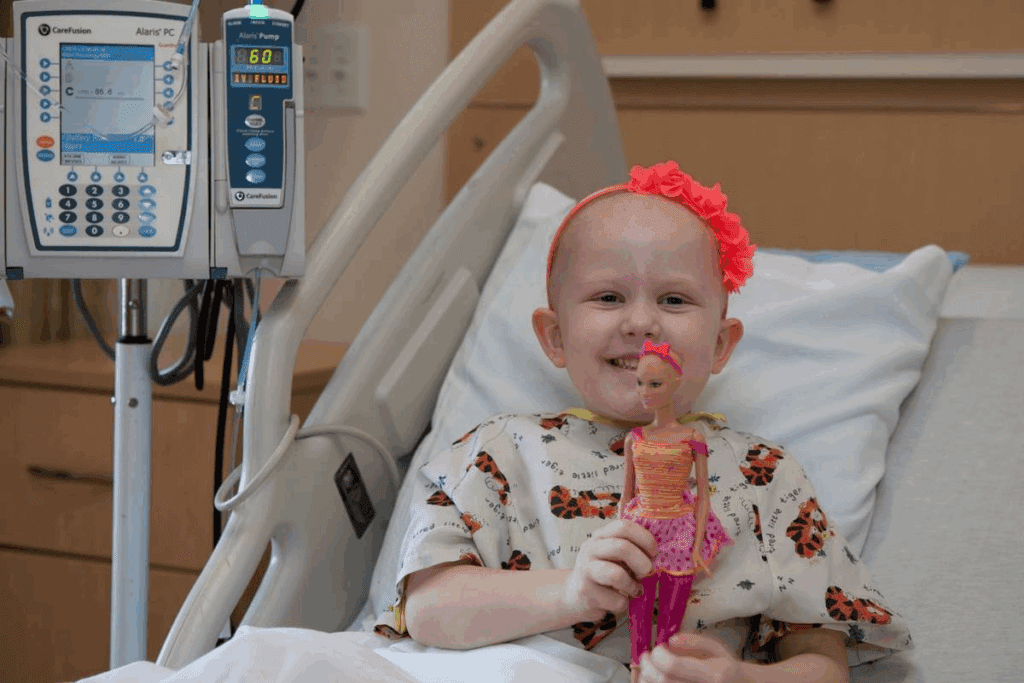
It’s important to know about lymphoma in kids to help treat it better. Lymphoma is a cancer that starts in the lymph system. It’s a common cancer in children, with Burkitt lymphoma being more common in this age group.
Prevalence of Lymphoma in Children
Lymphoma is a common cancer in kids. There are two main types: Non-Hodgkin Lymphoma (NHL) and Hodgkin Lymphoma. NHL is more common in kids under 14, while Hodgkin Lymphoma is more common in teens.
- Lymphoma makes up about 10% of all childhood cancers.
- The chance of getting lymphoma in kids changes with age. Some types are more common in certain age groups.
Most Common Types in Pediatric Patients
The most common lymphomas in kids are:
- Burkitt Lymphoma: A fast-growing NHL type common in kids.
- Lymphoblastic Lymphoma: An aggressive NHL type common in kids.
- Hodgkin Lymphoma: More common in teens and young adults.
Pediatric Lymphoma Age Range
The age when kids get lymphoma varies by type. Burkitt Lymphoma is usually found in kids aged 3 to 12. Hodgkin Lymphoma is more common in teens and young adults.
Knowing these age differences helps doctors find and treat lymphoma early. By understanding which lymphomas are common in certain ages, doctors can give better care to kids.
Childhood Lymphoma Statistics and Trends
Childhood lymphoma statistics show a complex picture. They reveal how often lymphoma happens and how well kids can survive it. Different ages are affected by different types of lymphoma.
Current Incidence Rates in the United States
In the United States, lymphoma rates in kids vary by age. Many factors, like the type of lymphoma, play a role. Hodgkin lymphoma and non-Hodgkin lymphoma are the main types seen in children.
Age and Gender Lymphoma Prevalence in Children
Lymphoma in kids shows clear patterns by age and gender. Some types are more common in certain age groups. For instance, Burkitt lymphoma is often seen in younger kids. On the other hand, Hodgkin lymphoma is more common in older kids and teens.
Childhood Lymphoma Survival Rates
Thanks to better treatments, survival rates for childhood lymphoma have gone up. The chance of surviving depends on several things. These include the type and stage of lymphoma, the child’s age, and their overall health.
Adolescents and Young Adults with Lymphoma
Lymphoma in teenagers and young adults brings unique challenges. It affects their education, career plans, and personal lives. This age group faces special difficulties.
Lymphoma in Teenagers: Unique Challenges
Lymphoma in teens is tough because it happens during important growth times. They often face delays in diagnosis and treatment. This is because early symptoms are not always clear, and doctors might not suspect it right away.
It can greatly affect their school and social life. They might struggle to keep up with school and social activities while getting treatment. Support systems are key for teens with lymphoma. They help deal with the emotional and psychological sides of the disease.
Common Lymphoma Types in the 15-25 Age Group
Young adults aged 15 to 25 often get specific types of lymphoma. Hodgkin lymphoma is one of them, known for its peak in young adulthood. Other types include certain non-Hodgkin lymphomas.
- Hodgkin lymphoma
- Diffuse large B-cell lymphoma (DLBCL)
- Burkitt lymphoma
Knowing these common types is key for early detection and treatment planning.
Early Onset Lymphoma Considerations
Early lymphoma in young adults needs careful thought about long-term effects. Late effects like infertility, secondary cancers, and heart disease are possible. These must be talked about with patients.
Treatment for young adults with lymphoma is getting better. It aims to reduce long-term side effects without losing effectiveness. Fertility preservation is a big part of care for young patients. Options like sperm banking and egg freezing are discussed before starting treatment.
Burkitt Lymphoma: Age-Specific Considerations
Burkitt lymphoma is a fast-growing cancer that mainly hits kids and young adults. It needs quick action to treat. Knowing how it affects different ages is key to managing it well.
Age Range of Burkitt Lymphoma
Kids under 14 are most often diagnosed with Burkitt lymphoma. The highest number of cases is between 5 and 9 years old. Adults can get it too, but it’s rarer and more aggressive.
Key Age-Related Facts:
- Children under 14 are the primary demographic affected.
- Peak incidence is between 5 and 9 years.
- Adult cases are less common but more challenging to treat.
Endemic vs. Sporadic Burkitt Lymphoma Age Patterns
Burkitt lymphoma comes in two types: endemic and sporadic. Endemic Burkitt lymphoma is common in Africa, mainly in kids aged 4 to 7. Sporadic Burkitt lymphoma is found worldwide and affects slightly older kids.
“The endemic form of Burkitt lymphoma highlights the importance of geographical and environmental factors in its etiology.”
Childhood Burkitt Lymphoma Management
Dealing with Burkitt lymphoma in kids needs a special plan. The disease is aggressive, and age matters. Treatment often includes strong chemotherapy. Starting treatment early is vital for better survival chances.
Effective management strategies include:
- Intensive chemotherapy tailored to the child’s age and health status.
- Supportive care to manage treatment side effects.
- Regular follow-up to monitor for recurrence or long-term effects.
Symptoms of Lymphoma in Children and Different Age Groups
Lymphoma symptoms change with age, making it key to know these differences. This knowledge helps in getting medical help early. It’s important to spot symptoms in kids and adults to start treatment fast.
How Symptoms Present in Children
In kids, lymphoma symptoms are often more serious than in adults. Common signs include:
- Swollen lymph nodes in the neck, armpits, or groin
- Fever, chills, or night sweats
- Weight loss or loss of appetite
- Fatigue or feeling extremely tired
- Pain in the lymph nodes or swelling
Kids with lymphoma might also have severe symptoms like belly pain or swelling. This is because their spleen or liver could be too big. It’s vital for parents and caregivers to watch for these signs and get medical help right away.
Signs of Lymphoma in Children vs. Adults
Some lymphoma symptoms are the same in kids and adults. But, there are big differences. Adults often have:
- Fever and night sweats
- Weight loss
- Fatigue
- Swollen lymph nodes
Kids, on the other hand, might show more general symptoms like belly pain, vomiting, or big spleen or liver. Knowing these differences helps doctors make the right diagnosis.
| Symptom | Children | Adults |
| Swollen Lymph Nodes | Common, often in neck, armpits, or groin | Common, often in neck, armpits, or groin |
| Fever and Night Sweats | Present, often with other systemic symptoms | Common |
| Abdominal Pain/Swelling | More common due to enlarged spleen or liver | Less common |
| Weight Loss | Present, often with loss of appetite | Common |
When to Seek Medical Attention
Seeing a doctor is key if symptoms don’t go away or get worse. Early treatment can greatly improve chances of beating lymphoma. If you or your child has any of these signs, see a doctor:
- Persistent fever or night sweats
- Unexplained weight loss
- Swollen lymph nodes that do not resolve
- Abdominal pain or swelling
- Fatigue that interferes with daily activities
Early detection is key to managing lymphoma well. Spotting symptoms early and getting medical help fast can greatly improve treatment results.
The symptoms of lymphoma can be nonspecific, making it vital to stay alert, mainly in high-risk groups.
Diagnosing Lymphoma: Age-Related Approaches
Diagnosing lymphoma in kids is complex. It involves clinical checks, imaging, and tissue tests. Symptoms are often not clear, making it hard to diagnose.
Pediatric Lymphoma Diagnosis Procedures
Doctors use several steps to find lymphoma in kids. They start with a detailed medical history and physical check. They look for swollen lymph nodes.
Imaging studies are key. Ultrasound, CT scans, and PET scans help see how far the disease has spread. They also find the best spot for a biopsy.
Challenges in Early Diagnosis
One big challenge is that symptoms can look like other illnesses. This can cause delays in finding and treating lymphoma.
It’s very important to catch lymphoma early. Doctors need to think of it when kids have symptoms that don’t go away.
Children’s Lymphoma Diagnosis Timeline
How long it takes to diagnose lymphoma in kids varies. It depends on the type of lymphoma and how the child is feeling.
Getting a quick diagnosis is key to start treatment. A team of doctors works together. They include pediatric oncologists, radiologists, and pathologists. Their goal is to make sure the diagnosis is right and fast.
Treatment for Pediatric Lymphoma
Effective treatment for lymphoma in kids needs a team effort. It considers the child’s age, health, and type of lymphoma. The goal is to fight the disease while keeping the child’s quality of life good.
Childhood Lymphoma Treatment Protocols
Childhood lymphoma treatment plans are made for kids. They use chemotherapy, radiation therapy, and immunotherapy. The treatment choice depends on the lymphoma type, stage, and the child’s health.
Chemotherapy is key in treating pediatric lymphoma. It uses strong drugs to kill cancer cells. The treatment plan aims to reduce side effects while being effective.
Pediatric Hodgkin Lymphoma Treatments
Pediatric Hodgkin lymphoma treatments have improved a lot. They help kids live longer. Treatment usually includes chemotherapy and sometimes radiation therapy. The aim is to cure the disease and avoid long-term health problems.
The treatment plan for pediatric Hodgkin lymphoma is customized. It changes based on how the child responds to treatment.
Managing Lymphoma in Children: Special Considerations
Dealing with lymphoma in kids is different because of their growing bodies. Supportive care is very important. It includes mental support, nutrition advice, and watching for treatment side effects.
Long-term care is key for kids with lymphoma. It helps catch and manage late treatment effects. This includes growth issues, fertility problems, or secondary cancers.
Causes of Lymphoma in Young Patients
The exact causes of lymphoma in young people are not fully understood. Research points to a mix of genetic and environmental factors. Knowing these factors helps in finding ways to prevent it and improve treatment.
Genetic Factors in Childhood Lymphoma
Genetic mutations and inherited conditions can raise the risk of lymphoma in kids. Syndromes like ataxia-telangiectasia and Bloom syndrome are linked to a higher risk. Specific genetic mutations also play a role in young patients.
Key Genetic Factors:
- Inherited genetic syndromes
- Specific genetic mutations
- Family history of lymphoma
Environmental Exposures and Risk
Environmental factors also contribute to lymphoma in young people. Exposure to chemicals, radiation, and infections can raise the risk. For instance, pesticides and solvents have been linked to a higher risk in children.
| Environmental Exposure | Associated Risk |
| Pesticides | Increased risk of lymphoma |
| Solvents | Higher incidence of lymphoma |
| Radiation | Elevated risk of developing lymphoma |
Childhood Lymphoma Risk Factors
Other factors also increase the risk of lymphoma in children. Infections like Epstein-Barr virus (EBV) are linked to certain types of lymphoma. Knowing these risk factors is key for early detection and management.
Common Risk Factors:
- Infections (e.g., EBV)
- Genetic predisposition
- Environmental exposures
Conclusion: Age as a Factor in Lymphoma Management
Age is a big deal in diagnosing, treating, and managing lymphoma. Knowing lymphoma age demographics helps doctors give better care. The type of lymphoma, how it’s treated, and the results can all change with age.
Age factor lymphoma management is key because different ages need different treatments. For example, kids and older adults get treated differently for lymphoma. It’s important to know these differences to help patients.
Healthcare providers can make a big difference by thinking about age in lymphoma care. They need to understand the special needs of different age groups. This way, they can give each patient the care they need most.
FAQ
What is the most common age group for lymphoma diagnosis?
Lymphoma can happen at any age. But, some types are more common in certain age groups. Hodgkin lymphoma affects young adults and older adults. Non-Hodgkin lymphoma is more common in older adults.
What are the age demographics for Hodgkin lymphoma?
Hodgkin lymphoma affects two age groups. It peaks in young adults (15-35 years) and older adults (55+ years).
Is non-Hodgkin lymphoma common in children?
Non-Hodgkin lymphoma is more common in older adults. But, some subtypes like Burkitt lymphoma are more common in children and young adults.
What is the age range for pediatric lymphoma?
Lymphoma in children can happen at any age. But, it’s more common in children under 15.
What are the symptoms of lymphoma in children?
Children with lymphoma may have different symptoms than adults. They might have swollen lymph nodes, fever, and fatigue.
How is lymphoma diagnosed in children?
Diagnosing lymphoma in children requires a special approach. It includes specialized procedures and a detailed medical history.
What are the treatment options for pediatric lymphoma?
Treatment for pediatric lymphoma is a team effort. It considers the type of lymphoma, the child’s age, and overall health.
What are the risk factors for lymphoma in young patients?
Genetic factors, environmental exposures, and infections can increase the risk of lymphoma in young patients.
Can lymphoma be treated in children?
Yes, lymphoma can be treated in children. Treatment aims to be effective while minimizing side effects.
What is the survival rate for childhood lymphoma?
The survival rate for childhood lymphoma varies. It depends on age and type of lymphoma. But, it has improved a lot with better treatments.
How does Burkitt lymphoma differ in terms of age?
Burkitt lymphoma is more common in children and young adults. Its aggressive nature means it needs quick and effective treatment.
Reference
- American Cancer Society. (2024). Key statistics for Hodgkin lymphoma. https://www.cancer.org/cancer/types/hodgkin-lymphoma/about/key-statistics.html