Last Updated on November 14, 2025 by
Knowing the age range for a child is key for healthcare, making policies, and family life. The term “child” usually means people from birth to 18 years old. This matches many global standards.
The United Nations Convention on the Rights of the Child sets a guide for childhood. It stresses the need for the right care and support during this time. Knowing when someone is considered a child is important for their well-being.
Key Takeaways
- The age range for a child is generally considered to be from birth to 18 years.
- Global standards, including those by the United Nations, define childhood.
- Understanding this age range is vital for healthcare and policy.
- Appropriate care and support are essential during childhood.
- Defining childhood helps in providing targeted support and resources.
The Official Age Range of a Child According to Global Standards

The age of a child varies worldwide. Yet, many global groups have set age ranges to help standardize them. These standards are key for making policies, legal actions, and providing services to kids everywhere.
United Nations Convention on the Rights of the Child Definition
The United Nations Convention on the Rights of the Child (UNCRC) says a child is anyone under 18 years old. This rule is followed by many countries, setting a global standard for what it means to be a child. The UNCRC’s rule focuses on protecting and ensuring the rights of children, making sure they are treated fairly under the law.
World Health Organization’s Age Classifications
The World Health Organization (WHO) has age groups for kids that are used worldwide. The WHO divides childhood into three stages: infancy (0-1 year), early childhood (1-5 years), and middle childhood (6-11 years). These stages help us understand how kids grow and plan health and education services for them.
How Different Countries Define Childhood
Even though the UNCRC’s definition is widely accepted, countries have their own laws about what it means to be a child. For example, the age when you become an adult can differ, and some countries have different ages for different rights and duties. Knowing these differences is important for working together internationally and making sure children’s rights are protected everywhere.
In summary, while there are global standards for defining a child’s age, there are also differences based on laws and cultures. Groups like the UNCRC and WHO are key in setting guidelines that help standardize these definitions.
5 Distinct Developmental Stages of Child Growth
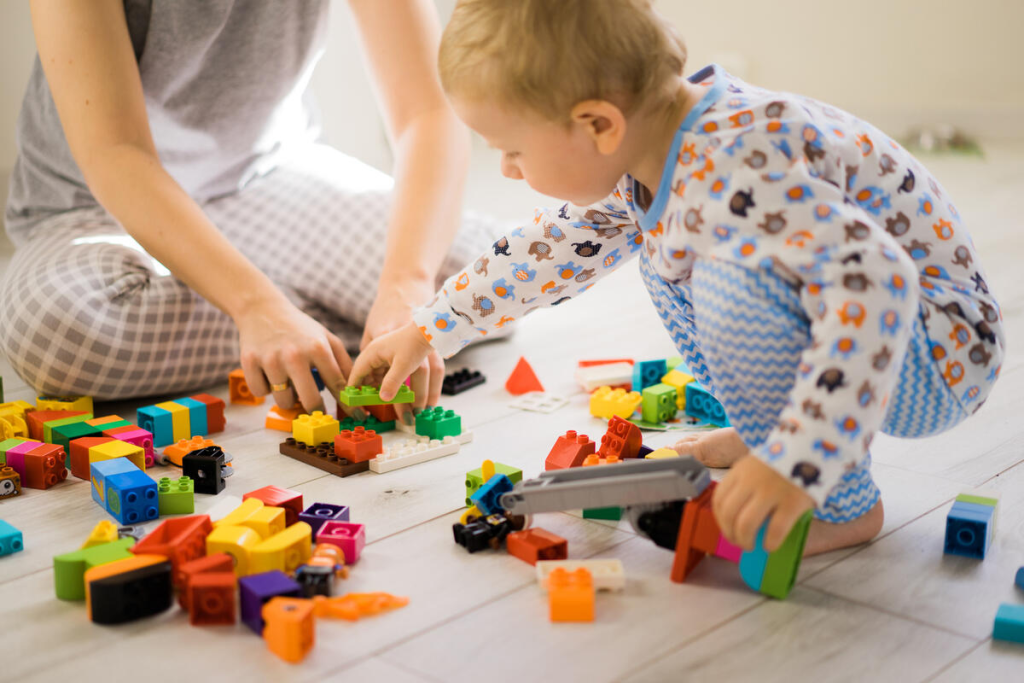
Knowing the different stages of child development is key for parents and caregivers. It helps them offer the right support and care. This ensures the child grows up well.
Child development covers many stages from birth to middle childhood. Each stage has its own milestones.
Infancy: Birth to 12 Months
Infancy is a time of fast growth and change. Babies grow physically, think, and feel emotions. They start to know faces and make sounds to talk.
Toddler Age Range: 1-3 Years
The toddler age range is when kids start moving and exploring. They learn to walk, check out their world, and want to do things on their own. This is when they really start to move and talk.
Preschool Years: 3-5 Years
In the preschool years, kids grow a lot socially and mentally. They make friends, get better at talking, and start learning basic school stuff.
Middle Childhood: 6-11 Years
Middle childhood is when kids grow a lot physically and learn a lot in school. They start going to school, make more friends, and learn to work with others.
It’s important to know these stages to give kids the best care from birth to when they’re teenagers. This helps them grow up well.
- Infancy: Focus on basic needs and initial developmental milestones.
- Toddlerhood: Emphasis on mobility, curiosity, and initial independence.
- Preschool Years: Significant social and cognitive development.
- Middle Childhood: Physical and educational growth.
Statistical Breakdown of Children in the United States
It’s important to know how many children live in the U.S. The data for 2025 gives us useful information. Looking at the numbers, we see a lot of kids in different age groups.
Current Child Population Data (2025)
In 2025, the U.S. will have about 66.5 million kids aged 0“17. This number comes from projections that show the child population by age.
Distribution Across Age Groups
Here’s how kids are spread out by age: 21.1 million are 0“5, 22.2 million are 6“11, and 23.1 million are 12“17. This shows we need different things for each age group, from school to growing up.
Demographic Trends and Projections
Looking at trends and projections helps us plan better. Knowing how many kids there are by age helps us make services that fit their needs.
Legal and Social Definitions That Shape Child Status
It’s important to know how legal and social definitions affect a child’s status. These definitions shape how society views and treats children. They impact children’s rights, duties, and overall happiness.
U.S. Census Bureau Classification
The U.S. Census Bureau uses age to classify children. This is key for studying demographics and planning services. For example, the Census groups children by age to track population changes.
Legal Age Thresholds and Their Implications
Legal ages are important for children’s rights and duties. For example, turning 18 means you’re no longer a child. This age affects voting, marriage, and legal contracts. Knowing these ages helps children understand their legal rights.
The Transition from Child to Adult Status
The move from being a child to an adult is a big change. It’s not just about getting older. It’s about gaining new rights and responsibilities. For example, a toddler is a child between 1 and 3 years old, growing fast.
As children grow, they reach the age of majority. This is a challenging time, like in A Child Called It. It’s important to support children during this transition.
In conclusion, legal and social definitions are key in defining a child’s status. Understanding these definitions helps support children as they grow into adults.
Conclusion: Embracing the Full Spectrum of Childhood
It’s important to know the different stages of child development. This knowledge helps give top-notch care from birth to 18. These years are filled with big growth and important milestones.
Healthcare workers and caregivers can do a better job when they understand the various ages and stages. The World Health Organization and the United Nations give us key guidelines. These help us see how children grow and develop.
Getting care from many different fields is key for kids to do well. Looking at the legal and social sides of being a child shows us. It’s clear that we must support children fully to help them grow up healthy and strong.
FAQ
What is the age range considered as childhood?
“Child” usually means people from birth to 18 years old. This matches global standards and what the United States uses.
What is the definition of a child according to the United Nations Convention on the Rights of the Child?
The United Nations says a child is anyone under 18. This is unless they reach legal adulthood earlier.
What are the different developmental stages of child growth?
Child growth has several stages. These include infancy (birth to 12 months), toddlerhood (1-3 years), preschool (3-5 years), and middle childhood (6-11 years).
What is the toddler age range?
Toddlers are usually between 1 and 3 years old.
How do different countries define childhood?
Countries might have different views on childhood. But most follow the UNCRC, saying a child is under 18.
What is the current child population in the United States?
By 2025, there will be about 66.5 million kids aged 0“17 in the United States.
What are the demographic trends and projections for children in the United States?
Knowing the age groups and trends helps plan for the future. There are 21.1 million kids aged 0“5, 22.2 million aged 6“11, and 23.1 million aged 12“17.
At what age is a child considered an adult?
A child is usually seen as an adult at 18. This marks the end of childhood and the start of adulthood.
What is the significance of understanding the different stages of childhood?
Knowing the stages of childhood is key. It helps give the right care and support. This ensures kids have a good start in life.
REFERENCES:
- Taczaş‚a, J., Latalski, M., Aftyka, A., Dmoszyş„ska-Graniczka, M., Chroş›ciş„ska-Krawczyk, M., & Majcher, P. (2021). The predictive value of ˜red flags’ as milestones of psychomotor development of premature babies “ preliminary study. Annals of Agricultural and Environmental Medicine, 28(1), 183“188. https://www.aaem.pl/pdf-126746-62867?filename=62867.pdf
- Oberklaid, F. (2011). Is my child normal? Milestones and red flags for referral. Australian Family Physician, 40(9), 663-666. https://www.racgp.org.au/getattachment/cbd88cc8-4203-4205-a1e8-f1e8c6e6441c/Is-my-child-normal.aspx
- Kumar, R., & et al. (2024). Knowledge, attitude, and practices of parents regarding the developmental milestones and associated red flags. PubMed. https://pubmed.ncbi.nlm.nih.gov/38355491/