Last Updated on December 2, 2025 by Bilal Hasdemir

Children are significantly more vulnerable to radiation because their bodies are still developing and they have a longer life expectancy ahead. Studies show that getting exposed to radiation when young can raise the chance of getting cancer and other health problems later.
What age sensitive to radiation? Discover the critical risk factors for children and get the essential facts on radiation exposure.
How much radiation affects people changes with age. Younger people are more at risk. Knowing this helps us take better steps to keep them safe and reduce their exposure to harmful radiation.
Key Takeaways
- Children are more sensitive to radiation than adults.
- Radiation exposure at a young age increases cancer risk.
- Different age groups have varying levels of radiation sensitivity.
- Understanding radiation sensitivity is key to safety measures.
- Long life expectancy post-exposure increases radiation risk.
Understanding Radiation and Its Effects on the Human Body

It’s important to know how radiation affects our bodies, which is key to reducing its risks. This is true, more so for vulnerable groups. Radiation can come from many places, like medical tests, nuclear accidents, and even the environment.
Types of Radiation and Common Exposure Sources
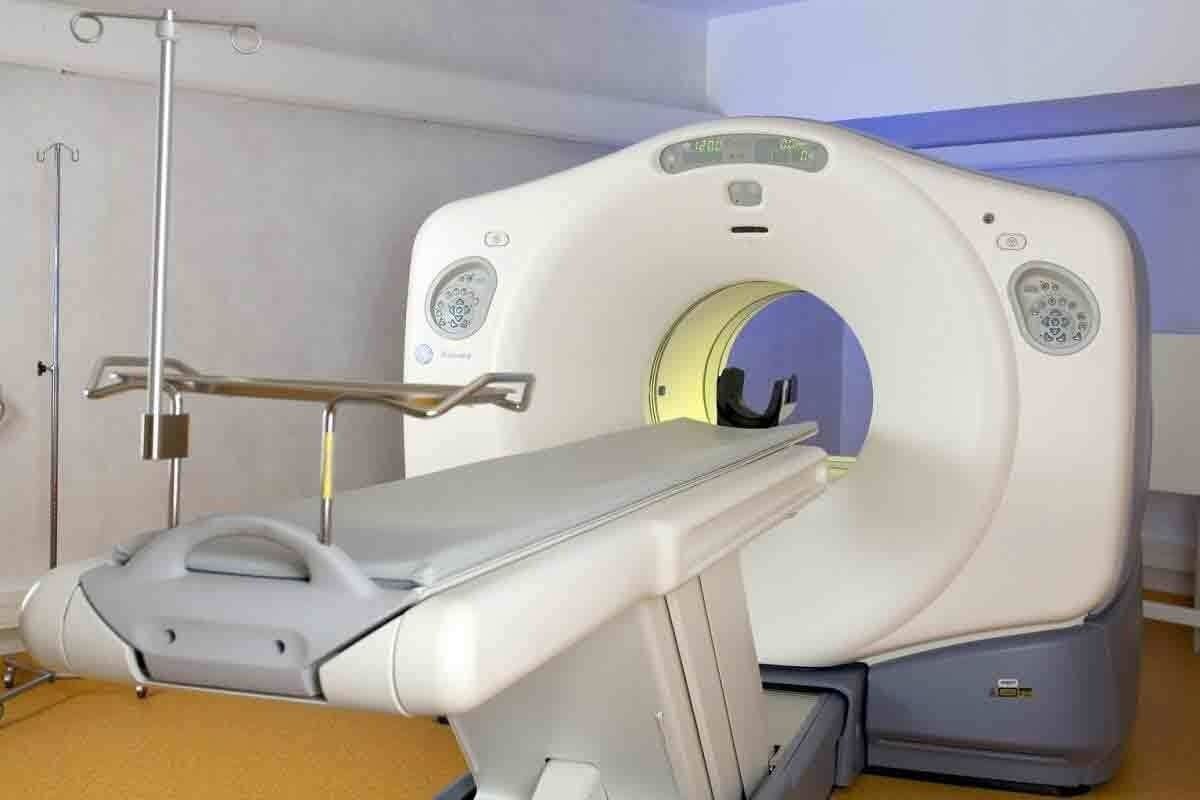
Radiation falls into two main categories: ionizing and non-ionizing. Ionizing radiation, like X-rays and gamma rays, can knock electrons out of atoms. This creates ions. Sources of ionizing radiation include CT scans and radiation therapy. Non-ionizing radiation, which includes radio waves and microwaves, is generally safer.
How Radiation Damages Cells and Tissues
Ionizing radiation can harm DNA, leading to cancer and other health issues. The harm depends on the dose and how long you’re exposed. When radiation hits our bodies, it can damage cells and tissues. This can harm DNA and even kill cells or cause mutations.
Acute vs. Chronic Radiation Effects
Radiation effects can be acute or chronic. Acute effects happen after a big dose in a short time. Chronic effects come from lower doses over a long time. Knowing the difference helps us manage radiation risks better.
Radiation Measurement Units
Radiation is measured in sieverts (Sv) and grays (Gy). Sieverts show the biological effects of radiation, while grays measure the dose. It’s vital to understand these units to assess radiation risks.
| Radiation Type | Common Sources | Health Effects |
| Ionizing Radiation | Medical imaging, radiation therapy, nuclear accidents | Cancer, DNA damage, cell death |
| Non-ionizing Radiation | Radio waves, microwaves | Generally considered less harmful |
The Science Behind Age Sensitive to Radiation
Radiation affects people differently based on their age. This is because of changes in how cells and DNA work. Kids and adults have different rates of cell division and DNA repair.
Cellular Division Rates and Radiation Vulnerability
Children’s cells divide quickly, making them more sensitive to radiation. High cellular division rates mean more chance of DNA damage from radiation. Adults, with slower cell division, face less risk.
DNA Repair Mechanisms Across Different Ages
How well cells can fix DNA damage changes with age. Children’s cells can repair DNA better, but too much radiation can overwhelm them. Adults, with a lower repair capacity, are less likely to get genetic mutations from radiation.
Biological Factors Affecting Radiation Sensitivity
Many factors influence how sensitive someone is to radiation. Genetic predisposition and overall health play big roles. These can make some people more likely to react to radiation.
Individual Variation in Radiation Response
People of the same age can react differently to radiation. Genetic differences and environmental factors affect how radiation is processed. This leads to varying levels of sensitivity.
| Age Group | Cellular Division Rate | DNA Repair Capacity | Radiation Sensitivity |
| Children | High | High | High |
| Adults | Low | Low | Low |
Fetal Development: The Most Vulnerable Period

Fetal development is a critical time when radiation sensitivity is highest. The fetus grows fast and is very sensitive to radiation’s harmful effects.
First Trimester Radiation Risks
The first trimester is the most risky for radiation. High doses of radiation can cause malformations and increase cancer risk. Pregnant women need to avoid radiation during this time.
Second and Third Trimester Considerations
Even though the first trimester is the most critical, radiation risks in the second and third trimesters are also important. Continued vigilance is needed to protect the fetus. Radiation exposure later in pregnancy can harm the child’s health and increase cancer risk.
Protective Measures During Pregnancy
To protect fetal health, pregnant women should avoid radiation. This includes being careful with medical imaging and following safety guidelines at work.
Medical Imaging During Pregnancy
Imaging techniques like X-rays and CT scans should be used with caution during pregnancy. Ultrasound is a safer alternative to reduce radiation exposure.
Occupational Radiation Safety for Pregnant Women
Pregnant women in jobs with radiation risks should follow strict safety rules. This includes wearing protective gear and monitoring radiation doses. They should also adjust their work to reduce exposure.
By understanding the risks and taking precautions, pregnant women can protect their developing fetus from radiation harm.
Infants and Radiation Exposure
Radiation is a big worry for infants because their bodies are growing fast. Their cells are dividing quickly, making them more at risk from radiation.
Unique Vulnerabilities in the First Year of Life
Infants grow and develop fast in their first year. Their organs and tissues are not fully grown, so they’re more sensitive to radiation. This can increase the risk of health problems later on.
- Rapid Cell Division: Infants’ cells are dividing quickly, making them more susceptible to radiation damage.
- Developing Organs: The organs of infants are not fully developed, and radiation can disrupt their growth.
Radiation Protection Strategies for Babies
Keeping babies safe from radiation requires careful steps. Parents and caregivers can take several actions to reduce risks.
Medical Imaging Considerations for Infants
Medical tests like X-rays and CT scans should be used with caution for infants. Whenever possible, choose non-radiation methods like ultrasound instead.
Environmental Radiation Concerns
Radon in homes is a source of environmental radiation. To lower exposure, ensure good air flow and use radon-resistant materials in building.
Young Children: High Sensitivity and Long-Term Risks
Young children are very sensitive to radiation because their bodies are growing fast. This makes them worry about long-term health risks from radiation.
Why Children Ages 1-5 Are Particualrly Vulnerable
Children between 1 and 5 years old face a higher risk from radiation. Their cells grow quickly, making them more vulnerable. Being exposed at this age can increase the risk of cancer and other health problems later.
Childhood Cancer Risks from Radiation Exposure
Exposure to radiation in young children can raise their cancer risk. Their bodies are more sensitive to radiation. They also have more time to develop radiation-induced cancers.
Pediatric Radiation Protection Principles
To keep young children safe from radiation, we must follow certain rules. We should use the least amount of radiation needed for tests. Radiation therapy must be carefully planned and given.
Long-term Health Monitoring After Exposure
Children exposed to radiation need to be watched closely for long-term health effects. Regular check-ups and screenings can spot problems early. This allows for quick action.
School-Age Children and Adolescents
As kids grow older, they face more risks from radiation. They get exposed to radiation from medical tests and sports injuries. This is a big worry for parents and doctors.
Radiation Sensitivity During Growth Spurts
Growth spurts make kids more sensitive to radiation. Tissues and organs are more vulnerable to radiation when they grow fast. This could lead to serious health problems like cancer later on.
Teenage Radiation Effects and Considerations
Teens go through big changes and might get exposed to radiation. Parents and caregivers need to know these risks and protect them.
Educational Radiation Safety for Youth
Teaching kids about radiation safety is key. Simple steps like wearing protective gear during tests and knowing about radiation sources can help a lot.
Sports and Medical Imaging Concerns
Sports injuries might need tests that use radiation. It’s important to weigh the need for tests against the risk of radiation. Looking for safer options is always a good idea.
A study found that kids are more at risk from radiation than adults. They are growing and developing, making them more vulnerable.
“The younger the child, the greater the risk of radiation-induced cancer”
This highlights the need for careful safety measures during these critical years.
Adults: Changing Sensitivity Through the Decades
As adults get older, their sensitivity to radiation changes a lot. This change is due to many factors like cell changes, lifestyle, and radiation exposure.
Young Adults (20-40 Years)
Young adults are more sensitive to radiation because their cells divide more. This is a big worry for those who work with radiation.
Middle-Aged Adults (40-60 Years)
Middle-aged adults are less sensitive to radiation than younger ones. But, they also face risks from radiation, like in medical procedures and work-related hazards.
Reproductive Concerns and Radiation
Radiation is a big worry for adults who can have kids. High doses of radiation can harm fertility and raise the chance of genetic mutations.
Occupational Exposure Guidelines by Age
Adults at work need to watch out for radiation. Rules say workers should not get more than 5 rem (50 mSv) of radiation a year. It’s important to follow safety rules closely.
| Age Group | Radiation Sensitivity | Key Concerns |
| 20-40 Years | Higher | Occupational exposure, reproductive health |
| 40-60 Years | Moderate | Medical radiation, occupational hazards |
Elderly Population and Radiation Risks
The elderly face unique challenges when it comes to radiation. While they might be less sensitive than younger people, they are not immune to the dangers of medical radiation. This is because radiation can cause harm, even at low doses.
Age-Related Changes Affecting Radiation Response
As we age, our cells get worse at fixing DNA damage from radiation. This is because our cells divide less often and our DNA repair skills decline. The efficiency of DNA repair mechanisms is key in determining how radiation affects us.
Special Considerations for Medical Radiation in Seniors
Seniors need extra care when it comes to medical radiation. Procedures like CT scans must be carefully thought out. It’s important to weigh the benefits against the risks, known as risk-benefit analysis.
Balancing Diagnostic Benefits and Risks
Doctors must carefully decide if imaging tests are right for the elderly. They consider the patient’s health and if the test will help with treatment. This is a delicate balance.
Radiation Therapy Adaptations for Elderly Patients
For seniors getting radiation therapy, treatment plans must be adjusted. This is because aging changes how tumors and healthy tissues react to radiation. Doctors might modify the radiation dose or use new techniques.
| Age Group | Radiation Sensitivity | Medical Considerations |
| 65-75 years | Moderate sensitivity | Careful consideration of diagnostic benefits and risks |
| 75+ years | Lower sensitivity | Adaptation of radiation therapy plans |
Medical Radiation: Balancing Benefits and Risks Across Age Groups
It’s important to balance the good and bad of medical radiation for different ages. This is because its effects change a lot depending on age. Doctors use medical radiation for tests and treatments, and they need to think about each age group’s needs and risks.
Diagnostic Imaging Considerations by Age
Techniques like X-rays and CT scans give out medical radiation. For kids, pediatric radiation safety is key because they are more sensitive to it. They also have more years of life ahead, which means more time for radiation effects to show up.
For grown-ups, the benefits of these tests often outweigh the risks, like in emergencies or serious health checks. But, doctors should always try to use the least amount of radiation needed.
Radiation Therapy Adjustments for Different Age Groups
Radiation therapy is a big part of fighting cancer, and it changes with age. Young patients get special plans to protect their growth and development. Older adults might get different treatments based on their health and other conditions.
ALARA Principle in Medical Practice
The ALARA principle helps doctors keep radiation doses low while doing tests or treatments. This rule is very important for pediatric radiation safety.
Alternative Diagnostic Options for Vulnerable Ages
For kids and pregnant women, doctors often choose safer tests like ultrasound or MRI. This is to avoid radiation altogether.
Environmental and Occupational Radiation: Age-Based Vulnerability
Radiation from the environment and work can harm people of all ages. As we grow, our bodies change, making us more or less sensitive to radiation. This is due to our development and how much radiation we’re exposed to.
Workplace Radiation Safety Across Age Groups
Workers in fields like nuclear energy, medical radiation, and industry face radiation risks. Age-specific safety measures are key to reducing these risks. Younger workers need to be protected to avoid long-term health problems.
Environmental Radiation Exposure Prevention
Environmental radiation comes from radon in homes and cosmic rays in space. To stay safe, test your home for radon and know about radiation levels when flying.
Radon and Other Household Radiation Concerns
Radon is a big worry in homes, mainly where soil has a lot of uranium. Testing regularly and using strategies to lower radon levels can help protect you.
Travel and Radiation Exposure Considerations
People who fly a lot or go to space face more cosmic radiation exposure. Knowing these risks and taking steps to protect yourself can lessen the harm.
Current Research on Age-Related Radiation Sensitivity
Scientists are working hard to understand why some people are more sensitive to radiation than others. They are looking into the genetic and molecular reasons behind these differences. This research focuses on how age affects how our bodies react to radiation.
Recent Scientific Findings
Recent studies have found that how fast cells divide and how well DNA is repaired are key. For example, kids are more likely to get cancer from radiation because their cells divide quickly and their bodies are growing.
- High cellular division rates increase radiation vulnerability.
- Efficient DNA repair mechanisms are critical for reducing radiation damage.
Emerging Protective Strategies and Technologies
New technologies are being developed to protect us from radiation. These include new medicines and advanced imaging methods. The goal is to reduce radiation exposure while keeping treatments effective.
Genetic Factors in Radiation Sensitivity
Genetics also play a big role in how sensitive we are to radiation. Researchers are finding genetic markers that can predict how someone will react to radiation.
Future Directions in Age-Specific Radiation Protection
Future research aims to create age-specific guidelines for radiation safety. This means developing protection strategies that fit the needs of different age groups.
Conclusion: Protecting the Most Vulnerable Ages from Radiation
Radiation sensitivity changes a lot with age, with kids and fetuses being the most at risk. It’s key to know what makes them more sensitive to radiation to lessen its dangers.
It’s vital to shield children and other vulnerable groups from radiation to cut down its harm. Using specific protection methods for each age can help reduce these risks.
We need to keep studying this topic to find better ways to protect people of all ages. By understanding each age group’s unique risks, we can make a safer world for everyone.
FAQ
What age group is most sensitive to radiation?
Children under 5 and fetuses are most sensitive. This is because their organs and tissues are developing.
How does radiation affect children differently than adults?
Children’s cells are more damaged by radiation. This is because their cells divide fast and their tissues are growing.
What are the risks of radiation exposure during fetal development?
Fetal development is very sensitive to radiation. The first trimester is the most risky. It can lead to birth defects and childhood cancer.
How can pregnant women minimize radiation exposure?
Pregnant women can reduce radiation exposure. They should avoid unnecessary medical imaging and follow safety practices at work.
What are the unique vulnerabilities of infants to radiation exposure?
Infants are very vulnerable to radiation. Their growing organs and tissues need special protection to avoid harm.
How does radiation sensitivity change as children grow and develop?
As children get older, their sensitivity to radiation changes. Younger children are more sensitive than older ones.
What are the radiation risks and concerns for adults?
Adults’ sensitivity to radiation changes with age. Younger adults are more sensitive than older ones. This includes reproductive issues and work-related exposure.
How does radiation sensitivity vary across different age groups?
Different ages have different sensitivities to radiation. Children and fetuses are the most vulnerable. This means they need special protection.
What are the considerations for diagnostic imaging and radiation therapy in different age groups?
When using imaging and therapy, age is important. We need to balance risks and benefits for each age group.
What are the emerging protective strategies and technologies for radiation protection?
New ways to protect against radiation are being developed. This includes better shielding and personalized protection for all ages.
How can environmental and occupational radiation exposure be prevented?
We can prevent radiation exposure at work and in the environment. This includes safety guidelines, monitoring, and prevention strategies.
What is the impact of radiation exposure on childhood cancer risks?
Radiation is a known risk for childhood cancer. Reducing exposure is key to lowering cancer risks in kids.
How does age affect radiation tolerance?
Younger people are more sensitive to radiation. This means we need to consider age when thinking about radiation risks.
What are the factors that contribute to radiation sensitivity?
Several factors affect how sensitive we are to radiation. These include how fast cells divide, DNA repair, and age. Understanding these helps us protect better.
How can pediatric radiation safety be ensured?
Ensuring safety in kids involves careful consideration of risks and benefits. We use protective measures like shielding and dose optimization.
References
The Lancet. Evidence-Based Medical Insight. Retrieved from https://www.thelancet.com/journals/lancet/article/PIIS0140-6736(12)60815-0/fulltext
National Center for Biotechnology Information. Evidence-Based Medical Insight. Retrieved from https://pubmed.ncbi.nlm.nih.gov/39095613/
National Center for Biotechnology Information. Evidence-Based Medical Insight. Retrieved from https://pubmed.ncbi.nlm.nih.gov/39095613/
National Center for Biotechnology Information. Evidence-Based Medical Insight. Retrieved from https://pubmed.ncbi.nlm.nih.gov/39095613/
Nature. Evidence-Based Medical Insight. Retrieved from https://www.nature.com/articles/s41598-025-18097-5