Last Updated on November 4, 2025 by mcelik
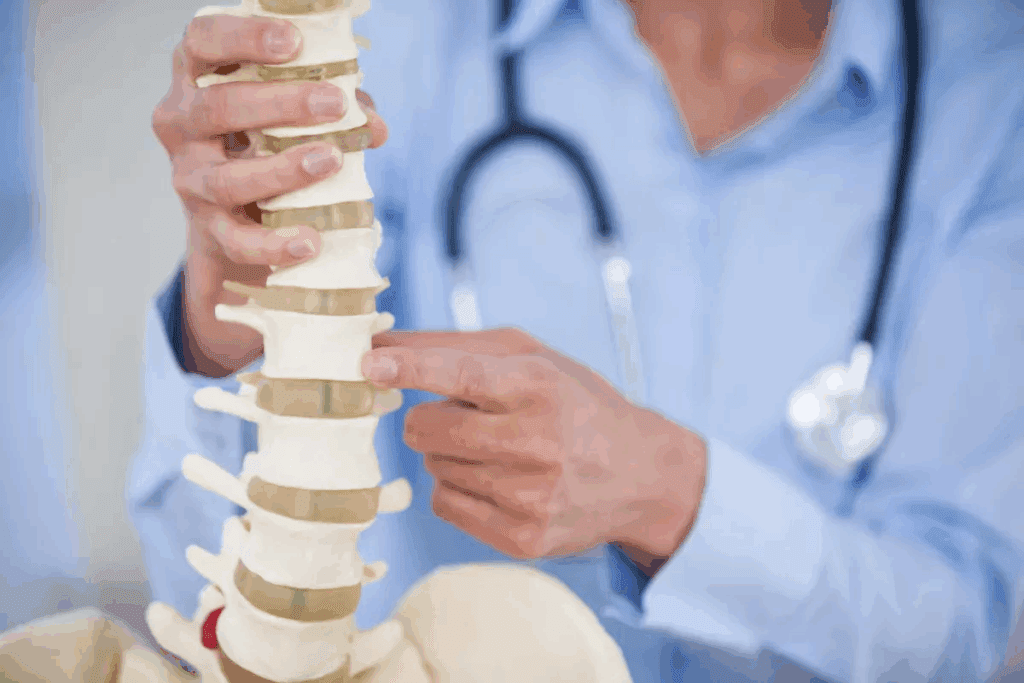
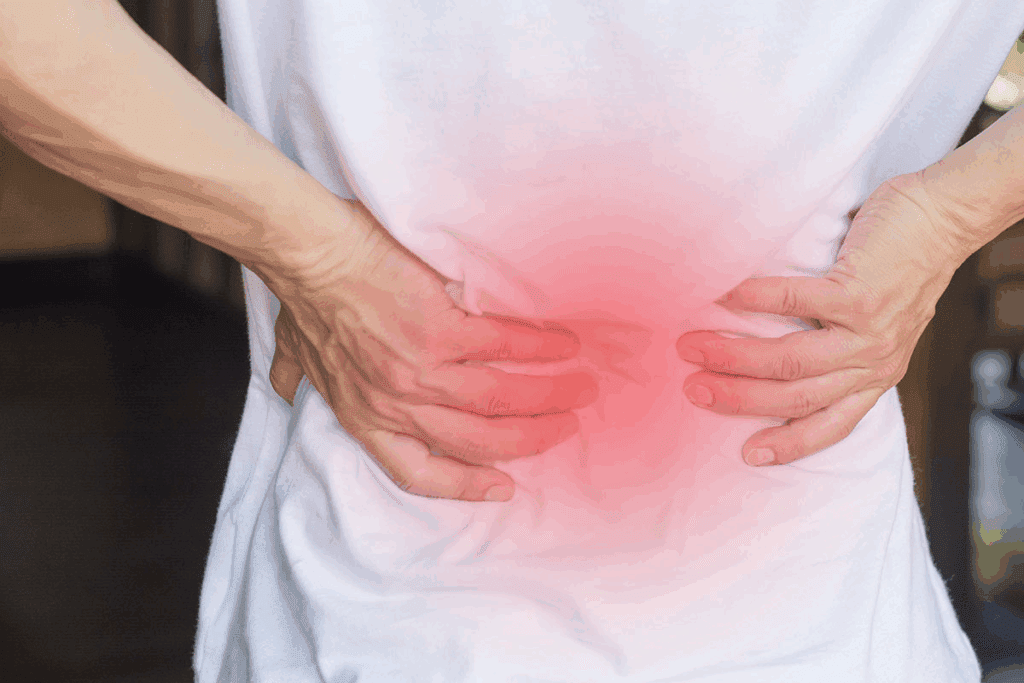
Degenerative disk disease affects millions, causing back pain and discomfort. Approximately 80% of adults experience back pain at some point in their lives, with this disease being a major cause.
Living with degenerative disk disease can be tough. Simple actions like lifting heavy objects, bending, or sitting for long periods can make symptoms worse. Understanding the aggravating factors disc disease can help patients take steps to avoid flare-ups and manage their pain effectively.
Poor posture and back strain are among the most common aggravating factors disc disease patients face. Knowing these causes and making lifestyle changes—like improving posture, using proper lifting techniques, and staying active—can help manage symptoms and improve quality of life.
Key Takeaways
- Degenerative disk disease is a common cause of back pain.
- Everyday activities can exacerbate the condition.
- Poor posture and back strain are significant aggravating factors.
- Managing degenerative disk disease requires understanding its causes.
- Lifestyle changes can help alleviate symptoms.
Understanding Degenerative Disk Disease
spinal anatomy
The spine is made up of vertebrae and discs. These discs act as shock absorbers. They help the spine move and absorb shocks from activities.
The Anatomy of Healthy Spinal Discs
Healthy spinal discs are key for a healthy spine. They have a tough outer layer called the annulus fibrosus and a soft center called the nucleus pulposus. These discs help the spine move and absorb shocks.
The discs are designed for movement and support. They don’t have a blood supply. Instead, they get nutrients and oxygen from nearby tissues.
The Degenerative Process and Its Stages
Degenerative disk disease makes discs wear down over time. It starts with the disc losing height and the outer layer cracking.
Next, the disc gets worse, leading to instability in the spine. Finally, the body tries to stabilize the area with bone growth.
Knowing these stages helps doctors diagnose and treat the disease better.
Common Symptoms and How They Manifest

degenerative disc disease symptoms
Degenerative disc disease can cause a variety of symptoms. These range from mild discomfort to severe pain and even neurological problems. The impact of the disease varies greatly from person to person. This depends on where and how severe the disc degeneration is.
It’s important to recognize these symptoms. Both patients and healthcare providers need to do this to manage the disease well. We will look at the common pain and neurological symptoms of degenerative disc disease in the neck and lower back.
Pain Patterns in Cervical Disc Disease
Cervical disc disease affects the neck and can cause pain that spreads to the arms, shoulders, or upper back. This pain, called radicular pain, happens when the degenerated disc irritates or presses on nearby nerves.
Common characteristics of cervical disc disease pain include:
- Neck pain that gets worse with movement
- Pain that spreads to the arms or shoulders
- Numbness or tingling in the arms or hands
A spine specialist notes, “Cervical disc disease can really affect daily life because of the pain and discomfort it causes.”
Pain Patterns in Lumbar Disc Disease
Lumbar disc disease affects the lower back and can cause pain that spreads to the legs, buttocks, or lower back. The pain can be sharp and stabbing for some, or dull and aching for others.
| Pain Characteristic | Cervical Disc Disease | Lumbar Disc Disease |
| Primary Location | Neck | Lower Back |
| Radiating Pain | Arms, Shoulders | Legs, Buttocks |
| Common Symptoms | Neck pain, numbness in arms | Lower back pain, leg pain |
Neurological Symptoms and Red Flags
Aside from pain, degenerative disc disease can also cause neurological symptoms. These include numbness, tingling, or weakness in the limbs because of nerve compression or irritation.
Red flags are symptoms that mean a serious condition and need immediate medical help. These include sudden severe pain, loss of bladder or bowel control, or progressive weakness in the limbs.
“It’s crucial for patients to be aware of the red flags associated with degenerative disc disease, as timely intervention can significantly impact outcomes.”
Key Aggravating Factors for Disc Disease
mechanical stressors on spine
It’s important to know what makes disc disease worse. This condition is caused by both mechanical stress and biochemical changes.
Mechanical Stressors on the Spine
Mechanical stressors are a big deal for disc disease. Things like repetitive strain, heavy lifting, and bad posture can harm the spinal discs.
Repetitive strain injuries happen when you do the same thing over and over. This can hurt the discs, causing inflammation and damage over time.
Biochemical and Systemic Factors
Besides mechanical stress, biochemical and systemic factors also play a part. Things like inflammation, hormonal changes, and not getting enough nutrients can hurt the discs.
Inflammation in the disc can break down the disc matrix, making things worse. Conditions like diabetes can also hurt disc health by not letting nutrients in or waste out.
| Factor | Description | Impact on Disc Health |
| Repetitive Strain | Repeated motion causing micro-trauma | Increased inflammation and degeneration |
| Poor Posture | Abnormal spinal alignment | Additional pressure on spinal discs |
| Inflammation | Biochemical process causing disc degradation | Accelerated degenerative process |
| Nutritional Deficiencies | Inadequate nutrient supply to discs | Impaired disc health and function |
Poor Posture and Its Impact on Disc Health
poor posture disc health
Posture is key to keeping spinal discs healthy. Good posture helps reduce pressure on our discs. This prevents unnecessary wear and tear.
Poor posture increases pressure on spinal discs. This can speed up degenerative changes. Our posture affects how forces are distributed across our spine.
Forward Head Posture and Cervical Disc Pressure
Forward head posture is common today, thanks to screens. It puts extra pressure on our cervical discs. This changes the neck’s natural alignment and stresses the spine.
The head’s weight is significant. Misaligned, it strains cervical discs. This can cause early degeneration and even herniation.
Slouching and Lumbar Disc Compression
Slouching harms our lumbar discs. It increases lower back pressure, compressing discs and leading to degeneration.
This compression causes pain and discomfort. It affects not just the lower back but also the legs. Maintaining a healthy lumbar curve is essential to avoid compression.
Postural Correction Techniques
There are ways to fix poor posture and ease disc pressure. Strengthening core muscles is crucial. They support the spine.
Being mindful of our posture and stretching regularly helps. Yoga and physical therapy can also improve posture and reduce disc pressure.
Improving our posture can greatly reduce disc degeneration. It promotes better spinal health.
Prolonged Sitting: A Modern Epidemic for Spine Health
prolonged sitting spine health
Prolonged sitting is a big problem in today’s world. It harms our spine health a lot. We sit a lot at work, during our commute, and at home watching screens.
Increased Intradiscal Pressure
Sitting for long periods raises intradiscal pressure, especially in the lower back. Our spine bears more weight when sitting than when standing or walking. This can speed up wear and tear on spinal discs.
When we sit, our lower back loses its natural curve. This uneven pressure can cause disc degeneration. It might lead to herniated discs or spinal stenosis over time.
The Dangers of Desk Jobs and Commuting
Desk jobs and long commutes make us sit a lot. Many people sit for most of their day without getting up. This sitting can cause back pain and strain on the spine.
Bad sitting posture and poor chair support also add to the problem. So does having computer monitors at the wrong height.
Breaking the Sitting Cycle: Practical Strategies
To fight the effects of sitting too much, we need to move more. Simple steps can help a lot:
- Stand up, stretch, and move every 30-60 minutes.
- Use a sit-stand desk or adjustable workstation to switch between sitting and standing.
- Do physical activities like walking, cycling, or swimming to strengthen your back and improve spinal health.
- Keep good posture and make sure your workspace supports your spine.
By following these tips, we can lessen the harm of sitting too long. We can live healthier, more active lives.
Improper Lifting Techniques and Spinal Loading
lifting biomechanics
Lifting is a basic activity that can cause spinal loading and injury if done wrong. The spine is at risk because of the big forces on the discs.
It’s key to know the biomechanics of lifting to avoid disc damage. Our body works like a system of levers and fulcrums when we lift. The spine is the main support.
Biomechanics of Lifting and Disc Pressure
Lifting involves movements that affect disc pressure. When we bend and lift, the spine flexes. This increases pressure on the disc’s front part.
- Lifting with a bent back increases intradiscal pressure.
- The further the object is from the body, the greater the force on the spine.
- Twisting while lifting makes disc injury more likely.
Common Lifting Mistakes That Damage Discs
Many people unknowingly risk their spinal discs with improper lifting techniques. Mistakes include bending at the waist, lifting heavy objects alone, and twisting during the lift.
- Lifting heavy objects without bending the knees.
- Not keeping the object close to the body.
- Twisting or turning while lifting.
Proper Lifting Mechanics to Protect Your Spine
To avoid spinal loading and protect your spine, use proper lifting mechanics. Bend at the knees, keep the object close, and lift with your legs.
- Bend at the knees, not the waist.
- Keep the object as close to your body as possible.
- Lift with your legs, not your back.
- Avoid twisting or turning.
By using these proper lifting techniques, you can lower the risk of disc injury. This helps keep your spine healthy for the long term.
Twisting and Bending: High-Risk Movements for Discs
twisting bending discs
Daily activities like twisting and bending can harm our spinal discs. These actions are common but can affect disc health. This is especially true for people with degenerative disc disease.
How Rotational Forces Compromise Disc Integrity
Twisting puts uneven pressure on spinal discs. This can cause wear and tear on the outer layer. It might lead to tears or cracks, allowing the inner gel to bulge out or herniate.
This can irritate nearby nerves, causing pain and discomfort.
Key factors that contribute to disc damage during twisting include:
- Degree of rotation: Greater twisting angles increase the risk of disc injury.
- Speed of movement: Rapid twisting motions can be more damaging than slow, controlled movements.
- Load being lifted or carried: Twisting while holding a heavy object amplifies the stress on the discs.
Safe Alternatives for Daily Activities
It’s not always easy to avoid twisting and bending. But, we can modify our daily activities to protect our discs. For example, instead of twisting at the waist, we can pivot on our feet to turn the whole body.
Practical tips for safer movement include:
- Using proper lifting techniques: Bend at the knees, keep the object close, and lift with the legs rather than the back.
- Avoiding sudden movements: Make slow, deliberate turns and changes in direction.
- Strengthening core muscles: A strong core can provide better support for the spine during twisting and bending.
By being mindful of our movements and adopting safer alternatives, we can reduce strain on our spinal discs. This helps maintain a healthier back.
Physical Inactivity and Accelerated Disc Degeneration
In today’s world, sitting is common. Our spinal discs pay the price. Lack of movement harms our discs, leading to faster degeneration.
The Sedentary Lifestyle Trap
A sedentary lifestyle is a big problem today. It hurts our spinal discs. Sitting for too long cuts off nutrient and oxygen supply to the discs.
Table: Effects of Sedentary Lifestyle on Disc Health
| Aspect | Impact of Sedentary Lifestyle |
| Nutrient Supply | Reduced diffusion of nutrients and oxygen |
| Disc Hydration | Decreased hydration due to lack of movement |
| Spinal Flexibility | Reduced flexibility and increased stiffness |
How Movement Nourishes Spinal Discs
Movement is key for spinal disc health. It helps exchange nutrients and waste. Since discs don’t have blood, movement is like a pump, bringing in what they need.
“Regular physical activity is essential for maintaining the health of spinal discs. It’s not just about exercising; even simple movements can make a significant difference.”
Building an Activity Plan for Disc Health
To support disc health, you need a good activity plan. Start by understanding your current activity level. Set achievable goals and mix different movements into your day.
Start with activities you like, like walking or swimming. The goal is to stay consistent and gradually do more.
- Begin with short walks and gradually increase the distance.
- Incorporate stretching exercises to improve flexibility.
- Engage in low-impact aerobics for overall fitness.
By being active, we can greatly improve our disc health. It’s a step towards a healthier spine and better life.
Excess Body Weight and Increased Spinal Load
Carrying extra weight can harm our spine, especially in terms of disc pressure and degeneration. When we’re overweight, our spine works harder to support the extra weight. This leads to more stress on the spinal discs.
This stress can speed up degeneration, possibly causing degenerative disc disease. It’s important to understand how body weight affects spinal health. This knowledge helps us find ways to reduce this risk.
The Biomechanics of Obesity on Disc Pressure
Extra weight puts more stress on the spine, especially in the lower back. The lower back carries a lot of our body’s weight. Being overweight means the spinal discs compress more, causing wear and tear.
The key factors involved in this process include:
- Increased intradiscal pressure due to excess weight
- Accelerated degeneration of the disc’s extracellular matrix
- Potential for disc herniation or prolapse
| Body Mass Index (BMI) | Spinal Load Impact | Disc Pressure Effect |
| Normal (18.5-24.9) | Minimal impact | Normal disc pressure |
| Overweight (25-29.9) | Moderate increase in spinal load | Noticeable increase in disc pressure |
| Obese (30 and above) | Significant increase in spinal load | Substantial increase in disc pressure |
Weight Management Approaches for Spine Health
Managing weight is key to reducing spinal strain and improving health. A good plan includes dietary changes, more exercise, and sometimes professional help.
A well-rounded weight management plan should include:
- A balanced diet rich in nutrients
- Regular exercise tailored to the individual’s capabilities
- Professional support from healthcare providers or nutritionists
By following these steps, people can manage their weight and improve their spine health. This reduces the risk of disc problems.
Smoking: A Silent Destroyer of Disc Health
Cigarette smoking is a big health problem. It harms spinal disc health in many ways. Nicotine in cigarettes hurts disc nutrition and hydration.
Nicotine’s Impact on Disc Nutrition
Nicotine in cigarette smoke hurts the nutrition of spinal discs. These discs act as shock absorbers between vertebrae. They get their nutrients through diffusion.
Smoking damages blood vessels. This reduces oxygen and nutrient supply to discs. This makes discs degenerate faster.
A study in the Spine Journal found smoking harms disc nutrition. Smoking is a big risk for back pain and disc degeneration. Quitting can greatly improve spinal health.
Smoking cessation is crucial for reducing the risk of disc degeneration and improving overall spinal health.
Benefits of Smoking Cessation for Disc Recovery
Quitting smoking helps disc health a lot. It improves blood flow. This means more oxygen and nutrients for discs.
Smoking cessation also reduces inflammation. This improves the spine’s overall health.
| Benefits of Smoking Cessation | Impact on Disc Health |
| Improved Blood Flow | Enhanced nutrient delivery to discs |
| Reduced Inflammation | Less damage to spinal structures |
| Better Overall Health | Reduced risk of disc degeneration |
Quitting smoking greatly improves disc health. It reduces the risk of further degeneration. It’s a key step to a healthy spine and preventing degenerative disc disease.
Core Muscle Weakness and Spinal Instability
Core strength is key to keeping the spine stable, especially for those with disc disease. Our core muscles act as a natural brace for the spine. They provide the support and stability needed to prevent strain on the spinal discs.
The Core as Your Spine’s Natural Brace
The core muscles, including the abdominals and back muscles, are vital for stabilizing the spine. When these muscles are weak, it can cause spinal instability. This can worsen conditions like degenerative disc disease. A strong core helps spread the load evenly across the spine, reducing pressure on any single disc.
Identifying Core Weakness
Core weakness can show up in different ways, like lower back pain, poor posture, and trouble with daily activities. Look out for these signs to identify core weakness:
- Frequent lower back pain
- Poor posture or trouble keeping good posture
- Feeling tired easily during physical activities
Safe Core Strengthening Exercises for Disc Disease
Doing core strengthening exercises can greatly improve spinal stability and lessen disc disease symptoms. Here are some safe exercises to try:
| Exercise | Description | Benefits |
| Plank | Hold a position with your body in a straight line from head to heels, supported by your forearms and toes. | Strengthens entire core, improves posture |
| Bridging | Lie on your back with knees bent and feet flat on the floor, lift your hips towards the ceiling. | Targets lower back and gluteal muscles |
| Pelvic Tilt | Lie on your back with knees bent and feet flat, tilt your pelvis upwards and then back down. | Relaxes lower back, strengthens abdominal muscles |
Start slowly and gently, especially if you have severe disc disease symptoms. It’s a good idea to talk to a healthcare professional or physical therapist. They can give you personalized advice on safe exercises for your condition.
Ergonomic Factors in Daily Living
Our daily environments, from workspaces to sleeping areas, greatly affect our disc health. Ergonomics, the science of designing for body comfort, is key in preventing disc injuries. It helps keep our spine healthy.
Workplace Ergonomics and Disc Protection
Workplace ergonomics is vital for disc health. A well-set workspace promotes good posture, reducing disc damage risk. This includes:
- Positioning the computer monitor directly in front of you, at a distance of about 20-25 inches, and at a height that allows you to gaze slightly downward.
- Placing the keyboard directly in front of your body, with your wrists straight and your elbows at a 90-degree angle.
- Using a chair with adequate lumbar support or adding a lumbar roll to maintain the natural curve of your lower back.
A study in the Journal of Occupational Rehabilitation found that ergonomic workplace setups can lower low back pain and disc injury risks.
| Ergonomic Adjustment | Benefit |
| Monitor at eye level | Reduces neck strain |
| Keyboard and mouse close | Minimizes reaching and stretching |
| Lumbar support | Maintains natural spinal curve |
Sleep Posture and Mattress Considerations
Sleep posture is key for disc health. The wrong mattress can strain your discs. We suggest:
- Sleeping on a medium-firm mattress that supports your spine’s natural curves.
- Using a supportive pillow that keeps your head aligned with your spine.
- Avoiding stomach sleeping to prevent neck twisting; instead, sleep on your back or side.
“A good night’s sleep on a supportive mattress can make a significant difference in how you feel throughout the day, particularly in terms of back pain and disc health.”
Ergonomic Tools and Adaptations
Using ergonomic tools and adaptations in our daily lives can protect our discs. This includes ergonomic keyboards, mice, and other devices designed to reduce body strain.
By making these adjustments and being mindful of our daily habits, we can significantly reduce the risk of disc injury and promote overall spinal health.
High-Impact Activities and Repetitive Spinal Stress
High-impact activities and repetitive movements can stress the spine, making disc disease worse. It’s important to know how these activities affect spinal health. This knowledge helps keep discs healthy and prevents further damage.
Sports and Activities That Accelerate Disc Wear
Certain sports and activities can wear down discs because of their high-impact or repetitive nature. These include:
- Contact Sports: Football, rugby, and hockey involve high-impact collisions that shock the spine.
- High-Impact Aerobics: Jumping or repetitive landing exercises stress the lumbar discs.
- Running: Running on hard surfaces increases the impact on spinal discs with each step.
When participating in these activities, it’s crucial to be aware of the risks. Taking preventive measures can protect your spine.
Vibration Exposure and Disc Health
Vibration exposure, found in some jobs or through specific machinery, can harm disc health. Drivers of heavy machinery or vehicles face a higher risk of disc degeneration due to whole-body vibration.
| Activity | Potential Risk | Preventive Measure |
| Contact Sports | High-impact collisions | Proper protective gear, safe playing techniques |
| High-Impact Aerobics | Repetitive stress on lumbar discs | Modify exercises to low-impact versions, core strengthening |
| Running | Increased impact on spinal discs | Run on softer surfaces, wear proper footwear, incorporate strength training |
| Heavy Machinery Operation | Prolonged vibration exposure | Use vibration-dampening seats, regular breaks, ergonomic adjustments |
Activity Modification Strategies
Changing activities to reduce spine stress can protect disc health. Strategies include:
- Low-Impact Alternatives: Choose low-impact activities like swimming or cycling instead of running.
- Proper Technique: Use proper technique in sports or exercises to minimize spine stress.
- Strengthening Core Muscles: Building strong core muscles supports the spine better.
Understanding the risks of high-impact activities and using modification strategies can reduce disc degeneration risk. This helps maintain a healthier spine.
Hydration Status and Disc Resilience
Drinking enough water is key to keeping our spine healthy, especially the discs. These discs act as shock absorbers between our vertebrae. They need water to stay strong and work right.
The Role of Water in Disc Function
Water makes up a big part of the discs, especially the soft center. This center is full of proteins that hold water. Having enough water is vital for the discs to absorb shock and move smoothly.
Mechanisms of Hydration in Disc Health:
- Nutritional Support: Water helps bring nutrients to the discs, since they don’t get blood directly.
- Shock Absorption: Hydrated discs can handle pressure better, which helps prevent damage.
- Spinal Flexibility: Drinking enough water keeps the discs tall and the spine flexible.
Practical Hydration Strategies for Spine Health
Keeping well-hydrated is crucial for disc health. Here are some easy tips:
Daily Hydration Tips:
- Drink at least 8-10 glasses of water a day, depending on how active you are and where you live.
- Eat foods that help you stay hydrated, like watermelon, cucumbers, and celery.
- Try to drink less coffee and alcohol, as they can dry you out.
By focusing on staying hydrated, we can help our spinal discs stay healthy. This might even lower the chance of disc problems.
Stress, Inflammation, and Disc Degeneration
Stress, inflammation, and disc health are closely linked. Chronic stress can cause inflammation, speeding up disc degeneration. Knowing this helps us manage and slow down disc degeneration.
The Neurophysiology of Stress and Back Pain
Stress sets off a chain of body responses, including the release of cortisol. These hormones can harm our muscles and bones, making back pain worse. Stress affects our nervous system, hormones, and muscles in complex ways.
Chronic stress can lead to persistent muscle tension, which may contribute to back pain by straining the muscles and potentially affecting disc health.
How Chronic Stress Accelerates Disc Breakdown
Chronic stress can harm discs in several ways. It causes inflammation and changes how our muscles work. Stress changes our body in ways that hurt our spinal discs.
- Increased inflammatory markers
- Altered pain perception
- Muscle tension and stiffness
These factors create a bad environment for discs. So, managing stress is key to keeping our spines healthy.
| Stress Factor | Impact on Disc Health |
| Increased Inflammation | Accelerates disc degeneration |
| Muscle Tension | Alters spinal biomechanics |
| Altered Pain Perception | May increase sensitivity to pain |
Effective Stress Management for Spine Health
Managing stress well is vital for spine health. Mindfulness, meditation, and yoga can help lower stress and improve well-being.
By using these methods daily, we can handle stress better. It’s about a complete health plan that includes stress control, exercise, and spinal care.
Conclusion: Creating a Disc-Friendly Lifestyle
Understanding what makes degenerative disc disease worse helps us take action. We can prevent it from getting worse and feel better. A lifestyle that’s good for your discs is key to keeping your spine healthy.
We’ve looked at things that can make disc disease worse, like bad posture and sitting too long. We also talked about lifting wrong and doing high-impact activities. By being careful and changing our ways, we can lower our risk of disc disease getting worse.
There are ways to feel better and live better with disc disease. Keeping a healthy weight, exercising regularly, and managing stress are important. These habits help improve life and support a healthy spine.
Stopping disc disease from getting worse needs a plan that covers many areas. It’s about understanding how our body works and taking care of it. By being proactive and informed, we can keep our spine in good shape and function well.
FAQ
What are the primary aggravating factors for degenerative disc disease?
Factors that worsen degenerative disc disease include mechanical stressors like poor posture and sitting for too long. Also, lifting wrong, twisting, and bending can harm your discs. Smoking, being overweight, not moving enough, and stress also play big roles.
How does poor posture affect disc health?
Bad posture, like leaning forward or slouching, puts more pressure on your spinal discs. This can cause them to compress, bulge, or herniate. This leads to pain and discomfort.
What are the effects of prolonged sitting on spine health?
Sitting for a long time can increase pressure on your discs, leading to degeneration and back pain. Taking breaks, stretching, and sitting right can help.
How can improper lifting techniques damage spinal discs?
Wrong lifting methods, like bending or twisting, can stress your discs too much. This can cause damage. Lifting right, bending at the knees, and using your legs can protect your spine.
What role does physical inactivity play in disc degeneration?
Not moving enough can cause discs to degenerate because they don’t get enough nutrients. Exercise and regular movement help keep discs healthy by exchanging nutrients and waste.
How does excess body weight affect spinal load and disc pressure?
Being overweight increases the load on your spine, putting more pressure on your discs. This can cause them to degenerate, bulge, or herniate, especially in the lower back.
What are the detrimental effects of smoking on disc health?
Smoking harms disc health by reducing blood flow and oxygen to the discs. This leads to dehydration and degeneration. Quitting smoking can improve disc health and lower the risk of disc problems.
How can core muscle weakness contribute to spinal instability?
Weak core muscles can make your spine unstable. The core muscles are key to keeping the spine stable and supporting it. Strengthening the core through exercise can improve stability and reduce disc problems.
What ergonomic factors can help protect disc health?
Good workplace ergonomics, proper sleep posture, and using ergonomic tools can reduce stress and pressure on the spine. This helps protect disc health.
How can high-impact activities and repetitive spinal stress affect disc health?
Activities that are hard on the spine and repetitive stress can wear out discs. This can lead to degeneration, bulging, or herniation. Changing activities and using stress-reducing techniques can help.
What is the role of hydration in maintaining disc health?
Hydration is key to keeping discs healthy. Water is essential for disc function and hydration. Drinking enough water can help maintain disc height, reduce degeneration, and support overall spine health.
How can stress and inflammation contribute to disc degeneration?
Chronic stress and inflammation can damage discs by releasing harmful chemicals. Managing stress and using relaxation techniques can help prevent disc problems.
References
- Jackson, K., Munk, S., & Bakkers, A. L. (2023). Degenerative disc disease: An overview of mechanical factors and lifestyle considerations. Current Reviews in Musculoskeletal Medicine, 16(1), 1–10. https://pubmed.ncbi.nlm.nih.gov/36394336/