Last Updated on November 4, 2025 by mcelik
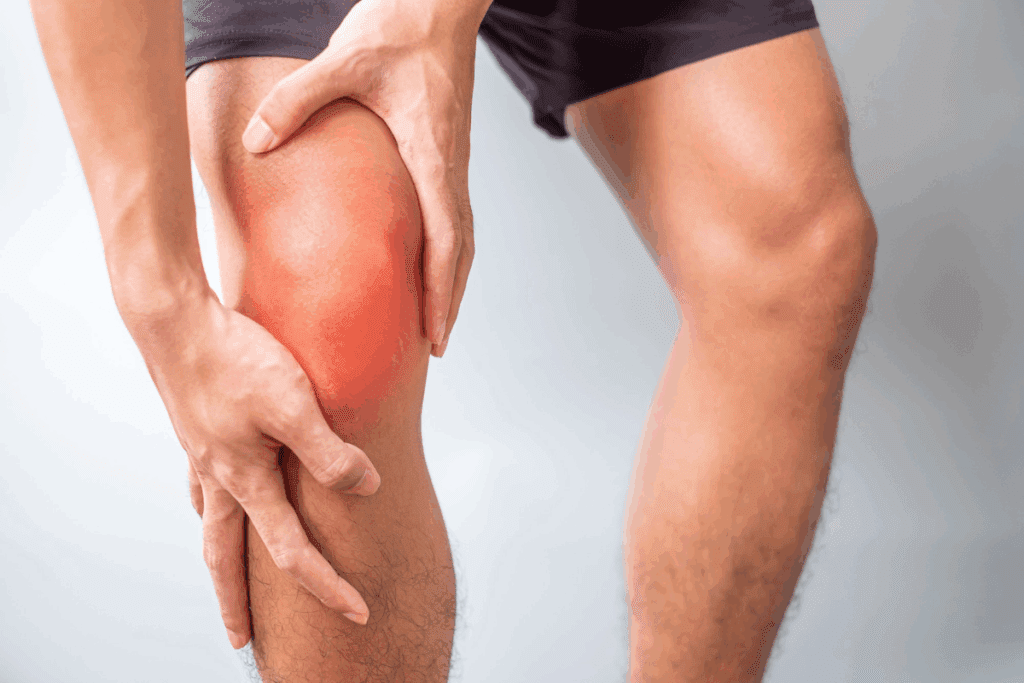
Tendonitis affects millions of people worldwide, causing pain and discomfort. Did you know that repetitive motion and overuse are among the leading causes of tendonitis? Knowing what triggers this condition is key to preventing and managing it. Avoid the pain! We list 5 Worst aggravating factors tendonitis sufferers Must know to stop the inflammation now.
Tendonitis is when the tendons get inflamed. This can happen due to poor posture and repetitive strain. By knowing these causes, people can take steps to prevent tendonitis and ease its symptoms.
Key Takeaways
- Repetitive motion and overuse are common causes of tendonitis.
- Poor posture can contribute to the development of tendonitis.
- Understanding tendonitis triggers is key to prevention.
- Effective management of tendonitis involves addressing its underlying causes.
- Prevention methods can significantly reduce the risk of tendonitis.
Understanding Tendonitis: A Brief Overview
Knowing about tendonitis is key to handling its symptoms and avoiding more harm. Tendonitis is when tendons, which link muscles to bones, get inflamed. This leads to pain, stiffness, and trouble moving in the affected area.
What Is Tendonitis and How Does It Develop?
Tendonitis happens when tendons face too much strain or sudden injury, causing inflammation. It can hit anyone, but some jobs or activities raise the risk. Repetitive motions, poor posture, and not warming up or cooling down properly often lead to it.
Common Types of Tendonitis
Tendonitis can be split into types based on where and how severe it is. Here are some common ones:
- Achilles tendonitis, affecting the tendon connecting the calf muscles to the heel bone
- Tennis elbow (lateral epicondylitis), affecting the tendons on the outside of the elbow
- Rotator cuff tendonitis, affecting the tendons surrounding the shoulder joint
- Patellar tendonitis, affecting the tendon connecting the kneecap to the shinbone
| Type of Tendonitis | Location | Common Causes |
| Achilles Tendonitis | Back of the ankle | Running, jumping, sudden stops |
| Tennis Elbow | Outside of the elbow | Repetitive gripping, twisting motions |
| Rotator Cuff Tendonitis | Shoulder joint | Overhead activities, repetitive lifting |
The Inflammation Process in Tendons
The inflammation in tendons is a complex mix of biochemical and cellular reactions. When a tendon gets hurt, the body naturally boosts blood flow to the area, causing inflammation. This inflammation can make it hard to move the joint or do everyday tasks.
Understanding the inflammation process is key to managing tendonitis effectively. By spotting the signs of inflammation and taking steps to lessen it, people can ease symptoms and help their tendons heal.
Aggravating Factors for Tendonitis: An Overview
Knowing what makes tendonitis worse is key to preventing and managing it. Tendonitis is when tendons get inflamed. It’s important to find and fix the things that make it worse.
Primary Causes of Tendon Irritation
Repetitive motion and overuse are top reasons for tendonitis. Doing the same thing over and over can make tendons inflamed and irritated.
- Doing the same task a lot, like at work, can strain tendons.
- Playing sports or doing physical activities that repeat motions can also cause tendonitis.
Studies show that repetitive motion and overuse are big causes of tendonitis. This means we need to take steps to prevent it in work and play.
How to Identify Your Personal Triggers
Finding what makes your tendons irritated means knowing what activities and factors do it. This includes:
- Watching your activities and noticing any changes or increases that make your tendons hurt.
- Checking your workspace to make sure it’s good for your tendons.
- Listening to your body for signs of tendon strain, like pain or stiffness.
By being proactive, you can find and maybe stop things that make your tendonitis worse.
The Difference Between Acute and Chronic Aggravation
Tendonitis can get worse in two ways: acute or chronic. Acute aggravation happens suddenly or for a short time, usually from something specific. On the other hand, chronic aggravation goes on for a long time because of constant exposure to things that make it worse.
Knowing if your tendonitis is acute or chronic helps you figure out how to manage it. Acute cases need quick action, while chronic cases need long-term plans to keep it from getting worse.
“The key to managing tendonitis lies in understanding its causes and triggers. By identifying and addressing these factors, individuals can take proactive steps towards prevention and recovery.”
– Medical Professional
Repetitive Motion Tendonitis: The Leading Culprit
Tendons get damaged by repetitive tasks, leading to tendonitis. This happens when tendons face repeated stress and strain. It causes inflammation and pain.
How Repetitive Tasks Damage Tendons
Repetitive tasks can cause micro-tears in tendons. These small tears can lead to inflammation and damage to the tendon tissue. The body’s repair process can get overwhelmed, causing chronic tendonitis.
Mechanisms of Tendon Damage:
- Micro-tears in tendon fibers
- Inflammation and degeneration of tendon tissue
- Overwhelming the body’s natural repair process
A study found that repetitive motion is a common cause of tendonitis. This is true for people with jobs that involve repetitive tasks (Source: Web source).
“Repetitive strain injuries are a significant concern for workers who perform repetitive tasks as part of their daily job requirements.”
Occupational Risks for Repetitive Strain
Certain jobs are more likely to cause repetitive strain injuries. Jobs that involve repetitive motions, like assembly line work, typing, or manual labor, increase the risk of tendonitis.
| Occupation | Repetitive Task | Risk Level |
| Assembly Line Worker | Repetitive assembly tasks | High |
| Data Entry Clerk | Typing | Moderate |
| Manual Laborer | Lifting and carrying | High |
Technological Devices and Repetitive Strain
The rise in technological devices has also increased repetitive strain injuries. Activities like typing on smartphones or gaming consoles can strain tendons in the hands and wrists.
To avoid repetitive motion tendonitis, it’s important to take breaks, maintain good posture, and do exercises that strengthen muscles and tendons.
Overuse Tendonitis Injury: When Too Much Is Harmful
Tendons can get damaged when they face too much strain without enough rest. This leads to overuse of tendonitis. It happens when tendons get too much stress from doing the same thing over and over.
Signs You’re Overworking Your Tendons
It’s important to know when you’re overworking your tendons. Look out for pain, swelling, and stiffness. If you see these signs, it’s time to slow down and rest.
Key signs to watch for:
- Pain that gets worse with activity
- Swelling or redness around the tendon
- Stiffness, mainly in the morning
- A grating feeling when moving the tendon
The Cumulative Effect of Minor Strains
Even small strains can add up and hurt your tendons over time. It’s important to deal with these small problems quickly to avoid bigger issues later.
“The cumulative effect of minor strains can be just as debilitating as a single severe injury, highlighting the need for ongoing tendon care.”
Recovery Time Requirements Between Activities
It’s key to give your tendons enough time to heal between activities. Tendons need to repair and grow back after being stressed. Giving them enough rest can help prevent overuse tendonitis.
Recovery strategies include:
- Rest days between intense activities
- Low-impact exercises during recovery
- Proper warm-up and cool-down
- Stretching and strengthening exercises
By knowing the risks of overuse tendonitis and taking steps to prevent it, you can keep your tendons healthy. This helps you perform well in your activities.
Poor Posture Tendonitis: Alignment Matters
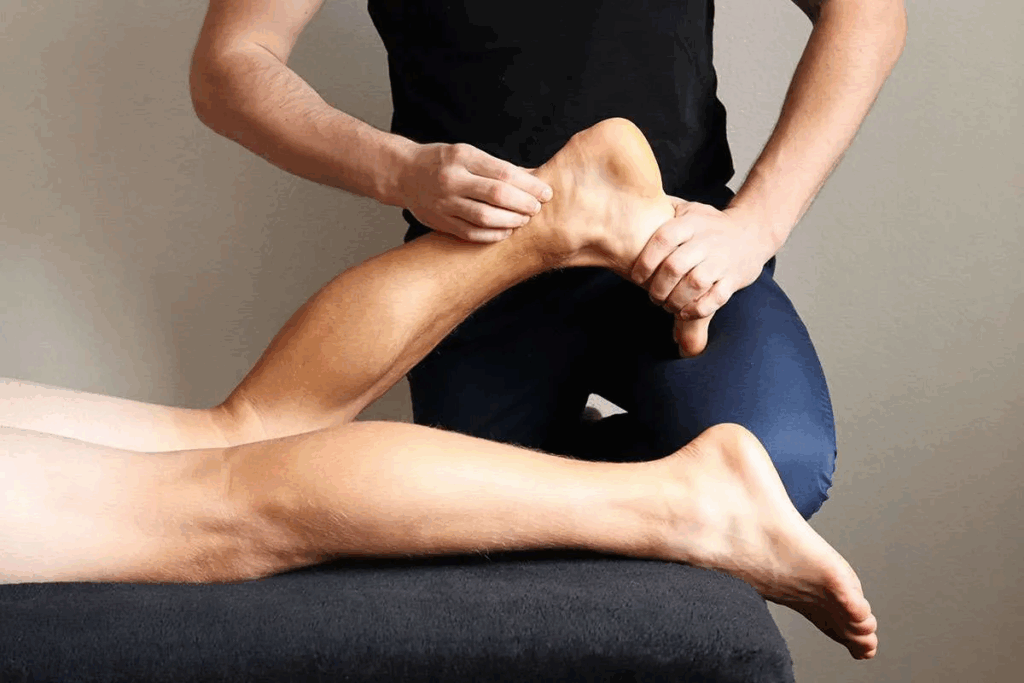
Poor posture can lead to tendonitis in many parts of the body. When we don’t stand or sit right, it puts too much stress on some areas. This can cause tendons to get strained.
“The way we hold our body can either protect or harm our tendons,” as noted by medical professionals. Knowing how posture affects tendons is key to avoiding tendonitis.
How Posture Affects Tendon Loading
Our posture greatly influences how tendons are loaded during daily tasks. Good posture keeps tendons under normal stress. But, bad posture can change how we move, putting too much stress on tendons. This stress can cause inflammation and irritation, leading to tendonitis.
For example, slouching or leaning forward can strain the neck and shoulder tendons. Bad posture while standing or walking can also harm the tendons in the lower limbs.
Common Postural Problems That Worsen Tendonitis
Several common postural issues can make tendonitis worse. These include:
- Forward head posture, which can strain the neck and shoulder tendons.
- Rounded shoulders, leading to increased stress on the tendons in the shoulder region.
- Prolonged sitting with a curved lower back, affecting the tendons in the lumbar area.
- Standing with an uneven weight distribution, potentially irritating the tendons in the hips and legs.
Fixing these postural problems through exercises, ergonomic adjustments, and awareness can help ease tendonitis symptoms. It can also prevent future problems.
Tight Muscles Tendonitis: The Tension Connection
It’s important to know how tight muscles and tendonitis are linked. Tight muscles can lead to tendonitis, which is common in people who do a lot of physical activity or have bad posture.
The Muscle-Tendon Connection
The bond between muscles and tendons is key to understanding tendon health. Tendons link muscles to bones. When muscles are tight, they put more stress on tendons, causing inflammation and pain.
Muscle tension plays a big role in tendonitis. Tight muscles can strain tendons. This strain can cause tendonitis if not treated.
Which Muscle Groups Most Commonly Affect Tendon Health
Some muscle groups are more likely to be tight and cause tendonitis. These include the calf muscles, hamstrings, and shoulder muscles. Tightness in these muscles can strain tendons, leading to tendonitis.
For example, tight calf muscles can cause Achilles tendonitis. Tight shoulder muscles can lead to shoulder tendonitis. It’s important to identify and treat tightness in these areas to prevent tendonitis.
Self-Assessment for Muscle Tightness
People can check for muscle tightness themselves. Stretching exercises can help find tight muscles. If stretching hurts or reduces range of motion, it means muscles need attention.
“Tight muscles are a common cause of tendonitis, and addressing muscle tightness is a key component of both prevention and treatment.”
Understanding the muscle-tendon connection and identifying tight muscles helps prevent tendonitis. It also helps manage its symptoms better.
Improper Technique Tendonitis in Physical Activities
Using the wrong form when exercising can lead to tendonitis. This is why proper technique is so important. When people do exercises wrong, they stress their tendons too much. This stress causes inflammation and pain.
Form Mistakes That Lead to Tendon Strain
There are several ways to strain tendons, like bad alignment, not warming up enough, and pushing too hard. For example, not keeping the back straight while lifting weights can stress the tendons in the lower back. This can cause strain.
- Poor alignment: Not keeping the body straight during exercises can put uneven stress on tendons, causing strain.
- Inadequate warm-up: Skipping a proper warm-up before exercising can make tendons more likely to get strained.
- Overexertion: Trying to lift too much or using too much force can cause tiny tears in tendons. This leads to inflammation and pain.
Sport-Specific Techniques That Can Aggravate Tendonitis
Each sport and activity has its own techniques. If done wrong, these can make tendonitis worse. For instance, in tennis, a bad grip can cause elbow tendonitis, known as tennis elbow.
| Sport/Activity | Common Technique Mistakes | Tendonitis Risk |
| Tennis | Improper grip technique, poor footwork | Tennis elbow (lateral epicondylitis) |
| Running | Overstriding, poor foot strike | Achilles tendonitis |
| Weightlifting | Poor form, lifting too much weight | Tendonitis in shoulders, elbows, or lower back |
Knowing the right techniques for different sports and activities can help spot risks. By focusing on the right form, people can lower their chance of getting tendonitis. This keeps their tendons healthy.
Sudden Increase in Activity and Tendon Strain
When you suddenly start doing more physical activity, you might strain your tendons. This is common, mainly for those new to exercise or who’ve recently upped their game. Knowing what causes this is key to avoiding and managing it.
The “Too Much Too Soon” Phenomenon
When you jump into more exercise too quickly, your tendons can get hurt. This is known as tendonitis, which causes pain and inflammation. For example, someone who’s not used to running might start training for a marathon too fast, stressing their tendons too much.
To steer clear of this, remember that tendons need time to get used to new demands. Tendonitis can really set you back if not treated right.
Safe Progression Rates for Activity Intensification
It’s important to increase your activity levels slowly to avoid tendon strain. Aim to up your activity by no more than 10% each week. For instance, if you run 10 miles a week, don’t jump to 11 miles the next week.
- Watch how your body reacts to more activity.
- Slowly add more intensity and volume.
- Make sure to rest well between intense workouts.
Monitoring Tendon Response to New Activities
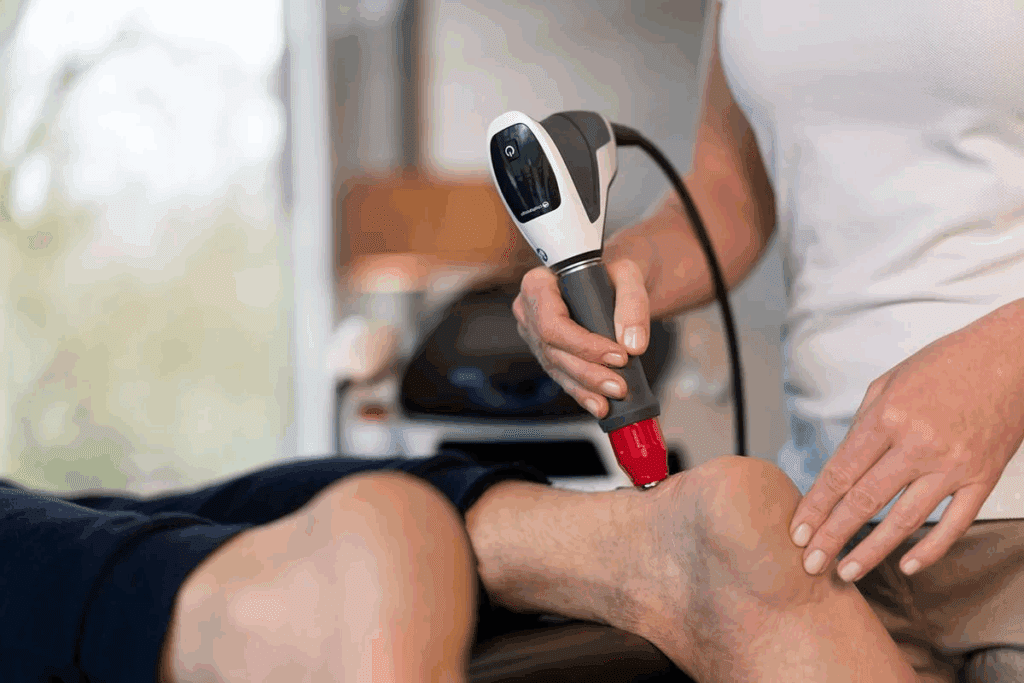
It’s important to keep an eye on how your tendons react to new activities. Look out for any pain or discomfort, as these could be signs of strain. If you feel persistent pain, cut back on your activities and let your tendons heal.
Some signs to watch for include:
- Pain or stiffness in the tendon.
- Swelling or redness around the tendon.
- A grating feeling when moving the affected tendon.
By paying attention to these signs and acting early, you can lower the risk of tendon strain and keep your tendons healthy.
Heavy Lifting Tendonitis: Weight and Resistance Issues
Understanding how heavy lifting affects tendons is key to preventing and managing tendonitis. Heavy lifting can lead to tendonitis, mainly in those who lift weights or do resistance training. Health experts say, “The repetitive strain from heavy lifting can cause micro-tears in the tendons, leading to inflammation and pain.”
Weight Thresholds and Tendon Capacity
Everyone’s tendon capacity is different. It depends on age, fitness, and past injuries. Lifting weights that are too heavy can cause tendonitis. Knowing your personal weight limits is important to avoid overloading your tendons.
Key factors to consider when assessing weight thresholds include:
- The maximum weight one can lift without compromising form
- The frequency and volume of lifting activities
- Gradual progression of weight and intensity over time
Proper Lifting Techniques to Protect Tendons
Using the right lifting techniques is essential to avoid tendonitis. This means keeping the right posture, using the core, and lifting with the legs. Proper technique reduces tendon strain and improves lifting performance.
“Lifting with proper form is not just about avoiding injury; it’s about maximizing the effectiveness of your workout.”
When to Use Support Equipment
Support equipment, like belts and straps, can help protect tendons during heavy lifting. It’s important to know when to use them, like during maximum lifts or when recovering from an injury.
Choosing to use support equipment depends on the type of lift, the weight, and personal comfort and safety.
Lack of Warm-up Tendonitis: The Importance of Preparation
Cold tendons are more likely to get hurt, showing how important a good warm-up is. Tendonitis, or tendon inflammation, can start or get worse if you don’t prepare well before exercising.
Why Cold Tendons Are More Vulnerable
Tendons are stiff and more likely to tear when they’re cold. They need to be flexible and elastic to handle stress. Without a warm-up, tendons don’t get enough blood flow or warmth to work right, making them more likely to get hurt.
Effective Warm-up Protocols for Tendon Protection
It’s key to warm up well to get your tendons ready for exercise. This can include:
- Light cardio to get blood flowing
- Dynamic stretching to boost flexibility
- Exercises that match what you’re about to do
A good warm-up can really cut down tendonitis risk by making tendons more elastic and getting your body ready for harder activities.
| Warm-up Activity | Description | Duration |
| Light Cardio | Makes blood flow and warms muscles and tendons | 5-10 minutes |
| Dynamic Stretching | Boosts flexibility and range of motion | 5-10 minutes |
| Specific Exercises | Preps specific muscles and tendons for activity | 5 minutes |
Cool-down Practices to Prevent Tendon Inflammation
Cooling down after working out is just as critical as warming up. Static stretching can improve flexibility and lessen muscle soreness. Foam rolling and self-myofascial release can also help reduce inflammation and aid in recovery.
By using good cool-down methods, people can lower the chance of tendon inflammation and keep tendons healthy.
High-Impact Exercises Tendonitis: Shock and Strain
High-impact exercises can lead to tendonitis, mainly in those who do repetitive activities. Running, jumping, and quick turns put a lot of stress on tendons. This stress can cause inflammation and pain.
Which High-Impact Activities Are Most Problematic
Some activities are more likely to cause tendonitis because of the stress and impact. These include:
- Running, specially on hard surfaces
- Jumping sports, like basketball and volleyball
- High-impact aerobics
- Sports that need quick turns, such as tennis and soccer
These activities put a lot of stress on tendons, mainly in the legs, ankles, and feet. Knowing the risks can help prevent tendonitis.
Low-Impact Alternatives for Tendonitis Sufferers
For those with tendonitis, low-impact activities can help. They can keep exercising without making symptoms worse. Some good options are:
- Swimming or water aerobics
- Cycling
- Elliptical trainer workouts
- Yoga or Pilates
These activities are easier on tendons but are effective workouts. Always talk to a doctor to find the best low-impact activities for your condition.
Modifying Your Favorite Activities to Reduce Impact
It’s sometimes possible to make high-impact activities less stressful on tendons. For example, runners can run on trails or take walk breaks. Athletes can also strengthen the muscles around the tendons for support.
Changing activities to reduce tendonitis risk needs careful thought. By making smart changes, you can keep enjoying your favorite activities while protecting your tendons.
Muscle Imbalances Tendonitis: Uneven Forces
People with muscle imbalances are more likely to get tendonitis. This is because their tendons face uneven forces. Muscle imbalances happen when some muscles are stronger or more flexible than others. This puts abnormal stress on the tendons.
How Strength Discrepancies Affect Tendons
When muscles are not balanced in strength, it can harm tendons. If one muscle is much stronger, it can pull the joint out of place. This extra stress can cause tendon strain and inflammation, leading to tendonitis.
Key factors contributing to strength discrepancies include:
- Insufficient training or conditioning of certain muscle groups
- Overuse or repetitive strain on specific muscles
- Poor rehabilitation after injuries, leading to muscle weakness
- Genetic predispositions to muscle strength or flexibility imbalances
Common Imbalance Patterns That Lead to Tendonitis
Some muscle imbalances are more common and can cause tendonitis. For example:
- In the shoulder, an imbalance between the deltoids and the rotator cuff muscles can lead to tendonitis.
- In the knee, an imbalance between the quadriceps and hamstrings can contribute to patellar tendonitis.
- In the hip, an imbalance between the hip flexors and gluteals can lead to hip flexor tendonitis.
Spotting these imbalance patterns is key to preventing and managing tendonitis.
Assessment and Correction Strategies
To find muscle imbalances, doctors use physical exams, functional tests, and sometimes imaging. They check muscle strength, flexibility, and joint alignment.
Correction strategies include:
- Targeted strengthening exercises for weaker muscle groups
- Stretching and flexibility exercises to improve range of motion
- Manual therapy techniques, such as massage or mobilization, to address muscle tightness
- Corrective exercises to improve joint alignment and movement patterns
By fixing muscle imbalances, people can lower their risk of tendonitis. They can also ease symptoms if they already have tendonitis.
Poor Biomechanics Tendonitis: Movement Patterns
Movement patterns are key to tendon health. Poor biomechanics can lead to tendonitis. When our body moves in ways that are not right, it can stress our tendons. This stress can cause inflammation and pain.
Gait Abnormalities and Tendon Stress
Gait problems are common and can stress tendons. Walking or running abnormally can spread force unevenly. This uneven force can irritate and inflame tendons.
For example, overpronation or supination can stress foot and ankle tendons. This can lead to tendonitis. To fix gait problems, a healthcare professional must assess and correct them. This might include physical therapy or orthotics.
Joint Hypermobility and Tendon Vulnerability
Joint hypermobility makes tendons more vulnerable. People with hypermobile joints have more range of motion. This extra motion can stress tendons, leading to tendonitis, often in weight-bearing joints.
To manage joint hypermobility, strengthening muscles and improving proprioception are key. Sometimes, using supportive devices is also necessary to stabilize the joint.
Biomechanical Assessment Techniques
A biomechanical assessment is vital for spotting biomechanical issues that may cause tendonitis. These assessments use motion analysis, strength tests, and gait analysis. They help identify specific problems to target treatments.
These assessments are not just for diagnosis. They also help track treatment success and make adjustments. This tailored approach can greatly help those with tendonitis caused by poor biomechanics.
Environmental Factors Tendonitis: External Influences
It’s important to know what environmental factors can lead to tendonitis. This condition, where tendons get inflamed, can be made worse by many things outside of us.
Weather and Temperature Effects on Tendons
Weather and temperature changes can hurt our tendons. Some people feel more pain and stiffness in their tendons when the weather is different. It’s thought that changes in air pressure and temperature might make tendons more inflamed.
- Cold weather: Makes tendons stiffer and more likely to get hurt.
- High humidity: Can make inflammation worse in some people.
- Rapid weather changes: Can make tendonitis symptoms worse.
Workplace Ergonomics and Equipment Considerations
The place we work can really affect our tendons, mainly if we do the same thing over and over or lift heavy things. Making sure our work area is set up right and using the right tools can help avoid tendonitis.
- Make sure your workspace is set up to keep you in good posture.
- Use tools and equipment made to lessen tendon strain.
- Take breaks to stretch and move around regularly.
Poor Footwear Tendonitis: The Foundation Problem
Our shoes can really affect our tendons, mainly in our feet and ankles. Shoes that don’t fit right or are poorly made can cause us to walk differently. This extra stress can hurt our tendons.
- Inadequate arch support: Can cause overuse injuries in the foot and ankle tendons.
- Poor cushioning: Doesn’t absorb shock well, which can irritate tendons.
- Incorrect shoe size: Can cause friction and change how we walk, straining our tendons.
Inadequate Rest Tendonitis: Recovery Mistakes
Not getting enough rest can lead to tendonitis, which is common in people who do a lot of physical activities. Tendons need time to heal between activities. If they don’t get this time, they can get hurt and swell up. It’s important to know how rest and recovery help prevent and treat tendonitis.
Signs of Insufficient Recovery Time
Knowing when you need more rest is key to avoiding tendonitis. Look out for these signs:
- Persistent pain or stiffness in the affected tendon
- Swelling or redness around the tendon area
- Decreased strength or flexibility in the affected limb
- A grinding or crunching sensation when moving the affected tendon
If you notice any of these, it’s time to rethink your rest plan. Make changes to avoid making it worse.
Ignoring Early Warning Signs
Ignoring the first signs of tendonitis can make the problem worse. Pay attention to any mild pain or stiffness after you’ve been active. It’s important to act fast and make changes to your routine.
Acting early can really help. It can prevent long-term tendonitis and help you get back to normal faster.
Improper Rehabilitation Approaches
Using the wrong rehab methods can make tendonitis worse. It’s important to have a rehab plan that fits your needs and gets better slowly.
Good rehab includes:
- Gradually increasing how hard and long you work out
- Doing exercises to strengthen the muscles around the tendon
- Keeping the area flexible and moving well
- Slowly adding more weight or resistance to strengthen the tendon
By understanding the need for rest and using the right rehab, you can lower your risk of tendonitis. This helps you stay healthy and active.
Conclusion: Creating a Tendon-Friendly Lifestyle
Creating a tendon-friendly lifestyle means knowing what hurts your tendons and how to stop it. It’s about understanding the main causes of tendon problems. This way, you can avoid issues from too much repetition, overuse, and bad posture.
Preventing tendonitis is key. Use the right lifting methods, warm up before you start, and do low-impact exercises every day. Also, watch out for muscle imbalances and bad body mechanics to avoid tendon strain.
Living a tendon-friendly life also means making smart choices about what you do and where you work. Pick low-impact activities, change high-impact ones, and wear the right shoes. Adding these steps to your daily routine helps keep your tendons healthy and strong.
FAQ
What is tendonitis and how does it develop?
Tendonitis is when the tendons get inflamed. Tendons are the tissues that connect muscles to bones. It happens when you do the same thing over and over, or if you hurt it suddenly. This leads to pain and stiffness.
What are the primary causes of tendon irritation?
Tendon irritation can come from many things. It’s often from doing the same thing too much, or from not using the right posture. Tight muscles, wrong techniques, and sudden changes in activity can also cause it.
How can I identify my personal triggers for tendonitis?
To find out what triggers your tendonitis, think about your daily life and how you exercise. Look for activities that you do a lot, or where you might not be using the right equipment.
What is the difference between acute and chronic tendonitis aggravation?
Acute tendonitis happens suddenly, often from a specific event. Chronic tendonitis builds up over time from constant strain or repetitive actions.
How can I prevent overuse tendonitis injury?
To avoid overuse tendonitis, start slowly and give yourself time to recover. Add low-impact exercises to your routine. Pay attention to how your tendons react to new activities.
What are the signs of overworking tendons?
Signs include pain, stiffness, swelling, and trouble moving. If you notice these, it’s time to rest and change what you’re doing to avoid making it worse.
How does poor posture contribute to tendonitis?
Bad posture can cause tendonitis by putting uneven stress on your tendons. This is common in the neck, back, and shoulders. Keeping good posture and stretching regularly can help.
What is the muscle-tendon connection, and how does it affect tendon health?
The muscle-tendon connection is how muscles and tendons work together. If muscles are tight or out of balance, it can stress tendons. Stretching and strengthening can help keep this balance healthy.
How can I modify my exercise routine to reduce the risk of tendonitis?
To lower your risk of tendonitis, choose low-impact exercises. Always warm up and cool down. Avoid sudden changes in your routine. Focus on proper technique and consider getting help from a fitness expert.
What role do environmental factors play in tendonitis?
Weather and temperature can affect your tendons. Cold weather makes them more prone to injury. Ergonomics and the right equipment at work are also important for preventing tendonitis.
How can I manage tendonitis flare-ups?
To handle tendonitis flare-ups, rest the area and use ice or heat as needed. Change your activities to ease the stress on the tendon. Sometimes, you might need physical therapy or medical help to feel better.
What is the importance of proper rehabilitation approaches for tendonitis?
The right rehabilitation, like physical therapy and slowly getting back to activities, is key. It helps your tendon heal, gets you moving again, and prevents future problems.
Reference
- MedlinePlus. (2024). Tendinitis: MedlinePlus Medical Encyclopedia.