Last Updated on November 27, 2025 by Bilal Hasdemir
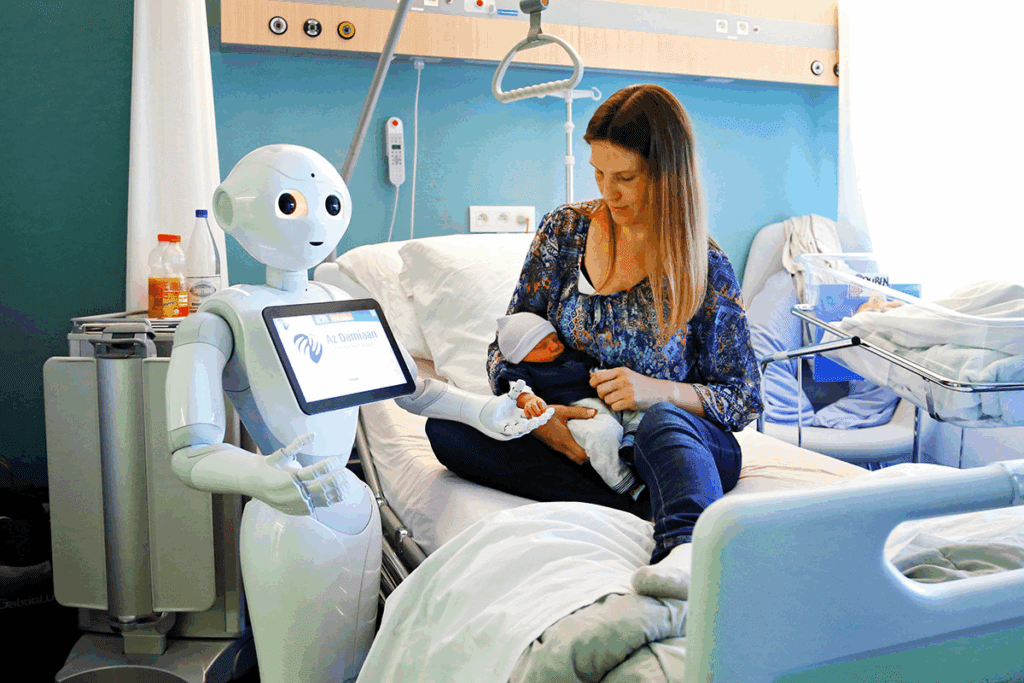
As healthcare changes, a big question pops up: are robots replacing nurses? The truth is in artificial intelligence in nursing. Technology is helping the healthcare world deal with big challenges.
At the VA Medical Center, robots nursing tech is making healthcare better. It’s not about replacing nurses, but making them better at their jobs.
We’re seeing a big change in how care is given, with ai nursing leading the way. This change is all about making healthcare better, more personal, and easier to get.
Key Takeaways
- The integration of AI in nursing is changing the healthcare landscape.
- Robots are not replacing nurses, but making them better.
- The VA Medical Center is leading this tech change.
- AI nursing is making healthcare more efficient and personal.
- The future of healthcare is about tech and healthcare working together.
The Current State of Nursing and Technology
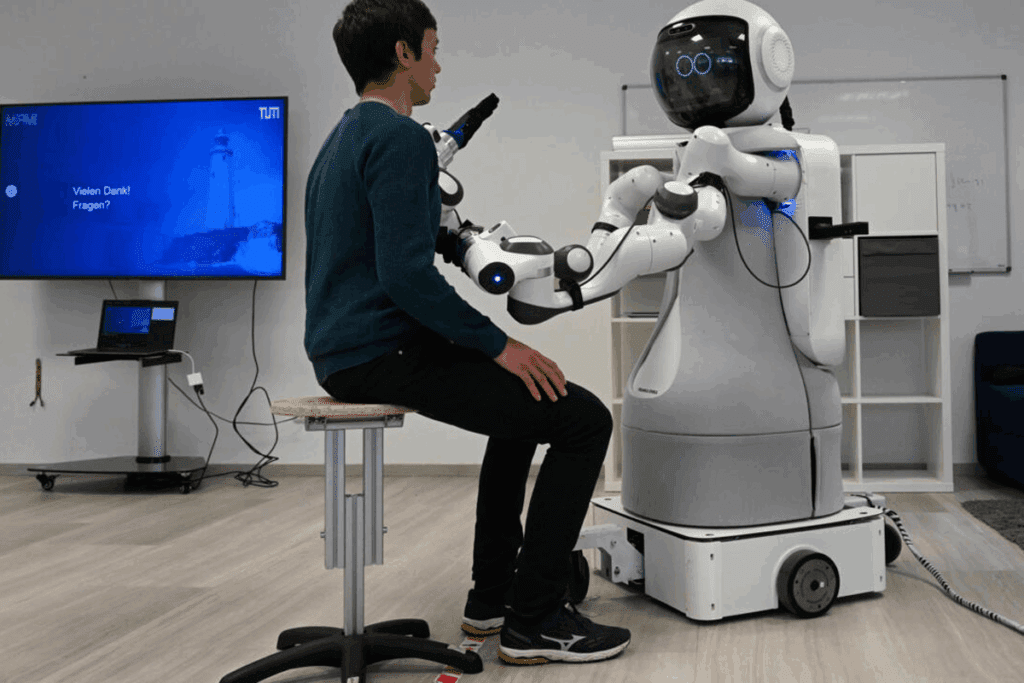
The nursing field is facing a shortage of staff and a growing need for tech solutions. Technology is key in modern healthcare, shaping nursing’s future.
The Nursing Shortage Crisis in America
The U.S. is dealing with a big nursing shortage. This is due to an aging population, more healthcare needs, and retiring nurses. The VA Medical Center, like others, struggles to care for patients because of this.
This shortage leads to overworked staff, longer wait times, and lower care quality. We need a mix of solutions, including tech, to help nurses.
The Push for Technological Solutions
Healthcare is turning to tech to solve the nursing shortage. This includes automated systems and robotic assistants for patient care. New tech is being explored to support nurses.
Technology is also reducing nurses’ administrative work. This lets them focus more on patient care. AI and machine learning are being used in patient monitoring, helping with quicker interventions.
| Technological Solution | Description | Impact on Nursing |
| Automated Medication Management | Systems that automate the dispensing and tracking of medications | Reduces errors, saves time |
| Robotic Patient Assistants | Robots designed to assist with patient care tasks | Assists with lifting, transferring patients |
| AI-Powered Patient Monitoring | Systems that use AI to monitor patient vital signs and detect anomalies | Enhances patient safety, allows for timely interventions |
We must keep finding and using tech solutions to support nurses and improve patient care. This will help address the nursing shortage and better healthcare outcomes.
Understanding AI Nursing: Definitions and Scope

The rise of AI nursing is changing healthcare. It’s key to know what AI nursing is and its role in healthcare.
AI in healthcare uses many technologies to improve care. Machine learning algorithms and natural language processing help AI systems understand data and make decisions.
What Constitutes AI in Healthcare Settings
AI in healthcare is more than just robots. It uses data analytics and predictive modeling to help doctors make decisions. For example, AI can spot diseases early by looking at medical images and patient data.
AI also helps with hospital operations and patient flow. It automates tasks, letting nurses focus on patient care. This improves care quality and patient happiness.
Types of Nursing Tasks Suitable for Automation
Tasks like monitoring vital signs and managing medication are good for AI. Robotic assistants can help with lifting and moving patients, keeping everyone safe.
Knowing which tasks AI can do helps healthcare facilities use AI better. As we go forward, exploring AI’s role in nursing is vital for healthcare’s future.
The Evolution of Robotics in Nursing
Nursing robotics has grown from simple automatons to advanced assistants. These changes are reshaping healthcare. Technology has been improving to help both patients and healthcare workers.
Early Implementations of Nursing Robots
The first robots in nursing did simple tasks like delivering meds and supplies. These early robots followed set paths. They faced issues like technical problems and limited tasks, but they set the stage for better robots.
One big step was using robots for telepresence. This let healthcare pros talk to patients from afar. It improved care and opened up new ways to monitor and consult patients remotely.
Modern Robotic Nursing Assistants
Today’s robotic nursing assistants are much more advanced. They can do many tasks thanks to new sensors and AI. They help with lifting patients, offer companionship, and assist in rehab.
“Robots are not just tools; they are partners in care, making it easier for nurses to give top-notch, patient-focused care.”
As robotics keeps getting better, we’ll see more cool uses in nursing. We’ll see better patient monitoring and more efficient care. The future of nursing will blend human care with robotic help, aiming for the best patient results.
AI Technologies Transforming Nursing Practice
AI is changing nursing by using machine learning, natural language processing, and computer vision. These tools are making patient care better, streamlining clinical work, and easing the workload for nurses.
Machine Learning Applications in Patient Care
Machine learning is helping in patient care by predicting outcomes and identifying risks. It analyzes big data to help nurses meet patient needs early. This can prevent serious problems.
For example, machine learning looks at EHRs to guess who might need to be readmitted. Nurses can then focus on helping those patients more. This approach boosts patient health and cuts down on costs.
Natural Language Processing for Documentation
NLP is changing how we document patient info by making it automatic. It can write down what nurses and patients talk about, update EHRs, and even create care plans. This saves nurses time and makes sure records are accurate.
NLP also cuts down on mistakes in clinical notes. This means nurses can focus more on caring for patients and less on paperwork.
Computer Vision in Patient Monitoring
Computer vision is used to watch over patients, track movements, and check vital signs. It looks at video from patient rooms to spot issues early. This keeps patients safe and prevents injuries.
For instance, it can see if a patient is trying to get up without help. This alerts nurses to stop falls before they happen. It’s a big step in keeping patients safe.
As AI gets better, we’ll see even more ways it helps nursing. Nurses can then give better care, improve health outcomes, and have a better job.
Current Applications of Robotics in Nursing
Robots are becoming more common in nursing, helping with tasks like medication management and patient care. They make nursing work more efficient, cut down on mistakes, and help patients get better faster.
Medication Management and Distribution
Robots are now used for managing medications, making sure they are given out right and safely. They keep track of what’s in stock, warn staff about problems, and make giving meds easier.
Automated dispensing machines are a key example. They let nurses get meds fast and keep a record of who got what. This makes patients safer and saves nurses a lot of work.
Patient Lifting and Mobility Assistance
Robots help with lifting and moving patients, making nurses’ jobs easier and safer. They can lift and move patients safely, helping them stay comfortable and mobile.
By doing these hard tasks, robots let nurses spend more time on caring for patients. This makes patient care better and patients happier.
Disinfection and Sanitation Robots
Disinfection robots use UV light or other tech to clean patient rooms and common areas. They are key in fighting hospital infections, which are a big worry in healthcare.
These robots work all day, keeping places clean and safe. They help make a safer space for everyone in the hospital.
AI Nursing: Present Reality and Future Potential
The future of nursing is being shaped today by AI technologies. These technologies are making patient care better and making things run smoother. It’s important to know what they can do now and what they might do in the future.
Current Implementation of AI Nursing Systems
AI nursing systems are being used in many healthcare places. They help improve patient care and make things more efficient. These systems use machine learning algorithms to look at patient data and suggest care plans.
AI chatbots are also being used. They offer 24/7 support to patients, answering questions and helping with chronic conditions.
AI nursing systems also help nurses by taking over some tasks. This lets nurses spend more time with patients. AI also helps with medication management, making sure patients get the right medicine at the right time.
Research Directions and Emerging Technologies
Research in AI nursing is moving forward. It’s focused on making systems smarter and able to make decisions on their own. Natural Language Processing (NLP) is also being researched to improve how healthcare providers talk to each other.
New technologies like robotics and computer vision are being looked at too. Robots can help with moving patients and lifting, which is safer for nurses. Computer vision can watch over patients and spot problems early.
As these technologies get better, nursing care will improve a lot. By using these new tools, healthcare can become better and more sustainable.
Virtual Nursing Assistants and AI-Powered Triage
The use of virtual nursing assistants and AI-powered triage is changing patient care. It offers ongoing support and better decision-making in healthcare.
Virtual nursing assistants work around the clock to help patients. They use smart algorithms to watch over patient health, spot problems, and warn doctors.
24/7 Patient Monitoring Systems
Keeping an eye on patients all the time is key, mainly for those in serious health situations. Virtual nursing assistants with AI can:
- Watch vital signs as they happen
- Spot early signs of health problems
- Send alerts to nurses
- Help with quick care actions
AI-Driven Clinical Decision Support
AI is changing how nurses make choices. It looks at lots of patient data to:
- Give advice based on science
- Find possible drug issues
- Help with diagnosis and treatment plans
- Make care safer and better
With AI-powered triage and virtual nursing assistants, care gets better. Nurses work less, and everything runs smoother.
Telehealth and Remote Nursing Capabilities
Telehealth technologies are making remote nursing better. Services like remote monitoring and virtual consultations are making healthcare more accessible. This is a big deal for nursing, where keeping patients safe is key.
AI-Enhanced Remote Patient Monitoring
AI is changing how we care for patients outside hospitals. It uses AI to check patient data in real-time. This helps us spot health problems early, which can save lives.
The good things about AI in remote monitoring are:
- It keeps an eye on vital signs and health metrics all the time.
- It finds health problems early.
- It makes care plans that fit each patient’s needs.
- It means fewer visits to the doctor’s office.
| Feature | Benefit |
| Real-time data analysis | Timely interventions |
| Personalized care plans | Improved patient outcomes |
| Reduced in-person visits | Increased patient convenience |
Virtual Nursing Consultations
Virtual nursing consultations are a big part of telehealth. They let patients get nursing help from home. Nurses use video calls and other tools to check on patients, teach them, and support them.
Key advantages of virtual nursing consultations include:
- They make healthcare easier to get for those in remote or hard-to-reach areas.
- They can save money by cutting down on travel costs.
- They make patients happier because they get care that’s more personal and timely.
As we use more telehealth in nursing, we’re making care better and the healthcare system more efficient. The future of nursing is all about these new technologies.
Benefits of AI in Nursing Practice
AI is becoming more important in nursing. It helps improve patient care and makes healthcare more efficient.
Reducing Administrative Burden
AI helps nurses by reducing paperwork. AI systems can do routine tasks, letting nurses focus on patients. For example, AI can quickly record patient info, saving time.
Key advantages of AI in reducing administrative burden include:
- Automated documentation
- Streamlined data entry
- Enhanced accuracy in record-keeping
Enhancing Accuracy and Safety
AI improves patient safety and care. It uses big data to spot risks and predict outcomes. This helps healthcare teams act early, keeping patients safer.
| AI Application | Benefit |
| Predictive Analytics | Early detection of patient deterioration |
| Medication Management | Reduced medication errors |
| Clinical Decision Support | Evidence-based treatment recommendations |
A study found AI can greatly reduce medical errors. It improves patient outcomes.
“The future of healthcare is heavily reliant on the integration of AI technologies to enhance patient care and operational efficiency.”
Addressing Staffing Shortages
AI helps with the nursing shortage by supporting nurses. AI-powered virtual assistants can monitor patients, helping nurses do their jobs better.
The benefits of AI in addressing staffing shortages include:
- Continuous patient monitoring
- Support for nursing staff
- Enhanced patient engagement
AI helps healthcare providers improve care and make nursing more sustainable and efficient.
Limitations and Challenges of Nursing Automation
The use of AI and robotics in nursing is promising but comes with challenges. It’s important to know the limits and obstacles we face.
Technical Constraints and Reliability Issues
Technical issues and reliability are big hurdles for nursing automation. AI needs lots of good data to work well, which can be hard in healthcare. Also, these systems must be reliable to avoid harming patients.
Reliability is key. AI and robots must work well in all situations, even when unexpected things happen. Making them adapt and respond is a big technical challenge.
Cost and Implementation Barriers
Getting AI and robots into nursing is expensive. The cost of buying and training these systems is high. Healthcare places also have to think about ongoing expenses like maintenance and updates.
Changing how we work is another barrier. Nurses need training to use these new tools and fit them into their daily routines.
Ethical Considerations
Ethics are a big part of nursing automation. As AI and robots become more common, we worry about privacy, personal care, and who’s responsible for their decisions.
Keeping patient data safe and following rules like HIPAA is vital. We also need to make sure these systems don’t replace the caring touch patients need.
We must carefully address these ethical issues. We want AI and robotics to improve care while respecting patients and healthcare workers’ values.
The Human Element: What Robots Cannot Replace
Nursing is more than just giving medicine and doing tests. It’s about giving emotional support and complex care that robots can’t do. AI and robots have helped a lot in healthcare. But, there are things that only humans can do.
Empathy and Emotional Support
One key part of nursing is giving empathy and emotional support. Human nurses can really get what patients are feeling. They offer comfort and reassurance when patients are upset.
This connection is very important for patients’ well-being. It can really help with recovery and make patients happier.
For example, a nurse can tell when a patient is scared or worried. They can listen or just be there. This kind of emotional understanding is something AI can’t do yet.
Complex Clinical Judgment
Human nurses make tough decisions based on a lot of information. They understand the patient’s health, past, and current needs. This is not easy to do with just AI.
Let’s say a nurse needs to change a patient’s treatment plan. They use their own thinking and experience. AI can look at data, but humans can use that data in a more complete way.
Cultural Competence and Personalized Care
Nurses also need to understand and respect patients’ cultures. Human nurses can give care that fits each patient’s needs and values. This makes patients happier and helps them get better faster.
This personal touch is key. While AI can give information, humans can use that info in a way that respects patients’ cultures. This makes care more effective and respectful.
Nurse Perspectives on AI and Robotics
AI and robotics are changing healthcare. It’s important to know what nurses think about them. Nurses are key in patient care, and their opinions matter a lot.
We asked nurses about AI and robotics. Their answers give us insight into their views, worries, and hopes.
Survey Results from Practicing Nurses
Nurses have mixed feelings about AI and robotics. Some see them as ways to help patients and make their jobs easier. Others worry about losing their jobs or not being able to connect with patients as much.
| Nurse Response | Percentage |
| Positive about AI/Robotics | 42% |
| Neutral | 31% |
| Negative | 27% |
Nurses also see the good in AI and robotics. More than 70% of them think these tools can make patient care safer and more accurate. They believe AI and robotics can help with medication mistakes and keep a closer eye on patients.
Generational Differences in Technology Acceptance
Our study found big differences in how nurses view AI and robotics. Young nurses are more excited about these tools. Older nurses might be more hesitant because they’re not as familiar with them.
Generational differences affect how nurses accept new technology. Nurses under 30 are more likely to welcome AI and robotics. Nurses over 50 might need more help and training.
It’s key for healthcare to understand what nurses think. By listening to their concerns and using their enthusiasm, we can make the transition to a tech-savvy healthcare system smoother.
Patient Acceptance of Robotic Nursing Care
Patient acceptance is key when using robots in nursing. As robots become more common in healthcare, listening to patients is more important than ever.
Research on Patient Satisfaction
Studies show that how happy patients are with robotic care varies a lot. Things that affect happiness include the robot’s job, the patient’s tech experience, and how much human touch there is. Robots that help with simple tasks or offer companionship are often well-liked.
Patients like how efficient and reliable robots are. But worries about privacy, data safety, and robot failures can lower happiness. We need to fix these issues to make patients more open to robotic care.
Demographic Factors Affecting Acceptance
Who you are can affect how you feel about robotic care. Age, culture, and tech experience are big factors. Younger people who are tech-savvy tend to like robots more. But older folks might need more help to feel okay with robots.
Culture also matters. In some places, people prefer human caregivers over robots. But in others, they see the benefits of robots. Knowing these differences helps us tailor care to fit everyone’s needs.
By thinking about these points and making robotic care better, we can make patients happier and healthier. This leads to better healthcare for everyone.
The Future of Nursing Education with AI
Nursing education is changing fast, with AI competencies at its core. As healthcare gets more tech-savvy, nurses need to know AI well.
How we teach nursing is changing, focusing on AI-driven healthcare. It’s not just about knowing AI. It’s about working well with AI systems too.
Integrating AI Competencies into Nursing Curricula
Adding AI competencies to nursing education is key. It’s about how AI can better patient care and outcomes. Nursing programs now teach AI basics and its healthcare uses.
Students learn about machine learning algorithms and their role in healthcare. This helps nurses make better decisions and care for patients better.
Simulation and Virtual Reality Training
Simulation and virtual reality (VR) training are big in nursing education now. These tools give students real-world practice in a safe space.
Simulation training boosts students’ skills and confidence. With AI, it gets even better, with training that changes based on how you do.
As we keep updating nursing education with AI, we must keep it relevant and effective. This way, we can get nurses ready for a tech-heavy healthcare future.
Regulatory and Legal Frameworks for AI Nursing
The rise of AI nursing technologies needs a closer look at current rules. As AI enters healthcare, we need clear guidelines and laws.
Current Regulations Governing Healthcare AI
The rules for AI in healthcare are changing. In the U.S., the FDA and ONC are key in overseeing AI in healthcare.
The FDA has rules for AI in medical devices. They cover pre-market checks, post-market watch, and AI practices.
“The FDA’s approach to AI regulation focuses on ensuring safety and effectiveness while fostering innovation.”
FDA Statement
| Regulatory Agency | Role in AI Regulation | Key Guidelines/Regulations |
| FDA | Oversees AI-based medical devices | SaMD Framework, Good Machine Learning Practices |
| ONC | Regulates health IT, including AI applications | Health IT Certification, Interoperability Standards |
Liability Issues in Automated Care
AI nursing tech faces a big challenge: liability. As AI takes on more patient care, who’s to blame in bad outcomes?
Legal systems are being built to tackle these issues. Some places are looking at AI as a legal entity for liability.
We must keep an eye on these rules and laws. They should help AI in nursing be safe and effective.
The Evolving Role of Nurses in an AI-Enhanced Healthcare System
The use of AI in healthcare is changing nursing jobs, making them more complex. Nurses will be key in using and managing these new technologies.
From Direct Care to Technology Management
Nurses are now managing AI systems, understanding data, and making decisions with AI’s help. This change is not about losing the human touch. It’s about adding precision with data.
AI is taking over routine tasks, letting nurses focus on complex care and talking to patients. Nurses need to learn new skills, like data analysis and managing technology.
New Nursing Specialties Emerging
AI is creating new nursing jobs. Nurses are exploring careers in healthcare informatics, AI data development, and technology. These roles improve care quality and offer new career paths.
| Nursing Specialty | Description | Key Skills |
| Healthcare Informatics | Designing and implementing healthcare information systems | Data analysis, system integration, technical writing |
| AI Training Data Development | Creating and validating data sets for AI algorithm training | Data curation, clinical knowledge, attention to detail |
| Technology Implementation | Overseeing the integration of new technologies into healthcare settings | Project management, technical expertise, change management |
As AI becomes more common in healthcare, we must see nurses’ roles change. Supporting their growth in these areas will help us use AI’s benefits fully. This will improve patient care and results.
Conclusion: Partnership Rather Than Replacement
In today’s healthcare world, the future of nursing is clear. It’s about working together with AI technologies. This partnership is not about replacing nurses, but making them better at caring for patients.
AI in nursing can change healthcare for the better. It can make patient care better and make things run smoother. AI can help with paperwork, make sure things are accurate, and help with not enough staff. This leads to a better healthcare system for everyone.
For AI and nursing to work well together, we need a culture that values this partnership. We must make sure nurses know how to use AI. This way, they can use AI’s strengths to help patients even more.
By working together, we can make healthcare more caring and efficient. The future of nursing is about humans and machines teaming up. Together, they can provide the best care possible.
FAQ
Will AI replace human nurses in the healthcare industry?
AI will help nurses do their jobs better, but it won’t replace them. AI technologies like machine learning will make nurses more efficient. This will lead to better care for patients.
What is AI nursing, and how is it being used?
AI nursing uses artificial intelligence to help nurses. It’s used for tasks like watching over patients and managing medicines. AI is being used in hospitals and online health services.
Can robots perform nursing tasks?
Yes, robots can help with nursing tasks. They can lift patients and bring medicines. But, they’re not replacing nurses. They’re just helping them.
How will AI impact the nursing shortage?
AI can help with the nursing shortage by doing routine tasks. This lets nurses focus on more important work. It can make patient care better and reduce nurse workload.
What are the benefits of AI in nursing practice?
AI in nursing has many benefits. It makes paperwork less, keeps patients safer, and improves care accuracy. AI also helps with making decisions and watching patients all the time.
Are there any limitations or challenges to implementing AI in nursing?
Yes, there are challenges with AI in nursing. We need to make sure AI is reliable and safe. It must also be designed with patients and nurses in mind.
How will nurses be trained to work with AI technologies?
Nursing schools are starting to teach AI skills. They use simulations and virtual reality. This prepares nurses for working with AI in healthcare.
What is the role of telehealth in nursing, and how is AI being used?
Telehealth is key in nursing, with AI helping a lot. AI makes remote monitoring and online consultations better. It helps patients get care and manage their health better.
How will AI change the role of nurses in the future?
AI will change nursing roles. Nurses will manage AI systems and understand data. They’ll need new skills, but it will also open up new career paths.
What are the regulatory and legal frameworks governing AI in nursing?
Laws and rules cover AI in healthcare. They focus on data safety, patient care, and who’s liable. AI must follow these rules, and nurses need to know their roles with AI.
How will patients accept robotic nursing care?
How patients feel about robots in nursing varies. It depends on their age and background. AI systems must be designed with patients in mind.
What is the future of nursing education with AI?
Nursing schools are adding AI to their curricula. This prepares nurses for a future with AI. Nurses will need ongoing training to work well with AI.
References
- Hassanein, S., et al. (2025). An integrative review of clinical and operational impacts of artificial intelligence in nursing. PubMed. https://pubmed.ncbi.nlm.nih.gov/40124108/