Last Updated on December 1, 2025 by Bilal Hasdemir

Recent studies have shown a worrying fact: drinking alcohol can harm the results of stem cell therapy alcohol after stem cell therapy. As more people try stem cell treatments, it’s key to know how alcohol affects them.
Those getting stem cell therapy are told to stay away from alcohol before and after. But why is this so important? The link between drinking and stem cell therapy results is complex. Learning about it helps patients make better choices for their treatment.
Key Takeaways
- Avoiding alcohol before and after stem cell treatment is recommended for optimal results.
- Alcohol consumption can negatively impact stem cell therapy outcomes.
- Understanding the relationship between alcohol use and stem cell therapy is critical for patients.
- Stem cell therapy patients should talk to their doctor about alcohol use.
- Living a healthy lifestyle, including not drinking, can boost therapy success.
Understanding Stem Cell Therapy Basics
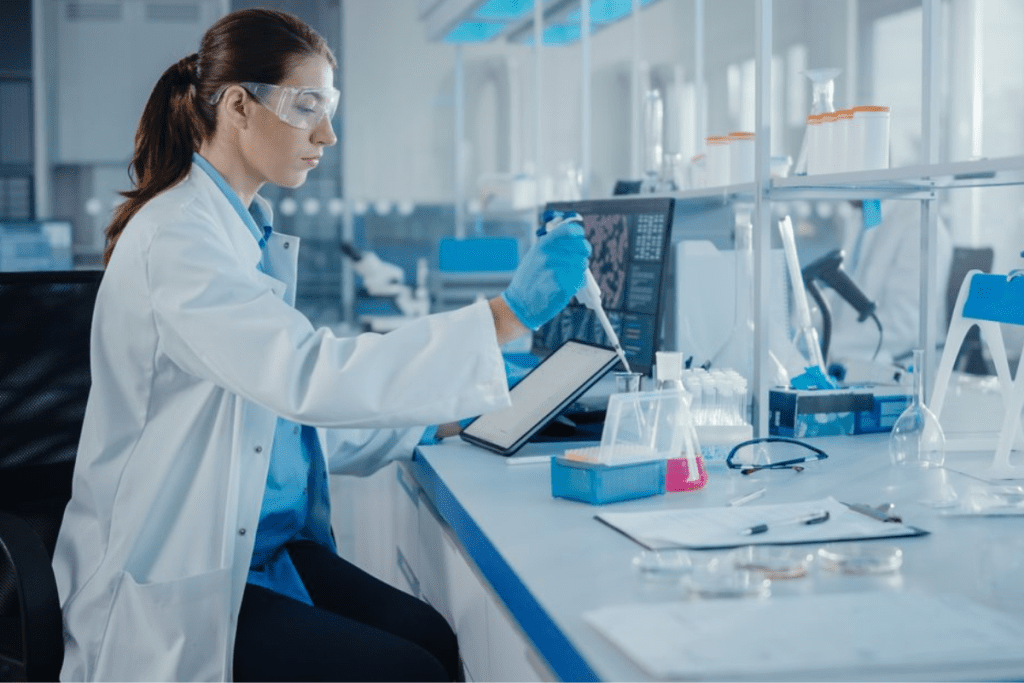
Stem cell therapy is a new way to treat medical conditions. It uses the body’s own healing power. This method is getting a lot of attention for its ability to fix many health problems.
What Is Stem Cell Therapy?
Stem cell therapy uses stem cells to fix or replace damaged cells. Stem cells can turn into different types of cells. This makes them key for healing the body.
This therapy aims to fix normal cell function. It could help treat many health issues.
How Stem Cells Work to Heal the Body
Stem cells work in a complex way to heal the body. They can go to damaged areas and help fix them. They do this by turning into the right cell type and by releasing healing factors.
The stem cell healing process depends on several things. These include the type of stem cells, how they are delivered, and the person’s health. Knowing these details is important for the best results.
The Importance of Post-Treatment Care
Good post stem cell therapy care is key for success. This means living a healthy lifestyle, taking any medicines as directed, and going to follow-up doctor visits. Proper care can greatly improve the therapy’s results.
Learning about stem cell therapy and the need for good care helps people make smart choices. It’s important for their treatment and recovery.
The Stem Cell Healing Process Timeline
Stem cell therapy recovery has several stages. Each stage has its own guidelines and things to consider. Knowing these stages helps optimize the healing process and get the best results.
Initial 24-72 Hours Post-Treatment
The first 24-72 hours after treatment are key for recovery. During this time, patients need to follow specific guidelines for the best healing. Rest and hydration are very important, as the body starts using the stem cells to repair itself.
Some patients might feel sore or tired, but these feelings usually go away soon. It’s important to watch these side effects and get help from a healthcare provider if needed.
First Two Weeks of Recovery
In the first two weeks, the body keeps healing and reacting to the treatment. Improvement in symptoms should start to show, but how fast it happens can vary.
It’s important to stick to the care instructions given by the healthcare team during this time. This might include physical therapy, medication, and changes in lifestyle to help the healing.
Long-Term Healing Considerations
How well stem cell therapy works in the long run depends on many things. These include the patient’s health, the condition being treated, and following the treatment guidelines.
Regular check-ups with healthcare providers are key to track progress and adjust the treatment if needed. Also, keeping a healthy lifestyle, with a balanced diet and regular exercise, helps with long-term healing and overall health.
How Alcohol After Stem Cell Therapy Affects Recovery
After stem cell therapy, alcohol’s role in healing is complex. It affects the body’s recovery in many ways. It’s important for patients to understand these effects.
Alcohol’s Direct Impact on Stem Cell Function
Alcohol can harm stem cells. Studies show it can make stem cells less viable and change how they work. This could stop stem cells from fixing damaged tissues.
Interference with Medication and Treatment Efficacy
Alcohol can mess with recovery medicines. Patients on stem cell therapy take meds to help heal. Alcohol can change how these drugs work, making them less effective or more harmful.
For example, alcohol can change how some meds are broken down in the body. This can make the meds not work as well or be too strong. Patients should listen to their doctors about drinking during recovery.
Potential to Prolong Recovery Time
Drinking after stem cell therapy can make recovery take longer. Alcohol can hurt stem cell function and mess with meds. This slows down healing, making recovery longer and possibly affecting treatment success.
| Aspect of Recovery | Effect of Alcohol | Potential Outcome |
| Stem Cell Function | Impaired viability and differentiation | Reduced efficacy of stem cell therapy |
| Medication Efficacy | Altered metabolism and increased risk of side effects | Prolonged recovery or complications |
| Recovery Time | Slowed healing process | Extended period of recovery |
In conclusion, drinking after stem cell therapy can greatly affect recovery. Patients need to know these effects to make smart choices about drinking during recovery.
The Science Behind Alcohol’s Effect on Stem Cells
Recent studies have looked into how alcohol affects stem cells. Stem cell therapy is getting more popular, so it’s important to know what affects its success. Alcohol’s impact on stem cells is a key area of research, with big implications for patients.
Research on Alcohol and Stem Cell Viability
Studies have found that alcohol can harm stem cells. Alcohol’s toxic effects can stop stem cells from working right. Researchers are using different models to figure out how alcohol affects stem cells.
A study in the Journal of Stem Cell Research found that alcohol lowers stem cell viability. This means alcohol could make stem cell therapy less effective.
| Study | Model Used | Key Findings |
| Journal of Stem Cell Research | In vitro stem cell culture | Decreased stem cell viability, increased oxidative stress |
| Stem Cell Reports | In vivo animal model | Impaired stem cell differentiation, reduced tissue regeneration |
Cellular Inflammation and Alcohol Consumption
Drinking alcohol can cause inflammation in tissues. Chronic inflammation is bad for stem cells. Researchers are studying how alcohol-induced inflammation affects stem cell therapy.
Studies show alcohol can make pro-inflammatory cytokines, harming stem cell function. Reducing inflammation is key for better stem cell therapy results.
Impact on Stem Cell Differentiation and Proliferation
Stem cell differentiation and proliferation are key for therapy success. Alcohol can harm these processes, affecting treatment outcomes. Researchers are looking into how alcohol affects stem cell differentiation.
They found alcohol can stop stem cells from differentiating properly. Understanding this is important for finding ways to reduce alcohol’s impact on stem cell therapy.
Recommended Timeframes for Alcohol Abstinence
Knowing how long to avoid alcohol after stem cell therapy is key. The time you don’t drink can affect how well the treatment works and your recovery.
Immediate Post-Treatment Period (First Week)
Doctors usually tell patients to skip alcohol for 7-14 days after getting stem cell therapy. This first week is vital for your body to start healing without alcohol getting in the way.
- Not drinking helps lower the chance of problems.
- It lets the stem cells work their best.
- Drinking plenty of water and eating well is important too.
Short-Term Recommendations
For the next 4-6 weeks, keep avoiding alcohol. This helps the stem cells to heal and work well.
During this time, your body is getting better. Not drinking alcohol can help avoid inflammation and other issues.
Long-Term Considerations
Keeping a healthy lifestyle is key for long-term success with stem cell treatment. While not drinking for a while is important, deciding to drink later should depend on your health and doctor’s advice.
Some things to think about include:
- Watch how your body reacts to alcohol.
- Remember that your tolerance to alcohol might change after treatment.
- Focus on eating well and seeing your doctor regularly.
Following these tips can help you get the most out of your stem cell therapy and stay healthy.
Different Types of Stem Cell Treatments and Their Specific Alcohol Restrictions
Today, there are many stem cell treatments, each with its own alcohol rules. Stem cell therapy has grown to include many types. Each one has its own needs for care after treatment.
Bone Marrow Transplants
Bone marrow transplants replace damaged stem cells with healthy ones. Alcohol is usually not recommended during the early recovery. This is because it could harm the new cells and slow down healing. Doctors often tell patients to avoid alcohol for a few weeks after the transplant.
Adipose-Derived Stem Cell Therapy
This therapy uses stem cells from fat tissue. It has a faster recovery time than bone marrow transplants. Yet, patients are advised to drink less alcohol to help their body heal better and avoid problems.
Umbilical Cord Blood Stem Cell Treatment
This treatment uses stem cells from umbilical cord blood. It’s a good option for many patients. But, drinking alcohol is usually not allowed for a time set by the doctor.
Peripheral Blood Stem Cell Procedures
This procedure collects stem cells from the blood. The recovery and alcohol rules are similar to bone marrow transplants. It’s important to not drink alcohol to help your body heal naturally.
In summary, all stem cell treatments suggest avoiding or limiting alcohol during recovery. Knowing these rules helps patients make smart choices about their care after treatment.
Expert Opinions on Alcohol and Stem Cell Recovery
Experts in stem cell therapy and rehabilitation have shared their views on alcohol during recovery. They all agree that avoiding alcohol is key for the best recovery.
Stem Cell Specialists’ Recommendations
Stem cell specialists say alcohol can slow down healing. “Alcohol can make stem cell therapy less effective,”, a top stem cell researcher, points out. They suggest not drinking alcohol for a few weeks after treatment for the best results.
Rehabilitation Physicians’ Perspective
Rehabilitation doctors say alcohol can make recovery take longer and reduce stem cell therapy’s success. “A healthy lifestyle, including a balanced diet and no alcohol, is essential for recovery,” a rehabilitation expert, notes. They advise focusing on nutrition and staying hydrated to help the body heal.
Nutritionists and Dietary Experts’ Advice
Nutritionists and dietary experts suggest a diet rich in nutrients to support health.
“A well-balanced diet with lots of fruits, vegetables, and whole grains can improve stem cell therapy results,”
Nutritionists advise. They also recommend drinking plenty of water and other non-alcoholic drinks.
Following expert advice and living a healthy lifestyle can help patients get the most from stem cell therapy. This way, they can achieve the best recovery possible.
Patient Experiences with Stem Cell Treatment Recovery
Patient stories about stem cell treatment recovery are very helpful. They show how important it is to take care of yourself after treatment. The recovery journey is complex, with many factors affecting the outcome.
Success Stories of Strict Adherence to Guidelines
Many patients have seen great results by following their doctor’s advice closely. For example, a patient with knee injuries got better by sticking to physical therapy and not drinking alcohol. Following the guidelines closely is key, as many patients have found.
Another patient with degenerative disc disease got better by eating right and not drinking. These stories show how important it is to listen to your doctor and follow their advice.
Complications from Alcohol Consumption During Recovery
But, some patients have faced problems after drinking during recovery. For instance, a patient who drank against doctor’s orders had more inflammation and took longer to recover. This shows why it’s best to not drink during recovery.
Studies also show that drinking can harm the healing process. It can affect how well stem cells work. So, it’s very important to follow stem cell therapy guidelines and avoid alcohol.
Long-Term Outcomes and Lessons Learned
Long-term follow-ups with patients who had stem cell therapy are very enlightening. Many patients see lasting benefits if they stay healthy and follow their doctor’s advice. Long-term success often comes from a healthy lifestyle, regular exercise, and not drinking.
These patient experiences are very valuable stem cell patient advice for others. By sharing their journeys, patients help others know what to expect and how to recover well.
Alternative Beverages and Lifestyle Choices During Stem Cell Recovery
Recovery from stem cell therapy is more than just the treatment. It includes diet, hydration, and lifestyle. Making smart choices about what you eat and drink can greatly help your healing.
Hydration Options That Promote Healing
Drinking enough water is key during stem cell recovery. But, other drinks can also help. Electrolyte-rich drinks like coconut water keep your body’s electrolyte balance right. This is important for those getting stem cell therapy.
Herbal teas, like peppermint and chamomile, are good for hydration too. Peppermint tea helps with digestion. Chamomile tea can calm you down and reduce stress.
Anti-Inflammatory Drinks and Their Benefits
Some drinks have anti-inflammatory properties that help your body heal. Green tea is full of antioxidants that fight inflammation. Tart cherry juice also has anti-inflammatory effects, which can help with recovery.
“The anti-inflammatory effects of certain drinks can play a significant role in supporting stem cell therapy recovery.” – Stem Cell Specialist
Social Situations: Navigating Events Without Alcohol
Going to social events without alcohol can be tough. But, there are ways to handle it. Try non-alcoholic versions of your favorite cocktails or virgin drinks. This makes it easier to join in.
Telling hosts about your dietary needs before going can also help. Bringing a non-alcoholic drink to share ensures there’s something for everyone.
Comprehensive Stem Cell Treatment Dos and Don’ts
Understanding the dos and don’ts of stem cell treatment is key to a good recovery. Stem cell therapy is promising but needs careful care after treatment to work best.
Nutrition Guidelines for Optimal Healing
Eating a balanced diet is vital for healing after stem cell treatment. Foods high in antioxidants, like berries and leafy greens, fight oxidative stress. Eating lean proteins and healthy fats helps cells grow back.
Foods with omega-3 fatty acids, like salmon and walnuts, lower inflammation. Drinking lots of water helps the body heal naturally.
Physical Activity Recommendations
Doing gentle activities, like yoga or short walks, is often suggested after treatment. These activities boost circulation and well-being without harming the body.
It’s important to follow your doctor’s advice on exercise. The right exercise depends on your treatment and health.
Stress Management and Sleep Quality
Managing stress and getting enough sleep are key to recovery. Meditation and deep breathing exercises can lower stress.
Having a regular sleep schedule and a calm sleep area can improve sleep. This helps the body heal better.
Substances to Avoid Beside Alcohol
Other than alcohol, there are substances to avoid after treatment. Tobacco products and certain medications can harm the treatment’s success and recovery.
Always listen to your healthcare provider about what to avoid. This ensures the best results from your stem cell therapy.
Potential Risks of Alcohol Consumption During Stem Cell Recovery
Drinking alcohol after stem cell treatment can harm the body’s healing. It’s key to know the risks of drinking during recovery.
Increased Inflammation and Reduced Efficacy
Drinking alcohol can cause increased inflammation in the body. This can undo the anti-inflammatory effects of stem cell therapy. It may make the treatment less effective, leading to longer recovery times or less benefit.
- Alcohol can trigger the release of pro-inflammatory cytokines, making inflammation worse.
- More inflammation can stop stem cells from working right.
- Long-term inflammation can damage tissues and slow healing.
Dehydration and Its Effects on Treatment Outcomes
Alcohol is a diuretic, causing dehydration if not balanced with water. Dehydration can harm treatment results by reducing blood volume and affecting oxygen and nutrient delivery to cells.
Dehydration can cause:
- Less blood flow to affected areas, slowing healing.
- Electrolyte imbalances that can mess with cell function.
- Higher risk of complications and longer recovery.
Compromised Immune Function
Drinking alcohol can compromise immune function, making patients more likely to get infections. A weak immune system can also make recovery longer and stem cell treatment less effective.
Important things to consider include:
- Alcohol’s effect on immune cell production and function.
- The risk of getting infections during recovery.
- The need for a strong immune system for best stem cell therapy results.
Conclusion: Making Informed Decisions About Alcohol After Stem Cell Treatment
Patients getting stem cell therapy need to know the risks and benefits of drinking alcohol during recovery. Making smart choices helps them get the best results and avoid problems.
Guidelines for stem cell therapy stress the need for good care after treatment. This includes not drinking alcohol. It can mess with medication, slow down healing, and weaken the immune system.
Following advice for stem cell patients means not drinking alcohol for a while. There are other drinks and ways to live that can help you stay on track and enjoy social events.
Knowing how alcohol affects stem cell therapy lets patients control their recovery. So, can you drink alcohol after stem cell therapy? The answer is yes, it’s best to avoid it for a successful recovery.
FAQ
What is stem cell therapy, and how does it work?
Stem cell therapy uses stem cells to fix or replace damaged cells in the body. These cells can turn into different types, helping to heal and grow new tissue.
How long does it take to recover from stem cell therapy?
Recovery time can vary. It usually starts with 24-72 hours of rest. Then, it takes a few weeks to see more improvement.
Can I drink alcohol after stem cell therapy?
It’s best to avoid alcohol after treatment. It can make the treatment less effective and slow down healing. How long to avoid alcohol depends on the treatment and your situation.
How does alcohol affect stem cell function?
Drinking alcohol can harm stem cells. It can stop them from working right, growing, and changing into different types of cells.
Are there any specific guidelines for alcohol consumption after different types of stem cell treatments?
Yes, different treatments have different rules for drinking. For example, bone marrow transplants might need a longer break from alcohol than fat stem cell therapy.
What are some alternative beverages that can support stem cell recovery?
Drinking water, herbal teas, and low-sugar juices can help. Green tea and drinks with turmeric might also support healing.
What are the dos and don’ts for stem cell treatment recovery?
Do follow nutrition advice, do gentle exercises, and manage stress. Don’t drink alcohol, smoke, or take certain medicines that might harm the treatment.
Can alcohol consumption increase the risk of complications during stem cell recovery?
Yes, drinking alcohol can lead to problems. It can cause more inflammation, dehydration, and weaken your immune system.
How can I manage social situations without drinking alcohol during stem cell recovery?
You can handle social events by choosing other drinks, telling friends and family about your recovery, and finding fun activities that don’t involve drinking.
What are the long-term considerations for stem cell therapy recovery?
Long-term, keep a healthy lifestyle, eat well, and follow up with appointments. This helps ensure the treatment works well over time.
Reference
Di Rocco, G., Mariano, R., Zanoni, M., & Di Camillo, B. (2018). Stem cells under the influence of alcohol: Effects of ethanol on stem and progenitor cell populations. Frontiers in Cell and Developmental Biology, 6, Article 77. https://doi.org/10.3389/fcell.2018.00077