Last Updated on November 27, 2025 by Ugurkan Demir
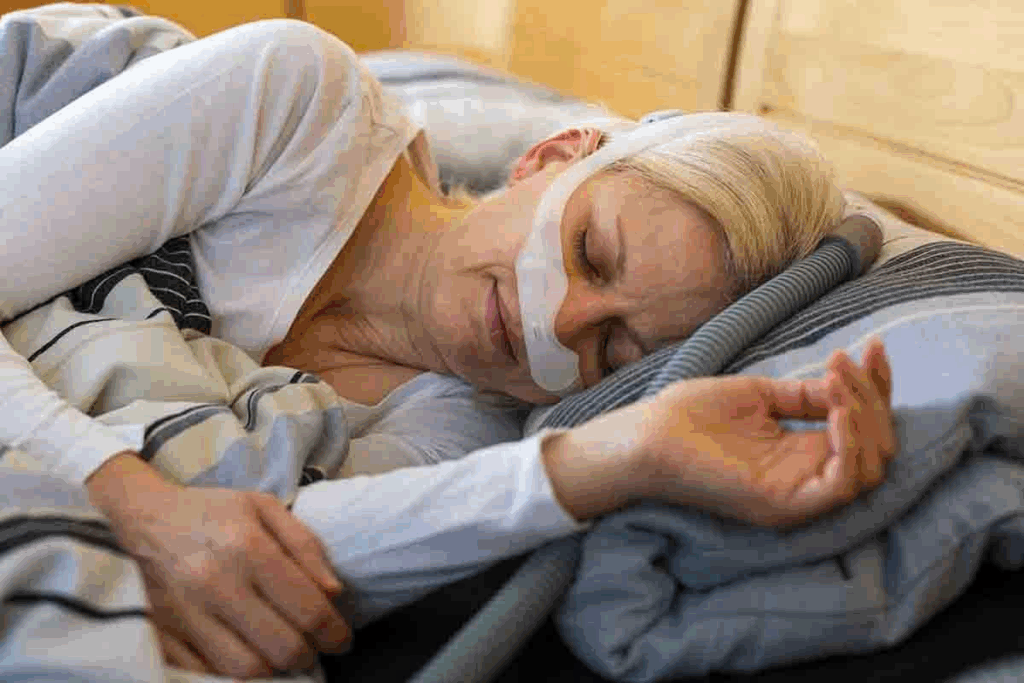
Sleep apnea is a common sleep disorder that affects millions. It can lead to serious health problems if not treated. Many people find CPAP therapy hard to use because it’s uncomfortable.
Effective alternatives are now available, giving hope for better sleep and health. New medical technologies have brought innovative treatments. These include oral appliances, implantable nerve stimulators, and positional therapies.
At Liv Hospital, we focus on the latest in sleep medicine. We offer detailed evaluations and treatments that fit each patient’s needs. This ensures care that’s just right for them.
How to treat sleep apnea with an alternative to cpap machine, including oral mandibular devices and nerve stimulation.
Key Takeaways
- CPAP therapy is not the only treatment for sleep apnea.
- Oral appliances and positional therapy are viable alternatives.
- Implantable nerve stimulators offer a new treatment option.
- Personalized treatment plans can improve patient outcomes.
- Liv Hospital provides comprehensive sleep apnea care.
Understanding Sleep Apnea and Its Serious Health Consequences
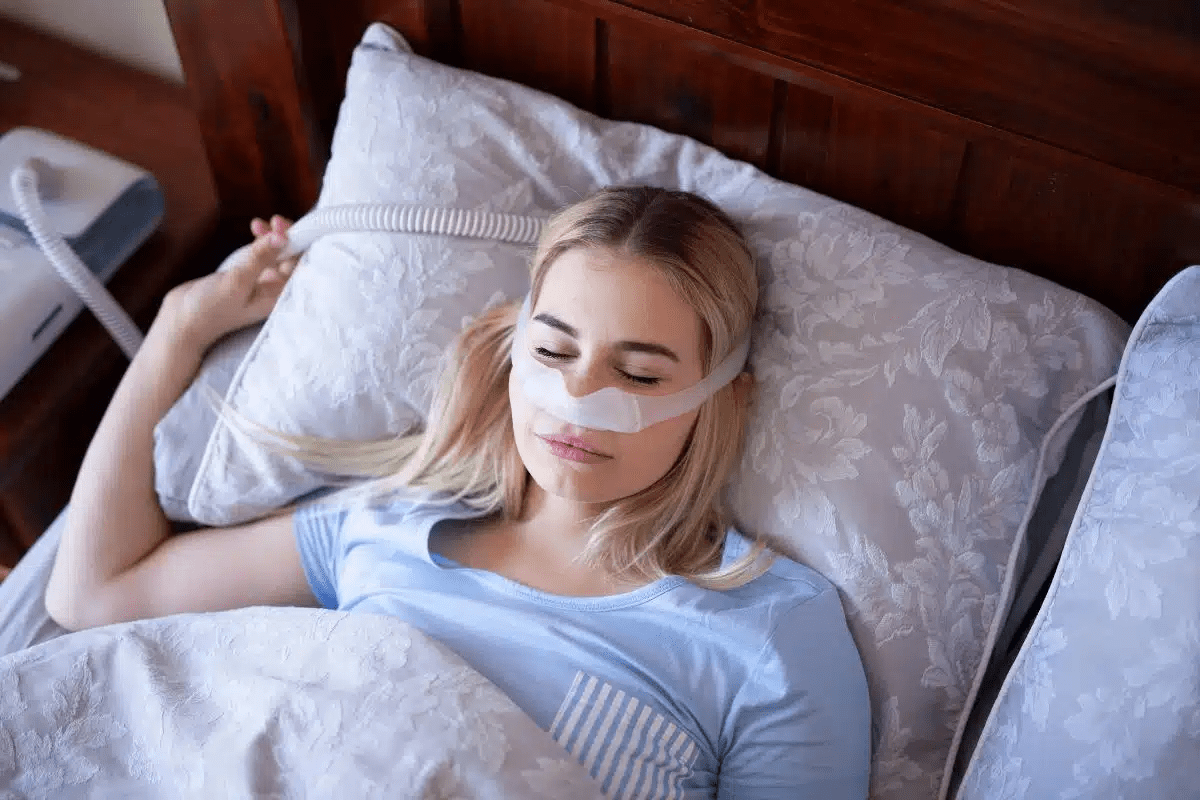
It’s important to understand sleep apnea to tackle its serious health effects and find CPAP alternatives. Sleep apnea is a sleep disorder where breathing stops or gets shallow during sleep. These pauses can happen many times a night, disrupting sleep and causing health problems.
Types of Sleep Apnea and Prevalence
There are three main types of sleep apnea: Obstructive Sleep Apnea (OSA), Central Sleep Apnea (CSA), and Complex Sleep Apnea Syndrome. OSA is the most common, caused by a blockage of the airway. CSA happens when the brain doesn’t send the right signals to breathe. Complex Sleep Apnea is a mix of OSA and CSA.
Sleep apnea affects millions worldwide. Sadly, up to 90% of cases go undiagnosed, showing the need for more awareness and diagnosis.
Health Risks: Stroke, Heart Attack, and Cardiovascular Disease
Sleep apnea poses serious health risks, including stroke, heart attack, and cardiovascular disease. Studies show OSA increases stroke risk by 86%, heart attack by 100%, and doubles cardiovascular disease risk. The breathing pauses during sleep can cause blood oxygen levels to drop, straining the heart.
The severity of sleep apnea directly links to cardiovascular disease risk. Untreated sleep apnea can lead to high blood pressure, worsening cardiovascular risks.
Recognizing When Treatment Is Necessary
It’s key to recognize sleep apnea symptoms to know when treatment is needed. Symptoms include loud snoring, stopped breathing during sleep, waking up with a dry mouth or headache, and feeling very tired during the day. If you or a loved one shows these signs, see a healthcare professional for evaluation and diagnosis.
Early diagnosis and treatment can greatly reduce sleep apnea’s health risks. Looking into CPAP alternatives can help manage sleep apnea and lessen its serious health effects.
Why CPAP Compliance Remains Challenging

CPAP therapy is effective but hard for many sleep apnea patients. It faces many compliance issues. These problems make it hard for patients to stick to their treatment plans.
Current CPAP Adherence Statistics
Studies show CPAP adherence rates vary a lot, from 25-60 percent. This shows how complex it is to keep patients on track. About 30-40 percent stop using CPAP because of mask issues and air pressure problems.
Common Reasons Patients Discontinue CPAP Use
Many reasons lead to stopping CPAP therapy. Common complaints include:
- Discomfort caused by the mask
- Difficulty adjusting to the air pressure
- Noise from the machine
- Claustrophobia or feelings of confinement
These issues show we need better, more patient-friendly treatments.
The Need for Effective Alternatives
The problems with CPAP therapy show we need better options. Effective alternatives to CPAP machines can offer better treatment choices. It’s important to consider each patient’s needs and preferences for the best results.
Oral Appliances as an Alternative to CPAP Machine Therapy
Oral appliances are becoming a popular choice for treating sleep apnea. They offer a different option compared to CPAP machines. These devices are made to be worn at night. They help keep the airway open, reducing sleep apnea symptoms.
How Mandibular Advancement Devices Work
Mandibular advancement devices (MADs) move the lower jaw forward. This keeps the airway open during sleep. It stops the airway from collapsing, a common cause of sleep apnea.
These devices fit each person’s mouth perfectly. They are made to be comfortable and easy to wear. Moving the jaw forward increases the airway’s size, preventing blockages.
Custom-Fitted vs. Over-the-Counter Options
Oral appliances come in two types: custom-fitted and over-the-counter (OTC). Custom-fitted devices are made for each person’s mouth. They are more comfortable and effective. OTC devices are generic and might not work as well.
Custom-fitted oral appliances are made with a healthcare professional’s help. They fit perfectly and work best. Even though they cost more, they often lead to better results for sleep apnea patients.
Clinical Success Rates and Effectiveness
Studies show oral appliances, like MADs, are very effective. They can cut sleep apnea events by 50-70% in mild to moderate cases. This makes them a good choice for those who can’t use CPAP machines or prefer not to.
The success of oral appliances depends on the sleep apnea’s severity, the device type, and individual factors. Yet, for many, these devices are a comfortable and effective way to manage sleep apnea.
Positional Therapy: Preventing Supine Sleep
Positional therapy is a new way to treat sleep apnea. It helps by stopping you from sleeping on your back. This is good for people who can’t use CPAP machines.
Specialized Pillows and Position Monitors
Specialized pillows help you sleep on your side. They keep you from rolling onto your back. Position monitors also help by tracking your sleep position.
- Pillows are designed to cradle the body, keeping it in a lateral position.
- Position monitors provide real-time feedback to adjust sleep posture.
Wearable Positional Therapy Devices
Wearable devices give you vibrations when you roll onto your back. This helps you change your sleep position. They are good for people with positional sleep apnea.
“The use of wearable positional therapy devices represents a significant advancement in the treatment of sleep apnea, providing patients a non-invasive and comfortable alternative to traditional CPAP therapy.”
Comparable Quality of Life Outcomes to CPAP
Studies show positional therapy works as well as CPAP for some. It cuts down apnea events by 50-80 percent. This means better sleep and overall health.
Every patient is different. What works for one might not work for another. Always talk to a doctor to find the best treatment for you. Positional therapy might be part of it.
Tongue-Retaining Devices and Their Effectiveness
Tongue-retaining devices are a new way to handle sleep apnea. They are a non-invasive and possibly effective alternative to CPAP machines for some.
Mechanism of Action
These devices keep the tongue forward, stopping it from blocking the airway at night. This is key because the tongue often falls back and blocks the airway in sleep apnea.
53% Reduction in Apnea Events
Studies show tongue-retaining devices can cut apnea events by 53%. This big drop can mean better sleep and health for those with sleep apnea.
Ideal Candidates for This Approach
Not all sleep apnea patients are right for these devices. They work best for those with mild to moderate sleep apnea who can’t handle CPAP. A doctor’s check is needed to see if they’re a good fit.
We think tongue-retaining devices are a great choice among best alternatives to CPAP for sleep apnea. Knowing how they work and who they help can guide better treatment choices for patients and doctors.
Weight Loss as a Primary Treatment Strategy
There’s a strong link between body weight and sleep apnea. Losing weight is a key way to treat it. Excess weight can make sleep apnea worse by putting more pressure on airways.
The Direct Relationship Between Weight and Apnea Severity
Studies show that weight and sleep apnea severity are closely linked. Even a small amount of weight loss can greatly improve symptoms. Losing 10% of body weight can cut sleep apnea severity by 25% or more.
Benefits of 10% Weight Reduction
Reducing weight by 10% can significantly improve sleep apnea. This weight loss is linked to:
- Lower apnea-hypopnea index (AHI)
- Better sleep quality
- Improved health and well-being
- Less risk of health problems
Also, losing 10% of body weight is a reachable goal for many. It’s a practical target for those wanting to reduce sleep apnea symptoms through weight loss.
Sustainable Weight Management Approaches
Effective weight loss is about lasting lifestyle changes, not just quick fixes. Good strategies include:
Approach | Description | Benefits |
Dietary Changes | Focus on balanced nutrition, portion control, and reduced calorie intake | Promotes sustainable weight loss, improves overall health |
Increased Physical Activity | Engage in regular exercise such as walking, cycling, or swimming | Enhances weight loss, improves cardiovascular health |
Behavioral Therapy | Address emotional eating, develop healthier eating habits | Supports long-term weight management, reduces relapse |
By using these methods, people can lose and keep off weight. This reduces the need for sleep apnea machine alternatives and improves life quality.
Lifestyle Modifications That Reduce Sleep Apnea Symptoms
Simple changes in lifestyle can help lessen sleep apnea symptoms. By making these adjustments, people might not need CPAP therapy as much. This can also make their sleep better.
Sleep Hygiene Improvements
Improving sleep hygiene is key in managing sleep apnea. This means going to bed at the same time every night. It also means having a quiet, dark room for sleep. And, it’s best to avoid activities that get you excited before bed.
“A bedtime routine tells your body it’s time to sleep,” a sleep expert notes. This can help cut down on sleep apnea episodes.
Good sleep hygiene helps make sleep better. This is important for staying healthy.
Alcohol and Sedative Reduction
Drinking less alcohol and avoiding sedatives can help with sleep apnea. These things relax the throat muscles. This can block the airway and make sleep apnea worse. Not drinking alcohol or sedatives before bed can help reduce sleep apnea.
Smoking Cessation Benefits
Stopping smoking is good for your health and can help with sleep apnea. Smoking can make the airway swell and hold more fluid. This can block the airway during sleep. There are programs and groups to help you quit smoking.
Exercise and Its Impact on Sleep Quality
Regular exercise can make sleep better and help with sleep apnea. It can help you lose weight and boost your heart health. Walking briskly is a good exercise. But, don’t do hard exercise right before bed.
By making these lifestyle changes, people with sleep apnea can feel better. It’s important to talk to doctors about the best changes and treatments.
Surgical Interventions for Sleep Apnea
When CPAP therapy doesn’t work, surgery can help. Sleep apnea is a complex issue needing many treatments. Surgery might be an option for some to feel better and live better.
Upper Airway Surgery Options
Upper airway surgery aims to clear blockages in the airway. This improves breathing at night. Some surgeries include:
- Uvulopalatopharyngoplasty (UPPP): This surgery removes throat tissue to widen the airway.
- Tonsillectomy and Adenoidectomy: These remove tonsils and adenoids, helping to open the airway.
- Nasal Surgery: This fixes nasal problems that might cause sleep apnea.
These surgeries can help by reducing sleep apnea events. They work best for those with clear blockages.
Hypoglossal Nerve Stimulation Technology
Hypoglossal nerve stimulation is a new treatment. It involves a device that moves the tongue to keep the airway open. This can greatly improve sleep for some patients.
Maxillomandibular Advancement
This surgery moves the upper and lower jaws forward. It enlarges the airway. It’s good for those with narrow jaws or faces.
Determining Surgical Candidacy
Not everyone with sleep apnea is right for surgery. A detailed check is needed to find the best surgery. We help patients decide based on their needs.
In summary, surgery offers many ways to treat sleep apnea. From basic surgeries to new technologies, there are options. Knowing these alternatives helps patients choose the best care.
Emerging Alternative Technologies to Traditional CPAP
There’s a growing need for sleep apnea treatments that don’t use CPAP machines. New technologies are being developed to meet this need. These innovations aim to overcome the challenges of traditional CPAP therapy.
Expiratory Positive Airway Pressure (EPAP) Valves
EPAP valves are a big step forward in treating sleep apnea. They create pressure when you breathe out, keeping your airway open. Clinical trials have shown that EPAP valves can significantly reduce apnea events, making them a good option for those who can’t use CPAP.
Oral Pressure Therapy Devices
Oral pressure therapy devices are another new technology. They use negative pressure in your mouth to pull your soft palate forward. This keeps your airway open. This non-invasive approach has been shown to help some patients with sleep apnea.
Nasal EPAP Adhesive Valves
Nasal EPAP adhesive valves are small, sticky devices for your nostrils. They make it harder to breathe out, keeping your airway open. These devices have been praised for their simplicity and ease of use, appealing to those looking for CPAP alternatives.
Comparing Effectiveness to Standard CPAP
When we compare these new technologies to CPAP, several things matter. CPAP is very effective for sleep apnea, but some people struggle to use it. New options like EPAP valves and oral pressure therapy devices show promise. They might work as well as CPAP for some people.
It’s important to keep testing these new options in clinical trials. This will help us understand their strengths and weaknesses. By doing so, we can offer more effective treatments for sleep apnea, improving patient outcomes.
Creating a Personalized Treatment Plan with Healthcare Providers
Managing sleep apnea well means having a treatment plan made just for you. Healthcare experts help make this plan. They know that everyone’s situation is different, so they tailor the treatment.
Sleep Study Evaluation
A sleep study is key to starting treatment. It helps doctors see how bad sleep apnea is. They can then pick the best treatment for you.
Matching Treatment to Apnea Severity
The severity of sleep apnea matters a lot. For mild cases, simple changes or oral devices might help. But for more serious cases, doctors might suggest other treatments. We work with doctors to find the right fit for you.
Combining Multiple Approaches
Using more than one treatment often works best. For example, an oral device with positional therapy can be very effective. We look for the best mix of treatments for you.
Monitoring Treatment Effectiveness
It’s important to check if the treatment is working. Regular check-ups with doctors help make sure it’s effective. This way, treatment can be adjusted to keep it working well.
Working with healthcare providers and having a plan made just for you can really help. It can make a big difference in your health.
Conclusion: Finding Your Optimal Sleep Apnea Solution
We’ve looked at many ways to treat sleep apnea without CPAP. These include oral appliances, positional therapy, losing weight, and surgery. These options give hope to those looking for sleep apnea treatments other than CPAP.
Everyone’s experience with sleep apnea is different. What works for one person might not work for another. We suggest talking to healthcare professionals to find the right treatment for you.
There are many ways to treat sleep apnea, like oral appliances, changing your lifestyle, or surgery. Exploring these options can help find the best solution for you. This can greatly improve your health and quality of life.
Looking into different sleep apnea treatments can lead to better sleep and a healthier future. We’re here to support you on your journey to better sleep and well-being.
FAQ
What are the alternatives to CPAP therapy for sleep apnea?
Alternatives include oral appliances, positional therapy, and tongue-retaining devices. Weight loss and lifestyle changes are also options. Surgical interventions are available for severe cases.
How do oral appliances work as an alternative to CPAP machines?
Oral appliances, like mandibular advancement devices, move the lower jaw. This keeps the airway open, reducing sleep apnea events.
What is positional therapy and how can it help with sleep apnea?
Positional therapy uses devices to stop sleeping on your back. This can reduce sleep apnea events.
Can weight loss really help alleviate sleep apnea symptoms?
Yes, losing weight can greatly help with sleep apnea, mainly for those with obesity-related sleep apnea.
What lifestyle modifications can help reduce sleep apnea symptoms?
Improving sleep hygiene and reducing alcohol and sedative use can help. Quitting smoking and regular exercise are also beneficial.
Are there any new technologies emerging as alternatives to traditional CPAP therapy?
Yes, new technologies include expiratory positive airway pressure (EPAP) valves and oral pressure therapy devices. Nasal EPAP adhesive valves are also emerging.
How do I determine the best treatment plan for my sleep apnea?
Consult a healthcare provider and undergo a sleep study evaluation. Discuss your sleep apnea severity and treatment options.
Can I combine multiple treatments for sleep apnea?
Yes, combining treatments like oral appliances with positional therapy or weight loss can be effective.
How will I know if my sleep apnea treatment is working?
Regular follow-ups with your healthcare provider and symptom tracking are key. Additional sleep studies may also be needed.
Are there any surgical options available for treating sleep apnea?
Yes, surgical options include upper airway surgery and hypoglossal nerve stimulation. Maxillomandibular advancement is also available for severe cases or when other treatments fail.
Reference
National Center for Biotechnology Information. (2025). How to Treat Sleep Apnea Without CPAP Effective. Retrieved from https://www.ncbi.nlm.nih.gov/pmc/articles/PMC9584565/