
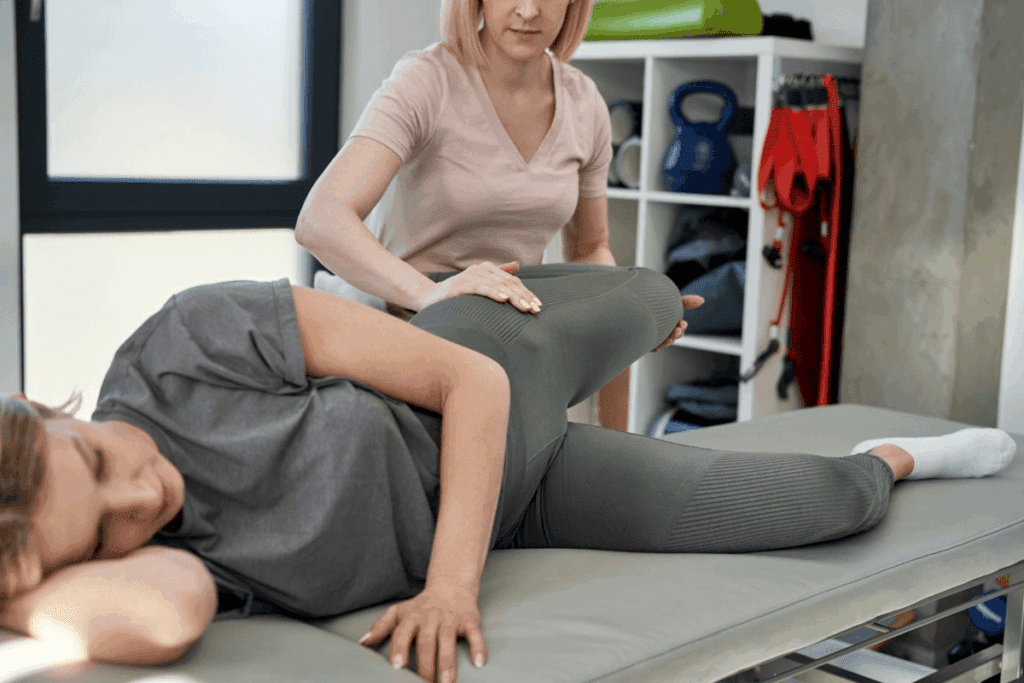
Pelvic pain is a big health issue for millions of women around the world. It affects up to 26% of people with female anatomy, causing a lot of discomfort. This pain can really hurt your quality of life and how well you work.
Pregnancy makes pelvic pain even more common and uncomfortable, hitting up to 70% of pregnant people. At Liv Hospital, we know how hard pelvic pain can be. We’re dedicated to helping you with care that’s based on the latest research.
Effective relief options are available, and this guide will look at seven proven treatments backed by current clinical research and expert advice.
Listing seven effective pelvic pain treatments, including physical therapy, medication, and behavioral strategies.
Key Takeaways
- Pelvic pain affects a significant percentage of women worldwide.
- Effective treatments are available to manage pelvic pain.
- Liv Hospital provides patient-centered care for pelvic pain.
- Seven proven treatments will be discussed in this guide.
- Current clinical research supports the recommended treatments.
Understanding Pelvic Pain and Its Impact
Pelvic pain is a complex issue that affects millions of women. It can cause sharp pains, dull aches, or pressure in the pelvic area. The pain’s intensity and frequency can vary greatly.
Many women don’t know that there are treatments for pelvic pain. The first step to feeling better is to understand the causes and how they affect daily life.
What Causes Pelvic Pain in Women
Pelvic pain can stem from various sources. These include gynecological, musculoskeletal, and gastrointestinal issues. Common causes include:
- Endometriosis
- Pelvic inflammatory disease
- Irritable bowel syndrome
- Interstitial cystitis
- Musculoskeletal issues such as pelvic floor dysfunction
Finding the cause is key to choosing the right treatment. A thorough diagnosis helps tailor the treatment to fit the individual’s needs.
The Prevalence and Burden of Pelvic Pain
Pelvic pain is more common than people think. It affects a significant number of women. Chronic pelvic pain can deeply impact a woman’s life, affecting physical, emotional, and social well-being.
The effects of pelvic pain go beyond the individual. It also affects families and healthcare systems. Understanding its prevalence and impact is vital for effective management and treatment.
So, how to get rid of pelvic pain? Effective management involves lifestyle changes, physical therapy, and sometimes medication. Learning about treatment options and working with healthcare professionals is key to stopping pelvic pain.
Recognizing When to Seek Medical Help
Pelvic pain can be tough to deal with. Knowing when to get help is key. It affects people in different ways, making the decision to see a doctor hard.
Distinguishing Between Acute and Chronic Pelvic Pain
Pelvic pain comes in two types: acute and chronic. Acute pelvic pain starts suddenly and is often due to injury or infection. Chronic pelvic pain lasts a long time, usually over three to six months, and can be caused by many things.
It’s important to know what kind of pain you have. If your pain is severe or getting worse, you should see a doctor.
Characteristics | Acute Pelvic Pain | Chronic Pelvic Pain |
Onset | Sudden | Gradual or persistent |
Duration | Short-term | Long-term (beyond 3-6 months) |
Common Causes | Injury, infection | Ongoing medical conditions, prolonged inflammation |
Warning Signs That Require Immediate Attention
Some symptoms need immediate medical help. Look out for severe pain, heavy vaginal bleeding, fever, or signs of infection. Also, if your pain is linked to trauma or injury, see a doctor right away.
It’s important to watch your health and not delay getting medical help. Good pelvic pain therapy starts with a thorough check-up by a doctor.
By knowing when to seek medical help and how to manage pelvic pain, you can start on the path to relief. Our aim is to help you find the right care for your pelvic pain.
The Diagnostic Process for Pelvic Pain
Managing pelvic pain starts with a detailed diagnostic process. Finding the cause requires a mix of tests and a careful look at the patient’s history. This approach helps doctors understand what’s causing the pain.
Common Diagnostic Procedures
Several tests are used to find the source of pelvic pain. These include:
- Medical history review
- Physical examination
- Imaging tests (e.g., ultrasound, MRI)
- Laparoscopy
- Urodynamic tests
These tests help doctors figure out why someone has pelvic pain. This way, they can create a plan to help. Studies show that a detailed check-up can lead to a correct diagnosis 93.9 percent of the time.
The Importance of a Thorough Assessment
Pelvic pain can come from many places, like the stomach, bladder, or muscles. A detailed check-up is key to finding the exact cause and treating it. Experts agree that a team effort is needed to tackle chronic pelvic pain.
Knowing the cause of pelvic pain lets doctors suggest the right treatments. This could be physical therapy, medicine, or changes in lifestyle. These steps can help ease the pain and make life better for the patient.
Physical Therapy: The First-Line Pelvic Pain Treatment
Physical therapy is a key first step in treating pelvic pain. It’s a non-invasive way to find relief. Physical therapists focus on the pelvic floor to help patients feel better and live better lives.
Addressing Pelvic Floor Dysfunction
Pelvic floor dysfunction often causes pelvic pain. Physical therapy tackles this problem with various methods. These include exercises to strengthen muscles, relaxation techniques, and teaching about posture and body mechanics.
“Physical therapy is a game-changer for patients with pelvic pain,” says Medical Expert, a pelvic floor physical therapy specialist. “It fixes the musculoskeletal issues, giving patients lasting relief without medication or surgery.”
Specific Techniques Used in Pelvic Floor Physical Therapy
Pelvic floor physical therapists use many techniques to manage pain. These include:
- Manual therapy to release tension in the pelvic floor muscles
- Exercises to improve pelvic floor muscle strength and coordination
- Biofeedback to help patients control their pelvic floor muscles
- Education on lifestyle changes to reduce pain
These methods are customized for each patient, ensuring a personal treatment plan.
Finding a Qualified Pelvic Floor Physical Therapist
When looking for a physical therapist for pelvic pain, find one with pelvic floor training. Choose therapists certified by reputable organizations and with pelvic pain experience. A good therapist will assess you fully and create a treatment plan that meets your needs.
Adding physical therapy to your treatment plan can lead to pelvic pain relief and a better life. It’s a key part of a complete pelvic pain management strategy, helping achieve lasting relief.
Medication Options for Effective Pelvic Pain Relief
Managing pelvic pain often means using medicines that fit your needs. It’s key to know the different options, from common pain relievers to stronger prescription drugs. Also, it’s important to be aware of any side effects these might have.
Over-the-Counter Pain Management Solutions
For mild to moderate pain, over-the-counter (OTC) drugs can help a lot. Painkillers like paracetamol (acetaminophen) are good for light endometriosis pain. Ibuprofen is also helpful, best taken before a period or when pain is likely.
- Paracetamol (Acetaminophen): Useful for mild pain relief.
- Ibuprofen: Effective for reducing inflammation and pain.
- Naproxen: Another NSAID that can be used for pelvic pain management.
Prescription Medications for Chronic Pelvic Pain
For severe or ongoing pain, you might need prescription drugs. These can include stronger pain meds, hormonal treatments, or drugs that target the cause of pain.
- Stronger Pain Relievers: Such as codeine or tramadol, for more severe pain.
- Hormonal Treatments: For conditions like endometriosis, hormonal therapies can help reduce pain.
- Antidepressants or Anti-seizure Medications: Sometimes used for chronic pain management, even in the absence of depression or seizure disorders.
Understanding Medication Side Effects and Limitations
Medicines can greatly help with pelvic pain, but knowing their side effects and limits is vital. Common issues include stomach problems with NSAIDs, liver damage with too much acetaminophen, and addiction with opioid pain relievers.
To manage pelvic pain well, it’s important to work with your healthcare provider. They can help find the right balance between pain relief and avoiding side effects. This might mean trying different drugs or combinations of treatments.
By knowing about the different medicines and their effects, you can make better choices. This helps in managing pelvic pain effectively.
Heat and Cold Therapy: Simple Home-Based Pelvic Pain Treatments
Managing pelvic pain can be easy with heat and cold therapy. These methods offer quick relief without medication. They are simple to use at home and can help fight pelvic pain.
Applying Heat Therapy for Pelvic Pain Relief
Heat therapy is known to help with pelvic pain, like endometriosis. It relaxes the uterine muscles, reduces cramps, and boosts blood flow. This helps lower pain.
To use heat therapy well:
- Wrap a hot water bottle or heated wheat bag in a towel to avoid skin contact.
- Place the heat on your lower abdomen or back, where it hurts.
- Use it for 15-20 minutes, then take a break to avoid overheating.
Benefits of Heat Therapy:
Benefit | Description |
Relaxation of Muscles | Heat relaxes the uterine and abdominal muscles, easing cramps and discomfort. |
Increased Blood Flow | Heat boosts blood flow, aiding in healing and pain reduction. |
Pain Relief | The warmth interrupts pain signals to the brain, providing quick relief. |
“Heat therapy is a simple yet effective way to manage menstrual cramps and other forms of pelvic pain. It’s a non-invasive, drug-free approach that can be used as needed.”
Medical Expert, OB-GYN Specialist
When and How to Use Cold Therapy
Cold therapy is great for reducing inflammation and numbing pain. It’s best for acute injuries or after surgery.
To use cold therapy:
- Wrap an ice pack or cold gel pack in a cloth to protect your skin.
- Apply it to the affected area for 10-15 minutes.
- Take at least 30 minutes off between uses to let your skin warm up.
It’s important to listen to your body and adjust the temperature and time of both heat and cold therapy based on your comfort and response.
Adding heat and cold therapy to your pelvic pain management can greatly help. It can improve your life quality. Always talk to a healthcare provider before starting any new therapy, even if you have no medical conditions.
Psychological Approaches to Managing Chronic Pelvic Pain
Psychological techniques are key in managing chronic pelvic pain. This pain is not just physical; it also affects the mind. So, treating the psychological side of pain is vital for full care.
Cognitive Behavioral Therapy for Pain Management
Cognitive Behavioral Therapy (CBT) is a proven method for chronic pain, including pelvic pain. It changes how people see pain and teaches them to cope. By changing negative thoughts and behaviors linked to pain, people can live better lives despite pain.
Studies show CBT can greatly reduce chronic pelvic pain. It gives patients tools to manage their pain, boosting their life quality. We suggest finding a pain management therapist for the best CBT results.
Mindfulness and Relaxation Techniques
Mindfulness and relaxation are also vital for managing chronic pelvic pain. They help lower stress and promote calm, which can lessen pain. Mindfulness is about being fully in the moment without judgment, helping people separate from their pain.
Effective relaxation methods include deep breathing, progressive muscle relaxation, and guided imagery. These can be done at home or with a healthcare expert. Adding these to daily routines can help manage pelvic pain and enhance overall health.
The table below outlines the main psychological methods for managing chronic pelvic pain:
Approach | Description | Benefits |
Cognitive Behavioral Therapy (CBT) | Focuses on changing pain perception and teaching coping strategies | Reduces pain impact, improves quality of life |
Mindfulness | Involves being present and fully experiencing the moment without judgment | Decreases pain perception, reduces stress |
Relaxation Techniques | Includes deep breathing, progressive muscle relaxation, and guided imagery | Promotes relaxation, decreases pain |
Combining these psychological methods with other treatments helps create a full plan to manage chronic pelvic pain effectively.
Complementary and Alternative Medicine for Pelvic Pain
There are many treatments beyond traditional ones for pelvic pain. These options can be used with regular treatments to help manage pain better. They also help improve how you feel overall.
Acupuncture and Acupressure Techniques
Acupuncture is a traditional Chinese medicine that uses thin needles to help heal and relieve pain. Acupressure is similar but uses manual pressure instead of needles. Both are studied for their effects on pelvic pain.
Studies show acupuncture can lessen pelvic pain by releasing pain-relieving chemicals and improving blood flow. Acupressure is a non-invasive option that people can learn to do themselves.
Massage Therapy for Pelvic Region
Massage therapy, focusing on the pelvic floor, can relax muscles, improve circulation, and reduce pain. Trained therapists can target areas of tension that cause pelvic pain.
Massage can help relax pelvic muscles, improving their function and reducing pain. Regular massages can lead to lasting relief and better quality of life.
Evidence-Based Herbal Remedies and Supplements
Some herbal remedies and supplements may help with pelvic pain. While evidence is not always strong, some show promise in reducing inflammation and pain.
Herbal Remedy/Supplement | Potential Benefits | Considerations |
Turmeric/Curcumin | Anti-inflammatory properties | May interact with blood thinners |
Ginger | Anti-inflammatory, pain relief | May cause stomach upset in high doses |
Omega-3 Fatty Acids | Anti-inflammatory effects | Should be sourced from reputable manufacturers |
Always talk to a healthcare provider before trying herbal remedies or supplements. They can interact with other treatments or have side effects.
Exploring these alternative medicine options can offer more relief for pelvic pain. It can also improve your overall quality of life.
Lifestyle Modifications That Reduce Pelvic Pain
Making simple lifestyle changes can help reduce pelvic pain. Healthy habits can improve your well-being. They help manage symptoms and enhance your life quality.
Anti-Inflammatory Diet Recommendations
An anti-inflammatory diet is key for reducing pelvic pain. It focuses on foods that reduce body inflammation.
Some important foods in this diet include:
- Fatty fish like salmon and sardines
- Fruits and vegetables rich in antioxidants, such as berries and leafy greens
- Healthy fats from olive oil and avocados
- Whole grains like quinoa and brown rice
It’s also important to avoid foods that cause inflammation. These include processed meats, sugary snacks, and refined carbs.
Food Category | Recommended Foods | Foods to Avoid |
Proteins | Fatty fish, lean meats, legumes | Processed meats, high-fat dairy |
Fruits & Vegetables | Berries, leafy greens, cruciferous vegetables | Sugary fruits, nightshades (for some individuals) |
Grains | Whole grains like quinoa and brown rice | Refined carbohydrates, gluten (for those with sensitivity) |
Gentle Exercise and Movement Therapy
Gentle exercise and movement therapy are important for managing pelvic pain. They improve circulation, strengthen muscles, and reduce tension.
Some good exercises include:
- Low-impact aerobics like walking or swimming
- Yoga and Pilates for core strength and flexibility
- Stretching to improve range of motion
Start slowly and gradually increase exercise intensity and duration. This helps avoid worsening the pain.
Sleep Optimization Strategies for Pain Management
Good sleep is essential for managing pelvic pain. Poor sleep can make pain worse, while good sleep can help.
Some strategies for better sleep include:
- Keeping a consistent sleep schedule
- Creating a relaxing bedtime routine
- Optimizing your sleep environment (cool, dark, quiet)
- Avoiding caffeine and electronic devices before bed
By making these lifestyle changes, you can actively manage your pelvic pain. This improves your overall quality of life.
Surgical Interventions for Persistent Pelvic Pain
In severe cases, surgery may be needed to treat pelvic pain. This pain can greatly affect a woman’s life, making everyday tasks hard. If other treatments don’t work, surgery is often the next step.
When Surgery Becomes Necessary
Surgery is considered when a clear cause of pain is found, like endometriosis or fibroids. Before surgery, doctors do tests and review the patient’s history. They help decide if surgery is right for the patient’s pelvic pain treatment.
Common Surgical Procedures for Different Causes
There are many surgeries for pelvic pain, depending on the cause. For example:
- Laparoscopic surgery treats endometriosis and adhesions.
- Hysterectomy might be needed for severe pain from fibroids or adenomyosis.
- Nerve-sparing surgery is an option for some pelvic pain types.
Each surgery is customized for the patient’s condition and health.
Recovery Expectations and Post-Surgical Care
Recovery time varies with the surgery type. Laparoscopic surgeries usually have shorter recovery times. We focus on post-surgery care to manage pain and aid in recovery. This includes pain management, follow-ups, and advice on returning to normal activities.
Understanding surgery’s role in managing pelvic pain helps patients make informed choices. We aim to provide full support during treatment, ensuring the best care for each patient’s needs.
Creating Your Personalized Pelvic Pain Management Plan
To get the best relief from pelvic pain, making a plan just for you is key. It’s about knowing what makes your pain different and picking treatments that fit.
Combining Multiple Pelvic Pain Treatments for Best Results
Using many treatments at once often works best. This mix can include physical therapy, medicine, and changes in your daily life.
Key parts of a full plan might be:
- Physical therapy to fix pelvic floor issues
- Medicines to help with pain
- Changes in diet and ways to handle stress
- Other therapies like acupuncture or mindfulness
Putting these treatments together can lead to better pelvic pain relief.
Working with a Multidisciplinary Healthcare Team
A team of different healthcare experts is vital for a personalized plan. This team might include doctors from gynecology, urology, pain management, physical therapy, and psychology.
The good things about a team approach are:
- They really get to know your condition
- They make a plan that covers all your pain needs
- You get to try many treatments and get advice from experts
With a team working together, you get care that really meets your needs. This leads to better pelvic pain management.
Conclusion: Finding Long-Term Relief from Pelvic Pain
Finding relief from pelvic pain takes time, effort, and the right treatment. We’ve looked at many ways to help, like physical therapy and changing your lifestyle. We’ve also talked about surgery as an option.
Understanding why you have pelvic pain is key. Working with a team of healthcare experts helps create a plan just for you. This plan can make a big difference in how you feel and live.
If you’re dealing with pelvic pain, don’t hesitate to get help. There are many ways to find relief. With the right care, you can manage your pain and take back control of your life.
FAQ
What are the most common causes of pelvic pain in women?
Pelvic pain in women can come from many sources. This includes menstrual cramps, endometriosis, and pelvic inflammatory disease. Musculoskeletal issues can also cause pain. It’s best to see a healthcare professional to find out why you’re experiencing pain.
How can I manage pelvic pain at home?
At home, you can use heat or cold therapy to help. Try relaxation techniques like deep breathing or meditation. Gentle exercise is also good. Eating well and getting enough sleep can also help.
What is the role of physical therapy in treating pelvic pain?
Physical therapy is key in treating pelvic pain. It helps with pelvic floor dysfunction and improves flexibility and strength. A physical therapist can create a plan of exercises to help manage your symptoms.
Can lifestyle changes help alleviate pelvic pain?
Yes, making lifestyle changes can help. Keeping a healthy weight and avoiding certain foods can help. Stress-reducing activities are also beneficial. A healthcare professional can help you create a treatment plan.
What are the benefits of cognitive behavioral therapy (CBT) for pelvic pain management?
CBT can change how you see pain and improve coping skills. It can also reduce stress. Using CBT with other treatments can lead to better results.
Are there any alternative therapies that can help with pelvic pain relief?
Yes, therapies like acupuncture, massage, and herbal remedies may help. Always talk to a healthcare professional before trying new therapies. They can discuss the benefits and risks with you.
How can I find a qualified healthcare professional to help me manage my pelvic pain?
To find a qualified healthcare professional, ask your primary care doctor for referrals. You can also search online or check with your insurance. Look for someone who specializes in pelvic pain and has experience with your needs.
What can I expect during the diagnostic process for pelvic pain?
The diagnostic process includes a detailed medical history and physical exam. You may also have imaging studies or laparoscopy. Be ready to share your symptoms and medical history with your healthcare provider.
How can I develop a personalized pelvic pain management plan?
To create a personalized plan, work with a team of healthcare professionals. This team can include physical therapists, doctors, and other specialists. Combining treatments like physical therapy, medication, and lifestyle changes can help manage your pain.
What are the benefits of a multidisciplinary healthcare team in managing pelvic pain?
A team approach offers complete care. It brings together experts from different fields. This team can create a treatment plan tailored to your needs.
How can I relieve pelvic pain during menstruation?
To ease menstrual pain, try heat therapy and relaxation techniques. Over-the-counter pain relievers can also help. A healthy lifestyle, including a balanced diet and exercise, can also alleviate symptoms.
Can pelvic pain be a sign of a more serious underlying condition?
Yes, pelvic pain can signal a serious issue like endometriosis or pelvic inflammatory disease. If your pain is severe or doesn’t go away, seek medical help. It’s important to address any concerns about your symptoms.
References
https://pmc.ncbi.nlm.nih.gov/articles/PMC3979473



 Departments
 Related Videos
 Our Doctors
 News
News