
Many runners worry about knee pain. 31% of novice runners and 26% of recreational runners face this issue. But, research shows runners are less likely to have knee pain or arthritis than non-runners. Seven essential tips and strategies detailing how to prevent knee pain when running through strength and form correction.
The secret is proper technique and injury prevention strategies. These can cut knee injury risk by up to two-thirds.
At Liv Hospital, we focus on evidence-based orthopedic care. We also offer expert advice on biomechanics and conditioning. This helps runners stay healthy and pain-free.
Key Takeaways
- Proper running technique can reduce knee injury risk by up to two-thirds.
- Strengthening key muscles is key for healthy knees.
- Liv Hospital’s expert guidance on biomechanics and conditioning helps prevent knee pain.
- Evidence-based orthopedic care is vital for runners.
- Using the right techniques and strategies can help you run without pain.
The Truth About Running and Knee Health
Running is often seen as bad for knee health, but what’s the real story? At Liv Hospital, we follow the latest research in orthopedic care. We focus on preventing health problems and keeping our ethics strong. This way, we can help runners keep their knees healthy.
Statistics: Runners vs. Non-Runners Knee Health
Research shows runners face less knee pain than non-runners. They have 29% lower rates of frequent knee pain. Also, runners are 54% less likely to need knee surgery for osteoarthritis. These facts debunk the myth that running harms knees.
Common Misconceptions About Running and Knee Damage
Many think running damages knees. But, running can actually help knee health if done right. It’s all about the right running form, slow training, and strong knee muscles. These steps can lower knee pain risks and even strengthen knees.
Another myth is that running causes osteoarthritis. While it’s true that running can be tough on joints, its benefits like keeping weight down and strengthening muscles can actually lower osteoarthritis risk.
Understanding Runner’s Knee: Causes and Risk Factors
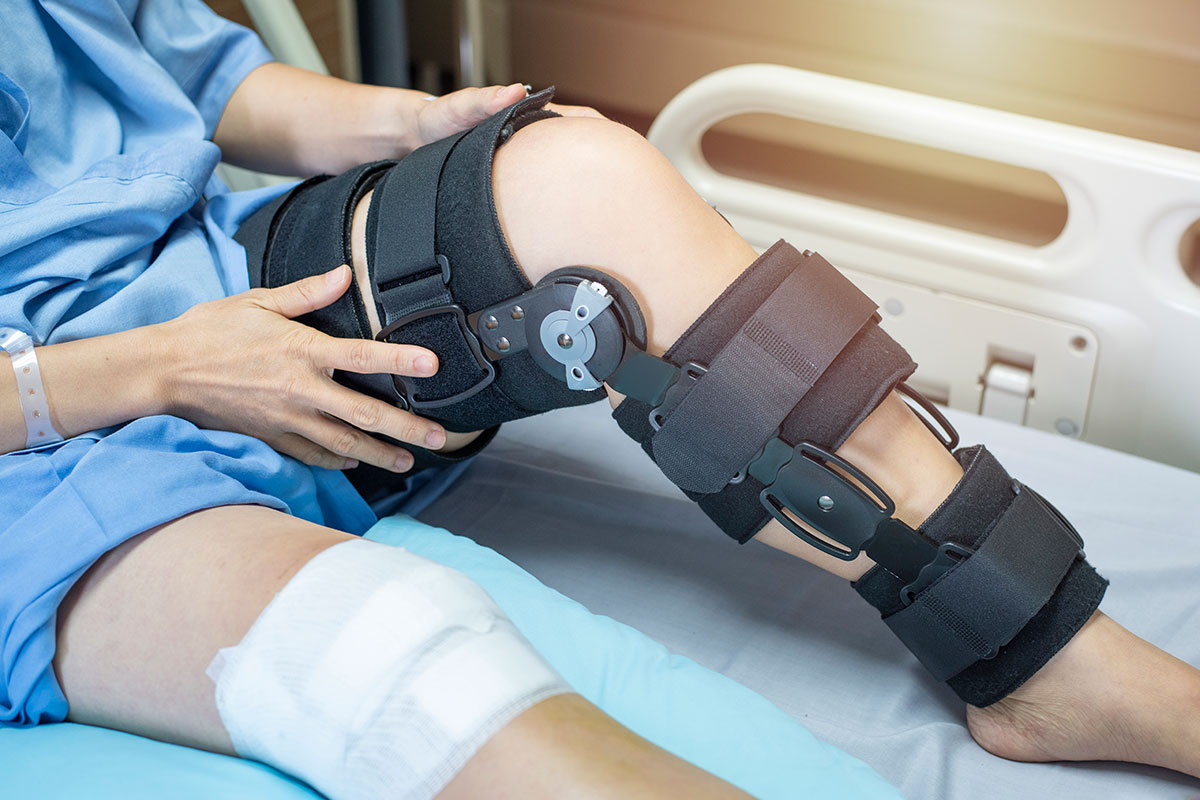
Knee pain is common among runners. It’s important to know what causes and increases the risk of runner’s knee. This condition, also known as patellofemoral pain syndrome, causes pain in the front of the knee, near or behind the kneecap.
Anatomy of the Knee and Running Mechanics
The knee is made up of bones, ligaments, tendons, and cartilage. When running, the knee takes a lot of stress, mainly during impact and push-off. Knowing how the knee works helps us understand why some runners get knee pain.
The extensor mechanism, which includes the quadriceps and the patellar tendon, is key to knee function. If the patella doesn’t track right, it can cause more stress on the knee, leading to pain.
Primary Risk Factors for Knee Pain
Several things can lead to runner’s knee. Previous knee injuries can cause long-term problems if not healed right. Getting older and having a family history of knee issues also increase the risk. An elevated BMI puts more stress on the knee.
- Overuse or repetitive strain
- Poor running mechanics or form
- Inadequate footwear or equipment
- Muscle imbalances or weaknesses
A 2024 survey of 3804 marathon runners found that only 7.3% had knee arthritis. This shows that while knee problems are common, they’re not a certainty. The main risk factors were previous knee injuries, getting older, family history, and a higher BMI.
“The key to preventing runner’s knee lies in understanding its causes and addressing the risk factors proactively.” Expert Opinion
Why 31% of Novice Runners Experience Knee Pain
New runners are more likely to get knee pain. Sudden increases in running can cause overuse injuries. They might also have poor running form or muscle imbalances that stress the knee more.
To avoid these issues, new runners should start slowly, train properly, and do strength and flexibility exercises. Knowing the causes and risk factors of runner’s knee helps runners take steps to prevent pain and enjoy running more.
Tip 1: Master Proper Running Form and Technique
Learning the right running form and technique is key to avoiding knee pain. It also makes running more efficient. When we run correctly, we put less stress on our joints, like the knees.
Reducing Impact Through Softer Landings
Studies show that changing how we land can cut knee injury risk by about two-thirds. Landing softer is better than hard heel strikes. Try to land on your midfoot or forefoot instead.
Optimal Cadence and Stride Length for Knee Protection
Having the right cadence and stride length is also important. Aim for a cadence of 170-180 steps per minute with shorter strides. This quickens your pace and lessens the impact on your knees.
Running Technique Aspect | Benefit for Knee Health | Recommended Adjustment |
Landing Technique | Reduces impact on knees | Midfoot or forefoot striking |
Cadence | Decreases stress with each step | 170-180 steps per minute |
Stride Length | Minimizes overstriding and impact | Shorter, quicker strides |
By improving your running form and technique, you can lower your risk of knee pain. This makes running more fun and keeps you going longer.
Tip 2: Strengthen Key Supporting Muscles
To avoid knee pain while running, focus on strengthening key muscles. Weak hips, glutes, and core can cause poor form and knee strain. Just 15–20 minutes of strength training 2–3 times a week can help a lot.
Quadriceps, Hamstrings, and Glute Strengthening Exercises
It’s important to strengthen quadriceps, hamstrings, and glutes for knee health. These muscles help stabilize the knee and absorb impact. Here are some effective exercises:
- Squats: Works multiple muscle groups including quadriceps, hamstrings, and glutes.
- Lunges: Targets quadriceps, hamstrings, and glutes, while also improving balance.
- Leg Press: Isolates quadriceps, hamstrings, and glutes, allowing for focused strengthening.
- Glute Bridges: Targets the glutes, helping to stabilize the hip and knee.
Core and Hip Stability Workouts for Runners
A strong core and stable hips are key for good running form and less knee stress. Exercises that target these areas can help prevent knee pain.
- Planks: Strengthens the core muscles, improving overall stability.
- Russian twists: Targets the obliques, contributing to a stronger core.
- Clamshell exercise: Strengthens the hip abductors, improving hip stability.
- Side leg lifts: Targets the hip abductors and helps in maintaining proper running form.
By adding these exercises to your routine, you can lower your risk of knee pain and boost your running. Remember, being consistent, even with short sessions a few times a week, is very beneficial.
Tip 3: Follow a Gradual Training Progression
To keep your knees safe, it’s key to slowly increase your training. Jumping into too much too soon can hurt your knees. So, it’s best to gradually get better.
Implementing the 10% Rule for Mileage Increases
The 10% rule is a simple guide. It says don’t add more than 10% to your weekly running each week. This slow growth helps your body get used to running without getting hurt.
For instance, if you run 20 miles a week, don’t go over 22 miles the next week. This careful step helps make your knees stronger over time.
Weekly Mileage | 10% Increase | New Weekly Mileage |
20 miles | 2 miles | 22 miles |
25 miles | 2.5 miles | 27.5 miles |
30 miles | 3 miles | 33 miles |
Balancing High-Intensity and Recovery Runs
It’s important to mix up your runs. High-intensity runs push your knees hard, but recovery runs help them heal. This balance is key for your knees.
Tips for Balancing:
- Alternate between high-intensity and recovery runs.
- Include at least one recovery run per week, after a tough day.
- Listen to your body and adjust your training as needed.
By slowly increasing your training and balancing your runs, you can lower knee pain risks. This way, you can enjoy running more.
Tip 4: Select Appropriate Running Surfaces
The surface you run on can greatly affect your knee health. It’s important to pick the right one. Running on uneven or hard surfaces can put extra stress on your knees. This can lead to pain and injury.
How Different Surfaces Impact Knee Stress
Different running surfaces affect your knees in different ways. For example, trails are often easier on the knees than hard roads because they’re softer. But, trails can also be uneven. This might cause problems like IT Band Syndrome if not managed right.
Here’s how different surfaces compare:
- Roads: Hard and flat, roads can be stressful on the knees due to the consistent impact.
- Trails: Softer than roads, trails can reduce the impact on knees but may require more balance and stability.
- Treadmill: Running on a treadmill can be easier on the knees as it provides a softer surface than roads and can be adjusted for incline.
- Tracks: Often made of rubber, tracks provide a softer surface than roads and can be easier on the knees.
Running experts say, “Varying your running surfaces can help distribute the stress on your knees more evenly. This might reduce the risk of pain and injury.”
“The key to avoiding knee pain is not just about the surface you run on, but also about varying your routine to include different terrains and surfaces.” – Running Expert
Creating a Surface Rotation Strategy
To lessen knee stress, it’s good to switch up the surfaces you run on. This way, you spread out the impact and stress across different parts of your knee joint.
Here are some tips for creating a surface rotation:
- Alternate between roads and trails every other day to mix up the impact and challenge your stability.
- Incorporate treadmill runs once a week to give your knees a break from outdoor surfaces.
- Use a track for easy, low-impact runs to further vary your surface exposure.
By being mindful of the surfaces you run on and using a rotation strategy, you can lower the risk of knee pain. This way, you can enjoy a healthier running routine.
How to Prevent Knee Pain When Running Through Proper Footwear
Wearing the right shoes is key to avoiding knee pain when running. The right shoes can greatly reduce knee impact. We’ll show you how to pick the best shoe for your foot and gait. Plus, when it’s time to get new shoes.
Finding the Right Shoe for Your Foot Type and Gait
Finding the right shoe starts with knowing your foot type and gait. Different foot types need different support. For example, flat feet need extra arch support, while high arches need more cushioning.
To find out your foot type, try the wet test. Wet your feet and stand on a flat surface. If your feet make a full impression, you have flat feet. Little to no impression means high arches. A partial impression is neutral.
Signs It’s Time to Replace Your Running Shoes
Even the best shoes have a limited life. You should replace them every 300 to 500 miles. This depends on your running style, weight, and where you run.
Here are signs it’s time for new shoes:
- The soles are worn down, showing uneven wear patterns.
- The cushioning feels less effective, providing less shock absorption.
- You notice a decrease in performance or an increase in fatigue during runs.
- You experience pain or discomfort in your feet, ankles, or knees that wasn’t present before.
Getting new shoes on time can prevent knee pain and injuries. The right shoes, combined with other preventive steps, help you run without knee pain.
Tip 6: Incorporate Strategic Cross-Training
Adding cross-training to your running routine can lower knee injury risks. It keeps your heart rate up while easing knee stress from running.
Low-Impact Alternatives to Supplement Running
Cycling, swimming, and pool running are great for your knees. Cycling boosts leg strength without the impact of running. Swimming and pool running are also good for your heart and joints.
These activities are perfect for rest days or when you’re running less. They help keep your heart fit without hurting your knees.
Building a Balanced Weekly Training Schedule
Creating a balanced weekly plan is key. Place your toughest runs between cross-training days. For example, after a long run or hard intervals on Wednesday, do cycling or swimming on Tuesday and Thursday.
- Alternate between running and cross-training days to allow for recovery.
- Use cross-training to supplement your running during periods of high mileage or intense training.
- Gradually increase the intensity and duration of your cross-training sessions.
By adding smart cross-training, you can protect your knees while running and ease knee pain from running. This balanced routine keeps you training regularly and reduces knee injury risks.
Tip 7: Perfect Your Warm-Up and Cool-Down Routine
Runners can greatly benefit from a good warm-up and cool-down. A proper warm-up gets the muscles ready for running. A good cool-down helps with recovery, keeping knees healthy.
Essential Dynamic Warm-Up Exercises
Dynamic warm-ups boost blood flow and muscle flexibility. This reduces injury risk. Key exercises include:
- Leg swings: Stand with feet apart and swing one leg forward and backward, then switch.
- Lunges: Do walking lunges to work the hip flexors and quadriceps.
- High knees: Run with high knee lifts to warm up the hip flexors.
- Calf raises: Stand on a step and raise up on toes, then lower down.
Do these exercises for 10-15 minutes before running. They prepare the muscles well.
Effective Post-Run Recovery Techniques
Proper cool-down is key after running. It helps with recovery and lessens muscle soreness. Good techniques include:
- Static stretching: Stretch major muscle groups like hamstrings, quadriceps, and calves.
- Foam rolling: Roll out the IT band, quadriceps, and hamstrings with a foam roller.
- Self-myofascial release: Use techniques to reduce muscle tension.
Adding these warm-up and cool-down routines to your schedule can lower knee pain risk. It also boosts your running performance.
When and How to Seek Professional Help
Knee pain that lasts even after changing your running habits needs a doctor’s check-up. Many runners can fix knee pain by changing their training, shoes, or strength exercises. But, some problems need a doctor’s help.
Warning Signs That Require Medical Attention
If you notice any of these signs, you should see a doctor:
- Severe knee pain that makes daily tasks hard
- Swelling or redness around the knee
- Feeling unstable or like the knee might buckle
- Pain that doesn’t go away even after resting
- Clicking or grinding sounds in the knee
Table: Common Knee Issues Requiring Medical Attention
Condition | Symptoms | Potential Treatment |
Patellofemoral Pain Syndrome | Pain around or behind the kneecap | Physical therapy, orthotics |
Iliotibial (IT) Band Syndrome | Pain on the outer side of the knee | Rest, physical therapy, footwear adjustments |
Meniscus Tears | Locking, catching, or pain in the knee | Physical therapy, arthroscopic surgery |
Working with Physical Therapists and Running Specialists
Physical therapists and running experts can help you with knee pain. They check your running style, strength, and flexibility. They find areas you can improve.
With their help, you can make a plan to fix your knee problems. This will also make you a better runner.
Conclusion
Runners can lower their risk of knee pain by following seven key tips. These tips include proper running form and strengthening muscles. They also involve smart training practices to protect knees while running.
Knowing how to prevent knee pain is essential for all runners. A gradual training pace and choosing the right running surfaces help. Cross-training and perfecting warm-up and cool-down routines are also important.
With the right strategies and support, runners can manage pain and reach their goals. By using these tips, runners can avoid runner’s knee and enjoy running for years to come.
FAQ
What is the most common cause of knee pain in runners?
Knee pain in runners often comes from overuse or poor running form. It can also be due to weak muscles like the quadriceps, hamstrings, and glutes.
How can I prevent knee pain while running?
To avoid knee pain, focus on good running form and strengthen key muscles. Start training slowly and choose the right running surfaces. Wear proper shoes and include cross-training. Don’t forget to warm up and cool down right.
Is running bad for my knee health?
Running is not inherently bad for your knees if done right. It can actually help by making the muscles around the knee stronger and improving joint health.
How often should I replace my running shoes to prevent knee pain?
Replace your running shoes every 300-500 miles or every 3-6 months. This depends on how often you run and where. Old shoes can cause poor support and stress on your knees.
Can strengthening my core and hip muscles help prevent knee pain?
Yes, a strong core and hips are key for good running form and less knee pain. Weak muscles can lead to bad running mechanics and more stress on your knees.
What are some low-impact alternatives to running that I can incorporate into my training?
Try cycling, swimming, or using an elliptical machine as low-impact options. They keep your heart rate up without the hard impact on your knees.
How can I tell if my knee pain is serious enough to require medical attention?
Seek medical help if your knee pain is severe, swollen, or unstable. If the pain doesn’t get better or gets worse, get checked out. A doctor can help figure out what’s wrong and how to treat it.
Can running on different surfaces affect my knee health?
Yes, running on different surfaces can affect your knees. Trails or grass are softer, while roads or concrete are harder. Switching surfaces can help reduce knee pain.
How can I ease knee pain after running?
To ease knee pain after running, apply ice to the area, use compression wraps or sleeves. Also, try foam rolling or stretching as part of your recovery.
References
National Center for Biotechnology Information. Evidence-Based Medical Guidance. Retrieved from https://pubmed.ncbi.nlm.nih.gov/36150753/