

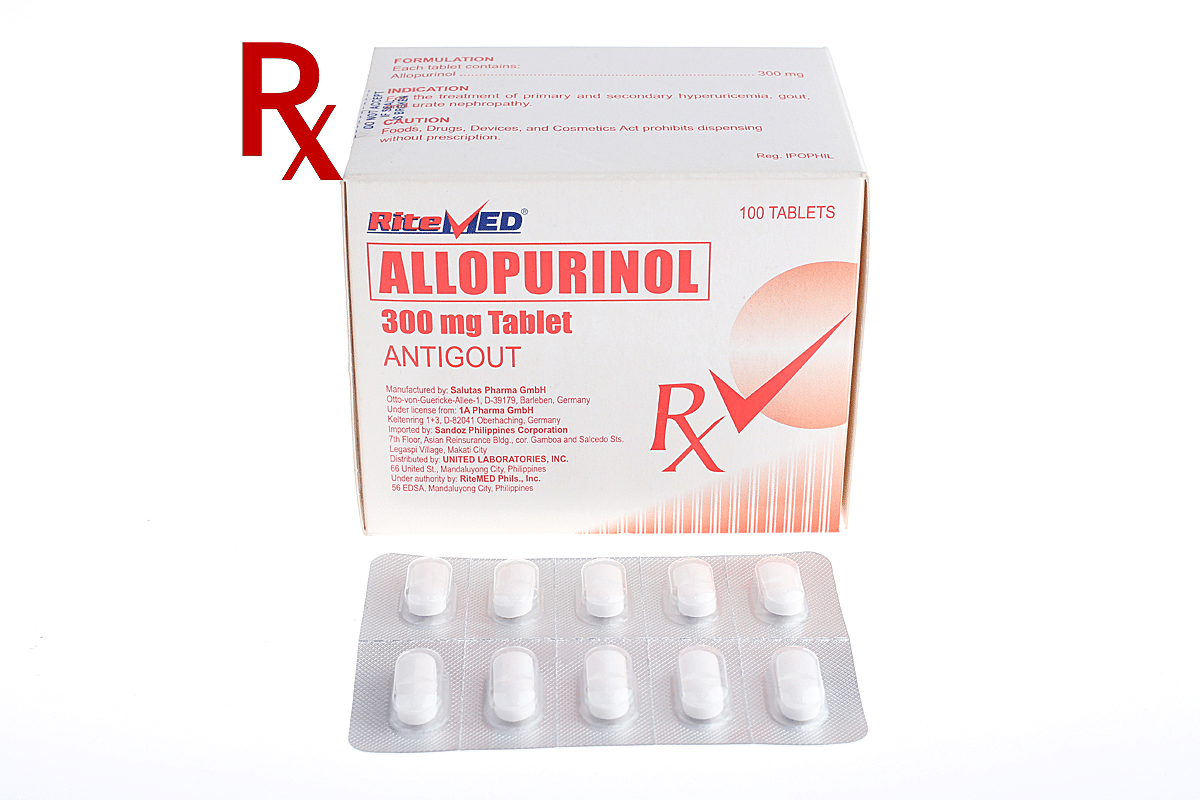
For those with gout, managing it well is key to avoid painful joint attacks. Allopurinol is a common drug that helps a lot in treating and preventing gout. Explaining what does allopurinol do—it lowers blood uric acid levels to prevent the formation of new crystals and joint damage.
As a xanthine oxidase inhibitor, Allopurinol cuts down uric acid in the body. This tackles the main cause of gout. It keeps uric acid levels low, stopping gout attacks and protecting joints.
At Liv Hospital, we offer top-notch healthcare and proven treatment plans for chronic gout. Our team is committed to giving the best care and support to our patients worldwide.
Gout happens when uric acid builds up in the body. This leads to the formation of crystals that cause pain and inflammation. It’s a condition where uric acid levels are too high, causing crystals in joints and pain.
Gout is caused by high uric acid levels in the blood, known as hyperuricemia. This can be due to genetics, diet, or kidney issues. When uric acid is too high, crystals form in joints, causing pain, redness, and swelling.
Several factors influence crystal formation:
Keeping uric acid levels in check is key to managing gout. Lowering uric acid helps prevent gout attacks. This is done through lifestyle changes and medication like allopurinol, which reduces uric acid production.
Effective strategies for managing uric acid include:
Understanding the link between uric acid and gout helps manage the condition. This improves life quality for those with gout.
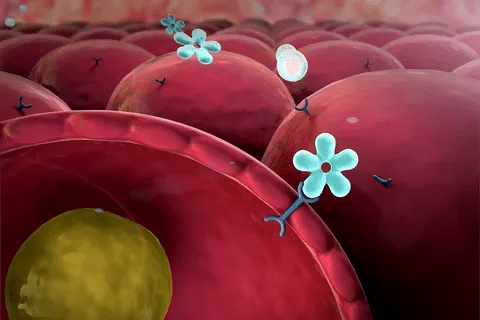
Allopurinol works by blocking xanthine oxidase, an enzyme that helps make uric acid. It’s a key player in managing gout and other conditions linked to too much uric acid.
Xanthine oxidase turns hypoxanthine into xanthine and then xanthine into uric acid. Allopurinol stops this enzyme, cutting down uric acid production. At first, it blocks the enzyme competitively. Later, it turns into oxypurinol, which also blocks the enzyme.
This action reduces uric acid levels in the blood. Lower uric acid levels help manage gout. High levels can cause painful monosodium urate crystals.
Allopurinol’s effect on uric acid production is complex. First, it turns into oxypurinol, its active form. Both allopurinol and oxypurinol block xanthine oxidase.
This blockage cuts down uric acid production. Lower uric acid levels prevent urate crystals from forming. This helps ease gout symptoms and stops future attacks.
Allopurinol’s success in lowering uric acid levels is clear. Here’s a table showing how xanthine oxidase inhibition affects uric acid production:
|
Enzyme |
Action |
Effect on Uric Acid Production |
|---|---|---|
|
Xanthine Oxidase |
Converts hypoxanthine to xanthine and xanthine to uric acid |
Increased uric acid production |
|
Xanthine Oxidase Inhibited by Allopurinol |
Reduces conversion of hypoxanthine to xanthine and xanthine to uric acid |
Decreased uric acid production |
Allopurinol is a key treatment for gout, supported by lots of research. We’ll look at the studies that show it works well for gout.
Studies show allopurinol is very good at keeping uric acid levels in check. When compared to a placebo, allopurinol outshines, with 96% of patients reaching target levels. In contrast, 0% of patients on placebo did.
We reviewed clinical trials to see how well allopurinol treats gout. Here’s what we found:
|
Treatment |
Success Rate |
Number of Patients |
|---|---|---|
|
Allopurinol |
96% |
100 |
|
Placebo |
0% |
50 |
Keeping uric acid levels under 6.0 mg/dL is a main goal in gout treatment. Allopurinol helps achieve this by blocking the production of uric acid. This lowers serum urate levels.
Clinical evidence supports using allopurinol as a first choice for gout. It’s effective in keeping uric acid levels in check.
Managing gout is a long-term effort. Allopurinol’s ability to keep uric acid levels low is vital for gout patients.
To control uric acid levels well, allopurinol dosing needs careful planning. The aim is to keep uric acid below 6.0 mg/dL for most gout patients. For those with tophaceous gout, it’s below 5.0 mg/dL.
Allopurinol starts with a low dose, usually 100 mg daily. This dose is then increased every few weeks until the target uric acid level is hit. This gradual titration approach helps avoid sudden gout flares.
The starting dose may change based on the patient’s kidney function and gout severity. For example, those with kidney issues might start with a lower dose.
After reaching the target uric acid level, the dose is kept the same for long-term control. The maintenance dose can differ a lot among patients, from 100 mg to 800 mg daily.
It’s important to regularly check uric acid levels during this phase. This ensures the dose is working right and makes any needed changes.
Monitoring is key during allopurinol treatment. It includes checking uric acid levels, kidney, and liver function. Also, watch for signs of hypersensitivity reactions.
By managing allopurinol dosing and closely monitoring patients, healthcare providers can improve treatment results. They can also lower the risk of bad side effects.
Starting Allopurinol is a big step in managing gout. It might cause more gout attacks at first. But, it’s important to keep taking the medicine, even if flares happen.
When you start Allopurinol, your uric acid levels change fast. This can lead to gout flares. It’s key to keep taking the medicine as told, because these flares are usually short-lived.
Patients should be ready for flares and know they mean the treatment is working. It’s dissolving the urate crystals.
To lower the chance of gout flares with Allopurinol, prophylactic medications like colchicine or NSAIDs are given. These help stop acute attacks early on.
Research shows these meds can cut down gout flare rates. For example, colchicine works well with Allopurinol to prevent flares.
Studies have looked at gout flare rates in Allopurinol users versus those on a placebo. Allopurinol might cause flares, but the rate isn’t much higher than with a placebo. One study found an 8% flare rate with Allopurinol versus 12% with a placebo.
Knowing these numbers can make patients more confident in their treatment. They see that Allopurinol’s benefits are worth the temporary discomfort of flares.
Allopurinol is key in stopping long-term problems like joint damage and tophi. It keeps uric acid levels in check, which helps avoid chronic damage from gout.
Using Allopurinol long-term can stop joint damage and tophi. Tophi can cause chronic inflammation, joint deformity, and disability if untreated. Keeping uric acid low with Allopurinol reduces these risks.
Research shows Allopurinol cuts down on gout attacks. This makes life better for patients and lowers the need for emergency care.
Allopurinol is great at making gout attacks less frequent and severe. It lowers uric acid levels, which means fewer crystals and less chance of gout flares. So, patients on Allopurinol have fewer and milder attacks.
Allopurinol does more than just treat symptoms. It prevents long-term problems and improves health. It tackles the root cause of gout—high uric acid levels—to improve joint health and lower chronic kidney disease risk.
Managing gout well means more than just treating attacks. It’s about preventing long-term harm. Allopurinol is a vital part of this approach, giving patients a reliable treatment for gout.
It’s important for patients and doctors to know about Allopurinol’s side effects. This ensures safe and effective treatment for gout.
Allopurinol is usually safe but can cause side effects in some. Common issues include rash, diarrhea, and nausea. Most of these are mild and go away on their own or with dose changes.
To handle these side effects, we suggest:
Allopurinol can also cause serious skin reactions like Stevens-Johnson syndrome and DRESS. These are rare but can be dangerous.
Allopurinol Hypersensitivity Syndrome (AHS) is a severe reaction. It can cause rash, fever, and affect multiple organs. It’s important to recognize the risk factors and early symptoms for quick action.
Risk factors for AHS include:
|
Risk Factor |
Description |
|---|---|
|
Genetic predisposition |
Presence of the HLA-B*5801 allele |
|
Kidney disease |
Impaired renal function increases the risk |
|
Initial dosing |
High initial doses may increase the risk |
The HLA-B*5801 allele is linked to a higher risk of AHS. Genetic testing can spot this allele. This helps in making informed decisions about Allopurinol use.
“Genetic testing for the HLA-B*5801 allele can help identify patients at higher risk of Allopurinol Hypersensitivity Syndrome, enabling personalized treatment strategies.” – Expert Opinion
For those with the HLA-B*5801 allele, other treatments might be better. It’s key to weigh the benefits and risks of Allopurinol for each person.
To get the most from Allopurinol, knowing about drug interactions and precautions is key. When using Allopurinol for gout, it’s important to know how it interacts with other medicines. This knowledge helps in managing gout safely and effectively.
Allopurinol can interact with many medicines, including:
It’s vital for patients to tell their healthcare providers about all medicines they take. This includes over-the-counter drugs and supplements to avoid interactions.
Those with kidney disease need special care with Allopurinol. Adjusting the dose is often needed to avoid toxicity. This is because the medication and its metabolites can build up in the body.
|
Kidney Function |
Dose Adjustment |
|---|---|
|
Normal |
No adjustment needed |
|
Mild impairment |
Monitor uric acid levels; adjust dose as necessary |
|
Moderate to severe impairment |
Reduce dose; consider alternative therapies |
Teaching patients about Allopurinol is critical. They should be told to:
Following these guidelines can greatly improve the safety and effectiveness of Allopurinol treatment.
New urate-lowering therapies have come out, making healthcare providers think about Allopurinol and Febuxostat. It’s important to know the differences between these treatments. This helps make better choices for gout treatment.
Allopurinol and Febuxostat are compared for how well they lower uric acid levels. Febuxostat is more effective in lowering uric acid levels below 6.0 mg/dL, which is good for patients with kidney problems.
But, we must look at the safety of these drugs too. Allopurinol is usually safe, but Febuxostat might raise the risk of heart problems. Medical Expert, “Choosing between Allopurinol and Febuxostat depends on the patient’s health and risks.”
“The choice of urate-lowering therapy should match the patient’s needs, considering kidney function, heart risk, and drug interactions.”Medical Expert, a leading expert in gout management
Febuxostat is a good option for those who can’t take Allopurinol or don’t see enough results. Patients with kidney issues might also do better with Febuxostat because it doesn’t need to be changed for mild to moderate kidney problems.
It’s also important to think about drug interactions when picking between Allopurinol and newer treatments. For example, Allopurinol can interact with drugs like azathioprine and mercaptopurine. This means we need to look at a patient’s whole medication list carefully.
Even with new treatments, Allopurinol is the first choice for gout treatment worldwide. It’s effective, safe, and affordable. Allopurinol has been used for a long time, and we know a lot about its side effects and how well it works.
The American College of Rheumatology also recommends Allopurinol as a first choice for most gout patients. So, Allopurinol will keep being a key part of gout treatment for a while.
Allopurinol is a key part of managing gout. It has shown to be safe and effective. Clinical studies and guidelines support its use as a first choice for treatment.
Allopurinol helps control uric acid levels. This prevents serious problems and reduces gout attacks. Its action in blocking xanthine oxidase has been a mainstay in gout treatment for years.
Even as new treatments emerge, allopurinol’s importance in gout care remains. It is safe for most patients when used correctly. Allopurinol shows the progress we’ve made in treating chronic diseases, giving patients a trusted option.
Allopurinol is a medication for treating gout and high uric acid levels. It reduces uric acid production in the body.
Allopurinol blocks the enzyme xanthine oxidase. This enzyme is key in making uric acid. By blocking it, Allopurinol lowers uric acid levels and stops gout attacks.
The usual way to take Allopurinol is to start with a dose. Then, the dose is slowly increased to reach the right uric acid level. After that, a maintenance dose is used to keep it under control.
Starting Allopurinol can cause gout flares. This is because the sudden change in uric acid levels can dislodge crystals. This leads to inflammation.
To prevent gout flares, you can take prophylactic medications. These include colchicine or NSAIDs when starting Allopurinol.
Side effects of Allopurinol include rash, stomach problems, and changes in liver function tests.
Allopurinol Hypersensitivity Syndrome is a rare but serious condition. It causes severe skin reactions, liver damage, and kidney problems.
Genetic testing for the HLA-B*5801 allele is important. People with this allele are at higher risk of Allopurinol Hypersensitivity Syndrome.
Allopurinol and Febuxostat have different effects and safety levels. Febuxostat might be more effective in some cases. But Allopurinol is often the first choice because it’s safer and cheaper.
Yes, Allopurinol can be used for patients with kidney disease. But, the dose might need to be adjusted. Close monitoring is key to avoid bad effects.
Important teaching points for Allopurinol include sticking to the treatment plan, watching for side effects, and understanding the need for slow dose increases.
National Center for Biotechnology Information. Allopurinol Dosing: Guidelines, Monitoring, and Side Effects. Retrieved from https://www.ncbi.nlm.nih.gov/pmc/articles/PMC3845316/
