
Uterine fibroid embolization (UFE) is a non-surgical treatment that has changed millions of lives. It stops the blood flow to fibroids, causing them to shrink and die. But what happens to these fibroids after they die?
The process of fibroid death and how the body reacts is complex. After UFE, the body starts to break down the dead fibroid tissue. This usually leads to a decrease in symptoms like heavy bleeding and pelvic pain.
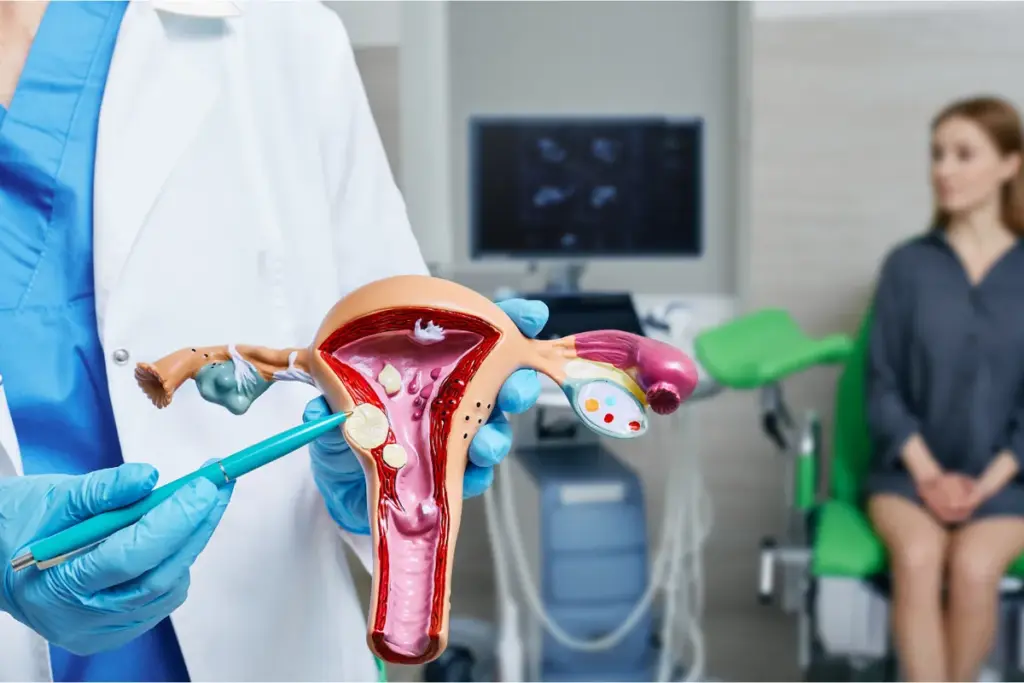
Uterine fibroids, also known as leiomyomas, are non-cancerous growths in the uterus. They can greatly affect a woman’s life. These tumors are common in women of childbearing age and can cause many symptoms.
Uterine fibroids are non-cancerous tumors in or around the uterus. They can differ in size, number, and location. The exact cause of uterine fibroids is not fully understood, but genetics, hormones, and environment are believed to influence them.
Women with uterine fibroids may face several symptoms, including:
These symptoms can greatly impact a woman’s daily life and well-being. In some cases, fibroids can cause anemia from heavy bleeding or urinary retention from bladder pressure.
There are many treatment options for uterine fibroids. These depend on symptoms, fibroid size and location, and the patient’s health and preferences. Treatment options include:
Knowing these treatment options is key to making informed health decisions.
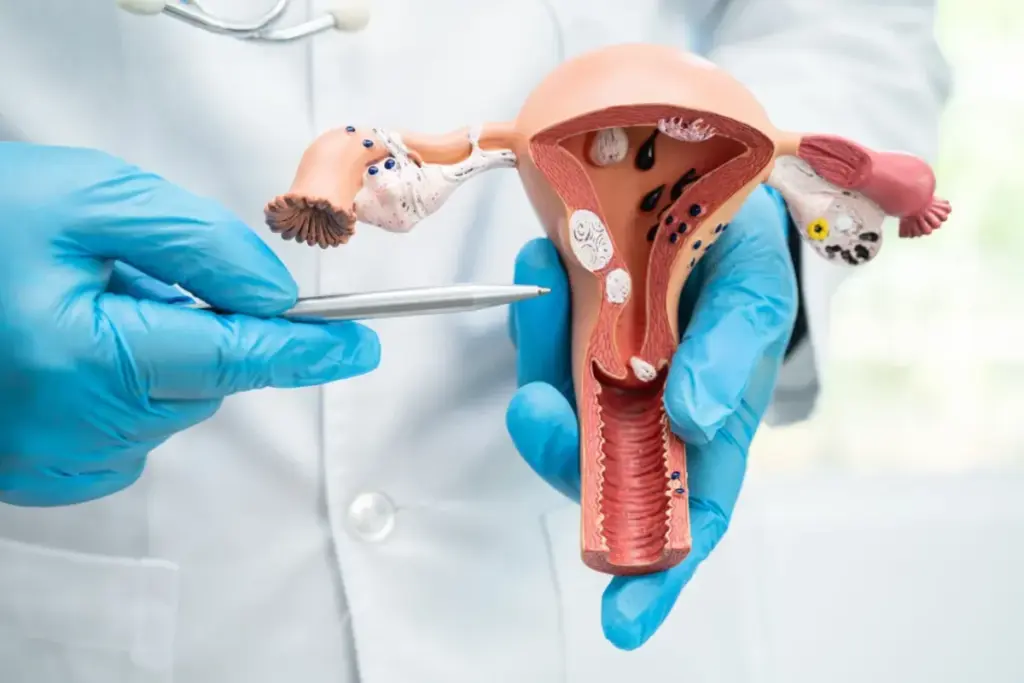
Women looking for a non-surgical option for uterine fibroids find relief in the UFE procedure. This method is a game-changer, providing symptom relief without surgery.
An interventional radiologist performs UFE. They use imaging to guide a catheter to the uterine arteries. Then, they inject embolic material to block blood flow to the fibroids.
The UFE process is precise and minimally invasive. It ensures the surrounding tissue is not harmed. The embolic material blocks blood flow, causing the fibroids to shrink.
The UFE procedure takes place in a hospital or treatment center. Here’s what happens:
After the procedure, patients are monitored for a few hours before discharge. Most go home the same day. Some may feel pelvic discomfort, cramping, and fatigue. These symptoms are managed with pain medication and rest.
“The UFE procedure was a game-changer for me. I was back to my normal activities within a week, and my fibroid symptoms were significantly reduced.” – Patient
The table below summarizes the key aspects of the UFE procedure:
|
Procedure Aspect |
Description |
|---|---|
|
Performed by |
Interventional Radiologist |
|
Anesthesia |
Local Anesthesia |
|
Incision |
Small incision in the groin area |
|
Recovery Time |
Typically a few days to a week |
Uterine fibroid embolization (UFE) starts a complex process that kills fibroids. This method cuts off the blood supply to the fibroids. This is key for their survival.
When the uterine arteries are blocked, fibroids lose oxygen and nutrients. This lack of oxygen and nutrients causes ischemia. As a result, the fibroid cells start to die, a process called necrosis.
Fibroid necrosis is a slow process with several cellular changes. First, cells face hypoxia, or lack of oxygen, because of the reduced blood supply. This eventually leads to cell death and the breakdown of fibroid tissue.
The timeline of changes after UFE varies among people. But here’s a general outline:
Understanding the biological process of UFE helps patients know what to expect. It’s a natural response to the treatment.
UFE causes fibroids to shrink and symptoms to lessen. This change is key to the treatment’s success. It improves the patient’s life by reducing fibroid symptoms.
Fibroids shrink after UFE, but at different rates for everyone. Most see a big size drop in a few months.
Timeline of Fibroid Shrinkage:
After UFE, some fibroids harden due to calcification. This is part of the healing process. It can be seen in imaging studies.
Ultrasound or MRI is key for checking UFE’s success. Comparing before and after images shows how much fibroids have shrunk. It also shows the uterus’s new look.
|
Imaging Criteria |
Before UFE |
After UFE |
|---|---|---|
|
Fibroid Size |
Typically larger, causing symptoms |
Significantly reduced, often asymptomatic |
|
Uterine Appearance |
Enlarged or distorted by fibroids |
More normal in size and shape |
|
Fibroid Calcification |
Not present |
May be observed in some cases |
The change in fibroids after UFE is complex. It includes shrinkage, calcification, and less symptoms. Imaging helps doctors see how well the treatment worked. It also shows patients their progress.
The journey of fibroid shrinkage after UFE is different for everyone. As the body reacts to the embolization, several things can happen to the fibroids.
Often, the body gradually absorbs the dead fibroid tissue. This leads to a decrease in fibroid size over time. The embolization cuts off blood supply, causing the fibroids to shrink and eventually die.
Some women may have the expulsion of fibroid tissue through the vagina. This happens as the body tries to get rid of the dead fibroid material. The process can cause cramping and bleeding, but these symptoms are usually manageable with medical help.
“The process of fibroid shrinkage and possible expulsion is a big concern for patients. Knowing about these possibilities helps prepare for what happens after the procedure.”
In some cases, fibroids stay in the uterus but get much smaller. Even though they don’t disappear completely, their smaller size often greatly reduces symptoms.
It’s key for patients to understand these possible outcomes to manage their expectations and recovery after UFE. The different ways fibroids shrink and are handled by the body highlight the need for personalized care and follow-up.
The process of passing fibroid tissue after UFE can surprise and worry patients. It shows the need for clear understanding and guidance. Women going through recovery after uterine fibroid embolization might see fibroid tissue expelled. This is something that needs to be talked about and explained.
Fibroid tissue expelled can look very different. It might look like flesh-like material or clots. Sometimes, it can be quite big. The color can be dark red to brown, depending on how decomposed it is and if there’s blood.
Patients have shared different experiences with the size and texture of the tissue. Some say it feels gelatinous, while others mention it breaks down into smaller pieces. This difference comes from the unique characteristics of each fibroid and how the body reacts to UFE.
Fibroids can fall out or be expelled naturally after UFE. This happens as the body shrinks the fibroid, leading to it coming out through the vagina. How likely this is depends on the fibroid’s size, location, and the person’s health and response to treatment.
It’s important for patients to know that passing fibroid tissue is a possible outcome of UFE. While it might be scary, it’s often a natural part of healing. But, it’s key to tell the difference between a normal expulsion and a complication that needs medical help.
While passing fibroid tissue is normal, there are times when you need to see a doctor. You should call your doctor if you have heavy bleeding, severe pain, or signs of infection like fever or bad-smelling discharge. Also, if the tissue expelled is worrying, get medical help right away.
Knowing what to expect and when to get help after UFE helps patients feel more in control. Understanding the possibilities and knowing when to seek medical attention can help women manage their health better after uterine fibroid embolization.
The success of UFE for large fibroids depends on several factors. These include the size and number of fibroids. While UFE works well for different sizes of fibroids, bigger ones pose special challenges.
Research shows UFE can work for big fibroids, but success rates might not be the same as for smaller ones. The method cuts off blood to the fibroid, causing it to shrink. For bigger fibroids, the embolization process may need to be more extensive, and sometimes, extra treatments are needed.
Recovering from UFE can be harder for women with large fibroids. Symptoms like pain and discomfort may be more severe and last longer than for smaller fibroids. It’s key for patients to stick to post-procedure care closely to manage these symptoms well.
UFE can be a good choice for patients with multiple fibroids, including large ones. But, the treatment plan must be adjusted for the size and location of the fibroids. Advanced imaging techniques help guide the procedure to ensure all fibroids are treated well.
Knowing the recovery timeline after UFE is key. It helps manage expectations and ensures a smooth healing. The path to full recovery varies but is generally predictable.
The first week after UFE is very important. Patients often feel cramping, pain, and fatigue. These symptoms are managed with medication and rest.
By three months post-UFE, most women see big improvements. The fibroids start to shrink, and the body absorbs the dead tissue.
|
Symptom |
Expected Change |
|---|---|
|
Heavy Bleeding |
Significant reduction |
|
Pelvic Pressure |
Noticeable decrease |
|
Menstrual Cycle |
Regulation and normalization |
One year post-UFE, most patients feel a big relief in symptoms. The quality of life improves a lot. Most fibroids have shrunk a lot, and women can return to normal activities.
The recovery after UFE is a slow process. It requires patience and understanding. Knowing what to expect helps patients navigate their healing journey better.
It’s important to know about the possible complications and side effects of UFE. This treatment is usually safe and works well. But knowing about the risks helps manage them better.
Right after UFE, you might feel pelvic pain, nausea, and fever. These symptoms usually go away with medicine in a few days.
A study in the Journal of Vascular and Interventional Radiology found that pelvic pain is the most common symptom after UFE. It can be controlled with pain medicine.
“The majority of patients experience some degree of post-procedure pain, but this is generally well-controlled with medication.” -Interventional Radiologist
Long-term side effects are rare but can include changes in menstrual cycle, infection, and damage to the uterus. It’s important to talk about these risks with your doctor.
|
Long-term Side Effect |
Frequency |
|---|---|
|
Changes in menstrual cycle |
Common |
|
Infection |
Rare |
|
Uterine damage |
Very Rare |
Necrotic fibroids from UFE are usually not dangerous. The treatment stops blood flow to the fibroids, causing them to shrink and die. The body usually handles the dead tissue without problems.
In conclusion, UFE is a safe and effective treatment. But it’s key to understand the possible complications and side effects. Talking to your healthcare provider about your specific risks and concerns is important.
Understanding the hormonal and reproductive effects of UFE is key for women thinking about it. UFE can change menstrual cycles and fertility.
The impact of UFE on menstrual cycles varies. Some women see changes in menstrual flow or cycle length. A study found that “about 90% of women reported a significant reduction in menstrual bleeding after UFE” (1). Yet, menstrual cycles can also return to normal or near-normal over time.
Fertility is a big concern for women having UFE. Research shows UFE can help preserve fertility in many cases. A medical expert noted,
“UFE is a viable option for women who wish to preserve their fertility while treating fibroids.”
It’s important for women to talk about their fertility wishes with their healthcare provider before the procedure.
Yes, many women have gotten pregnant after UFE. The procedure doesn’t stop pregnancy, and many have had healthy pregnancies after UFE. It’s essential to follow up with a healthcare provider to discuss individual circumstances and any necessary precautions.
In conclusion, UFE can affect hormonal balance and reproductive health. Yet, many women keep their fertility and can get pregnant after UFE. It’s vital to have detailed talks with healthcare providers to understand the implications and make informed choices.
For many women, UFE is a game-changer in their fight against fibroids. It brings significant symptom relief and boosts their quality of life. UFE tackles the fibroids head-on, helping women take back control of their lives.
UFE is a big win for women dealing with heavy bleeding and pain. Studies show that up to 90% of women see a drop in menstrual bleeding after UFE. This leads to a big leap in their quality of life.
The method behind UFE is simple yet effective. It cuts off blood to the fibroids, causing them to shrink and eventually die. This means less menorrhagia (heavy bleeding) and dysmenorrhea (painful periods).
UFE also eases pressure symptoms from big fibroids. Symptoms like pelvic pressure, frequent urination, and constipation get better. This is because UFE makes the fibroids smaller, easing the pressure on nearby organs.
Patients see a big drop in these symptoms. This makes their lives better and lets them do more without pain.
UFE’s success in easing symptoms is clear in high patient satisfaction. Many studies show that most women are happy with UFE’s results. They point to better symptoms and life quality as the main reasons.
This high satisfaction shows UFE is a great option for women looking to ease fibroid symptoms.
After having uterine fibroid embolization (UFE), it’s important to watch how your body reacts. Knowing when to get medical help is key. Most women do well after UFE, but sometimes, they need medical care.
Knowing the signs that mean you need to see a doctor can help avoid problems. It’s vital to listen to your body and not hesitate to call your doctor if something feels off.
Be on the lookout for these warning signs:
If you notice any of these, call your doctor right away.
Some women might feel leg pain after UFE. This pain usually goes away by itself. But, if it’s really bad or you see swelling or redness, you should see a doctor.
Getting follow-up care is very important after UFE. Your doctor will check on you and answer any questions. Make sure to go to these appointments and tell your doctor about any symptoms.
Also, you should:
Being proactive and informed helps you recover safely and effectively from UFE.
Uterine Fibroid Embolization (UFE) is a helpful treatment for women with fibroids. It helps them understand the procedure and its effects. This way, they can make better choices about their health.
The results of UFE are clear: it greatly reduces symptoms and improves life quality. The process works by cutting off blood to the fibroids. This makes them shrink and eventually die.
For those looking into fibroid treatments, UFE is a good choice. It’s less invasive and works well for many. It’s important to talk to a doctor to see if it’s right for you.
Choosing UFE can greatly improve a woman’s health and well-being. It’s a step towards better health.
UFE is a non-surgical, minimally invasive procedure. It cuts off the blood supply to fibroids. This causes them to shrink and die.
Dead fibroids can be absorbed by the body. They can also be expelled through the vaginal passage. Or, they can remain in a reduced form.
Yes, some women may experience the expulsion of fibroid tissue. This can be accompanied by cramping and bleeding.
Yes, UFE can be effective for large fibroids. But, the size and number of fibroids can affect the treatment and recovery.
Common short-term side effects include cramping, pain, and bleeding. These usually resolve within a few days to weeks.
UFE can affect menstrual cycles. But, many women experience a return to normal cycles over time.
Yes, many women retain their fertility after UFE. Pregnancy is possible.
Long-term side effects are generally minimal. But, some women may experience changes in menstrual cycles or other symptoms.
Generally, necrotic fibroids are not dangerous. But, it’s essential to follow up with a healthcare provider to ensure a smooth recovery.
Recovery time varies. But, most women can return to normal activities within a few weeks. Full healing takes several months.
Warning signs include severe pain, heavy bleeding, fever, or other concerning symptoms. These may indicate a complication.
Yes, some women may experience leg pain after UFE. This is usually temporary and manageable with proper care.
The Lancet. Evidence-Based Medical Insight. Retrieved from https://www.thelancet.com/journals/lancet/article/PIIS0140-6736(95)92259-9/fulltext