Last Updated on November 14, 2025 by Ugurkan Demir

Have you ever wondered why losing blood makes you feel weak and tired? When bleeding occurs, it quietly takes away your body’s iron and red blood cells. This loss means your organs get less oxygen, leading to anemia due to bleeding.
Blood loss lowers the count of red blood cells and hemoglobin in your body. The World Health Organization (WHO) says anemia occurs when hemoglobin levels are too low. It’s important to know this because even small, unnoticed bleeding can harm your health if not treated.
Key Takeaways
- Bleeding, whether sudden or gradual, can lead to a reduction in red blood cells and hemoglobin.
- Anemia due to bleeding occurs when the body’s iron and red blood cells are depleted.
- The condition can cause weakness, dizziness, and constant tiredness.
- The World Health Organization (WHO) defines anemia based on hemoglobin levels.
- Untreated bleeding can lead to serious health issues.
- Understanding anemia from blood loss is key to timely medical help.
The Relationship Between Blood Loss and Anemia
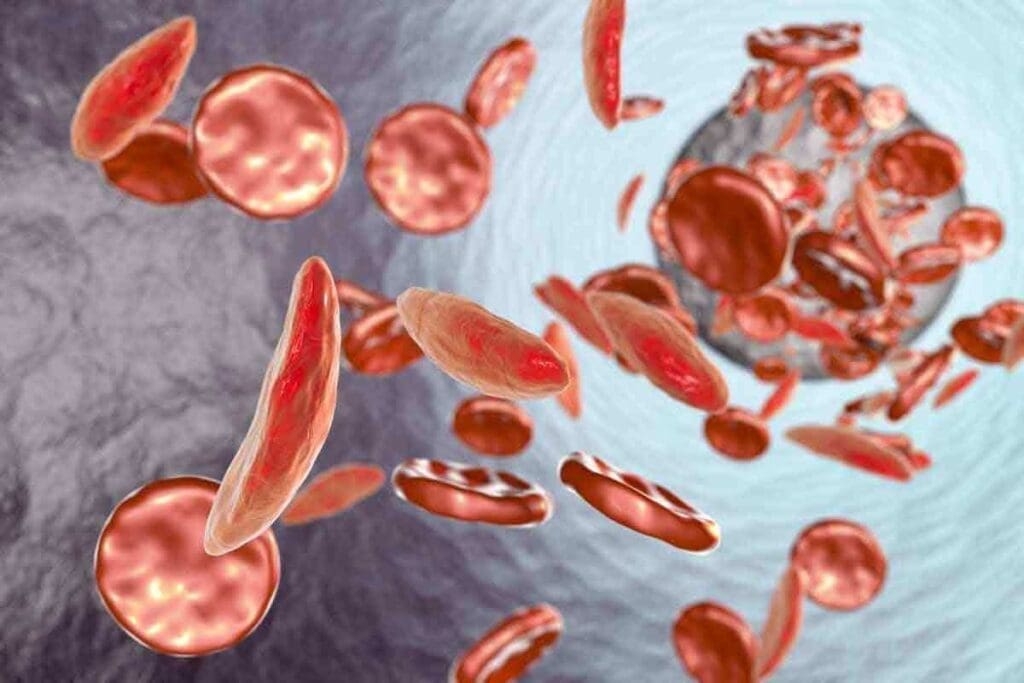
When the body loses blood, it loses red blood cells and hemoglobin. These are key to delivering oxygen to tissues. This loss can cause anemia, a condition with fewer red blood cells or less hemoglobin.
Understanding Red Blood Cells and Hemoglobin
Red blood cells carry oxygen from the lungs to the body’s tissues. Hemoglobin, a protein in these cells, binds to oxygen. This makes it easier to transport. The National Center for Biotechnology Information says hemoglobin is vital for oxygen supply.
Red blood cells are made in the bone marrow and last about 120 days. Hemoglobin is key to their job, carrying oxygen. When blood is lost, there are fewer red blood cells and less hemoglobin.
How Oxygen Transport Is Compromised
Blood loss reduces red blood cells and hemoglobin. This makes it harder for the body to transport oxygen. This can cause tissues to not get enough oxygen, leading to anemia symptoms.
Oxygen delivery is essential for tissues and organs to work properly. Without enough oxygen, the body tries to keep vital organs supplied.
The Body’s Initial Response to Blood Loss
At first, the body tries to keep up with blood loss. The cardiovascular system works to keep blood pressure up and blood flowing to important areas. It does this by making blood vessels narrower and beating the heart faster.
| Compensatory Mechanism | Description |
| Vasoconstriction | Narrowing of blood vessels to maintain blood pressure |
| Increased Heart Rate | The heart beats faster to circulate the remaining blood volume |
Understanding these responses helps us see how blood loss and anemia are connected.
Mechanisms of Anemia Due to Bleeding
Bleeding, whether sudden or ongoing, sets off a series of body responses that can cause anemia. When blood loss happens, the body’s first goal is to keep oxygen flowing to important organs.
Immediate Effects on Oxygen Delivery
The immediate effect of bleeding is a drop in red blood cells (RBCs). RBCs are key to carrying oxygen around the body. Losing RBCs means the body can’t deliver enough oxygen to tissues.
This can cause hypoxia, where tissues don’t get enough oxygen to work properly.
To make up for less oxygen, the body starts several responses. The heart beats faster to move what RBCs are left more efficiently. The body also tightens blood vessels to send blood to the most important organs.
Compensatory Physiological Responses
When anemia from bleeding happens, the body tries to fix it. It makes more erythropoietin (EPO), a hormone that tells the bone marrow to make new RBCs. It also makes more 2,3-bisphosphoglycerate (2,3-BPG), which helps oxygen get from hemoglobin to tissues.
These efforts are key to keeping tissues oxygenated until RBC counts get back to normal.
Timeline of Red Blood Cell Regeneration
Rebuilding RBCs after blood loss takes time. It can take weeks for the body to replace lost RBCs after a sudden bleed. How fast the bone marrow can make new RBCs depends on iron, vitamin B12, and folate levels.
- The initial response to bleeding involves compensatory mechanisms to maintain oxygen delivery.
- The production of EPO is increased to stimulate RBC production.
- Nutritional support is key for effective RBC regeneration.
Knowing how anemia from bleeding works is vital for treating it well. It includes understanding the immediate effects on oxygen and the body’s efforts to compensate.
Acute vs. Chronic Blood Loss
Acute and chronic blood loss are two different ways anemia can happen. Each has its own challenges and ways to recover. Knowing these differences helps doctors diagnose and treat better.
Sudden Hemorrhage and Its Impact
Acute blood loss happens suddenly, often from injuries, surgery, or internal bleeding. This quick loss can cause hemorrhagic shock, a serious condition needing quick help. The body tries to keep blood pressure up and organs working.
We’ll look at how sudden bleeding affects the body and why quick treatment is key to avoiding lasting harm.
Gradual Blood Loss Over Time
Chronic blood loss happens slowly over time. It can be from stomach problems, heavy periods, or bleeding in the urinary tract. This slow loss can lead to iron deficiency anemia as iron stores get used up.
Because it happens slowly, the body can adjust a bit. But it can also go unnoticed until it’s very bad.
Comparing Recovery Processes
Recovering from acute and chronic blood loss is very different. Acute loss needs quick action, like blood transfusions and surgery. Chronic loss needs ongoing care, like iron pills and fixing the cause.
We’ll dive deeper into how recovery works for each, showing the big differences and why treatment needs to match the situation.
| Characteristics | Acute Blood Loss | Chronic Blood Loss |
| Onset | Sudden | Gradual |
| Causes | Trauma, surgery, severe internal bleeding | Gastrointestinal disorders, heavy menstruation, and urinary tract bleeding |
| Initial Response | Compensatory mechanisms to maintain blood pressure | Gradual depletion of iron stores |
| Treatment Approach | Immediate intervention, blood transfusions, and urgent surgery | Ongoing management, iron supplementation, and treating the underlying cause |
Understanding the differences between acute and chronic blood loss helps doctors tailor treatments. This approach can improve outcomes for those with anemia caused by bleeding.
Common Causes of Acute Bleeding Leading to Anemia
We look at why acute bleeding often leads to anemia. This is a serious health issue. Bleeding quickly lowers red blood cells, causing anemia.
Traumatic Injuries
Traumatic injuries are a top reason for acute bleeding. Severe injuries, like fractures or deep cuts, cause a lot of blood loss. This loss can lower red blood cells, leading to anemia.
Surgical Procedures
Surgeries also cause a lot of bleeding. Patients might need blood transfusions due to this loss. The risk of anemia is higher if a lot of blood is lost or if major organs are involved.
Postpartum Hemorrhage
Postpartum hemorrhage (PPH) is a serious issue after childbirth. It’s when there’s too much bleeding, which can cause severe anemia. PPH is a big problem worldwide, affecting many mothers.
Ruptured Blood Vessels
Ruptured blood vessels can also cause bleeding. This can happen due to trauma or conditions like aneurysms. This type of bleeding is dangerous because it’s not always easy to spot.
In summary, anemia can come from many causes, like injuries, surgeries, PPH, and ruptured blood vessels. Knowing these causes helps doctors treat anemia better.
Sources of Chronic Blood Loss
Chronic blood loss can lead to anemia from many medical conditions. It often shows up with symptoms that are not clear. This makes it hard to find the cause.
Gastrointestinal Disorders
Gastrointestinal issues are a big reason for chronic blood loss. Problems like gastritis, ulcers, and colorectal cancer can cause ongoing bleeding. This bleeding might be seen as blood in the stool or be tiny and hard to spot.
A study in the Journal of Clinical Gastroenterology found that bleeding in the gut is a top reason for iron deficiency anemia. This is true, mostly for older people.
| Gastrointestinal Condition | Common Symptoms | Risk of Anemia |
| Gastritis | Abdominal pain, nausea | High |
| Ulcers | Bleeding, pain | High |
| Colorectal Cancer | Weight loss, changes in bowel habits | High |
Heavy Menstruation
Heavy periods, or menorrhagia, also cause chronic blood loss and anemia. Women with long or heavy periods risk iron deficiency anemia.
“Menstrual blood loss is a significant contributor to iron deficiency anemia in women of reproductive age.” – American Journal of Obstetrics and Gynecology.
Managing heavy periods can include hormones and iron supplements. This helps prevent anemia.
Urinary Tract Bleeding
Bleeding in the urinary tract is less common but can also cause chronic blood loss. Issues like kidney stones, infections, and bladder cancer can lead to blood in the urine.
Finding the cause of urinary tract bleeding is key. It helps manage the issue and avoid anemia.
Occult Bleeding Sources
Occult bleeding is not visible at first. It can happen in the gut or other places. Finding it is hard. Tests like endoscopy and capsule endoscopy are needed to spot it.
Knowing where chronic blood loss comes from is important for treating anemia. By finding and treating the cause, doctors can help patients get better and stay healthy.
Recognizing Symptoms of Anemia Due to Bleeding
It’s important to know the signs of anemia caused by bleeding. This condition can show up in different ways, based on how fast and how much blood is lost.
Physical Manifestations
The signs of anemia due to bleeding can be quite clear. You might feel fatigue, dizziness, and shortness of breath. You could also notice pale skin, cold hands and feet, and headaches.
In serious cases, you might feel lightheaded or faint. This happens because your body doesn’t have enough blood to carry oxygen to your organs.
Cognitive and Emotional Effects
Anemia from bleeding affects your body and mind. You might feel more irritable, have mood swings, and struggle to focus. Not having enough oxygen in your brain can make it hard to do everyday things.
Symptoms Specific to Rapid vs. Slow Blood Loss
The signs of anemia can change based on how fast the blood loss happens. Acute bleeding can cause symptoms to appear quickly. You might feel a rapid heartbeat, low blood pressure, and not be able to make much urine.
Chronic blood loss might show up more slowly. You might always feel tired and weak over time.
| Symptom | Rapid Blood Loss | Slow Blood Loss |
| Fatigue | Severe, sudden onset | Gradual, persistent |
| Dizziness | Common, due to a sudden drop in blood pressure | Less common, unless exacerbated by activity |
| Shortness of Breath | Often present due to reduced oxygen delivery | May develop over time as anemia worsens |
When to Seek Medical Attention
If you notice symptoms of anemia due to bleeding, get medical help right away. Severe symptoms, like chest pain, severe dizziness, or trouble breathing, need urgent care. Getting help early can make a big difference in how well you recover.
Diagnostic Approaches for Blood Loss Anemia
Diagnosing anemia caused by blood loss requires a detailed approach. This includes blood tests and imaging techniques. When symptoms suggest anemia, we start a thorough check to find the cause and how severe it is.
Complete Blood Count Analysis
A complete blood count (CBC) is key in diagnosing anemia due to blood loss. It shows the red blood cell count, hemoglobin levels, and hematocrit. These help us see how severe the anemia is and how well the treatment is working.
- Red Blood Cell Count: Measures the number of red blood cells in the blood.
- Hemoglobin Levels: Shows the amount of hemoglobin in the blood, important for oxygen transport.
- Hematocrit: Tells us the part of the blood volume that red blood cells occupy.
Iron Studies and Ferritin Levels
Iron studies, like serum iron and ferritin levels, are vital for diagnosing iron deficiency anemia. Low ferritin levels mean the body’s iron stores are running low.
Ferritin is a protein that stores iron in the body. Low ferritin levels mean the body’s iron stores are low. This can lead to anemia if not treated.
Imaging Techniques to Locate Bleeding
To find where the bleeding is coming from, we use different imaging techniques. These include:
- Endoscopy: Allows us to see the inside of the gastrointestinal tract to find bleeding sites.
- Imaging Studies: Like CT scans or MRI, which help find the source of bleeding in different parts of the body.
- Angiography: Helps find active bleeding sites, mainly in cases of sudden hemorrhage.
Endoscopic Procedures
Endoscopic procedures are great for diagnosing and sometimes treating gastrointestinal bleeding. A flexible tube with a camera is used to see inside the gastrointestinal tract.
By using these diagnostic methods, we can accurately diagnose anemia due to blood loss. We can find the cause and create a treatment plan that fits the patient’s needs.
Treatment Strategies for Bleeding-Induced Anemia
Dealing with anemia from bleeding needs a full plan. It must fix the bleeding cause and replace lost red blood cells and iron.
Addressing the Underlying Cause
The first step is to find and stop the bleeding. This might mean surgery, medicine to slow bleeding, or other treatments. It depends on the bleeding’s cause and where it is.
Surgery is needed for some injuries or vessel ruptures. For others, medicines like tranexamic acid help by making clots stronger and bleeding less.
Iron Supplementation Methods
Iron supplements are key to making new red blood cells. Oral iron is often used, but sometimes, intravenous iron is needed for severe cases.
- Oral iron works well for mild to moderate iron deficiency.
- Intravenous iron is for severe cases or when oral iron doesn’t work.
Blood Transfusions: When They’re Necessary
Blood transfusions are needed for severe anemia. This is when the body can’t get enough oxygen to vital organs.
Doctors decide on transfusions based on the severity, symptoms, and overall health. Transfusions quickly raise red blood cell counts and improve oxygen delivery.
Medications to Stimulate Red Blood Cell Production
Medicines like erythropoietin also help with anemia. They’re used for patients with chronic diseases.
These medicines boost the bone marrow to make more red blood cells. This improves oxygen to tissues and organs.
Nutritional Support and Prevention
Nutritional support is key in preventing and managing anemia caused by bleeding. A diet rich in essential nutrients helps rebuild blood cells and supports overall health.
Iron-Rich Foods for Rebuilding Blood
Iron is vital for hemoglobin, and eating iron-rich foods is essential for those with anemia. Red meat, poultry, and fish are great sources of iron. Plant-based options like lentils, beans, and fortified cereals also offer a lot of iron.
To better absorb iron, eat foods high in vitamin C (like citrus fruits, bell peppers, and tomatoes) with iron-rich foods.
| Food | Iron Content (mg per serving) |
| Clams | 28 |
| White beans | 8 |
| Red meat (beef) | 3-4 |
| Lentils | 6.6 |
Supporting Nutrients for Hemoglobin Production
Other nutrients are also key to making hemoglobin and red blood cells. These include vitamin B12, folate, and copper. Getting enough of these through diet or supplements is vital for making hemoglobin well.
Dietary Patterns for Optimal Recovery
Eating a balanced diet with whole foods helps recover from anemia. Focus on whole grains, lean proteins, and a variety of fruits and vegetables for the best health.
Preventive Strategies for High-Risk Individuals
For those at high risk of anemia, preventive steps are important. This includes checking iron levels regularly, adjusting diet, and possibly taking supplements with a doctor’s advice.
By focusing on nutrition and preventive steps, people can lower their risk of anemia or manage it well.
Conclusion
Anemia due to bleeding is a serious issue that needs quick action. We’ve seen how bleeding can lower red blood cells and hemoglobin. This makes it hard for tissues and organs to get enough oxygen.
The reasons for anemia from bleeding can be sudden, like a big bleed or surgery. Or they can be ongoing, like problems in the gut or heavy periods. Knowing these causes and symptoms is key to handling them well. For more details.
We’ve talked about how to treat anemia caused by bleeding. This includes fixing the root cause, taking iron, getting blood transfusions, and eating right. By covering the main points, we stress the need to know about and manage anemia from bleeding. This ensures people get the care they need fast and well.
FAQ
What is anemia due to bleeding?
Anemia due to bleeding happens when a lot of blood loss reduces red blood cells and hemoglobin. This makes it hard for the body to carry oxygen.
How does blood loss affect red blood cell count?
Losing blood lowers the number of red blood cells in the body. If the loss is big and the body can’t make enough new cells, it can lead to anemia.
Can bleeding cause anemia?
Yes, bleeding can cause anemia. This is true for both sudden and ongoing blood loss. It reduces the number of red blood cells and hemoglobin needed for oxygen transport.
What are the symptoms of anemia due to bleeding?
Symptoms include feeling tired, weak, and pale. You might also have shortness of breath. In severe cases, you could feel dizzy or faint. The severity and how fast symptoms appear depend on how much and how fast you lose blood.
How is anemia due to bleeding diagnosed?
Doctors use a complete blood count (CBC) to check red blood cells and hemoglobin. They also do iron studies and might use imaging or endoscopy to find where the bleeding is coming from.
What are the treatment strategies for bleeding-induced anemia?
Treatment focuses on stopping the bleeding and giving iron to help make more red blood cells. In severe cases, blood transfusions are needed to quickly increase red blood cell count and hemoglobin.
How can anemia due to bleeding be prevented?
To prevent it, manage conditions that cause chronic blood loss. Also, make sure you get enough iron to help make red blood cells.
What is the role of nutrition in managing anemia due to bleeding?
Nutrition is key in managing anemia. It provides iron, vitamin B12, and folate. These nutrients are needed for making hemoglobin and regenerating red blood cells.
Can anemia due to bleeding be treated with dietary changes alone?
Dietary changes are important but might not be enough on their own. Medical treatment, like iron supplements and blood transfusions, may be needed for significant blood loss.
How does the body respond to acute blood loss?
When the body loses blood suddenly, it tries to compensate. It increases heart rate and tightens blood vessels to keep blood pressure up and vital organs well-perfused.
What is the difference between acute and chronic blood loss anemia?
Acute blood loss anemia comes from sudden, significant blood loss. Chronic blood loss anemia develops over time from ongoing, smaller losses. The body’s response and symptoms differ between these two.
Are there specific groups at higher risk for anemia due to bleeding?
Yes, people with conditions like gastrointestinal ulcers or heavy menstrual bleeding are at higher risk. So are those who have had major surgery or experienced traumatic injuries.
References
- World Health Organization. (2025). Anaemia fact sheet. https://www.who.int/news-room/fact-sheets/detail/anaemia