Last Updated on December 2, 2025 by Bilal Hasdemir

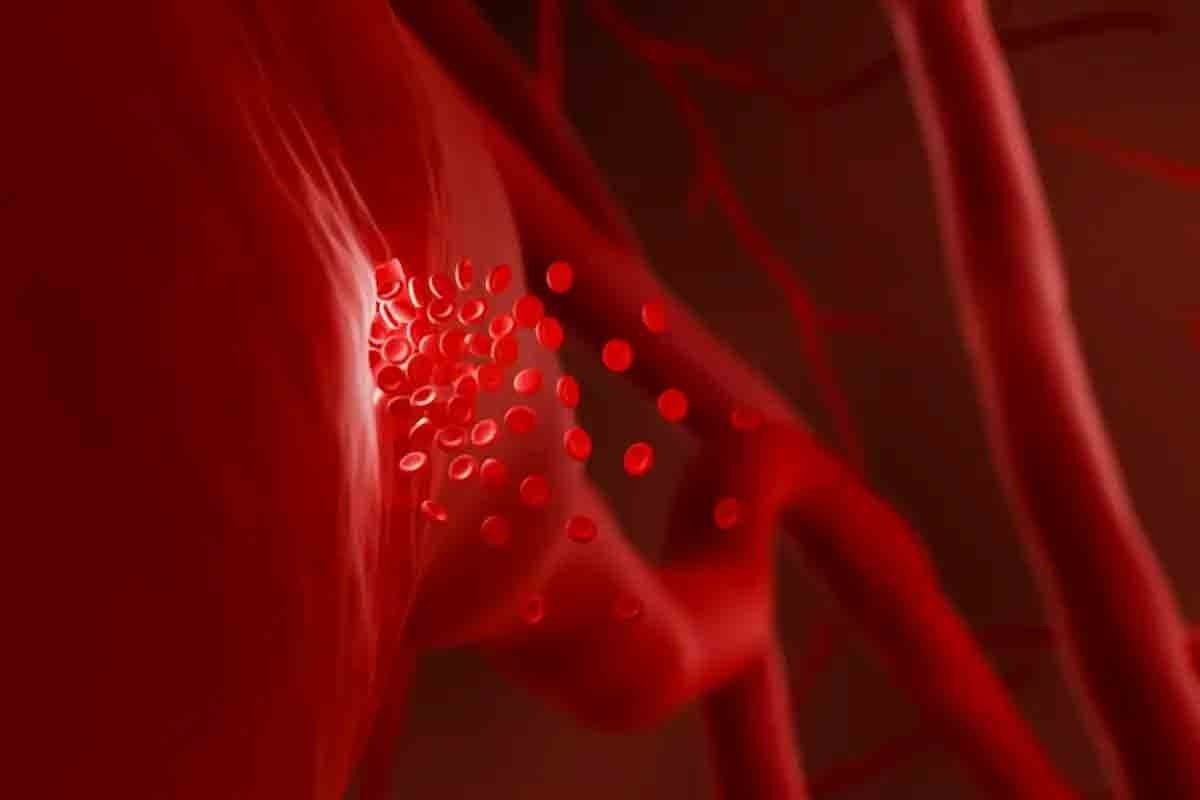
Nearly 40% of children aged 6–59 months and 37% of pregnant women worldwide suffer from anemia. This condition means they don’t have enough healthy red blood cells. These cells are vital for carrying enough oxygen to the body’s tissues.
Comparing the prevalence and unique risk factors of anemia through an Anemia gender risk comparison across different age groups.
We look into how anemia affects men and women differently. We also examine the reasons behind its higher prevalence in certain groups. Biological and physiological factors play a big role in who is more at risk.
Key Takeaways
- Anemia is a significant public health concern globally.
- Prevalence rates vary among different demographics.
- Biological factors contribute to the disparity in anemia risk.
- Understanding these differences is key for effective healthcare.
- Targeted interventions can help reduce anemia risk.
Understanding Anemia: Definition and Types

Anemia is a condition where the body lacks healthy red blood cells. This makes it hard for oxygen to reach tissues. It can make daily life tough.
What is Anemia?
Anemia is not a disease but a sign of another issue. It happens when there aren’t enough red blood cells or when these cells lack hemoglobin. Biological risk factors are key in anemia, affecting some groups more than others.
Common Types of Anemia
There are many types of anemia, each with its own cause. The most common are:
- Iron deficiency anemia: This is due to a lack of iron, needed for hemoglobin.
- Megaloblastic anemia: It’s when red blood cells are too big, often because of vitamin B12 or folate deficiency.
- Pernicious anemia: A type of megaloblastic anemia caused by not being able to absorb vitamin B12.
Knowing these types is important for gender-based health research. The impact of anemia can differ between genders.
| Type of Anemia | Cause | Common Symptoms |
| Iron Deficiency Anemia | Lack of iron | Fatigue, weakness |
| Megaloblastic Anemia | Deficiency in vitamin B12 or folate | Fatigue, shortness of breath |
| Pernicious Anemia | Inability to absorb vitamin B12 | Weakness, tiredness |
Symptoms to Watch For
Symptoms of anemia vary by type and severity. They often include fatigue, weakness, pale skin, and shortness of breath. Spotting these symptoms early is key for treatment.
A better understanding of anemia enables us to address it more effectively. This leads to better health outcomes through gender-based health research and physiological risk determination.
Gender Differences in Anemia Prevalence
Research shows a big difference in anemia rates between men and women. This difference comes from many health and biological factors. We’ll look at why women are more likely to get anemia and what affects men.
Why Are Women at Higher Risk?
Women face a higher risk of anemia for several reasons. Menstruation, pregnancy, and childbirth can lead to iron loss. Menstruation causes regular blood loss, which lowers iron levels over time. A study in the Journal of Women’s Health found that menstrual blood loss is a big reason for iron deficiency anemia in women of childbearing age.
“Menstrual blood loss is a significant factor in the development of iron deficiency anemia, highlighting the need for regular monitoring and preventive measures in women of reproductive age.”
Journal of Women’s Health
During pregnancy, the body needs more iron. This is to support the mother’s increased blood and the baby’s needs. If not managed well, this can increase the risk of anemia. We need to consider these factors when looking at anemia risk in women.
| Risk Factor | Description | Impact on Anemia Risk |
| Menstruation | Regular blood loss | Increases risk due to iron loss |
| Pregnancy | Increased iron demand | Higher risk if not managed properly |
| Childbirth | Blood loss during delivery | Contributes to postpartum anemia risk |
Male Factors Influencing Anemia Risk
Men can also get anemia, though women are more at risk. Chronic diseases like kidney disease, cancer, and HIV/AIDS can cause anemia in men. They can affect the body’s ability to make red blood cells or cause chronic inflammation. Also, gastrointestinal disorders like Crohn’s disease or ulcers can make it hard for the body to absorb iron, raising anemia risk.
Lifestyle choices, like dietary habits and alcohol consumption, also matter. A diet lacking iron, folate, and vitamin B12 can lead to anemia. It’s key to eat a balanced diet to prevent anemia.
- Dietary deficiencies
- Chronic diseases
- Gastrointestinal disorders
- Chronic alcohol consumption
Knowing the gender-specific reasons for anemia is important for prevention and treatment. By understanding the different risks and causes, healthcare providers can give better care.
Biological Factors Affecting Anemia Risk
Many biological factors can lead to anemia, affecting people differently. We’ll look at these factors closely. We’ll see how they raise anemia risk and affect health.
Hormonal Influences on Anemia
Hormonal changes can greatly affect anemia risk. For example, changes in estrogen levels can impact iron use. This is a big part of why anemia risk varies between genders.
A better understanding of anemia enables us to address it more effectively.
Role of Iron Metabolism
Iron metabolism is key in anemia development. How well the body absorbs and uses iron can lead to anemia. This shows why studying these processes is vital.
A table below shows how different biological factors impact anemia risk:
| Biological Factor | Impact on Anemia Risk | Population Most Affected |
| Hormonal Changes | Affects iron metabolism | Women, specially during menstruation and pregnancy |
| Iron Metabolism Variations | Influences iron availability for erythropoiesis | People with low iron intake or poor absorption |
| Genetic Predispositions | Can affect hemoglobin production or red blood cell lifespan | Families with a history of anemia or genetic disorders |
Understanding these biological factors helps us figure out who’s at risk. We can then take steps to prevent anemia.
Nutritional Considerations for Anemia
Understanding anemia’s nutritional aspects is key for prevention and management. This is true, with a focus on gender differences. Nutritional deficiencies, like iron, folate, and vitamin B12, play a big role in anemia.
Dietary habits and nutritional intake differ between genders, affecting anemia risk. A medical prevalence study must look at these differences. This helps us grasp anemia’s nutritional side.
Iron Intake: Gender Comparisons
Iron deficiency is a top cause of anemia, with gender differences in risk. Women, mainly those of childbearing age, face higher risks due to menstrual iron loss. It’s important to consider these factors when looking at nutritional intake and anemia risk.
Gender-based health research shows men generally have more iron than women. But, certain conditions can affect iron absorption in both. Understanding these differences is key for personalized nutritional advice.
Importance of Folate and B12
Folate and vitamin B12 are vital for making red blood cells. Not having enough can cause anemia. A balanced diet with folate-rich foods and vitamin B12 sources is essential.
A medical vulnerability assessment can spot those at risk of anemia due to nutritional deficiencies. By knowing the nutritional aspects of anemia, we can give specific dietary advice. This helps prevent or manage anemia.
In summary, nutrition is a big deal in anemia, with clear gender differences. By recognizing these differences and pushing for balanced diets, we can lower anemia risk in both men and women.
Anemia in Women: Special Considerations
Women face higher risks of anemia due to gender-specific health risks. These risks grow during pregnancy and menstrual cycles. It’s key to understand these risks to create effective solutions.
Pregnancy and Anemia Risk
Pregnancy boosts the need for iron and other nutrients. This makes pregnant women more likely to get anemia. Iron deficiency anemia is common because of the increased blood volume and the fetus’s needs.
Several factors contribute to anemia in pregnancy:
- Inadequate iron intake
- Multiple pregnancies
- Poor iron absorption
- Existing nutritional deficiencies
A study on medical demographic analysis found that anemic pregnant women face higher risks. These include preterm labor, low birth weight, and other complications. So, it’s vital to manage anemia during pregnancy.
Menstrual Health and Iron Loss
Menstruation also plays a big role in anemia in women. Heavy bleeding can cause a lot of iron loss, raising the risk of iron deficiency anemia.
Important points for menstrual health and anemia are:
- Checking menstrual flow for heavy bleeding
- Making sure to get enough iron through food or supplements
- Watching for signs of anemia, like tiredness and pale skin
According to a
“study on physiological risk determination, women with heavy menstrual bleeding are at a significantly higher risk of anemia, highlighting the need for early intervention and preventive measures.”
By grasping these physiological risk factors and using the right prevention, we can lower anemia in women. Our strategy includes medical statistical analysis to spot high-risk groups. Then, we create health plans tailored for them.
Anemia in Men: Leading Causes
Anemia in men is a big health issue. It comes from many things, like long-term health problems and how we live. Knowing why it happens helps us fight it.
Chronic Conditions Contributing to Anemia
Long-term illnesses are a big reason for anemia in men. Chronic kidney disease, diabetes, and rheumatoid arthritis can cause it. These diseases can lower the body’s ability to make red blood cells.
Some main long-term conditions that cause anemia are:
- Chronic Kidney Disease: Lowers the hormone that makes red blood cells.
- Diabetes: Causes long-term inflammation and can harm the kidneys.
- Rheumatoid Arthritis: Long-term inflammation can stop the body from making red blood cells.
Lifestyle Factors Affecting Risk
Our lifestyle choices also play a big part in anemia risk. What we eat is very important. Not getting enough iron, folate, or vitamin B12 can cause anemia. Drinking too much alcohol can also hurt our body’s ability to make red blood cells.
Important lifestyle factors include:
- Dietary Deficiencies: Not getting enough iron, folate, or vitamin B12.
- Excessive Alcohol Consumption: Causes nutritional problems and hurts the bone marrow.
Age-Related Anemia and Gender
Anemia’s likelihood changes with age, showing different patterns in men and women. As we get older, our bodies undergo changes that can raise anemia risk.
Changes in Anemia Risk with Age
Younger people’s anemia risk is mainly due to menstrual blood loss in women. But, as we age, chronic diseases, nutritional issues, and medications play bigger roles.
After 65, anemia’s prevalence grows. Medical studies show anemia’s increasing impact on the elderly.
| Age Group | Prevalence of Anemia in Men (%) | Prevalence of Anemia in Women (%) |
| 20-39 years | 2.5 | 10.2 |
| 40-59 years | 4.1 | 8.5 |
| 60-79 years | 7.3 | 9.1 |
| 80+ years | 12.1 | 14.5 |
Anemia in the Elderly: Gender Trends
Anemia is a big worry for the elderly, linked to more health problems and lower quality of life. Men and women face different risks, based on their biology.
Men often get anemia from chronic diseases like cancer or bleeding in the gut. Women might get it from iron deficiency, made worse by menstrual losses.
Tracking anemia in the elderly shows it’s a big issue. We need to find and treat it in a way that considers gender differences.
Understanding these gender trends helps us create better care plans for men and women as they age.
Diagnostic Approaches to Anemia
Healthcare providers must consider gender differences when diagnosing anemia. They use medical history, physical exams, and tests to find the condition. Blood tests are key in identifying anemia and its severity.
Blood Tests and Gender Differences
Blood tests are essential for diagnosing anemia. They measure hemoglobin, red blood cell count, and iron levels. Gender differences are significant in the interpretation of these tests because normal ranges vary between men and women. For example, hemoglobin levels are different for men and women due to physiological differences.
Importance of Complete Evaluation
While blood tests are important, a complete evaluation is needed for an accurate diagnosis. This includes looking at the patient’s medical history, diet, and lifestyle. A thorough evaluation helps in identifying the underlying cause of anemia, which is key for effective treatment. For women, menstrual history and pregnancy status are important. For men, diet and alcohol consumption are significant factors.
Key diagnostic considerations include:
- Complete Blood Count (CBC) to assess hemoglobin and hematocrit levels
- Iron studies to evaluate iron deficiency
- Vitamin B12 and folate levels to diagnose deficiencies
In conclusion, diagnosing anemia requires a multifaceted approach that considers gender-specific factors. By combining blood tests with a complete evaluation, healthcare providers can accurately diagnose anemia. They can then develop effective treatment plans tailored to the individual’s needs.
Treatment Options Based on Gender
Anemia treatment varies by gender. This is because men and women have different health needs. So, treatment plans must be tailored to each person.
Dietary Changes and Supplementation
Making dietary changes is often the first step in treating anemia. Increasing iron intake is key, mainly for women of childbearing age. Foods like red meat, spinach, and fortified cereals are good sources of iron.
Adding vitamin C to your diet can also help iron absorption. Foods high in vitamin C, such as citrus fruits and bell peppers, are beneficial when eaten with iron-rich foods.
For those with folate or vitamin B12 deficiency anemia, eating more foods rich in these nutrients is important. This includes leafy greens and animal products. Sometimes, supplementation is needed, even if dietary changes are made.
| Nutrient | Food Sources | Importance in Anemia |
| Iron | Red meat, spinach, fortified cereals | Critical for preventing iron deficiency anemia |
| Folate | Leafy greens, legumes, citrus fruits | Essential for preventing folate deficiency anemia |
| Vitamin B12 | Animal products, fortified plant-based milk | Necessary for the production of red blood cells |
When to Consider Medical Intervention
While diet and supplements are often enough, sometimes medical help is needed. This is true for severe anemia or when anemia is caused by a chronic condition. In these cases, more intensive treatments may be required.
“The management of anemia requires a holistic approach. It must consider the patient’s health, the cause of their anemia, and their gender-specific needs.”
— Expert in Hematology
It’s important to consider a patient’s gender when planning treatment. For example, women with heavy menstrual bleeding may need different treatment than men with anemia due to chronic disease. Understanding these differences is key to effective management.
- Identify the underlying cause of anemia through thorough testing.
- Develop a treatment plan that considers the patient’s gender, health, and specific needs.
- Monitor the patient’s response to treatment and adjust the plan as needed.
By taking a gender-informed approach to anemia treatment, we can improve outcomes and enhance patients’ quality of life. Our goal is to provide care that is both medically effective and sensitive to each patient’s unique needs.
Preventive Strategies for Anemia
To prevent anemia, we need a plan that considers how men and women are different. Understanding these differences helps us create better ways to lower anemia risk.
Tailoring Lifestyle Modifications
It’s important to make lifestyle changes that fit the needs of men and women. For example, women who might have babies should eat more iron during their periods. Men with long-term health issues should work on managing their risks.
Public Health Initiatives
Public health efforts are key in fighting anemia. By spreading the word about how to prevent anemia, we can help more people. Also, making sure everyone can get checked and treated is vital.
With these steps, we can lower anemia risk and improve health for everyone.
FAQ
What is anemia and how does it affect different genders?
Anemia is when your body doesn’t have enough healthy red blood cells. This makes it hard for your body to get enough oxygen. Both men and women can get anemia, but some groups are more at risk. This is because of things like how iron is used in the body and hormones.
Why are women more likely to develop anemia?
Women are more likely to get anemia because of things like menstruation and pregnancy. These factors affect how iron is used in the body. This is why anemia is more common in women, mainly during their reproductive years.
What role does iron intake play in preventing anemia?
Eating enough iron is key to avoiding anemia. We suggest that people, and women in particular, make sure they get enough iron. This can be through food or supplements. Iron deficiency is a big reason for anemia, and changing your diet can help prevent or manage it.
How does anemia risk change with age?
As people get older, their risk of anemia goes up. This is because of things like health problems and changes in what they eat. Older adults are more likely to get anemia. Knowing this helps us create plans to help them.
What are the diagnostic approaches to anemia?
To find out if someone has anemia, doctors do blood tests. They look at gender differences and other things too. These steps help us figure out if someone has anemia and how to treat it.
What treatment options are available for anemia based on gender?
There are different ways to treat anemia, depending on the person and their gender. We look at things like iron levels and other nutrients. This helps us make treatment plans that work best for each person.
How can anemia be prevented?
To stop anemia, people can make healthy choices. This includes eating right and public health efforts. We tell people to eat foods rich in iron, folate, and vitamin B12. This can help lower the risk of anemia.
What are the leading causes of anemia in men?
Men can get anemia because of health issues and how they live. Things like stomach problems and not eating well can cause it. We work on ways to help men avoid these risks.
How does pregnancy affect anemia risk?
Being pregnant makes women more likely to get anemia. This is because their body needs more iron and goes through other changes. We give advice on how to manage anemia during pregnancy, like changing what you eat and taking supplements.
What is the importance of folate and vitamin B12 in preventing anemia?
Folate and vitamin B12 are very important for avoiding anemia, like megaloblastic anemia. We tell people to eat enough of these or take supplements. This can help lower the risk of anemia.
How do hormonal influences affect anemia risk?
Hormones, like during menstruation and pregnancy, can change how likely someone is to get anemia. They affect how iron is used in the body. We take these factors into account when we check for anemia and plan treatments.
References
National Center for Biotechnology Information. Evidence-Based Medical Insight. Retrieved from https://pubmed.ncbi.nlm.nih.gov/35608810/