Last Updated on November 24, 2025 by
Knowing how long anesthesia stays in your system is key for your safety and recovery. At Liv Hospital, we focus on you, using the newest methods for a safe recovery.
Anesthetic drugs block pain during medical procedures. How long they last in your system changes based on your age, how fast you metabolize, and the anesthesia type.
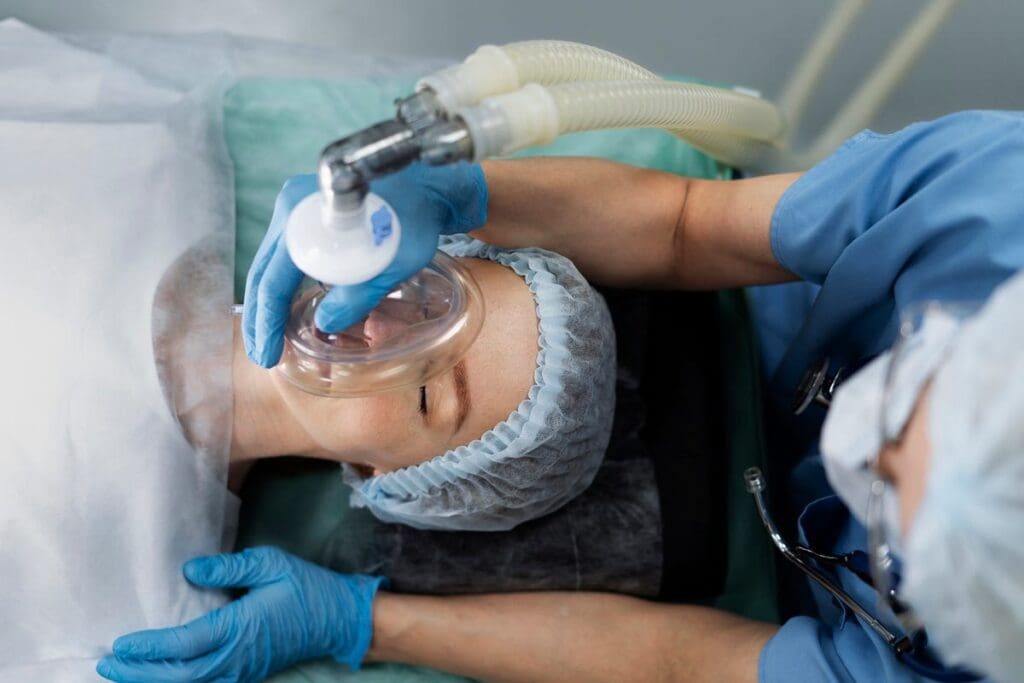
We know patients worry about how long anesthesia stays in their system. The time it takes for anesthesia to leave your body depends on the procedure, your health, and the anesthetic used.
Key Takeaways
- The effects of anesthesia typically begin to wear off within minutes to several hours.
- Full elimination from the body depends on individual factors such as age, metabolism, and organ function.
- The type of anesthesia used influences the clearance time.
- Liv Hospital prioritizes patient-centered care and utilizes the latest protocols for safe recovery.
- Understanding anesthesia clearance is vital for patient safety and improving hospital outcomes.
Understanding Different Types of Anesthesia
It’s important for patients to know about the different types of anesthesia. This knowledge helps them understand what to expect before, during, and after surgery. Anesthesia is a complex field that ensures patients are comfortable and safe during surgery.
There are three main types of anesthesia: local anesthesia, regional anesthesia, and general anesthesia. Each type is used for different reasons. It depends on the surgery, the patient’s health, and other factors.
General Anesthesia vs. Local Anesthesia
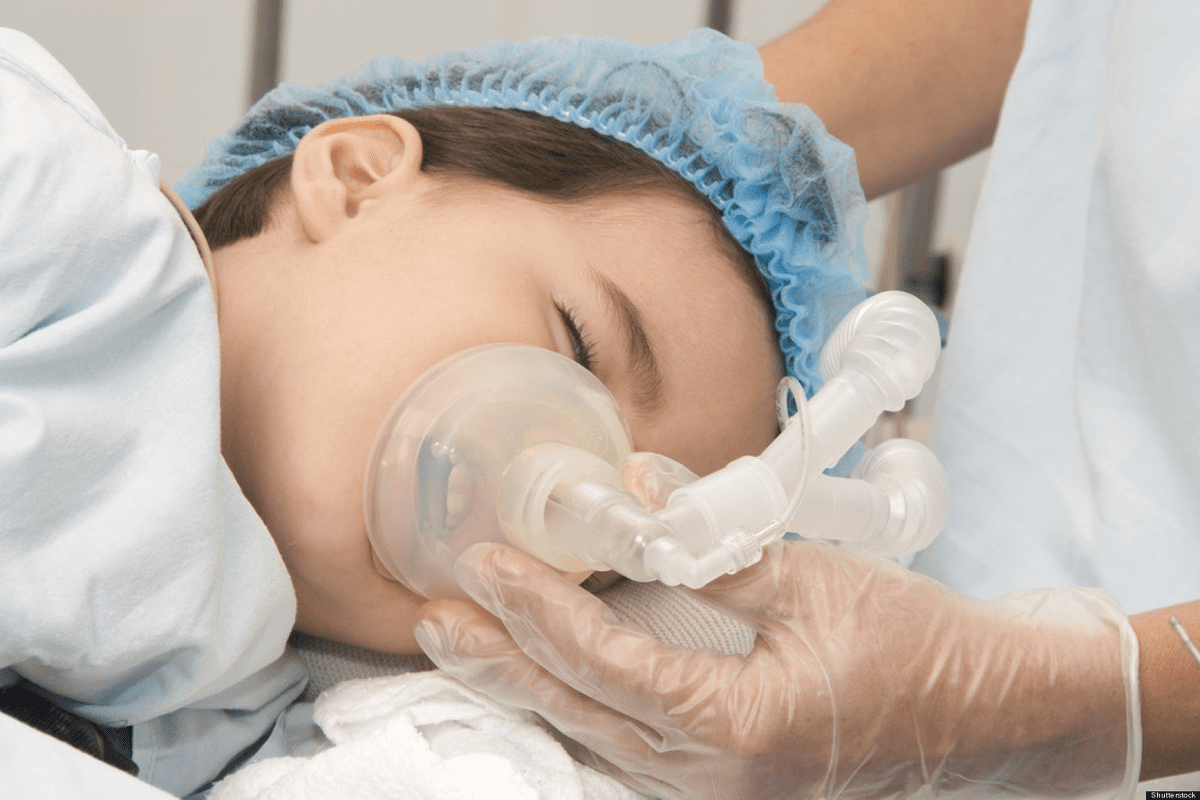
General anesthesia makes the patient unconscious. It’s used for major surgeries. The whole body is affected, and an anesthesiologist must closely monitor the patient.
Local anesthesia numbs a specific area. This allows the patient to stay awake and alert during the procedure. It’s perfect for minor surgeries.
- General Anesthesia: Used for complex surgeries, it induces a state of unconsciousness.
- Local Anesthesia: Numbs a specific area, ideal for minor procedures.
The choice between general and local anesthesia depends on the surgery, the patient’s health, and the anesthesiologist’s advice.
How Anesthetic Agents Work in Your Body
Anesthetic agents block nerve signals in the body. For general anesthesia, these agents are given through inhalation or intravenous routes. They affect the brain and nervous system to make the patient unconscious.

For local anesthesia, the agents are applied directly to the area or injected near the nerves. This blocks pain signals to the brain. Knowing how these agents work shows the precision and care in anesthesia administration.
- The anesthetic agent is administered via the chosen method.
- The agent interacts with nerve cells, either blocking pain signals or inducing unconsciousness.
- The effect is carefully monitored and adjusted as necessary by the anesthesiologist.
The Timeline for Anesthesia to Leave Your System
Understanding when anesthesia leaves your system can ease worries and help you plan after surgery. At Liv Hospital, we know how important clear guidance is during your recovery.
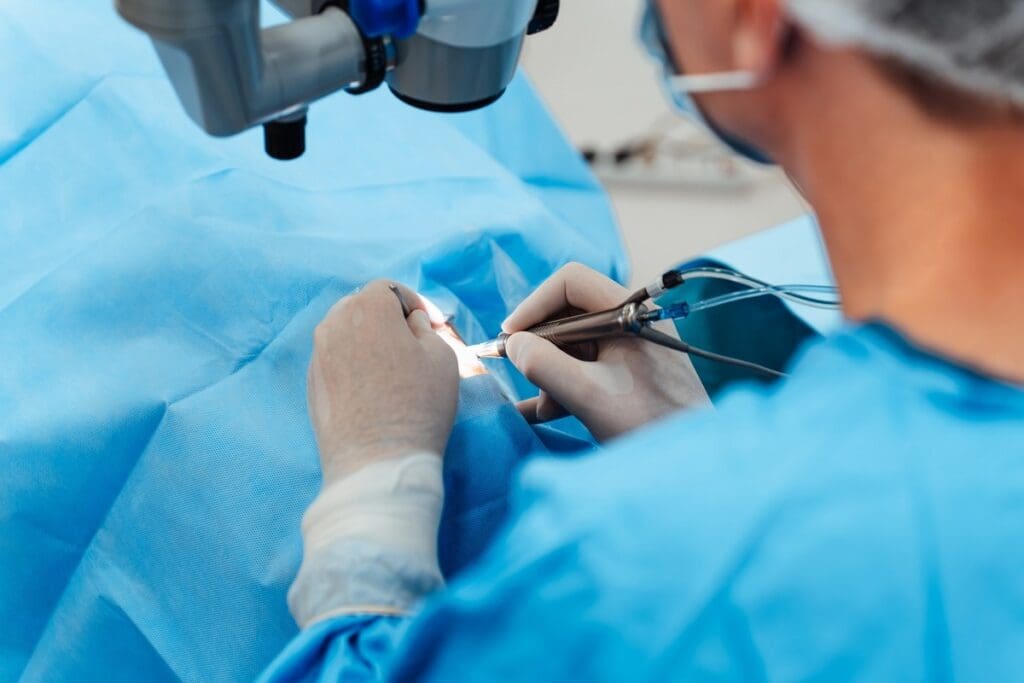
Complete Elimination: 24-48 Hours for Most Patients
Most adults wake up feeling alert 30–60 minutes after surgery. It takes up to a week for the body to remove all medicines. But, most people feel fine after about 24 hours.
For quick-acting general anesthetics, recovery is usually within 30–60 minutes. But, it can take longer for all anesthetic agents to leave the body. This usually happens in 24 to 48 hours for most people.
Recovery times can vary. This depends on the type and amount of anesthetic, and how fast your body processes it. Our team at Liv Hospital is here to help. We guide you through what to expect during your recovery.
When You Can Expect to Feel Normal Again
Even though the anesthetic is mostly gone in 24-48 hours, it might take longer to feel fully back to normal. Your health, age, and the surgery type can affect how fast you recover. Most patients can get back to normal activities in a few days.
At Liv Hospital, we support you every step of the way. Our team is ready to answer your questions and give you personalized care. We want your recovery from anesthesia to be smooth and safe.
5 Key Factors That Affect Anesthesia Elimination
Knowing what affects anesthesia elimination helps you get ready for your surgery and recovery. At Liv Hospital, we focus on these factors to give you the best care.
Anesthesia elimination varies from person to person. Your body’s size, organ health, the anesthetic type, and genetics all play a part. These elements decide how fast you’ll wake up after anesthesia.
Body Mass Index and Weight
Your body mass index (BMI) and weight matter a lot. People with a higher BMI might take longer to get rid of anesthesia. We adjust your dosage based on this.
Liver and Kidney Function
Your liver and kidney function are key for getting rid of anesthesia. These organs help break down and remove the anesthetic. If they’re not working well, we change your anesthesia plan for your safety.
Type and Dosage of Anesthetic Used
The type and dosage of anesthetic used affects how fast it’s removed. Different anesthetics break down at different speeds. Our team picks and doses carefully to speed up your recovery.
Individual Genetic Variations
Genetic variations can change how you metabolize anesthesia. Some people might process certain anesthetics slower. We take your genetics into account when planning your anesthesia.
By understanding and addressing these factors, we can make your anesthesia plan fit you perfectly. This ensures a smoother and quicker recovery.
Modern Advancements in Anesthesia Recovery
Advances in anesthesiology have brought about enhanced recovery protocols. These changes have greatly improved how patients get better after anesthesia. Modern techniques and proven practices are key to these improvements.
Enhanced Recovery After Surgery (ERAS) Protocols
ERAS protocols show how anesthesiology has grown to better patient care. They aim to lessen surgical stress and improve recovery. This is done through a team effort.
Using ERAS, we’ve seen a drop in how long patients stay in the recovery room by up to 25%. Sugammadex has also cut down the time needed for muscle block recovery. This makes the recovery process better.
ERAS protocols include pre-surgery talks, better nutrition, and set pain and anesthesia plans. Cutting down on opioids and avoiding extra tubes and catheters helps avoid complications. It also speeds up recovery.
At Liv Hospital, we’re all about using the newest, best practices, like ERAS protocols. We want to give our patients the best care possible. With these advances, we aim to deliver top-notch healthcare and support to our patients.
Potential Complications That May Delay Recovery from Anesthesia
Anesthesia is usually safe, but some people might face complications that slow down recovery. At our place, we keep an eye out for these issues. This way, we can act fast and give the best care possible.
Inflammatory Responses and Recovery Time
Inflammatory responses can really slow down how fast you recover from anesthesia. When you have surgery, your body reacts with inflammation. This can make it harder for the anesthetic to leave your system. Elevated inflammatory markers are linked to longer recovery times. We work hard to manage this to avoid delays.
Kidney Function Impairment and Clearance Rates
Kidney function is key in getting rid of anesthetic agents. If your kidneys aren’t working well, it can take longer to recover. We check your kidney function before surgery to prepare for any challenges. For more info on how kidney function affects recovery,
Malignant Hyperthermia: A Rare but Serious Complication
Malignant hyperthermia is a rare but serious issue that can happen with certain anesthetics. It causes high fever and muscle stiffness. We’re ready to handle this emergency to ensure the best results for our patients.
In summary, while serious complications from anesthesia are rare, knowing about them helps us give top-notch care. By understanding how things like inflammation, kidney function, and malignant hyperthermia affect recovery, we can customize our care for each patient.
Conclusion: What to Expect During Your Anesthesia Recovery
Knowing what to expect during your anesthesia recovery can make you feel less anxious. At Liv Hospital, we aim to give you top-notch care and support. We want to make your recovery journey smooth.
After surgery, most people wake up within a few hours. It might take up to 24-48 hours to feel fully back to normal. Our team of anesthesiology experts is here to ensure you get the best care, from start to finish.
Before your surgery, it’s good to know about anesthesiologists’ roles and pay. Their salaries vary based on location and experience. Anesthesia assistants are also key in the surgical team, and their salaries show their importance.
Choosing Liv Hospital means you’re in safe hands. We’re here to support you every step of the way during your recovery.
FAQ
What is anesthesia, and how does it work?
Anesthesia is a treatment that stops pain during surgery. It uses special agents that numb or make you unconscious. These agents can be applied locally, regionally, or generally.
How long does it take for anesthesia to be completely eliminated from the body?
It can take more than 24 to 48 hours for anesthesia to leave the body completely. This time varies based on several factors. These include the type of anesthesia, your health, and the surgery type.
What factors influence how quickly anesthesia is eliminated from the body?
Several things can affect how fast anesthesia leaves your body. These include your body mass index, liver and kidney health, the anesthetic type and dosage, and genetic differences.
What is malignant hyperthermia, and how is it related to anesthesia?
Malignant hyperthermia is a rare but serious condition that can happen during general anesthesia. It causes high body temperature and muscle stiffness. It needs immediate medical care.
How do modern advancements in anesthesiology improve patient recovery?
New advancements, like Enhanced Recovery After Surgery (ERAS) protocols, aim to reduce stress and improve recovery. These efforts enhance patient care and outcomes by using personalized and evidence-based treatments.
What is the difference between general anesthesia and local anesthesia?
General anesthesia makes you unconscious, affecting your whole body. Local anesthesia numbs a specific area. The choice depends on the procedure and the patient’s needs.
How much do anesthesiologists make, and what is their role in patient care?
Anesthesiologists are doctors who specialize in anesthesia and patient safety during surgery. Their salary changes based on location, experience, and institution type.
What is the role of an anesthesia assistant in patient care?
Anesthesia assistants work under an anesthesiologist’s supervision. They help with anesthesia administration and patient care.
How does hypothermia relate to anesthesia, and what are the risks?
Hypothermia, or low body temperature, can happen during anesthesia. It might be due to cold rooms or certain agents. It’s important to monitor and manage it to avoid complications.
References
- Miller, A. T., & Tuma, R. F. (2022). Neurocognitive dysfunction following surgery and anesthesia. International Journal of Anesthesia and Research, 10(1), 1017–1025. https://www.ncbi.nlm.nih.gov/pmc/articles/PMC8799863/