Last Updated on December 2, 2025 by Bilal Hasdemir

Neurosurgery needs careful anesthetic management to keep patients safe and get the best results. Choosing the right anesthetic is key. Knowing the different anesthesia protocols is vital for good care.
General anesthetics can be given intravenously or inhaled. Each method has its own advantages and risks. Doctors must carefully check each patient to pick the best anesthesia for their surgery.
Doctors choose anesthetics based on a detailed neurosurgical risk assessment. They look at the patient’s health history and how complex the surgery is.
Key Takeaways
- Neurosurgical procedures require precise anesthetic management.
- General anesthetic agents can be administered intravenously or inhaled.
- A thorough patient evaluation is needed to choose the best anesthesia.
- The selection of anesthetic agents is guided by a detailed neurosurgical risk assessment.
- Understanding different anesthesia protocols is essential for effective care.
The Critical Role of Anesthesia in Neurosurgical Procedures

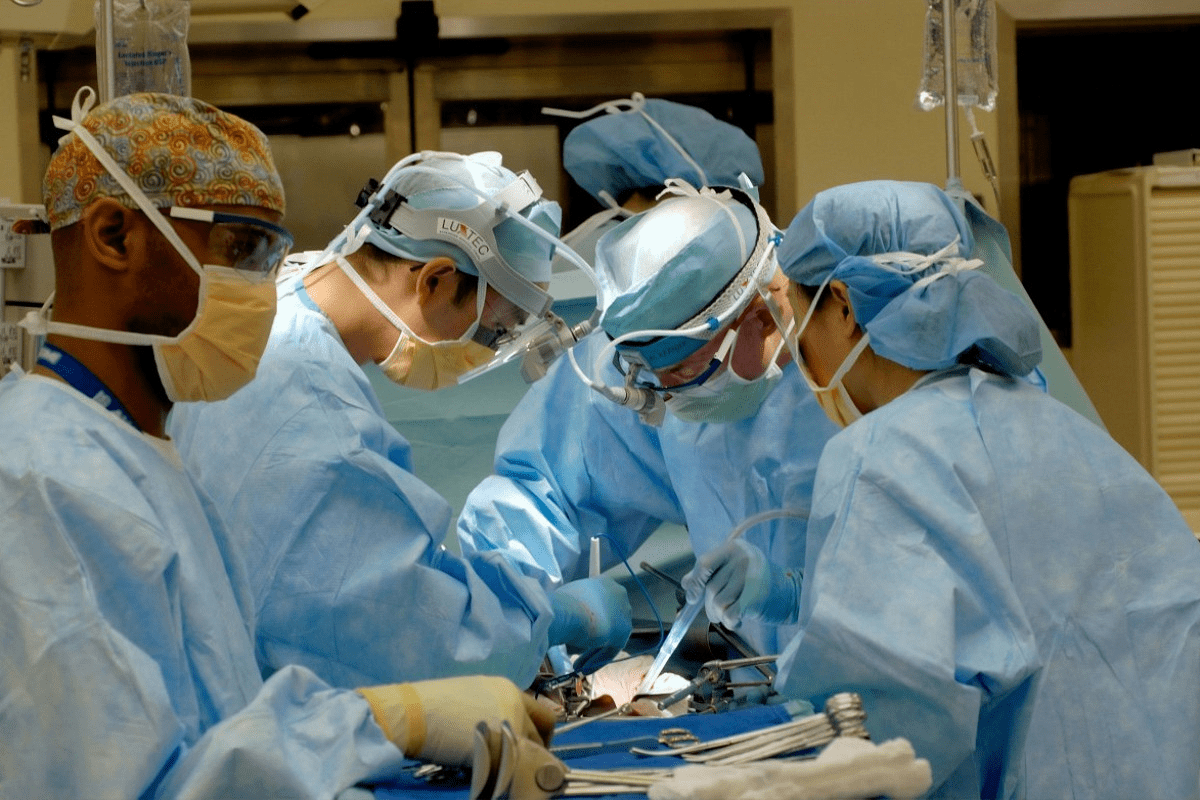
Effective anesthesia is key to successful neurosurgery. It keeps patients safe while meeting surgical needs. Brain surgery is complex and delicate, making anesthesia a big challenge.
Keeping hemodynamic stability and good oxygenation is vital. Anesthesiologists must choose the right medications and techniques. They aim to keep patients comfortable and protect their brains.
Unique Challenges of Neurosurgical Anesthesia
Neurosurgical anesthesia faces big challenges. The brain is very sensitive during surgery. Getting precise access adds to the complexity.
Brain Vulnerability and Surgical Access Requirements
The brain is sensitive to lack of blood and needs a clear field for surgery. Anesthesiologists must manage this carefully. They aim to reduce swelling and ensure the best conditions.
Balancing Surgical Needs with Neurological Protection
Anesthesia must balance a stable surgical environment with brain protection. Anesthesiologists choose agents that don’t harm the brain too much.
Understanding and tackling the challenges of neurosurgical anesthesia is important. Anesthesiologists play a big role in the success of brain surgeries.
Anesthesia Types in Neurosurgery: A Complete Overview
Neurosurgery heavily relies on effective anesthesia. General anesthesia is the top choice for complex surgeries. Knowing the different anesthesia types used in neurosurgery is key for better patient care and surgical results.
General Anesthesia as the Primary Approach
General anesthesia is a top pick for neurosurgery. It keeps the patient stable and pain-free during surgery. This ensures the patient doesn’t move or feel pain during the operation.
Within general anesthesia, there are specific methods used in neurosurgery.
Total Intravenous Anesthesia (TIVA)
Total Intravenous Anesthesia (TIVA) uses intravenous agents for anesthesia. TIVA has benefits like lower risk of malignant hyperthermia and better recovery. It’s great for surgeries needing neurophysiological monitoring.
Balanced Anesthesia Techniques
Balanced anesthesia mixes different anesthetic agents and methods. This method lets for lower doses of drugs, cutting down side effects and boosting patient results. It’s flexible and can be adjusted for each neurosurgical patient.
The table below highlights the main points of TIVA and balanced anesthesia:
| Anesthesia Technique | Key Features | Advantages in Neurosurgery |
| Total Intravenous Anesthesia (TIVA) | Uses intravenous agents for induction and maintenance | Reduced risk of malignant hyperthermia, improved recovery |
| Balanced Anesthesia | Combines different anesthetic agents and techniques | Minimized side effects, tailored to patient needs |
In conclusion, general anesthesia is the main choice in neurosurgery. TIVA and balanced anesthesia are key methods within this category. Knowing these techniques is vital for top-notch care in neurosurgical settings.
Comprehensive Patient Evaluation for Neuroanesthesia
Comprehensive patient evaluation is key to the success of neuroanesthesia procedures. It involves a detailed check of the patient’s neurological status. This ensures safe and effective anesthesia care.
Preoperative Neurological Assessment
A preoperative neurological assessment is vital. It helps identify risks and complications. This assessment guides anesthesiologists in creating a tailored anesthesia plan for each patient.
Baseline Neurological Function Documentation
Recording baseline neurological function is critical. It serves as a reference for comparing the patient’s status before and after surgery. This helps spot any changes or complications early on.
Identifying Risk Factors for Anesthetic Complications
Spotting risk factors for anesthetic complications is essential. This involves reviewing the patient’s medical history and current health. It also looks at factors like existing neurological conditions or past adverse reactions to anesthesia.
Through a detailed patient evaluation, anesthesiologists can reduce risks. They can also optimize anesthesia care and improve patient outcomes in neurosurgery.
General Anesthesia Protocols for Neurosurgery
General anesthesia in neurosurgery requires careful planning. This ensures patient safety and the best results.
Induction Techniques and Medications
Choosing the right anesthetic medication is key. It affects the patient’s blood pressure and the surgery’s success.
Rapid Sequence Induction Considerations
Rapid sequence induction is used for quick airway security. It’s vital for patients with impaired consciousness or emergency cases.
Hemodynamic Stability During Induction
Keeping hemodynamic stability during induction is critical. It prevents dangerous blood pressure changes, which can harm patients with brain blood vessel issues.
| Anesthetic Agent | Induction Technique | Hemodynamic Effect |
| Propofol | Rapid Sequence Induction | Decreased Blood Pressure |
| Etomidate | Standard Induction | Stable Hemodynamics |
Anesthetic agents and induction methods must match the patient’s needs and the surgery type.
Intravenous Anesthetic Agents in Neurosurgery
Propofol is a key anesthetic used in neurosurgery. It’s chosen for its good effects on the body. It’s a mainstay for patients having neurosurgery.
Propofol and Its Advantages in Neuroanesthesia
Propofol has many benefits in neurosurgery. It lowers the brain’s activity and helps patients wake up fast.
Cerebral Metabolic Rate Reduction Effects
Propofol cuts down the cerebral metabolic rate. This is good because it lowers the brain’s need for oxygen during surgery. It’s very important in neurosurgery to keep the brain well.
Rapid Recovery Profile Benefits
Propofol also helps patients wake up quickly after surgery. This is great in neurosurgery because it lets doctors check on patients fast.
Propofol’s ability to lower brain activity and quick recovery make it perfect for neurosurgery. It helps patients do better and recover faster, which is good for everyone.
Inhalational Anesthetics in Neurosurgical Practice
Inhalational anesthetics have changed neurosurgery for the better. They offer safe and effective ways to keep patients comfortable during surgery. This is key for the delicate work done in neurosurgery.
The right inhalational anesthetic can greatly affect how well a patient does. Sevoflurane and desflurane are top picks for neurosurgery. Each has its own strengths and benefits.
Sevoflurane and Desflurane Applications
Sevoflurane is great for starting anesthesia smoothly and for easy recovery. Desflurane, by contrast, helps patients wake up quickly. This is good for some surgeries.
Dose-Dependent Effects on Cerebral Blood Flow
Inhalational anesthetics can affect blood flow to the brain differently. Sevoflurane keeps blood flow steady, while desflurane can make blood vessels wider. This is important for keeping the brain safe during surgery.
A study says choosing an anesthetic should consider how it affects blood flow to the brain. This is important for the success of neurosurgery.
“the cerebral vasodilatory effects of desflurane may be more pronounced than those of sevoflurane, potentially influencing the choice of agent in neurosurgery”
Recovery Characteristics Comparison
Sevoflurane and desflurane have different effects on recovery. Desflurane usually means patients can get up and move around sooner. This is good for getting patients back to their normal lives faster.
- Sevoflurane offers smooth induction and recovery.
- Desflurane provides rapid emergence.
- The choice between them depends on specific surgical and patient factors.
In conclusion, inhalational anesthetics like sevoflurane and desflurane are key in neurosurgery. They offer many benefits and considerations for patient care.
Neuromuscular Blocking Agents and Their Role
Neuromuscular blocking agents are key in neurosurgery. They help with tracheal intubation and ensure the best surgical conditions. These agents are vital for muscle relaxation, which is essential for successful neurosurgical procedures.
Anesthesiologists use them to manage anesthesia care effectively. This knowledge helps in making better decisions during surgery.
Selection Criteria for Muscle Relaxants
Choosing the right muscle relaxants in neurosurgery is based on several factors. The type of neuromuscular blocking agent and its duration of action are important. Depolarizing and non-depolarizing agents have unique properties for different situations.
Depolarizing vs. Non-depolarizing Agents
Depolarizing agents, like succinylcholine, work by depolarizing muscle cells. This causes initial contraction followed by relaxation. Non-depolarizing agents, such as rocuronium and vecuronium, block acetylcholine receptors. This prevents muscle contraction.
The choice between these agents depends on the surgery’s needs and the patient’s condition. Succinylcholine is good for quick intubation. Rocuronium is better for surgeries needing longer muscle relaxation.
Duration of Action Considerations
The length of time neuromuscular blocking agents work is very important in neurosurgery. Agents with an intermediate duration of action, like rocuronium and vecuronium, are often used. They provide enough relaxation without causing too much paralysis.
Knowing how long these agents work helps anesthesiologists plan when to reverse the neuromuscular blockade. This ensures patients can move well after surgery.
Neurophysiological Monitoring During Anesthesia
Neurophysiological monitoring is key for checking on patients during neurosurgery under anesthesia. It lets doctors and surgeons see how the nervous system is doing in real-time. This way, they can act fast if something goes wrong during the surgery.
Advanced monitoring tools are now a big part of neurosurgical anesthesia. They give important info that helps with making surgical and anesthetic plans.
Electroencephalography (EEG) and Evoked Potentials
EEG and evoked potentials are big parts of monitoring during neurosurgery. EEG looks at the brain’s electrical activity. Evoked potentials check if certain neural paths are working right.
Somatosensory Evoked Potentials (SSEPs)
SSEPs check the sensory pathways. They work by stimulating a nerve and recording the signal as it goes to the brain. Any changes in the SSEP signals can mean there’s a problem.
Motor Evoked Potentials (MEPs)
MEPs look at the motor pathways. They do this by stimulating the brain’s motor area and seeing how muscles respond. MEPs are very useful when there’s a risk of damaging motor tracts during surgery.
The table below shows the main differences between SSEPs and MEPs:
| Monitoring Technique | Pathway Assessed | Stimulation/Recording |
| SSEPs | Sensory pathways | Stimulate peripheral nerve, record along sensory pathway |
| MEPs | Motor pathways | Stimulate motor cortex, record muscle response |
Using these monitoring tools, surgical teams can make sure patients are safer. This can also lead to better results in neurosurgical operations.
Cerebral Protection Strategies in Neuroanesthesia
Effective cerebral protection strategies are key in neuroanesthesia to lower the risk of brain damage. These strategies protect the brain during neurosurgical procedures. They involve a mix of methods to keep the brain safe.
Pharmacological Neuroprotection
Pharmacological neuroprotection is a vital part of brain protection. It uses medicines to shield the brain from harm. This is very important in neurosurgery, where brain damage is a big risk.
Barbiturates and Propofol for Cerebral Protection
Barbiturates and propofol are often used to protect the brain. Barbiturates lower the brain’s oxygen need by reducing its metabolic rate. Propofol helps by cutting down on blood flow and pressure inside the skull.
| Agent | Mechanism of Action | Clinical Use |
| Barbiturates | Reduce cerebral metabolic rate | Cerebral protection during neurosurgery |
| Propofol | Reduce cerebral blood flow and intracranial pressure | Neuroanesthesia and sedation |
Emerging Neuroprotective Agents
New research is looking for more neuroprotective agents. Dexmedetomidine and magnesium sulfate are showing promise. They have shown to protect the brain in early studies.
Creating effective brain protection strategies is vital for better neurosurgery outcomes. By learning about different neuroprotective agents, anesthesiologists can manage risks better. This helps in improving patient care.
Cerebral Blood Flow Management and Intracranial Pressure Control
In neurosurgery, keeping the brain’s blood flow right is key. It ensures the brain gets enough oxygen and nutrients. Also, controlling the pressure inside the skull is vital to avoid damage.
Anesthetic Techniques to Control ICP
Anesthetic methods are very important for managing brain pressure. Anesthesiologists pick the right drugs to keep the brain pressure stable. Anesthetic techniques that slow down brain activity and blood flow are very helpful.
Ventilation Strategies for ICP Management
How we breathe affects brain pressure. Hyperventilation can lower pressure by making blood vessels smaller. But, it must be used carefully to avoid harming the brain.
The best breathing strategies aim for a balance. They keep the brain pressure in check without causing too much constriction of blood vessels.
Positioning and Venous Drainage Optimization
How a patient is positioned is very important. It helps improve blood flow and lower brain pressure. Elevating the head and avoiding neck compression are key steps.
By using the right anesthetics, breathing strategies, and positioning, anesthesiologists can manage brain blood flow and pressure better. This helps improve patient care in neurosurgery.
Anesthesia for Specific Neurosurgical Procedures
Neurosurgical procedures need precise anesthesia techniques, like for brain tumor resections. These surgeries are complex. They require a deep understanding of how anesthesia and neurosurgery work together.
Brain Tumor Resection
Brain tumor resection is a common neurosurgical procedure. It needs careful anesthetic planning. The tumor’s location and size affect the anesthetic approach.
Supratentorial vs. Infratentorial Approaches
The supratentorial approach is for tumors above the tentorium cerebelli. The infratentorial approach is for tumors below it. Each has its own anesthetic considerations due to brain anatomy and risks.
Anesthetic Management Based on Tumor Location
The tumor’s location guides the anesthetic management. Tumors near critical brain structures may need neurophysiological monitoring to prevent damage. Anesthetic techniques are adjusted for this monitoring and to ensure the best surgical conditions.
Anesthetic management for brain tumor resection is a team effort. It considers intracranial pressure, cerebral blood flow, and cerebral edema risks. The anesthesiologist must adjust the anesthetic plan as needed based on surgery progress and patient response.
By customizing the anesthetic technique for each neurosurgical procedure, anesthesiologists play a key role in the success of brain tumor resections.
Awake Craniotomy: Anesthetic Considerations
Anesthetic management for awake craniotomy is complex. It requires a deep understanding of both neurological and psychological factors. This procedure, where a patient stays awake, presents unique challenges for anesthesiologists.
Patient Selection and Preparation
Choosing the right patient and preparing them well is key. This means evaluating their neurological status and how well they can handle stress.
Psychological Assessment and Counseling
It’s important to assess a patient’s mental state before the surgery. Counseling helps them prepare, lowers anxiety, and makes them more cooperative during the procedure.
Preoperative Anxiolysis Strategies
Reducing anxiety before surgery is vital for the patient’s comfort and cooperation. This can be done through medication and psychological support. Experts say, “A calm and cooperative patient is essential for a successful awake craniotomy.”
“The ability to perform intraoperative neurological assessments in awake patients is a significant advantage, allowing for more precise localization and preservation of critical brain functions.”
The challenges of awake craniotomy go beyond just anesthesia. It involves understanding the patient’s psychology and neurology. By carefully choosing and preparing patients, and using the right anesthetic strategies, the success of awake craniotomy can be greatly improved.
Pediatric Neuroanesthesia: Special Considerations
Pediatric neuroanesthesia has its own set of challenges. It requires a deep understanding of how children’s bodies work differently. This is because kids are not fully grown and their bodies are changing.
Age-Specific Physiological Differences
Children and adults are very different in many ways. This is true for their brains, blood flow, and how their organs work. Because of these differences, kids need special care when they get anesthesia.
Neonatal and Infant Considerations
Little babies and toddlers need extra care because their bodies are not fully developed. Their brains and blood flow are not as stable as adults. Experts say it’s very important to use the right amount of anesthesia to keep them safe.
Adolescent Neuroanesthesia Challenges
Teenagers face their own set of challenges when it comes to neurosurgery. They may have to deal with mental health issues or substance abuse. It’s important for doctors to understand these factors to help them.
Dealing with pediatric neuroanesthesia requires a team effort. It involves using the latest research and guidelines to help kids get better. Understanding each child’s unique needs is the key to success in pediatric neuroanesthesia.
Postoperative Anesthetic Management in Neurosurgery
Effective postoperative care is key for good results in neurosurgery. It involves watching the patient closely after anesthesia and handling any issues that come up.
Early Recovery Assessment
Checking the patient early on is very important. It helps spot any problems with the brain or nervous system right away.
Neurological Examination Techniques
Special tests are used to check how well the brain and nerves are working. These tests look at how awake the patient is, how nerves are working, and how the body responds to movement. They help find any issues that need quick action.
Delayed Emergence Evaluation
When a patient takes too long to wake up, it’s a big worry. It could be because of leftover anesthesia or serious brain problems. Doctors check the patient’s airways, breathing, and heart, and do a brain check to find out why.
In summary, taking care of patients after surgery in neurosurgery is complex. It needs careful planning, precise actions, and constant watching. By focusing on early checks and detailed brain tests, doctors can help patients recover better and avoid problems.
Complications and Risk Management in Neuroanesthesia
Neuroanesthesia is more than just using anesthetics. It’s about managing risks to care for patients well. It’s key in neurosurgery, needing a deep grasp of possible problems and how to handle them.
Common Anesthetic Complications in Neurosurgery
Many issues can happen in neurosurgery, like hemodynamic instability and postoperative cognitive dysfunction. These can come from the patient’s health before surgery, the surgery type, and the anesthetics used.
Hemodynamic Instability Management
Hemodynamic instability is a big worry in neurosurgery. It can harm patients a lot. To deal with it, we:
- Watch blood pressure and heart output closely
- Use drugs to keep blood flow steady
- Manage fluids to keep the right amount in the body
Postoperative Cognitive Dysfunction
Postoperative cognitive dysfunction (POCD) is a big problem in neurosurgery. It affects how well patients recover and live after surgery. To fight POCD, we:
- Choose neuroprotective anesthetic agents
- Keep the brain’s blood flow right
- Make sure patients wake up quickly and don’t go too deep under anesthesia
Handling these issues well is key to better outcomes in neurosurgery. Anesthesiologists play a big role by knowing the risks and using the right strategies. This improves patient care a lot.
Emerging Trends and Innovations in Neuroanesthesia
The field of neuroanesthesia is changing fast. New technologies and techniques are being used to help patients more. As surgeries get more complex, the need for better anesthesia care grows.
Advanced Monitoring Technologies
Advanced monitoring technologies are key in modern neuroanesthesia. They help anesthesiologists keep a close eye on patients’ brain health during surgery.
Cerebral Oximetry and Microdialysis
Cerebral oximetry and microdialysis are important tools. Cerebral oximetry lets doctors check brain oxygen levels without hurting the patient. Microdialysis monitors brain chemistry, like glucose and lactate levels, giving insights into brain health.
Artificial Intelligence Applications
Artificial intelligence (AI) is being looked at for its role in neuroanesthesia. AI can analyze lots of data from monitors, helping predict what’s needed for anesthesia. This makes care more tailored and effective.
The use of these new trends and innovations in neuroanesthesia will change the field a lot. It will improve patient results and the quality of care.
Conclusion: The Future of Anesthesia in Neurosurgery
The future of anesthesia in neurosurgery looks bright. New advancements in neuroanesthesia are on the horizon. These changes will lead to better care for patients, improving outcomes and reducing risks.
New techniques and technologies are being added to neuroanesthesia. This means more precise and effective care for patients. It’s expected to lead to better management, fewer complications, and faster recoveries.
Neuroanesthesia is focusing on personalized care. This shift aims to improve the quality of care for neurosurgical patients. It sets a new standard for the future of anesthesia in neurosurgery.
FAQ
What type of anesthesia is typically used for neurosurgical procedures?
General anesthesia is the main choice for neurosurgery. It often includes total intravenous anesthesia (TIVA) or balanced anesthesia.
How is patient safety ensured during neurosurgical anesthesia?
Ensuring patient safety starts with a thorough evaluation before surgery. This includes checking the patient’s neurological function and looking for any risks.
What are the key considerations for managing intracranial pressure during neurosurgery?
Managing intracranial pressure is critical. Anesthetics, ventilation, and positioning play key roles. Also, improving venous drainage is important.
What anesthetic agents are commonly used in neurosurgery?
Propofol is a top choice for its effects on the brain and quick recovery. Sevoflurane and desflurane are also used for their inhalation properties.
How is cerebral protection achieved during neurosurgery?
To protect the brain, drugs like barbiturates and propofol are used. They help lower the brain’s metabolic rate.
What are the special considerations for pediatric neuroanesthesia?
Pediatric neuroanesthesia needs special care due to age-specific differences. Neonates, infants, and adolescents face unique challenges.
How is anesthesia managed for awake craniotomy procedures?
Awake craniotomy requires careful patient selection and preparation. Psychological assessment and counseling are key. Anxiolytic strategies are also important.
What are the common anesthetic complications in neurosurgery?
Complications like hemodynamic instability and postoperative cognitive dysfunction are common. Close monitoring and quick intervention are needed.
How is neurophysiological monitoring used during anesthesia?
Monitoring tools like EEG and evoked potentials are used. They help track neurological function during surgery.
What emerging trends are improving neuroanesthesia?
New technologies like cerebral oximetry and artificial intelligence are improving neuroanesthesia. They aim to enhance patient care.
What is the role of neuromuscular blocking agents in neurosurgery?
Neuromuscular blocking agents help relax muscles for surgery. The choice depends on the surgery’s needs and how long the effect lasts.