

Getting ready for an angiogram procedure might seem tough. But, with the right help, you can feel sure about it. An angiogram of the legs is key for seeing blood flow and finding problems in your legs.
At Liv Hospital, we put patients first. Our team will help you through every part of the arteriogram of legs process. From getting ready to aftercare, we make sure you’re safe and comfortable. We use the latest tech and proven methods for your care.
Knowing what happens in an angiogram procedure makes you feel more ready. We’ll explain everything, from what to expect to how to get ready for this test. It’s designed to be easy and non-invasive.
Key Takeaways
- Understand the purpose and benefits of an angiogram procedure for legs.
- Learn how to prepare for the procedure to ensure a smooth experience.
- Discover what to expect during and after the angiogram.
- Find out how Liv Hospital’s patient-centered approach can support you.
- Gain insights into the diagnostic capabilities of an arteriogram of legs.
Understanding Angio in Leg: Definition, Purpose, and Importance
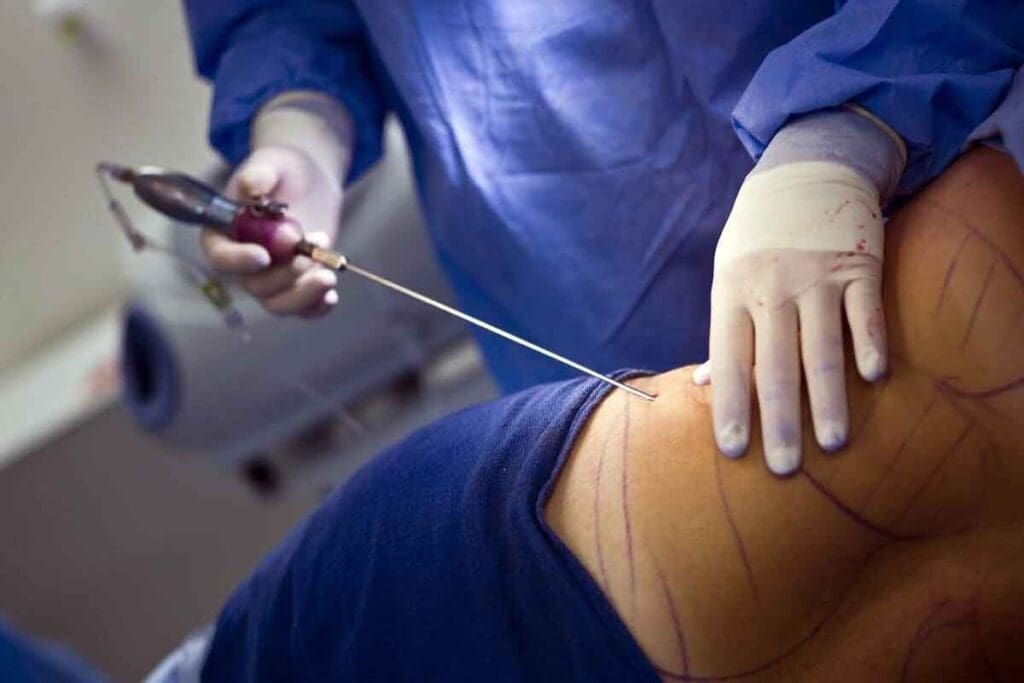
Leg angiography is a key tool for doctors to see blood vessels in the legs. It helps find and treat problems in the lower legs. We’ll look at what it is, why it’s used, and why it matters for your health.
What Is a Leg Angiogram and How It Works
A leg angiogram uses X-rays and dye to see the blood vessels in the legs. A thin tube, called a catheter, is put into a blood vessel. Then, dye is injected, and X-rays are taken to show the blood flow.
The angiogram procedure for legs helps find blockages or other issues in the blood vessels. This is key for diagnosing diseases like PAD and planning treatments.
Differences Between Angiogram and Arteriogram of Legs
“Angiogram” and “arteriogram” are often mixed up, but they mean different things. An arteriogram shows only arteries, while an angiogram shows both arteries and veins. For leg vascular tests, an angiogram gives a more complete view.
Common Vascular Conditions Diagnosed Through Leg Angiography
Leg angiography helps find many vascular problems. Some common ones are:
- Peripheral Arterial Disease (PAD)
- Atherosclerosis
- Blood clots
- Vascular malformations
- Arteriovenous malformations (AVMs)
| Condition | Description | Diagnostic Importance of Angiogram |
| Peripheral Arterial Disease (PAD) | Narrowing or blockage of arteries in the legs | Helps identify blockages and plan interventions |
| Atherosclerosis | Buildup of plaque in arterial walls | Visualizes plaque buildup and arterial narrowing |
| Blood Clots | Clots within blood vessels | Locates clots and assesses their impact on blood flow |
Knowing how leg angiography helps diagnose these conditions shows its value in managing vascular health.
When Is an Angiogram Procedure for Legs Necessary?
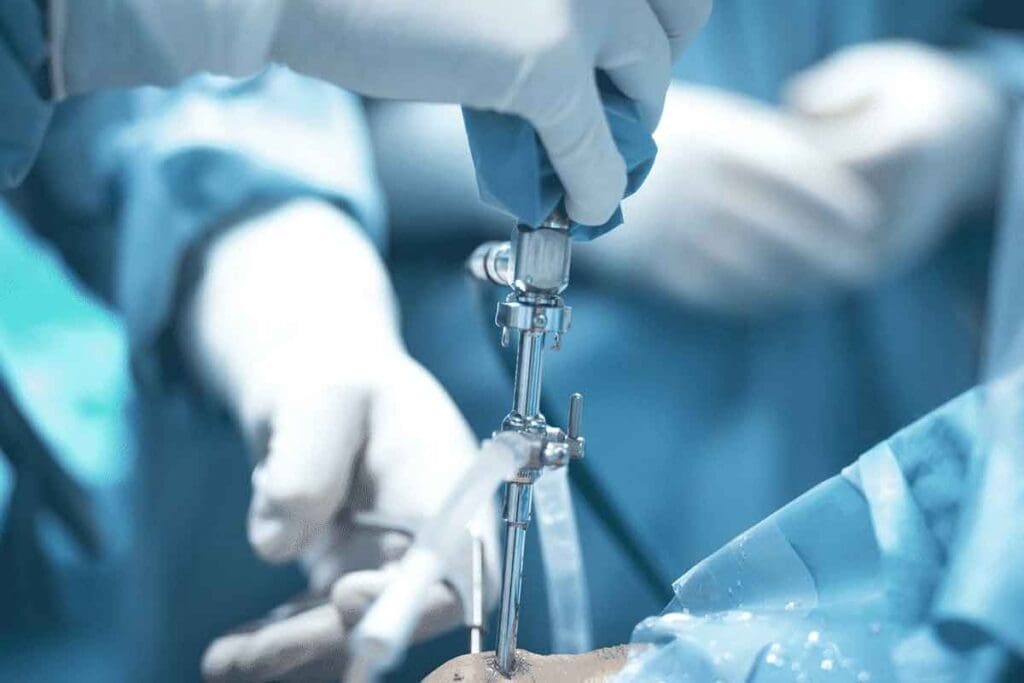
Deciding to have an angiogram procedure for legs depends on certain symptoms and health issues. These signs point to possible blood vessel problems. Recent studies show how important leg angiography is. It helps doctors make better decisions and improves patient care.
Symptoms That May Indicate Need for Leg Angiography
Certain symptoms might mean you need a leg angiogram. These include:
- Pain in the legs or hips during exercise (claudication)
- Coldness or numbness in the legs or feet
- Wounds or ulcers on the legs or feet that are slow to heal
- Weak or absent pulses in the legs or feet
If you’re feeling any of these symptoms, your doctor might suggest an angiogram of leg. This is to find out what’s causing the problem.
Diagnostic Criteria for Recommending an Angiogram
Doctors decide on angiogram in leg procedures based on several factors. These include:
| Diagnostic Criteria | Description |
| Clinical Evaluation | Assessment of symptoms, medical history, and physical examination findings. |
| Imaging Tests | Results from previous imaging tests such as ultrasound or MRI that indicate vascular disease. |
| Risk Factors | Presence of risk factors such as smoking, diabetes, high blood pressure, or high cholesterol. |
Who Should Consider Getting a Leg Angiogram
Some people might need a leg angiogram due to health conditions or risk factors. These include:
- Patients with peripheral artery disease (PAD)
- Those with a history of vascular disease or previous vascular procedures
- Individuals with diabetes or other conditions that affect blood vessels
Healthcare providers look at symptoms, diagnostic criteria, and risk factors. This helps them decide who should get a leg angiogram. It’s a way to diagnose and manage vascular conditions well.
Types of Angiogram Procedures for Lower Extremities
There are many angiography options for diagnosing lower limb vascular conditions. These tools have changed how we check and treat vascular diseases in the legs.
Traditional Catheter Angiography
Traditional catheter angiography is the top choice for diagnosing most vascular issues. A catheter is put into the femoral artery. It’s then moved to the needed area with fluoroscopic imaging. Contrast dye is injected to see the blood vessels on X-ray images.
CT Angiography for Legs
CT angiography for legs is a less invasive option. It uses CT scans to see the blood vessels. Contrast dye is injected into a vein, and a CT scanner takes detailed images of the leg arteries. It’s great for those who can’t have traditional catheter angiography.
MR Angiography Options
MR angiography is a non-invasive way to check vascular conditions in the legs. It uses MRI to get detailed images of blood vessels. Gadolinium-based contrast agents are used to make the images clearer.
Digital Subtraction Angiography Benefits
Digital subtraction angiography (DSA) is used with traditional catheter angiography to improve image quality. It takes images before and after contrast injection. Then, it subtracts the pre-contrast image from the post-contrast one. This removes background structures, making the blood vessels clearer.
Each angiogram procedure has its own benefits. They are chosen based on the patient’s needs. Healthcare providers pick the best diagnostic tool for each patient’s condition.
Pre-Procedure Medical Evaluation and Consultation
To make sure your angiogram on leg goes well, your doctor will do a detailed check-up first. This step is key to spotting any risks and making the procedure fit your needs.
Required Medical Tests Before Approval
Before your angiogram procedure for legs, you might need some tests. These help see if you’re ready for the procedure. You might have:
- Blood tests to check how well your blood clots
- Kidney function tests to ensure your kidneys are working properly
- Electrocardiogram (ECG) to assess your heart’s function
| Test | Purpose |
| Blood Clotting Tests | Assess risk of bleeding during or after the procedure |
| Kidney Function Tests | Evaluate kidney health to ensure safe use of contrast dye |
| Electrocardiogram (ECG) | Assess heart function and identify possible cardiac risks |
Medication Review and Necessary Adjustments
Your doctor will look at your medicines during the consultation. They might change or stop some to make sure you’re safe for the angio for legs procedure. This includes:
- Blood thinners, which may need to be paused to reduce bleeding risk
- Diabetes medications, which may require dosage adjustments
- Other medications that could interact with the contrast dye or affect your health during the procedure
Discussing Allergies, Medical History, and Concerns
Talking about allergies, medical history, and worries is important during the consultation. This includes:
- Allergies to contrast dye or other substances used during the procedure
- Previous reactions to angiogram procedures
- Existing medical conditions that could affect the procedure or recovery
By talking about these things and doing the needed tests, you and your doctor can make sure you’re ready for a successful angiogram leg procedure.
Step-by-Step Preparation for Your Angiogram of Legs
Getting ready for an angiogram of legs is important. It makes sure the procedure goes smoothly. We’ll show you how to prepare well.
One Week Before: Planning and Medication Management
Start planning a week before your angiogram. Talk to your doctor about your medications. Don’t stop any medication without your doctor’s advice.
They will tell you if you should keep taking your meds, change them, or stop. This helps keep you safe during the test.
- Review your current medications with your doctor.
- Inform your doctor about any allergies, including reactions to contrast dyes.
- Discuss any concerns or questions you have about the procedure.
48-24 Hours Before: Dietary Restrictions and Hydration Guidelines
Follow certain rules 48 to 24 hours before your angiogram. You’ll need to fast for 6-8 hours before the test. But, your doctor might give you different instructions.
Drink lots of water until the night before. But, your doctor might tell you to drink less.
Day of Procedure: What to Wear, Bring, and Expect
Wear comfy, loose clothes on the day of your angiogram. You might need to change into a hospital gown. So, don’t wear jewelry or anything that could get in the way.
Bring your insurance cards, ID, and a list of your meds. Have someone drive you home and stay with you for a bit.
Arranging Transportation and Post-Procedure Support
Make sure someone drives you home. You might not be able to drive yourself. Having someone with you for a few hours can be really helpful.
By following these steps, you’ll be ready for a successful angiogram of your legs.
What to Expect Upon Arrival at the Medical Facility
The day of your leg angiogram starts when you arrive at the medical facility. Our team will help you every step of the way. We know it might feel scary, but we’re here to help.
Check-in Process and Required Documentation
First, you’ll go through the check-in process. You’ll need to show your ID, insurance, and any medical records. Our staff will help you make sure everything is correct before moving on.
Pre-Procedure Vitals and Final Assessment
Next, you’ll have your vital signs checked, like blood pressure and heart rate. This is to make sure you’re ready for the angiogram. The medical team will also review your medical history and the procedure with you.
Meeting Your Angiogram Medical Team
You’ll meet the team doing your leg angiogram. They’ll introduce themselves and explain their roles. This is a good time to ask any questions or share any concerns.
Final Questions and Consent Forms
Before starting, you can ask any last-minute questions. After, you’ll sign consent forms. These forms show you understand the procedure and its risks, and that you agree to it.
Knowing what to expect at the medical facility can make you feel more ready for your angio in leg procedure. Our team is dedicated to making this experience as easy and stress-free as possible.
The Angiogram of Legs Procedure: Detailed Walkthrough
Let’s explore the angiogram of legs procedure together. You’ll learn what to expect during this test. It includes several steps to ensure accurate images and a safe experience for you.
Positioning and Initial Preparation in the Procedure Room
When you enter the procedure room, you’ll lie on your back on an X-ray table. The table can move during the test to help guide the catheter. Our team will make sure you’re comfortable and secure, using straps if needed.
Preparation involves cleaning and sterilizing the area where the catheter will be inserted. This is usually in the groin or arm. We use local anesthesia to make this step as painless as possible.
Local Anesthesia Administration Process
To administer local anesthesia, we use a small needle to inject a numbing medication into the skin. This reduces any pain or discomfort during the procedure. You might feel a slight pinch when the needle is inserted.
It’s essential to inform your medical team about any allergies or sensitivities to medications, including anesthetics. This ensures your safety.
Catheter Insertion Technique and Placement
Once the area is numb, a small incision is made, and a catheter is inserted into the blood vessel. We use real-time X-ray imaging to guide the catheter to the area of interest in your leg.
The catheter’s placement is key for accurate images of the blood vessels. Our experienced team ensures precise placement to effectively visualize the vascular structure.
Contrast Dye Injection and Real-Time Imaging
With the catheter in place, a contrast dye is injected to highlight the blood vessels on the X-ray images. You might feel a warm sensation throughout your body as the dye is injected. This is a normal reaction.
Real-time imaging lets us see the flow of the contrast dye through your blood vessels. This gives us detailed information about any blockages or abnormalities. This information is vital for diagnosing and planning treatment for vascular conditions.
Throughout the procedure, our team keeps an eye on your comfort and the test’s progress. We ensure everything goes smoothly.
Potential Risks and Complications to Be Aware Of
An angiogram is a key tool for doctors, but it comes with risks. We’ll cover the possible risks and complications of an angiogram for the legs. This will help you know what to expect.
Common Minor Side Effects and Management
Most people have little to no side effects from an angiogram. But, some might face:
- Bruising or swelling at the catheter site
- Mild pain or discomfort during or after the procedure
- Allergic reactions to the contrast dye, such as rash or itching
These side effects are usually managed with medicine or simple care. For example, applying pressure to the site can reduce bruising.
Rare but Serious Complications to Watch For
Though rare, serious problems can happen. These include:
- Bleeding or hematoma at the catheter site
- Vascular damage or thrombosis
- Severe allergic reactions to the contrast dye
- Kidney damage due to the contrast dye
It’s important to know about these serious complications. If you have severe pain, trouble moving the leg, or signs of an allergic reaction, get medical help right away.
Risk Factors That Increase Complication Likelihood
Some factors can make complications more likely. These include:
| Risk Factor | Description |
| Age | Older patients may be at higher risk due to decreased vascular health |
| Pre-existing kidney disease | Patients with kidney issues may be more susceptible to contrast dye-induced kidney damage |
| Diabetes | Diabetic patients may have compromised vascular health, increasing risk |
| History of allergic reactions | Patients with a history of allergic reactions to contrast dye or other substances may be at higher risk |
Emergency Signs That Require Immediate Attention
If you have any of these symptoms after an angiogram, get help right away:
- Severe pain or swelling in the leg
- Coldness or paleness of the leg
- Difficulty moving the leg
- Signs of an allergic reaction, such as difficulty breathing or rapid heartbeat
Knowing about these risks and complications helps you spot problems early. This ensures you get the help you need quickly.
Immediate Post-Procedure Recovery Period
After your angiogram for the legs is done, you’ll start a recovery period watched by our team. This time is key for your safety and comfort as you heal.
Monitoring Protocol at the Medical Facility
You’ll go to a recovery area after the angiogram. Our nurses will watch your vital signs like blood pressure and heart rate. They’ll also check the catheter site.
They’ll apply pressure to the site to lower bleeding risk. You’ll get clear instructions on caring for the site when you go home.
Managing the Catheter Insertion Site
It’s important to take care of the catheter site after the procedure. We’ll teach you how to keep it clean and dry. You’ll also learn to watch for infection signs.
| Care Instructions | Description |
| Keep the site clean | Gently wash the area with soap and water |
| Monitor for infection | Watch for redness, swelling, or increased pain |
Pain Management and Comfort Measures
You might feel some pain or discomfort after the procedure. Our team will help manage your pain. They’ll use the right medicines or other comfort methods.
“Effective pain management is key to a smooth recovery. Our team is committed to ensuring that you’re as comfortable as possible after your procedure.” – Interventional Radiologist
Discharge Criteria and Going Home Instructions
Before you leave, our team will check that you’re okay. They’ll give you instructions for home care. This includes any follow-up appointments or medication.
At-Home Recovery and Follow-Up Care After Angiogram
After an angiogram on your leg, it’s key to follow a good recovery plan at home. This period is as important as the procedure itself. We’re here to help you through it.
Activity Restrictions and Gradual Return to Normal Routine
Avoid heavy lifting or hard exercise for two days after the angiogram. This helps your body heal at the catheter site. You can start doing normal things again when your doctor says it’s okay.
Recommended Activity Level:
- Avoid strenuous activities for 48 hours
- Resume light activities as tolerated
- Follow your doctor’s specific instructions
Wound Care for the Catheter Site
It’s important to keep the catheter site clean and dry to avoid infection and help it heal. Follow any special care instructions from your healthcare team.
Tips for Wound Care:
- Keep the area clean with mild soap and water
- Avoid submerging the site in water until it’s fully healed
- Monitor for signs of infection, such as redness, swelling, or discharge
When to Contact Your Doctor
Know when to call your doctor. If you have any of these symptoms, reach out:
- Increasing pain or swelling at the catheter site
- Signs of infection
- Bleeding or hematoma
Follow-Up Appointments and Results Discussion
Follow-up appointments are to check on your recovery and talk about your angiogram results. It’s a chance to ask questions and understand your treatment plan.
Follow-Up Care Table:
| Follow-Up Activity | Purpose | Timeline |
| Post-Procedure Check-Up | Assess recovery and catheter site | 1-2 days post-procedure |
| Results Discussion | Discuss angiogram results and treatment plan | Within a week post-procedure |
By following these guidelines and staying in touch with your healthcare provider, you can ensure a successful recovery after your leg angiogram procedure.
Conclusion: Understanding Your Results and Next Steps
After an angiogram for your legs, it’s key to understand your results and what comes next. This test shows how your blood vessels are doing. It helps find problems that might be affecting your legs.
When you’re recovering, which usually takes one to two weeks, follow your doctor’s advice closely. You’ll have check-ups to make sure you’re healing right. Your doctor will talk about the test results and what you need to do next.
Knowing your test results and what to do next is important for your health. If you have questions about your angiogram, talk to your doctor. They’re there to help you manage your vascular health and solve any problems.
FAQ
What is an angiogram procedure for legs?
An angiogram for legs is a test that looks at blood vessels in the legs. It helps find problems and check blood flow. This test is done to see if there are any issues with blood supply.
How do I prepare for a leg angiogram?
To get ready for a leg angiogram, follow your doctor’s instructions. This includes managing your medicine, eating certain foods, and drinking water. Also, make arrangements for someone to drive you home and help you after the test.
What are the different types of angiogram procedures for lower extremities?
There are several types of angiogram tests for the legs. These include traditional catheter angiography and CT angiography. Your doctor will choose the best one for you.
Will I be awake during the angiogram?
Yes, most patients remain awake but receive a mild sedative to help them relax. The area where the catheter is inserted (usually in the groin) is numbed with local anesthesia.
How long does a leg angiogram take?
The procedure usually lasts 30 minutes to 1 hour, depending on how complex the blood vessel assessment is. You may need to stay for observation for a few hours afterward.
What happens during the angiogram?
A small catheter is inserted into an artery in your groin or arm. Contrast dye is injected through the catheter while X-ray images are taken to map blood flow in your legs. Your doctor may perform an angioplasty or place a stent if a blockage is found.
Is the procedure painful?
You may feel slight pressure or warmth when the dye is injected, but the test itself isn’t usually painful. Discomfort at the catheter site is normal and temporary.
Reference
- National Heart, Lung, and Blood Institute. (2023). Peripheral artery disease.https://www.nhlbi.nih.gov/health/peripheral-artery-disease



 Departments
 Related Videos
 Our Doctors
 News
News