Last Updated on November 26, 2025 by Bilal Hasdemir

Getting ready for a leg angiogram angioplasty might seem scary, but knowing what to expect can make you feel more at ease. A leg angiogram is a simple procedure that checks the arteries in your legs, while angioplasty helps widen them to improve blood flow.
At Liv Hospital, we guide you through every part of the angiogram angioplasty process. This treatment helps clear plaque buildup and restore healthy circulation. Understanding each step can help you prepare for a smoother procedure and better recovery.
Key Takeaways
- Understand the purpose and benefits of a leg angiogram and angioplasty.
- Learn how to prepare for the procedure to ensure a smooth experience.
- Discover what to expect during and after the procedure.
- Find out how Liv Hospital provides expert care throughout the process.
- Improve your understanding of how angioplasty can enhance circulation in the legs.
Understanding Leg Angiogram and Angioplasty Procedures
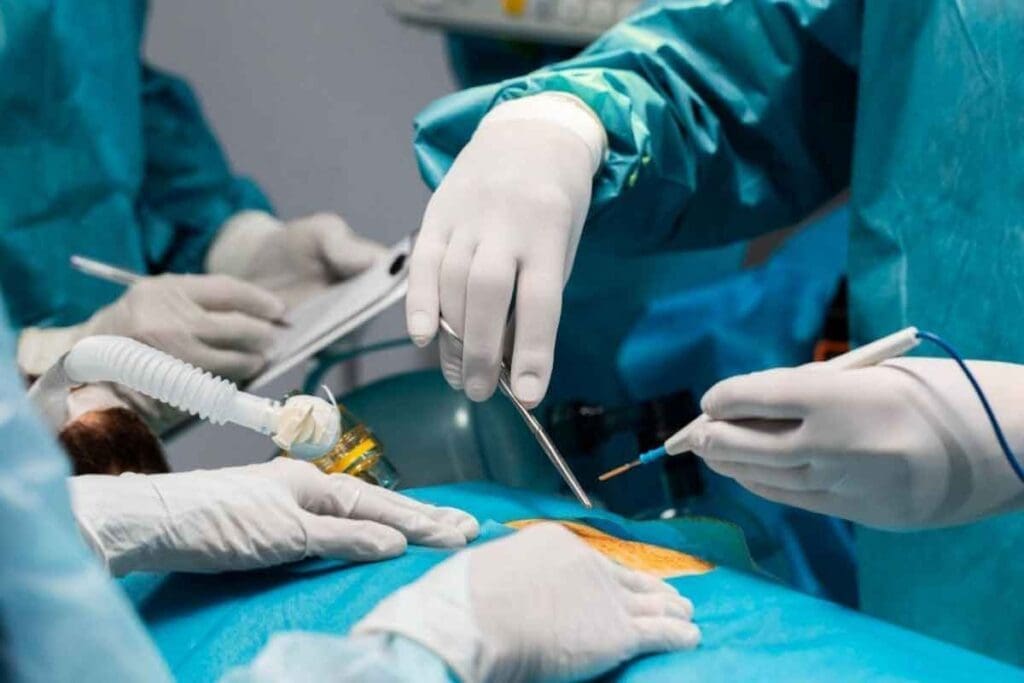
The leg angiogram and angioplasty process is a complex medical intervention. It’s designed to find and treat blockages in the arteries of the legs. These procedures are key for diagnosing and treating peripheral artery disease (PAD). PAD can cause severe leg pain, mobility issues, and even limb loss if not treated.
What is an Angiogram of the Legs?
An angiogram of the legs is a test that uses X-rays and dye to see the blood vessels in the legs. It helps doctors spot any blockages or narrowing in the arteries. A catheter is inserted into an artery, usually in the groin or arm, and guided to the area of interest.
The contrast dye is then injected, and X-ray images are taken. These images show how blood flows through the arteries.
Key aspects of an angiogram include:
- Detailed imaging of the arterial anatomy
- Identification of blockages or stenosis
- Guidance for further treatment such as angioplasty
The Purpose of Angioplasty Intervention
Angioplasty is a procedure to widen narrowed or blocked arteries. A balloon catheter is inserted into the artery and inflated. This pushes aside the plaque and improves blood flow.
In some cases, a stent is placed to keep the artery open. The main goal of angioplasty is to restore blood flow to the affected limb. This reduces symptoms like pain and cramping, and improves quality of life.
The benefits of angioplasty include:
- Improved blood flow to the legs
- Reduced symptoms of PAD
- Minimally invasive with quicker recovery compared to surgery
Common Reasons for Needing These Procedures
Patients may need a leg angiogram and angioplasty for several reasons. These are mainly related to diagnosing and treating peripheral artery disease. Symptoms like leg pain during walking, coldness or numbness in the legs, and weak or absent pulses in the feet may lead to these procedures.
Common indications for leg angiogram and angioplasty include:
- Peripheral artery disease (PAD)
- Severe leg ischemia
- Vascular injuries or malformations
Recognizing Symptoms That May Require a Lower Limb Angiography
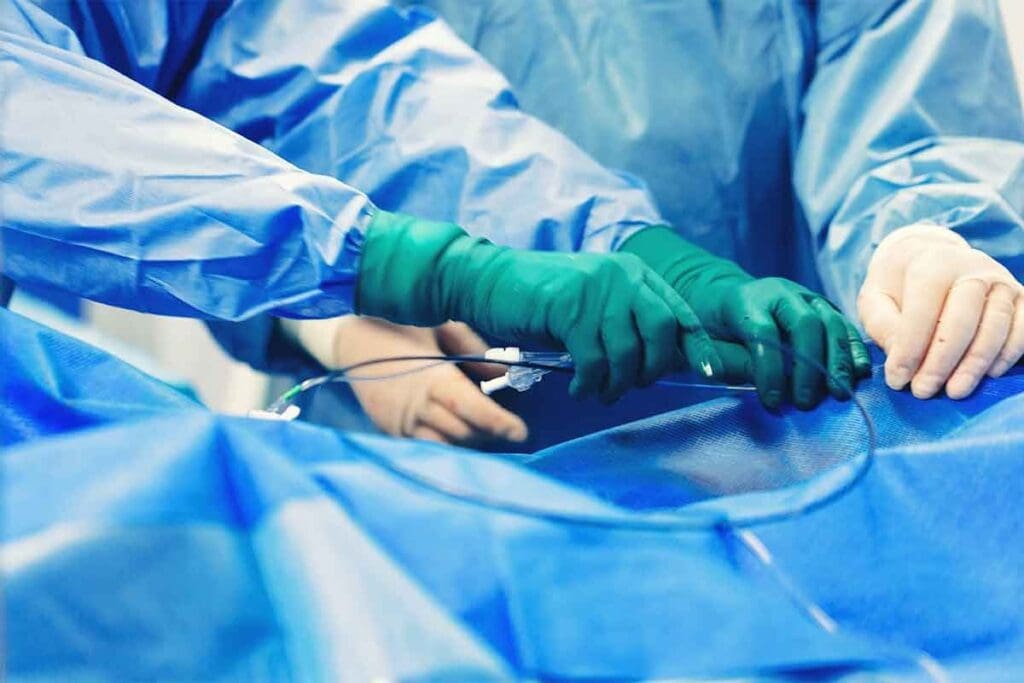
Knowing the signs that might lead to a lower limb angiography is key. It can greatly affect treatment success. We aim to help you spot symptoms that suggest you might need this test.
Signs of Peripheral Artery Disease
Peripheral artery disease (PAD) happens when blood vessels outside the heart get narrowed or blocked. You might feel leg pain when walking, or numbness or weakness in the legs. Also, sores that do not heal can be a sign. These symptoms happen because the arteries can’t carry enough blood to the limbs.
If you notice any of these, see a doctor right away. Catching PAD early can stop serious problems like heart attack, stroke, and losing a limb.
Circulation Problems in the Legs
Leg circulation issues can show up in different ways. You might feel coldness in the lower leg or foot, see changes in skin color, or notice hair loss on the legs. These signs point to poor blood flow, often due to blocked arteries.
When to Consult a Vascular Specialist
If you’re feeling any of these symptoms, it’s time to see a vascular specialist. They will check you out and decide if you need a lower limb angiography. This test shows detailed images of the arteries. It helps doctors find blockages and figure out the best treatment.
| Symptom | Possible Indication |
| Leg pain when walking | Peripheral Artery Disease (PAD) |
| Numbness or weakness in legs | Reduced blood flow due to arterial blockage |
| Sores that do not heal | Poor circulation, possible PAD |
| Coldness in lower leg or foot | Circulation problems |
Spotting these symptoms early can lead to better treatment. It can greatly improve outcomes for people with PAD or other circulation issues.
The Diagnostic Process Before an Angiogram of Legs Procedure
Before an angiogram of the legs, several tests and talks with doctors come first. This detailed check is key to see if the procedure is needed and to get ready for it.
Initial Consultations and Physical Examination
The first step is a talk with a vascular specialist. The doctor will go over your symptoms, health history, and why an angiogram might be needed. A physical check will also be done to look at your leg’s blood flow. They’ll check for weak pulses, coolness, or pale skin.
Preliminary Non-Invasive Tests
Next, some tests that don’t hurt are done to learn more about your leg arteries. These might include:
- Ankle-Brachial Index (ABI) test
- Doppler ultrasound
- Exercise stress test
These tests help figure out how bad any blockages are and what treatment is best.
Discussing Your Medical History and Medications
Talking about your health history and medicines is also important. This helps find out if there are any risks or problems with the angiogram. Tell your doctor about any allergies, like to contrast dyes, and all medicines you’re taking.
The table below shows what happens before an angiogram of the legs:
| Diagnostic Step | Purpose |
| Initial Consultation | Discuss symptoms and medical history |
| Physical Examination | Assess circulation and signs of arterial disease |
| Preliminary Non-Invasive Tests | Evaluate the condition of leg arteries |
| Medical History and Medications Review | Identify any risks or complications |
By doing these steps, doctors make sure patients are ready for their angiogram. This helps lower risks and improve results.
How to Prepare for Your Leg Angiogram Procedure
Getting ready for a leg angiogram involves several key steps. It helps make the process smoother and more successful. We know that medical procedures can be scary. Being prepared can help reduce your stress and improve your experience.
Medication Adjustments Before the Procedure
Tell your doctor about all the medicines you’re taking before the angiogram. This includes blood thinners, diabetes meds, and any other drugs. Your doctor might ask you to change your medication to lower risks during the test.
- List your medications and dosages.
- Discuss any concerns with your healthcare provider.
- Follow the adjusted medication schedule as advised.
Fasting and Dietary Restrictions
Your doctor might tell you to not eat or drink for a while before the test. It’s very important to follow these instructions. This ensures the test goes well and you stay safe.
Key fasting instructions include:
- Avoid eating and drinking for the specified duration.
- Stay hydrated up until the fasting period begins.
- Inform your doctor about any dietary restrictions or allergies.
What to Wear and Bring to the Hospital
On the day of your angiogram, wear comfy, loose clothes. This makes it easier for the procedure. Also, bring:
- Comfortable clothes to change into after the procedure.
- Any necessary identification and insurance information.
- A list of your medications and emergency contact details.
Transportation and Support Person Arrangements
Make sure someone can drive you home after the test. You might not be able to drive because of the sedation. Having someone with you can also offer emotional support and help.
Consider the following:
- Plan for someone to accompany you to the hospital.
- Ensure your driver is aware of the hospital’s location and parking facilities.
- Have a friend or family member stay with you for a few hours post-procedure.
By following these steps, you can make your leg angiogram procedure go smoothly. If you have any questions or concerns, talk to your healthcare provider. They can offer guidance and support.
What to Expect on the Day of Your Angiogram Angioplasty
Getting ready for your angiogram angioplasty? Knowing what to expect can make you feel more at ease. It helps ensure a smooth experience for you.
Arrival and Check-in Process
When you arrive, you’ll go to the check-in area. Our staff will help you with the paperwork and get you ready.
Remember to bring your insurance cards and ID. This makes the check-in process easier.
Pre-procedure Preparations and Consent Forms
Next, you’ll go to a pre-procedure area. Here, our team will look over your medical history. They’ll also answer any last-minute questions and have you sign consent forms.
Tell them about any allergies, medications, or health conditions. This is important for your safety during the procedure.
Meeting Your Interventional Radiology Team
You’ll meet the interventional radiology team. This includes the doctor who will do your angiogram angioplasty.
They’ll explain the procedure in detail. They’ll answer your questions and tell you what to expect during and after.
Initial Monitoring and IV Placement
In the procedure room, we’ll attach monitors to watch your vital signs. We’ll also put in an IV line for any needed medications or contrast dye.
| Procedure Step | Description | What to Expect |
| Arrival & Check-in | Complete paperwork, insurance verification | Minimal wait time, guided by staff |
| Pre-procedure Prep | Review medical history, consent forms | Clear explanation of the procedure |
| Meeting the Team | Interventional radiology team introduction | Opportunity to ask questions |
| Initial Monitoring & IV | Vital sign monitoring, IV placement | Comfortable positioning, minimal discomfort |
Knowing these steps can make you feel more confident and ready for your angiogram angioplasty procedure.
Step-by-Step: The Angiogram of Legs Procedure
Let’s walk you through the angiogram of legs procedure. You’ll learn what to expect. This test is key for seeing your leg’s blood vessels and finding any problems.
Positioning and Local Anesthesia Administration
You’ll start by lying on the table, usually on your back. We’ll make sure you’re comfortable. The area for the catheter will be cleaned and ready.
Local anesthesia is given to numb the area. This makes the procedure less painful.
Catheter Insertion Techniques
After the area is numb, a small cut is made. A thin, flexible tube called a catheter is then inserted into the artery. We use special imaging to guide the catheter to the right spot in your leg.
Contrast Dye Injection and Possible Reactions
With the catheter in, we inject a contrast dye. This dye makes the blood vessels show up on the images. You might feel a warm feeling or taste something metallic, but it’s temporary.
Though rare, some people might have an allergic reaction to the dye. Our team is ready to handle any issues.
Imaging Process for LLE Angiogram and RLE Angiogram
The imaging part takes detailed pictures of your leg’s blood vessels. This can be for either the left or right leg. The dye makes these vessels stand out on the images, helping us check your vascular health.
| Procedure Step | Description | Key Considerations |
| Positioning | Patient is positioned on the examination table. | Comfort and accessibility for the medical team. |
| Local Anesthesia | Administered to numb the catheter insertion site. | Minimizes discomfort during the procedure. |
| Catheter Insertion | Catheter is inserted into the artery under fluoroscopic guidance. | Precision is key for accurate placement. |
| Contrast Dye Injection | Dye is injected to highlight blood vessels on imaging. | Watch for any dye reactions. |
| Imaging | Detailed images are taken of the leg’s blood vessels. | The dye makes the vessels clear on the images. |
Knowing the steps of the angiogram of legs procedure helps you feel more prepared. Our team is dedicated to your comfort and safety during the test.
Understanding the Angioplasty Part of the Procedure
The angioplasty procedure is a key step after the angiogram. It focuses on opening blocked or narrowed arteries. This helps restore blood flow to the legs, easing symptoms of peripheral artery disease.
Identifying Blockages During the Angiogram
Our medical team looks at images from the angiogram to find blockages or narrowings. This is key to decide on the right angioplasty plan.
Balloon Catheter Insertion and Inflation
After finding blockages, a balloon catheter is inserted into the artery. The balloon is then inflated to push the plaque against the artery walls. This widens the artery and boosts blood flow.
Stent Placement Techniques and Materials
After balloon angioplasty, a stent might be put in to keep the artery open. Stents are small, mesh-like tubes made from metal or fabric. The type of stent used depends on the blockage’s location and severity.
Monitoring Blood Flow Restoration
Our team watches closely after angioplasty and stent placement to see if blood flow is restored. They check for any immediate problems and make sure the procedure worked well.
Understanding these steps helps patients see the care and complexity of angioplasty. Our aim is to make the procedure safe and effective, improving their life quality.
Different Access Points: Angiogram Through Groin vs. Other Approaches
Knowing the different ways to access for an angiogram is key for patients. The choice of access point can greatly affect the success of the angiogram and any needed angioplasty.
Femoral Artery Access (Groin Approach)
The femoral artery access, or the groin approach, is a common method for angiograms. It involves putting a catheter into the femoral artery in the groin.
This approach is often chosen because the femoral artery is large. It makes it easier to insert and move the catheter. But, it needs careful handling to avoid bleeding issues.
Radial Artery Access (Arm Approach)
Radial artery access, or the arm approach, uses the wrist’s artery for the catheter. It’s becoming more popular because it might lead to less bleeding and quicker healing than the groin approach.
A study in the Journal of the American College of Cardiology found radial access lowers bleeding and vascular risks compared to femoral access.
“Radial access for coronary angiography and intervention is associated with a significant reduction in the risk of bleeding and vascular complications compared with femoral access.”
Pedal Access (Foot Approach)
Pedal access, or the foot approach, is less common but can be useful in some cases. It accesses arteries through the foot, useful when other methods are not possible.
Benefits and Risks of Each Access Method
Each access method has its own benefits and risks. The choice depends on the patient’s anatomy, the procedure’s needs, and the operator’s preference.
| Access Point | Benefits | Risks |
| Femoral Artery (Groin) | Large artery size, easier access | Bleeding complications, hematoma |
| Radial Artery (Arm) | Fewer bleeding complications, quicker recovery | Potential for radial artery spasm, limited catheter manipulation |
| Pedal Access (Foot) | Alternative when other access points are not feasible | Higher technical difficulty, possible vascular complications |
Understanding these factors helps patients make informed choices about their angiogram access.
Immediate Recovery After an Angio Lower Limb Procedure
The recovery after an angio lower limb procedure includes several important steps. These include monitoring, managing the access site, and managing pain. Knowing these steps helps patients prepare and feel less anxious.
Post-Procedure Monitoring in Recovery
Patients are closely watched in the recovery area for any immediate issues. We check vital signs like blood pressure, heart rate, and oxygen levels. This ensures they are recovering well.
The medical team also watches the access site for bleeding or hematoma.
Managing the Access Site and Preventing Bleeding
It’s key to manage the access site to prevent bleeding and aid healing. We use manual compression or a closure device to seal the artery. Patients are told to stay calm and avoid bending or straining.
Pain Management Strategies
Pain management is a big part of post-procedure care. We use different methods to control pain, like medication and cold compresses. Patients are asked to tell the nursing staff about any pain or discomfort.
Initial Movement Restrictions and Positioning
Patients are told to limit their movement to help healing. The affected limb should be kept straight and motionless for hours. We give clear instructions on how to move and position to avoid complications and aid recovery.
By following these guidelines and with our experienced team’s care, patients can safely and effectively get through the immediate recovery period.
At-Home Recovery: What to Expect After Discharge
Recovery after a leg angiogram and angioplasty starts at home. It’s important to manage your care well. Knowing what to expect can help your healing.
Activity Limitations and Gradual Return to Normal
Rest is key, but you should also start moving slowly. Avoid heavy lifting, bending, or strenuous activities for at least 24 hours. Start with short walks and increase your activity over time. This helps avoid problems and aids in healing.
Wound Care for the Angiogram Access Site
Proper wound care is essential to avoid infection and ensure healing. Keep the area clean and dry. Follow your healthcare team’s instructions for dressing changes. Watch for signs of infection like redness, swelling, or discharge.
Medication Management After Angioplasty
Following your medication schedule is key to recovery. You might take drugs to prevent clots. Take your medications exactly as directed. If you have side effects, talk to your doctor.
Warning Signs to Watch For at Home
Be alert for signs of complications while at home. Look out for severe pain, swelling, or bleeding at the site, chest pain, shortness of breath, or infection signs. If you notice any of these, get medical help right away.
By following these tips and staying informed, you can confidently manage your recovery at home. This ensures the best outcome after your leg angiogram and angioplasty.
Potential Complications and When to Seek Medical Attention
Complications after an angiogram and angioplasty are rare but serious. They need immediate medical help. Knowing the risks is key for safe recovery.
Common Side Effects vs. Serious Complications
Patients might feel some common side effects after these procedures. These include bruising, swelling, mild pain, or discomfort. But, it’s important to know the difference between these and serious complications.
Common side effects may include:
- Bruising or swelling at the access site
- Mild pain or discomfort
- Temporary changes in sensation or numbness
But, serious complications are rare but can be deadly. These include severe bleeding, allergic reactions to dye, and artery damage.
- Severe bleeding or hematoma
- Allergic reactions to the contrast dye
- Vascular complications, such as artery damage
Emergency Symptoms Requiring Immediate Care
If you have severe symptoms after your procedure, get help right away. These include:
- Severe pain or swelling in the leg
- Coldness or numbness in the leg
- Weakness or inability to move the leg
- Significant bleeding or swelling at the access site
Knowing these symptoms is key for quick help.
Follow-up Care Protocol and Appointments
Follow-up care is vital after an angiogram and angioplasty. We’ll schedule appointments to check on your recovery and address any issues.
At these visits, we’ll:
- Check the access site for complications
- Monitor your recovery and adjust medications
- Talk about any concerns or symptoms
Long-term Success Rates and Outcomes
The success of angioplasty depends on several factors. These include the initial condition’s severity, overall health, and following post-procedure care. Angioplasty often improves blood flow and reduces symptoms.
By understanding complications and following up, patients can improve their long-term outcomes.
Conclusion: Living Well After a Leg Angiogram and Angioplasty
Patients who have had a leg angiogram and angioplasty often see big improvements. Their circulation gets better, and their life quality goes up. With the right care, many patients see great results.
After angioplasty, making some lifestyle changes is key. Eating well, exercising, and going to follow-up visits are important. These steps help patients get the best results from their treatment.
Following the right care steps after the procedure is vital. It helps avoid complications and boosts circulation and mobility. Our team is here to support and guide you every step of the way.
FAQ
What is a leg angiogram and why is it performed?
A leg angiogram is a test that shows the blood vessels in your legs. It helps find and fix problems like blocked arteries. This is important for keeping blood flowing well to your legs.
What is the difference between an angiogram and an angioplasty?
An angiogram is a test that uses dye and images to see your blood vessels. Angioplasty is a treatment that uses a balloon to open blocked arteries. It’s often done with an angiogram.
How do I prepare for a leg angiogram procedure?
To get ready for a leg angiogram, you might need to change your meds and fast. Wear comfy clothes. Also, make sure you have a ride home and someone to be with you at the hospital.
What are the different access points for an angiogram, and which one is used for me?
Angiograms can be done through the groin, arm, or foot. The choice depends on your health and where the blockage is. Your doctor will decide the best spot for you.
What can I expect during the recovery process after an angio lower limb procedure?
After the procedure, you’ll be watched in the recovery room. You might feel some pain, bruising, or swelling. Your doctor will tell you how to manage pain and take care of your wound.
What are the possible complications of an angiogram and angioplasty, and how can I identify them?
Complications can include bleeding, infection, and reactions to dye. Watch for signs like a lot of pain, swelling, or bleeding. Also, look out for chest pain or trouble breathing. If you see these, get help right away.
How long does it take to recover from a leg angiogram and angioplasty procedure?
Recovery time varies based on your health and the procedure. Usually, you can get back to normal in a few days to a week. But always follow your doctor’s advice.
Will I need to follow a specific diet or lifestyle changes after the procedure?
Your doctor might suggest changes like diet, exercise, or quitting smoking. These can help manage your condition and prevent future problems.
What follow-up care is required after a leg angiogram and angioplasty?
You’ll need to see your doctor to check on how you’re doing. They’ll also manage any issues and adjust your treatment plan. Your doctor will tell you how often and what kind of follow-up you need.
Can I undergo an angiogram if I have kidney disease or other underlying medical conditions?
If you have kidney disease or other health issues, tell your doctor. They’ll decide if an angiogram is safe for you. They’ll choose the right dye and take steps to protect you.
Reference
- Horehledova, B. (2018). CT Angiography in the Lower Extremity Peripheral Artery Disease. PubMed Central (PMC). https://pmc.ncbi.nlm.nih.gov/articles/PMC6182764/