Last Updated on November 26, 2025 by Bilal Hasdemir
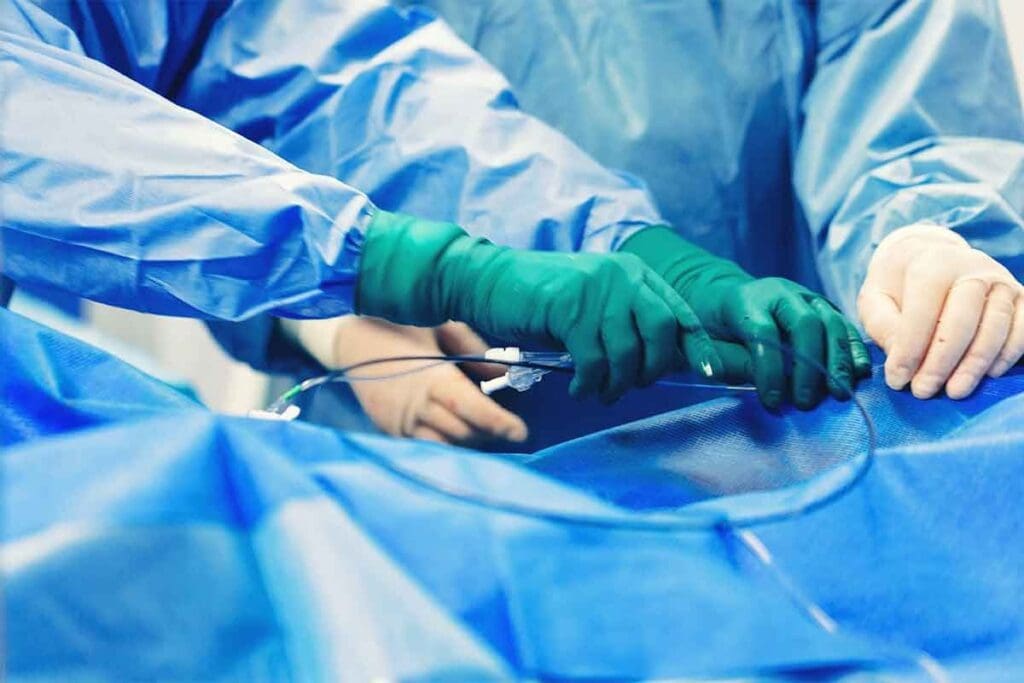
Cardiovascular conditions can be scary, but new treatments like balloon angioplasty offer hope. This procedure uses an angioplasty balloon catheter to widen narrowed or blocked arteries. It improves blood flow and eases symptoms like chest pain or shortness of breath.
At Liv Hospital, we use the latest in angioplasty balloon catheter procedures to help our patients. By opening blocked blood vessels, balloon angioplasty helps the heart work better and improves overall health and well-being.
Key Takeaways
- Balloon angioplasty is a minimally invasive procedure to open blocked arteries.
- It improves blood flow and reduces symptoms like chest pain.
- Liv Hospital uses the latest techniques in cardiac balloon procedures.
- The procedure helps restore heart health and overall well-being.
- Balloon angioplasty is used to treat atherosclerosis caused by plaque buildup.
The Basics of Balloon Angioplasty
Balloon catheters have changed how we treat heart disease. This method, known as balloon angioplasty, is a key part of modern heart care. It’s a way to open blocked arteries without big surgery.
Understanding Coronary Artery Disease
It’s key to know about coronary artery disease to see how balloon angioplasty helps. This disease harms the main blood vessels of the heart. It’s often caused by plaque buildup, which narrows the blood flow path.
Causes of Arterial Blockages
Plaque buildup is the main reason for blockages in coronary artery disease. This plaque is made of fat, cholesterol, and more. High blood pressure, high cholesterol, smoking, and diabetes can make it worse.
Other things like family history, obesity, not being active, and bad diets also play a part. Knowing these risk factors helps in preventing and managing the disease.
Symptoms Requiring Intervention
Coronary artery disease often goes unnoticed until a big blockage happens. Then, symptoms like chest pain (angina), shortness of breath, or other signs show up. These symptoms mean the heart isn’t getting enough blood.
Balloon angioplasty, as a medical expert explains, is a key treatment. It uses a balloon catheter to open blocked arteries. This improves blood flow to the heart. It’s vital for easing symptoms and stopping heart attacks.
Knowing the causes and symptoms of coronary artery disease is important. It shows why quick medical help, like balloon angioplasty, is needed. This helps restore heart health and improves patient results.
How Angioplasty Balloon Catheters Work
Angioplasty balloon catheters are advanced tools used to open blocked or narrowed arteries. They are key in the angioplasty process, a non-invasive treatment for heart disease.
To grasp their function, we need to know about their parts and how they work.
Components of a Balloon Catheter
A balloon catheter has several important parts:
- A flexible shaft that moves through blood vessels.
- An inflatable balloon at the end, placed at the blockage site.
- A guidewire for steering the catheter.
- A hub at the other end, connected to an inflation device.
The balloon material is tough but flexible, expanding when needed. This expansion is key to pushing plaque and widening the artery.
Mechanism of Action
The process of using an angioplasty balloon catheter involves several steps:
- The catheter is moved through the arteries until the balloon reaches the blockage.
- The balloon is inflated with a special device, filled with contrast medium.
- The inflated balloon presses the plaque against the wall, widening the artery and improving blood flow.
- The balloon is deflated, and the catheter is pulled out.
The inflation and deflation are controlled to avoid harming the artery walls.
The success of angioplasty balloon catheters is shown in the table below. It compares the artery before and after the procedure:
| Arterial Condition | Pre-Procedure | Post-Procedure |
| Arterial Lumen Diameter | Narrowed (<2 mm) | Widened (>4 mm) |
| Blood Flow | Restricted | Improved |
| Plaque Compression | Minimal | Significant |
Understanding how angioplasty balloon catheters work shows the complexity and care in these life-saving treatments.
Diagnostic Procedures Before Angioplasty
Diagnostic tests are key in getting ready for balloon angioplasty. They help find where and how bad the blockages are.
Before starting the balloon angioplasty, several tests are done. These tests check the blood vessels’ health. They help decide the best plan for the angioplasty and aim for the best results.
Balloon Angiogram Process
A balloon angiogram, or coronary angiography, is a main tool. It uses a dye to see blockages or narrowing in arteries.
A catheter is put into an artery in the leg or arm. It’s then guided to the coronary arteries. The dye is released, and X-rays show the dye’s path. This highlights any blockages.
“Coronary angiography remains the gold standard for diagnosing coronary artery disease and guiding revascularization decisions.”
N. Ruparelia et al., Heart, 2016
Other Preliminary Tests
Other tests are also done to check the patient’s health. These include:
- Stress tests to see how the heart works under stress
- Electrocardiograms (ECG) to watch the heart’s rhythm
- Blood tests to look for conditions that might affect the procedure
- Imaging tests like echocardiograms or cardiac MRI to check the heart’s function and shape
| Diagnostic Test | Purpose |
| Coronary Angiography | Visualize blockages in the coronary arteries |
| Stress Test | Evaluate heart function under stress |
| Electrocardiogram (ECG) | Monitor heart rhythm |
| Echocardiogram | Assess heart structure and function |
These tests together give a full picture of the patient’s vascular health. This helps doctors plan and perform a successful balloon angioplasty.
The Balloon Angioplasty Procedure Step by Step
Balloon angioplasty is a procedure to open narrowed arteries. It helps restore blood flow to the heart. This is key for treating coronary artery disease.
Pre-Procedure Preparation
Before the procedure, patients get diagnostic tests to check their arteries. Pre-procedure preparation is essential for success. This includes:
- Reviewing medical history and current medications
- Undergoing blood tests to check for clotting disorders
- Having an electrocardiogram (ECG) to assess heart function
- Receiving instructions on fasting and medication management before the procedure
Medical experts say, “Proper preparation is key to a successful angioplasty procedure.”
“The more prepared the patient is, the smoother the procedure will be,” says a leading cardiologist.
Catheter Insertion and Navigation
The next step is catheter insertion and navigation. A small incision is made in the wrist or groin. A catheter is then inserted into the artery.
The cardiologist guides the catheter through the artery to the blockage. This requires precision and expertise.
Balloon Inflation and Plaque Compression
With the catheter in place, a balloon is inflated. This compresses the plaque against the artery walls, widening it. This inflation is typically done for a few seconds to a minute, and it may be repeated several times.
The success of the cardiac balloon procedure depends on the accurate inflation of the balloon and the compression of the plaque. After the procedure, the catheter is removed, and the incision site is closed.
Understanding the steps of balloon angioplasty helps patients prepare for the procedure and recovery.
Stent Placement During Heart Balloon Procedures
The use of stents in cardiac balloon catheterization is now common. After the balloon angioplasty, a stent is often placed to keep the artery open. This step is key to the procedure’s long-term success.
Types of Stents
There are different stents used in heart catheter balloon procedures. The main types are:
- Bare-metal stents: Simple metal mesh stents that provide structural support.
- Drug-eluting stents: These stents are coated with medication to prevent the artery from re-narrowing.
- Bioresorbable stents: Stents made from materials that dissolve over time, potentially reducing complications.
The type of stent chosen depends on the patient’s health, the blockage’s location and severity, and past stenting experiences.
The Stenting Process
Stent placement in a balloon catheter heart procedure usually follows the balloon angioplasty. Here’s how it works:
- The stent is mounted on a balloon catheter and guided to the narrowed artery.
- The balloon is inflated, expanding the stent and pushing it against the artery walls.
- The balloon is then deflated and removed, leaving the stent in place to keep the artery open.
Stent placement has greatly improved cardiac balloon catheterization outcomes. It reduces immediate complications and improves long-term results.
Benefits of Cardiac Balloon Procedures
Cardiac balloon procedures have changed how we treat heart disease. They are key in managing heart issues because they work well and are less invasive.
Immediate Symptom Relief
These procedures quickly ease symptoms like chest pain and shortness of breath. They help blood flow to the heart, improving life quality. A medical expert says, “Balloon angioplasty can immediately restore blood flow, alleviating symptoms and improving patient outcomes.”
“The use of balloon angioplasty has been a game-changer in cardiology, providing patients with a quick and effective solution to coronary artery disease.”
Long-term Health Improvements
Cardiac balloon procedures also lead to long-term health gains. They open blocked arteries, preventing future heart issues like heart attacks. Studies have shown that patients who undergo balloon angioplasty often experience sustained improvements in their cardiovascular health.
Comparison to Alternative Treatments
Compared to CABG, cardiac balloon procedures have several advantages. They are less invasive, leading to quicker recovery and fewer complications. While CABG is needed for complex cases, balloon angioplasty is preferred for its simplicity and success. “Balloon angioplasty significantly shortens recovery compared to open surgery,” making it a good choice for many patients.
Recovery After Balloon Catheterization
Knowing what to expect after balloon catheterization is key to a smooth recovery. We’ll walk you through what happens in the hospital and after you go home.
Hospital Stay Duration
Most patients stay in the hospital for at least one night after the procedure. How long you stay can depend on your health and the details of your procedure.
A study in a medical journal found that most patients stay less than 24 hours. But this can change based on individual factors.
“Most patients go home within a day. But, some might need more time due to complications or health issues.”
| Procedure Type | Average Hospital Stay |
| Balloon Angioplasty | Less than 24 hours |
| Balloon Angioplasty with Stent | 1-2 days |
Post-Procedure Care
After your procedure, you’ll get specific care instructions for at home. This includes managing your meds, watching the insertion site for infection, and following a diet.
Key aspects of post-procedure care include:
- Resting for the remainder of the day
- Avoiding heavy lifting or strenuous activities
- Monitoring for any unusual symptoms
Return to Normal Activities
Most people can go back to work and normal activities in a few days to a week. But this can vary based on your health and job.
Always follow your healthcare provider’s advice on when to start normal activities. Usually, you’re told to avoid hard activities for at least a week. Then, you can slowly start doing more.
By following these guidelines and your healthcare team’s advice, you can have a successful recovery after balloon catheterization.
Potential Risks and Complications
Balloon angioplasty is generally safe but comes with some risks. It’s a common treatment for coronary artery disease. Knowing about these risks helps patients make better choices.
Common Minor Complications
Minor issues after balloon angioplasty include bruising or bleeding at the site where the catheter was inserted. You might also feel temporary discomfort or have a minor allergic reaction to the dye used. These problems are usually manageable and don’t affect your recovery much.
- Bruising or bleeding at the catheter site
- Temporary discomfort during or after the procedure
- Minor allergic reactions to contrast dye
Serious Complications
Though rare, serious problems can happen. These include restenosis (the artery getting narrow again), accidental damage to the artery, blood clots, and severe dye allergies. In some cases, these issues can be very serious and even life-threatening.
- Restenosis or re-narrowing of the treated artery
- Accidental perforation of the coronary artery
- Formation of blood clots
Risk Factors for Complications
Some things can make complications more likely after balloon angioplasty. These include pre-existing medical conditions like diabetes or kidney disease. Also, how complex the artery disease is and if there are many blockages can affect the risk.
| Risk Factor | Description |
| Diabetes | Increases the risk of complications and slower healing |
| Kidney Disease | May affect the body’s ability to process contrast dye |
| Bleeding Disorders | Increases risk of bleeding complications |
It’s key for patients to know about these risks and complications. This knowledge helps them make informed choices. Doctors should also carefully look at each patient’s risk factors. This way, they can take steps to reduce the chance of problems.
Life After Balloon Catheter Heart Treatment
Life after balloon angioplasty brings big changes to keep the treatment working well. We’ll help you navigate this new phase. We’ll cover key points for a healthier, happier life after the procedure.
Medication Regimen
Following a medication regimen is key after balloon angioplasty. You’ll likely take:
- Antiplatelet drugs to stop clots
- Statins to control cholesterol
- Beta-blockers to lower blood pressure and heart rate
- ACE inhibitors for heart health
It’s important to take these medicines as your doctor says. This helps avoid problems and keeps the treatment working for a long time.
Lifestyle Modifications
Changing your lifestyle is also vital for heart health after balloon angioplasty. We suggest:
- Eating a diet full of fruits, veggies, and whole grains
- Doing regular exercise like walking or swimming
- Stopping smoking to lower heart risks
- Using stress-reducing activities like meditation or yoga
These changes help the balloon angioplasty work better and improve your overall health.
Follow-up Care and Monitoring
Regular follow-up care is key to monitoring your heart health. This includes:
- Regular visits to your cardiologist
- Tests to check how well your heart and stent are working
- Watching for any signs of problems or restenosis
It’s important to keep these appointments. This helps keep you healthy and makes sure your treatment plan is right.
By sticking to your medication, making healthy lifestyle choices, and getting regular check-ups, you can greatly improve your life after balloon catheter heart treatment. We’re here to support you every step of the way.
Advancements in Balloon Cardiology Technology
New technologies in balloon cardiology are changing how we treat heart problems. These advancements make angioplasty safer and more precise. They help avoid damage to blood vessels and improve patient results.
Drug-Eluting Balloons
Drug-eluting balloons are a big step forward in treating heart issues. They have medicine on them that gets released into the artery walls during the procedure. This helps prevent the artery from narrowing again.
These balloons work well against restenosis and other problems. They release drugs that slow down the artery’s narrowing. This leads to better long-term results.
Cutting Balloons and Specialized Devices
There are also other devices for specific challenges in angioplasty. Cutting balloons, for example, have tiny blades that score the plaque. This makes it easier to widen the artery.
Other devices include:
- Scoring balloons: Similar to cutting balloons, but they work differently.
- Lithotripsy balloons: Use shockwaves to break up hard plaques, making dilation easier.
These new tools show the ongoing effort to make angioplasty better. They give doctors more options for treating patients. This means treatments can be more personalized to each person’s needs.
| Device Type | Primary Function | Clinical Benefit |
| Drug-Eluting Balloons | Release medication to prevent restenosis | Reduced rate of re-narrowing |
| Cutting Balloons | Score plaque for controlled dilation | Improved artery dilation |
| Lithotripsy Balloons | Break up calcified plaques | Enhanced ability to treat calcified lesions |
Conclusion: The Future of Balloon Angioplasty
Looking ahead, balloon angioplasty will continue to be a key part in fighting heart disease. New tech, like drug-eluting balloons, is making treatments better and giving more options. This means patients are getting better care and results.
The world of balloon cardiology is changing fast. Scientists and doctors are working hard to make these treatments safer and more effective. We’re expecting even more progress in balloon angioplasty, helping those with heart and blood vessel problems.
Balloon angioplasty has a strong history and is getting even better. It will keep being a mainstay in treating heart and blood vessel issues. As we go forward, it will help more people live better lives, thanks to its success and ongoing improvements.
FAQ
What is balloon angioplasty?
Balloon angioplasty is a procedure to open blocked heart arteries. It uses a balloon catheter to push aside plaque and improve blood flow.
What is the purpose of a balloon angiogram?
A balloon angiogram, or coronary angiography, is a test to see the heart’s arteries. It uses X-rays and contrast to find blockages or narrowing.
How does a balloon catheter work?
A balloon catheter is a thin, flexible tube with a balloon tip. It’s guided to narrow spots, then inflated to widen the artery and improve blood flow.
What is stent placement, and why is it necessary?
Stent placement involves putting a small, mesh-like device (stent) in the artery. It keeps the artery open after angioplasty. Stents help prevent the artery from narrowing again.
What are the benefits of cardiac balloon procedures?
Cardiac balloon procedures, like angioplasty, offer quick relief and long-term health benefits. They are a less invasive option compared to open-heart surgery.
What is the recovery process like after balloon catheterization?
After balloon catheterization, patients usually stay in the hospital for a few hours or overnight. They might feel some discomfort, bruising, or swelling. But most can get back to normal activities in a few days.
What are the possible risks and complications of balloon angioplasty?
Risks of balloon angioplasty include minor issues like bruising or bleeding. Serious complications like artery rupture, heart attack, or stroke are also possible.
What lifestyle modifications are recommended after balloon angioplasty?
After angioplasty, patients should follow a heart-healthy lifestyle. This includes eating well, exercising regularly, managing stress, and quitting smoking. These steps help prevent future heart problems.
What is the role of medication after balloon catheter heart treatment?
After heart treatment with a balloon catheter, patients take medications. These help prevent blood clots, manage symptoms, and control conditions like high blood pressure or cholesterol.
What advancements have been made in balloon cardiology technology?
New advancements in balloon cardiology include drug-eluting balloons and cutting balloons. These devices make balloon angioplasty safer and more effective.
How does balloon angioplasty compare to alternative treatments?
Balloon angioplasty is a less invasive option than open-heart surgery. It offers a quicker recovery and fewer complications. But the best treatment depends on the patient’s specific needs and medical history.
References
- National Heart, Lung, and Blood Institute (NHLBI). (2023). What is angioplasty? U.S. Department of Health and Human Services. Retrieved October 21, 2025, from https://www.nhlbi.nih.gov/health/angioplasty