Last Updated on November 20, 2025 by Ilayda Cengizhan
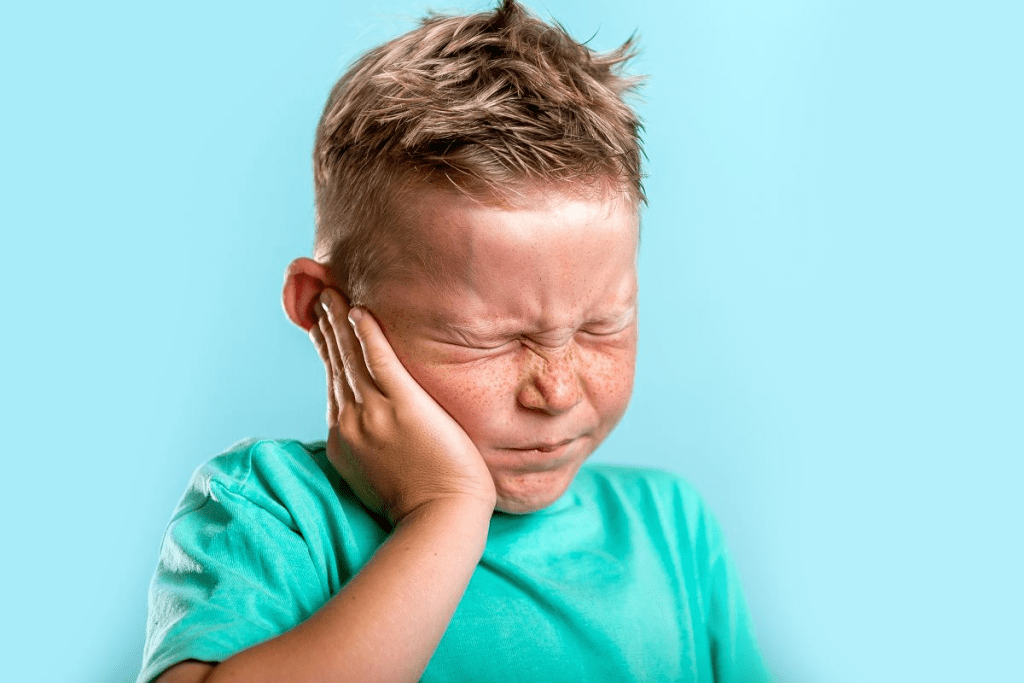
Ear infections are common in kids, but not all need a doctor right away. Many ear infections get better by themselves without antibiotics for ear infection. Simple treatments can also help a lot.
We’ll look into when you should see a pediatrician for an ear infection. We’ll use the latest research and guidelines. Knowing when to go to the doctor is key to managing the infection well.
Key Takeaways
- Most ear infections in children resolve on their own.
- Immediate antibiotic treatment is often not necessary.
- Simple treatments can be effective in managing symptoms.
- Understanding when to seek medical attention is important.
- A pediatrician can provide guidance on the best course of treatment.
What You Need to Know About Childhood Ear Infections
As a parent, knowing about childhood ear infections can ease your worries. Ear infections are common in kids and can be very uncomfortable. It’s important to understand the causes, symptoms, and how they progress to care for your child well.
Common causes and risk factors
Ear infections often start after a cold, sinus infection, or allergies. Fluid behind the eardrum creates a breeding ground for bacteria or viruses. This is called otitis media. Several factors can raise the risk of getting an ear infection, including:
- Age: Children between 6 months and 2 years are more susceptible.
- Exposure to smoke: Tobacco smoke can increase the risk.
- Attendance at daycare: Being around other children can increase the chance of catching a cold, which can lead to an ear infection.
- Family history: A history of ear infections in the family can play a role.
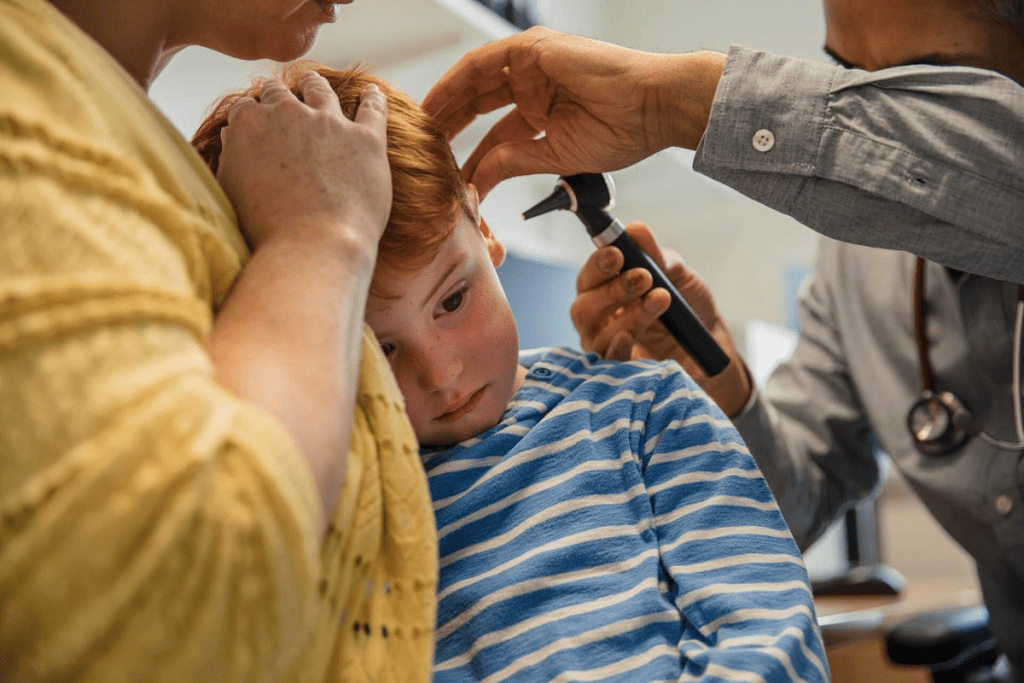
Recognizing the symptoms in different age groups
Symptoms of ear infections vary by age. In infants, signs include:
- Fussiness or irritability
- Tugging or pulling at the ear
- Fever
- Fluid draining from the ear
Older children can tell you they’re in pain, complaining of:
- Ear pain
- Hearing loss or muffled hearing
- Feeling of fullness in the ear
How ear infections typically progress
Ear infections usually start with a viral infection, leading to fluid in the middle ear. If bacteria are present, the infection can become bacterial. Symptoms can get worse quickly. Sometimes, the infection goes away on its own, but often, medical help is needed to avoid complications.
Monitoring symptoms closely and knowing when to seek medical help is key. We will discuss this further in subsequent sections.
5 Signs You Should Take Your Child to a Pediatrician
Ear infections can be tough on kids. Knowing when to see a pediatrician is key. Watch your child’s symptoms closely to decide if they need a doctor.
Severe pain or high fever
If your child has severe ear pain or a high fever (over 102 °F), they need a pediatrician. Severe pain means the infection is serious. A high fever shows the body is fighting hard.
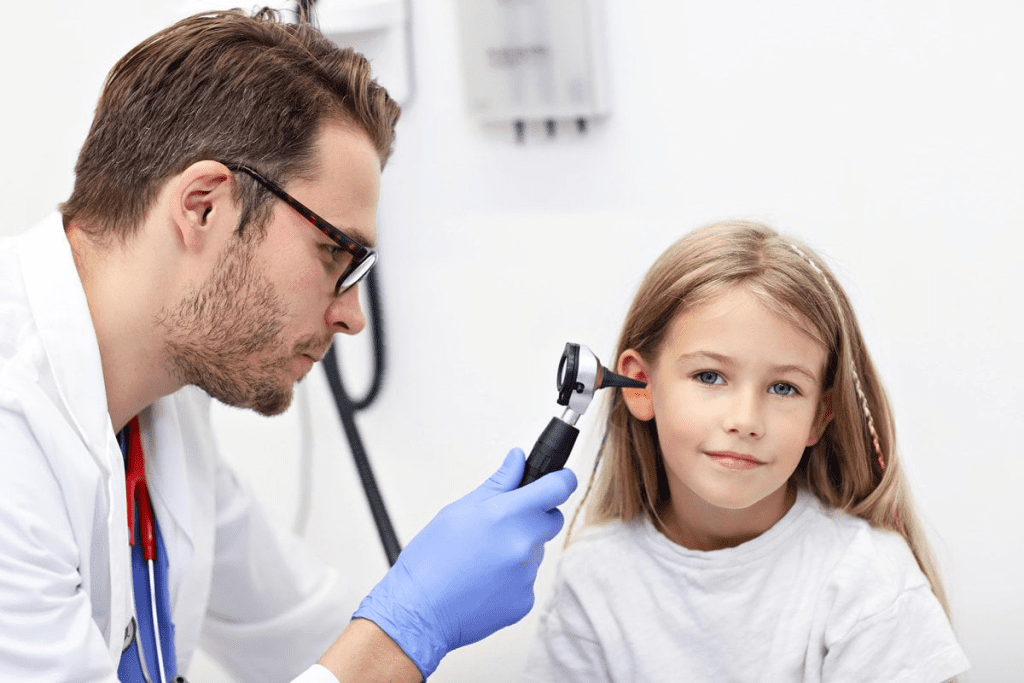
Symptoms in children under 2 years old
Young kids can’t always tell us how they feel. Look for irritability, fussiness, or trouble sleeping. If they pull at their ear or have a fever, see a pediatrician.
Discharge from the ear
Seeing discharge or fluid from your child’s ear means the eardrum has burst. This might help with pain, but seeing a pediatrician is important. They can treat the infection and prevent more problems.
Symptoms lasting more than 2-3 days
Ear infections usually get better in 2-3 days. If your child’s symptoms don’t get better or get worse, they might need a doctor. Keep an eye on their temperature and pain. If you’re worried, talk to a pediatrician.
It’s always safer to be cautious with your child’s health. If you’re unsure about their symptoms or how long they’ve had them, talk to a doctor. They can help if symptoms last too long or get worse.
When Antibiotics for Ear Infections Are Actually Needed
Not all ear infections need antibiotics. It’s important to know when they do. About 80% of childhood ear infections get better on their own, as new guidelines show. But, some cases might need antibiotics to avoid serious problems or to ease bad symptoms.
The 61% that Improve Without Medication
A study found that about 61% of kids with ear infections get better without antibiotics. This shows our bodies can fight off infections by themselves.
“Most kids with ear infections will get better on their own,” a recent review says. This has led to a smarter way of using antibiotics.
Current Guidelines for Antibiotic Prescription
New guidelines suggest using antibiotics wisely for ear infections. The American Academy of Pediatrics (AAP) says kids over six months with simple ear infections can wait 48 to 72 hours before antibiotics. This wait-and-see approach helps figure out who will get better on their own.
- Children under 6 months should get antibiotics right away because they’re at higher risk.
- Kids between 6 months and 2 years with bad symptoms or both ears infected might need antibiotics.
- Older kids with mild symptoms can often wait without antibiotics.
Risk Factors that Indicate Need for Immediate Treatment
Some risk factors mean kids need antibiotics right away for ear infections. These include:
- Being under 6 months old.
- Having very bad symptoms, like high fever or a lot of ear pain.
- Having infections in both ears.
- Having complications, like mastoiditis.
Kids with these risk factors usually do better with early antibiotics to avoid serious problems.
Shorter vs. Longer Antibiotic Courses
How long antibiotics should last for ear infections is debated. Studies show shorter courses (5-7 days) work as well as longer ones (10 days) for simple cases. Shorter treatments might lower side effects and help fight antibiotic resistance.
“Shorter antibiotic courses for ear infections are gaining support as they balance efficacy with the need to minimize antibiotic exposure,” according to a recent clinical guideline.
We advise following the latest guidelines and talking to a doctor to find the best treatment for each case.
3 Risks of Unnecessary Antibiotic Treatment
Using antibiotics when not needed can harm more than help. Antibiotics are key for fighting bacterial infections. But, using them too much can hurt children’s health. It’s important for parents to know these risks to choose the best treatment for their kids.
Adverse Reactions Affecting Up to 36% of Children
About 1 in 5 kids have bad reactions to antibiotics. These can include nausea, diarrhea, stomach pain, rashes, or allergies. These issues can worry both kids and parents.
For example, a child might get a rash or feel stomach pain. This can be scary. Learn more about antibiotic overuse.
Some common bad reactions are:
- Diarrhea
- Nausea and vomiting
- Stomach pain
- Rashes or skin irritation
- Allergic reactions
Contributing to Antibiotic Resistance
Using too many antibiotics makes bacteria resistant. When bacteria resist antibiotics, treating infections gets harder. This could make antibiotics less effective in the future, which is a big health risk.
To fight antibiotic resistance, we must use antibiotics wisely. This means only using them when really needed, as a doctor says.
Disruption of Beneficial Gut Bacteria
Antibiotics harm not just bad bacteria but also good ones in a child’s gut. This can upset the balance of gut bacteria. It might cause digestive problems or make kids more likely to get other infections.
Keeping gut bacteria healthy is key for well-being. Parents can help by feeding their kids a diet full of fruits, veggies, and whole grains. This diet can help good gut bacteria recover after antibiotics.
6 Effective Home Remedies for Managing Ear Pain
Ear infections can be very uncomfortable. But, there are home remedies that can help ease the pain. It’s important to manage ear pain well for kids with ear infections. We’ll look at some home remedies that can help.
Safe Over-the-Counter Pain Relievers
Using over-the-counter pain relievers is a good way to handle ear pain. Acetaminophen and ibuprofen are good choices for kids. They help reduce pain and lower fever too.
- Always follow the recommended dosage instructions.
- Consult with a pediatrician before administering any medication.
- Keep track of the time and amount of medication given.
Warm Compress Techniques
Putting a warm compress on the ear can really help. Here’s how to do it:
- Soak a clean cloth in warm water, then wring it out.
- Place the warm cloth against the ear.
- Repeat as necessary until the pain subsides.
This method can lessen ear pain and discomfort.
Elevation and Positioning Strategies
Keeping the child’s head up while they sleep can help. Use an extra pillow for comfort.
Hydration and Rest Recommendations
It’s important for your child to drink lots of fluids. Also, they need plenty of rest. Make their sleep area cozy and inviting.
Using these home remedies can help manage your child’s ear pain. Always watch for any worsening symptoms. If needed, talk to a healthcare professional.
The “Watchful Waiting” Approach: What Parents Should Monitor
When dealing with ear infections in kids, it’s important to watch symptoms closely. This method lets you see if the infection is getting better or if you need to see a doctor.
How to Track Symptoms Effectively
Parents should know the signs of ear infections like ear pain, fever, and crankiness. Watching these signs closely helps you see if your child is getting better or worse.
- Look for changes in behavior or appetite.
- Notice if your child complains of ear pain or discomfort.
- Watch for fever or hearing problems.
Temperature Monitoring Guidelines
It’s key to keep an eye on your child’s temperature. A fever can mean an infection, and watching it can give you important clues.
- Use a digital thermometer for accurate readings.
- Record the temperature at the same times each day.
- Watch for any big changes in temperature.
Pain Level Assessment Techniques
It’s important to know how much pain your child is in. Using pain scales can help you understand their discomfort.
- Use a pain scale (like Faces Pain Scale) to measure pain.
- Look for signs of pain like crying or ear tugging.
- Ask older kids to tell you how they feel.
Creating a Symptom Journal
Keeping a symptom journal is very helpful. Writing down symptoms, temperature, and pain gives a clear picture of your child’s health over time.
“Keeping a symptom journal helped us identify patterns in our child’s condition, making it easier to decide when to seek medical help.”
A concerned parent
By following these tips, parents can keep a close eye on their child’s symptoms. This helps make smart choices about their care during the watchful waiting period.
Conclusion: Balancing Medical Care and Natural Recovery
Ear infections are common in kids. Many get better on their own, but some need a doctor’s help. We talked about knowing when to see a pediatrician and when antibiotics are needed.
It’s key to balance medical help with natural healing. Parents can make smart choices for their child’s health. This means knowing how to ease ear pain at home and when to go to the doctor.
Good ear infection treatment mixes medical care with home remedies. We stress the need to watch symptoms and know when to use ear infection medicine. This ensures kids get the right care for their condition.
FAQ
What are the common causes of ear infections in children?
Ear infections can come from colds, allergies, or a narrow Eustachian tube. Knowing these causes helps in preventing and managing ear infections.
How long does an ear infection last?
Ear infections usually get better in a few days. But, some might need antibiotics. Always watch your child’s symptoms and see a pediatrician if they don’t get better or get worse.
When should I take my child to a pediatrician for an ear infection?
Take your child to a pediatrician if they’re under 2, have severe pain, a high fever, or ear discharge. Also, if symptoms last more than 2-3 days, it’s important to get them checked. The pediatrician can decide if antibiotics are needed and how to manage symptoms.
Do ear infections go away on their own?
Yes, many ear infections get better without medicine. But, some might need antibiotics, like if symptoms are bad or last a long time. A pediatrician can figure out the best plan.
What are the risks of unnecessary antibiotic treatment?
Using antibiotics when not needed can cause problems. It can lead to antibiotic resistance and harm good bacteria in the gut. It’s important to use antibiotics wisely, following current guidelines.
How can I manage my child’s ear pain at home?
You can use over-the-counter pain relievers like acetaminophen, warm compresses, and try different positions to ease ear pain. Make sure your child drinks plenty of water and gets enough rest.
What is the “watchful waiting” approach for ear infections?
The “watchful waiting” approach means keeping a close eye on your child’s symptoms. Track their temperature, pain, and keep a symptom journal. This helps decide if they need medical help or if the infection is getting better on its own.
Can I use over-the-counter ear infection medicine?
Some over-the-counter medicines can help with symptoms. But, always talk to a pediatrician before giving any medicine, including antibiotics, to your child, and if they’re under 2.
How can I prevent ear infections in my child?
To prevent ear infections, manage allergies, avoid smoke, and keep good hygiene. Breastfeeding and keeping up with vaccinations can also help lower the risk of ear infections.
References
- Intermountain Healthcare. (2025). Acute Otitis Media (Ear Infection), Pediatric. https://intermountainhealthcare.org/ckr-ext/Dcmnt?ncid=522927223