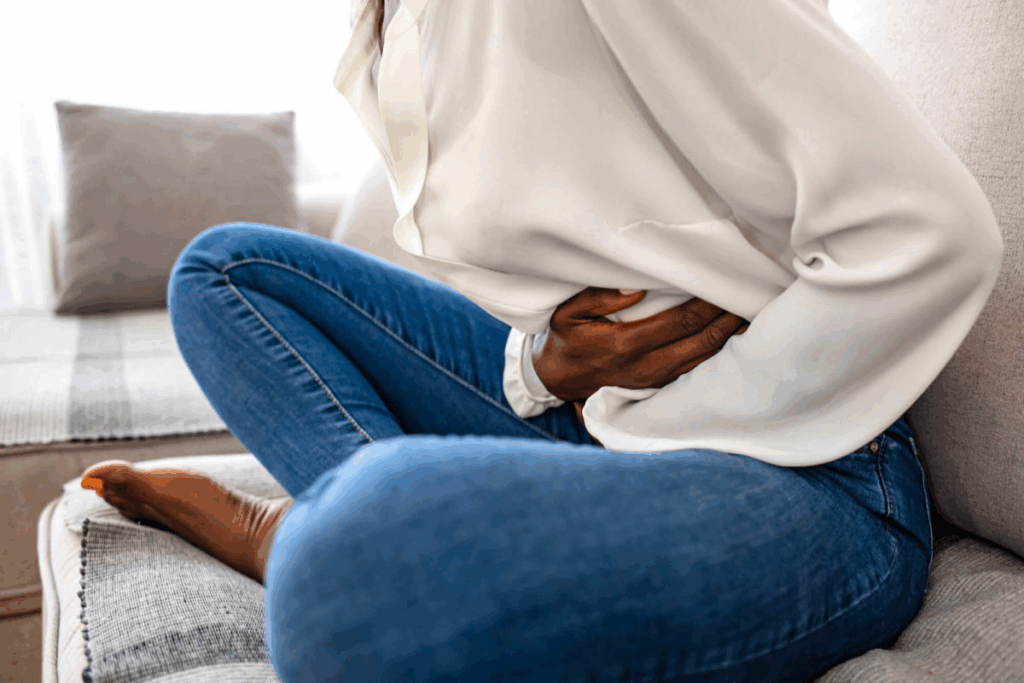
Feeling pain or rectal pain can really upset you and mess up your day. At Liv Hospital, we get how much it affects you and your family. Many things can cause this pain, like coughing or doing certain activities.
Sex can sometimes hurt your rectum, leading to swelling or bleeding. Issues like hemorrhoids and anal fissures can also make it uncomfortable.
Knowing why you’re in pain is the first step to feeling better. Luckily, most problems can be fixed with easy steps. These include taking warm baths, eating foods high in fiber, and using pain medicines you can buy without a prescription.
Anus pain after sex (female) can be alarming. Discover 5 common causes and the simple, effective solutions for relief.
Key Takeaways
- Rectal pain can result from various factors, including physical stress and sexual activity.
- Common conditions like hemorrhoids and anal fissures can cause rectal discomfort.
- Simple measures like sitz baths and a fiber-rich diet can help manage rectal pain.
- Understanding the causes of rectal pain is essential for seeking appropriate treatment.
- Liv Hospital provides comprehensive care for individuals experiencing rectal pain.
Understanding Anal Anatomy and Pain Sensitivity

The anal area is full of nerve endings and muscles. This makes it sensitive to pain. The anal region’s design is complex, with the anal canal, muscles, and many nerve endings. These parts work together for our bodily functions and feelings.
The Structure of the Anal Region
The anal canal is key to the anal region. It’s surrounded by two sphincters: the internal and external. These muscles help control stool passage, keeping us continent.
The internal anal sphincter works without our control. The external anal sphincter we can control. The anal region has many nerve endings. These are sensitive to pain, temperature, and pressure.
Nerve Endings and Pain Perception
Nerve endings in the anal region send signals to the brain. The brain then feels these signals as pain or discomfort. This sensitivity helps us feel when we need to go and avoid injury.
Pain in the anal region can come from many sources. This includes inflammation, infection, or trauma. Knowing how nerve endings work with pain is key to treating anal pain.
The Pelvic Floor’s Role in Anal Health
The pelvic floor muscles support the anal region. They help with continence and stool passage. Weakness in these muscles can cause issues like incontinence or discomfort.
Muscle Group | Function | Impact on Anal Health |
Internal Anal Sphincter | Involuntary control over stool passage | Dysfunction can lead to incontinence |
External Anal Sphincter | Voluntary control over stool passage | Weakness can cause fecal incontinence |
Pelvic Floor Muscles | Support for the anal region | Dysfunction can lead to rectal discomfort |
Knowing about the anal region’s anatomy is important. It helps with issues like pain when sitting or coughing. Understanding the role of nerve endings and pelvic floor muscles is key. This knowledge helps us find the right care for our discomfort.
Common Causes of Anus Pain After Sex Female Patients Experience

Many women face pain in the anus after sex. It’s important to know why this happens to manage it better. This pain can make life harder and affect a woman’s happiness.
Friction and Micro-Tears from Sexual Activity
Friction and micro-tears are big reasons for anal pain after sex. The anal area is delicate and has many nerves. When sex involves the anus, the risk of tears goes up, mainly if it’s not well-lubricated or too forceful.
These small tears can hurt right away and might keep hurting. It’s key to be gentle and use enough lubricant to avoid these problems.
Inadequate Lubrication and Its Consequences
Lack of lubrication also causes anal pain after sex. The anal mucosa is softer than vaginal tissue and needs enough lubricant to move smoothly during sex.
Without enough lubricant, irritation, micro-tears, and pain are more likely. The right lubricant can help avoid these issues.
Pelvic Floor Muscle Tension and Spasms
Pelvic floor muscle tension and spasms can also cause anal pain. These muscles support the pelvic organs, and tension or spasms can hurt.
This tension might come from anxiety, past trauma, or pelvic floor disorders. Relaxation techniques, physical therapy, or other treatments can help ease this pain.
Psychological Factors Affecting Pain Perception
Psychological factors can also affect how much pain a woman feels after sex. Anxiety, fear, or past trauma can make her more sensitive and feel pain more.
It’s important to look at the psychological side of pain. A mix of physical and mental care can help women feel better.
Cause | Description | Potential Solutions |
Friction and Micro-Tears | Micro-tears in the anal lining due to friction during sex | Gentle penetration, adequate lubrication |
Inadequate Lubrication | Insufficient lubrication leading to irritation and pain | Use of appropriate lubricants |
Pelvic Floor Muscle Tension | Tension or spasms in the pelvic floor muscles causing pain | Relaxation techniques, physical therapy |
Psychological Factors | Anxiety, fear, or past trauma influencing pain perception | Psychological support, therapy |
Why Coughing Triggers Anal Pain
Coughing can surprise us with anal pain. It’s important to know why this happens to find relief. When we cough, it raises pressure inside our belly. This pressure affects the anal area.
Increased Intra-abdominal Pressure Mechanics
Coughing forces air out of our lungs quickly. This increases pressure inside our belly. This pressure strains the muscles and tissues around the anus.
Increased intra-abdominal pressure is a main reason coughing hurts the anus. This pressure makes the pelvic floor muscles work harder. This can irritate existing conditions or cause pain.
Strain on Weakened Pelvic Floor Muscles
The pelvic floor muscles support the anus. If these muscles are weak, they can’t handle coughing pressure well. This can lead to pain or discomfort in the anus.
Doing Kegel exercises can help strengthen these muscles. This might ease the strain from coughing.
Exacerbation of Existing Anal Conditions
Coughing can make existing anal problems worse. Conditions like hemorrhoids, anal fissures, or rectal prolapse can become more painful. This is because coughing increases pressure on these areas.
It’s key to treat any underlying conditions to avoid irritation during coughing.
Connection Between Respiratory Actions and Pelvic Floor
Coughing and the pelvic floor are closely linked. The increased belly pressure from coughing affects the pelvic floor muscles.
Understanding this link is important for preventing and treating anal pain from coughing. Doctors might suggest exercises or treatments to manage this connection.
Anal Fissures: A Leading Cause of Rectal Pain
Anal fissures are small tears in the anus lining. They cause sharp pain during or after bowel movements. This pain may also bleed, leading to discomfort and concern.
Development and Progression
Anal fissures often start from hard or large stools tearing the anus lining. Constipation, diarrhea, and inflammation can also play a role. If not treated, they can become chronic, causing long-term pain and healing issues.
Knowing the causes and risk factors is key to managing and preventing anal fissures. A low-fiber diet, not enough water, and certain health conditions can increase the risk.
Recognizing Symptoms
The main symptom of an anal fissure is pain during or after bowel movements. This pain can be mild or severe. Other signs include bleeding, itching, or discomfort in the anal area. Spotting these symptoms early is important for timely medical help.
Conservative Treatment Approaches
First steps in treating anal fissures include conservative methods. These include eating more fiber, drinking plenty of water, and using creams or ointments to ease pain and aid healing.
Sitz baths can also help. They involve soaking the anal area in warm water. This relaxes the sphincter muscles and aids in healing.
Medical and Surgical Interventions
If conservative treatments don’t work, medical or surgical options may be needed. Nitroglycerin ointment can relax the anal sphincter and improve blood flow, helping the area heal.
For severe or chronic cases, surgery like lateral internal sphincterotomy might be considered. It helps relieve spasms and promotes healing.
Treatment Option | Description | Benefits |
Dietary Changes | Increasing fiber intake, staying hydrated | Promotes healing, reduces pain |
Topical Treatments | Creams or ointments for pain relief | Relieves pain, promotes healing |
Sitz Baths | Soaking in warm water | Relaxes sphincter muscles, promotes healing |
Medical Interventions | Nitroglycerin ointment, other medications | Relaxes anal sphincter, improves blood flow |
Surgical Options | Lateral internal sphincterotomy | Relieves spasms, promotes healing in severe cases |
Pelvic Floor Disorders and Their Connection to Anal Pain
Understanding pelvic floor disorders is key to fixing anal pain. These disorders affect the muscles and nerves in the pelvic area. They can cause pain in the anus and other symptoms.
Identifying Pelvic Floor Muscle Dysfunction
Pelvic floor muscle dysfunction happens when these muscles are too tight or weak. This can cause pain in the anus and other issues like not being able to hold urine or move the bowels right.
Common signs of pelvic floor muscle dysfunction include:
- Pain in the pelvic region, including the anus
- Muscle spasms
- Difficulty controlling bowel movements or urination
- Pain during sexual activity
Levator Ani Syndrome: Symptoms and Diagnosis
Levator ani syndrome causes long-lasting pain in the pelvic area, often from muscle spasms. Symptoms can be very hard to deal with and include pain in the rectum, coccyx, or pelvic area.
Diagnosis typically involves:
- A thorough medical history
- Physical examination, including a digital rectal exam
- Ruling out other causes of pain
Proctalgia Fugax: Sudden and Severe Rectal Pain
Proctalgia fugax causes sudden, severe pain in the rectum. The pain is intense but usually doesn’t last long, lasting from a few seconds to a few minutes.
While the exact cause is often unclear, factors that may contribute include:
- Muscle spasms
- Nerve irritation
- Pelvic floor dysfunction
Physical Therapy Approaches for Pelvic Floor Issues
Physical therapy is a great way to treat many pelvic floor disorders. It includes exercises to strengthen or relax the muscles, biofeedback, and manual therapy.
The goals of physical therapy for pelvic floor issues are to:
- Reduce pain and discomfort
- Improve muscle function
- Enhance overall pelvic health
Rectal Prolapse: When Internal Tissue Protrudes
Rectal prolapse happens when the rectum loses its normal attachments inside the body. This lets it bulge out through the anus. It can cause a lot of discomfort and pain, like when you cough or strain.
Signs and Symptoms
The symptoms of rectal prolapse vary based on how bad it is. Common signs include:
- A bulge or protrusion from the anus, which may be more noticeable during bowel movements or when standing.
- Fecal incontinence or difficulty controlling bowel movements.
- Discomfort or pain in the rectal area, which can worsen during coughing or straining.
- Bleeding or discharge from the rectum.
Table: Common Symptoms of Rectal Prolapse
Symptom | Description |
Visible Protrusion | A noticeable bulge from the anus. |
Fecal Incontinence | Difficulty controlling bowel movements. |
Rectal Pain | Discomfort or pain in the rectal area. |
Risk Factors and Causes
Several factors can increase the risk of developing rectal prolapse, including:
- Age: Rectal prolapse is more common in older adults.
- Chronic constipation or diarrhea.
- Previous pelvic surgery.
- Weakened pelvic floor muscles.
Diagnostic Procedures
Diagnosing rectal prolapse usually involves a physical exam. It may also include tests like:
- Defecography: An X-ray test that evaluates the function of the rectum during bowel movements.
- Colonoscopy: A procedure to examine the inside of the colon and rectum.
- Anorectal manometry: A test to assess the muscle function of the anus and rectum.
Treatment Approaches
Treatment for rectal prolapse can vary. It depends on how severe the condition is.
- Conservative management may include dietary changes, pelvic floor exercises, and avoiding straining during bowel movements.
- Surgical options can involve repairing or removing the prolapsed tissue.
Understanding the causes, symptoms, and treatment options for rectal prolapse is key. If you’re experiencing symptoms, seeing a healthcare provider is important. They can help with diagnosis and treatment.
Other Medical Conditions That May Cause Anal Pain
Many medical conditions can lead to anal pain. It’s important to know what’s causing it to get the right treatment. Anal pain can really affect your life, so finding the root cause is key.
Hemorrhoids: Internal and External
Hemorrhoids are a common cause of anal pain, often during bowel movements. Internal hemorrhoids are inside the rectum and usually don’t hurt but can bleed. External hemorrhoids are under the skin around the anus and can hurt, even more so if they get thrombosed.
“Hemorrhoids are a frequent cause of anal discomfort,” say doctors. Treatment can range from diet changes and creams to surgery for severe cases.
Anal Abscesses and Fistulas
Anal abscesses are painful pockets of pus near the anus. If not treated, they can turn into fistulas, which are abnormal connections between the anus and skin. Both can cause a lot of pain and discomfort.
- Symptoms of anal abscesses include severe pain, swelling, and fever.
- Fistulas can cause persistent discharge and pain.
Treatment for these conditions usually involves draining the abscess and possibly surgery for the fistula.
Inflammatory Bowel Disease Effects on the Rectum
Inflammatory bowel disease (IBD), like Crohn’s and ulcerative colitis, can hurt the rectum and cause pain. IBD causes inflammation, ulcers, and other problems in the gut, including the anus.
Managing IBD usually means taking medicine to reduce inflammation and changing your lifestyle.
Sexually Transmitted Infections Affecting the Anal Region
STIs like gonorrhea, chlamydia, and herpes can hurt the anal area. It’s important to practice safe sex and get regular check-ups to prevent and treat STIs.
Health experts say, “STIs can have serious consequences if left untreated, including long-term pain and complications.”
Treatment for STIs usually involves antibiotics or antiviral meds, depending on the infection.
Diagnostic Approaches for Anal Pain
To find out why you have anal pain, doctors use a few steps. They look at your body and might do more tests. We’ll tell you what happens during these steps.
What to Expect During a Physical Examination
The first thing doctors do is check you physically. They look at your anal area and might do a digital rectal exam (DRE). This helps find problems like fissures or hemorrhoids.
The DRE is when a doctor puts a finger in your rectum. They feel for any pain or unusual shapes. It’s a way to see if there’s something wrong inside.
Common Diagnostic Tests and Procedures
After the physical check, doctors might suggest more tests. These could be:
- Anoscopy: A small tube is used to see inside the anal canal and lower rectum.
- Sigmoidoscopy: A flexible tube with a camera looks at the sigmoid colon and rectum.
- Colonoscopy: This is for checking the whole colon, if needed.
- Imaging tests: MRI or CT scans can find structural problems.
Discussing Sensitive Symptoms with Healthcare Providers
Talking about anal pain can be hard. But it’s important to be open with your doctor. This helps them figure out what’s wrong.
“Patients should feel comfortable discussing their symptoms with their healthcare provider. The more information provided, the more accurate the diagnosis is likely to be.”
Doctors are there to help, not judge. They’ve seen many cases and want to care for you.
Specialist Referrals: When and Why
Sometimes, you might need to see a specialist. This could be a gastroenterologist for digestive issues or a colorectal surgeon for surgery.
You might see a specialist if:
- The diagnosis is hard to figure out.
- Simple treatments don’t work.
- You might need surgery.
Specialists can give you a detailed plan for your specific problem. They help find the best way to treat your anal pain.
Treating and Managing Anal Pain at Home
Anal pain can be managed with self-care. This includes good hygiene, pain relief, and lifestyle changes. These steps help treat and manage anal pain.
Sitz Baths and Warm Compresses
Sitz baths and warm compresses are great for anal pain. A sitz bath is sitting in warm water to ease pain and heal. To make a sitz bath, fill a bathtub with warm water and sit for 15-20 minutes. You can also use a sitz bath bowl over your toilet.
Warm compresses applied to the area can also help. They reduce pain and swelling.
Over-the-Counter Pain Relief Options
OTC pain relievers can help a lot. Acetaminophen and ibuprofen are good choices. They reduce pain and swelling. But, always follow the dosage and talk to a doctor before starting.
Dietary Modifications to Reduce Discomfort
Changing your diet can help with anal pain. Eating more fiber makes stools softer and easier to pass. Include fruits, veggies, and whole grains in your diet. Drinking plenty of water also helps prevent constipation.
Stay away from spicy or acidic foods. They can irritate the area.
Pelvic Floor Exercises and Relaxation Techniques
Kegel exercises can strengthen the muscles around the anus. This might help reduce pain. Deep breathing and meditation can also help by reducing stress and muscle tension. Regular practice improves pelvic floor health and lessens pain.
Using these methods daily can help manage anal pain at home. But, if pain doesn’t get better or gets worse, see a doctor.
When to Seek Medical Attention for Anal Pain
It’s important to know when to get medical help for anal pain. Some pain might go away on its own. But, other times, it could mean a serious problem that needs quick attention.
Warning Signs That Require Immediate Care
Some symptoms with anal pain need you to see a doctor right away. These include:
- Severe pain that makes it hard to do daily things or sleep
- Heavy bleeding or bleeding that won’t stop
- Fever or chills, which could mean an infection
- Swelling or abscesses in the anal area
- Difficulty controlling bowel movements or sudden incontinence
Persistent Symptoms That Shouldn’t Be Ignored
If you keep feeling pain in your anus, don’t ignore it. Long-lasting pain can mean problems like fissures, hemorrhoids, or pelvic floor issues. Even if the pain is mild, seeing a doctor is important.
Watch out for these ongoing symptoms:
- Pain when you go to the bathroom or after
- Itching or irritation around the anus
- Pain that spreads to your lower back or legs
Finding the Right Healthcare Provider
Finding the right doctor for anal pain is key. Start with your primary care doctor. They can send you to a specialist if needed. Doctors like gastroenterologists or colorectal surgeons can help with anal pain issues.
Look for a doctor with:
- Experience in treating anal pain and related issues
- A good way of communicating with patients
- Time for follow-up visits
Tell your doctor everything about your symptoms. This helps them give you the best care.
Conclusion
Knowing why anal pain happens is key to fixing it. We’ve looked at many reasons, like friction and muscle tension during sex. We also talked about how coughing can make it worse.
Figuring out what’s causing the pain takes a detailed look. This includes exams, tests, and talking openly with doctors. Treatments range from simple steps like sitz baths to more serious surgeries.
To really tackle anal pain, we need to tackle the root causes. This means making lifestyle changes and getting the right medical help. This summary shows how important it is to tackle rectal pain in a full way to feel better.
FAQ
Why does my anus hurt when I cough?
Coughing can hurt your anus because it puts extra pressure inside your belly. This pressure can strain the muscles around your anus. It can also make any existing problems worse.
What causes anal pain after sex?
Anal pain after sex can come from several things. It might be because of too much friction or not enough lubrication. Tight muscles in your pelvic area can also play a part. Even your mind can affect how much pain you feel.
How do anal fissures develop?
Anal fissures happen when the lining of your anus tears. This usually happens when you have hard stools or diarrhea. Other irritations can also cause them.
What are the symptoms of rectal prolapse?
If you have rectal prolapse, you might see a bulge from your anus. You could also feel discomfort or have trouble controlling your bowel movements.
How are pelvic floor disorders diagnosed?
Doctors use physical exams and your medical history to find pelvic floor disorders. They might also do tests like manometry and electromyography.
What are the treatment options for anal pain?
There are many ways to treat anal pain. You might start with simple steps like sitz baths and over-the-counter pain meds. If that doesn’t work, there are more serious treatments like surgery.
Can I manage anal pain at home?
Yes, you can manage anal pain at home. Try using sitz baths, taking pain meds, changing your diet, and doing exercises for your pelvic floor.
When should I seek medical attention for anal pain?
You should see a doctor if your anal pain is bad, doesn’t go away, or gets worse. Also, if you notice bleeding or discharge, get help right away.
How can I prevent anal pain?
To avoid anal pain, keep your bowel movements regular. Don’t strain when you go to the bathroom. And always practice safe sex.
What is the role of the pelvic floor in anal health?
The pelvic floor is very important for your anal health. It helps support the area and keeps you from losing control. Problems with it can lead to pain.
Can coughing cause rectal pain?
Yes, coughing can hurt your rectum. It’s because the pressure from coughing can strain the muscles in your pelvic area and anus.
Why does my rectum hurt when I sit?
Sitting can hurt your rectum for many reasons. It could be because of fissures, hemorrhoids, or problems with your pelvic floor.
What are the signs of levator ani syndrome?
Levator ani syndrome makes your rectal area hurt a lot. You might feel tenderness and muscle spasms in the levator ani muscle.
References
National Center for Biotechnology Information. Anorectal Pain: Coughing, Post-Coital Discomfort Causes. Retrieved from https://www.ncbi.nlm.nih.gov/books/NBK526063/