Last Updated on November 27, 2025 by Bilal Hasdemir
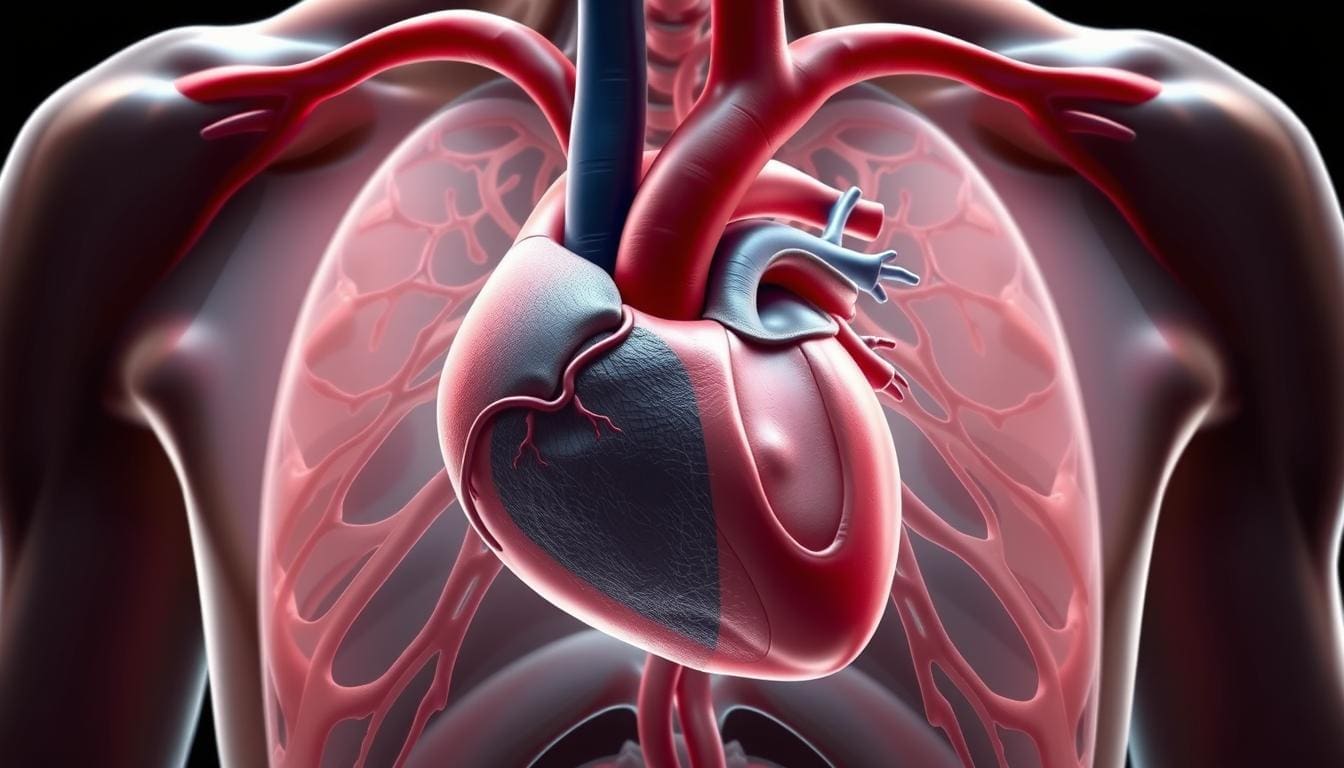
At Liv Hospital, we know how scary silent heart problems can be. An aortic root aneurysm is a serious issue where the aorta gets bigger or bulges at its start. This can really affect how well the heart works.
This problem, also called aortic root dilation, can cause big issues if not caught early. Signs include dull chest pain, feeling short of breath, and being really tired. Knowing the causes and symptoms is key to getting help fast.
In the US, about 5-10 people out of 100,000 have this issue. Catching it early is vital to avoid serious problems like dissection or rupture. At Liv Hospital, we aim to give top-notch care and support to our patients.
Key Takeaways
- An aortic root aneurysm is a dilation or bulge at the root of the aorta.
- Symptoms include chest pain, shortness of breath, and fatigue.
- Causes vary and include genetic disorders and high blood pressure.
- Early diagnosis is critical to prevent severe complications.
- Liv Hospital provides complete care for patients with aortic root aneurysm.
What Is an Aortic Root Aneurysm?
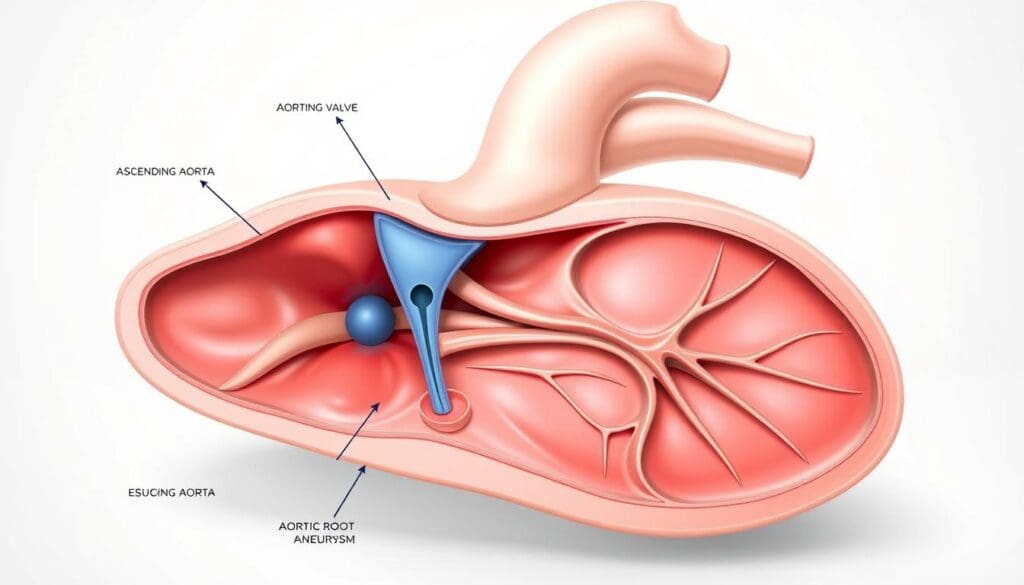
An aortic root aneurysm is serious because it affects the aortic root. This part is key for cardiovascular health. It connects the heart to the aorta, the biggest artery, helping blood flow.
Definition and Basic Anatomy
The aortic root is the part of the aorta that meets the heart. It has the aortic valve, sinuses of Valsalva, and the sinotubular junction. Knowing its basic anatomy helps doctors diagnose and treat problems like aneurysms.
An aortic root aneurysm is when the aortic root gets too big. This can cause a bulge in the aorta’s wall. It’s risky because it might cause the aorta to rupture or dissect, both are emergencies.
How the Aortic Root Functions
The aortic root is vital for blood flow from the heart to the aorta. It lets blood move during systole, when the heart contracts. The aortic valve ensures blood flows only one way, stopping backflow.
A healthy aortic root is key for blood pressure and getting oxygen to organs. Damage can cause big health problems.
Difference Between Aneurysm and Dilation
An aneurysm and dilation both mean a blood vessel gets bigger. But, an aneurysm is a specific enlargement at any aorta point, including the root. Dilation is a broader enlargement of the aorta.
Knowing the difference helps doctors plan treatment. An aortic root aneurysm needs close watch and might need surgery to avoid serious issues.
The Significance of Aortic Root Health
Aortic root health is key to a healthy heart and good cardiovascular health. The aortic root is a vital part of the heart’s system. It helps keep the heart working well.
The Critical Role in Cardiovascular Function
The aortic root is vital for cardiovascular function. It connects the heart’s left ventricle to the aorta. This ensures blood flows well throughout the body.
A healthy aortic root is essential for good blood pressure. It helps the heart pump blood effectively.
Potential Complications When Compromised
When the aortic root is not healthy, serious cardiovascular complications can occur. An aortic root aneurysm can cause blood to leak back into the heart. This can lead to heart failure.
A compromised aortic root also raises the risk of aortic dissection. This is when the aorta’s layers tear, which is very dangerous.
Keeping the aorta healthy is very important. Regular checks and early detection can prevent these problems.
Why Early Detection Matters
Finding aortic root issues early is key to managing them well. Regular health checks can spot problems before they get worse. This is even more important for those with a family history of aortic issues.
By focusing on aortic root health, we can lower the risk of heart diseases. This ensures better cardiovascular health overall.
Prevalence and Risk Factors
We look into the prevalence and risk factors of aortic root aneurysm. This vascular condition is serious and needs early detection and proper management.
Statistics in the United States
In the United States, aortic root aneurysm affects 5 to 10 people per 100,000. This shows it’s not very common but highlights the need for healthcare providers to be aware.
Recent studies show aortic aneurysm incidence, including root aneurysms, has stayed the same. But, the death rate from ruptured aneurysms is high. This makes it key to find and manage risk factors well.
| Prevalence Rate | Estimated Cases | Population |
|---|---|---|
| 5-10 per 100,000 | 1,500 – 3,000 | 30 million (approximate US population segment at risk) |
Who Is Most at Risk?
Some people are more likely to get an aortic root aneurysm. Those with a family history of aneurysms or certain genetic disorders are at higher risk.
Risk Factors:
- Genetic predisposition (e.g., Marfan syndrome, Ehlers-Danlos syndrome)
- History of cardiovascular diseases
- Hypertension
- Atherosclerosis
A cardiovascular specialist says, “Finding people at risk and managing their condition can greatly lower the risk of aneurysm rupture.”
“The key to managing aortic root aneurysm lies in early detection and understanding the risk factors associated with this condition.”
Age and Gender Considerations
Age and gender play big roles in aortic root aneurysm. It’s more common in older adults, and there’s a difference in who gets it.
Men are more likely to get aortic aneurysms, including root ones. But, women’s risk goes up after menopause, showing how hormones affect blood vessels.
| Age Group | Male Prevalence | Female Prevalence |
|---|---|---|
| 50-59 years | Higher | Lower |
| 60-69 years | High | Moderate |
| 70+ years | Very High | High |
Knowing these factors helps tailor screening and prevention to those most at risk.
Genetic Disorders: The First Major Cause of Aortic Root Aneurysm
Aortic root aneurysms often stem from genetic disorders that harm the aortic wall. These genetic factors are key in causing this condition. Knowing about these disorders helps in early detection and treatment.
Marfan Syndrome
Marfan syndrome affects the body’s connective tissue, which supports many structures, including the aorta. People with Marfan syndrome face a higher risk of aortic root aneurysms because their aortic wall weakens. Early diagnosis and monitoring are critical to prevent serious issues.
Loeys-Dietz Syndrome
Loeys-Dietz syndrome also impacts the connective tissue, raising the risk of aortic aneurysms and dissections. This condition leads to aggressive vascular disease, often appearing at a younger age. Prompt identification and management of Loeys-Dietz syndrome are vital to reduce aortic complications.
Ehlers-Danlos Syndrome
Ehlers-Danlos syndrome is a set of genetic disorders affecting the connective tissue. It causes skin and joint issues, along with tissue fragility. The vascular type of Ehlers-Danlos syndrome is most concerning due to its link with aortic and arterial ruptures. Careful management and surveillance are essential for those with this condition.
Family History Implications
A family history of genetic disorders like Marfan syndrome, Loeys-Dietz syndrome, and Ehlers-Danlos syndrome increases the risk of an aortic root aneurysm. We stress the need for genetic screening and counseling in families with such histories. Early detection through screening can significantly improve outcomes.
Grasping the genetic roots of aortic root aneurysms enables targeted care and better patient results. We aim to offer detailed care tailored to those with genetic predispositions to this condition.
Connective Tissue Diseases: The Second Major Cause
Connective tissue diseases are a big deal when it comes to aortic root aneurysms. They make the aortic wall weak. These diseases mess with the connective tissue in our bodies. This tissue helps support and structure our organs, like the aorta.
Types of Connective Tissue Disorders
There are several connective tissue disorders that can cause aortic root aneurysms. Here are a few:
- Marfan Syndrome: A genetic disorder that affects the body’s connective tissue. It causes problems in various bodily systems, including the heart.
- Ehlers-Danlos Syndrome: A group of disorders that affect the connective tissues in the body. These tissues support the skin, bones, blood vessels, and many other organs and tissues.
- Loeys-Dietz Syndrome: A genetic disorder that affects the connective tissue in the body. It is characterized by vascular, skeletal, and other systemic features.
How They Affect Aortic Integrity
These connective tissue disorders can really hurt the aortic wall. For example, in Marfan Syndrome, a mutation in the fibrillin-1 gene weakens the connective tissue. This can lead to aneurysm formation.
The impact on the aorta can be understood by looking at the structural changes caused by these diseases. The table below shows how different connective tissue disorders affect the aorta.
| Disease | Effect on Aorta |
|---|---|
| Marfan Syndrome | Affects fibrillin-1, leading to weakened aortic wall |
| Ehlers-Danlos Syndrome | Collagen defects can lead to vascular fragility |
| Loeys-Dietz Syndrome | Transforming growth factor-beta receptor mutations cause aortic dilation |
Monitoring and Management
It’s important for people with connective tissue disorders to get regular check-ups. This helps prevent or delay aortic root aneurysms. Here’s what’s involved:
- Regular imaging studies to check the size and condition of the aortic root.
- Medications to reduce the risk of aortic dilation, such as beta-blockers.
- Lifestyle modifications, like avoiding strenuous activities that could strain the aorta.
By understanding the risks of connective tissue diseases and using the right management strategies, we can help people at risk of aortic root aneurysms. This improves their outcomes.
Hypertension and Atherosclerosis: The Third and Fourth Major Causes
Hypertension and atherosclerosis are big risks for aortic root aneurysms. They can harm the aortic root, leading to serious problems if not treated.
Damage to the Aorta from High Blood Pressure
High blood pressure strains the aorta’s walls, including the aortic root. This strain can weaken the walls over time, possibly causing an aneurysm. The walls lose their strength as the elastic and muscular parts break down.
The effects of hypertension on the aorta include:
- Increased stress on the aortic wall
- Degradation of elastic and muscular components
- Potential for aneurysm formation
The Role of Plaque Buildup
Atherosclerosis, or plaque buildup, is another big risk for aortic root aneurysms. The plaque weakens the wall and can lead to an aneurysm. It also means a higher risk of heart problems, making treatment key.
| Condition | Effect on Aortic Root | Risk Factor for Aneurysm |
|---|---|---|
| Hypertension | Weakens aortic wall due to increased pressure | High |
| Atherosclerosis | Weakens arterial wall through plaque buildup | High |
Lifestyle Factors That Contribute
Many lifestyle choices can lead to hypertension and atherosclerosis. These include eating too much fat and salt, not moving enough, smoking, and drinking too much alcohol. Changing these habits and getting medical help when needed can lower aneurysm risk.
Lifestyle modifications that can help mitigate the risk include:
- Adopting a healthy diet low in saturated fats and sodium
- Engaging in regular physical activity
- Avoiding smoking and excessive alcohol consumption
Understanding how hypertension and atherosclerosis affect the aortic root is key. Taking steps to manage these conditions can greatly reduce the risk of an aortic root aneurysm.
Congenital Heart Defects: The Fifth Major Cause
Congenital heart defects are a big risk for aortic root aneurysms, mainly in those with a bicuspid aortic valve. These defects are there from birth and can mess with the heart’s structure and function. This includes the aortic valve and root.
We will look into how these defects raise the risk of aortic root aneurysm. We’ll also talk about their long-term effects.
Bicuspid Aortic Valve
A bicuspid aortic valve is a common heart defect at birth. It has only two cusps instead of the usual three. This can cause problems like aortic stenosis or regurgitation. It also ups the chance of getting an aortic root aneurysm.
Research shows people with this valve are more likely to get an aortic root aneurysm. This is because of the abnormal blood flow and extra stress on the aortic wall.
Other Congenital Abnormalities
Other heart defects can also increase the risk of aortic root aneurysm. These include:
- Coarctation of the aorta
- Patent ductus arteriosus
- Septal defects
These conditions can change blood flow and put more pressure on the aortic root. This can lead to aneurysm formation.
Long-term Implications
People with congenital heart defects need ongoing monitoring and care to avoid problems like aortic root aneurysm. Regular check-ups with a cardiologist are key for those with these defects.
Table: Congenital Heart Defects and Associated Risks
| Congenital Heart Defect | Associated Risk |
|---|---|
| Bicuspid Aortic Valve | Aortic stenosis, regurgitation, aortic root aneurysm |
| Coarctation of the Aorta | Hypertension, aortic dissection |
| Patent Ductus Arteriosus | Pulmonary hypertension, heart failure |
As we’ve seen, congenital heart defects are a big deal for aortic root aneurysms. Knowing about these risks is key for early detection and care.
“Early diagnosis and proper management of congenital heart defects can greatly lower the risk of aortic root aneurysm and other heart problems.”
Trauma and Infection: The Sixth and Seventh Major Causes
Trauma and infection are big factors in aortic root aneurysms. They are not as common as some other causes. But, they are very serious and need quick medical help.
Traumatic Injury to the Chest
Getting hurt in the chest can badly damage the aorta. This might lead to an aneurysm. Such injuries often happen in car crashes or big falls.
The force from these accidents can hurt the aorta’s wall. This can make it weak over time.
Key factors to consider in traumatic injury:
- Severity of the impact
- Immediate symptoms and delayed complications
- Importance of thorough medical evaluation post-trauma
Aortic Infections
Aortic infections are rare but serious. They can make the aorta’s wall weak, leading to aneurysms. These infections can be from bacteria, fungi, or syphilis.
Understanding the role of infection:
- Infections can be a primary cause or a contributing factor.
- Certain populations are more susceptible, such as those with compromised immune systems.
- Prompt antibiotic treatment is key in managing aortic infections.
Risk Assessment After Trauma
After chest trauma, a detailed medical check-up is vital. This helps figure out the risk of an aortic aneurysm. Tests like CT scans or MRIs are used to look at the aorta for damage.
Steps in risk assessment:
- Initial evaluation and stabilization
- Imaging and diagnostic tests
- Monitoring for signs of aneurysm development
Knowing the risks of trauma and infection helps doctors give better care. This can help stop aortic root aneurysms from happening.
Key Symptoms of Aortic Root Aneurysm
Knowing the symptoms of an aortic root aneurysm is key for early treatment. We’ll cover the main signs to look out for. This will help you know when to get medical help.
Early Warning Signs
The first signs of an aortic root aneurysm can be hard to spot. They might include a dull ache or pain in the chest or back. It’s important to watch for any unusual feelings or body changes.
Chest Pain Characteristics
Chest pain from an aortic root aneurysm can feel sharp or dull. It might spread to the back, arms, or jaw. “The pain can get worse if not treated,” say doctors. Knowing what this pain feels like is key to getting help fast.
Breathing Difficulties and Fatigue
As an aortic root aneurysm grows, it can make breathing hard. People might feel short of breath even when sitting or lying down. Feeling very tired is also common, as the heart works harder. Don’t ignore these symptoms, as they can mean a serious problem.
Emergency Symptoms Requiring Immediate Attention
In serious cases, an aortic root aneurysm can be deadly. Look out for severe chest pain, trouble breathing, or sudden dizziness. “Get medical help right away if you see these signs,” doctors stress. If you or someone you know has these symptoms, act fast.
Knowing the symptoms of an aortic root aneurysm and when to get help is vital. Early treatment can greatly improve life and survival chances for those affected.
Diagnosis and Treatment Approaches
Diagnosing an aortic root aneurysm involves several steps. We use imaging and clinical tests to get accurate results.
Diagnostic Procedures
Several tests help diagnose an aortic root aneurysm. These include:
- Echocardiography, which provides detailed images of the heart’s structure
- Computed Tomography (CT) scans, showing high-resolution images of the aorta
- Magnetic Resonance Imaging (MRI), useful for assessing the aortic root and surrounding tissues
- Angiography, which helps in visualizing the blood vessels and detecting any abnormalities
These tests help us understand the size and location of the aneurysm. They also show how it affects the heart.
Medical Management Options
For those with an aortic root aneurysm, managing the condition is key. This includes:
| Management Strategy | Description |
|---|---|
| Blood Pressure Control | Managing hypertension through medication and lifestyle changes |
| Monitoring | Regular follow-up with imaging tests to track the aneurysm’s size |
| Lifestyle Modifications | Recommendations on diet, exercise, and smoking cessation |
Medical management aims to slow the aneurysm’s growth. It also reduces the risk of rupture.
Surgical Intervention Techniques
Surgery is often needed for aortic root aneurysms. Surgical techniques include:
- Bentall Procedure: A complex surgery involving replacement of the aortic root and valve
- Valve-Sparing Root Replacement: A technique that preserves the patient’s native valve
- Aortic Root Repair: Procedures aimed at repairing the aortic root without replacing it entirely
The choice of surgery depends on the patient’s condition and health.
“The choice of surgical technique depends on various factors, including the patient’s age, the size of the aneurysm, and the presence of other cardiac conditions.”
Recovery and Rehabilitation
After surgery, a detailed recovery plan is vital. This includes:
- Post-operative care in the ICU and subsequent ward care
- Physical therapy to regain strength and mobility
- Lifestyle counseling to promote long-term health
We stress the importance of follow-up care. This ensures the patient’s recovery goes smoothly and any issues are quickly addressed.
By taking a thorough approach to diagnosis and treatment, we can improve outcomes for patients with aortic root aneurysms.
Conclusion
It’s important to know the causes and signs of aortic root aneurysm early. This helps in getting the right treatment fast. Genetic issues, connective tissue diseases, high blood pressure, and heart defects can cause this problem.
Liv Hospital is all about top-notch care for aortic root aneurysm patients. Our team uses the latest treatments to give the best care. This ensures our international patients get the best results.
Choosing Liv Hospital means getting a full care package. We help from the start, through treatment and aftercare. Our goal is to make it easy for international patients to get the help they need.
Spotting and treating aortic root aneurysm early is key. At Liv Hospital, we’re committed to the best care. We use the newest medical tech to help our patients get better.
FAQ
What is an aortic root aneurysm?
An aortic root aneurysm is a bulge in the aorta near the heart. It can cause serious problems if not treated quickly.
What are the main causes of aortic root aneurysm?
Causes include genetic disorders like Marfan syndrome and Loeys-Dietz syndrome. Other causes are connective tissue diseases, high blood pressure, and atherosclerosis. Congenital heart defects, injuries, and infections also play a role.
Who is most at risk for developing an aortic root aneurysm?
People with a family history of aortic aneurysms or certain genetic disorders are at risk. Those with congenital heart defects and high blood pressure are also at higher risk. Age and gender can also affect the risk.
What are the symptoms of an aortic root aneurysm?
Symptoms include chest pain, breathing difficulties, and fatigue. Severe cases may show signs of aortic dissection or rupture, needing immediate care.
How is an aortic root aneurysm diagnosed?
Imaging tests like echocardiography, CT scans, or MRI are used. They help see the aortic root and check its size and condition.
What are the treatment options for an aortic root aneurysm?
Treatment options include monitoring the aneurysm to prevent complications. Surgery to repair or replace the aorta is also an option.
Can lifestyle changes help prevent or manage aortic root aneurysm?
Yes, managing high blood pressure, eating healthy, exercising, and not smoking can help. These actions can reduce the risk or slow the growth of an aneurysm.
What is the importance of early detection and treatment of aortic root aneurysm?
Early detection and treatment are key to avoid serious problems like aortic dissection or rupture. Quick action can greatly improve outcomes for those with this condition.
How does Liv Hospital support international patients with aortic root aneurysm?
Liv Hospital offers top-notch healthcare, including advanced treatments for aortic root aneurysm. They provide full support for international patients during their treatment.