Last Updated on December 1, 2025 by Bilal Hasdemir

Getting a brain tumor diagnosis is scary. Many people wonder if it’s a death sentence. But, the truth is, brain tumor prognosis can change a lot. It depends on the tumor’s type, size, and where it is in the brain are brain tumors terminal.
Recent numbers show that survival rates for brain cancer patients have gone up. Yet, the future is always uncertain. Knowing what affects brain cancer survival is key. It helps patients and their families make better choices about their health.
Key Takeaways
- Understanding brain tumor prognosis is key for patients and their families.
- Survival stats for brain cancer change based on many factors.
- The tumor’s type, size, and location affect brain tumor prognosis.
- New discoveries have boosted brain cancer survival rates.
- Patients should talk to their doctor to learn about their own prognosis.
Understanding Brain Tumors: Types and Classifications

Brain tumors are complex and varied. Knowing their types and classifications is key for effective treatment. This diversity requires a detailed approach to diagnosis and treatment.
Primary vs. Secondary Brain Tumors
Primary brain tumors start in the brain. Secondary brain tumors come from cancer cells spreading to the brain from other parts of the body. Primary brain tumors can be divided into subtypes based on the cell type they arise from.
Primary brain tumors are named based on the cell type or the part of the brain they affect. For example, gliomas come from glial cells, which support neurons in the brain.
Secondary brain tumors, or metastatic brain tumors, are more common. They often start from cancers like lung, breast, or melanoma.
| Tumor Type | Origin | Common Sources |
| Primary | Brain | Glial cells, neurons |
| Secondary | Other parts of the body | Lung, breast, melanoma |
Benign vs. Malignant Brain Tumors
Benign brain tumors are non-cancerous and usually have a better prognosis than malignant tumors. Yet, they can cause problems due to their location and the compression of surrounding brain tissue.
Malignant brain tumors are cancerous and can be very aggressive. They invade surrounding brain tissue and can spread to other parts of the central nervous system.
Knowing if a brain tumor is benign or malignant is vital. It helps determine the right treatment and understand the possible outcomes.
Factors That Determine If Brain Tumors Are Terminal

Figuring out if a brain tumor is terminal involves looking at several key things. The outlook for brain tumors is complex. It depends on many factors that affect treatment choices and survival rates.
Tumor Location and Accessibility
The spot where a brain tumor is located greatly affects its outlook. Tumors in hard-to-reach places or near important brain areas are tougher to remove. Tumor location is a big deal for surgery, which is key for survival chances.
Tumors in the brainstem or deep in the brain’s hemispheres are often not operable. This makes their outlook worse. But, tumors in easier-to-reach spots might have a better chance because they can be surgically removed.
Tumor Grade and Aggressiveness
The grade and how aggressive a brain tumor is also play big roles in its outlook. Tumors are graded from I to IV, with higher numbers meaning they’re more aggressive. Tumor grade shows how fast and far the tumor might spread.
- Low-grade tumors (Grade I and II) grow slowly and might have a better outlook.
- High-grade tumors (Grade III and IV) grow fast and spread quickly, often leading to a worse outlook.
Patient Age and Overall Health
The patient’s age and overall health also matter a lot. Older patients or those with health problems might face a tougher time. This is because they might not do well with strong treatments.
Younger patients with fewer health issues usually have a better outlook. They can often handle tough treatments like surgery, radiation, and chemotherapy better.
In short, whether a brain tumor is terminal depends on several things. These include where the tumor is, its grade, and the patient’s age and health. Knowing these factors helps doctors plan the best treatment and guess brain tumor life expectancy.
Common Types of Brain Tumors and Their Prognosis
Different brain tumors have different outlooks. This depends on the tumor type, grade, and where it is. Knowing these details is key for both patients and doctors to choose the best treatment.
Glioblastoma Prognosis
Glioblastoma is a very aggressive brain tumor. It has a poor outlook. Even with new treatments, most people live about 15 months after finding out they have it.
Things that affect how long someone might live with glioblastoma include their age, how big the tumor is, and how much of it can be removed. Doctors are working hard to find better treatments, like targeted therapies and immunotherapy, to help glioblastoma patients.
Meningioma Survival Rates
Meningiomas are usually not cancerous. They grow slowly and often have a good outlook. Most meningiomas can be removed by surgery, which can cure them. The 5-year survival rate for these tumors is usually over 90%.
But, the outlook can change based on the tumor’s grade and where it is in the brain.
Low-Grade Glioma Outcomes
Low-grade gliomas are less aggressive than high-grade gliomas. Many people with low-grade gliomas have a good chance of living a long time. Treatment might include surgery, radiation, and chemotherapy.
The 5-year survival rate for these tumors can be between 50% and over 90%. This depends on the tumor’s characteristics and the patient’s age.
In summary, the outlook for brain tumors depends a lot on the type of tumor. Knowing about the different types can help patients and their families make better choices about their care.
Brain Metastases: When Cancer Spreads to the Brain
Cancer spreading to the brain is a serious issue. It happens when cancer cells from other parts of the body reach the brain. This leads to new tumors forming.
Brain metastases are a big worry in cancer treatment. They can make treatment plans harder and affect how well a patient does. Knowing which cancers are most likely to spread to the brain is key to managing this.
Primary Cancer Types Most Likely to Metastasize to the Brain
Some cancers are more likely to spread to the brain. These include breast cancer, lung cancer, and melanoma. These cancers spread to the brain because of how aggressive they are and where they are in the body.
Lung cancer often spreads to the brain early because it’s close to the brain. Melanoma, a skin cancer, also tends to spread to the brain. This can lead to many brain tumors.
Brain Metastases Prognosis and Treatment Approaches
The outlook for brain metastases patients varies a lot. It depends on things like how many tumors there are, where they are, the type of cancer, and the patient’s health. Doctors tailor treatments to each patient to get the best results.
Treatments for brain metastases include surgery, radiation therapy, and chemotherapy. The choice depends on the size, location, and number of tumors. It also depends on the patient’s health and what they prefer.
In some cases, doctors use a mix of treatments to help patients the most. New ways of doing radiation therapy, like stereotactic radiosurgery (SRS), have made treating brain metastases better. They offer a more precise and effective way to treat.
Are Brain Tumors Terminal? The Truth About Survival Rates
Knowing the survival rates for brain tumors is key for patients and their families. A brain tumor diagnosis can change a person’s life. Knowing the survival facts helps in making care decisions.
Survival rates for brain tumors change based on the tumor type, grade, and patient health. The 5-year survival statistics give a general idea of the prognosis for different brain tumors.
5-Year Survival Statistics by Tumor Type
The 5-year survival rate is a key indicator for cancer prognosis, including brain tumors. For example, glioblastoma, a very aggressive brain cancer, has a low 5-year survival rate. On the other hand, meningioma, often benign, has a much higher survival rate.
- Glioblastoma: 22% 5-year survival rate
- Meningioma: 84% 5-year survival rate
- Low-grade glioma: 73% 5-year survival rate
These stats show why knowing the specific brain tumor type and its characteristics is vital for prognosis.
Factors That Improve Survival Odds
Several factors can boost survival chances for brain tumor patients. Early detection and treatment are key. Advances in surgical techniques, radiation therapy, and chemotherapy have greatly improved outcomes.
Age, overall health, and the tumor’s location and grade also affect prognosis. Younger patients with good health tend to have better survival rates.
Understanding these factors and the latest treatments helps patients and families face brain tumor challenges.
Treatment Options and Their Impact on Survival
Brain tumor treatment is complex and involves many approaches. Each treatment has its own effect on survival. The choice depends on the tumor’s type, grade, and location, and the patient’s health.
The main treatments are surgery, radiation therapy, and chemotherapy. These are used alone or together. Surgery is often the first step, aiming to remove as much tumor as possible.
Surgical Outcomes and Survival Rates
Surgical techniques and technology have greatly improved. The amount of tumor removed is key to survival. Patients with complete removal tend to live longer than those with less removal.
“The goal of surgery is to remove as much tumor as possible while preserving neurological function,” saysa leading neurosurgeon.
Radiation Therapy and Life Expectancy
Radiation therapy is vital after surgery to kill remaining cells. New methods like stereotactic radiosurgery have made treatments more precise. This therapy can greatly extend life by controlling tumor growth and easing symptoms.
Chemotherapy and Targeted Treatments
Chemotherapy and targeted treatments offer more options. Chemotherapy kills tumor cells, while targeted treatments target specific tumor molecules. These have improved survival rates, mainly for aggressive or recurring tumors.
“Targeted therapies represent a significant advancement in the treatment of brain tumors, providing personalized treatment based on the tumor’s genetic profile,” saysan oncologist.
In summary, treating brain tumors involves surgery, radiation, and chemotherapy/targeted treatments. Knowing how these treatments affect survival is key for making informed decisions.
Recurrence Risk: When Brain Tumors Return
It’s important to know about the risk of brain tumors coming back. Both benign and malignant tumors can return. This is a big challenge for patients and doctors.
When a tumor comes back, it’s called recurrence. It can happen in the same spot or in a different part of the brain. The chance of it happening depends on the tumor type, its grade, and how well the first treatment worked.
Monitoring and Early Detection Strategies
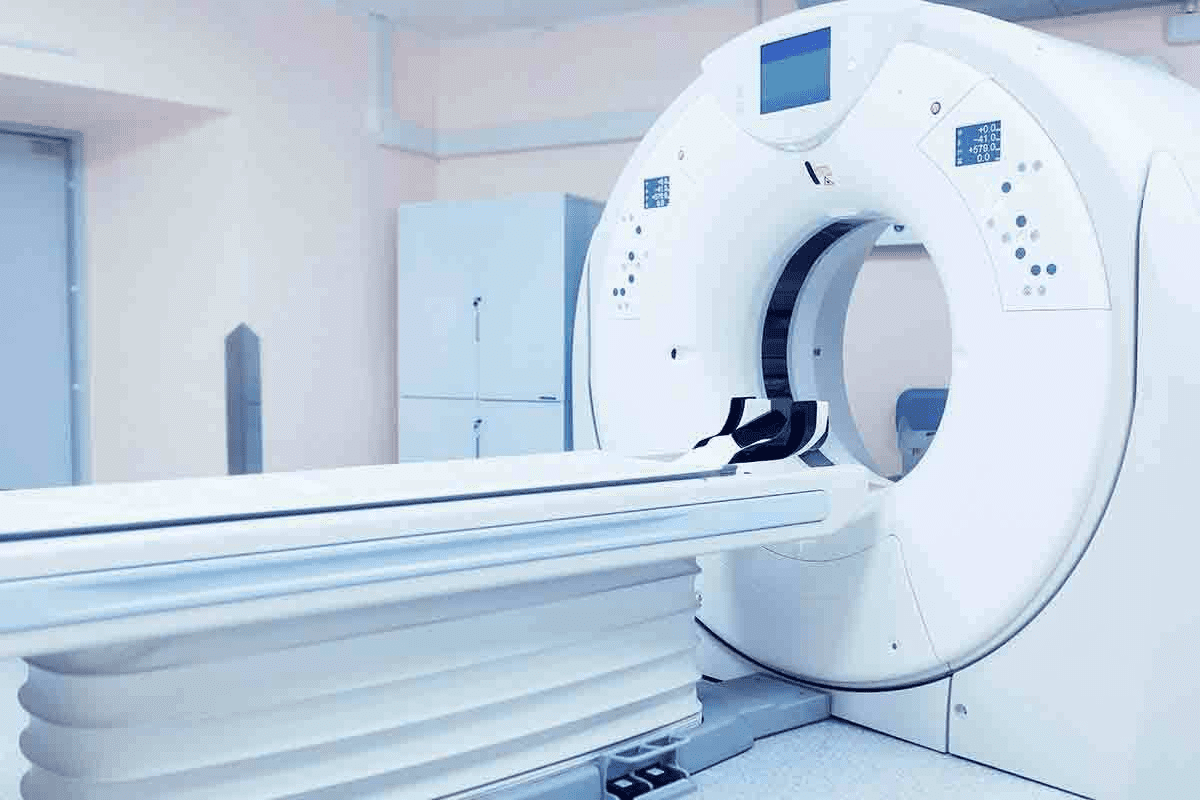
Keeping an eye on things is key to catching recurrence early. Doctors use MRI or CT scans and check how the brain is working. Finding it early can help a lot, making treatment more effective.
Some ways to keep an eye on things include:
- Regular MRI or CT scans
- Neurological exams to check brain and body functions
- Tracking symptoms and how the patient feels
Treatment Options for Recurrent Tumors
What to do when a tumor comes back depends on a few things. These are the tumor type, where it is, and what treatments were tried before. Some options are:
| Treatment Option | Description |
| Surgery | Removing as much of the tumor as possible |
| Radiation Therapy | Using targeted radiation to kill tumor cells |
| Chemotherapy | Drugs to kill cancer cells, used alone or with other treatments |
Understanding these options and their implications is crucial, as it empowers patients to make informed decisions regarding their care.
Living With a Brain Tumor Diagnosis
Getting a brain tumor diagnosis can change a patient’s life and their family’s too. It brings medical, emotional, and practical challenges that affect daily life.
Quality of Life Considerations
Keeping quality of life high is key for brain tumor patients. This means managing symptoms, reducing treatment side effects, and keeping the patient comfortable and functional. Symptom management is vital, as it lets patients do daily tasks and stay independent.
Quality of life also affects the patient’s family and caregivers. They need support and guidance to deal with the diagnosis and its effects.
| Aspect | Considerations |
| Symptom Management | Seizure control, pain management, cognitive support |
| Treatment Side Effects | Fatigue, hair loss, cognitive changes |
| Emotional Support | Counseling, support groups, family support |
Supportive and Palliative Care Approaches
Supportive and palliative care are key for brain tumor patients. They help reduce suffering, pain, and stress from the diagnosis and treatment.
Palliative care is a team effort with healthcare professionals and the patient’s doctors. It’s for anyone, at any age, with a serious illness. It can be given alongside treatments meant to cure.
Supportive care offers services like rehabilitation, nutritional support, and psychological counseling. These aim to boost the patient’s quality of life.
Breakthrough Treatments Improving Brain Tumor Survival
New treatments are changing how we fight brain tumors, giving patients hope. Medical research has led to new ways to treat brain tumors. These methods are helping more people survive.
The study of brain tumors is growing fast. New treatments like immunotherapy and precision medicine are showing great promise.
Immunotherapy Advances for Brain Cancer
Immunotherapy uses the body’s immune system to fight cancer. It’s being tested in brain tumor treatments. This method could lead to better survival rates.
Precision Medicine and Molecular Targeting
Precision medicine treats each tumor differently, based on its genes. Molecular targeting finds and attacks specific tumor flaws. These methods are making treatments more effective.
| Treatment Approach | Description | Potential Benefits |
| Immunotherapy | Utilizes the immune system to combat cancer | Enhanced anti-tumor immune response, improved survival |
| Precision Medicine | Tailors treatment to the tumor’s genetic profile | More effective targeting, fewer side effects |
| Molecular Targeting | Focuses on specific molecular abnormalities in tumors | Improved treatment, reduced toxicity |
These new treatments are a big step forward in fighting brain tumors. As research keeps improving, we can expect even more breakthroughs in brain cancer treatment.
Brain Tumor Life Expectancy: What the Statistics Really Mean
Brain tumor life expectancy is a complex topic. It involves looking at survival statistics in the context of each patient’s situation. General statistics give a broad view, but to understand a specific person’s prognosis, we need to look at many factors.
Survival statistics often show 5-year survival rates. These rates tell us the percentage of patients who live for five years after being diagnosed. But, these numbers can be misleading if we don’t consider the type of tumor, its grade, and the patient’s health.
Understanding Survival Statistics in Context
Survival statistics come from past cases. Their accuracy depends on the quality and relevance of the data. For brain tumors, survival rates change a lot based on the tumor type, grade, and location. For example, glioblastoma, a very aggressive brain cancer, has a worse prognosis than meningioma, which is often not cancerous.
| Tumor Type | 5-Year Survival Rate | Typical Treatment Approaches |
| Glioblastoma | 5-10% | Surgery, Radiation, Chemotherapy |
| Meningioma | 80-90% | Surgery, Radiation |
| Low-Grade Glioma | 50-70% | Surgery, Radiation, Chemotherapy |
Individual Factors That Affect Prognosis
While survival statistics give a general idea, individual factors are key in determining prognosis. These include the patient’s age, overall health, tumor location, and how well they respond to treatment. For instance, younger patients with fewer health issues usually have better outcomes. Also, new treatments like immunotherapy and precision medicine are helping more patients survive.
It’s important to understand these individual factors. This helps both patients and healthcare providers make better treatment plans. It also helps set realistic expectations about what the future might hold.
Special Considerations for Pediatric Brain Tumors
Pediatric brain tumors are different from adult brain tumors. They need a special approach because of their variety and the age of the patients. This includes how old the child is and what stage of development they are in.
Common Childhood Brain Tumors and Their Prognosis
Children can get different types of brain tumors, like medulloblastoma, gliomas, and ependymomas. Each type has its own outlook. Medulloblastoma is a common and serious tumor in kids. It has a better chance of being treated if caught early.
Thanks to genetic studies, doctors can now treat these tumors more effectively. This means better chances for kids to survive and thrive.
| Tumor Type | Typical Age Group | 5-Year Survival Rate |
| Medulloblastoma | 3-8 years | 70-80% |
| Low-Grade Glioma | 5-10 years | 80-90% |
| Ependymoma | 0-5 years | 50-70% |
Long-term Survival and Quality of Life
Thanks to better treatments, kids with brain tumors live longer. But, they might face challenges like thinking problems, hormone issues, and other cancers later. Supportive care and rehabilitation services help a lot.
It’s important for families and doctors to work together. They need to make sure kids get the best care. This care should help them live well and have a good quality of life.
When to Seek a Second Opinion for Brain Tumor Diagnosis
Getting a brain tumor diagnosis can be scary. It’s important to think about getting a second opinion. This is because a diagnosis can change your life a lot. A second opinion can give you more information about your tumor and treatment options.
Finding Brain Tumor Specialists and Centers of Excellence
Critical Questions to Ask Your Healthcare Team
When you get a second opinion, ask important questions. Find out about the tumor type and grade, treatment options, and clinical trials. Also, ask about their experience with similar cases.
Getting a second opinion is a smart move. It gives you more information to help you decide about your care.
Conclusion
Knowing about brain tumor prognosis is key for patients and their families. It helps them understand the journey ahead. The prognosis depends on the tumor type, location, grade, and the patient’s health.
Survival rates for brain cancer change a lot based on these factors. For example, glioblastoma is very aggressive and has a worse prognosis. On the other hand, meningioma is often benign. Treatment like surgery, radiation, and chemotherapy is vital for survival and improving outcomes.
New medical research and treatments are bringing hope to patients. Immunotherapy and precision medicine are leading the way. It’s important for patients to get a second opinion from experts to get the best care.
Understanding brain tumor prognosis and treatment options helps patients make informed choices. With ongoing research and better treatments, survival rates and quality of life will improve for those with brain tumors.
FAQ
What is the prognosis for a malignant brain tumor?
The outlook for a malignant brain tumor depends on several things. These include the tumor’s type, grade, and where it is, plus the patient’s health. Generally, malignant tumors have a worse prognosis than benign ones.
How does the grade of a brain tumor affect its prognosis?
The grade of a brain tumor is very important for its prognosis. Higher-grade tumors grow faster and are more aggressive, leading to a poorer outlook. Lower-grade tumors are less aggressive and have a better chance of recovery.
What is the survival rate for glioblastoma?
Survival rates for glioblastoma vary based on several factors. These include the patient’s age and overall health. Usually, the 5-year survival rate for glioblastoma is about 5-10%.
Are brain metastases terminal?
Brain metastases are serious but not always fatal. The prognosis depends on several factors. These include the type of primary cancer, the number and location of metastases, and the patient’s health.
How does treatment impact brain tumor survival rates?
Treatment can greatly affect brain tumor survival rates. Surgery, radiation therapy, and chemotherapy can all help. The impact depends on the tumor type and the patient’s individual factors.
What is the role of immunotherapy in brain tumor treatment?
Immunotherapy is a new and promising treatment for brain tumors. It uses the immune system to fight cancer cells. Immunotherapy has shown promise in treating certain brain tumors, like glioblastoma.
How can I improve my quality of life with a brain tumor diagnosis?
Improving quality of life with a brain tumor diagnosis requires a holistic approach. This includes managing symptoms, addressing emotional and practical needs, and staying connected with others.
What are the benefits of seeking a second opinion for brain tumor diagnosis?
Getting a second opinion for a brain tumor diagnosis can be very beneficial. It can confirm or change the initial diagnosis, explore other treatment options, and help understand the prognosis and treatment plan better.
How do pediatric brain tumors differ from adult brain tumors?
Pediatric brain tumors differ from adult brain tumors in several ways. The types of tumors, the age of onset, and treatment approaches are different. Pediatric brain tumors often need specialized care and treatment.
What is the importance of precision medicine in brain tumor treatment?
Precision medicine is very important in brain tumor treatment. It involves tailoring treatment to the individual patient’s tumor characteristics and genetic profile. This can improve treatment outcomes and reduce the risk of recurrence.
References
National Center for Biotechnology Information. Evidence-Based Medical Insight. Retrieved from https://pubmed.ncbi.nlm.nih.gov/36708005/