Last Updated on November 25, 2025 by
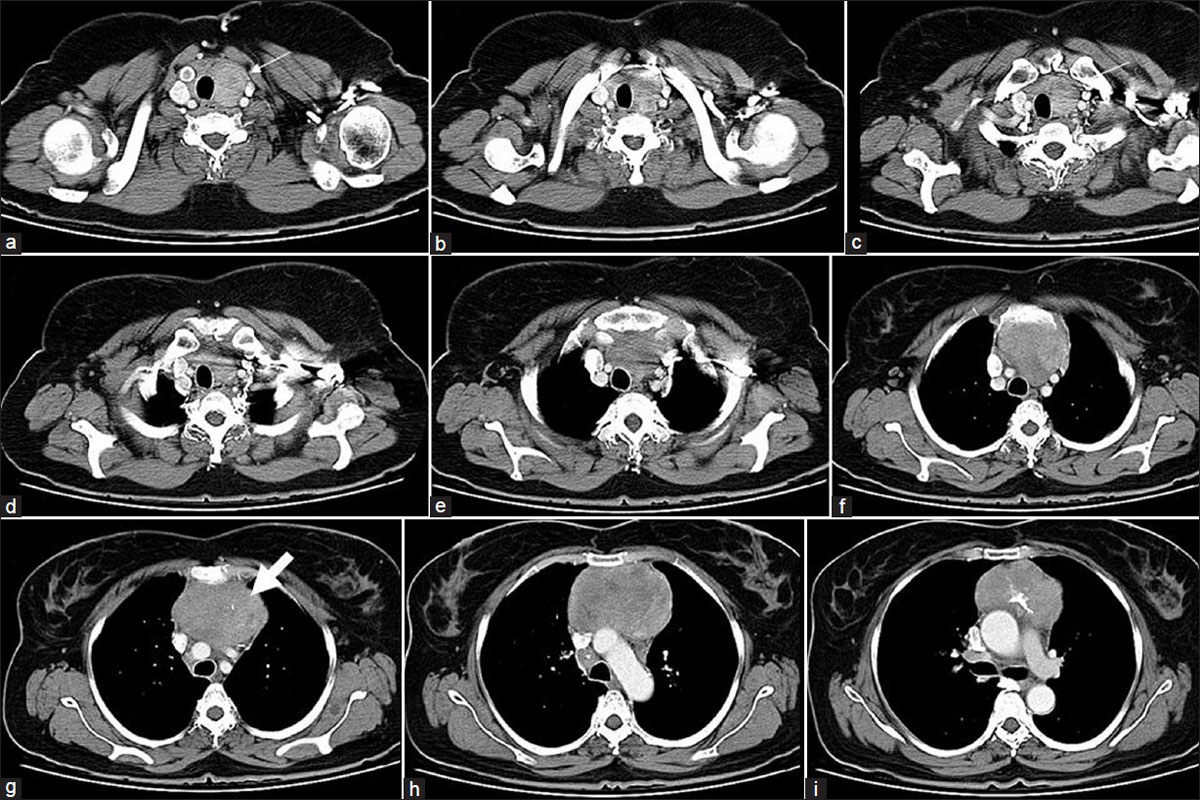
Imaging is key in diagnosing urinary tract issues. We use advanced CT scans for accurate diagnoses. A CT urogram and CT scans with or without contrast are two main types. They differ in how they approach and use the urinary tract. A CT urogram focuses specifically on the urinary system, using contrast media to show the kidneys, ureters, and bladder clearly. On the other hand, standard CT scans can be done with or without contrast, based on what’s needed. Knowing the differences between these scans is vital for the best care and results. We’ll look into their unique uses and how well they work for urinary tract checks.
Key Takeaways
- CT urogram is a specialized scan for the urinary tract.
- It uses contrast media to enhance visualization.
- Standard CT scans can be performed with or without contrast.
- The choice of protocol depends on diagnostic needs.
- Understanding the differences is key to the best patient care.
Understanding CT Imaging Techniques
CT imaging techniques are key in today’s healthcare. They help doctors see inside the body in great detail. We use CT scans to find many health issues, from simple injuries to complex diseases.
Basic Principles of CT Scanning
A CT scan uses X-rays to make detailed pictures of the body. This tech lets us see inside the body clearly, which is vital for correct diagnosis and treatment. The X-ray tube moves around the body, taking pictures from different angles.
Then, these images are put together to make detailed cross-sections of the body.
Role of Contrast Media in CT Imaging
Contrast media makes certain parts of the body stand out during a CT scan. It helps doctors see blood vessels, tumors, or other important areas. This makes diagnosing easier.
We use contrast media in many CT scans, like CT urograms. These scans help us see the urinary tract and find problems in it.
How we use contrast media depends on the scan. For example, in a CT urogram with contrast, we give it through an IV. Then, we take pictures at different times to see how the urinary tract works and looks.
What is a CT Urogram?
The CT urogram is a big step forward in medical imaging, focusing on the urinary system. It uses a special CT scan to look at the kidneys, ureters, and bladder in detail.
Definition and Purpose of CT Urogram
A CT urogram is a special CT scan for the urinary tract. It aims to show the urinary system’s details clearly. This helps us spot problems like kidney stones, tumors, and structural issues. Contrast media makes these parts stand out, helping us make accurate diagnoses.
How CT Urogram Visualizes the Urinary Tract
The CT urogram uses contrast media given through an IV. This media lights up the urinary system as it moves through. It shows the kidneys, ureters, and bladder in different stages, giving a full view of their shape and how they work. This is key for finding issues that might not show up in other scans.

Phases of a CT Urogram Examination
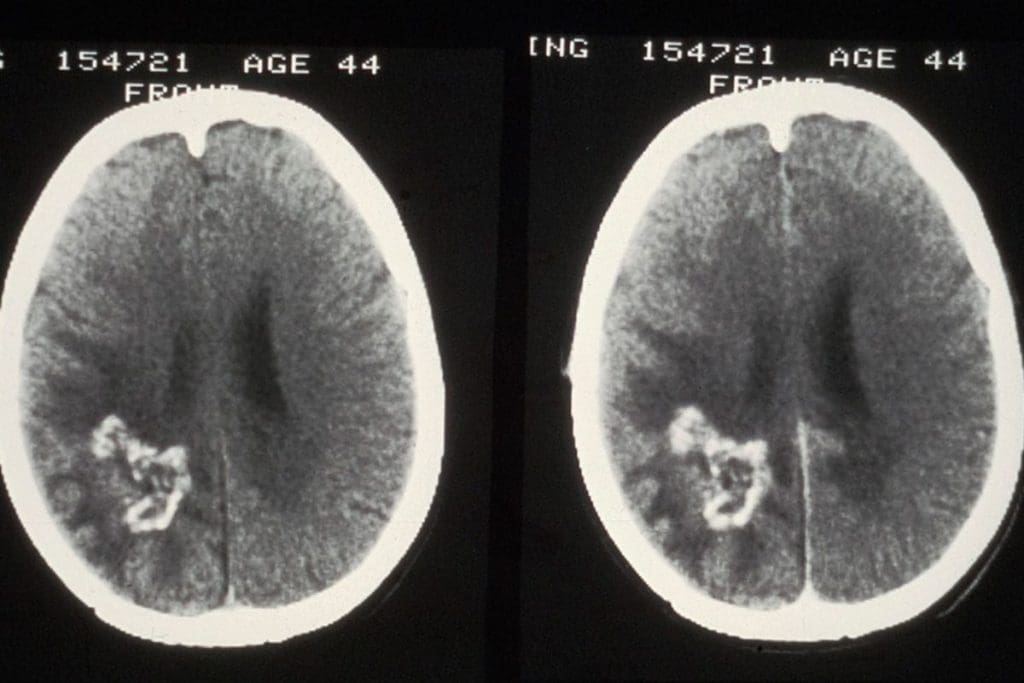
A CT urogram has several phases, each showing the urinary tract at different times. The non-contrast phase gives us a starting point for a CT urogram scan. The nephrographic phase focuses on the kidney’s inner parts in the CT urogram. The excretory phase shows how the contrast moves through the system, highlighting any blockages or issues in the CT urogram images.
With the detailed images from a CT urogram, we can better diagnose and treat urinary tract problems. The multiphase CT urogram data often helps identify subtle lesions that other modalities miss. This leads to better care for our patients using CT urogram guidance.
Standard CT With and Without Contrast Explained
Understanding CT scans with and without contrast is key for accurate diagnoses”but when it comes to urinary pathology, a CT urogram is often preferred. Standard CT scanning protocols may be simpler, but a CT urogram adds functional and anatomical detail.
Standard CT scans use contrast selectively, while a CT urogram routinely includes non-contrast and contrast-enhanced phases to fully map the urinary tract. When clinicians suspect urinary lesions, a CT urogram is more informative than single-phase CT.
Though standard CT has its uses, in urinary evaluation, CT urogram remains the gold standard for comprehensive imaging.
Non‘Contrast CT Scans: Uses and Benefits
Non-contrast CT scans are great for finding things like kidney stones or bleeding. They are fast and give us important info without contrast. They’re also good in emergencies when we need to act fast. However, when urinary tract detail is needed, a CT urogram may provide additional insight.
Non-contrast CT scans have fewer risks of allergic reactions. They’re also safe for patients with certain health issues that make contrast unsafe. Yet, in cases focused on the urinary system, a CT urogram may still be preferred.
Contrast‘Enhanced CT: When and Why It’s Used
Contrast-enhanced CT scans use a contrast agent to show structures more clearly. This is ideal for seeing blood vessels, tumors, and soft tissues. A CT urogram is a type of contrast CT optimized for urinary tract imaging.
We use contrast-enhanced CT scans for detailed views of organs, including the kidneys, bladder, and ureters. When these organs are of interest, a CT urogram helps delineate pathology better than a standard CT.
Dual‘Phase CT Protocols (With and Without Contrast)
Dual-phase RT protocols scan the patient both without and with contrast. This approach is exactly what a CT urogram uses to capture both baseline and enhanced phases when evaluating urinary tract diseases.
By mixing non-contrast and contrast-enhanced imaging, a CT urogram achieves a more complete representation of anatomy and function.
Key Differences Between CT Urogram and Standard CT
Understanding the difference between CT urogram and standard CT scans is key when diagnosing urinary tract issues. Here’s how they diverge:
Imaging Protocol Variations
- A CT urogram is designed specifically for the urinary tract and employs multiple timed imaging phases.
- Standard CT scans might only use a single phase or be tailored to different organs.
- The CT urogram focuses on kidneys, ureters, and bladder in more detail than a routine CT.
Contrast Administration Techniques
How contrast is given matters. In the CT urogram, contrast administration is timed to optimize visualization of the urinary flow through kidneys to bladder. This timing is crucial for diagnosing blockages or lesions in a CT urogram protocol.
Diagnostic Applications and Limitations
A CT urogram is especially powerful for detecting urinary tract tumors, stones, or urothelial disease. Standard CT scans, while versatile, lack the phased approach that a CT urogram employs to pinpoint urinary pathology.
Radiation Exposure Considerations
Both CT urogram and standard CT scans involve radiation exposure. Because a CT urogram often uses multiple phases, the radiation dose can be higher. That’s why modern CT urogram techniques aim to minimize exposure through protocol optimizations.
Clinical Effectiveness and Applications
The CT urogram is considered a top imaging choice for evaluating hematuria, urinary obstruction, and urinary tract cancer. Its high diagnostic yield often surpasses that of standard CT in urinary applications.
Detection Rates for Urinary Tract Conditions
A CT urogram frequently shows superior detection rates for small lesions, urothelial carcinomas, or subtle findings in the urinary system compared to standard CT. This makes the CT urogram especially valuable in high-risk patients.
Sensitivity and Specificity Comparisons
Because of its multiphase imaging, the CT urogram provides high sensitivity and specificity in detecting urinary abnormalities, surpassing many standard CT protocols.
Recent Innovations in CT Urography
Recent advances in CT urogram techniques include low-dose protocols, reduced contrast volume, and improved detectors ” all designed to make the CT urogram safer and more effective.
Conclusion
In summary, the CT urogram offers unmatched detail and functionality when assessing the urinary tract. While standard CT scans are excellent tools, the CT urogram remains the gold standard for urinary imaging, particularly for detecting tumors, obstructions, and structural anomalies.formation. This info highlights the need for the right imaging based on the patient’s health. It ensures accurate diagnosis and effective treatment plans.
FAQ
What is a CT urogram, and how does it differ from a standard CT scan?
A CT urogram is a special CT scan that uses contrast media. It shows detailed images of the urinary tract, like the kidneys, ureters, and bladder. It’s different from a standard CT scan because it focuses on the urinary system.
What is the role of contrast media in CT imaging, and how is it used in CT urogram?
Contrast media make certain body areas stand out during a CT scan. In a CT urogram, it’s used to highlight the urinary tract. This helps get clear images of the kidneys, ureters, and bladder.
What are the different phases of a CT urogram examination?
A CT urogram has several phases. These include a non-contrast phase, a phase with contrast, and sometimes a delayed phase. Each phase helps to see the urinary tract and find any problems.
What are the benefits of using CT urogram to evaluate urinary tract conditions?
CT urogram gives detailed images of the urinary tract. This helps doctors accurately diagnose and check conditions like kidney stones and tumors.
How does CT urogram compare to other imaging modalities in detecting urinary tract conditions?
CT urogram is very good at finding problems in the urinary tract. It’s often compared to ultrasound and MRI because of its high detection rates.
What are the limitations of CT urogram, and when might a standard CT scan be preferred?
CT urogram is a powerful tool, but it’s not always needed. For some conditions, a standard CT scan might be better. This is because it gives a more general view of the body.
What are the considerations regarding radiation exposure for CT urogram and standard CT scans?
Both CT urogram and standard CT scans use radiation. But, new CT urography methods aim to lower radiation while keeping the images clear.
How is contrast media administered during a CT urogram or contrast-enhanced CT scan?
Contrast media is given through an IV during a CT urogram or contrast-enhanced CT scan. It makes certain areas of the body stand out, helping to get detailed images.
What is the difference between a non-contrast CT scan and a contrast-enhanced CT scan?
Non-contrast CT scans are good for finding things like kidney stones. Contrast-enhanced CT scans show blood vessels and soft tissues. Using both types of scans together can give a full picture.
What is computed tomography urography, and how does it relate to CT urogram?
Computed tomography urography is another name for CT urogram. It uses CT scanning to look at the urinary tract.
Can a CT scan detect kidney stones, and is it more effective with or without contrast?
A non-contrast CT scan is often used to find kidney stones. While contrast media can be used, it’s not always needed for this purpose.
What is a CT cystogram, and how does it differ from a CT urogram?
A CT cystogram is a CT scan that focuses on the bladder. It’s similar to a CT urogram but looks at the bladder more closely, not the whole urinary tract.
References
Kalva, S. P., & Meijer, R. (2023). Computed Tomography Urography: State of the Art and Beyond. .https://www.ncbi.nlm.nih.gov/articles/PMC10204399/