Last Updated on November 25, 2025 by Ugurkan Demir
Knowing what “artery” means is key in medicine, mainly for heart health. At Liv Hospital, we stress the need to understand arteries. This helps us give top-notch care to our patients from around the world.
An artery is a blood vessel that takes oxygen-rich blood from the heart to the body. The word “artery” comes from the Greek “artēría,” meaning “trachea” or “artery.” This shows how vital it is to grasp the medical terms related to heart health.
We think knowing medical terms is vital for top healthcare. By understanding artery meaning and the role arteries play in health, we see why heart health matters. This knowledge helps us prevent diseases.
Key Takeaways
- The term “artery” refers to a blood vessel that carries oxygen-rich blood away from the heart.
- Understanding medical terminology is key for caring for patients from abroad.
- The heart system needs healthy arteries to stay healthy.
- Knowing how arteries work is key to stopping heart disease.
- Liv Hospital aims to offer the best healthcare with full support.
Understanding Artery Meaning and Function
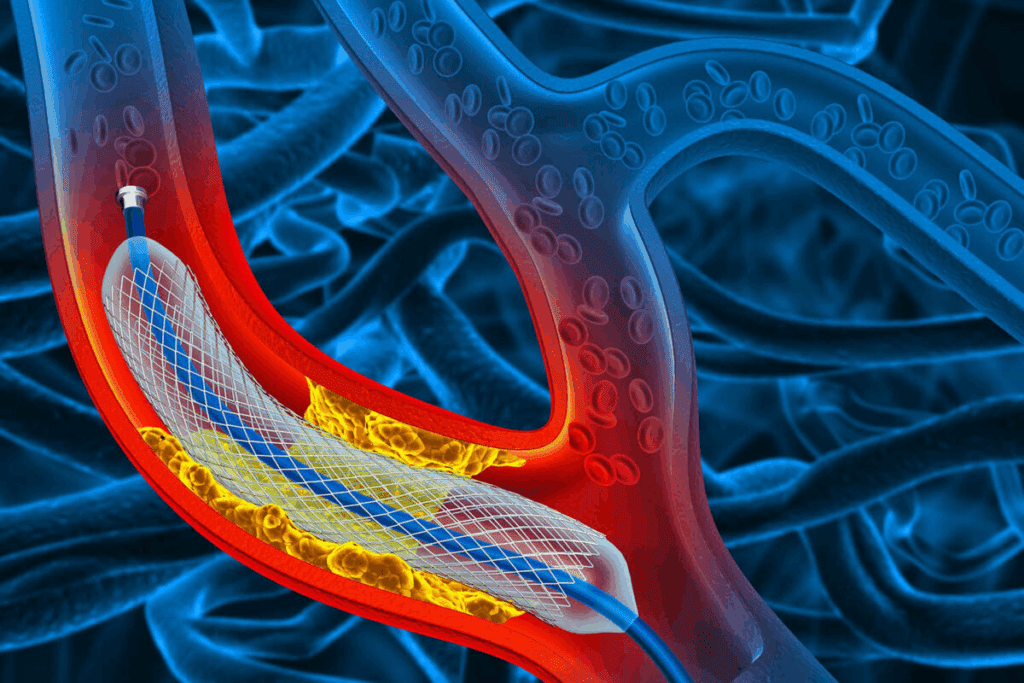
The term “artery” has a rich history. Knowing its etymology helps us understand its role. Arteries are blood vessels that carry blood away from the heart to the rest of the body.
Etymology and Origin of the Term “Artery”
The word “artery” comes from the Greek “arteria,” meaning “windpipe” or “artery.” At first, it described both arteries and the trachea. As medical science grew, it became linked more with blood vessels carrying blood from the heart.
Functions of Arteries in the Human Body
Arteries have thicker walls than veins. This is because they need to handle the heart’s high blood pressure. Their main job is to send oxygen-rich blood to tissues and organs. The only exception is the pulmonary artery, which carries blood to the lungs.
Medical Expert, a renowned cardiologist, said, “Arteries are not just passive tubes; they are dynamic vessels that adjust to the body’s needs, playing a critical role in maintaining cardiovascular health.” Knowing about arteries helps us understand health and prevent heart diseases.
Anatomical Structure of Arteries
Arteries are blood vessels that handle high pressures from the heart. Their unique structure is key to their function in the circulatory system.
## Step 2: Describe the layers of arterial walls
Next, we describe the three layers of arterial walls.
The Three Layers of Arterial Walls
The walls of arteries have three layers: the tunica intima, tunica media, and tunica adventitia. Each layer plays a role in the artery’s integrity and performance.
- Tunica Intima: The innermost layer, in direct contact with blood. It’s thin and smooth, reducing friction and preventing clotting.
- Tunica Media: The middle layer, the thickest in arteries. It has smooth muscle cells and elastic fibers, allowing for constriction and dilation.
- Tunica Adventitia: The outermost layer, made of connective tissue. It provides support and attaches the artery to surrounding tissues.
## Step 3: Compare arteries with veins
We then compare arteries with veins.
Comparison with Veins
Arteries and veins are both part of the circulatory system but differ in structure and function. Arteries have thicker walls, mainly the tunica media, to handle high pressures. Veins have thinner walls and use valves to prevent backflow.
| Characteristics | Arteries | Veins |
| Wall Thickness | Thicker walls to handle high pressure | Thinner walls |
| Presence of Valves | No valves | Have valves to prevent backflow |
| Direction of Blood Flow | Carry blood away from the heart | Carry blood towards the heart |
## Step 4: Conclude Section 3
Lastly, we conclude Section 3 by summarizing the key points about the anatomical structure of arteries.
In conclusion, arteries are built to handle high pressures from the heart, ensuring blood circulates efficiently. Understanding their layers and how they differ from veins is key to grasping the circulatory system’s complexities.
Types of Arteries and Their Functions
It’s important to know about the different types of arteries. They are classified by their structure and function. This helps us understand their roles in keeping our heart healthy.
Elastic Arteries
Elastic arteries, like the aorta and its main branches, handle the heart’s high pressure. They have a thick elastic layer. This lets them stretch and bounce back with each heartbeat, keeping blood flowing smoothly.
This elasticity also helps reduce the pressure wave from the heart. It makes blood flow to the rest of the body smoother.
Muscular Arteries
Muscular arteries, which include most named arteries, have a thick muscle layer. This lets them control blood flow to different parts of the body. They can widen or narrow to meet the body’s needs.
This control is key for keeping blood pressure right. It also makes sure tissues and organs get enough blood.
Arterioles
Arterioles are the smallest arteries and play a big role in blood pressure and flow. They have a lot of muscle for their size. This lets them change their size in response to signals.
Arterioles help control how much blood goes to capillaries. Capillaries are where nutrients and waste are exchanged.
In short, arteries work together for good blood flow. Elastic arteries handle high pressure, muscular arteries control blood distribution, and arterioles fine-tune blood flow to capillaries.
The Role of Arteries in Health and Disease
It’s key to understand how arteries work in health and disease. They help keep blood pressure stable and ensure blood reaches all parts of the body.
Arteries and Blood Pressure
Arteries are vital for controlling blood pressure. Their flexible walls adjust to the heart’s blood flow, keeping pressure steady. If arteries stiffen or narrow, blood pressure can rise, causing high blood pressure.
Arterial Diseases
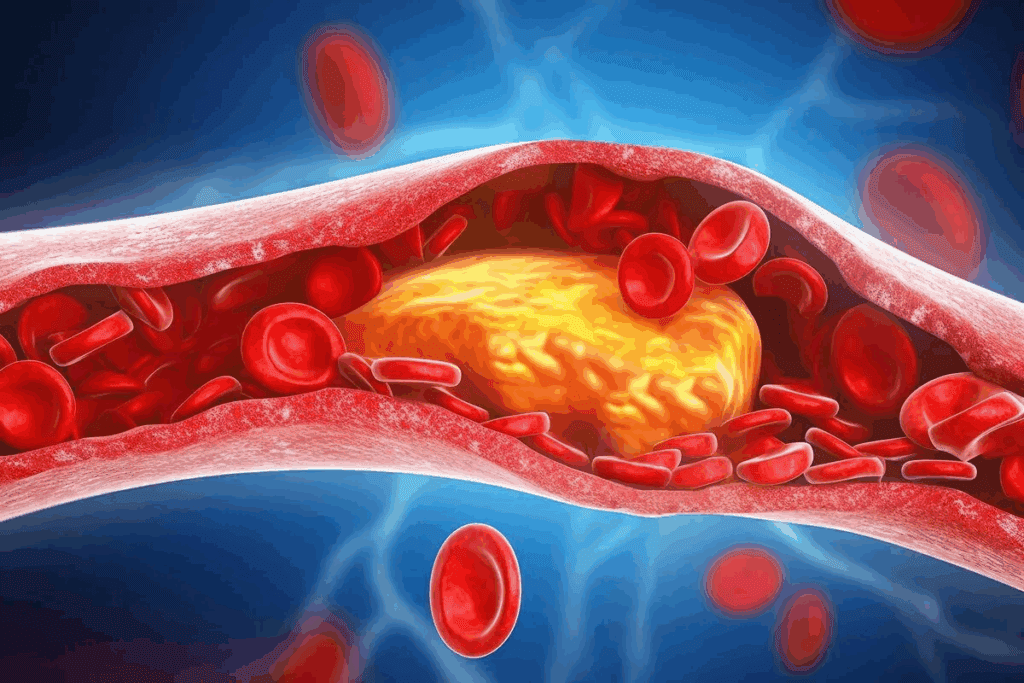
Arterial diseases, like atherosclerosis, can harm health. Atherosclerosis is when plaque builds up in arteries, making them hard and narrow. This can cut down blood flow to important organs, raising the risk of heart attacks and strokes.
| Characteristic | Healthy Artery | Diseased Artery |
| Wall Elasticity | Elastic, allowing for blood pressure regulation | Stiff, reducing ability to regulate blood pressure |
| Plaque Buildup | No significant plaque | Significant plaque buildup, narrowing the lumen |
| Blood Flow | Normal, adequate flow to organs and tissues | Reduced, potentially leading to ischemia |
The Pulmonary Artery: An Exception
The pulmonary artery is different from other arteries. It carries deoxygenated blood from the heart to the lungs. This shows how complex and specific the circulatory system is.
Structure and Function of the Pulmonary Artery
The pulmonary artery starts in the right ventricle of the heart. It then splits into the left and right pulmonary arteries. These arteries supply the lungs. The walls of the pulmonary artery are thinner compared to other arteries, which helps it handle the lower pressure of the pulmonary circulation.
We will look at what makes the pulmonary artery special. Its structure is designed for efficient blood flow to the lungs for oxygenation.
The Pulmonary Circulation System
The pulmonary circulation system is key to the overall circulatory system. It moves deoxygenated blood from the heart to the lungs and oxygenated blood back to the heart. This system works under lower pressure than the systemic circulation.
| Characteristics | Pulmonary Circulation | Systemic Circulation |
| Pressure | Lower | Higher |
| Blood Oxygenation | Deoxygenated to Oxygenated | Oxygenated to Deoxygenated |
| Function | Oxygenation of Blood | Nutrient and Oxygen Supply |
The pulmonary circulation system is vital for blood oxygenation. Its problems can cause serious health issues. Knowing how it works helps us understand heart conditions.
Major Arteries and Their Significance
It’s important to know about major arteries like the aorta and coronary arteries. They help blood flow around the body. This is key for keeping the body working right.
Aorta and Its Branches
The aorta is the biggest artery, starting from the heart’s left ventricle. It splits into parts like the ascending aorta and the descending aorta. These parts branch out to reach different body areas.
Some important aorta branches are:
- The brachiocephalic trunk splits into the right common carotid artery and the right subclavian artery.
- The left common carotid artery and left subclavian artery start from the aortic arch.
Coronary Arteries
Coronary arteries send blood straight to the heart muscle. The left and right coronary arteries start from the aortic root.
| Coronary Artery | Region Supplied |
| Left Coronary Artery | Supplies blood to the left ventricle, left atrium, and interventricular septum. |
| Right Coronary Artery | Supplies blood to the right ventricle, right atrium, and parts of the conduction system. |
The role of these major arteries is huge. They are vital for the heart and blood system’s health.
How to Spell Artery Correctly
Spelling ‘artery’ correctly is key for clear medical talk. We often see medical terms misspelled, causing confusion. ‘Artery’ is one such term.
The right way to spell ‘artery’ is A-R-T-E-R-Y. It’s a simple but important word for health workers and students. Getting it wrong can lead to mistakes in medical records and talks.
Common Mistakes in Spelling “Artery”
People often misspell it as ‘artary’ or ‘arterey.’ These errors come from typos or not knowing the word well. To avoid these, practicing the correct spelling is helpful.
Try breaking down the word into its letters: A-R-T-E-R-Y. This way, you’ll always spell it right. Also, using memory tricks or saying the word out loud can help you remember it.
Learning to spell ‘artery’ correctly boosts our medical vocabulary. It also cuts down on mistakes in our talks.
Arteries in Medical Terminology and Clinical Context
Understanding arteries is key in medical care. They are vital in the circulatory system. Their assessment is essential in many clinical evaluations.
Arterial Blood Gas Analysis
Arterial blood gas analysis is a key diagnostic tool. It checks oxygen and ventilation levels in patients. A blood sample from an artery, like the radial artery, is taken to measure pH, PaO2, and PaCO2.
- Assesses oxygenation and ventilation status
- Helps in diagnosing respiratory and metabolic disorders
- Guides ventilatory support and oxygen therapy
Arterial Pulse Measurement
Measuring the arterial pulse is another important clinical assessment. It gives insights into heart rate, rhythm, and cardiovascular health. It involves feeling a peripheral artery, like the radial or carotid artery, to check the pulse rate and character.
Common Arterial Diseases and Conditions
Arterial diseases can be very serious if not treated right. These diseases affect the arteries and can lead to heart attacks and strokes.
Atherosclerosis
Atherosclerosis is when plaque builds up in the arteries. This makes them hard and narrow. It can cut off blood flow to important organs.
Many things can cause atherosclerosis. These include:
- High levels of low-density lipoprotein (LDL) cholesterol
- Smoking
- Hypertension
- Diabetes
- Family history of cardiovascular disease
Changing your lifestyle and taking medicine can help. This can slow down atherosclerosis.
Arterial Hypertension
Arterial hypertension, or high blood pressure, is another big problem. It happens when blood pressure is too high. This can damage the arteries and lead to heart disease.
Things that can cause high blood pressure include:
- Genetics
- Obesity
- Physical inactivity
- High salt intake
- Excessive alcohol consumption
To control high blood pressure, you need to make lifestyle changes. Sometimes, you might also need medicine to lower your blood pressure.
Atherosclerosis and arterial hypertension are serious. They can cause heart attacks and strokes. Knowing about these diseases and their causes can help you stay healthy.
Modern Diagnostic Techniques for Arterial Health
Medical technology has made a big leap forward in diagnosing arterial diseases. Now, we have many tools to check on our arteries. This lets doctors see how healthy our arteries are more clearly.
Non-Invasive Imaging Methods
Non-invasive imaging is key in finding arterial diseases. These methods let us see inside the arteries without surgery.
- Ultrasound: Uses sound waves to make images of the arteries. It helps spot blockages or narrowings.
- MRI (Magnetic Resonance Imaging): Gives detailed pictures of the arteries. It helps check on artery health and find problems early.
These non-invasive tools are great for diagnosing and tracking artery diseases. They also help see if treatments are working.
Invasive Diagnostic Procedures
While non-invasive tests are first choice, sometimes we need invasive procedures. These give us more detailed info about artery health.
- Angiography: Involves putting a contrast agent into the arteries. It lets us see inside and find any blockages or issues.
These invasive tests are very useful. They help plan treatments and give a clear view of the arteries.
| Diagnostic Method | Description | Use in Arterial Health |
| Ultrasound | Uses sound waves to create images | Initial assessment, monitoring |
| MRI | Provides detailed images using magnetic fields | Disease progression, treatment planning |
| Angiography | Involves contrast agent to visualize arteries | Detailed assessment, pre-surgical planning |
Conclusion
Understanding arteries is key to knowing how our body circulates blood. We’ve looked into what arteries are, their role in health, and how they work. This includes their structure, types, and functions.
At Liv Hospital, we see how vital arteries are for our health. Knowing about arteries helps us prevent heart diseases. It also guides us to live healthier lives.
We’ve talked about the role of arteries in our bodies. This includes the aorta and its branches, and the coronary arteries. We’ve also discussed common diseases and how to diagnose them.
In short, knowing about arteries is very important. We aim to give you all the care and knowledge you need for healthy arteries. We urge you to take care of your heart health.
FAQ
What is the definition of an artery?
An artery is a vital blood vessel. It carries oxygen-rich blood throughout the body. This is key to keeping us healthy.
How do you spell “artery”?
The correct spelling is A-R-T-E-R-Y. Knowing this is important for clear medical talk.
What is the function of arteries in the human body?
Arteries are vital to our circulatory system. They are made to carry oxygen-rich blood all over our body.
What is the exception among arteries, and what is its function?
The pulmonary artery is special. It carries deoxygenated blood. This shows how complex and specific our circulatory system is.
What are the three layers of arterial walls?
The arterial walls have three layers. These layers give the needed strength and flexibility to handle heart pressure.
What are the different types of arteries, and what are their functions?
There are elastic arteries, muscular arteries, and arterioles. Each plays a role in the circulatory system. They range from directly getting blood from the heart to controlling blood flow.
What is the significance of major arteries like the aorta and its branches?
Major arteries like the aorta and its branches are key for blood distribution. Coronary arteries are vital for the heart. They supply it with oxygen and nutrients.
What is arterial blood gas analysis, and why is it important?
Arterial blood gas analysis is a critical tool in patient care. It checks oxygen and carbon dioxide levels in the blood. This helps in diagnosing and managing various conditions.
What are some common arterial diseases and conditions?
Atherosclerosis and arterial hypertension are major health issues. They can lead to cardiovascular disease. Understanding arterial health is very important.
What are the modern diagnostic techniques used to assess arterial health?
Modern techniques include non-invasive imaging and invasive procedures. These are key for diagnosing and treating arterial conditions. They show the progress in medical technology.
How can understanding arteries help in maintaining good health?
Knowing about arteries is key for good health. It helps prevent cardiovascular conditions. Understanding their structure, function, and diseases is essential.
References
Safar, M. E. (1995). The Arterial System in Hypertension. Hypertension, 26(1), 10-14.https://www.ahajournals.org/doi/10.1161/01.HYP.26.1.10
Mercadante, A. A. (2023). Anatomy, Arteries. StatPearls.
https://www.ncbi.nlm.nih.gov/books/NBK547743/
Tucker, W. D. (2023). Anatomy, Blood Vessels. StatPearls.
https://www.ncbi.nlm.nih.gov/books/NBK470401/