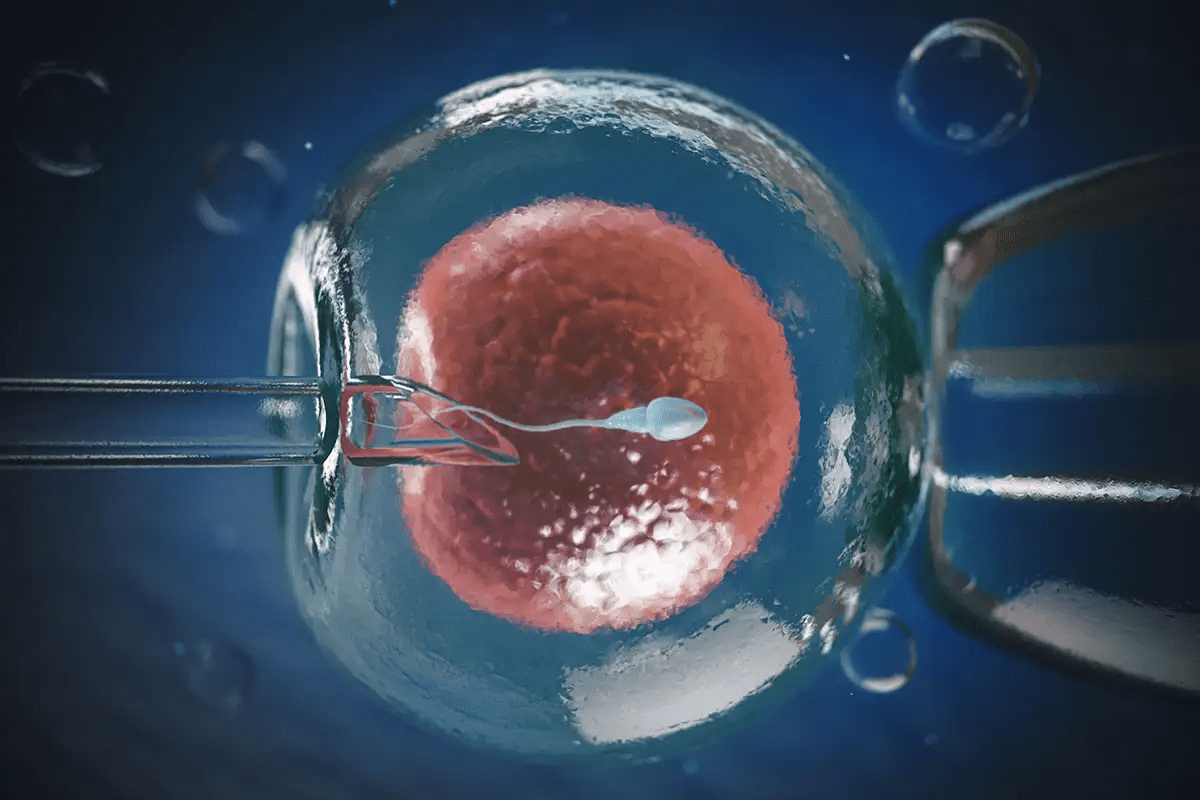
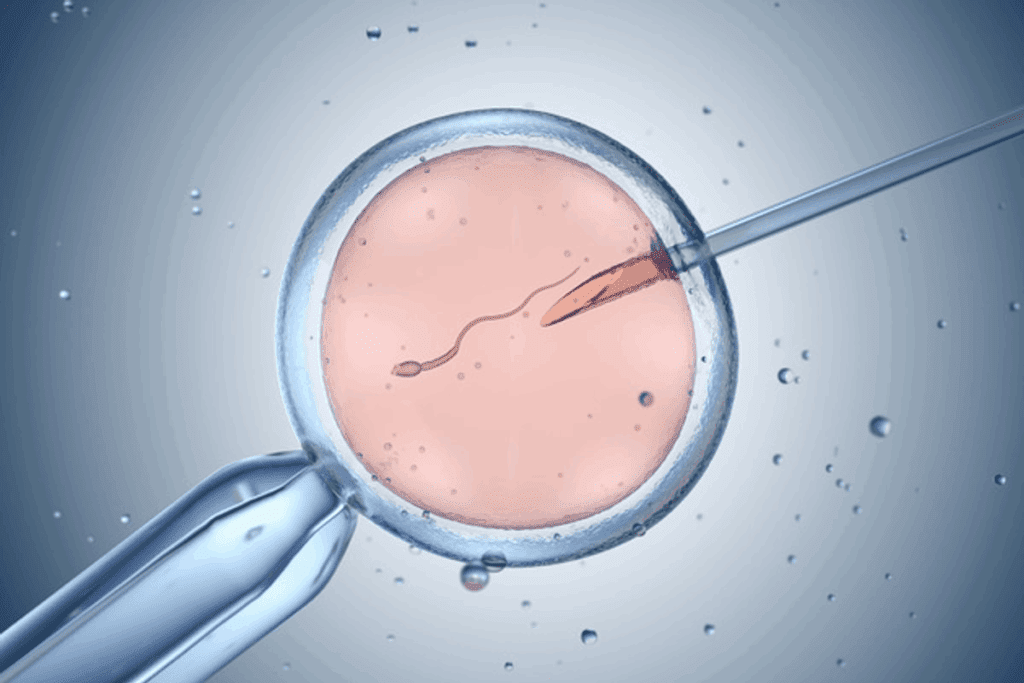
For couples facing infertility, intrauterine insemination (IUI) is a big step forward. It’s a simple way to put sperm directly into the uterus when other methods fail. This helps couples conceive naturally.
Studies show IUI works for about 60 percent of couples after four tries. It’s less invasive than other treatments. It also needs less medication and has fewer risks than IVF.
We’re looking at the good and bad sides of this treatment. Our goal is to help people make smart choices about their fertility.
Key Takeaways
- IUI is a minimally invasive fertility treatment.
- It achieves a cumulative pregnancy rate of approximately 60 percent after four attempts.
- IUI has lower medication requirements compared to IVF.
- The risk of ovarian hyperstimulation syndrome (OHSS) is reduced with IUI.
- IUI is considered a viable first-line treatment for many fertility concerns.
Understanding Artificial Insemination
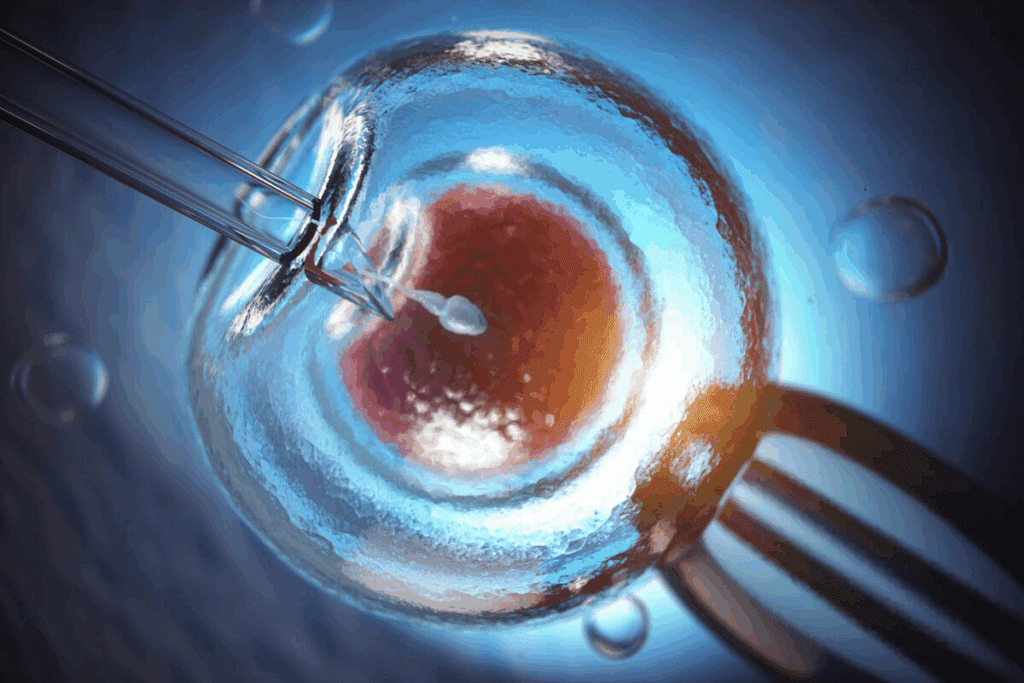
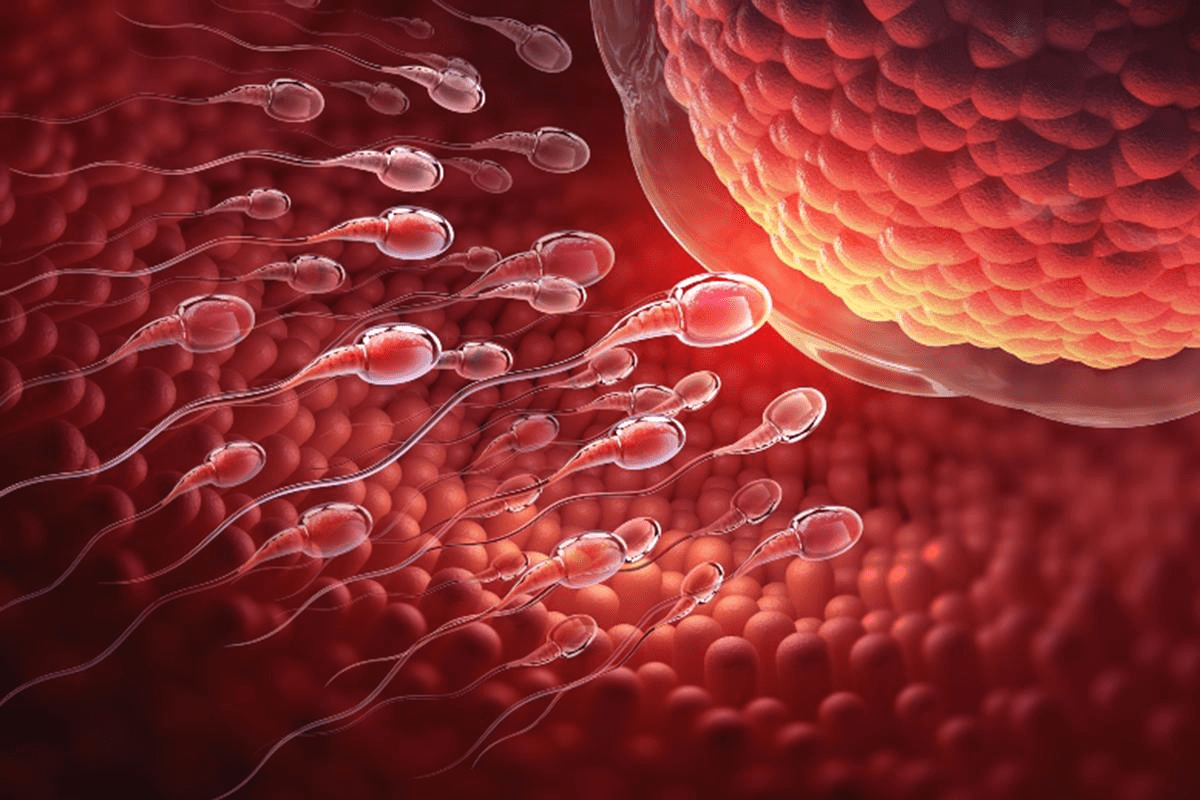
Artificial insemination is a way to help people get pregnant. It involves putting sperm directly into a woman’s uterus. This method is used when there are fertility problems.
What is Intrauterine Insemination (IUI)?
Intrauterine insemination (IUI) is a type of artificial insemination. It involves putting prepared sperm into the uterus when the woman is most fertile. This method helps overcome natural barriers to fertilization.
IUI can be done with or without fertility drugs. The choice depends on the reason for infertility and the woman’s cycle. A fertility specialist will decide the best approach.
How Artificial Insemination Works
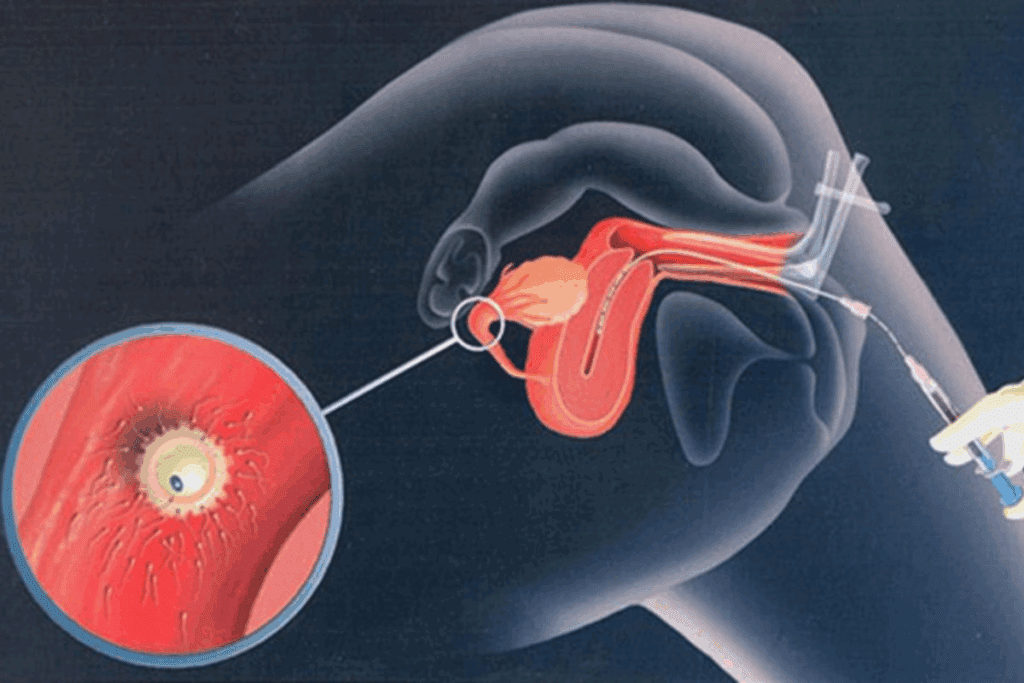
The process starts with tracking the woman’s ovulation cycle. Then, sperm is collected and prepared in a lab. The best sperm is inserted into the uterus using a special catheter.
The success of IUI depends on many factors. These include the sperm quality, the woman’s age, and the cause of infertility. Experts say, “The success of IUI depends on the woman’s age and the sperm quality.”
“The success of IUI depends on the woman’s age and the sperm quality.”
Fertility Expert
Types of Artificial Insemination Procedures
There are different types of artificial insemination. These include natural cycle IUI, triggered IUI, and IUI with fertility drugs. The choice depends on the individual’s situation and the fertility specialist’s advice.
| Type of IUI Cycle | Description | Typical Use Case |
|---|---|---|
| Natural Cycle IUI | IUI performed without fertility medications, relying on the woman’s natural ovulation cycle. | For women with regular ovulation cycles and minimal fertility issues. |
| Triggered IUI | IUI timed with an hCG trigger shot to precisely control ovulation timing. | For women who need more control over ovulation timing. |
| IUI with Oral Medication | Use of oral fertility medications to stimulate ovulation before IUI. | For women with irregular ovulation or polycystic ovary syndrome (PCOS). |
| IUI with Injectable Medication | Use of injectable fertility medications for more controlled ovarian stimulation. | For women who require more aggressive ovarian stimulation. |
Each type of IUI cycle has its own benefits. The choice depends on the individual’s or couple’s specific fertility needs and health.
The History and Evolution of Fertility Treatments
Artificial insemination has changed a lot over the years. It has greatly improved fertility care. The early days of artificial insemination to today’s advanced methods show how far medical science and technology have come.
Fertility treatments have made big strides, with artificial insemination leading the way. The development of intrauterine insemination (IUI) has been shaped by better sperm preparation, ovulation tracking, and fertility drugs.
Early Development of Artificial Insemination
The history of artificial insemination goes back many years. At first, it was simple and didn’t work well. But as medical knowledge and technology grew, so did the methods. Early steps were key to today’s fertility treatments.
The first attempts at artificial insemination were in the 18th century. Over time, the method has changed a lot. It now uses new technologies and methods to work better.
Modern Advancements in IUI Technology
Today’s IUI technology has changed fertility treatments a lot. Better sperm preparation techniques and ovulation monitoring have made IUI more successful.
IUI is now a common and easy fertility treatment. Fertility drugs have also made it more effective. They help control when the woman ovulates and when to do the insemination.
| Advancements | Description | Impact on IUI |
|---|---|---|
| Sperm Preparation Techniques | Improved methods for selecting and preparing sperm | Increased success rates |
| Ovulation Monitoring | Advanced technologies for tracking ovulation | Better timing for insemination |
| Fertility Medications | Medications to stimulate ovulation | Enhanced efficacy of IUI |
These improvements have made IUI more effective and available to more people. It helps those facing fertility issues.
Who Is a Good Candidate for Artificial Insemination?
Figuring out if artificial insemination is right for you depends on many things. We look at several important factors to see if it’s the best choice for you or your partner.
Male Factor Infertility Cases
Artificial insemination is often suggested for men with male factor infertility. This includes low sperm count, poor sperm movement, or other semen issues. It helps get around natural barriers to fertilization, boosting the chance of getting pregnant.
Female Fertility Issues That Benefit from IUI
Some female fertility issues can be helped by artificial insemination. For example, women with ovulation problems or cervical issues might find it helpful. IUI puts sperm directly in the uterus, making fertilization more likely.
Unexplained Infertility Situations
For cases of unexplained infertility, where no clear cause is found, IUI can be a good option. It improves the timing and conditions for fertilization. This can increase the chance of getting pregnant, even when the cause is unknown.
When Artificial Insemination Is Not Recommended
Artificial insemination is not always the best choice. For instance, women with severe fallopian tube damage or those over 35 might need IVF instead. We evaluate each situation to find the best treatment.
The Artificial Insemination Process Explained
Learning about artificial insemination can make you feel more ready for it. It’s a simple and gentle process. It aims to boost your chances of getting pregnant.
Pre-Procedure Testing and Evaluation
Tests and checks are done before starting the treatment. These include semen analysis, ultrasound, and hormonal evaluations. They help find any problems that might affect the treatment’s success.
Ovulation Monitoring and Timing
Tracking ovulation is key in the IUI process. It’s done by following the woman’s menstrual cycle. This can be through ultrasound monitoring or hormone level checks. Knowing when ovulation happens is vital for the best timing of the insemination.
Sperm Collection and Preparation
On the day of the procedure, a semen sample is collected. The sperm preparation process cleans and focuses the sperm. This step is important for better fertilization chances.
The Insemination Procedure
The actual insemination is quick and doesn’t hurt much. A thin catheter is used to place the sperm in the uterus. It’s done without anesthesia, and most women feel little to no pain. After, they might rest for a bit before going back to their usual activities.
Success Rates and Realistic Expectations
Artificial insemination success rates change a lot based on age. It’s key to know these stats and what affects them if you’re thinking about this fertility treatment.
Statistical Success Rates by Age Group
IUI success rates are about 5-20% per cycle. The woman’s age is a big factor in how likely success is.
| Age Group | Success Rate per Cycle | Cumulative Success Rate after 3 Cycles |
|---|---|---|
| Under 35 | 15-20% | 40-50% |
| 35-37 | 10-15% | 30-40% |
| 38-40 | 5-10% | 15-30% |
| Over 40 | Less than 5% | Less than 15% |
Table: IUI Success Rates by Age Group
Factors Affecting Success Probability
Many things can change how well artificial insemination works, including:
- The cause of infertility
- The quality of the sperm
- Any fertility problems
- When the procedure is done compared to ovulation
We’ll look at these factors in more detail. This will help you understand what affects IUI success.
Number of Cycles Typically Needed
How many cycles it takes to get pregnant with IUI can differ a lot. Some might get pregnant right away, while others might need more tries.
Usually, couples are told to try IUI for up to three cycles before looking into more treatments like IVF. This depends on their situation and what their doctor says.
Knowing about success rates and what affects them helps set realistic expectations for artificial insemination.
Artificial Insemination Pros and Cons: The Complete Picture
Exploring fertility treatments means understanding artificial insemination’s pros and cons. This method, or intrauterine insemination (IUI), is a simpler option than IVF. It’s less invasive and often less expensive.
Overview of Benefits and Drawbacks
IUI is known for being less invasive and costing less than IVF. It also requires fewer medications, which lowers the risk of complications. But, success rates can vary a lot. This depends on age, health, and the cause of infertility.
Drawbacks include needing multiple cycles, which can be tough emotionally and financially. Also, IUI might not work for everyone, like those with severe infertility or certain health issues.
Weighing Personal Factors in Decision-Making
When thinking about IUI, consider your medical history, finances, and personal wishes. It’s important to talk to a healthcare provider. They can help decide if IUI is right for you.
Key considerations include: the cause of infertility, the woman’s age, and sperm quality. By looking at these, you can decide if IUI is the best choice for you.
7 Key Advantages of Artificial Insemination
Artificial insemination is becoming more popular for fertility treatments. It offers many benefits that make it a top choice for many. Let’s dive into these advantages and see why it’s so favored.
1. Less Invasive Than Other Fertility Treatments
One big benefit of IUI is that it’s less invasive than treatments like IVF. It doesn’t need surgical egg retrieval. This makes it more comfortable for many patients.
2. Lower Cost Compared to IVF
Artificial insemination is also cheaper than IVF. The lower cost attracts those looking for affordable fertility options.
3. Reduced Medication Requirements
IUI needs less medication than other treatments. This lowers costs and reduces side effects.
4. Lower Risk of Ovarian Hyperstimulation Syndrome
The risk of Ovarian Hyperstimulation Syndrome (OHSS) is lower with IUI. This makes it safer for many women.
These points show the benefits of choosing artificial insemination for fertility. Understanding these can help individuals and couples make better choices.
- Less invasive than IVF
- Lower cost
- Reduced medication requirements
- Lower risk of OHSS
- Other benefits include simplicity and accessibility
Considering these advantages, it’s clear why artificial insemination is a popular choice for fertility treatments.
7 Main Disadvantages of Artificial Insemination
Artificial insemination has its good sides, but it also has downsides. It’s a less invasive and cheaper option than other fertility treatments. Yet, there are big drawbacks to think about.
1. Lower Success Rate Than IVF
One big disadvantage of artificial insemination is its lower success rate. IVF (In Vitro Fertilization) usually has better success rates per cycle. This makes IVF a more effective choice for many couples.
2. Multiple Treatment Cycles Often Required
Another big drawback is needing multiple treatment cycles to get pregnant. This can be very hard on couples emotionally and financially.
3. Increased Risk of Multiple Pregnancies
Using fertility meds with IUI raises the risk of multiple pregnancies. This is a big concern because multiple pregnancies are riskier for both mom and babies.
4. Limited Effectiveness for Severe Infertility
For those with severe infertility issues, artificial insemination might not work well. In such cases, more advanced treatments like IVF might be better.
It’s key to know the drawbacks of IUI before choosing it. While it has benefits, the limitations and risks must be thoughtfully considered.
Talking to a healthcare provider about these points is a good idea. They can help figure out the best treatment for your situation.
Cost Analysis of Artificial Insemination in the United States
Artificial insemination costs can change a lot. This is because of where you are and if your insurance covers it. Knowing these costs is key for those thinking about this fertility treatment.
Average Procedure Costs
In the U.S., a single IUI cycle can cost between $500 and $1,000. But, prices can vary. This depends on the clinic, the doctor’s experience, and what services you get.
Here’s a simple breakdown of IUI costs:
| Service | Average Cost |
|---|---|
| IUI Procedure | $500 – $1,000 |
| Sperm Preparation | $200 – $500 |
| Ovulation Monitoring | $100 – $300 per cycle |
Medication Expenses
Medications for ovulation or preparing the uterus can also add up. These costs can be between $100 and $500 per cycle. This depends on the medication and how much you need.
Insurance Coverage Options
Insurance for IUI varies a lot. Some plans cover the whole cost, while others might not cover anything. Always check with your insurance to see what they cover.
Key Points to Discuss with Your Insurance Provider:
- Coverage for IUI procedures
- Coverage for related medications
- Any limitations or exclusions
- Pre-approval requirements
Financial Planning for Multiple Cycles
It might take more than one cycle of IUI to get pregnant. So, planning your finances is very important. Think about the costs for each cycle, including procedures, medications, and extra services.
By knowing the costs of artificial insemination and planning ahead, you can make smart choices about your fertility treatment.
Legal and Ethical Considerations
The legal and ethical sides of artificial insemination are complex. They involve donor sperm laws and patient rights. It’s important to understand these issues when thinking about this fertility treatment.
Donor Sperm Legal Implications
Using donor sperm for artificial insemination has big legal issues. Laws about donor sperm change from place to place. They affect the rights and duties of donors, parents, and kids born through this method.
Religious and Cultural Perspectives
Religious and cultural views greatly influence opinions on artificial insemination. Different beliefs and cultures have different opinions on using donor sperm or IUI. It’s key to know these views to offer caring and full care.
Informed Consent Requirements
Informed consent is key in artificial insemination. Patients need to know the risks, benefits, and other options. We stress the need for clear talk and all the facts. This helps patients make good choices about their care.
Rights and Responsibilities
The rights and duties of those getting artificial insemination, and donors, are big ethical issues. This includes knowing the legal rights of kids born from donor sperm and the duties of parents and donors. It’s important to balance these rights and duties for ethical care.
Artificial Insemination vs. Other Fertility Treatments
Choosing between artificial insemination and other fertility treatments depends on many things. These include the cause of infertility, medical history, and personal preferences. We will provide a detailed comparison to help individuals make informed decisions about their care.
IUI vs. IVF: A Comparative Look
Intrauterine insemination (IUI) and in vitro fertilization (IVF) are two common fertility treatments. Both aim to help achieve pregnancy but differ in approach, complexity, and success rates.
| Feature | IUI | IVF |
|---|---|---|
| Procedure Complexity | Less invasive, simpler procedure | More complex, involves egg retrieval and embryo transfer |
| Cost | Generally less expensive per cycle | More expensive per cycle |
| Success Rate | Lower success rate per cycle | Higher success rate per cycle |
| Medication | May involve minimal medication for ovulation induction | Involves significant medication for ovarian stimulation |
IUI is often a first choice because it’s less invasive and cheaper than IVF. But, IVF has a higher success rate per cycle. This makes it a better option for many people.
IUI vs. Natural Conception with Fertility Drugs
IUI can be compared to natural conception with fertility drugs. Natural conception with drugs like Clomid can stimulate ovulation. But, IUI adds an extra step by directly placing sperm in the uterus. This increases the chances of fertilization.
Key differences include:
- IUI directly places sperm into the uterus, bypassing the cervix and vagina.
- Fertility drugs alone rely on natural intercourse for fertilization.
- IUI can be more effective for certain fertility issues, such as male factor infertility.
When to Consider Advancing to More Aggressive Treatments
Deciding to move to more aggressive treatments like IVF depends on several factors. These include the duration of infertility, age, and the underlying cause of infertility.
“The choice between IUI and IVF should be based on individual assessment and medical guidance, considering factors such as age, fertility diagnosis, and previous treatment outcomes.”
We recommend considering IVF if:
- IUI has been unsuccessful after 3-6 cycles.
- There are severe male factor infertility issues.
- The woman is over 35 years old.
- There are known tubal or uterine factors affecting fertility.
Understanding the differences between artificial insemination and other fertility treatments is key. By comparing IUI with IVF and natural conception with fertility drugs, individuals can make better choices. They can choose the most appropriate treatment based on their unique circumstances.
Conclusion
Artificial insemination is a key fertility treatment for many. It helps those facing fertility challenges. Our guide has covered all you need to know about IUI and its role in fertility treatment.
Choosing IUI means understanding its good and bad sides, success rates, and your own situation. Knowing these helps you make smart choices about your fertility journey.
We’ve looked at artificial insemination’s history, growth, and latest advancements. We’ve also talked about what affects its success and the importance of considering your own situation.
In the end, we hope this guide has given you useful insights into artificial insemination. We aim to help you feel confident on your path to becoming a parent.
FAQ
What is artificial insemination, and how does it work?
Artificial insemination, or IUI, is a fertility treatment. It involves putting sperm directly into the uterus to help with fertilization. The sperm is prepared and inserted into the uterus during ovulation.
What are the advantages of artificial insemination?
It’s less invasive and cheaper than IVF. It also requires less medication and has a lower risk of OHSS.
What are the disadvantages of artificial insemination?
It has a lower success rate than IVF. You might need more cycles. It also carries a risk of multiple pregnancies and isn’t effective for severe infertility.
Who is a good candidate for artificial insemination?
Those with male factor infertility, ovulation issues, cervical problems, or unexplained infertility might benefit from it.
How is the success rate of artificial insemination determined?
Success depends on the woman’s age, infertility cause, and cycle number.
What is the cost of artificial insemination in the United States?
Costs in the U.S. range from $500 to $1,000 per cycle. Additional expenses include medication and other services.
Are there any legal or ethical considerations associated with artificial insemination?
Yes, there are legal and ethical issues. These include donor sperm use, consent, and rights and responsibilities of all parties.
How does artificial insemination compare to other fertility treatments like IVF?
Artificial insemination is less invasive and cheaper than IVF but less successful. The choice between IUI and IVF depends on individual needs.
Can artificial insemination be used with fertility drugs?
Yes, it can be used with fertility drugs. This can stimulate ovulation and increase conception chances.
What are the possible risks and complications of artificial insemination?
Risks include multiple pregnancies, infection, and emotional stress from repeated cycles.
How many cycles of artificial insemination are typically needed?
The number of cycles varies. It depends on the cause of infertility and the woman’s age. Some get pregnant quickly, while others need more cycles.
What is the importance of ovulation monitoring in artificial insemination?
Monitoring ovulation is key. It ensures the insemination is timed right, increasing fertilization and pregnancy chances.
National Center for Biotechnology Information. Artificial Insemination: Pros, Cons, and Efficacy. Retrieved from https://pmc.ncbi.nlm.nih.gov/articles/PMC5512011/